In summer, it's hot! The media hammer this word at us relentlessly whenever you have the misfortune to switch on the TV, radio or the internet. A word that plunges us into dread, horror, even outright panic: THE HEATWAVE!
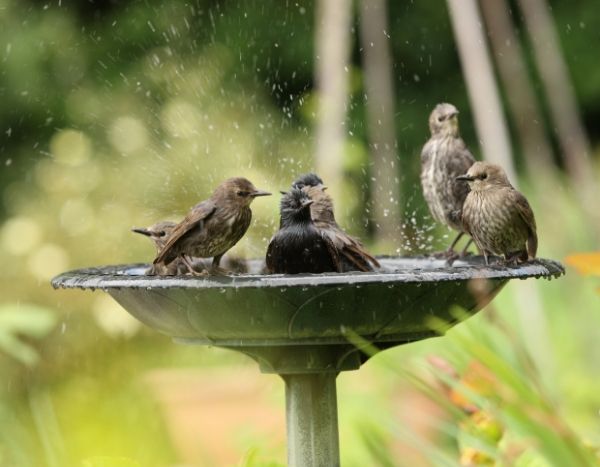
And if we're hot and thirsty, animals are too! I'm not talking about our dogs, cats, ponies or domestic geese but about all the little wild creatures living in our gardens: birds, mammals, insects, spiders, terrestrial crustaceans, amphibians, reptiles…
Want to give them a little helping hand to get through this critical period? Here are some tips to help save them.
Birds and small mammals
Birds are easy to spot as they flit about the garden, but mammals—more discreet: squirrels, moles, shrews, hedgehogs…—are often less visible. Yet they're there. And all these creatures get hot and… thirsty in summer. It's very simple to make life easier for them. Here's how:
- Place shallow dishes of fresh water in several places around the garden (or, if necessary, on the balcony): they should be shallow and stable and contain only water, just water. Do not add sugar, salt or anything else. And do not give cow's milk or similar. Just water!
- Place these dishes in quiet, predator-safe spots: the energy spent fleeing a potential predator at this time could be fatal for birds as well as for mammals.
- Change the water at least daily, or twice a day if necessary: mainly to prevent the spread of disease.
- Avoid standing water in general: this will help prevent a mosquito invasion on your terrace or in your bedroom…
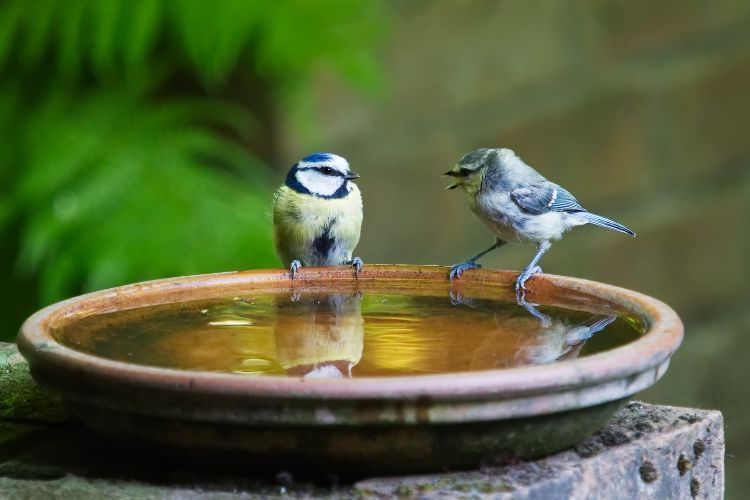
please note: bats drink very little. That's why their droppings are so dry and crumbly. Nevertheless, in very hot weather it's not uncommon to see them drink at dusk, but only from large bodies of water (a big pond at a stretch). Indeed, they drink on the wing, and it's quite difficult to aim for a small dish in those conditions.
Insects and other small creatures
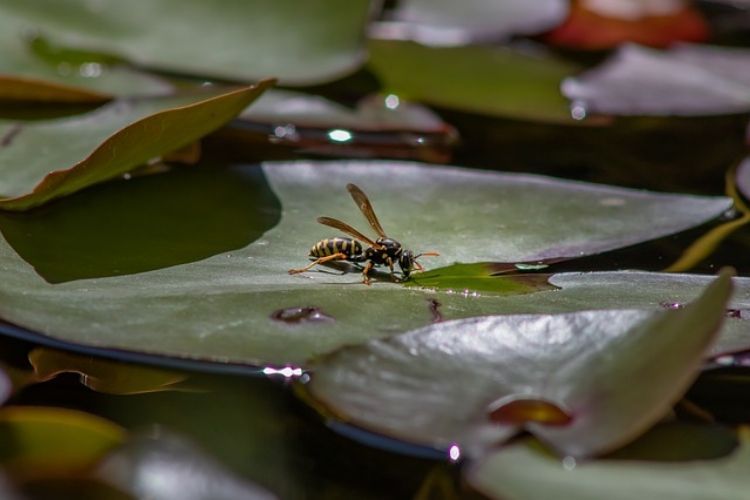
Insects, spiders and even woodlice are thirsty too. Although they naturally drink far less than a sparrow or your neighbour, they still need a certain level of hydration to maintain physiological functions, notably internal pressure.
To help them, you can place a simple sponge soaked in water or, if not available, a well-watered brick which will allow them to drink without risk of drowning.
please note: all these friendly little creatures will, for once, be a little less agitated than usual. A unique opportunity to observe them closely and, why not, try to identify them.
Further measures and preparing for future heatwaves...
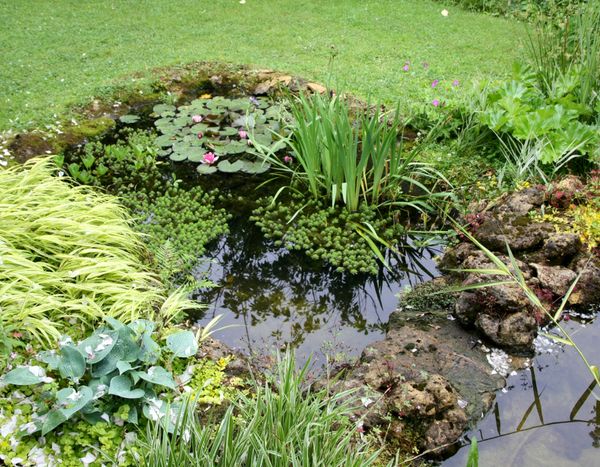
- Dig a small pond or create a mini water garden: as well as creating a biotope rich in biodiversity, you'll create a small wetland area in your garden that will effectively offset the temporary lack of water caused by heatwaves.
- Provide shade by planting trees and shrubs: when it's very hot, you'll notice that few animals (except some reptiles) come out. They hide in the shade and hardly move. Even ectothermic animals (cold-blooded) such as insects seem to say "enough is enough!" and stay quietly hidden in the shade. To help them, nothing beats creating multiple shady areas in the garden.

































Comments