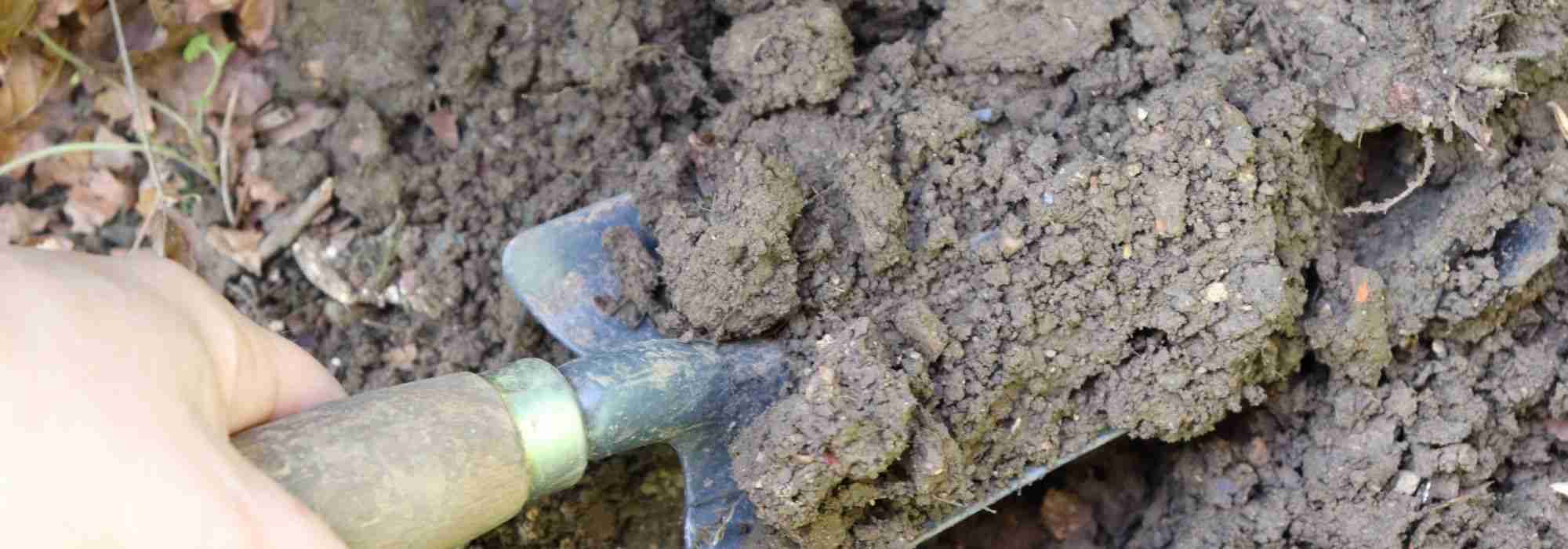
Soil fertility: rich or poor, how can you tell?
Single tests and observations, solutions
Contents
Soil fertility is not limited, as is often said, to soil nitrogen content. This concept is much more complex and, in reality, difficult to define precisely.
Nevertheless, it can be stated that fertile soil is healthy, does not deteriorate too quickly and can sustain large numbers of plants without nutrient deficiencies or disease.
→ Is your soil sufficiently fertile? Is it really sensible to apply large amounts of fertiliser? We’ll tell you everything in this fact sheet!

What is soil fertility?
Soil functioning is complex and a less vague definition of soil fertility might be:
“Capacity of soil to meet physical, chemical and biological needs necessary for plant growth, for productivity, reproduction and quality adapted to plant type, soil type, land use and climatic conditions.” (Abbot & Murphy: Soil biological fertility – 2003)
In brief, soil fertility can be defined by following factors:
- its humus content: humus, top layer of soil created by decomposition of organic matter, provides structure to soil and retains water;
- soil depth: or more precisely subsoil, layer beneath topsoil. It must be sufficient for root development of plants;
- soil drainage: compacted, oxygen-deprived soil does not allow good movement of gases, water or nutrients;
- level of assimilable nutrients: plants need nitrogen, carbon and trace elements to grow and remain healthy. If soil is deficient or if elements are not assimilable because of soil compaction or excessive acidity, for example, plants will not grow normally;
- its acidity level: most plants grow very well at pH between 5.5 and 8;
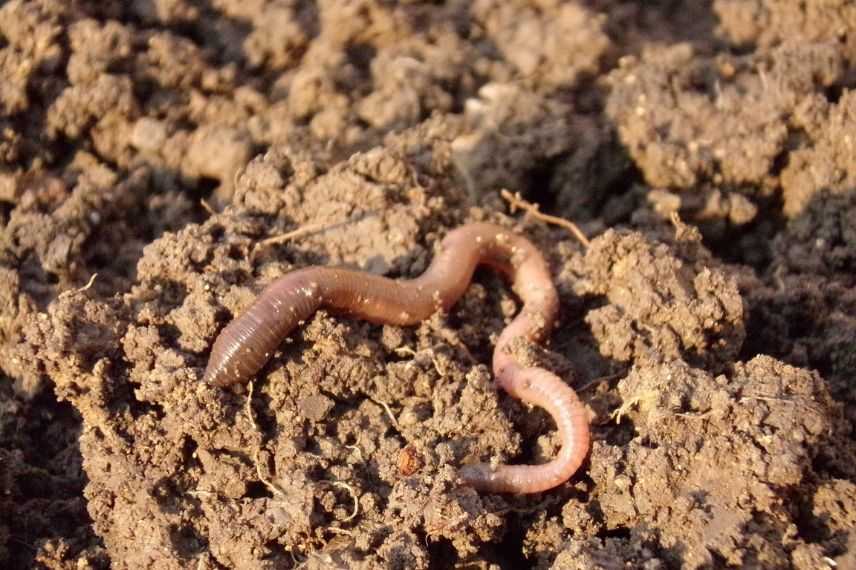
- soil life: insects, earthworms, micro-organisms, mycorrhizae… all contribute to creating fertile soil. Dead soil in which inhabitants are but a distant memory will not be fertile. Unless turned into chemical factory by repeated application of industrial fertilisers…
How to tell if your soil is rich or poor?
Observe your plants
To know whether soil is fertile, no need to undertake costly analyses. At first, simply observe what grows in your garden and how these plants develop. Observing plants provides valuable clues about soil richness. If soil is rich in humus, plants will grow quickly, with healthy foliage, without excessive pests or diseases.
Observe adventive and native plants
Plants do not grow in a place by chance. Native nitrophilous plants will grow on nitrogen-rich ground: nettles, fat-hen, couch grass, dead-nettles, annual mercury, hogweed, chickweed… If you see these plants in large numbers, you can be confident that soil is rich enough to grow any plant.
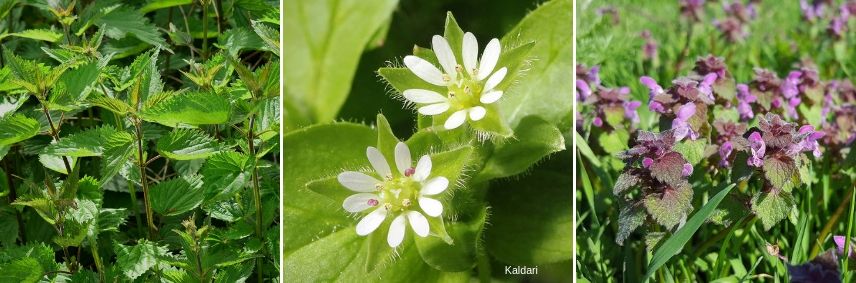
Some adventive plants: nettle, chickweed and red dead-nettle
Perform the hydrogen peroxide test
A good way to assess amount of organic matter present in soil is to carry out a simple hydrogen peroxide test or hydrogen peroxide (H2O2) available from pharmacies.
There are two types of organic matter: stable humus, which decomposes slowly, and fugitive organic matter, which breaks down quickly and therefore supplies minerals to plants rapidly. Every soil contains these two types of organic matter in varying proportions.
To do the test :
Put a little soil on a plate. Drop a few drops of hydrogen peroxide onto the soil. Three reactions are possible :
- Soil does not bubble : presence of a lot of stable humus but very little fugitive organic matter. Mineralisation, i.e. breakdown of organic matter into minerals, needs to be reactivated by supplying oxygen to soil fauna, for example by raking the soil.
- Soil bubbles vigorously : organic matter is present mostly as fugitive material. It decomposes very quickly and C/N (Carbon / Nitrogen) ratio is imbalanced. Add carbon: twigs, straw, wood, RCW, untreated cardboard…
- Soil bubbles slightly : organic matter is more stable and therefore retains more water. This is the best-case scenario. C/N (Carbon / Nitrogen) ratio is in good balance. Soil has good fertility and is fairly stable.
Please note : Carbon/Nitrogen ratio is an important concept when discussing soil fertility. It indicates speed of organic matter breakdown. The higher the C/N ratio, the more slowly organic matter decomposes, but the humus or compost produced is then very stable. That is why, for example, layers of green waste (Nitrogen) and brown waste (Carbon) are alternated in a compost heap.
Rendre un sol fertile demande des actions à la fois rapides et sur le long terme. Voici une démarche pratique et progressive : 1. Tester le sol - Réaliser un test de pH et d’éléments (N, P, K, éventuellement cations échangeables) via un laboratoire ou un kit fiable. - Connaître la texture (sable, limon, argile) pour adapter les amendements. 2. Ajouter de la matière organique - Incorporer du compost bien mûr : étaler 2–4 cm (équivalent 20–40 L/m²) puis enfouir légèrement dans les 10–15 cm supérieurs, une à deux fois par an. - Apporter du fumier bien décomposé si disponible (éviter fumier frais). - Pailler (mulch) avec broyat, paille ou feuilles pour protéger, conserver l’humidité et alimenter le sol en se décomposant. 3. Utiliser des engrais verts (plantes de couverture) - Semer des légumineuses (trèfle, vesce) pour fixer l’azote, ou des graminées pour structurer la matière organique. - Incorporer avant la floraison pour enrichir la terre en biomasse. 4. Corriger le pH si nécessaire - Si sol trop acide : chaulage (calcaire) selon préconisations du test de sol. - Si sol trop alcalin : amendement à la soufre ou paillis acide (ex. aiguilles de pin), après diagnostic. - Toujours appliquer selon dosage conseillé par test. 5. Améliorer la structure et le drainage - Sols lourds : ajouter compost, sable grossier ou matières organiques pour alléger ; apporter du gypse si recommandé. - Sols très drainants : augmenter matière organique et paillage pour retenir eau et nutriments. - Éviter le piétinement et le travail excessif qui compactent ; travailler le sol à bonne humidité. 6. Fertilisation adaptée - Privilégier engrais organiques (compost, corne broyée, farine de plumes, guano, algues) et amendements minéraux si besoin. - Donner de l’azote au moment de la reprise végétative, du phosphore au démarrage racinaire et du potassium en croissance/ maturation, en se basant sur analyse du sol. - Éviter surdosage et apports répétés d’engrais synthétiques sans contrôle. 7. Favoriser la vie du sol - Encourager vers de terre, mycorhizes et microbes par apports réguliers de matière organique et en évitant les traitements chimiques agressifs. - Utiliser inoculants mycorhiziens pour plantes sensibles si sol appauvri. 8. Pratiques culturales favorables - Rotation des cultures, associations utiles (légumineuses après cultures gourmandes), et alternance de cultures profondes/ superficielles. - Cultures en planches ou en buttes pour améliorer structure et gestion d’eau. 9. Solutions complémentaires - Biochar mélangé au compost pour améliorer rétention d’eau et nutriments. - Drainage ou surélévation (bacs, buttes) sur sols très humides. Plan simple sur une année - Printemps : test du sol, apporter compost, semer engrais verts, début de fertilisation si nécessaire. - Été : paillage, contrôler humidité, incorporer engrais verts avant floraison. - Automne : apport de compost et fumier décomposé, préparer rotations. - Hiver : laisser engrais verts se décomposer, éviter travail intensif si sol gelé ou trop humide. Rappels pratiques - Toujours ajuster interventions selon test du sol et culture visée. - La matière organique est la clé : elle améliore structure, nutrition et vie biologique. - La fertilité se construit sur plusieurs saisons : patience et régularité. Si vous voulez, donnez-moi type de sol et cultures (potager, pelouse, massif) : je propose un plan d’amendement précis et dosages adaptés.
Understanding your soil and acting accordingly
No need to fertilise soil that is already fertile but whose structure prevents nutrients reaching plant roots. First address structural problems, for example lighten soil, before applying any hypothetical fertiliser.
→ Some suggestions are provided in our advice sheet “Gardening in heavy, wet soil“.
Moreover, soil that is too acidic does not allow good transport of nutrients to plant roots: correction with a lime amendment can remedy this. Conversely, soil that is too calcareous must regain a good humus-bearing layer to become fertile again.
→ Read these two articles on the subject: “Gardening in acidic soil” and “Gardening in calcareous soil“.
Add organic matter
We all hope for humus-bearing soil like in a forest. But to create soil rich in humus — therefore rich in nutrients and with a structure that retains water without excess — you must “imitate” what happens in nature: this is what agroforestry practitioners do by combining tree cultivation with more conventional agriculture, thereby protecting soils from degradation. The solution is therefore to add organic matter to soil: dead leaves, green waste… and well‑matured compost, even well‑decomposed manure.
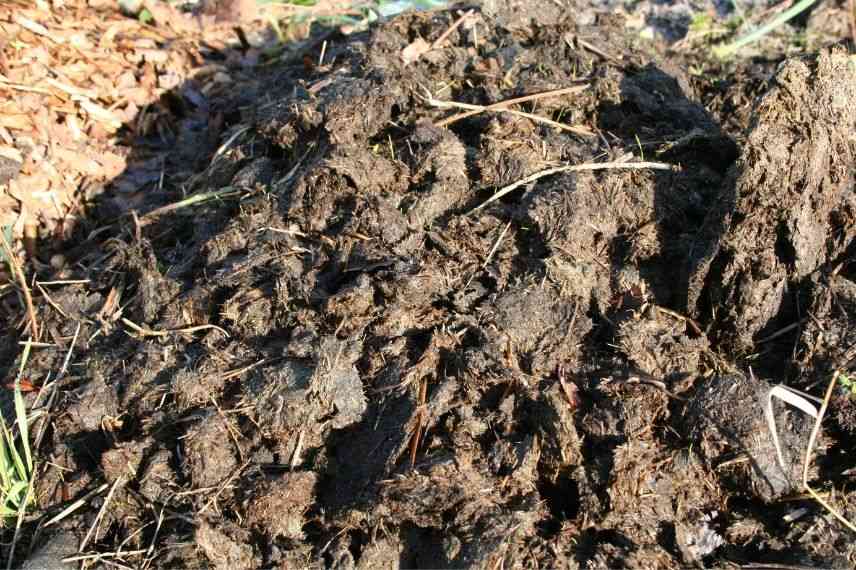
Well-decomposed manure
Green fertilisers and other soil covers
Green fertilisers live up to their name. They are plants sown to prevent soil remaining bare for too long: phacelia, rye, mustard, crimson clover… When the bed is needed for a crop, simply cut the green fertiliser and incorporate it into the soil.
Other soil covers: grass mulches, RCW, straw, dead leaves… besides protecting the soil, they too will be incorporated gradually by soil detritivores (earthworms, insects, fungi… feeding on organic matter).
You can also leave an impoverished part of your soil fallow. Soon plants will colonise the surface and over time help make that area fertile.
Crop rotation
In a vegetable patch, crop rotation is an indispensable technique to maintain soil fertility (among other benefits!). Legumes (family Fabaceae) such as peas, broad beans or beans are plants capable of fixing atmospheric nitrogen. Consequently they are perfect to grow immediately after a nitrogen‑hungry vegetable such as courgettes or other cucurbitaceous crops.
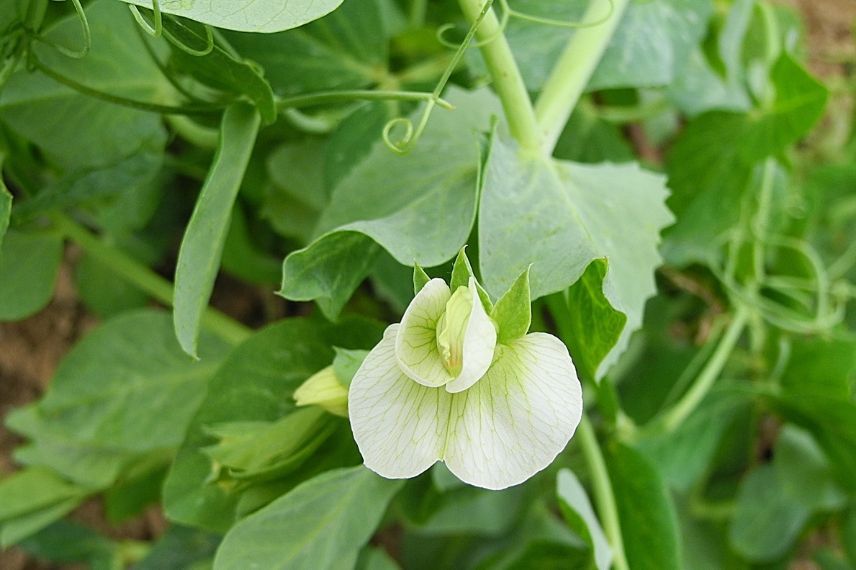
Legumes make excellent green fertilisers!
Nota bene: Chemical inputs or amendments are not a good solution to fix soil fertility problems in the medium and long term. Better always to create natural soil with natural elements: wood, RCW, dead leaves, organic waste…
Read also
What is soil pH?Must a garden necessarily be grown on rich soil?
Poor soil can sometimes be a blessing
Paradoxically, biodiversity in botany, and therefore resulting faunal biodiversity, is greatly reduced on rich soil. Indeed, on heavily amended or naturally rich soil, a short list of nitrophilous plants (hogweeds, nettles…) will take over other species, reducing botanical diversity.
Some nature lovers work themselves to exhaustion or spend fortunes trying to impoverish part of their garden to create a high-biodiversity area: this is called a “biodiversity hotspot”. So if you love nature and have poor soil, pop the champagne! It’s an opportunity to establish a lean meadow or simply let nature take its course and wait for native flowers to come naturally to your plot.
Vegetable garden on poor soil?
Growing vegetables requires a lot of nutrients to provide quality produce. Imagine what a courgette plant must “eat” to give you a courgette as long as your arm in just a few days! The quickest solution if you have poor soil is… not to grow on it. Instead favour alternative growing techniques: on mounds, in lasagne beds or in a raised bed filled with potting compost. Plenty of solutions exist…
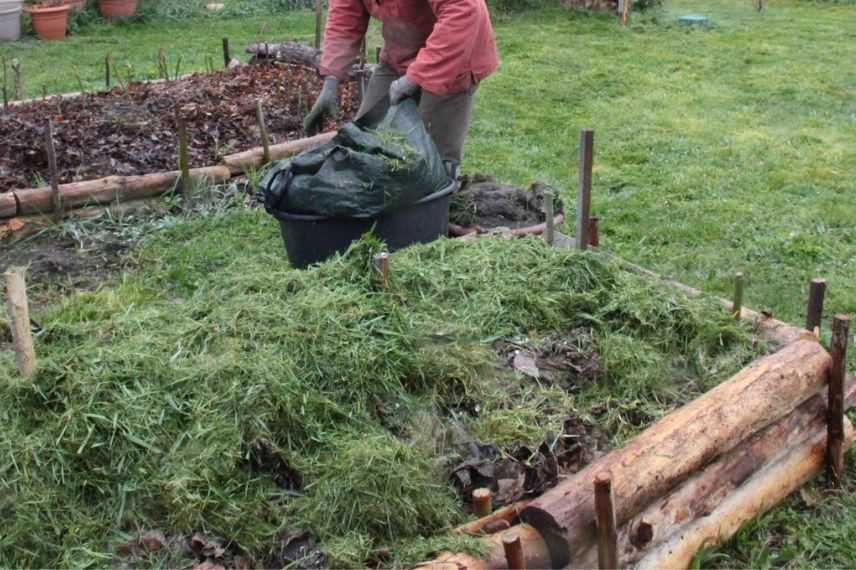
Creation of a lasagne mound for vegetable growing
Plants adapted to poor soils
Trees and shrubs
Some trees and shrubs like to grow on poor soils: Scots pine, oak, juniper, broom, amelanchier, viburnum lantana, sea buckthorn, lavender…
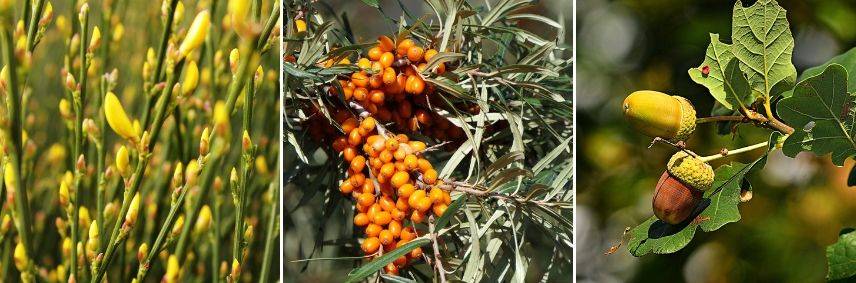
Some trees and shrubs suited to poor soils: Broom, Sea buckthorn and Oak
Not forgetting Mediterranean aromatics: thyme, savoury, rosemary…
Perennials and annuals
Many flowers tolerate poor soil: rose campion, wallflower, dusty miller, euphorbia, honeysuckle, mullein, Argentinian vervain, garden verbena, oregano… And even grasses: stipa, fescue…
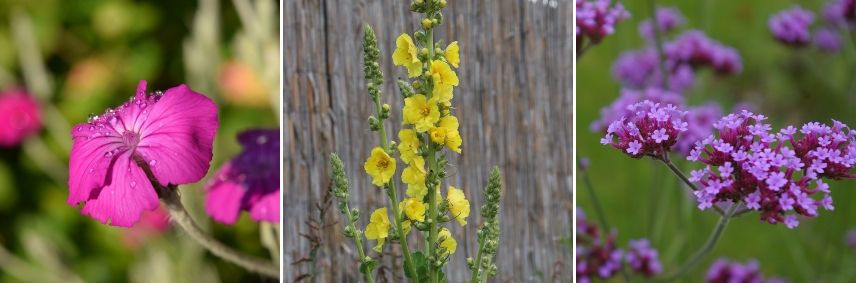
Some perennials and annuals suited to poor soils: Rose campion, Mullein and Argentinian vervain
In the vegetable garden and orchard
Some vegetables can still be successfully attempted: garlic, onion, shallot, lettuce, asparagus, orache and fat hen. For fruits, try strawberries, vine of course, and why not a somewhat forgotten fruit tree from our countryside, the Cornelian cherry.
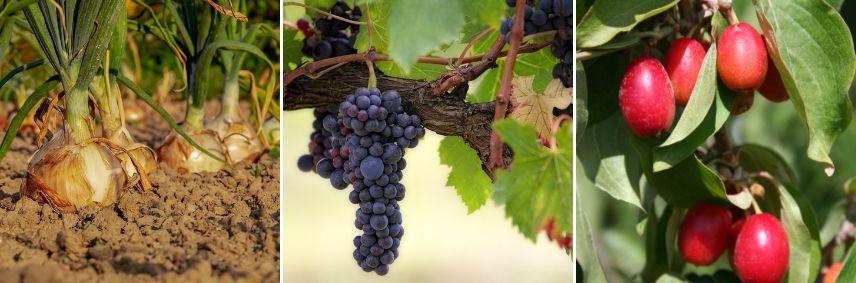
Some vegetables and fruits suited to poor soils: Onions, Grapevine and the Cornelian cherry
- Subscribe!
- Contents
This form is protected by reCAPTCHA - the Google Privacy Policy and Terms of Service apply.

































Comments