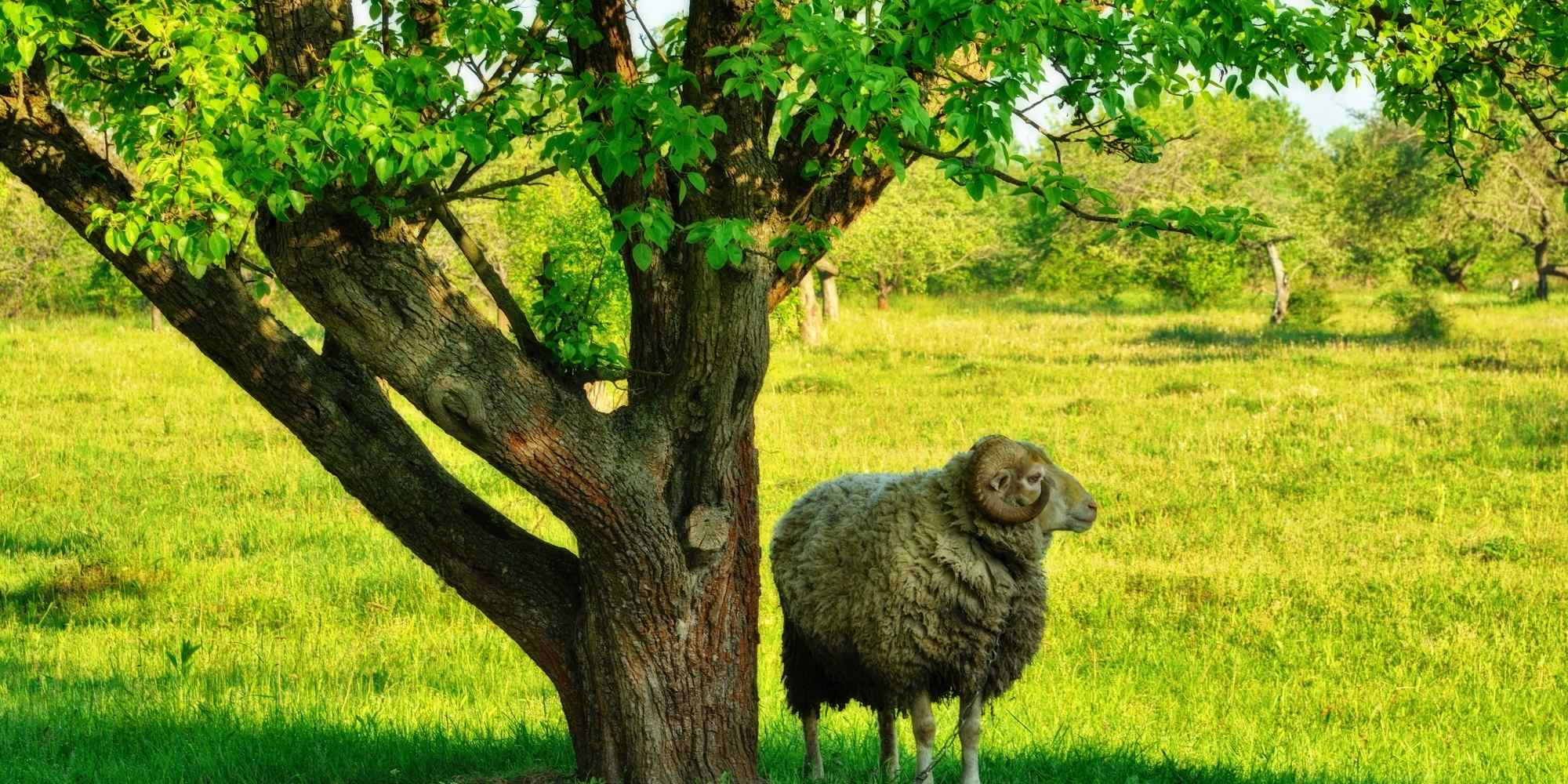
Keeping a sheep in your garden: what does the law say?
Rules to follow
Contents
Adopting sheep to keep in your garden is increasingly appealing to homeowners. It is indeed an excellent way to practise eco-grazing, a term that refers to managing land in an ecologically friendly way. With sheep, say goodbye to lawnmowers and other motorised brushcutters and powered clearing equipment! Others regard sheep as companion animals, like dogs or cats. In any case, acquiring sheep to keep on your land is not something to be done on a whim, because the legal framework is strict, not to mention rules on good neighbourliness and animal welfare.
Discover the regulations for keeping sheep in your garden in France.
A pet sheep?
To understand legislation on keeping sheep in your garden, know that sheep are not considered pets like cats or dogs. At least in the eyes of the law! Whatever their breed, for regulatory purposes a sheep is a farm animal, known as livestock. And even if you consider one a family member, give it a name it responds to, it recognises you and runs to greet you, nothing changes.
French authorities, in particular the DDPP (Departmental Directorate for the Protection of Populations), will classify it as livestock. This means that you are subject to the same animal health requirements as a professional livestock farmer from the first animal, unlike chickens.
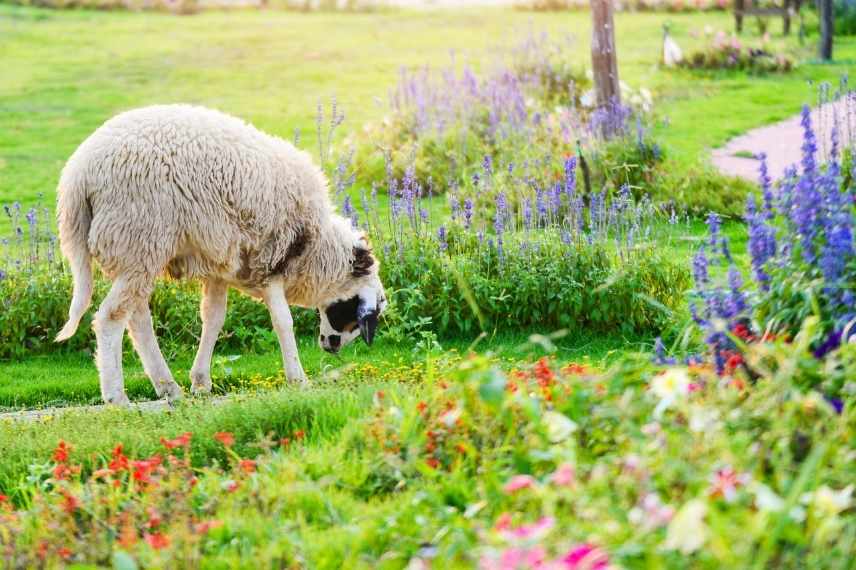
Sheep are perfect for maintaining a large garden
Planning regulations
Before adopting a sheep, especially if you live in an urban or peri-urban area, you will need to check planning regulations with your local council, and also those for your housing estate. Two sets of rules should be checked first :
- Local urban development plan (PLU) : some councils, notably in densely urban areas, simply prohibit keeping farm animals by municipal by-law. It is therefore essential to consult the local council to find out how your plot is zoned.
- Estate or co-ownership rules : if you live in a housing estate, internal regulations may, for example, prohibit animals considered noisy or odorous, or may specify a list of permitted animals. Failure to comply with these clauses can lead to legal action from neighbours, who would prevail.
Obligatory registration as a farmed animal
Keeping sheep is permitted in France, but regulations are relatively strict, primarily for animal health reasons. Sheep can be affected by foot-and-mouth disease, a viral and highly contagious disease. It is classified as a category A disease under the European Animal Health Law (Regulation (EU) 2016/429) and is subject to compulsory notification. Your sheep must therefore be identified and traced!
Here are the steps to take when adopting sheep :
- Holding declaration: you must register your sheep with the EDE (Departmental Livestock Establishment). You will be assigned a keeper number. This is usually free or low-cost.
- Ear-tagging : all sheep must wear ear identification tags. These tags must be applied at birth or, at the latest, within six months. It is forbidden to sell or buy an untagged sheep.
- Movement document proving that you bought or were given this animal.
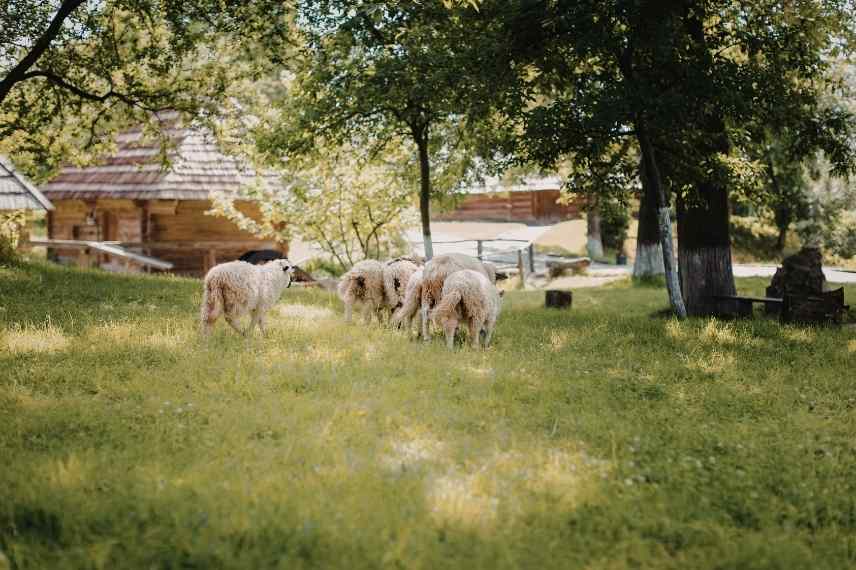
Keeping sheep in your garden requires compliance with regulations
Finally, keeping a livestock register is mandatory, in paper or electronic form, recording departures and arrivals, an inventory of sheep and, above all, veterinary care and treatments administered. This register must be sent each year to the departmental EDE.
Sanitary and veterinary requirements
If you own sheep, you must have them monitored by a veterinary surgeon. It’s a public health matter! If you keep several sheep, you may be obliged to register an official veterinary surgeon. Check with your DDPP, as the required number of sheep varies from one department to another.
Similarly, regular blood tests may be required to monitor diseases such as ovine brucellosis. These tests are compulsory and are paid for by the owner, although some campaigns are occasionally subsidised. In some departments, sanitary inspections are also scheduled every two years, usually for whole flocks.
Animal welfare obligations
This may be obvious to most people. Your sheep must be kept in good standards of hygiene and comfort. However, the Rural Code states that “every animal being a sentient being must be placed by its owner in conditions compatible with the biological requirements of its species”.
So sheep must have several provisions to ensure their well-being :
- Shelter : law requires animals to have shelter protecting them from bad weather (rain, wind, strong sun). A sheep cannot be left in the middle of a garden without any place to take shelter.
- Minimum area : although law does not set an exact number of square metres per sheep for private settings, case law often considers that around 400–500 m² to 1,000 m² per sheep is needed, regardless of size or breed, to allow pasture rotation and avoid parasitism. This land must be properly fenced to prevent sheep straying and potential accidents.
- Food : sheep must have access to sufficient grass. In winter, supplementary hay is recommended.
- Specific care : shearing once a year, hoof trimming, deworming treatment.
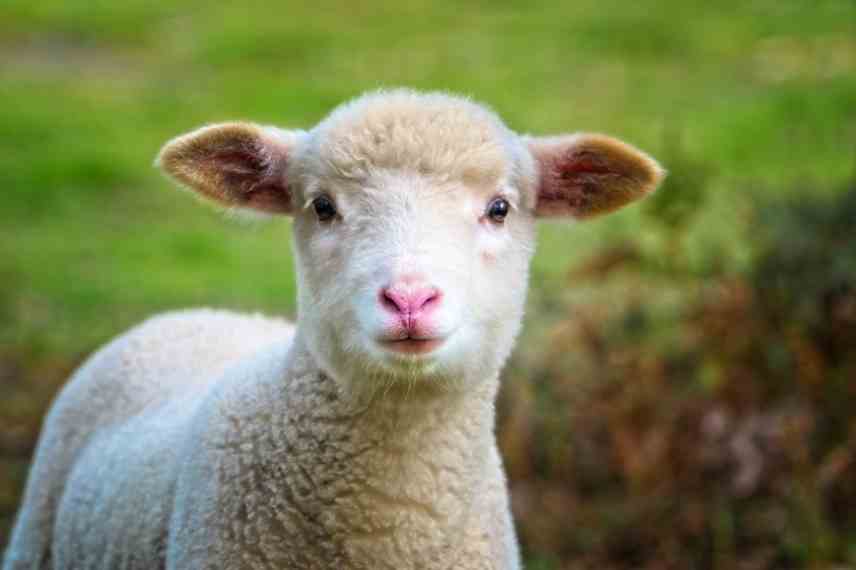
Sheep must have good standards of hygiene and comfort
Adopting sheep is therefore a major responsibility. Also consider who will take over feeding during your holidays or if you fall ill. Finally, the financial side should not be overlooked since veterinary bills can be costly.
Responsibilities towards neighbours
If your sheep graze peacefully in a large meadow, away from any dwellings, no problem. However, if you live in an urban or semi-urban area, neighbours may complain about nuisances caused by your sheep. And there can be many!
- Sheep bleat, especially if bored. For that reason, it is never recommended to keep a single sheep. It may become depressed because sheep are gregarious animals. But back to our sheep… which are bleating! These bleats may be regarded as noise nuisance by a neighbour unsympathetic to animal welfare. And if the matter is taken to court or to mediation, the decision may go against you depending on the intensity, frequency and timing of the bleating.
- Storing manure can produce odours. The Public Health Code generally requires that manure deposits be kept away from neighbouring dwellings, often at a distance of 15 to 35 metres depending on the department.
- Straying: if your sheep escapes and causes a road accident, you will be civilly liable. The Rural Code is clear: the owner is responsible for damage caused by the animal, even if it has escaped. A solid, appropriate fence is therefore essential.
Managing sheep mortality
Sheep can live between 10 and 12 years. Sometimes they die prematurely from an illness. In that case, it is strictly forbidden to bury it in your garden. You must contact the rendering service in your area within 48 hours. The carcass will be removed upon payment of a fee.
Finally, one last regulation that may not concern you but is important to mention. Indeed, your sheep are intended to tend your garden, not to end up on your plate. That said, it may be worth pointing out that French law strictly forbids slaughtering a sheep in your garden, even for personal consumption.
Slaughter must take place in a licensed abattoir for reasons of hygiene and animal welfare. Any offence is punishable by heavy fines and imprisonment.
- Subscribe!
- Contents
This form is protected by reCAPTCHA - the Google Privacy Policy and Terms of Service apply.

































Comments