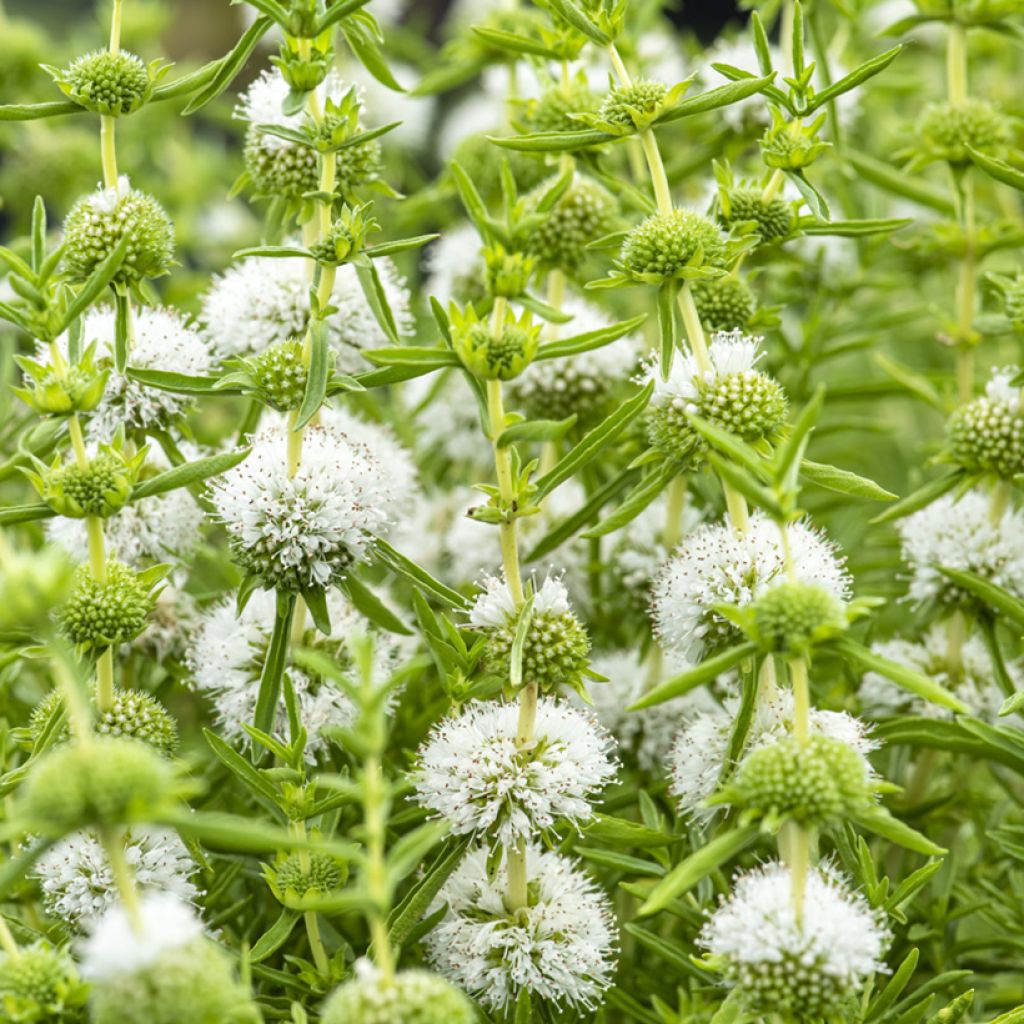
Mentha cervina Alba
Mentha cervina Alba
Mentha cervina Alba
Hart's Pennyroyal, Deer Mint
Back-to-school special offer!
Get €10 off for every €50 you spend! And get up to €40 off on a single order.
How does it work?
1. Shop your favourites
Add your favourite plants to your basket. For every €50 you spend (excluding delivery charges, store credit and the plastic-free option), you’ll receive a €10 voucher.
€50 spent = €10 voucher
€100 spent = €20 voucher
€150 spent = €30 voucher
€200 spent = €40 voucher
2. Place your order
Once your basket reaches one of the spending thresholds, place your order. You can even choose your delivery date!
3. Receive your voucher
As soon as your order has been shipped, you’ll receive an email containing your personal voucher code and its value.
4. Use it on your next order
Your voucher is valid for 90 days from the date you receive it. It can be used once only, on a new order worth at least the value of the voucher, excluding delivery charges.
Please note: Vouchers can be combined with other offers, but cannot be split or refunded.
Why not try an alternative variety in stock?
View all →
Available in 2 sizes
Available in 2 sizes
Available in 2 sizes
Available in 2 sizes
Available in 1 sizes
Available in 4 sizes
Available in 1 sizes
Available in 1 sizes
Available in 1 sizes
Available in 2 sizes
This plant carries a 6 months recovery warranty
More information
We guarantee the quality of our plants for a full growing cycle, and will replace at our expense any plant that fails to recover under normal climatic and planting conditions.
Description
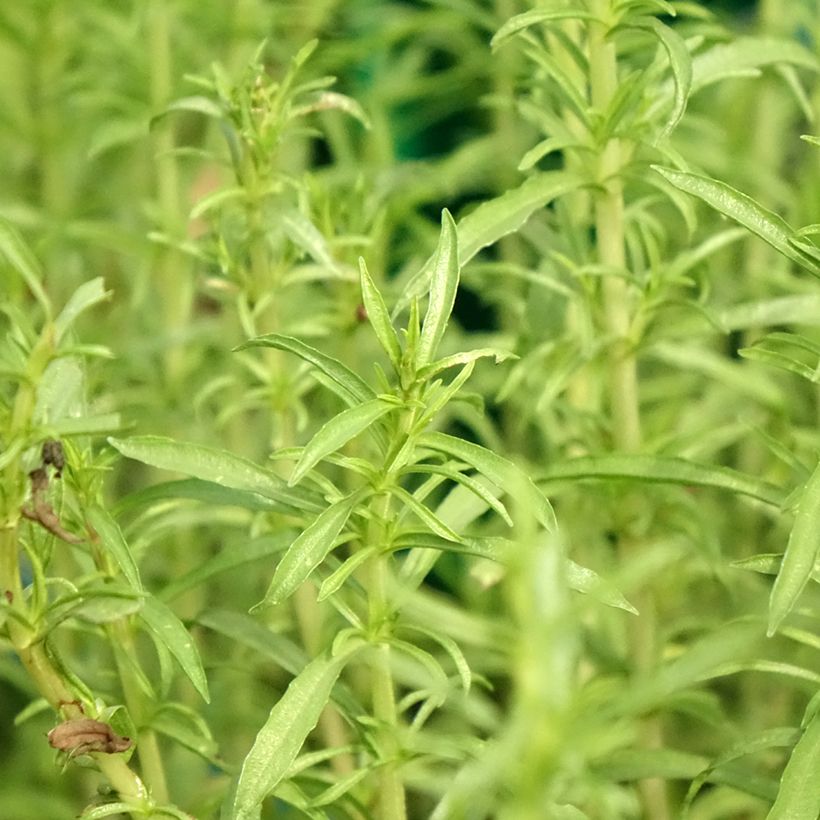
The Mentha or Preslia cervina 'Alba', commonly known as Deer Mint, is a perennial plant with delicate leaves and a remarkably fresh fragrance. It thrives in any moist location while being less invasive than some other varieties of mint. This species also offers a long, honey-scented summer flowering period in pure white. Resistant and vigorous, it adds a touch of simplicity to water features. Growing deer mint in a pot on a balcony or terrace is possible if constant moisture is maintained. Its young, tender foliage is perfect for preparing refreshing drinks.
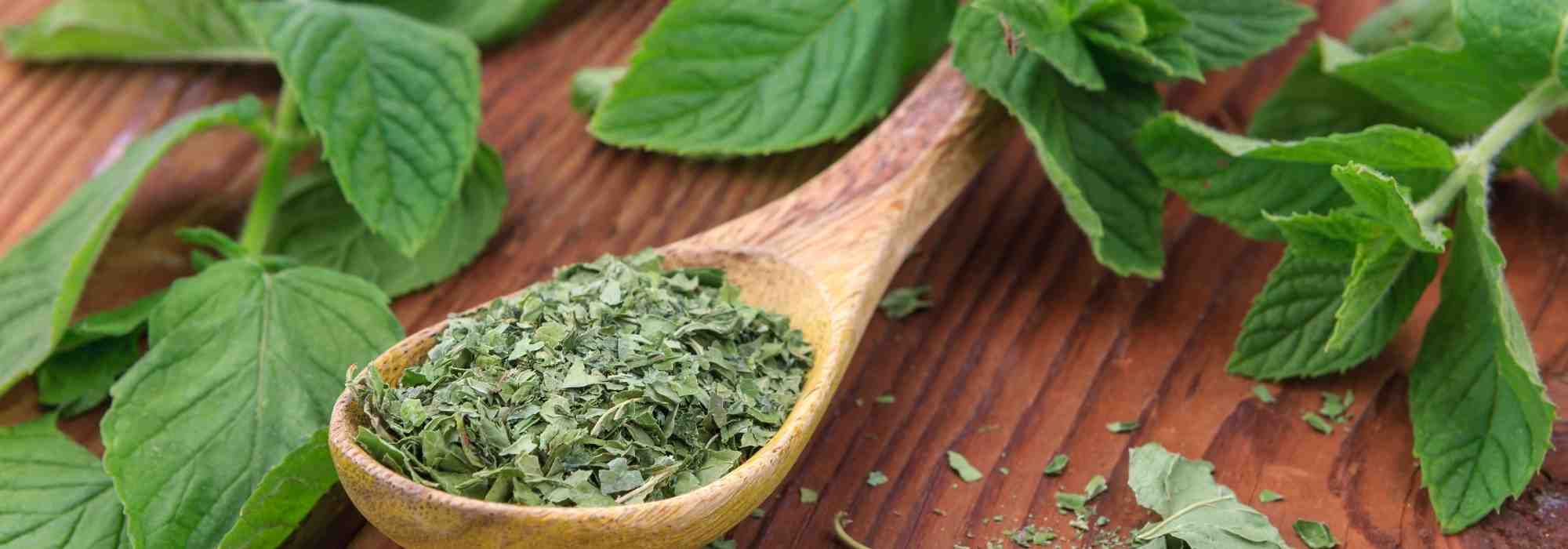
The Mentha cervina or Preslia cervina is known as Deer Mint. It belongs to the Lamiaceae family, which includes many aromatic plants such as mint, thyme, lavender, basil, savory, and many others. It is a botanical species native to the western Mediterranean region. It is present in southwestern France to the Iberian Peninsula, extending south to the Azores, Morocco, and Algeria, where it colonises various types of wet soils and survives winter by remaining submerged. In Portugal, this plant is used fresh or dried in the preparation of stews, salads, soups, cheeses, and sauces, and it is also used to create various liqueur infusions. Paired with Mentha pulegium (Pennyroyal), it has traditionally been a repellent against pests.
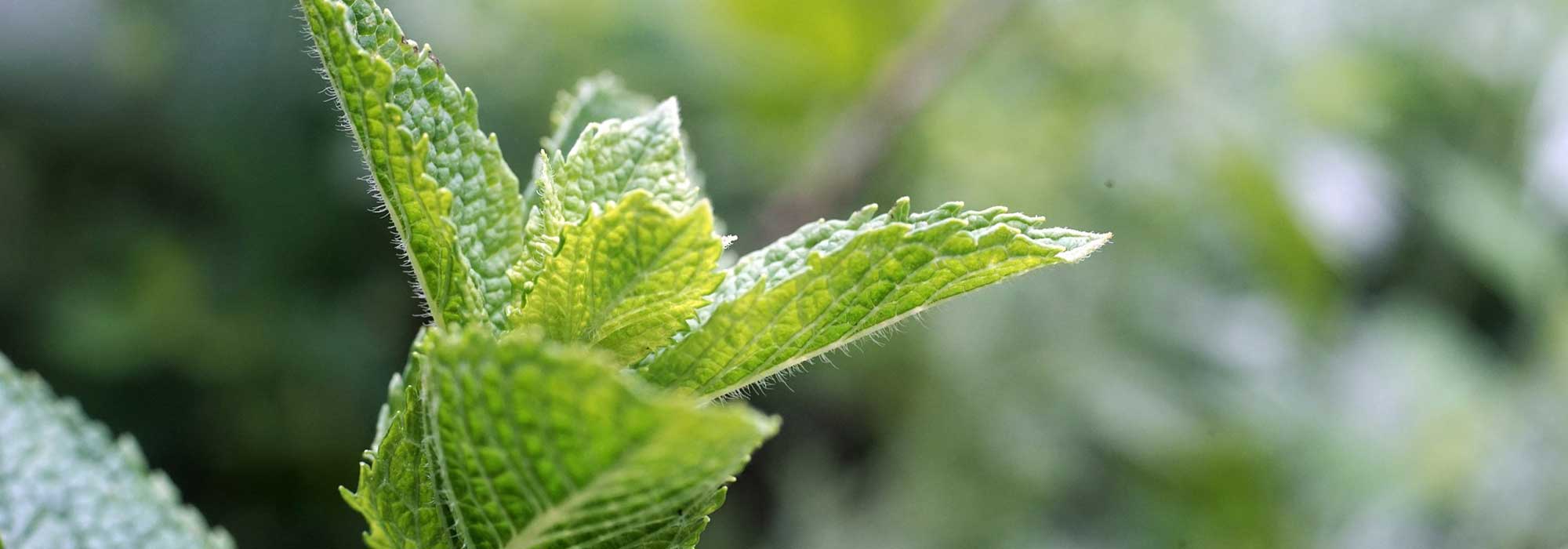
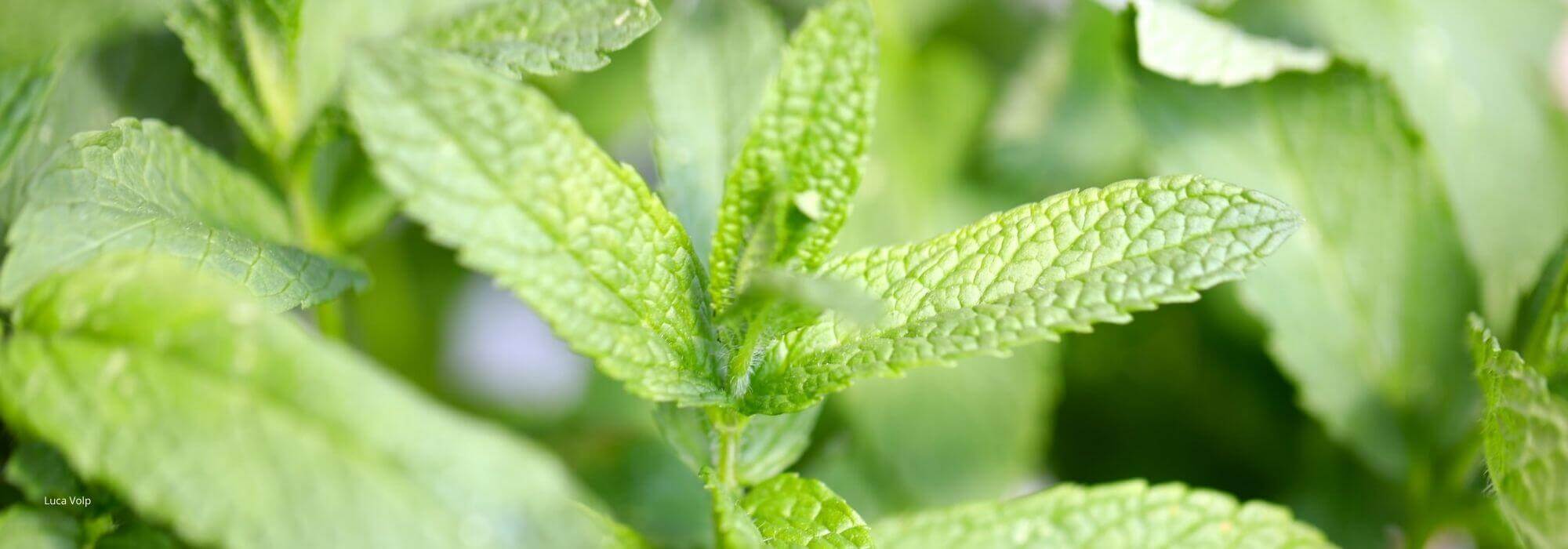
The 'Alba' form only differs in its white flowering. It is a perennial with running rhizomes, and its vegetation forms a bushy and spreading clump that reaches 0.20 to 0.30 m in height with an approximate spread of 0.40 m. Its erect and hollow stems support the deciduous foliage, which is very dense. The leaves, without petioles, are gathered in small clusters, linear and lanceolate, with marked edges, displaying a colour ranging from medium green to grey-green. They emit a strong menthol scent. From July to September, it produces pure white flowers grouped in pompon-shaped inflorescences located in the axils of the leaves and along the branches. These flowers are attractive to bees and pollinating insects.
Mentha cervina 'Alba' is a robust and frost-tolerant plant suitable for vegetating the edges of ponds or basins and marshy areas. Still, it can also thrive on solid ground if the soil is consistently moist. This mint can tolerate having its feet in water at a depth not exceeding 10 cm. In a garden, it can be planted along the edge of a pond or basin, in the heart of marshy areas, among rocks or stones, in a wet environment, or even in a few centimetres of stagnant water. Due to its non-invasive nature, this mint variety is particularly suitable for small ponds, restricted water bodies, and natural swimming pool designs. To create a balanced ensemble, you can pair it with plants ideal for banks or shallow waters, such as Juncus effusus Spiralis (Corkscrew Rush), Primula florindae (Tibetan Primrose), Pontederia cordata, Acorus calamus, Iris ensata Variegata (Japanese Iris), and wetland grasses like Carex pendula or Eriophorum angustifolium (Common Cottongrass).
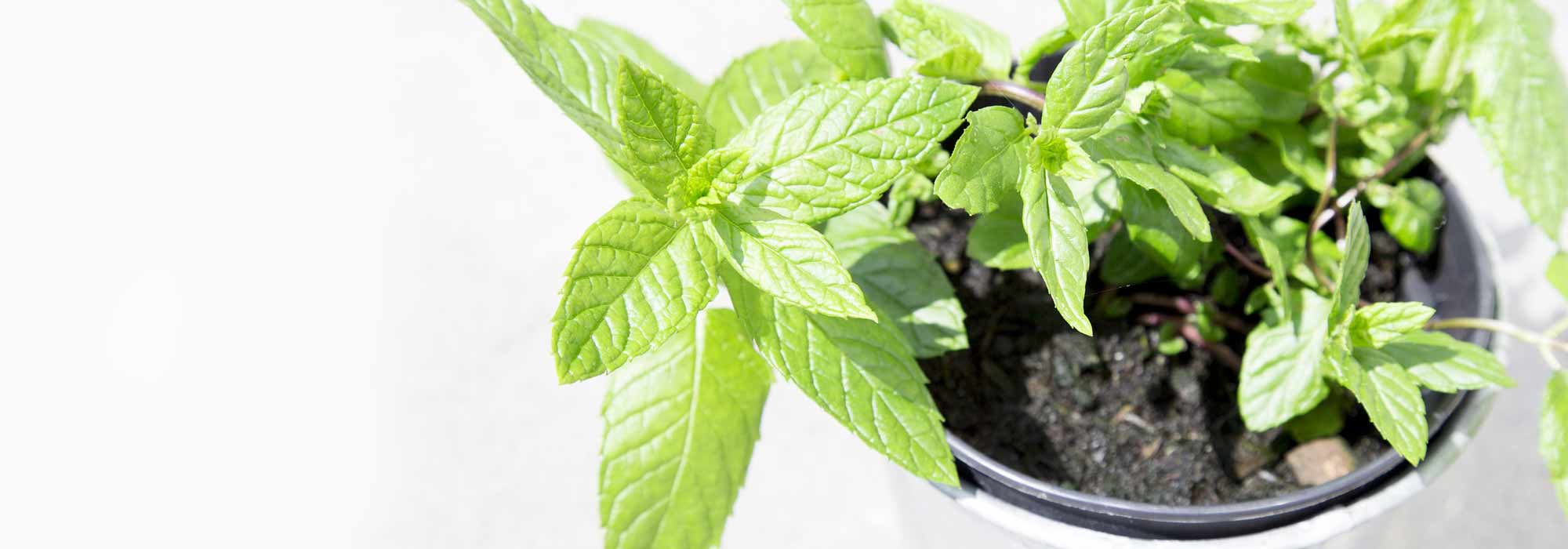
Growing Deer Mint in a pot is possible by choosing a container with good water retention and placing the plant preferably in full sun.
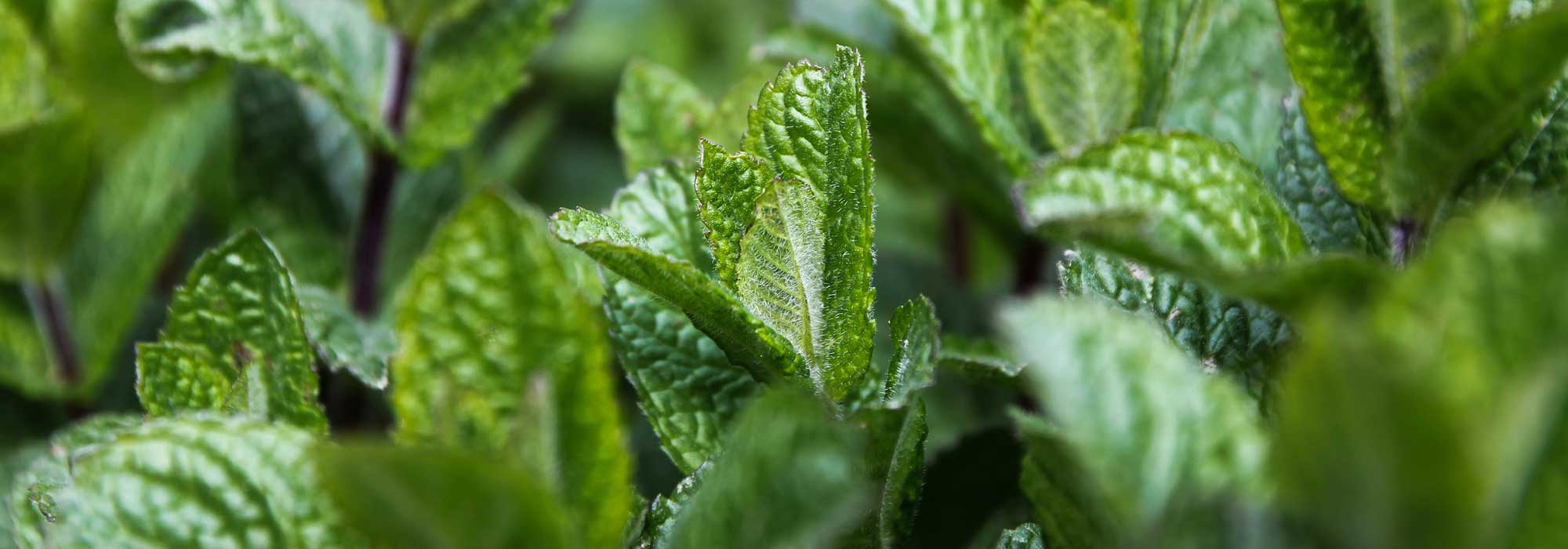
Mentha cervina Alba in pictures
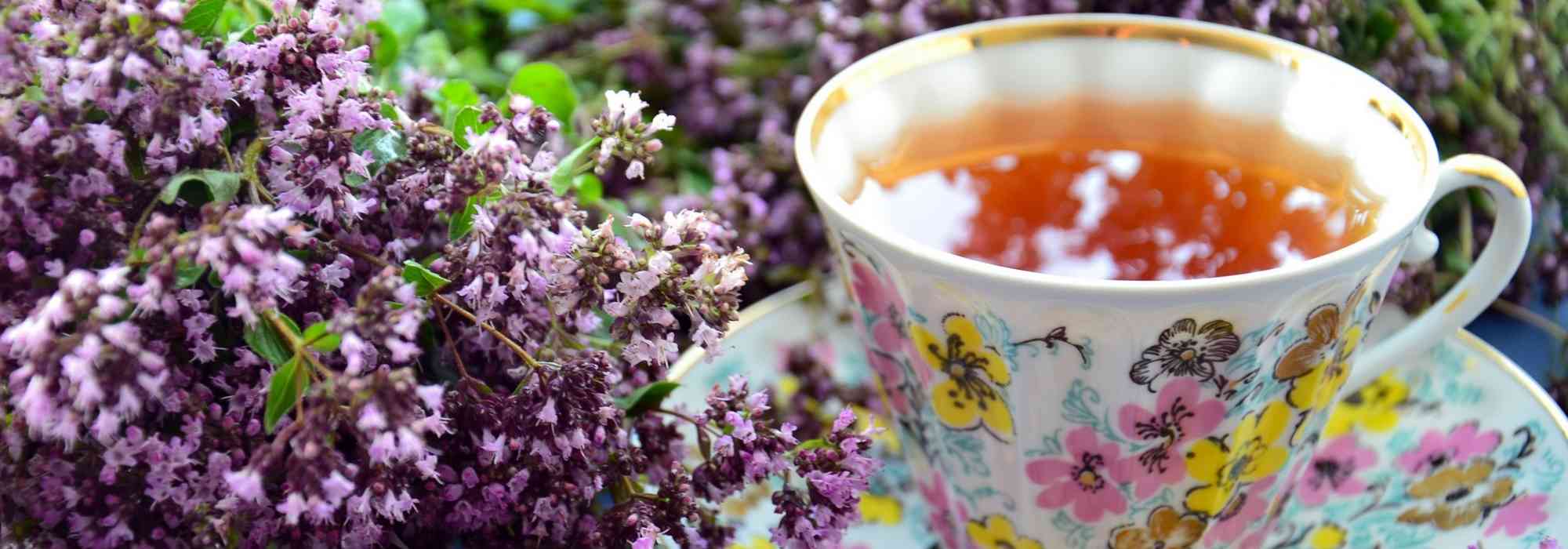
Flowering
Foliage
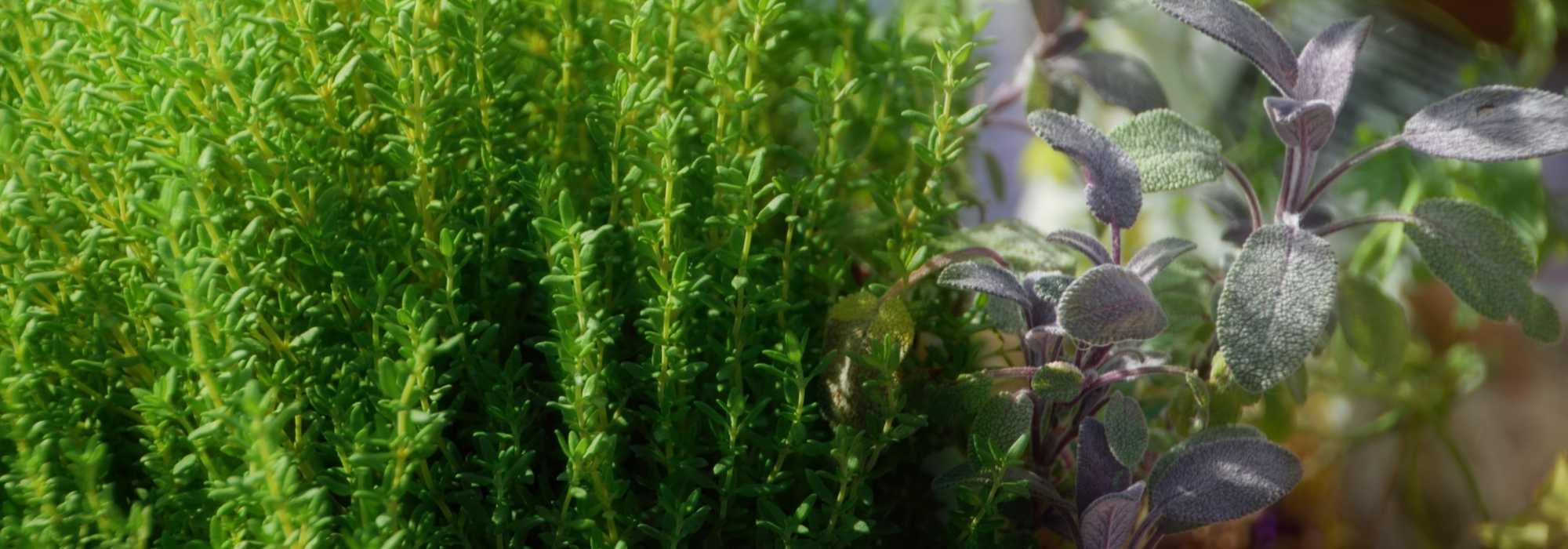
Plant habit
Botanical data
Mentha
cervina
Alba
Lamiaceae
Hart's Pennyroyal, Deer Mint
Preslia cervina ‘Alba’
Southern Europe
Planting and care
Plant the 'Alba' Water Mint in moist, rich soil, even clay or loamy clay, acidic to neutral, or even slightly alkaline. Planting can be done all year round, except during freezing periods, but it is ideal to plant it from March to May to establish itself before the winter cold. Preferably, place it in a semi-shaded location, although the Mint can practically grow anywhere. It is a plant that thrives in marshy areas and requires constant moisture at the root level, ensuring that it does not exceed a permanent immersion of more than 5 cm of water.
In loosened soil, dig a planting hole with a volume at least three times that of the root ball. Place the plant in the hole, ensuring the top of the root ball is level with the final soil level, then replace the substrate. Water generously. The average planting distance between plants is about 30 centimetres in groups of 3 to 7 specimens for a better effect.
To cultivate Mentha cervina Alba in a pot, it is crucial to regularly check the water level to keep the soil soaked and moist.
Planting period
Intended location
Care
Planting & care advice
-
-
-
-
-
-

-
-
This item has not been reviewed yet - be the first to leave a review about it.
Recently viewed products
Haven't found what you were looking for?
Hardiness is the lowest winter temperature a plant can endure without suffering serious damage or even dying. However, hardiness is affected by location (a sheltered area, such as a patio), protection (winter cover) and soil type (hardiness is improved by well-drained soil).
In temperate climates, pruning of spring-flowering shrubs (forsythia, spireas, etc.) should be done just after flowering.
Pruning of summer-flowering shrubs (Indian Lilac, Perovskia, etc.) can be done in winter or spring.
In cold regions as well as with frost-sensitive plants, avoid pruning too early when severe frosts may still occur.
The harvesting period indicated on our website applies to countries and regions in USDA zone 8 (France, England, Ireland, the Netherlands).
In colder areas (Scandinavia, Poland, Austria...) fruit and vegetable harvests are likely to be delayed by 3-4 weeks.
In warmer areas (Italy, Spain, Greece, etc.), harvesting will probably take place earlier, depending on weather conditions.
The sowing periods indicated on our website apply to countries and regions within USDA Zone 8 (France, UK, Ireland, Netherlands).
In colder areas (Scandinavia, Poland, Austria...), delay any outdoor sowing by 3-4 weeks, or sow under glass.
In warmer climes (Italy, Spain, Greece, etc.), bring outdoor sowing forward by a few weeks.
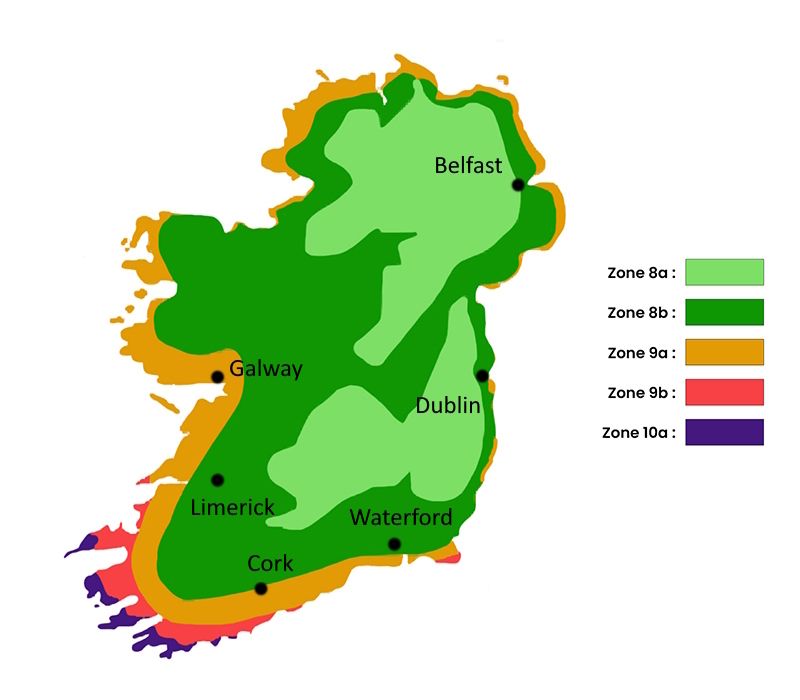
The planting period indicated on our website applies to regions in USDA Zone 9a (East Coast and Midlands: Dublin, Wexford, Waterford, Kilkenny, Portlaoise). It will vary depending on where you live:
- On the west coast and in the north-west (Galway, Limerick, Sligo, Donegal, Westport), delay planting by 1 to 2 weeks in spring and bring it forward by 1 to 2 weeks in autumn compared to the dates given, preferably choosing periods without strong winds.
- In the inland hills and plateaus (Wicklow Mountains, Macgillycuddy’s Reeks, Connemara, Killarney), it is best to plant in spring (April–May) or autumn (September–October), avoiding periods of waterlogged soil in winter and strong winds, which pose the main risk to newly planted trees in these areas.
The flowering period indicated on our website applies to regions in USDA Zone 9a, such as the East Coast and Midlands, including Dublin, Wexford, Waterford, Kilkenny and Portlaoise.
This will vary depending on where you live:
- On the west coast and in the northwest (Galway, Limerick, Sligo, Donegal and Westport), it will be delayed by one to two weeks compared to the given dates, due to stronger Atlantic winds and less spring sunshine.
- In the inland hills and plateaus (the Wicklow Mountains, the Macgillycuddy's Reeks, Connemara and Killarney), flowering will be delayed by two to three weeks. Flowering mainly occurs between May and July, with the limiting factors being less frost and more of the excessive humidity, strong winds and lack of sunshine that are characteristic of these areas.
Shipping country and language
Your country of residence may be:
Your country of residence is:
For a better user experience on our website, you can select:
Your shipping country:
-
 Austria
-
 Belgium
-
 Bosnia & Herzegovina
-
 Bulgaria
-
 Croatia
-
 Cyprus
-
 Czechia
-
 Denmark
-
 Estonia
-
 Finland
-
 France
-
 Germany
-
 Greece
-
 Hungary
-
 Iceland
-
 Ireland
-
 Italy
Italy
-
 Latvia
-
 Liechtenstein
-
 Lithuania
-
 Luxembourg
-
 Malta
Malta
-
 Netherlands
-
 Poland
-
 Portugal
-
 Romania
-
 Serbia
-
 Slovakia
-
 Slovenia
-
 Spain
Spain
-
 Sweden
-
 Switzerland
Language:
-
French
-
 English
-
Spanish
-
Italian
-
German
-
Portuguese
-
Dutch
-
Finnish
My Account
Hello
My wish lists
My cart
Log in / Register
Existing customer?
This form is protected by reCAPTCHA - the Google Privacy Policy and Terms of Service apply.
New customer?
Create an account to track your orders, access our customer service and, if you wish, make the most of our upcoming offers.