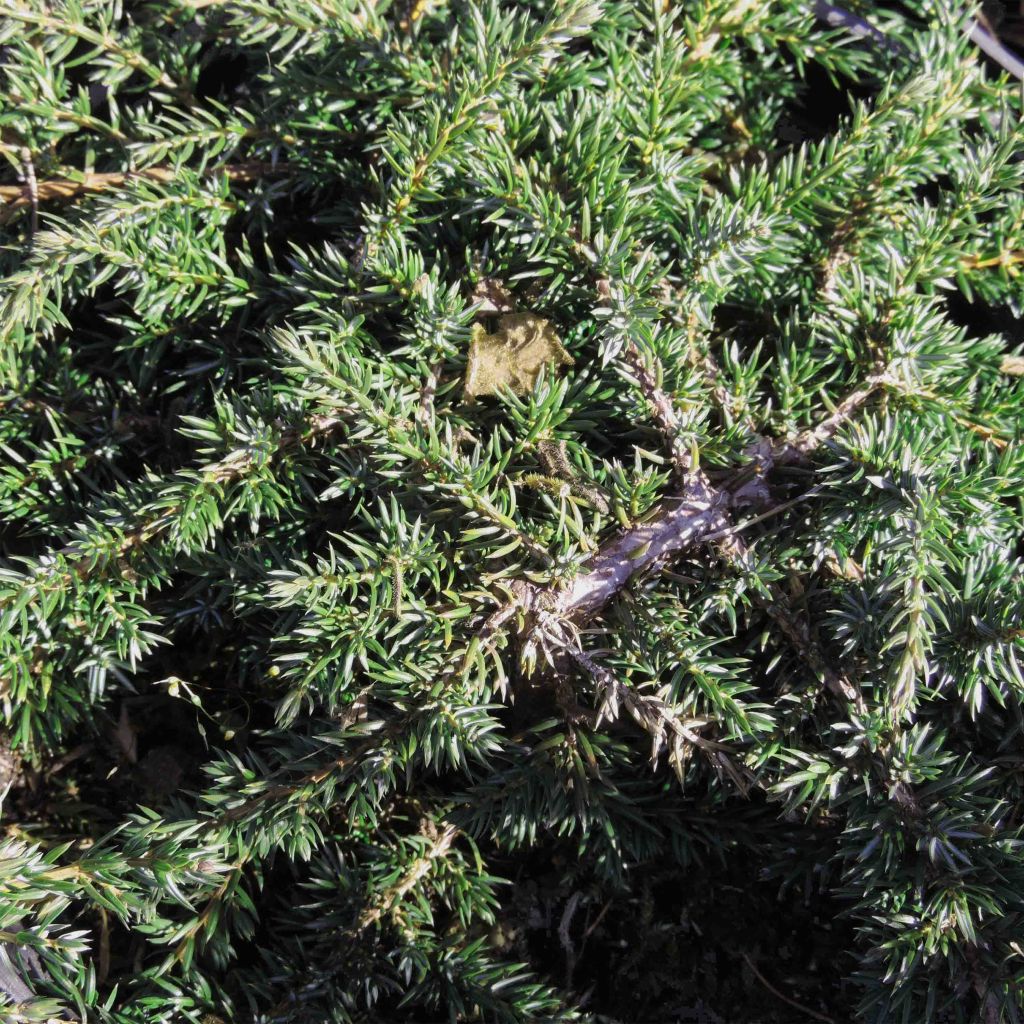
Common Juniper - Juniperus communis Green Carpet
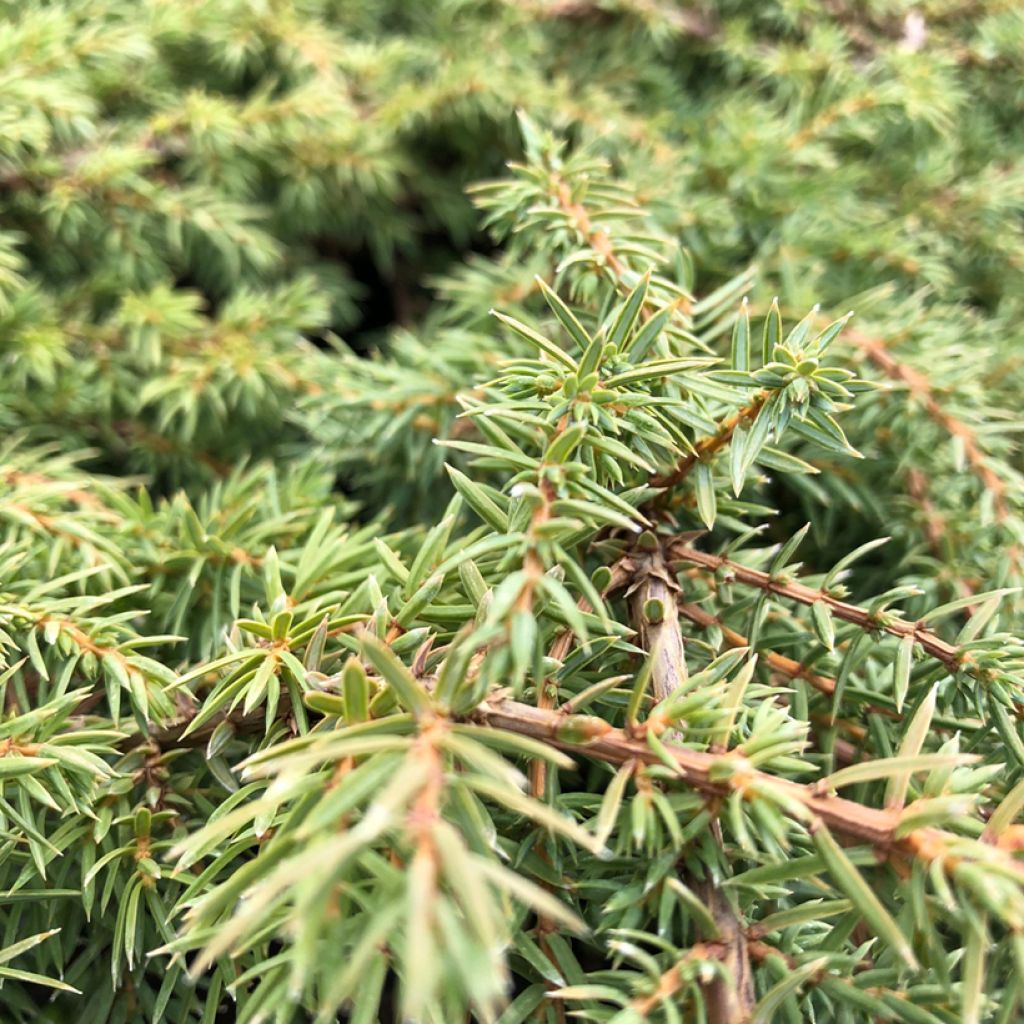
Common Juniper - Juniperus communis Green Carpet
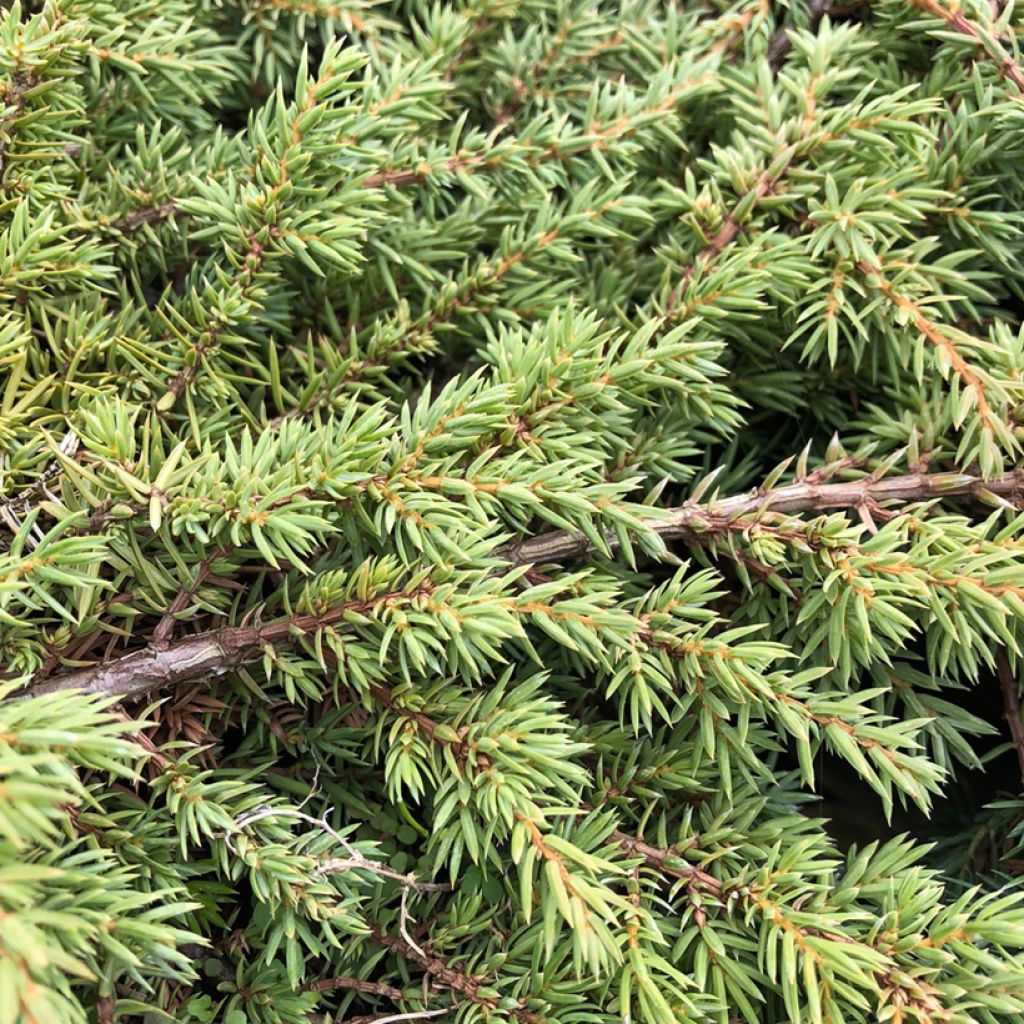
Common Juniper - Juniperus communis Green Carpet
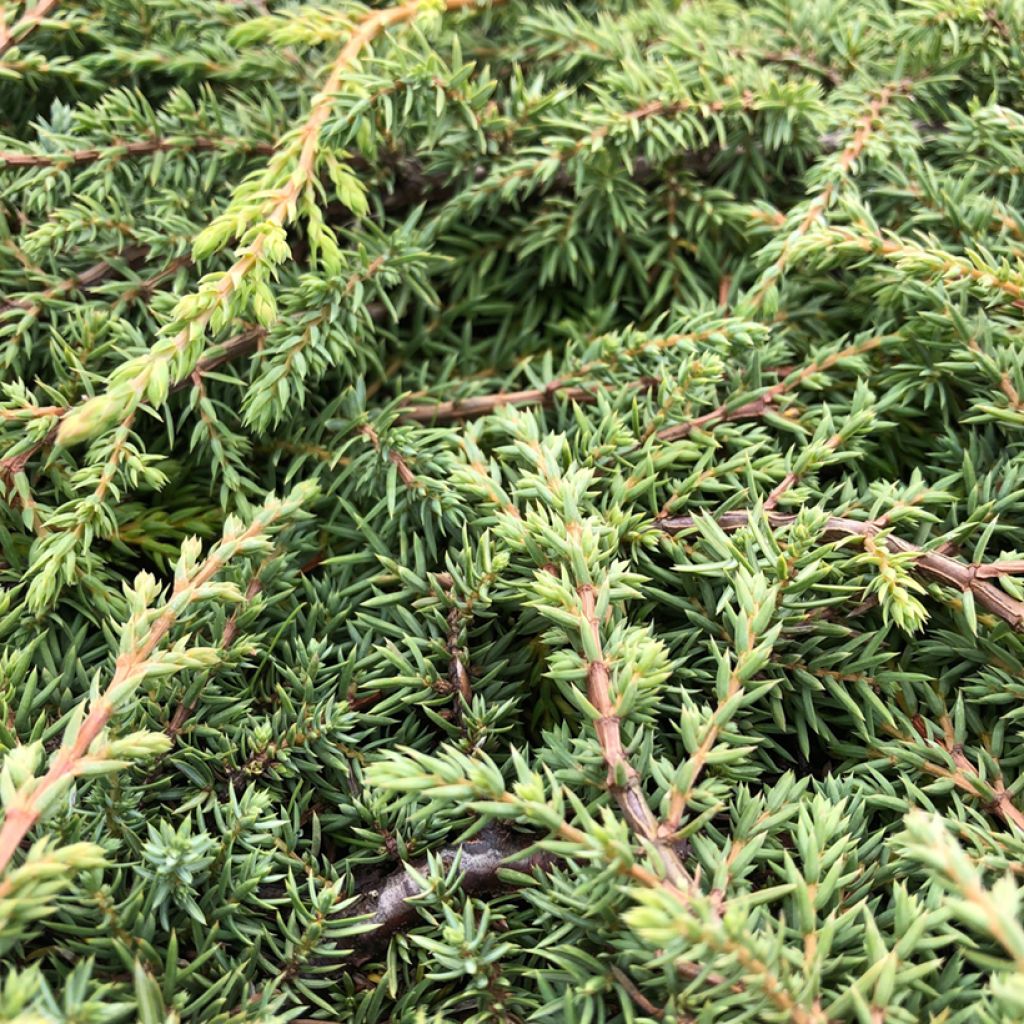
Common Juniper - Juniperus communis Green Carpet
Common Juniper - Juniperus communis Green Carpet
Juniperus communis Green Carpet
Common Juniper
Dead plant, too much warmth I suppose.
Solange T., 12/08/2020
Back-to-school special offer!
Get €10 off for every €50 you spend! And get up to €40 off on a single order.
How does it work?
1. Shop your favourites
Add your favourite plants to your basket. For every €50 you spend (excluding delivery charges, store credit and the plastic-free option), you’ll receive a €10 voucher.
€50 spent = €10 voucher
€100 spent = €20 voucher
€150 spent = €30 voucher
€200 spent = €40 voucher
2. Place your order
Once your basket reaches one of the spending thresholds, place your order. You can even choose your delivery date!
3. Receive your voucher
As soon as your order has been shipped, you’ll receive an email containing your personal voucher code and its value.
4. Use it on your next order
Your voucher is valid for 90 days from the date you receive it. It can be used once only, on a new order worth at least the value of the voucher, excluding delivery charges.
Please note: Vouchers can be combined with other offers, but cannot be split or refunded.
Home or relay delivery (depending on size and destination)
Important: You may be charged customs duties by your country’s customs authorities upon delivery.
Schedule delivery date
and select date in basket
This plant carries a 24 months recovery warranty
More information
We guarantee the quality of our plants for a full growing cycle, and will replace at our expense any plant that fails to recover under normal climatic and planting conditions.


Does this plant fit my garden?
Set up your Plantfit profile →
Description
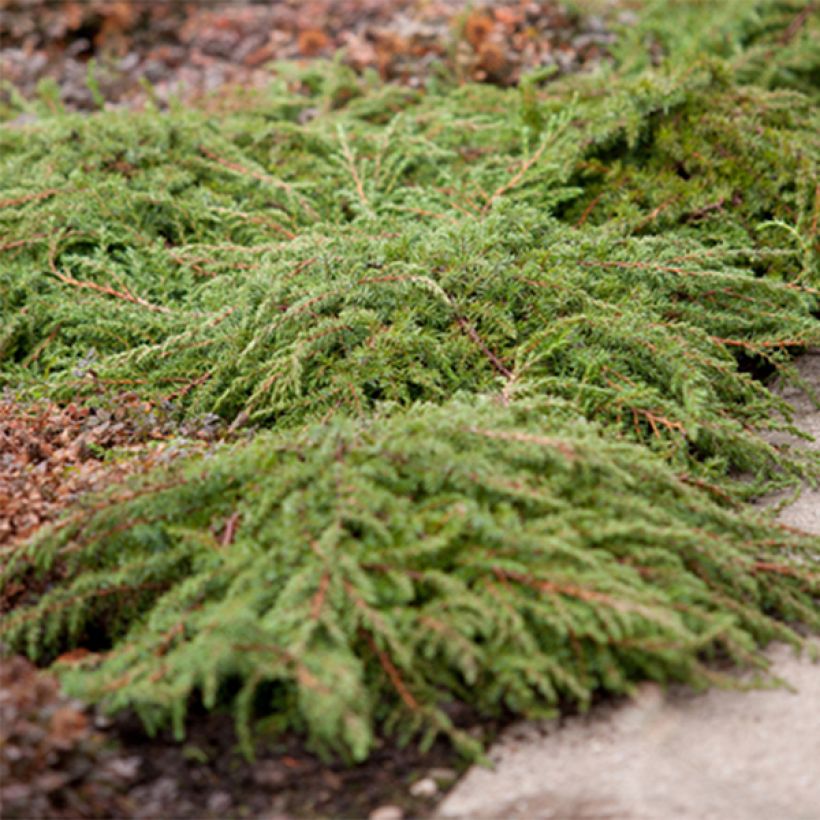
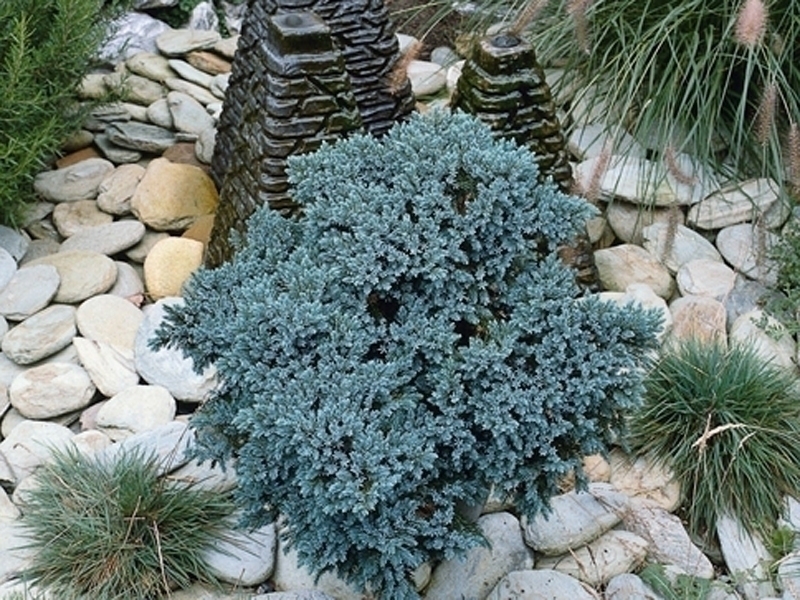
Juniperus communis 'Green Carpet' is a common juniper with a prostrate and creeping habit, forming a magnificent carpet with changing colours. Its long spiny branches cover the ground with a dense foliage of dark greenish-grey with silver reflections, which turns blue-violet in winter. This slow-growing conifer is extremely hardy and perfectly adapted to difficult conditions. It is an excellent ground cover plant, ideal for decorating a large slope or rockery. It prefers full sun and well-drained soil, and can even tolerate poor, occasionally dry and calcareous ground.
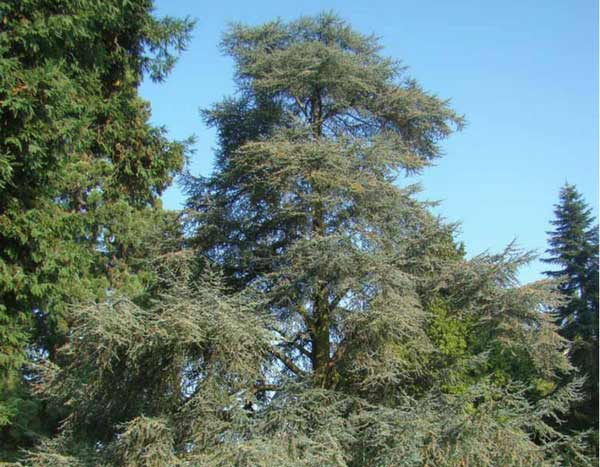
Juniperus communis is an evergreen and spiny conifer belonging to the Cupressaceae family, which includes related species such as cypress and chamaecyparis. It is native to northern Europe, North America, and Asia Minor. In its natural environment, its growth habit varies from conical or spreading to prostrate, reaching a height of 6 m (19.7 ft) and a spread of 3 m to 4 m (9.8 to 13.1 ft). This species appreciates poor, sandy and/or calcareous soils and can tolerate arid conditions.
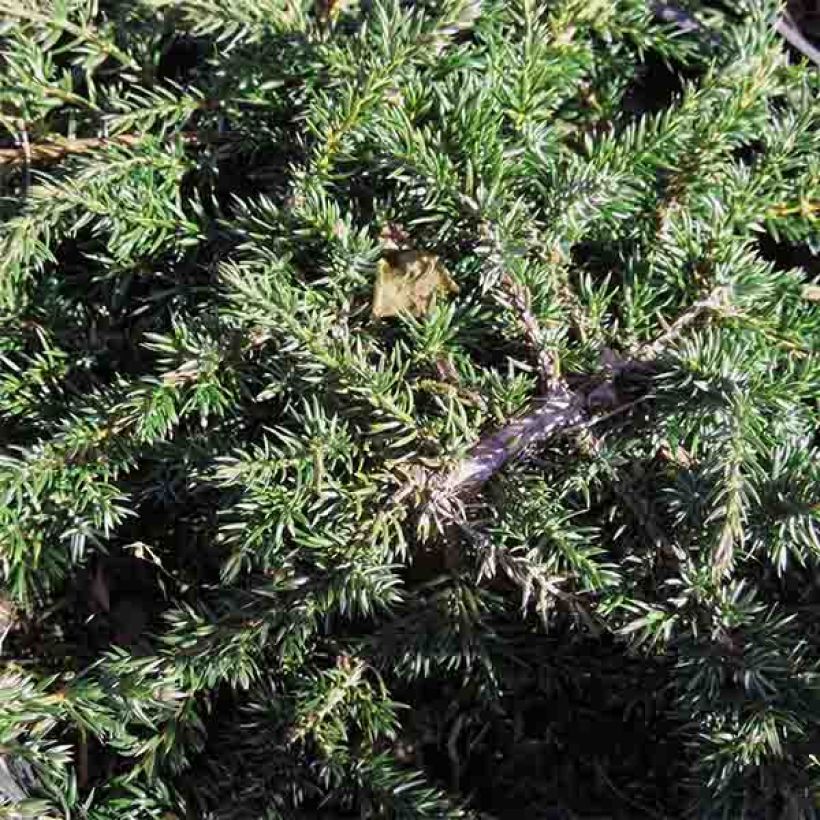
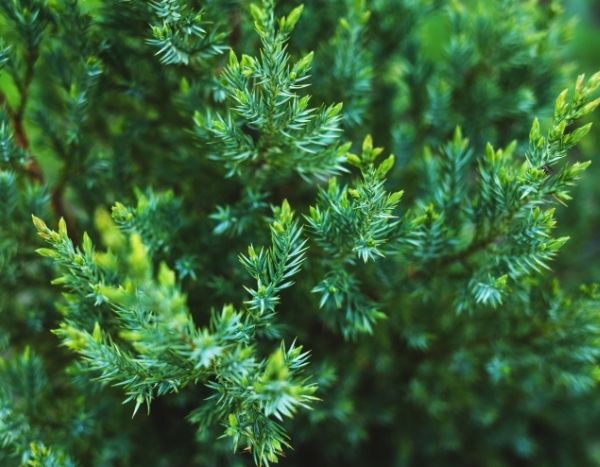
The 'Green Carpet' juniper, derived from this species, forms a prostrate shrub after 10 years, with a very spreading habit, measuring 30 cm (11.8 in) in height and a spread of 1 m (3.3 ft) to 1 m (3.3 ft) 20. It grows slowly when young, at a rate of 2 cm (0.8 in) in height and 5 cm (2 in) in width per year. The growth accelerates slightly as it ages. An adult specimen will measure approximately 40 cm to 50 cm (15.7 in to 19.7 in) in height and 2 m (6.6 ft) in diameter. Its foliage consists of two types of leaves: the juveniles have a scale-like appearance while the adult leaves are needles. Its small, tightly packed juvenile leaves release a resinous and aromatic odour when rubbed. From spring to autumn, the foliage takes on a light green hue (due to young shoots), then green-grey, before gradually turning a beautiful blue-violet colour in winter. The brown-black fruits are carried by the female plants. These scaly berries are known as cones and are rich in essential oil with many therapeutic virtues. Its grey-brown bark hides a reddish-brown wood and peels off over time. Junipers have a shallow root system that makes them fragile in the face of strong winds and difficult to plant with perennials.
Juniperus communis 'Green Carpet' is an extraordinary conifer that conquers the most difficult areas of the garden, as long as they are sunny spots. It suits planting on a large slope, among rocks, above a wall or a low wall, or near a swimming pool, as it goes well with geometric lines and masonry works. It can also be installed near a water point, overlooking a rocky scree. The visual qualities of conifers suit a contemporary garden, which prefers the aesthetics of forms, silhouettes, and textures to the daintiness of flowering schemes. These plants are a perfect alternative to trimmed boxwood or holly, and can be used to mark pathways or border terraces. They also add permanence to the structure of a flowerbed, and perfectly complement mahonias or grasses. The key is to play with volumes and colours until you find the right effect in your garden.
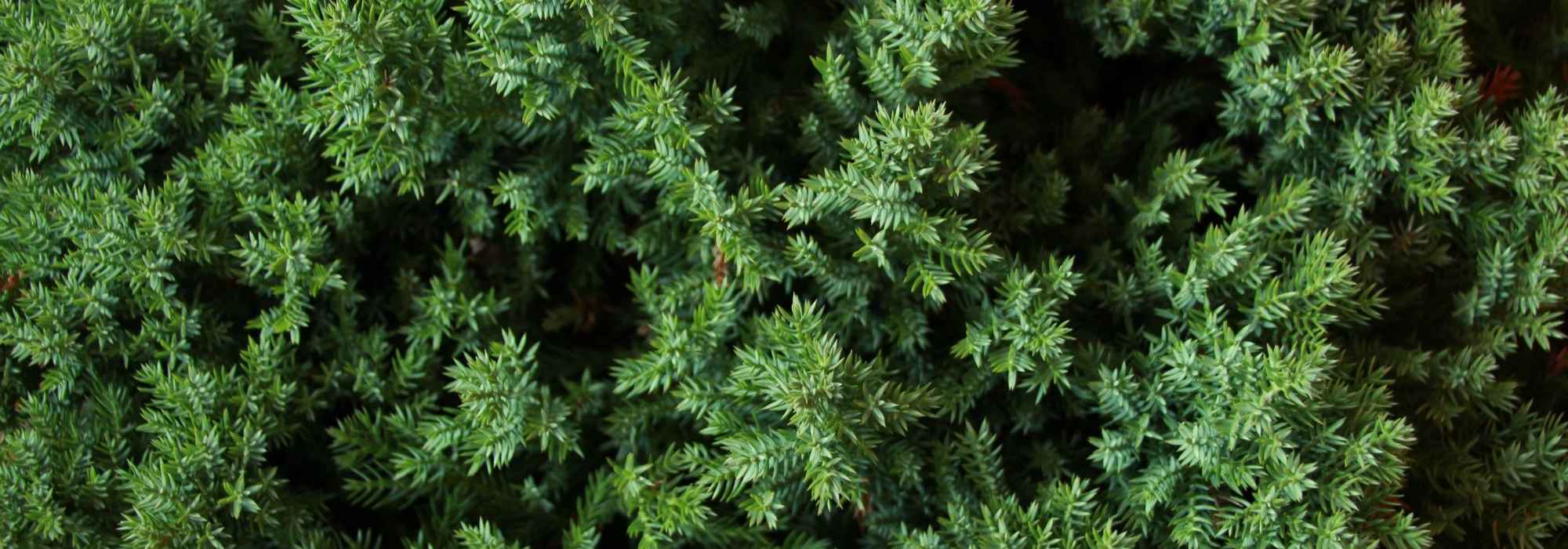
Common Juniper - Juniperus communis Green Carpet in pictures
Plant habit
Flowering
Foliage
Safety measures
Botanical data
Juniperus
communis
Green Carpet
Cupressaceae
Common Juniper
Cultivar or hybrid
atteinterespiratoire
Cette plante peut entraîner des symptômes allergiques.
Evitez de la planter si vous ou vos proches souffrez de rhinite saisonnière ("rhume des foins").
Davantage d'informations sur https://plantes-risque.info
Planting and care
Plant Juniperus communis 'Green Carpet' from September to November and from February to June in well-drained, light soil. It can tolerate limestone, poor, rocky or sandy soil that occasionally dries out. Choose a very sunny or semi-shady spot sheltered from prevailing winds. Soak the root balls well before planting. Apply organic matter at planting. Water generously in the first few years and during prolonged drought. Apply a special conifer fertiliser every year in April and weed the soil in summer. This very hardy conifer cannot tolerate heavy, waterlogged soils in winter. Pruning is not necessary, as this plant reveals its full potential when allowed to grow freely.
Planting period
Intended location
Care
Planting & care advice
-
-
-
-

-
-
-
-
-
, onOrder confirmed
Reply from on Promesse de fleurs
Recently viewed products
Haven't found what you were looking for?
Hardiness is the lowest winter temperature a plant can endure without suffering serious damage or even dying. However, hardiness is affected by location (a sheltered area, such as a patio), protection (winter cover) and soil type (hardiness is improved by well-drained soil).
In temperate climates, pruning of spring-flowering shrubs (forsythia, spireas, etc.) should be done just after flowering.
Pruning of summer-flowering shrubs (Indian Lilac, Perovskia, etc.) can be done in winter or spring.
In cold regions as well as with frost-sensitive plants, avoid pruning too early when severe frosts may still occur.
The harvesting period indicated on our website applies to countries and regions in USDA zone 8 (France, England, Ireland, the Netherlands).
In colder areas (Scandinavia, Poland, Austria...) fruit and vegetable harvests are likely to be delayed by 3-4 weeks.
In warmer areas (Italy, Spain, Greece, etc.), harvesting will probably take place earlier, depending on weather conditions.
The sowing periods indicated on our website apply to countries and regions within USDA Zone 8 (France, UK, Ireland, Netherlands).
In colder areas (Scandinavia, Poland, Austria...), delay any outdoor sowing by 3-4 weeks, or sow under glass.
In warmer climes (Italy, Spain, Greece, etc.), bring outdoor sowing forward by a few weeks.
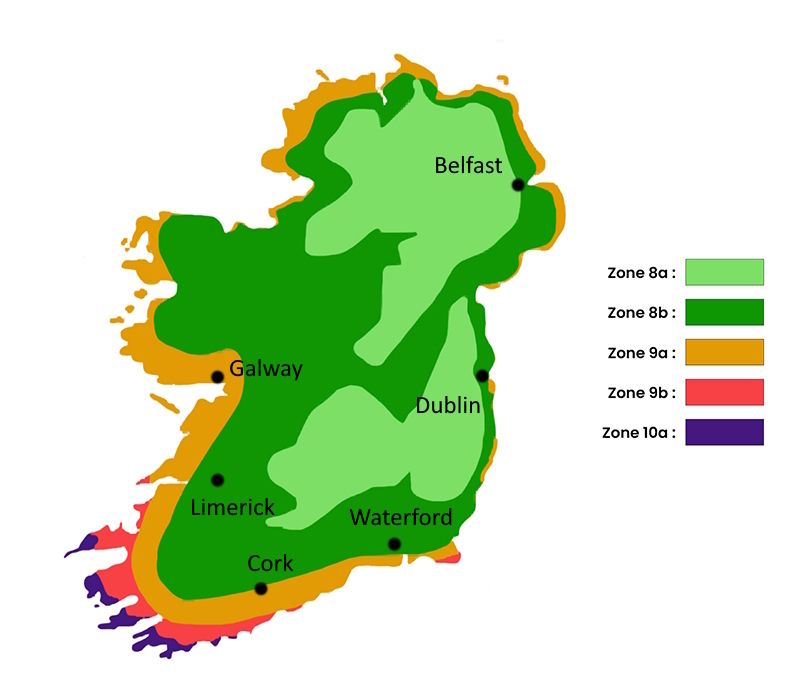
The planting period indicated on our website applies to regions in USDA Zone 9a (East Coast and Midlands: Dublin, Wexford, Waterford, Kilkenny, Portlaoise). It will vary depending on where you live:
- On the west coast and in the north-west (Galway, Limerick, Sligo, Donegal, Westport), delay planting by 1 to 2 weeks in spring and bring it forward by 1 to 2 weeks in autumn compared to the dates given, preferably choosing periods without strong winds.
- In the inland hills and plateaus (Wicklow Mountains, Macgillycuddy’s Reeks, Connemara, Killarney), it is best to plant in spring (April–May) or autumn (September–October), avoiding periods of waterlogged soil in winter and strong winds, which pose the main risk to newly planted trees in these areas.
The flowering period indicated on our website applies to regions in USDA Zone 9a, such as the East Coast and Midlands, including Dublin, Wexford, Waterford, Kilkenny and Portlaoise.
This will vary depending on where you live:
- On the west coast and in the northwest (Galway, Limerick, Sligo, Donegal and Westport), it will be delayed by one to two weeks compared to the given dates, due to stronger Atlantic winds and less spring sunshine.
- In the inland hills and plateaus (the Wicklow Mountains, the Macgillycuddy's Reeks, Connemara and Killarney), flowering will be delayed by two to three weeks. Flowering mainly occurs between May and July, with the limiting factors being less frost and more of the excessive humidity, strong winds and lack of sunshine that are characteristic of these areas.
Shipping country and language
Your country of residence may be:
Your country of residence is:
For a better user experience on our website, you can select:
Your shipping country:
-
 Austria
-
 Belgium
-
 Bosnia & Herzegovina
-
 Bulgaria
-
 Croatia
-
 Cyprus
-
 Czechia
-
 Denmark
-
 Estonia
-
 Finland
-
 France
-
 Germany
-
 Greece
-
 Hungary
-
 Iceland
-
 Ireland
-
 Italy
Italy
-
 Latvia
-
 Liechtenstein
-
 Lithuania
-
 Luxembourg
-
 Malta
Malta
-
 Netherlands
-
 Poland
-
 Portugal
-
 Romania
-
 Serbia
-
 Slovakia
-
 Slovenia
-
 Spain
Spain
-
 Sweden
-
 Switzerland
Language:
-
French
-
 English
-
Spanish
-
Italian
-
German
-
Portuguese
-
Dutch
-
Finnish
My Account
Hello
My wish lists
My cart
Log in / Register
Existing customer?
This form is protected by reCAPTCHA - the Google Privacy Policy and Terms of Service apply.
New customer?
Create an account to track your orders, access our customer service and, if you wish, make the most of our upcoming offers.