Muhlenbergia capillaris - Muhly Grass
Muhlenbergia capillaris - Muhly Grass
Muhlenbergia capillaris - Muhly Grass
Muhlenbergia capillaris - Muhly Grass
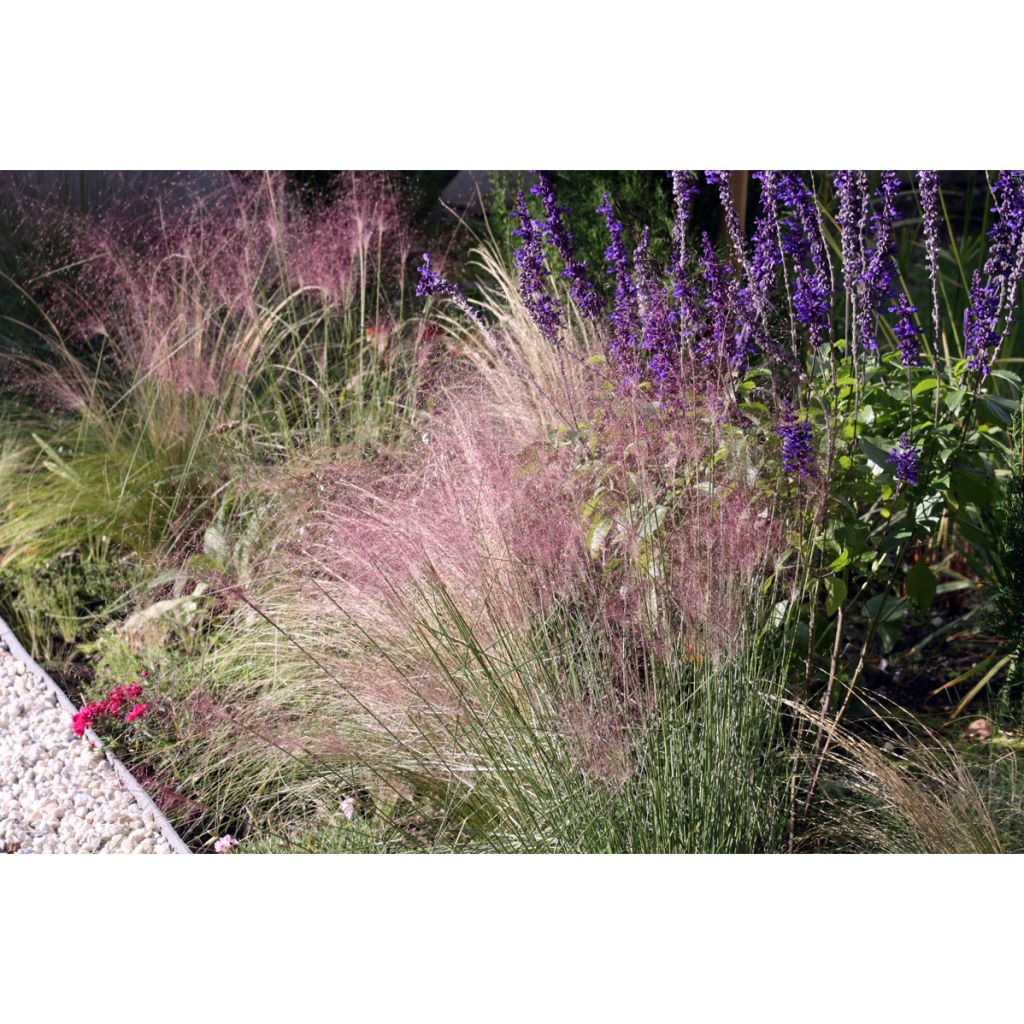
Muhlenbergia capillaris - Muhly Grass
Muhlenbergia capillaris - Muhly Grass
Muhlenbergia capillaris
Muhly Grass, Hairy Awn Muhly, Gulf Muhly.
Both plants are starting to grow. I can't wait to see them next year.
marielle , 06/10/2026
Back-to-school special offer!
Get €10 off for every €50 you spend! And get up to €40 off on a single order.
How does it work?
1. Shop your favourites
Add your favourite plants to your basket. For every €50 you spend (excluding delivery charges, store credit and the plastic-free option), you’ll receive a €10 voucher.
€50 spent = €10 voucher
€100 spent = €20 voucher
€150 spent = €30 voucher
€200 spent = €40 voucher
2. Place your order
Once your basket reaches one of the spending thresholds, place your order. You can even choose your delivery date!
3. Receive your voucher
As soon as your order has been shipped, you’ll receive an email containing your personal voucher code and its value.
4. Use it on your next order
Your voucher is valid for 90 days from the date you receive it. It can be used once only, on a new order worth at least the value of the voucher, excluding delivery charges.
Please note: Vouchers can be combined with other offers, but cannot be split or refunded.
Home or relay delivery (depending on size and destination)
Important: You may be charged customs duties by your country’s customs authorities upon delivery.
Schedule delivery date
and select date in basket
This plant carries a 12 months recovery warranty
More information
We guarantee the quality of our plants for a full growing cycle, and will replace at our expense any plant that fails to recover under normal climatic and planting conditions.
Does this plant fit my garden?
Set up your Plantfit profile →
Description
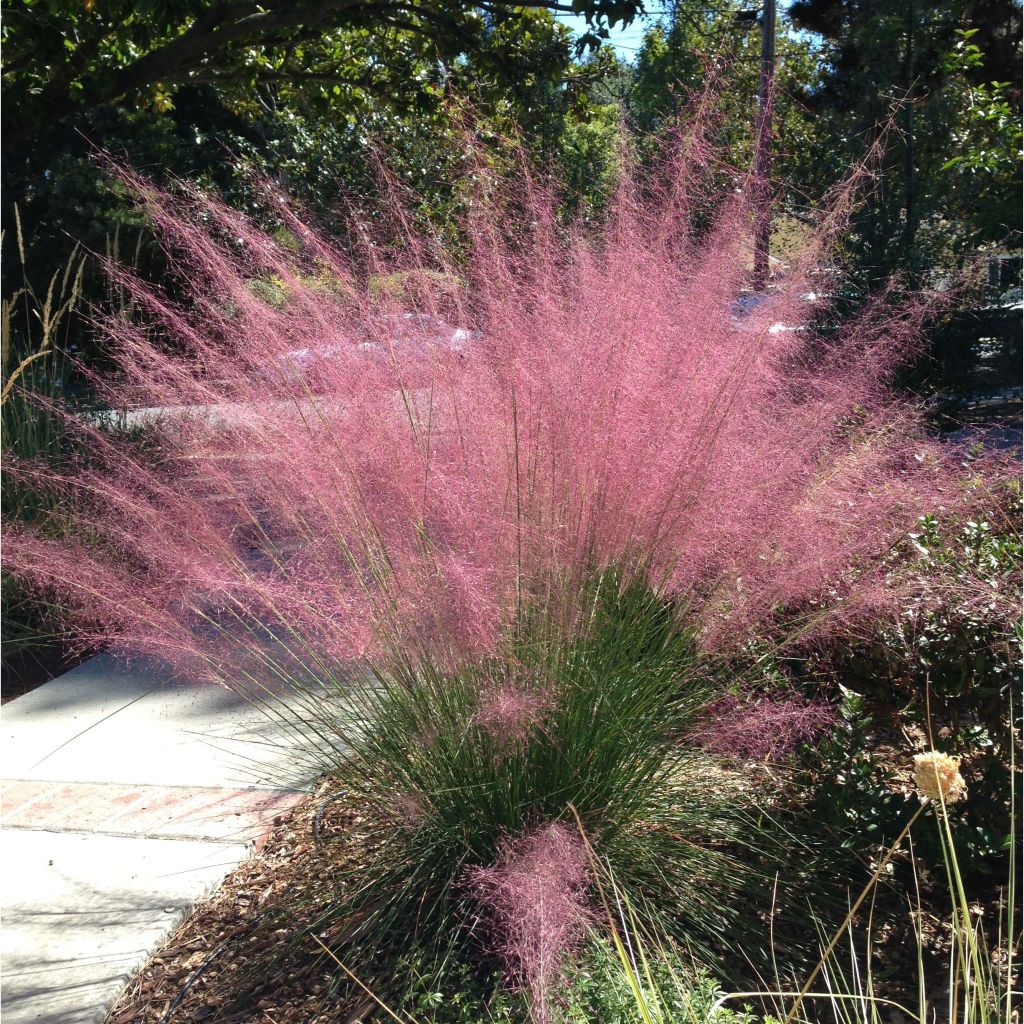
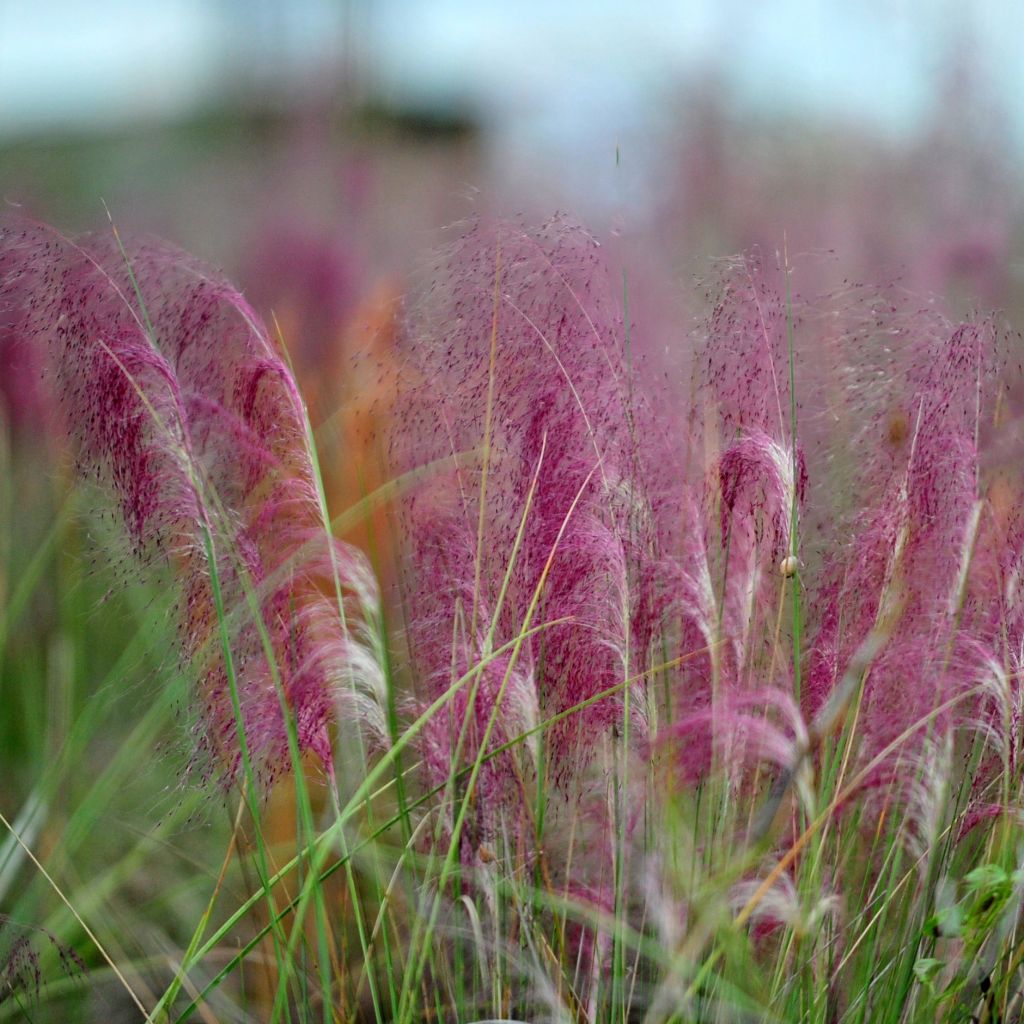
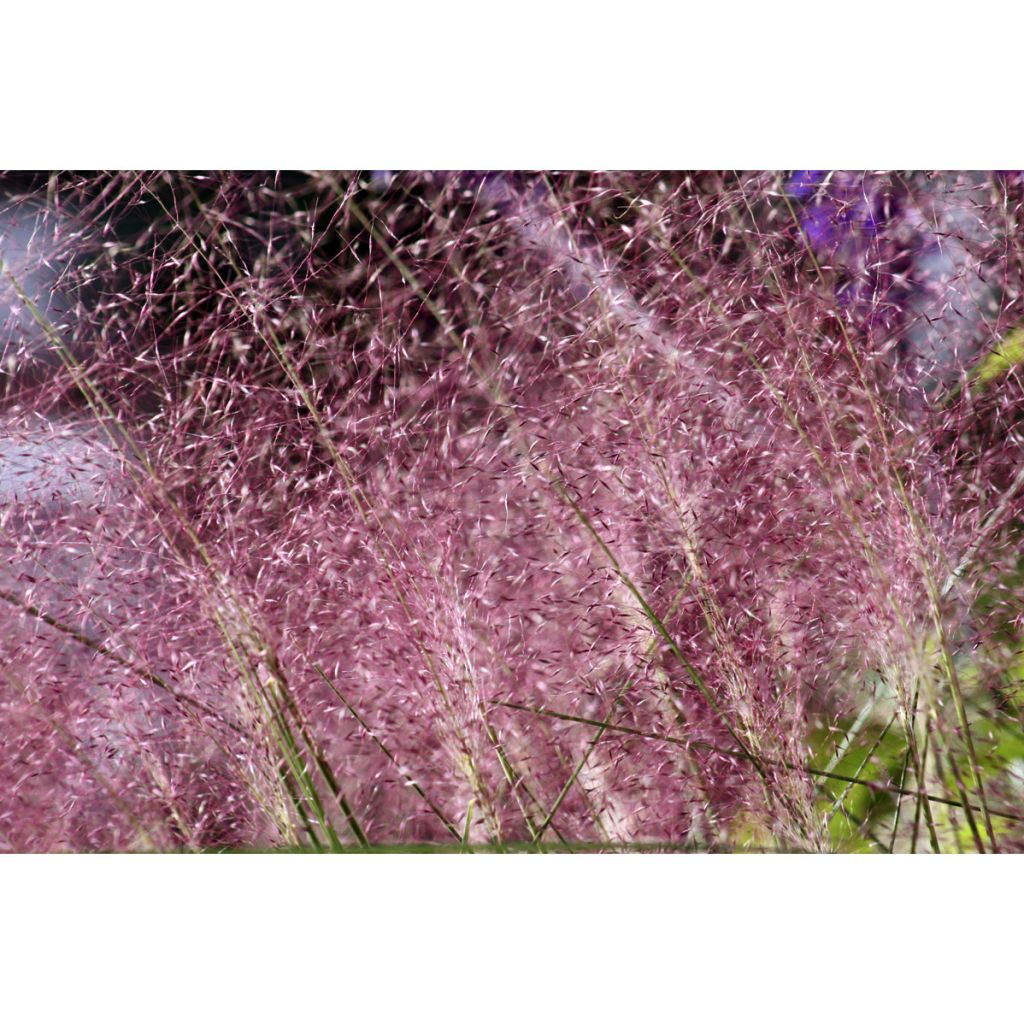
Le Muhlenbergia capillaris offre l’une des floraisons les plus spectaculaires parmi les graminées ornementales. À la fin de l’été, ses feuilles fines disparaissent sous une brume rose pourpré qui capte la lumière et ondule au moindre souffle. Peu exigeante et résistante au sec, cette graminée supporte la chaleur, les sols pauvres, le calcaire et les embruns. Plantée en groupe, elle compose un décor automnal remarquable sans demander beaucoup d’entretien.
Le Muhlenbergia capillaris, appelé muhlenbergie capillaire ou herbe aux cheveux roses, appartient à la famille des Poacées. Cette espèce botanique est originaire du centre et de l’est des États-Unis, son aire naturelle s’étendant jusqu’au Mexique, au Guatemala et aux Caraïbes. Elle pousse dans des prairies ouvertes, des savanes, des bois clairs, sur des affleurements rocheux et dans certains milieux littoraux sableux. Elle a reçu en 2012 la médaille Montine McDaniel Freeman et le titre de Plant of the Year décernés par le Garden Club of America.
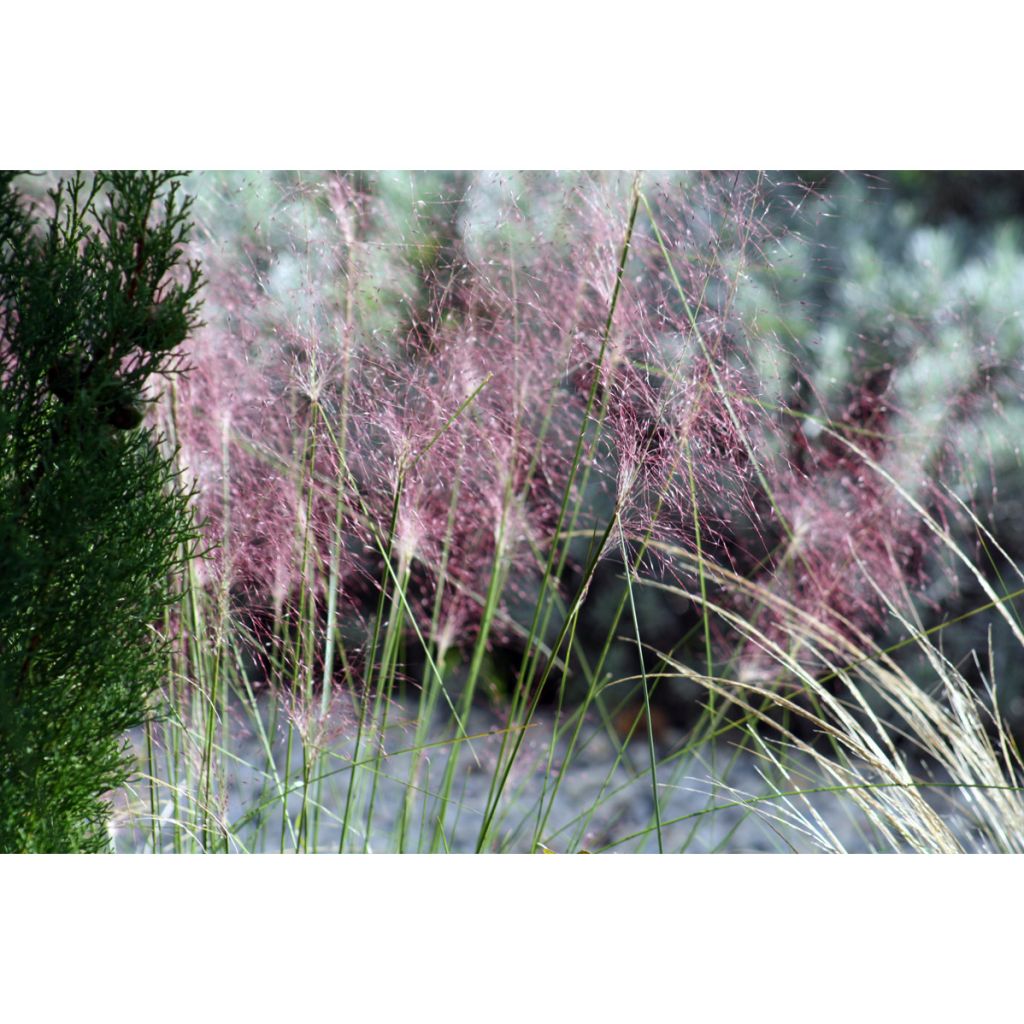
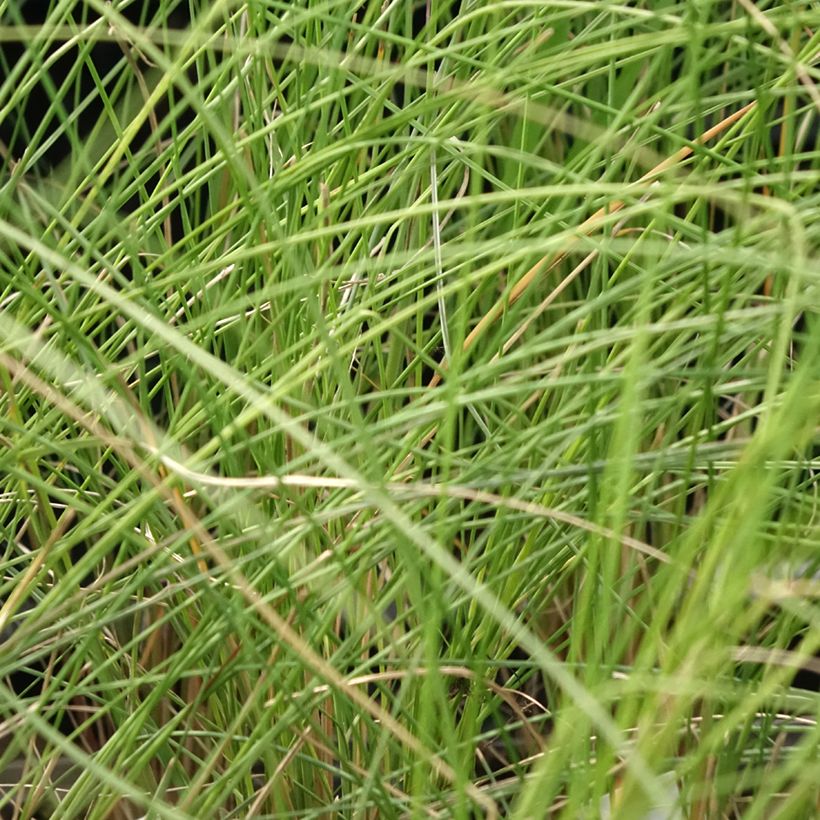
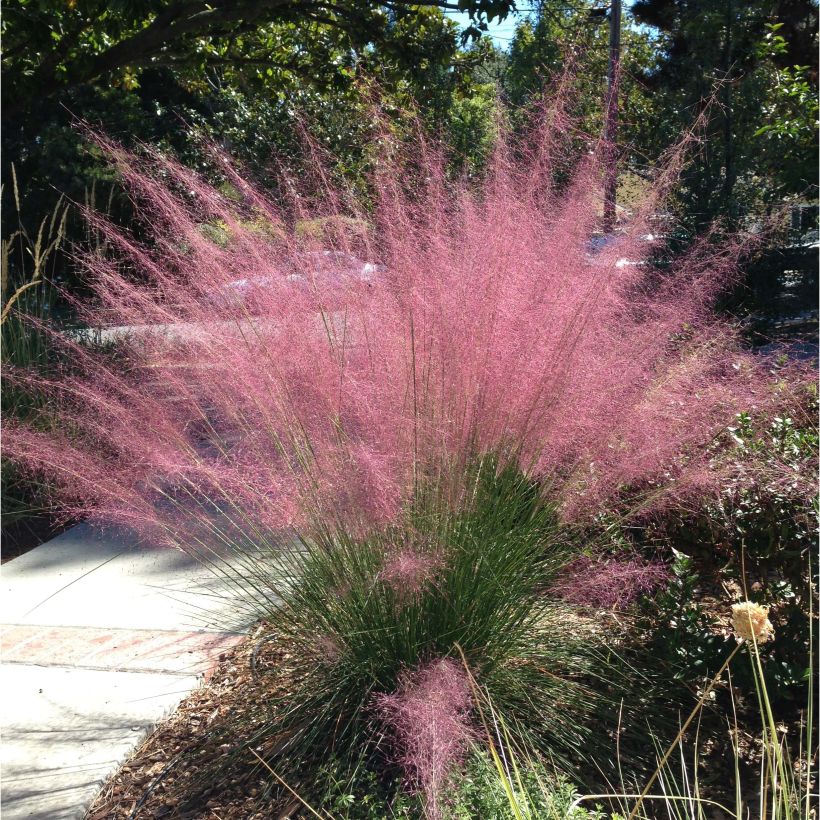
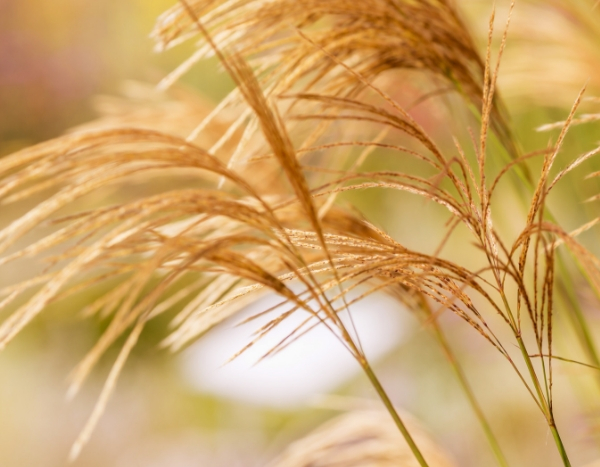
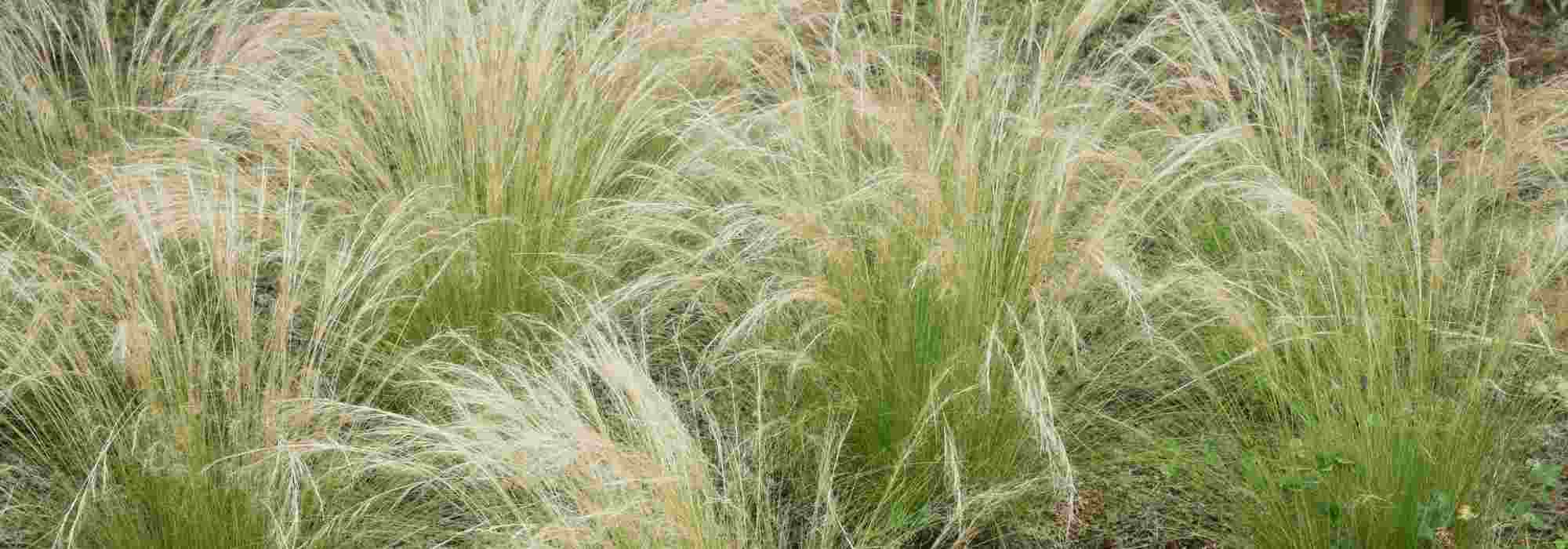
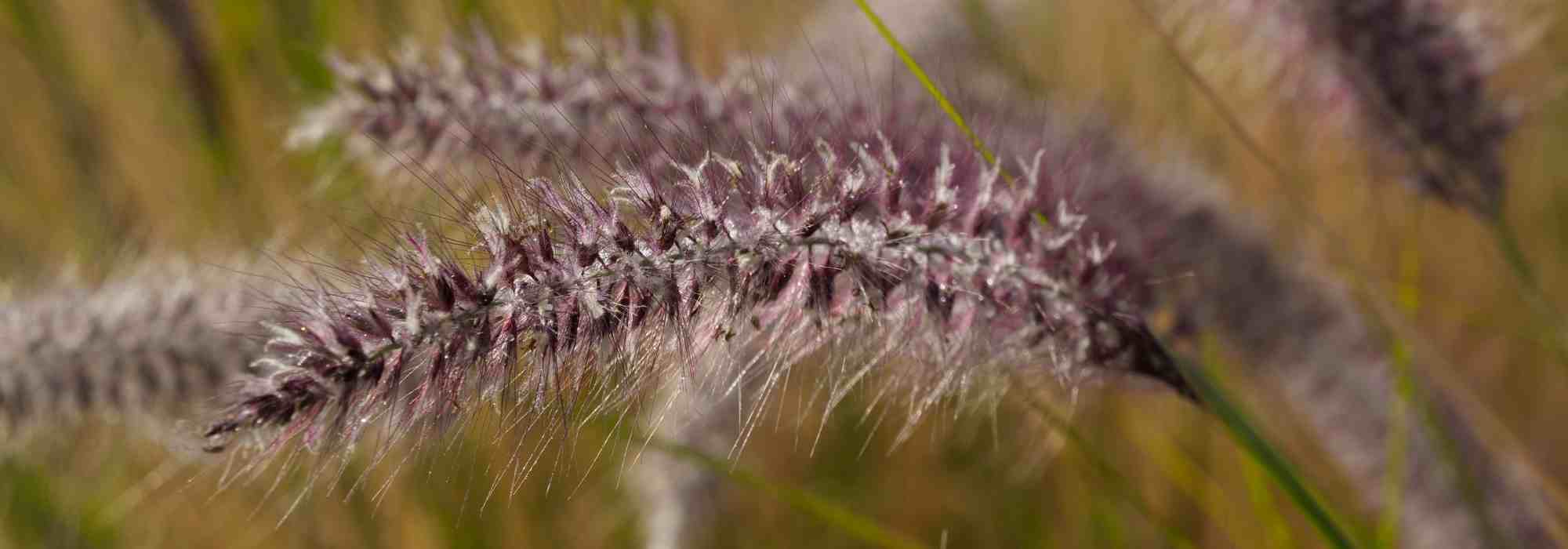
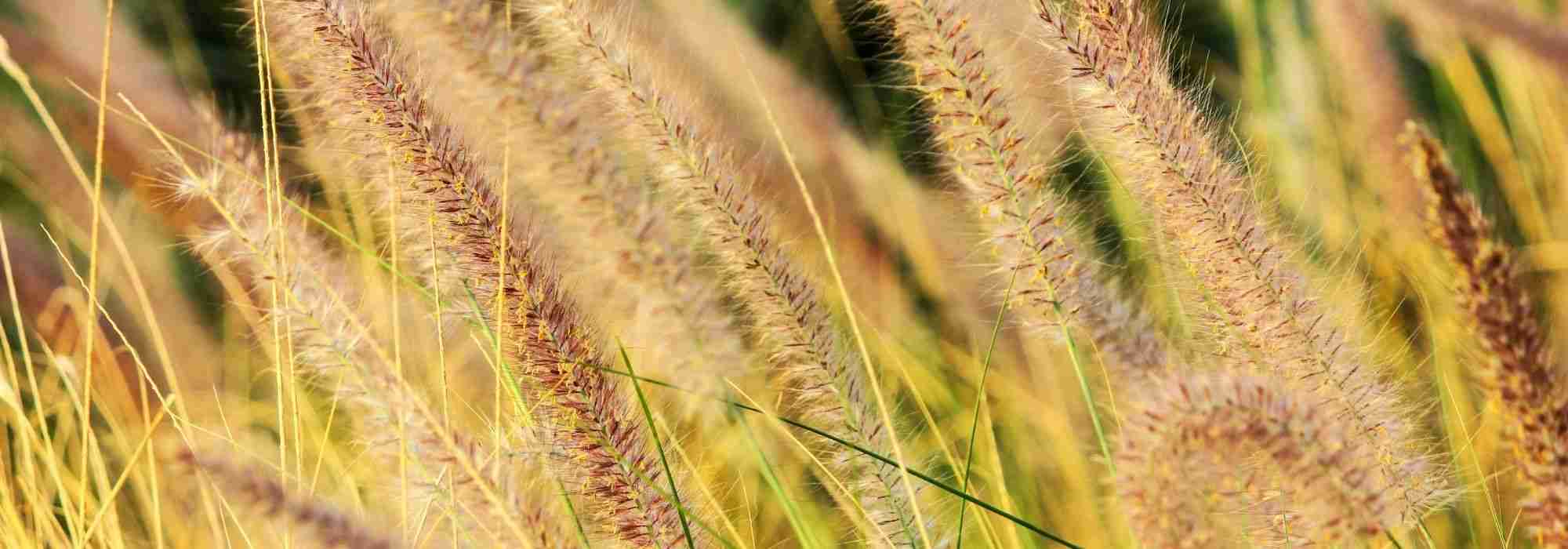
Cette graminée vivace forme une touffe dense, arrondie et non traçante, composée de feuilles linéaires très étroites, vert foncé à vert bleuté. Le feuillage atteint 40 à 50 cm de hauteur, tandis que les tiges florales portent la plante à 80 cm ou 1 m, pour une envergure de 60 à 80 cm. Graminée de saison chaude, elle redémarre assez tard au printemps, lorsque le sol se réchauffe. Son feuillage est caduc dans les régions froides et semi-persistant sous les climats plus doux ; il prend des nuances cuivrées puis beige clair en fin de saison. La floraison commence à la fin du mois d’août dans les régions chaudes, mais se déroule principalement de septembre à novembre. De grandes panicules très ramifiées, longues de 30 à 40 cm, se déploient au-dessus du feuillage. Leurs minuscules épillets rose tendre, rose pourpré ou violacé forment une masse presque transparente. En mûrissant, les inflorescences pâlissent et prennent des teintes beige argenté ; elles peuvent rester décoratives au début de l’hiver. La floraison est plus abondante lorsque la plante bénéficie d’un été chaud et d’une exposition très ensoleillée. Le Muhlenbergia capillaris résiste jusqu'à –15 °C lorsqu’il est bien établi dans une terre parfaitement drainée, mais sa souche supporte mal la combinaison du froid et d’un sol humide en hiver. Il aime les étés chauds et ensoleillés des régions méditerranéennes ou de certaines zones du littoral atlantique.
Le Muhlenbergia capillaris donne toute sa mesure lorsqu’il est planté par groupes de trois sujets ou davantage, dans un grand massif ensoleillé, une prairie sèche, un jardin de graviers ou sur un talus. Son graphisme trouve aussi sa place dans les jardins contemporains et méditerranéens. Il peut être associé à l’Aster turbinellus, au Dalea purpurea 'Stéphanie', au panicaut Eryngium yuccifolium et à l’orpin d’automne ‘Matrona’. Leurs floraisons mauves, roses ou blanc argenté composent un ensemble naturel qui reste décoratif jusqu’à l’automne.
Report an error about the product description
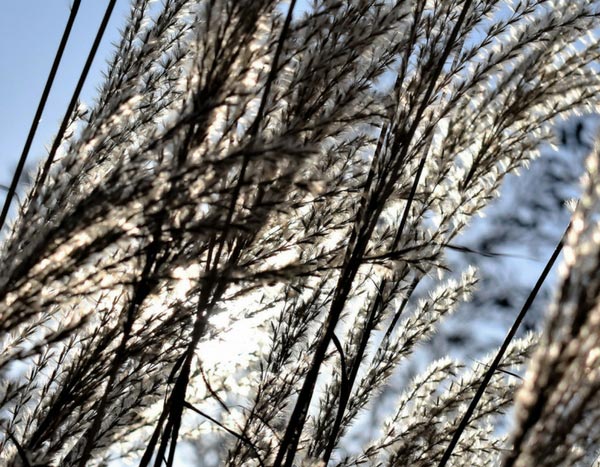
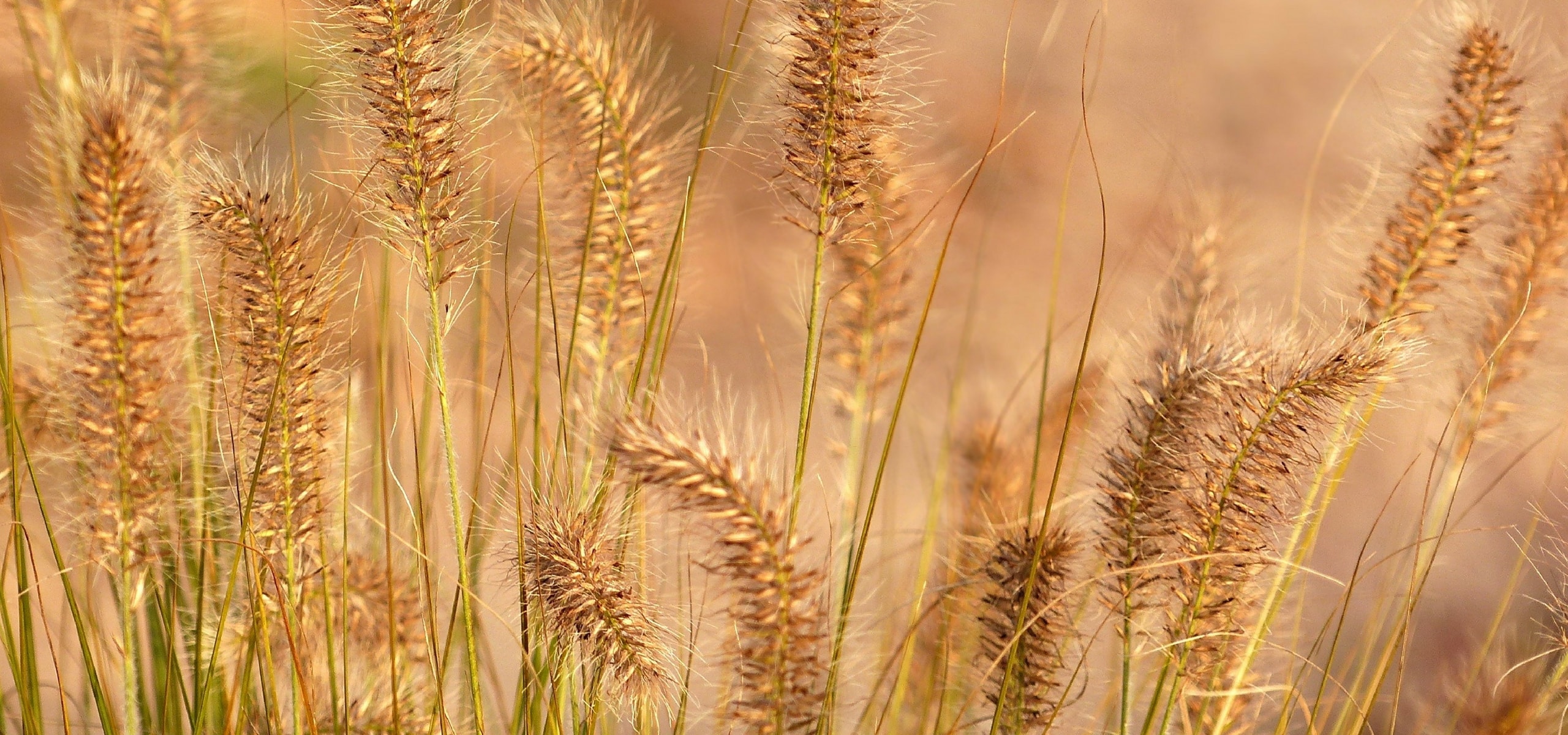
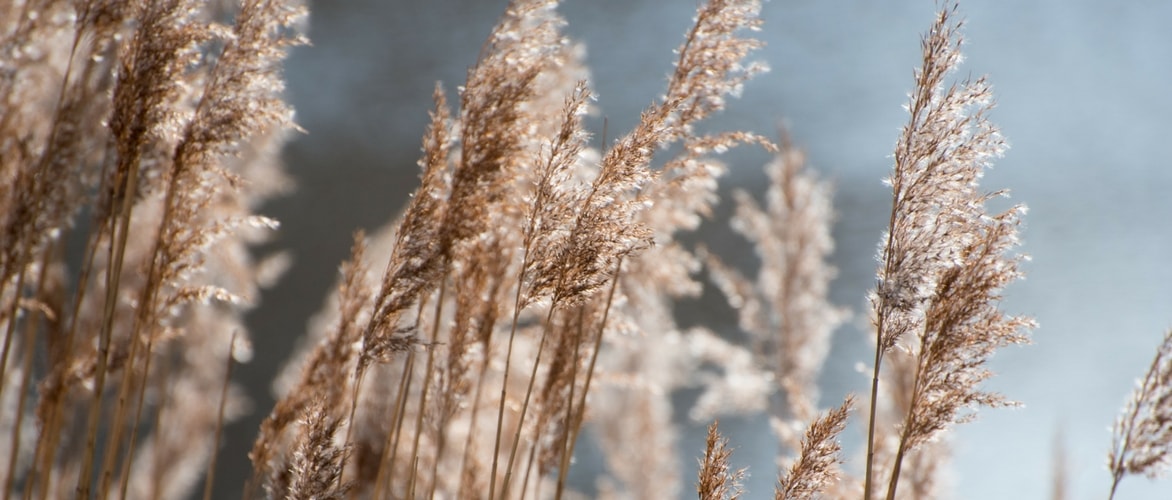
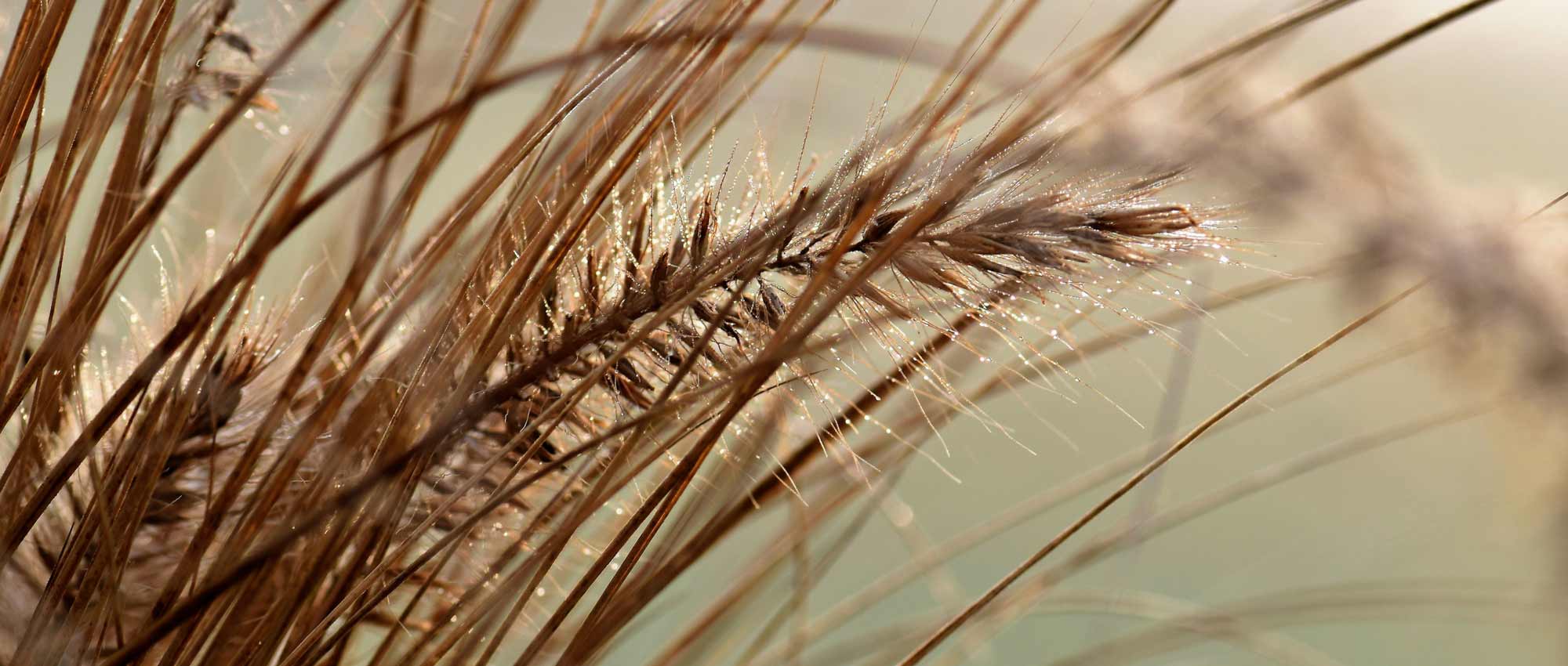
Muhlenbergia capillaris - Muhly Grass in pictures
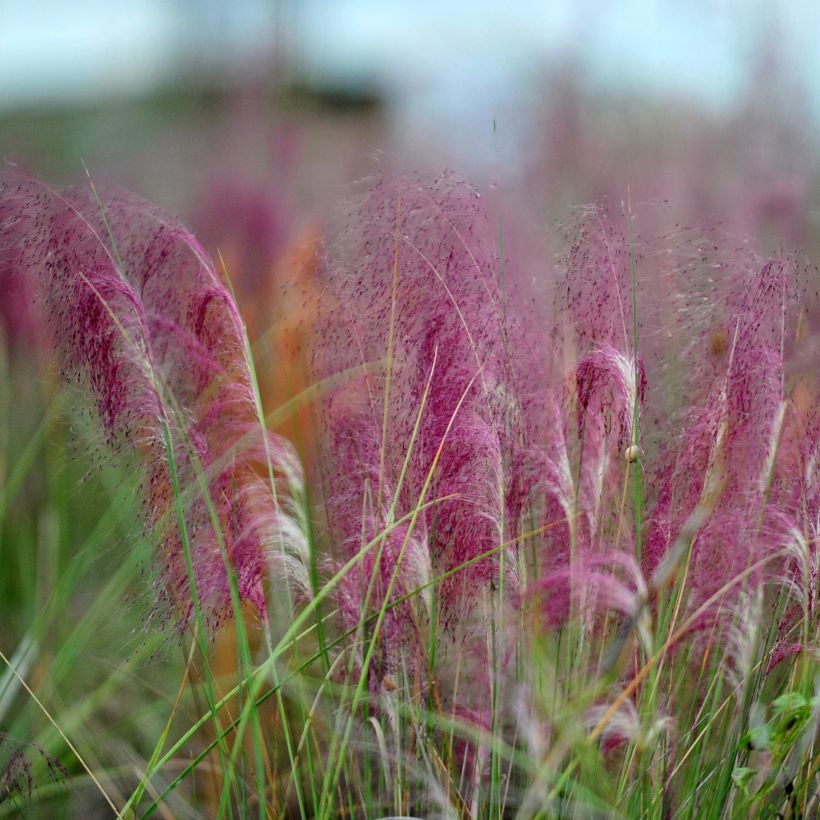
Flowering
Foliage
Plant habit
Botanical data
Muhlenbergia
capillaris
Poaceae
Muhly Grass, Hairy Awn Muhly, Gulf Muhly.
Stipa capillaris, Podosemum capillare, Trichochloa capillaris
North America
Planting and care
The Muhlenbergia capillaris is preferentially planted in spring in cold regions, so that its stump is well established before its first winter. Planting in September or October is possible in regions with mild winters. It requires a very sunny position and soil through which water drains quickly, whether sandy, stony, poor or chalky. In clay soil, the plant is placed on a slope or mound, with grit incorporated over a sufficiently wide area. A spacing of 60 to 80 cm allows the clumps to develop. Regular watering encourages rooting during the first summer; it then becomes unnecessary, except in cases of intense drought. Fertiliser applications are superfluous and can produce excessive foliage.
Planting period
Intended location
Care
Planting & care advice
-
-
-
-
-
-
-
-
-
, onOrder confirmed
Reply from on Promesse de fleurs
Recently viewed products
Haven't found what you were looking for?
Hardiness is the lowest winter temperature a plant can endure without suffering serious damage or even dying. However, hardiness is affected by location (a sheltered area, such as a patio), protection (winter cover) and soil type (hardiness is improved by well-drained soil).
In temperate climates, pruning of spring-flowering shrubs (forsythia, spireas, etc.) should be done just after flowering.
Pruning of summer-flowering shrubs (Indian Lilac, Perovskia, etc.) can be done in winter or spring.
In cold regions as well as with frost-sensitive plants, avoid pruning too early when severe frosts may still occur.
The harvesting period indicated on our website applies to countries and regions in USDA zone 8 (France, England, Ireland, the Netherlands).
In colder areas (Scandinavia, Poland, Austria...) fruit and vegetable harvests are likely to be delayed by 3-4 weeks.
In warmer areas (Italy, Spain, Greece, etc.), harvesting will probably take place earlier, depending on weather conditions.
The sowing periods indicated on our website apply to countries and regions within USDA Zone 8 (France, UK, Ireland, Netherlands).
In colder areas (Scandinavia, Poland, Austria...), delay any outdoor sowing by 3-4 weeks, or sow under glass.
In warmer climes (Italy, Spain, Greece, etc.), bring outdoor sowing forward by a few weeks.
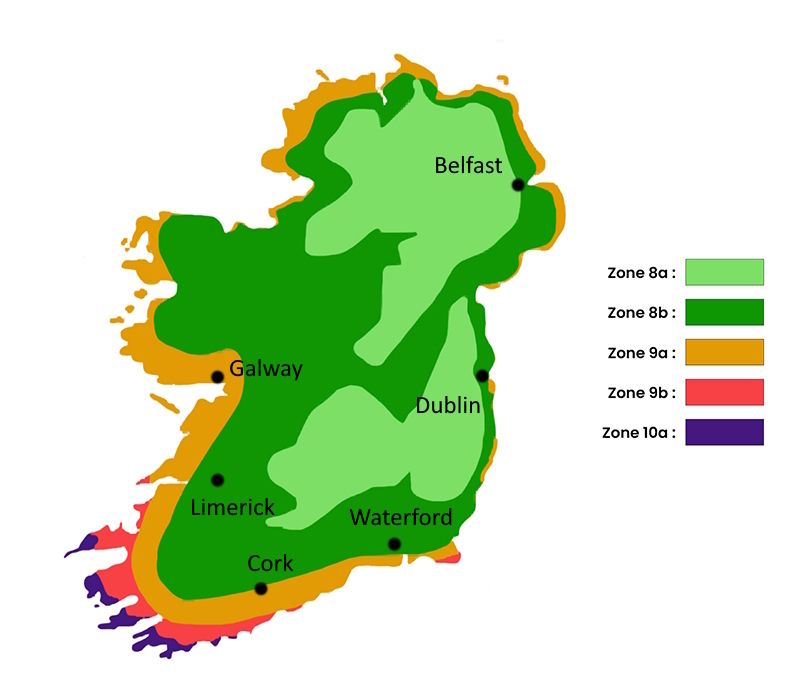
The planting period indicated on our website applies to regions in USDA Zone 9a (East Coast and Midlands: Dublin, Wexford, Waterford, Kilkenny, Portlaoise). It will vary depending on where you live:
- On the west coast and in the north-west (Galway, Limerick, Sligo, Donegal, Westport), delay planting by 1 to 2 weeks in spring and bring it forward by 1 to 2 weeks in autumn compared to the dates given, preferably choosing periods without strong winds.
- In the inland hills and plateaus (Wicklow Mountains, Macgillycuddy’s Reeks, Connemara, Killarney), it is best to plant in spring (April–May) or autumn (September–October), avoiding periods of waterlogged soil in winter and strong winds, which pose the main risk to newly planted trees in these areas.
The flowering period indicated on our website applies to regions in USDA Zone 9a, such as the East Coast and Midlands, including Dublin, Wexford, Waterford, Kilkenny and Portlaoise.
This will vary depending on where you live:
- On the west coast and in the northwest (Galway, Limerick, Sligo, Donegal and Westport), it will be delayed by one to two weeks compared to the given dates, due to stronger Atlantic winds and less spring sunshine.
- In the inland hills and plateaus (the Wicklow Mountains, the Macgillycuddy's Reeks, Connemara and Killarney), flowering will be delayed by two to three weeks. Flowering mainly occurs between May and July, with the limiting factors being less frost and more of the excessive humidity, strong winds and lack of sunshine that are characteristic of these areas.
Shipping country and language
Your country of residence may be:
Your country of residence is:
For a better user experience on our website, you can select:
Your shipping country:
-
 Austria
-
 Belgium
-
 Bosnia & Herzegovina
-
 Bulgaria
-
 Croatia
-
 Cyprus
-
 Czechia
-
 Denmark
-
 Estonia
-
 Finland
-
 France
-
 Germany
-
 Greece
-
 Hungary
-
 Iceland
-
 Ireland
-
 Italy
Italy
-
 Latvia
-
 Liechtenstein
-
 Lithuania
-
 Luxembourg
-
 Malta
Malta
-
 Netherlands
-
 Poland
-
 Portugal
-
 Romania
-
 Serbia
-
 Slovakia
-
 Slovenia
-
 Spain
Spain
-
 Sweden
-
 Switzerland
Language:
-
French
-
 English
-
Spanish
-
Italian
-
German
-
Portuguese
-
Dutch
-
Finnish
My Account
Hello
My wish lists
My cart
Log in / Register
Existing customer?
This form is protected by reCAPTCHA - the Google Privacy Policy and Terms of Service apply.
New customer?
Create an account to track your orders, access our customer service and, if you wish, make the most of our upcoming offers.