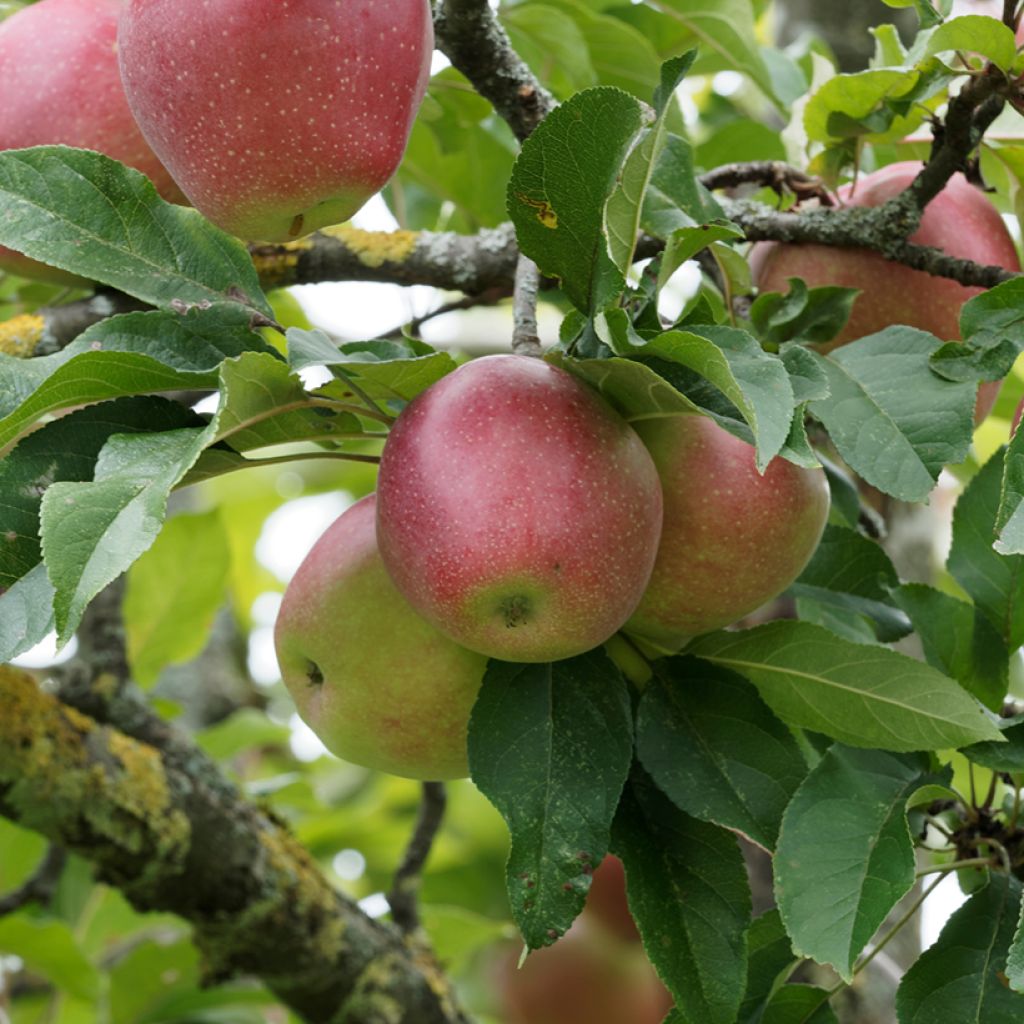
Apple Tree Żeleźniak - Malus domestica
Apple Tree Żeleźniak - Malus domestica
Malus domestica Żeleźniak
Apple
Back-to-school special offer!
Get €10 off for every €50 you spend! And get up to €40 off on a single order.
How does it work?
1. Shop your favourites
Add your favourite plants to your basket. For every €50 you spend (excluding delivery charges, store credit and the plastic-free option), you’ll receive a €10 voucher.
€50 spent = €10 voucher
€100 spent = €20 voucher
€150 spent = €30 voucher
€200 spent = €40 voucher
2. Place your order
Once your basket reaches one of the spending thresholds, place your order. You can even choose your delivery date!
3. Receive your voucher
As soon as your order has been shipped, you’ll receive an email containing your personal voucher code and its value.
4. Use it on your next order
Your voucher is valid for 90 days from the date you receive it. It can be used once only, on a new order worth at least the value of the voucher, excluding delivery charges.
Please note: Vouchers can be combined with other offers, but cannot be split or refunded.
Why not try an alternative variety in stock?
View all →
Available in 0 sizes
Available in 0 sizes
Available in 0 sizes
Available in 1 sizes
Available in 0 sizes
Available in 4 sizes
Available in 1 sizes
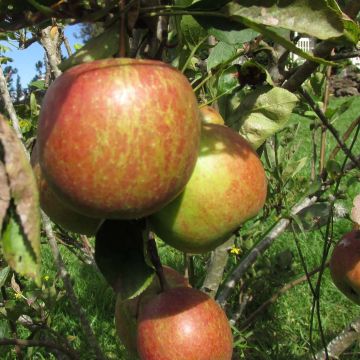
Available in 3 sizes
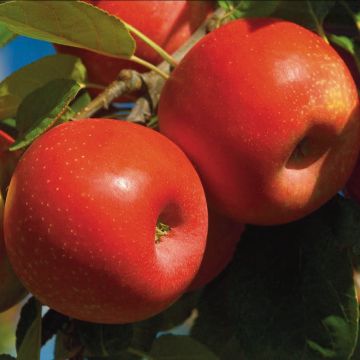
Available in 2 sizes
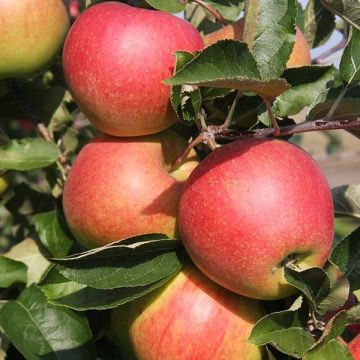
Available in 3 sizes
This plant carries a 12 months recovery warranty
More information
We guarantee the quality of our plants for a full growing cycle, and will replace at our expense any plant that fails to recover under normal climatic and planting conditions.
Description
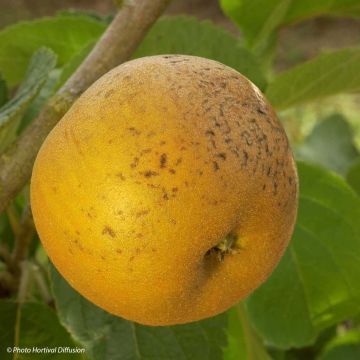
The 'Żeleźniak' apple tree is an ancient variety originating from Bavaria, Germany, dating back to the early 17th century. Its fruits are intended for storage, as they only develop their full flavour after a period of rest, or ripening. This apple tree is an excellent variety for producing cider, juice, compotes, or dried fruits. The tree is characterised by its hardiness, disease resistance, and ability to tolerate very cold temperatures. This variety requires the presence of a nearby pollinator and is prone to biennial bearing.
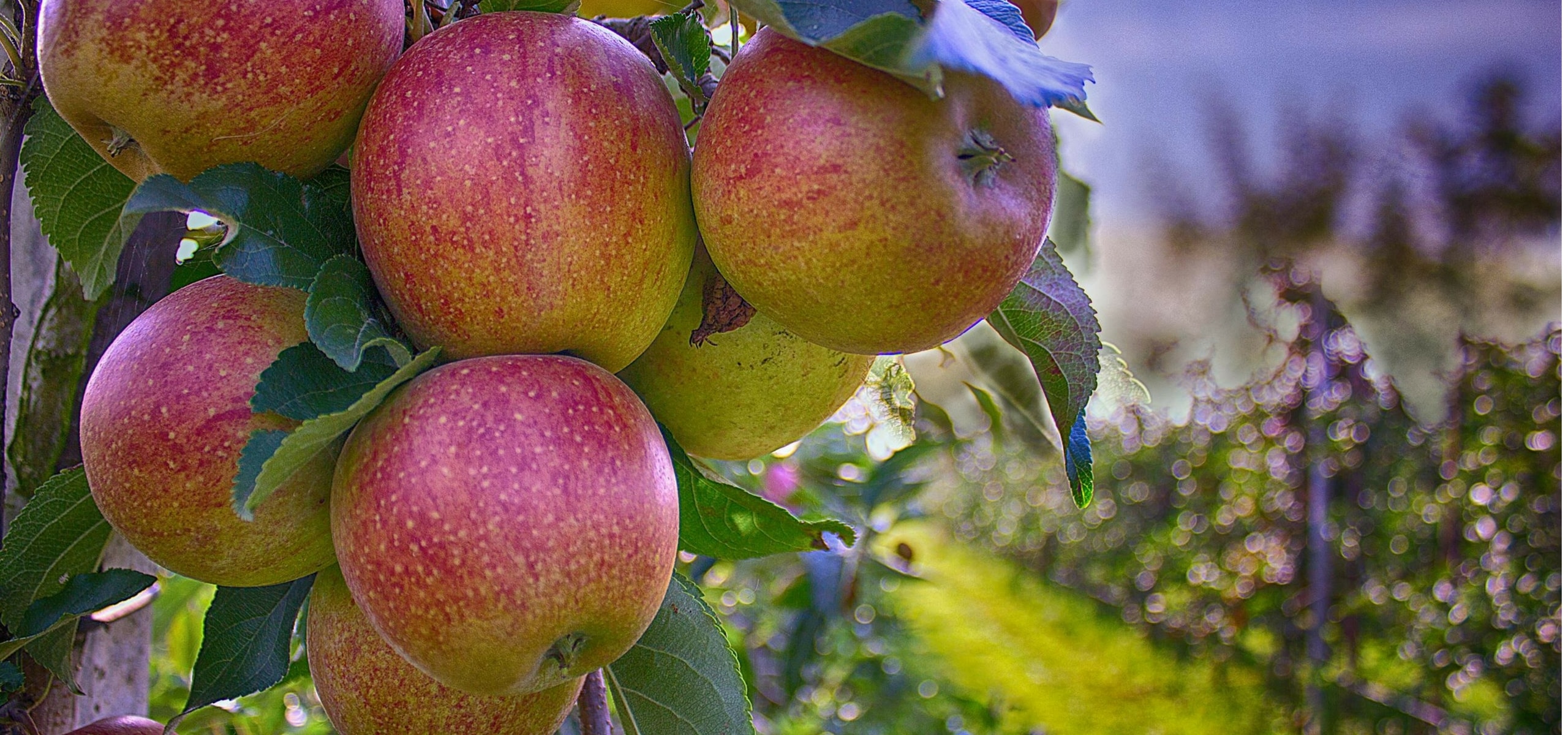
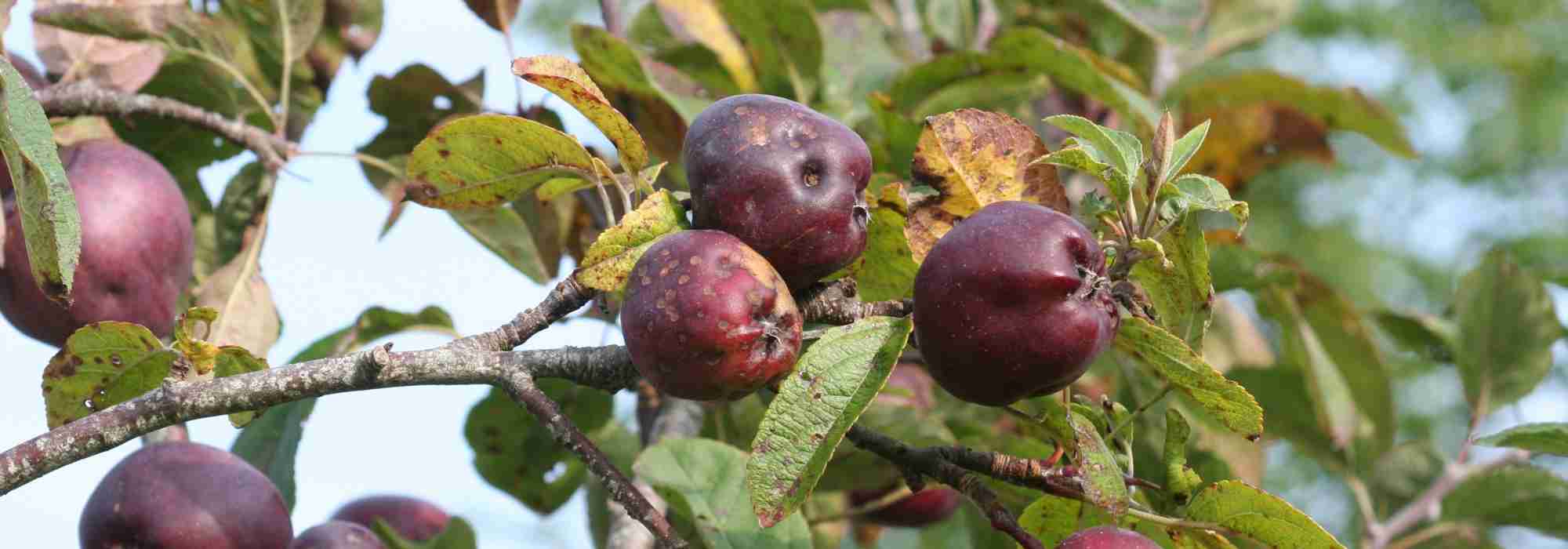
Malus domestica 'Żeleźniak' belongs to the Rosaceae family and originates from the Bavaria region in Germany, where it has been cultivated since around 1600. It is also known by names such as Iron Apple, Penny Apple, Red Eizer, Fer Rouge, Durable Three Years, Rother Eiserapfel, Eiser Rouge, and Roter Krieger, depending on the region. This apple tree is cultivated in orchards and is often found in farms and gardens dedicated to fruit production. Traditionally, its fruits were even used as Christmas decorations, hung on trees. 'Żeleźniak' can be a medium to large tree, depending on the rootstock, reaching 3 to 5 metres in height and developing a broad, slightly conical crown. Its growth is vigorous, but it begins fruiting later than other varieties. Its leaves are ovate, dark green, and its branches can support moderately abundant harvests. The fruits of the Żeleźniak apple tree are medium-sized, round, but with visible veins. Their skin is smooth and displays a yellowish-reddish hue with a pronounced blush. A thin, waxy layer gives them a slight sheen. These apples have a characteristic taste, both sweet-tart and juicy, with firm, crisp yellow-white flesh. Although harvesting can begin in late October, the fruits are not immediately edible. Their true flavour develops after a resting period lasting until the end of December. After this period, they become excellent and can be stored until the following June. It is one of the best long-keeping apple varieties.
This apple tree is widely known for its use in industrial production, particularly for cider and concentrates. Żeleźniak apples are highly prized for their ability to age while retaining their flavour quality. Varieties such as Cox's Orange Pippin, Złota Reneta, Idared, Jonatan, and Golden Delicious are good pollinators to ensure better fruiting.
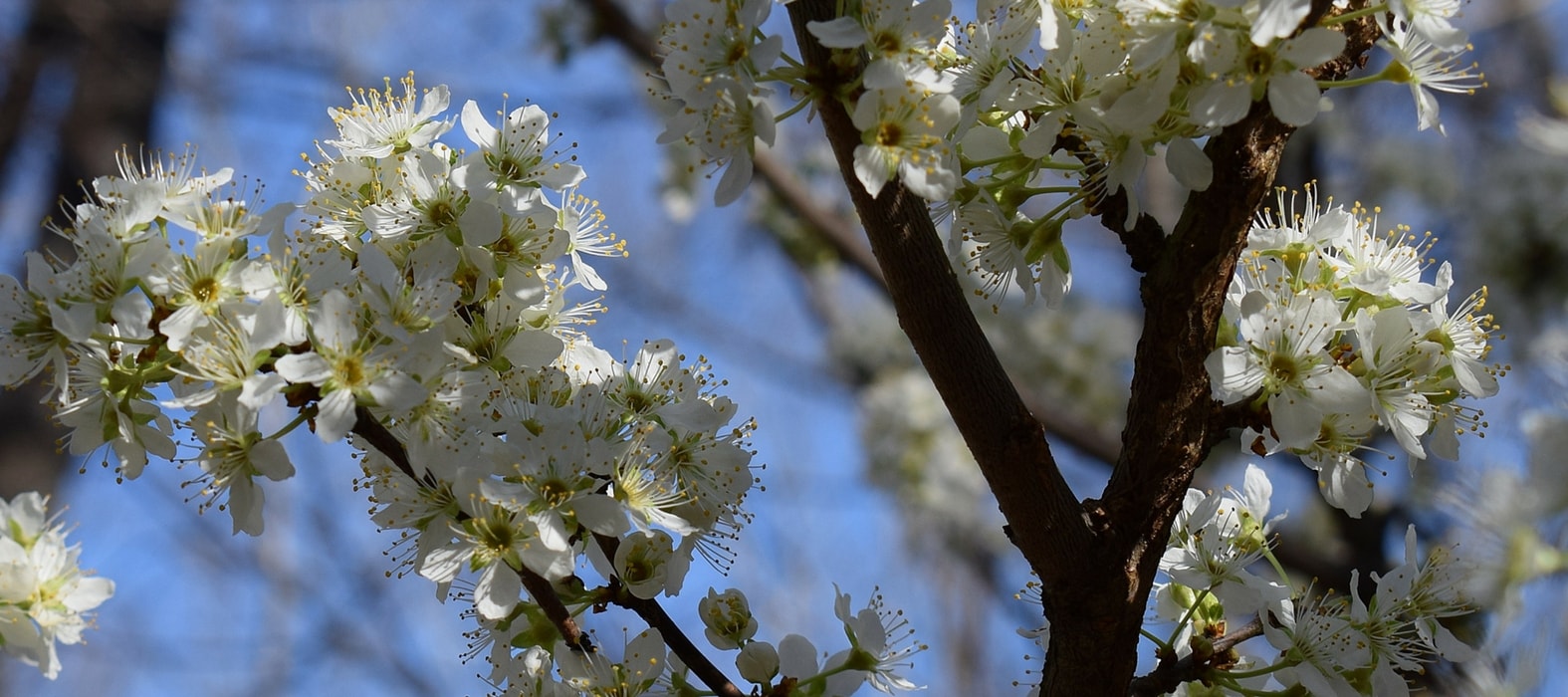
The Żeleźniak apple tree tolerates temperatures down to -26°C. Its spring flowering produces small white or slightly pink flowers, typical of apple trees, which precede fruit formation. This low-maintenance variety thrives in full sun, in well-drained soil. It fruits biennially, meaning some years may be less productive than others. However, this alternation is offset by the longevity and exceptional quality of the harvested fruits.
Apples provide great satiety. Rich in carbohydrates and fructose, they are energising and hydrating. Their content of vitamins A, B, C, and E, minerals, antioxidants, and fibre makes apples a healthy choice. Very popular for their fruits, apple trees have a well-deserved place in gardens. Among a wide range of apple trees, it is easy to find the variety that best suits your preferences.
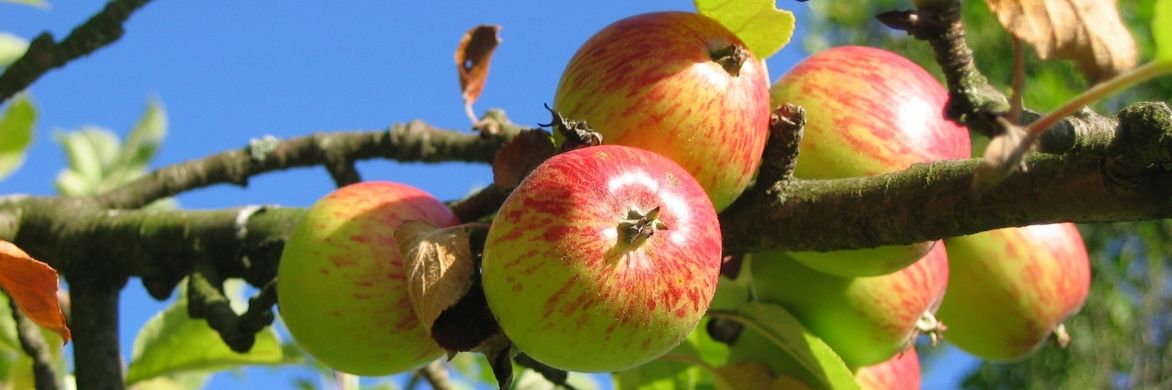
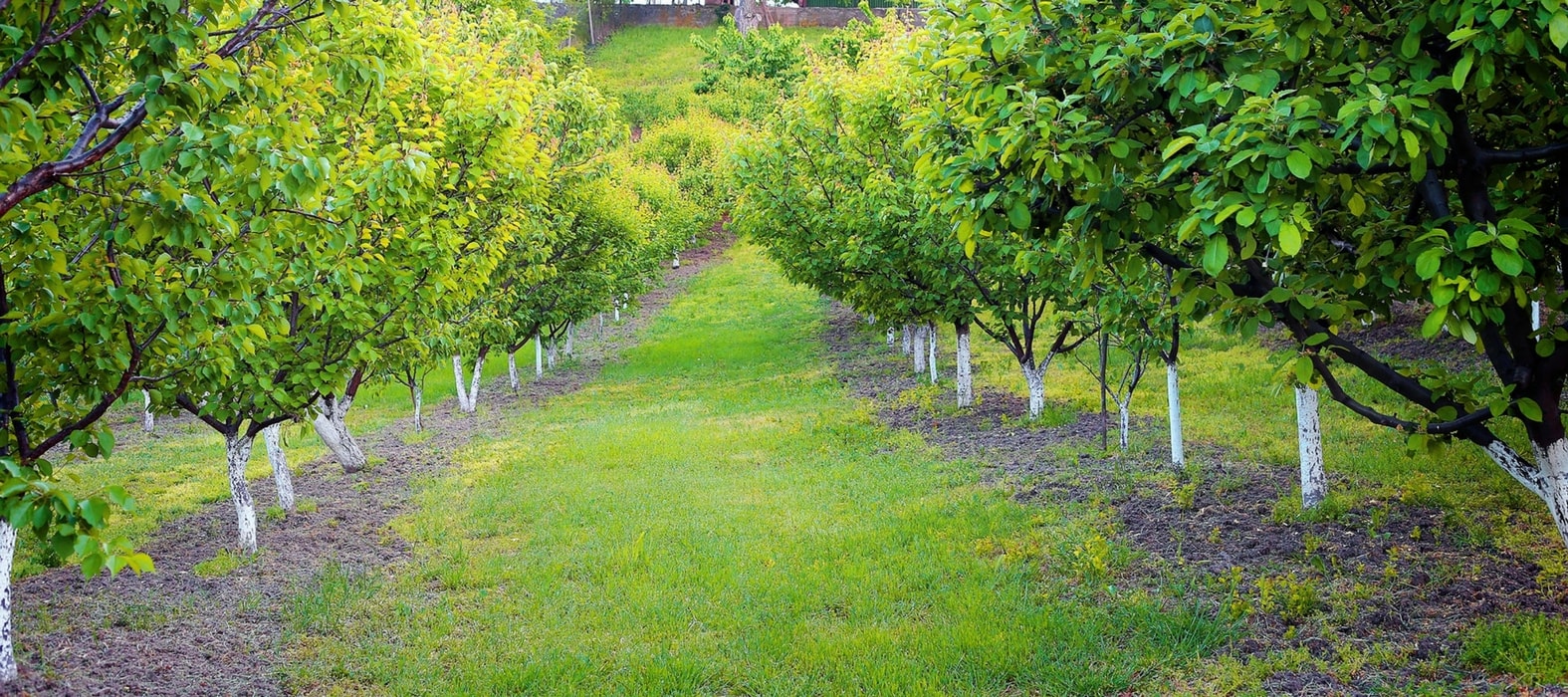
Plant habit
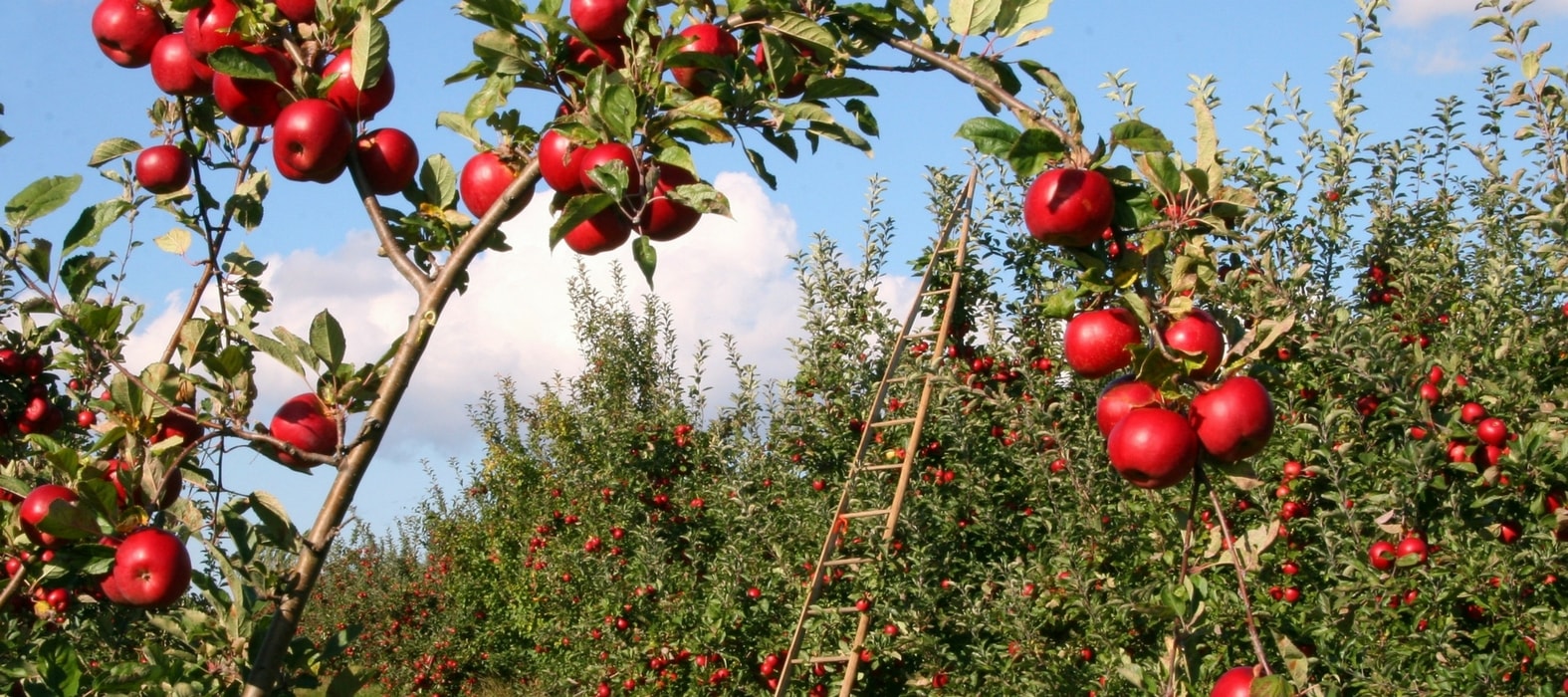
Fruit
Flowering
Foliage
Planting and care
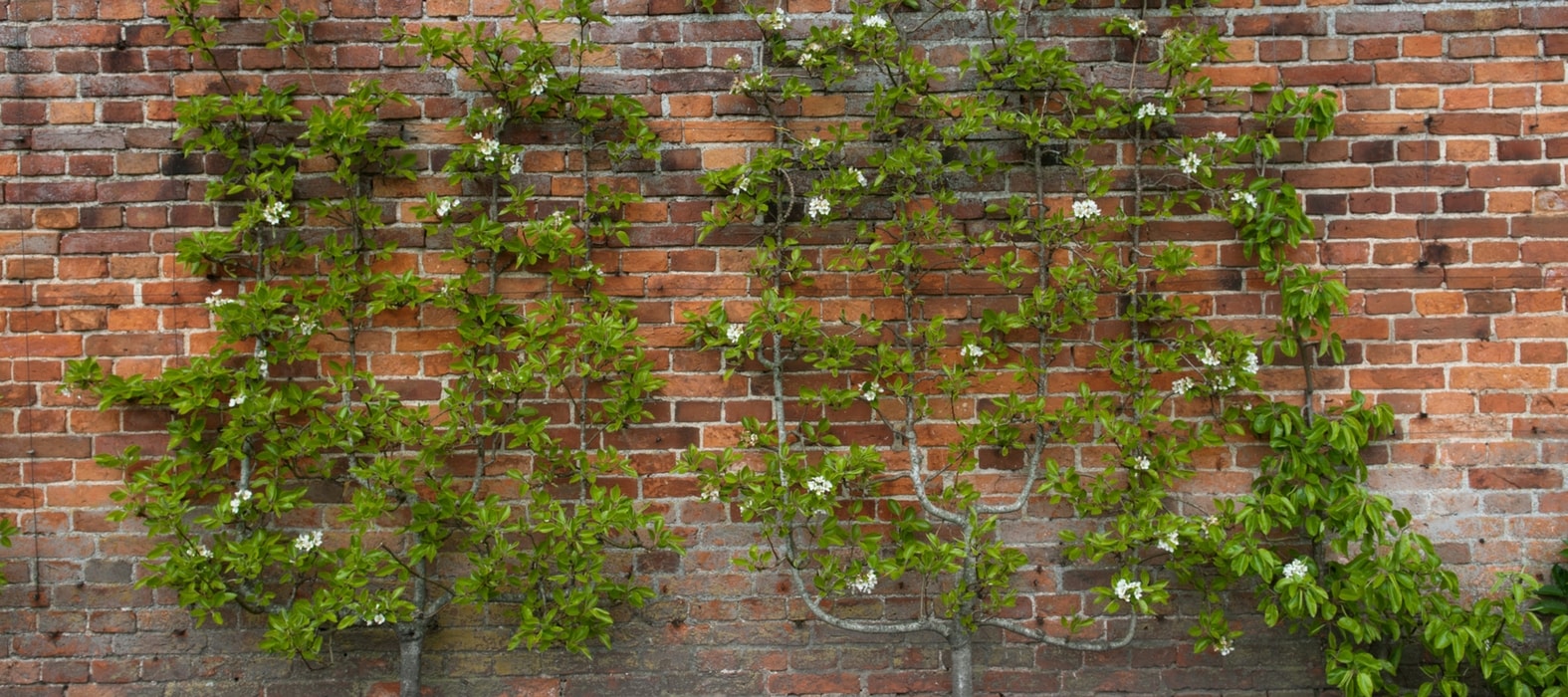
Choose a sunny spot for your 'Żeleźniak' Apple Tree. The soil can be slightly chalky or acidic, but not excessively so. Dig a wide planting hole at least 3 times the volume of the root ball. Add organic matter (compost, manure, etc.) and a base fertiliser like crushed horn at the same time. Do not bury the graft union. Stake if necessary. For apple trees planted in exposed and windy locations, it may be beneficial to stake them using a guy-wire system: plant 3 stakes in a triangle 50 cm around the trunk, connect them with pieces of wood. Protect the bark with a piece of rubber, for example, and attach the stakes to the trunk with metal wires. Water generously, even in winter, even if it rains. Fruit trees are ideally planted between October and March, outside frost periods. Container-grown plants can be planted all year round except during extreme heat or frost.
In winter, at the base of the tree and lightly worked into the surface of the soil, you can add a small spadeful of wood ash, rich in potash, to improve fruiting. Apple trees can be susceptible to various diseases and pests. To minimise risks, space trees sufficiently, plant mixed-species hedges, install nest boxes or insect hotels to attract beneficial wildlife. In short: prioritise diversity. The main diseases affecting apple trees are scab (brown spots on the leaves), brown rot (withering of flowers and rotting of fruit on the tree), and powdery mildew (white felting on the leaves). For these three cases, preventive action is preferable by spraying horsetail decoction; as a last resort and in cases of severe infestation, a curative treatment with Bordeaux mixture can be applied. As for pests, the codling moth (or fruit worm) is a small caterpillar, hatched from a moth's eggs, which burrows into the fruit. To combat this, it is best to act preventively by encouraging the presence of birds and bats through the installation of nest boxes. In case of aphid infestation, spray a solution based on black soap.
During harvest in September-October, only keep picked fruit. For optimal storage, place apples with their stalk end downwards in crates or trays. Apples can be stored in a cool, dry place, away from light, at a temperature of around 8 to 10°C, or in an airtight cold room at 1 to 3°C. Apples release ethylene, a gas that promotes fruit ripening. To speed up the ripening of other fruits or vegetables, place apples nearby.
Planting period
Intended location
Care
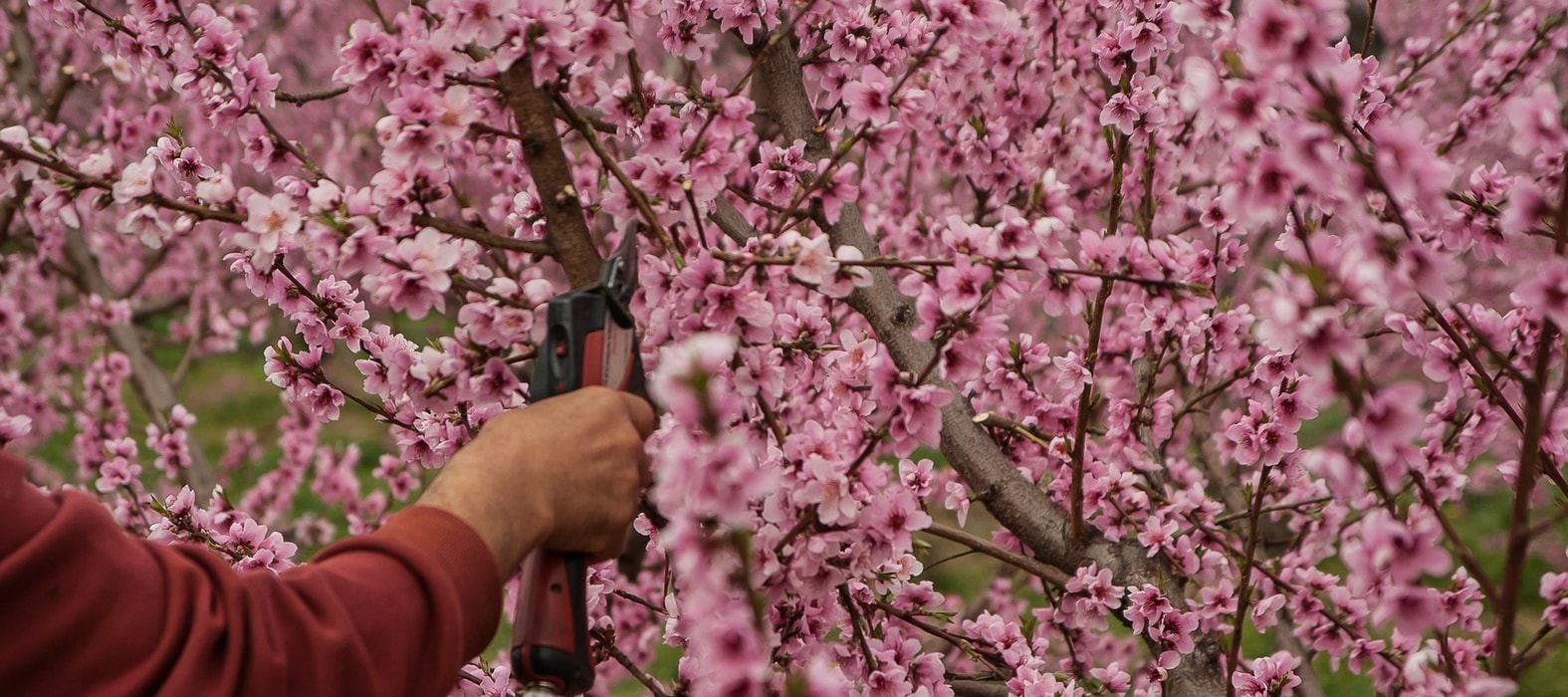
Planting & care advice
-
-
-
-
-
-
-
-
This item has not been reviewed yet - be the first to leave a review about it.
Recently viewed products
Haven't found what you were looking for?
Hardiness is the lowest winter temperature a plant can endure without suffering serious damage or even dying. However, hardiness is affected by location (a sheltered area, such as a patio), protection (winter cover) and soil type (hardiness is improved by well-drained soil).
In temperate climates, pruning of spring-flowering shrubs (forsythia, spireas, etc.) should be done just after flowering.
Pruning of summer-flowering shrubs (Indian Lilac, Perovskia, etc.) can be done in winter or spring.
In cold regions as well as with frost-sensitive plants, avoid pruning too early when severe frosts may still occur.
The harvesting period indicated on our website applies to countries and regions in USDA zone 8 (France, England, Ireland, the Netherlands).
In colder areas (Scandinavia, Poland, Austria...) fruit and vegetable harvests are likely to be delayed by 3-4 weeks.
In warmer areas (Italy, Spain, Greece, etc.), harvesting will probably take place earlier, depending on weather conditions.
The sowing periods indicated on our website apply to countries and regions within USDA Zone 8 (France, UK, Ireland, Netherlands).
In colder areas (Scandinavia, Poland, Austria...), delay any outdoor sowing by 3-4 weeks, or sow under glass.
In warmer climes (Italy, Spain, Greece, etc.), bring outdoor sowing forward by a few weeks.
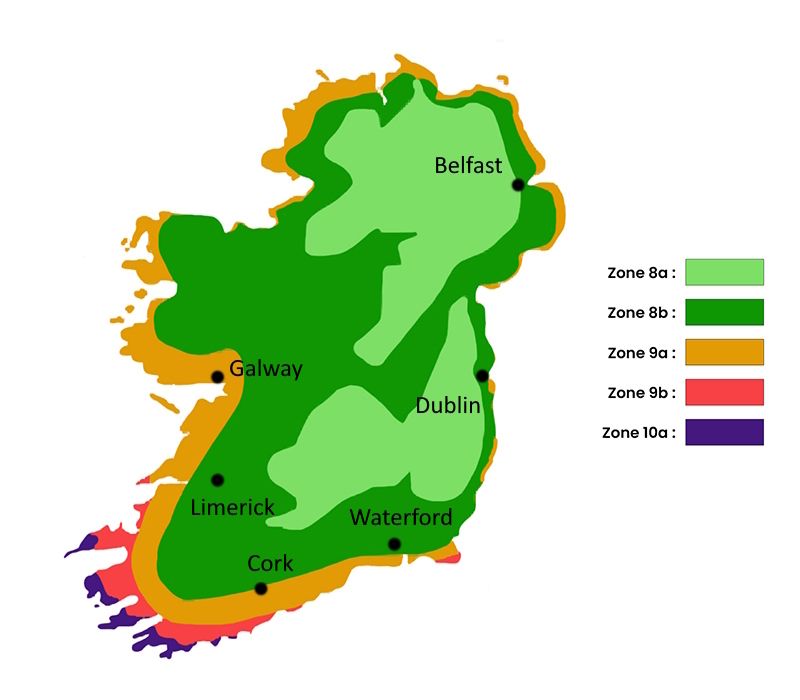
The planting period indicated on our website applies to regions in USDA Zone 9a (East Coast and Midlands: Dublin, Wexford, Waterford, Kilkenny, Portlaoise). It will vary depending on where you live:
- On the west coast and in the north-west (Galway, Limerick, Sligo, Donegal, Westport), delay planting by 1 to 2 weeks in spring and bring it forward by 1 to 2 weeks in autumn compared to the dates given, preferably choosing periods without strong winds.
- In the inland hills and plateaus (Wicklow Mountains, Macgillycuddy’s Reeks, Connemara, Killarney), it is best to plant in spring (April–May) or autumn (September–October), avoiding periods of waterlogged soil in winter and strong winds, which pose the main risk to newly planted trees in these areas.
The flowering period indicated on our website applies to regions in USDA Zone 9a, such as the East Coast and Midlands, including Dublin, Wexford, Waterford, Kilkenny and Portlaoise.
This will vary depending on where you live:
- On the west coast and in the northwest (Galway, Limerick, Sligo, Donegal and Westport), it will be delayed by one to two weeks compared to the given dates, due to stronger Atlantic winds and less spring sunshine.
- In the inland hills and plateaus (the Wicklow Mountains, the Macgillycuddy's Reeks, Connemara and Killarney), flowering will be delayed by two to three weeks. Flowering mainly occurs between May and July, with the limiting factors being less frost and more of the excessive humidity, strong winds and lack of sunshine that are characteristic of these areas.
Shipping country and language
Your country of residence may be:
Your country of residence is:
For a better user experience on our website, you can select:
Your shipping country:
-
 Austria
-
 Belgium
-
 Bosnia & Herzegovina
-
 Bulgaria
-
 Croatia
-
 Cyprus
-
 Czechia
-
 Denmark
-
 Estonia
-
 Finland
-
 France
-
 Germany
-
 Greece
-
 Hungary
-
 Iceland
-
 Ireland
-
 Italy
Italy
-
 Latvia
-
 Liechtenstein
-
 Lithuania
-
 Luxembourg
-
 Malta
Malta
-
 Netherlands
-
 Poland
-
 Portugal
-
 Romania
-
 Serbia
-
 Slovakia
-
 Slovenia
-
 Spain
Spain
-
 Sweden
-
 Switzerland
Language:
-
French
-
 English
-
Spanish
-
Italian
-
German
-
Portuguese
-
Dutch
-
Finnish
My Account
Hello
My wish lists
My cart
Log in / Register
Existing customer?
This form is protected by reCAPTCHA - the Google Privacy Policy and Terms of Service apply.
New customer?
Create an account to track your orders, access our customer service and, if you wish, make the most of our upcoming offers.