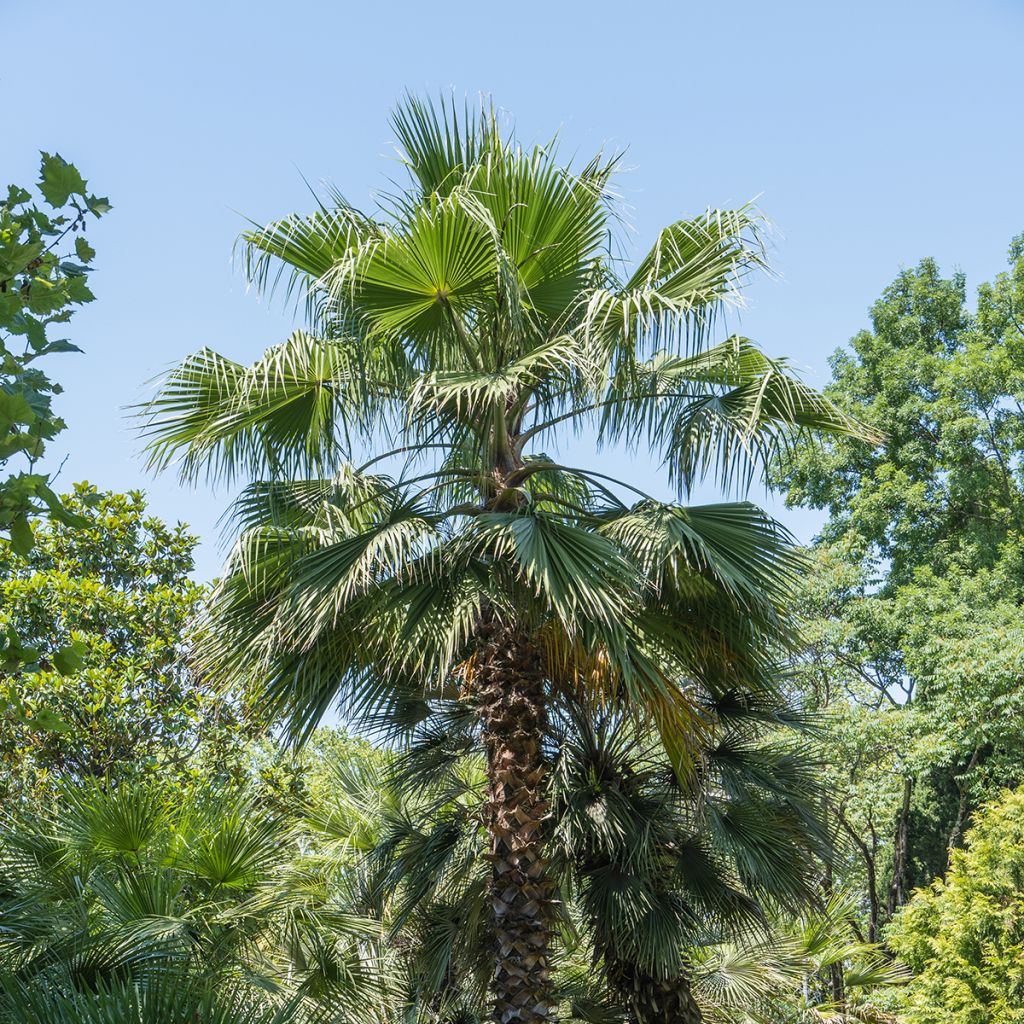
Washingtonia filifera seeds - California fan palm
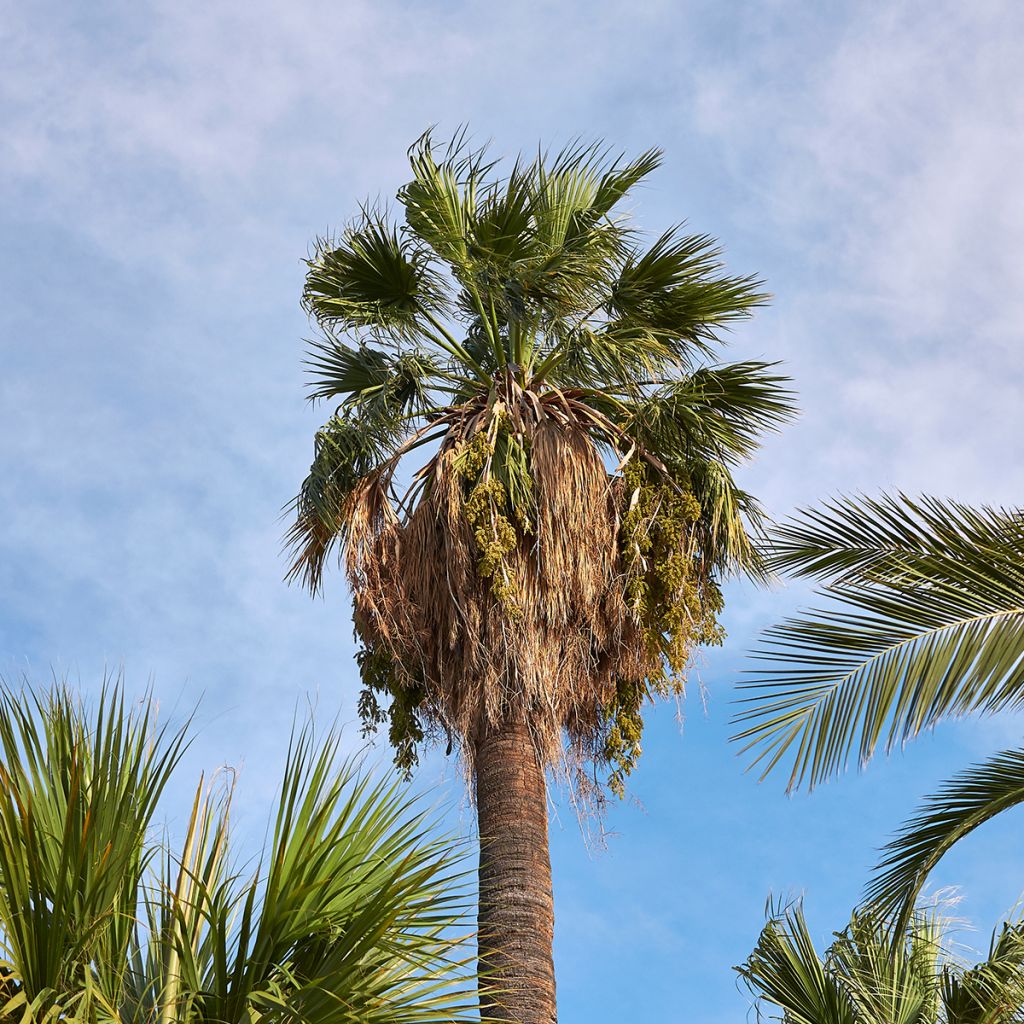
Washingtonia filifera seeds - California fan palm
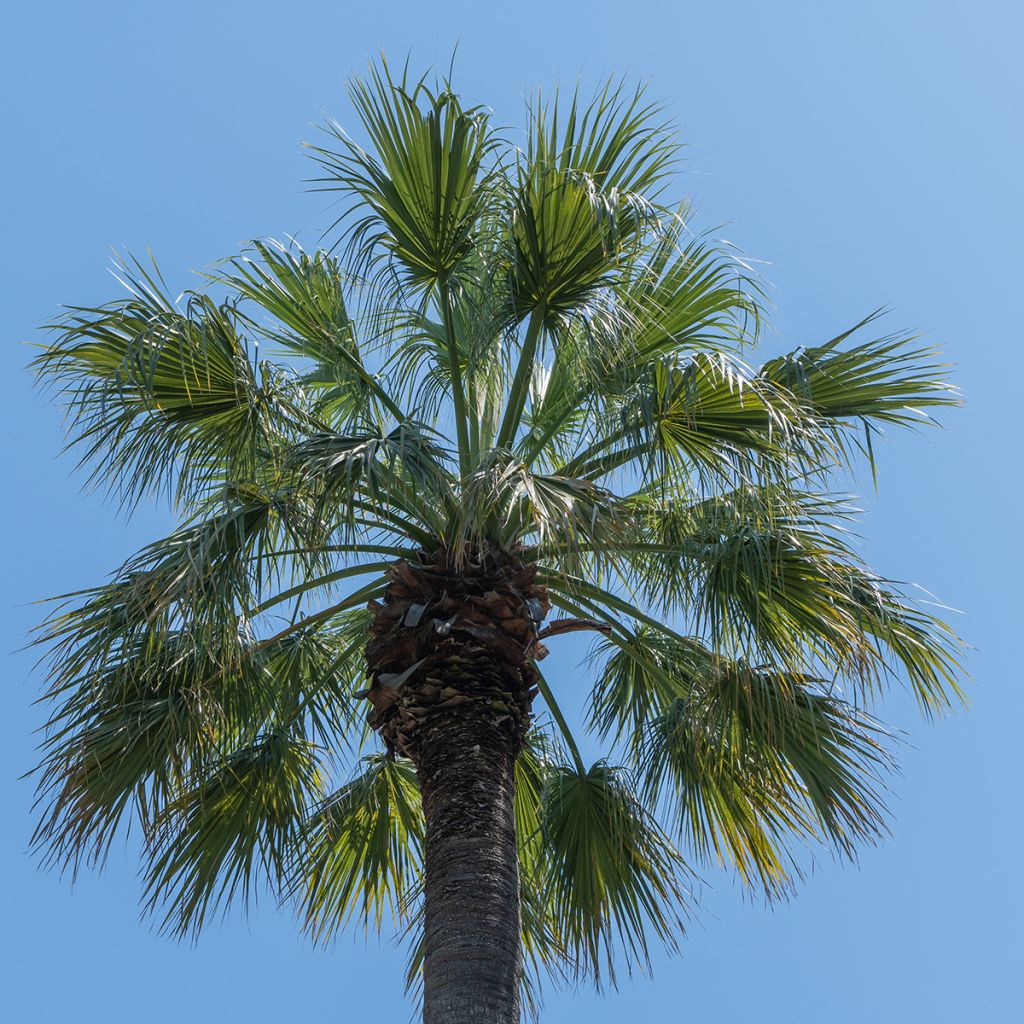
Washingtonia filifera seeds - California fan palm
Washingtonia filifera seeds - California fan palm
Washingtonia filifera
California Fan Palm, Desert Fan Palm, American Cotton Palm
Back-to-school special offer!
Get €10 off for every €50 you spend! And get up to €40 off on a single order.
How does it work?
1. Shop your favourites
Add your favourite plants to your basket. For every €50 you spend (excluding delivery charges, store credit and the plastic-free option), you’ll receive a €10 voucher.
€50 spent = €10 voucher
€100 spent = €20 voucher
€150 spent = €30 voucher
€200 spent = €40 voucher
2. Place your order
Once your basket reaches one of the spending thresholds, place your order. You can even choose your delivery date!
3. Receive your voucher
As soon as your order has been shipped, you’ll receive an email containing your personal voucher code and its value.
4. Use it on your next order
Your voucher is valid for 90 days from the date you receive it. It can be used once only, on a new order worth at least the value of the voucher, excluding delivery charges.
Please note: Vouchers can be combined with other offers, but cannot be split or refunded.
Home or relay delivery (depending on size and destination)
Important: You may be charged customs duties by your country’s customs authorities upon delivery.
Schedule delivery date,
and select date in basket
This plant carries a 6 months recovery warranty
More information
We guarantee the quality of our plants for a full growing cycle, and will replace at our expense any plant that fails to recover under normal climatic and planting conditions.
Does this plant fit my garden?
Set up your Plantfit profile →
Description
Sowing the seeds of Washingtonia filifera, also known as the Petticoat Palm or California Palm, allows you to grow one of the most impressive hardy palms at a low cost. It is distinguished from Washingtonia robusta, with which it hybridises readily, by a more massive trunk and better cold resistance, withstanding temperatures down to -12°C in mild climates and well-drained soil. Its rapid growth enables it to develop a broad, robust trunk, topped with a dense crown of large, fan-shaped palmate leaves, whose segments are edged with distinctive whitish filaments. Highly prized for its stately appearance, it tolerates sea spray and drought, making it a perfect choice for Mediterranean and coastal gardens.
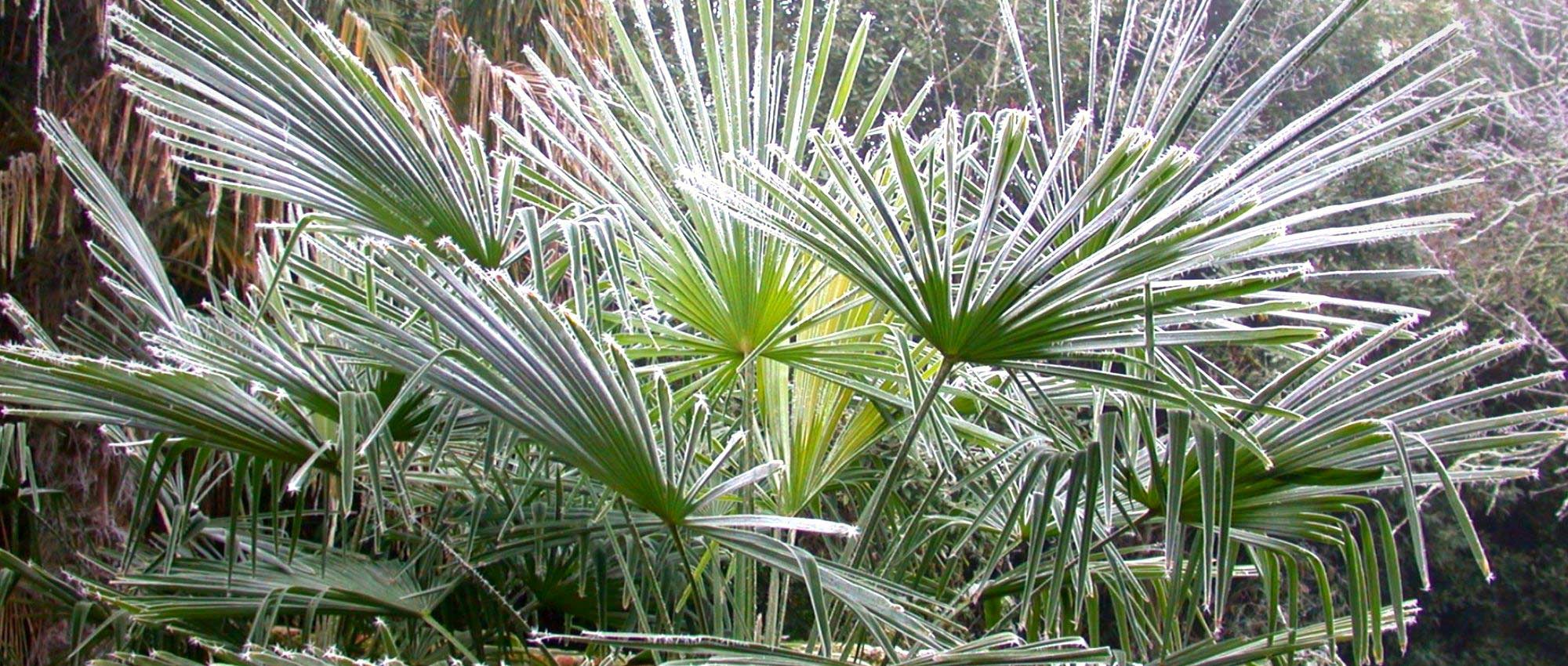
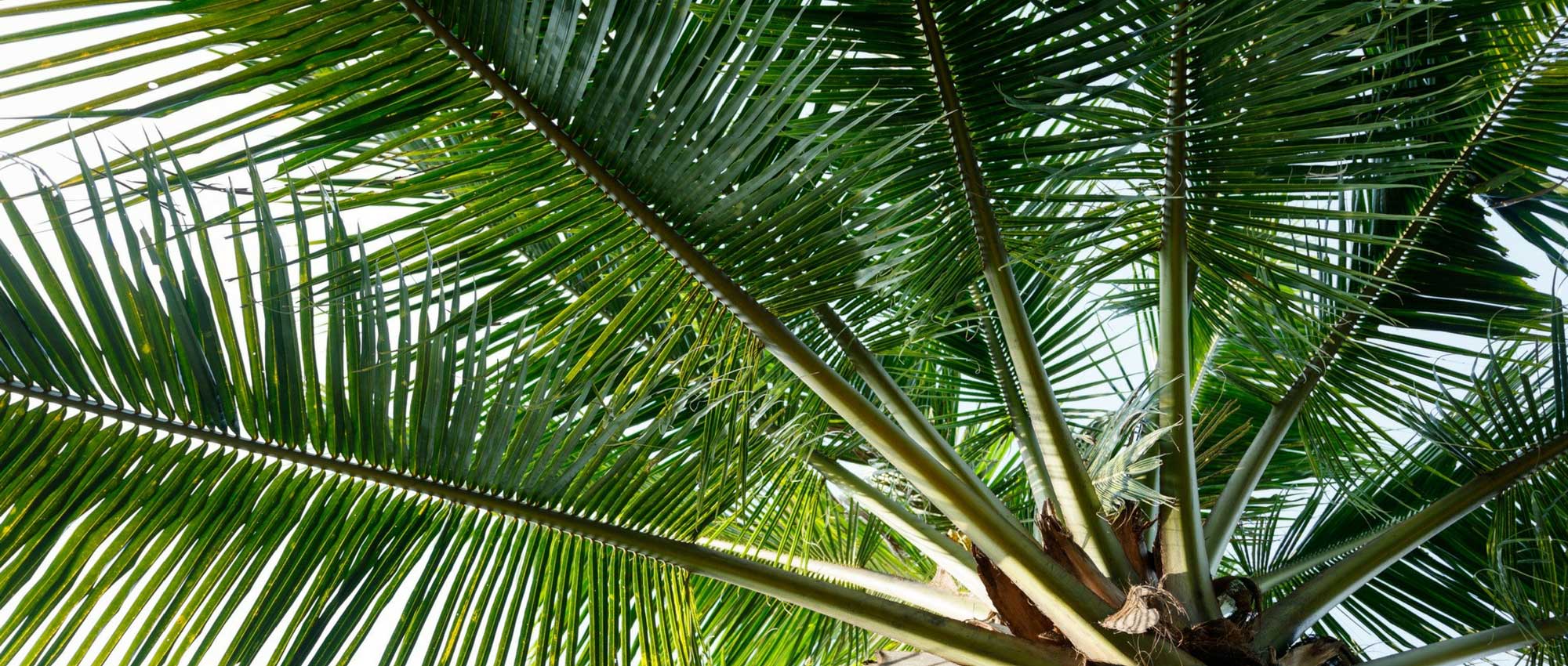
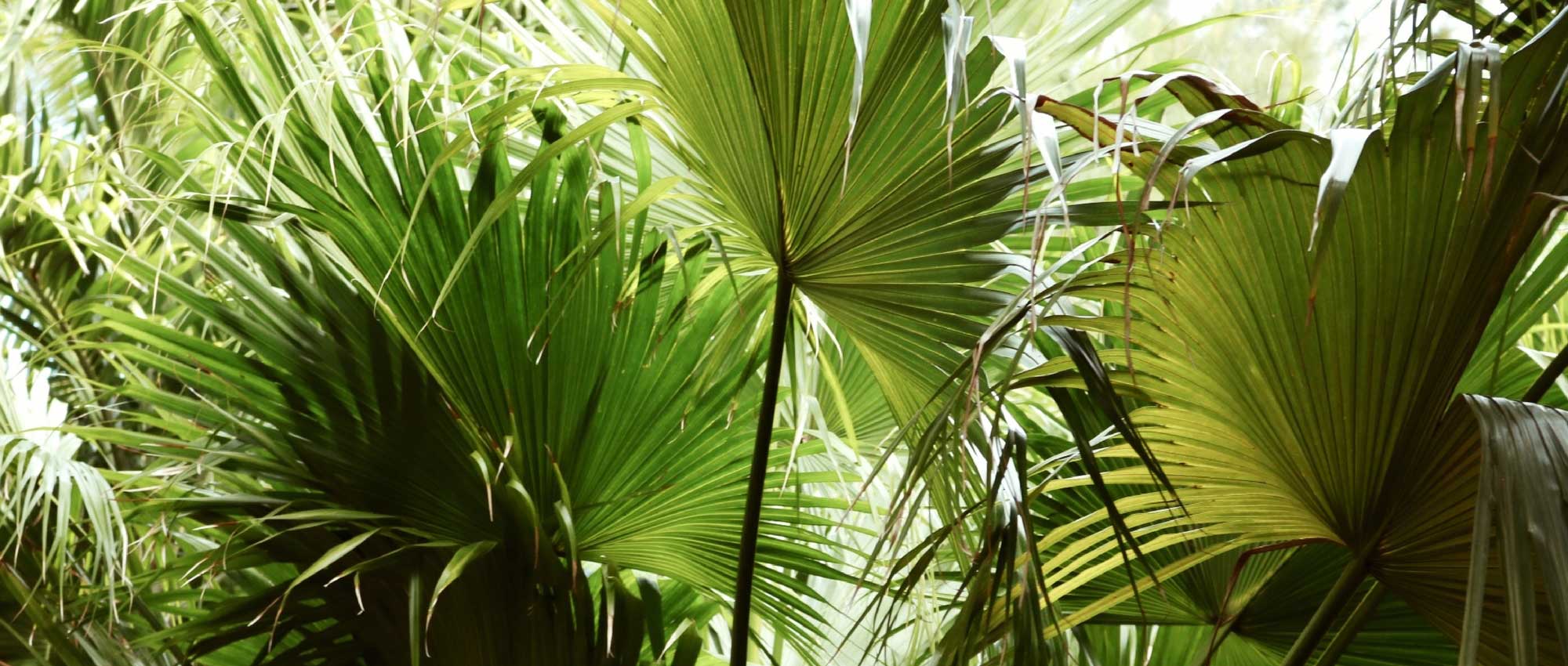
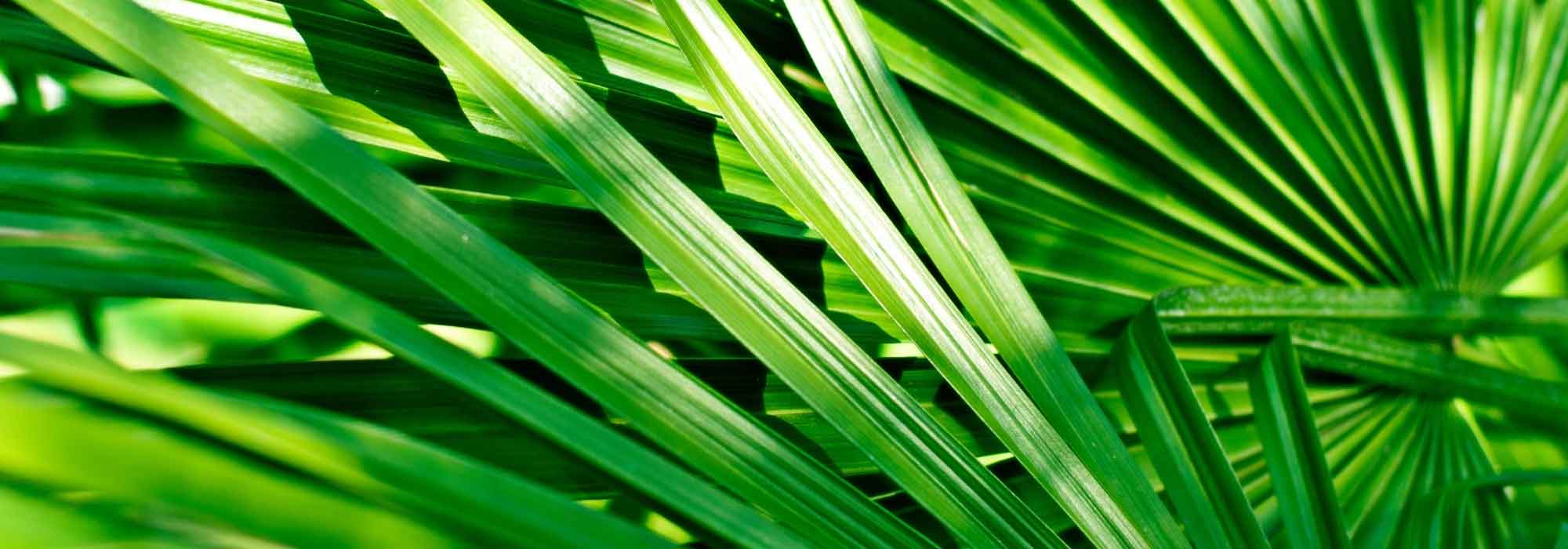
Washingtonia filifera (synonyms Pritchardia filamentosa, Neowashingtonia filifera, Brahea filamentosa, Washingtonia filamentosa, Pritchardia filifera, Neowashingtonia filamentosa) belongs to the Arecaceae family. Also known as the California Fan Palm, it is native to the south-western United States and north-western Mexico, growing naturally in arid areas, often near underground water sources in canyons and damp gorges. In its natural habitat, it can reach 17 to 18 metres in height, while in cultivation, its size depends on growing conditions and may be more moderate. Its imposing trunk, which can reach 1.20m in diameter, displays a cracked brown hue and widens at the base. The foliage, arranged in a terminal crown, generally does not exceed 4.5 metres in spread. At its summit, around 30 long petioles (up to 1.75m in length) bear circular palmate leaves of 90cm in diameter, a brilliant glossy green. Each leaf is divided into around 60 narrow segments, the edges of which are adorned with silky white filaments, particularly visible on young plants. One of the distinctive features of this palm is the "petticoat" formed by the accumulation of dried, trailing petioles, which can remain attached to the trunk for a long time. The spectacular flowering occurs on specimens around 20 years old, exclusively outdoors and in summer. It appears in the form of long, arching inflorescences, which can measure up to 4 metres, extending well beyond the crown of leaves. The numerous cream to beige flowers are followed by a profusion of small, shiny black fruits, each containing a single smooth, dark brown to black seed.
Washingtonia filifera is a highly prized ornamental palm in regions with mild climates, particularly by the coast where it tolerates wind and sea spray well. Along with Washingtonia robusta and Phoenix canariensis, it is among the most widely grown palms, from tropical zones to temperate regions. It also adapts to growing in a large container, allowing it to be overwintered in a bright, cool, and airy location if necessary. Its slender, elegant habit makes it an ideal choice as a specimen plant, particularly near an entrance, gateway, or swimming pool, where it brings a touch of the exotic. It blends harmoniously into Mediterranean borders, alongside Eucalyptus, large Mimosa or other typical coastal climate plants. Undemanding, it thrives in well-drained soil and prefers a sunny position.
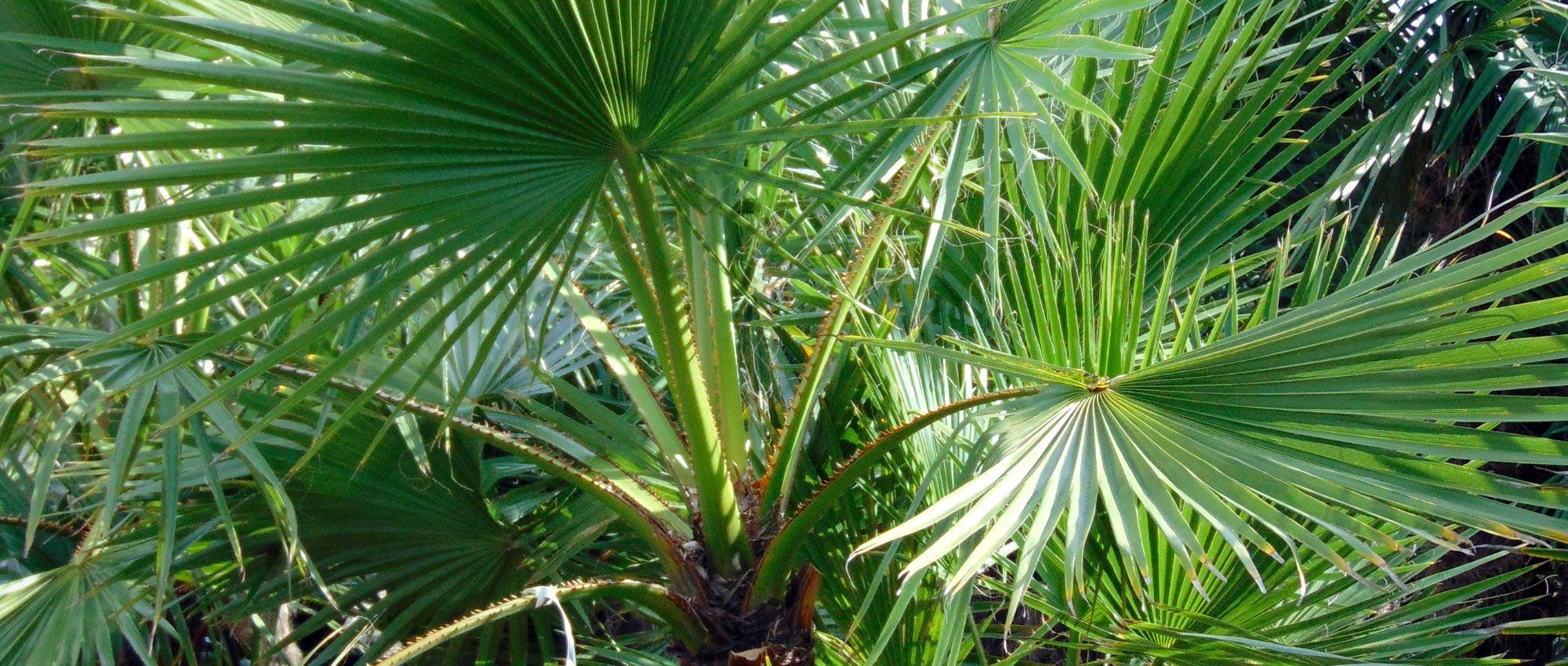
Flowering
Foliage
Plant habit
Botanical data
Washingtonia
filifera
Arecaceae
California Fan Palm, Desert Fan Palm, American Cotton Palm
Pritchardia filamentosa, Neowashingtonia filifera, Brahea filamentosa, Washingtonia filamentosa, Pritchardia filifera, Neowashingtonia filamentosa
North America
Planting and care
Sowing Washingtonia filifera requires a few essential steps to ensure good germination. Before sowing, isoak the seeds in warm water for 24 to 48 hours, which helps soften the shell and speed up germination.
The substrate should be well-drained, formed of light potting compost mixed with sand or perlite. Washingtonia filifera prefers a slightly lime-bearing soil, well aerated and without excess moisture. The seeds should be sown at a depth of 1 to 2cm, with sufficient spacing for good root development. The pots should be placed in a warm, bright location, maintaining a constant temperature between 25 and 30°C, with controlled humidity.
Germination can take between two and four weeks depending on conditions. Once the seedlings develop their first leaves, they should be transplanted individually into larger pots containing a similar substrate. Before final planting in open ground, it is essential to harden them off gradually to outdoor conditions to ensure good adaptation.
It is recommended to keep the young plants in the nursery for at least two years before transplanting them into open ground. This period allows the palms to develop a robust root system, essential for their survival and future growth.
During these two years, the young palms should be grown in individual pots, placed in a bright environment and protected from extreme climatic conditions. This nursery phase ensures gradual hardening and better adaptation at the time of final transplanting.
After planting in open ground, water generously to help root establishment. During the first three years, water regularly in spring and summer. In winter, once the palm is well established, watering can be reduced, letting nature provide for its needs.
In spring, apply crushed horn at the base of the palm to encourage its growth. For potted specimens, fertilise from April to September with a liquid fertiliser for green plants.
Sowing period
Intended location
Planting & care advice
-
-
-
-
-
-
-
-
This item has not been reviewed yet - be the first to leave a review about it.
Recently viewed products
Haven't found what you were looking for?
Hardiness is the lowest winter temperature a plant can endure without suffering serious damage or even dying. However, hardiness is affected by location (a sheltered area, such as a patio), protection (winter cover) and soil type (hardiness is improved by well-drained soil).
In temperate climates, pruning of spring-flowering shrubs (forsythia, spireas, etc.) should be done just after flowering.
Pruning of summer-flowering shrubs (Indian Lilac, Perovskia, etc.) can be done in winter or spring.
In cold regions as well as with frost-sensitive plants, avoid pruning too early when severe frosts may still occur.
The harvesting period indicated on our website applies to countries and regions in USDA zone 8 (France, England, Ireland, the Netherlands).
In colder areas (Scandinavia, Poland, Austria...) fruit and vegetable harvests are likely to be delayed by 3-4 weeks.
In warmer areas (Italy, Spain, Greece, etc.), harvesting will probably take place earlier, depending on weather conditions.
The sowing periods indicated on our website apply to countries and regions within USDA Zone 8 (France, UK, Ireland, Netherlands).
In colder areas (Scandinavia, Poland, Austria...), delay any outdoor sowing by 3-4 weeks, or sow under glass.
In warmer climes (Italy, Spain, Greece, etc.), bring outdoor sowing forward by a few weeks.
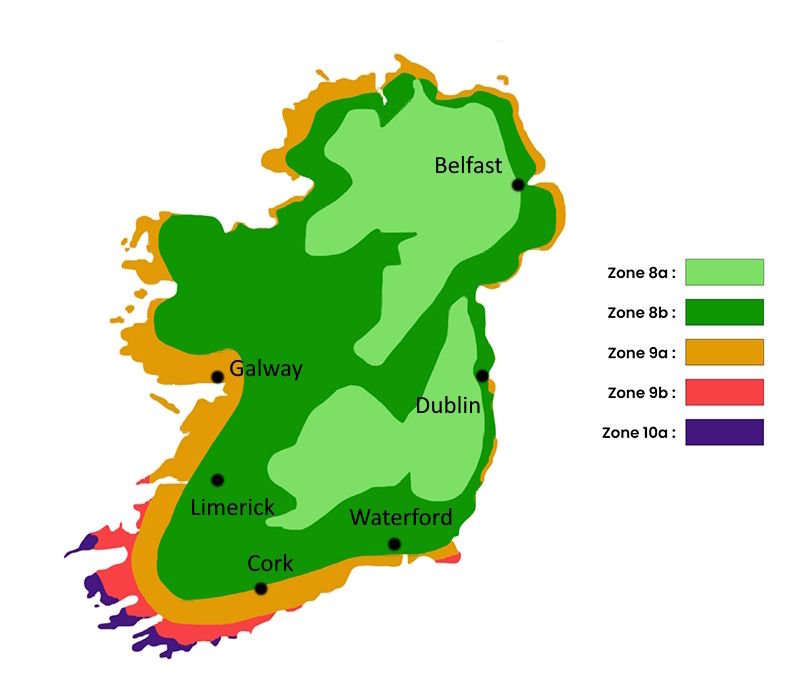
The planting period indicated on our website applies to regions in USDA Zone 9a (East Coast and Midlands: Dublin, Wexford, Waterford, Kilkenny, Portlaoise). It will vary depending on where you live:
- On the west coast and in the north-west (Galway, Limerick, Sligo, Donegal, Westport), delay planting by 1 to 2 weeks in spring and bring it forward by 1 to 2 weeks in autumn compared to the dates given, preferably choosing periods without strong winds.
- In the inland hills and plateaus (Wicklow Mountains, Macgillycuddy’s Reeks, Connemara, Killarney), it is best to plant in spring (April–May) or autumn (September–October), avoiding periods of waterlogged soil in winter and strong winds, which pose the main risk to newly planted trees in these areas.
The flowering period indicated on our website applies to regions in USDA Zone 9a, such as the East Coast and Midlands, including Dublin, Wexford, Waterford, Kilkenny and Portlaoise.
This will vary depending on where you live:
- On the west coast and in the northwest (Galway, Limerick, Sligo, Donegal and Westport), it will be delayed by one to two weeks compared to the given dates, due to stronger Atlantic winds and less spring sunshine.
- In the inland hills and plateaus (the Wicklow Mountains, the Macgillycuddy's Reeks, Connemara and Killarney), flowering will be delayed by two to three weeks. Flowering mainly occurs between May and July, with the limiting factors being less frost and more of the excessive humidity, strong winds and lack of sunshine that are characteristic of these areas.
Shipping country and language
Your country of residence may be:
Your country of residence is:
For a better user experience on our website, you can select:
Your shipping country:
-
 Austria
-
 Belgium
-
 Bosnia & Herzegovina
-
 Bulgaria
-
 Croatia
-
 Cyprus
-
 Czechia
-
 Denmark
-
 Estonia
-
 Finland
-
 France
-
 Germany
-
 Greece
-
 Hungary
-
 Iceland
-
 Ireland
-
 Italy
Italy
-
 Latvia
-
 Liechtenstein
-
 Lithuania
-
 Luxembourg
-
 Malta
Malta
-
 Netherlands
-
 Poland
-
 Portugal
-
 Romania
-
 Serbia
-
 Slovakia
-
 Slovenia
-
 Spain
Spain
-
 Sweden
-
 Switzerland
Language:
-
French
-
 English
-
Spanish
-
Italian
-
German
-
Portuguese
-
Dutch
-
Finnish
My Account
Hello
My wish lists
My cart
Log in / Register
Existing customer?
This form is protected by reCAPTCHA - the Google Privacy Policy and Terms of Service apply.
New customer?
Create an account to track your orders, access our customer service and, if you wish, make the most of our upcoming offers.