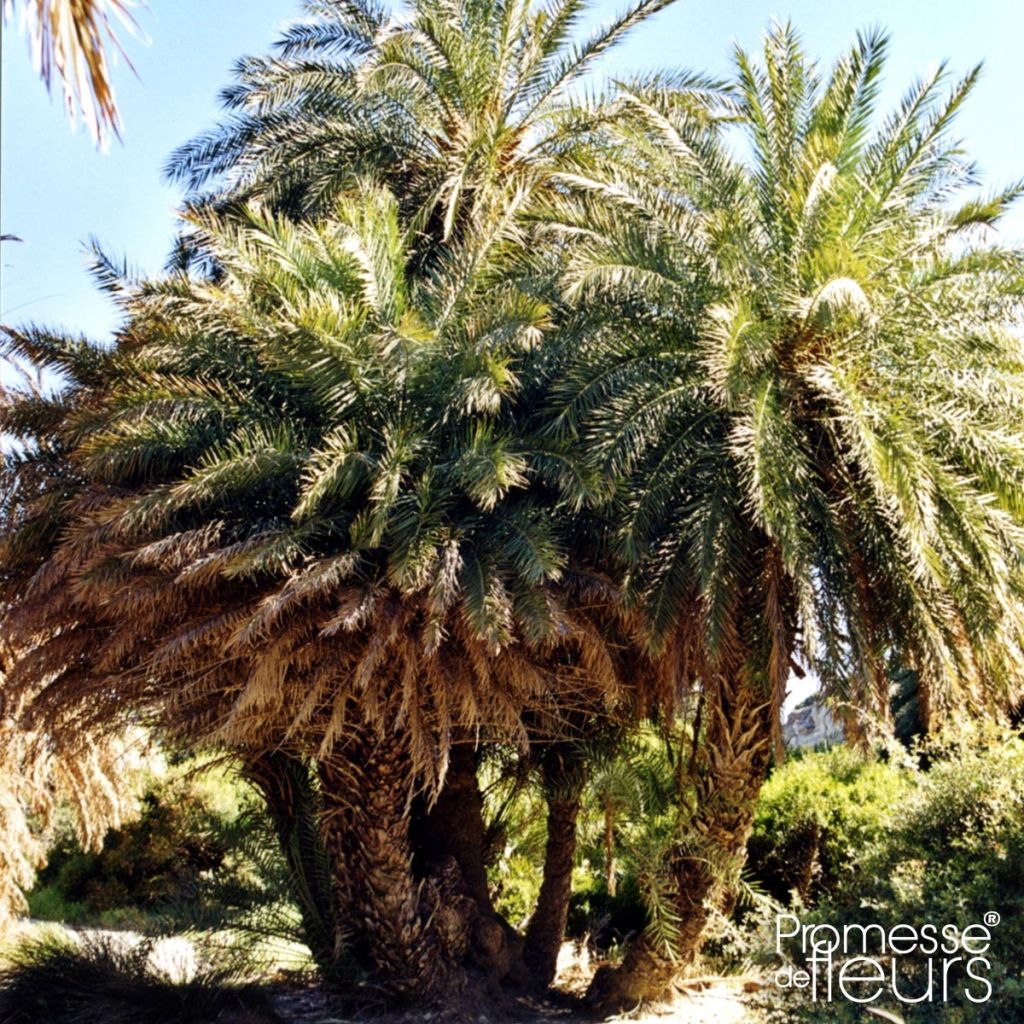
Phoenix theophrasti - Cretan Date Palm
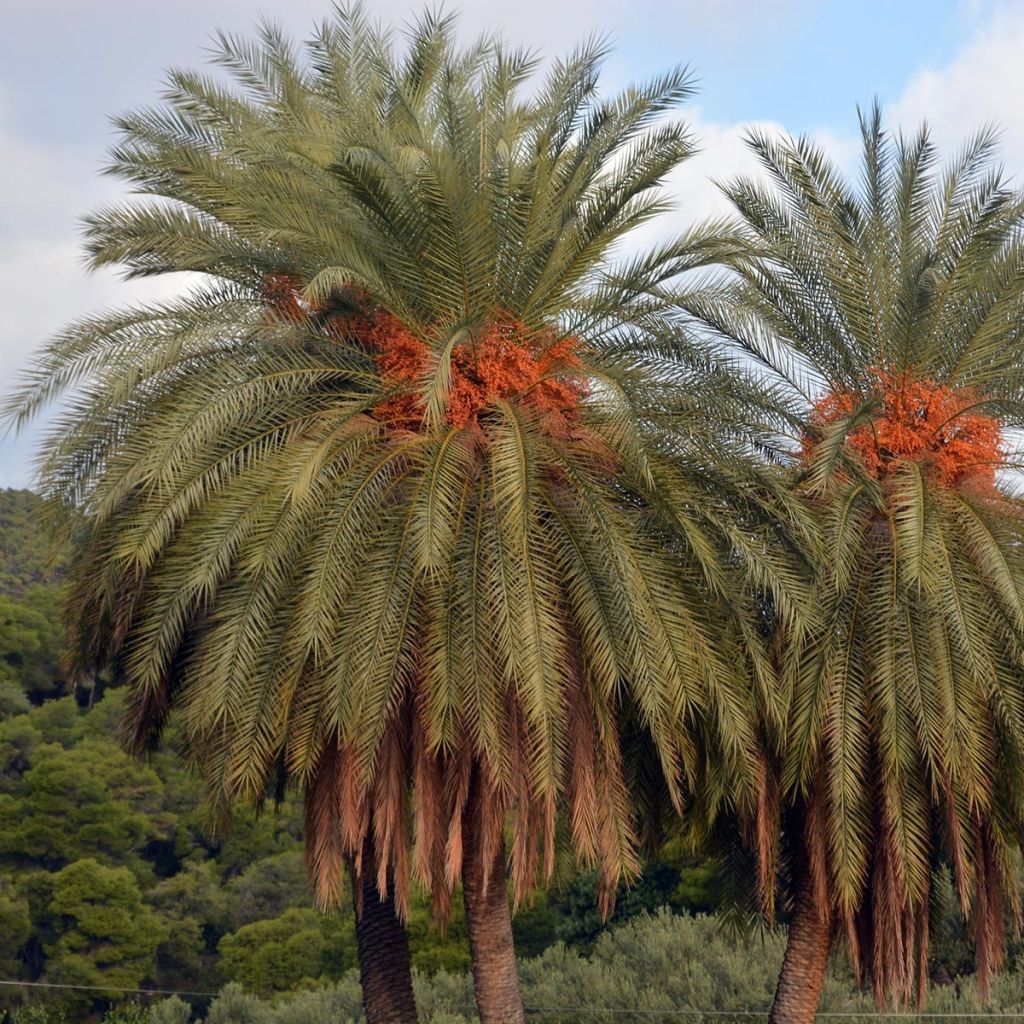
Phoenix theophrasti - Cretan Date Palm
Phoenix theophrasti - Cretan Date Palm
Phoenix theophrasti
Cretan Date Palm
Back-to-school special offer!
Get €10 off for every €50 you spend! And get up to €40 off on a single order.
How does it work?
1. Shop your favourites
Add your favourite plants to your basket. For every €50 you spend (excluding delivery charges, store credit and the plastic-free option), you’ll receive a €10 voucher.
€50 spent = €10 voucher
€100 spent = €20 voucher
€150 spent = €30 voucher
€200 spent = €40 voucher
2. Place your order
Once your basket reaches one of the spending thresholds, place your order. You can even choose your delivery date!
3. Receive your voucher
As soon as your order has been shipped, you’ll receive an email containing your personal voucher code and its value.
4. Use it on your next order
Your voucher is valid for 90 days from the date you receive it. It can be used once only, on a new order worth at least the value of the voucher, excluding delivery charges.
Please note: Vouchers can be combined with other offers, but cannot be split or refunded.
Why not try an alternative variety in stock?
View all →
Available in 5 sizes

Available in 1 sizes
Available in 2 sizes
This plant carries a 24 months recovery warranty
More information
We guarantee the quality of our plants for a full growing cycle, and will replace at our expense any plant that fails to recover under normal climatic and planting conditions.
Does this plant fit my garden?
Set up your Plantfit profile →
Description
The Phoenix theophrasti is, along with the Chamaerops humilis (the dwarf palm), the only representative of the great family of palm trees that is native to Europe. This species, commonly called the Cretan date palm, is very similar to the Phoenix dactylifera of Saharan oases, which is cultivated for date harvesting. It has a sturdier appearance than its African cousin, developing over time several curved "trunks" topped with a lush foliage of soft green-gray-blue palm leaves, forming picturesque groves when planted in the ground. Another advantage of this Phoenix is its good resistance to frost, which should allow it to thrive in many gardens not too far from the sea.
The Phoenix theophrasti belongs to the great family of Arecaceae. It is endemic to Crete, where it is protected, but it can also be found in southwestern Turkey. This species grows near the shores or in the beds of dried-up rivers, where water is present in depth. Like the date palm, it requires a lot of heat for its fruits to ripen. This Cretan date palm shows rapid growth when planted in the ground, and can withstand cold temperatures down to -12°/-13°C. However, it requires deep, light, preferably sandy, well-drained soil that is moist in depth. In favorable climate and soil conditions, the plant can reach a height of 13 m (43ft). In containers, it will remain smaller in size, although this cultivation method is not recommended for this plant as it tends to produce many suckers from the stump.
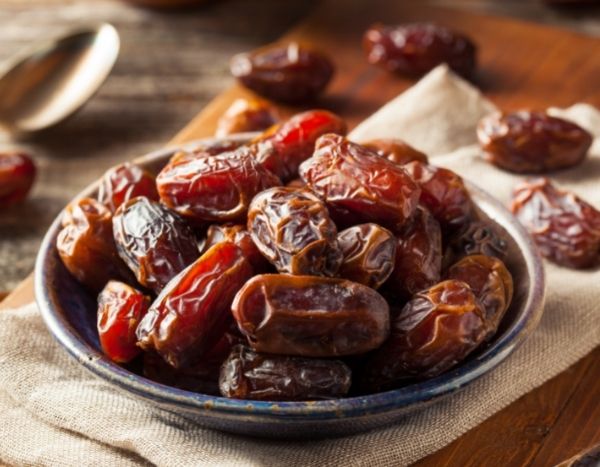
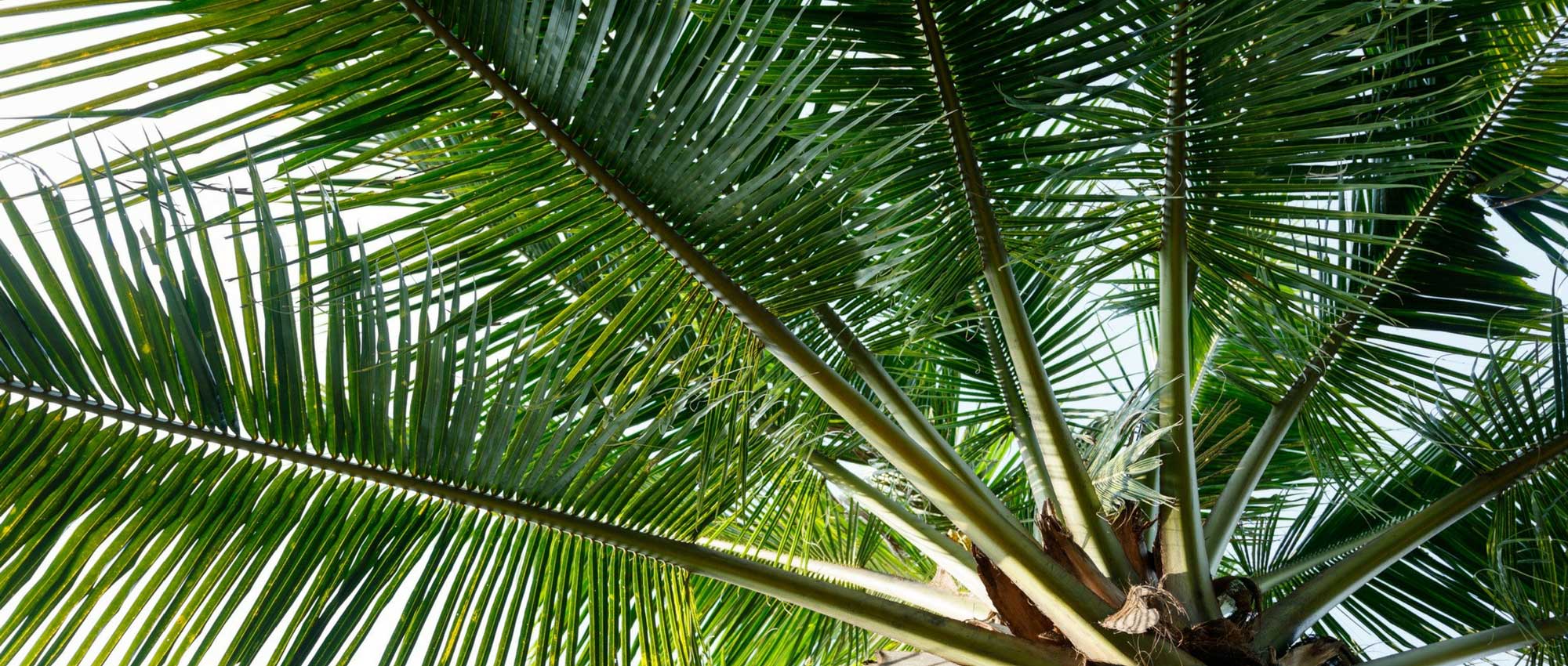
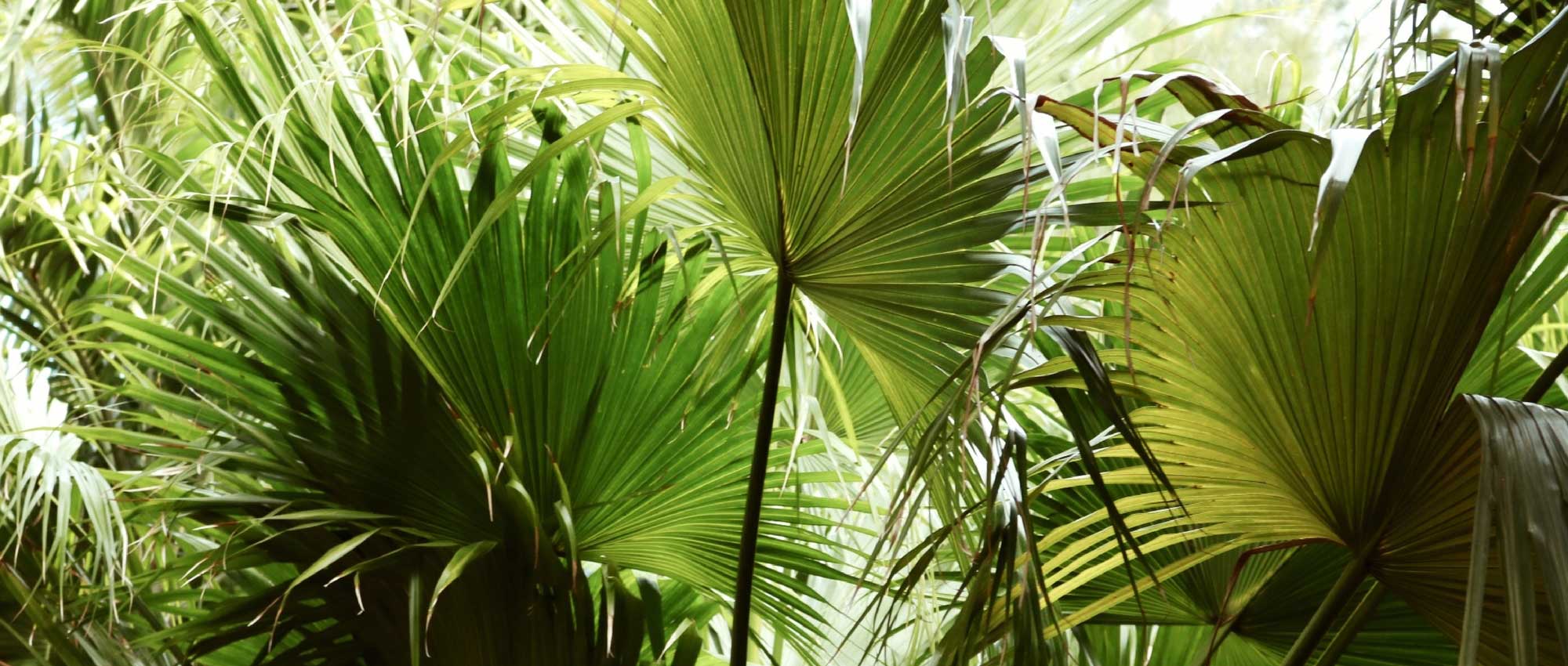
The Cretan date palm is capable of forming multiple stems, or false trunks, from its base. Each stem, which can reach a diameter of 50 cm (20in) at the base, is brown-gray in color and covered with short fibers and a pattern of prominent diamond-shaped motifs, which are remnants of the old petioles that have been cut. At the top of each stem, the foliage develops, forming a rather dense crown. The leaves are fleshy and spiky, resembling fish bones, and have a glaucous color. These evergreen leaves have an individual lifespan of 3 to 7 years. Each leaf is divided into 200 to 250 rigid pinnae, irregularly arranged along the central vein. Flowering occurs in summer, on mature plants. The Phoenix theophrasti is a dioecious species, meaning that there are male and female individuals. Only the female plants will bear dates in the presence of male plants. In our region, including the Mediterranean, it does not produce many or high-quality dates. The female plants produce clusters of small, fleshy, and edible fruits, which are initially brownish-yellow and then turn black when ripe. Each fruit contains only one elongated seed with a furrow.
The Phoenix theophrasti can be a magnificent specimen in many French gardens. As it requires space to fully express its beauty, this palm tree is best planted on a short grass meadow in a not too cold climate, both near the sea and inland. It can sometimes be challenging to pair with other plants due to its strong personality; reserve a corner for it by a pool and plant robust ground covers such as periwinkles or snow-in-summer, for example, at its base.
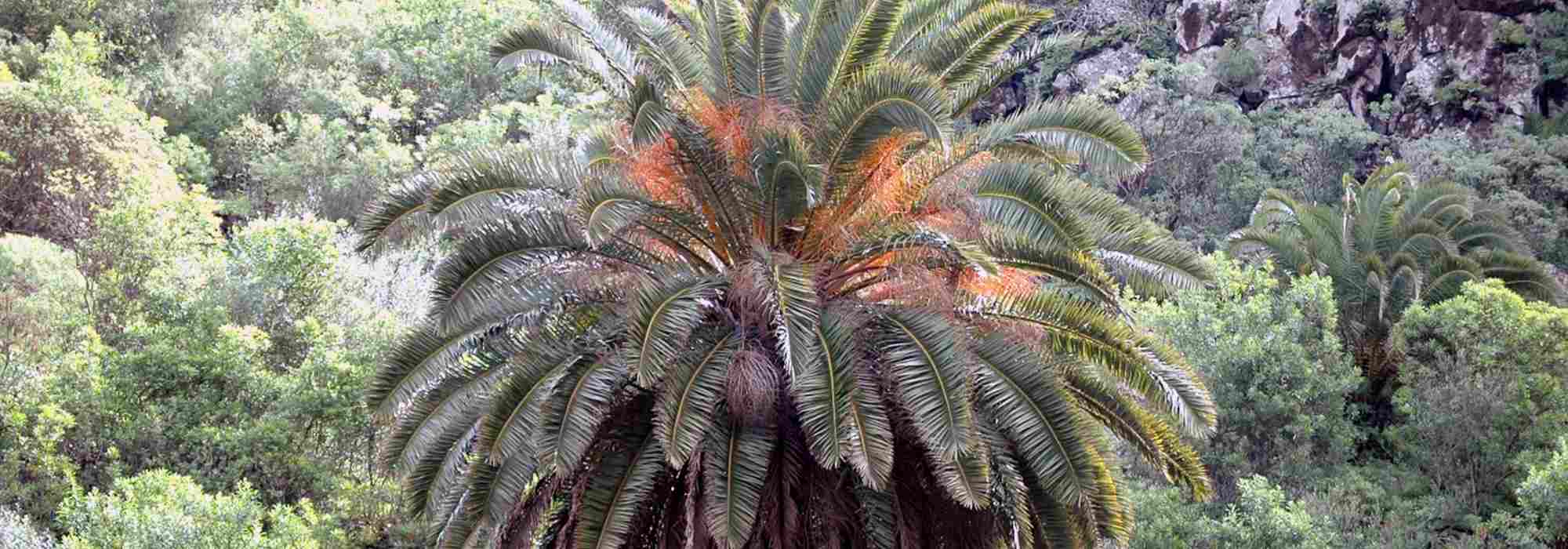
Phoenix theophrasti - Cretan Date Palm in pictures
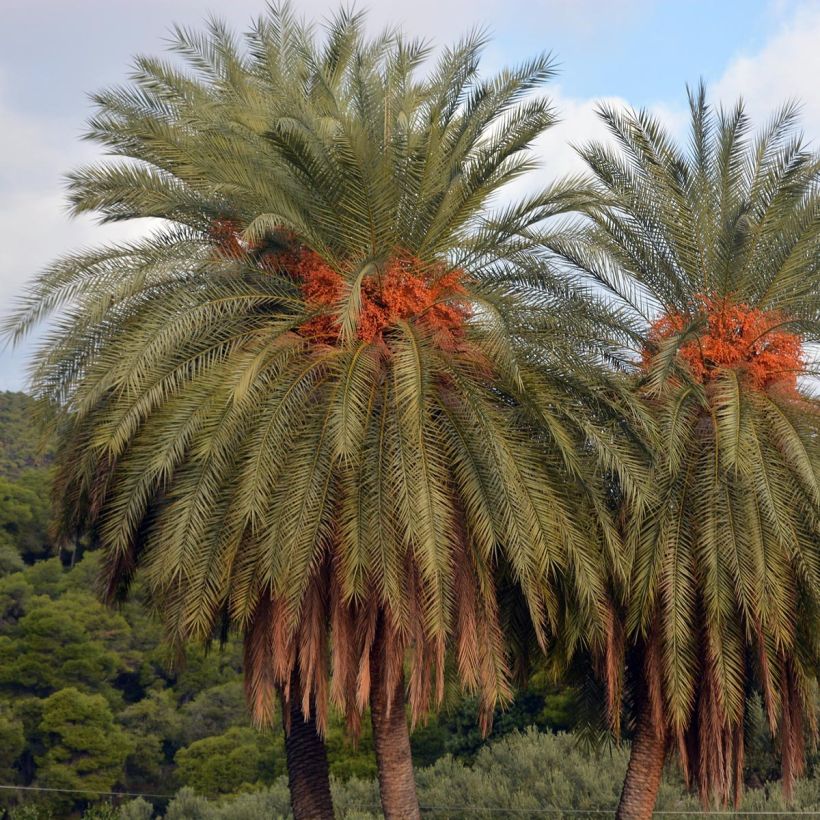
Plant habit
Flowering
Foliage
Planting and care
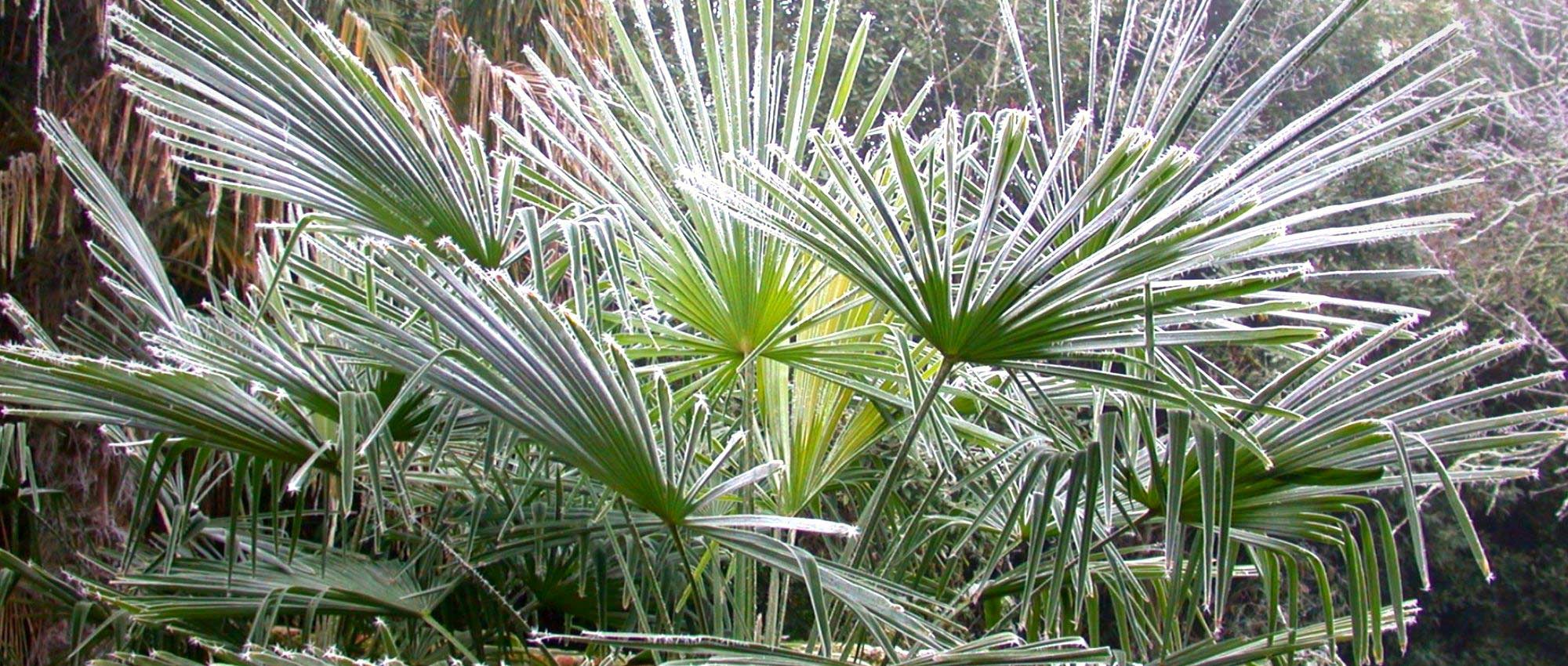
This date palm Phoenix theophrasti shows rapid growth when planted in the ground, if regularly watered in summer. It requires sun and warmth, as well as a deep, moist soil. Plant it in the ground in not too cold climates. Growing it in a container is possible, but not very suitable for this species, which sprouts from the stump and produces an extensive root system. Capable of withstanding short freezes of around -12°C (10.4°F) in well-draining soil, this palm should still be protected in case of severe cold, by tying the crown of leaves tightly to protect the heart of the plant and by adding a thick mulch at the base. Plant in full sun, protected from cold and dry winds, in a light soil, ideally sandy or loamy, even poor and dry on the surface. The ideal is to plant it in a soil that retains little water; a mixture of coarse sand, compost, and garden soil. Water regularly for the first 3 years, especially if the summer is dry. The drought resistance of a well-established plant will need to be tested, as this palm is still very rarely planted in gardens. Easy to grow, it requires little maintenance except for pruning the oldest fronds close to the trunk.
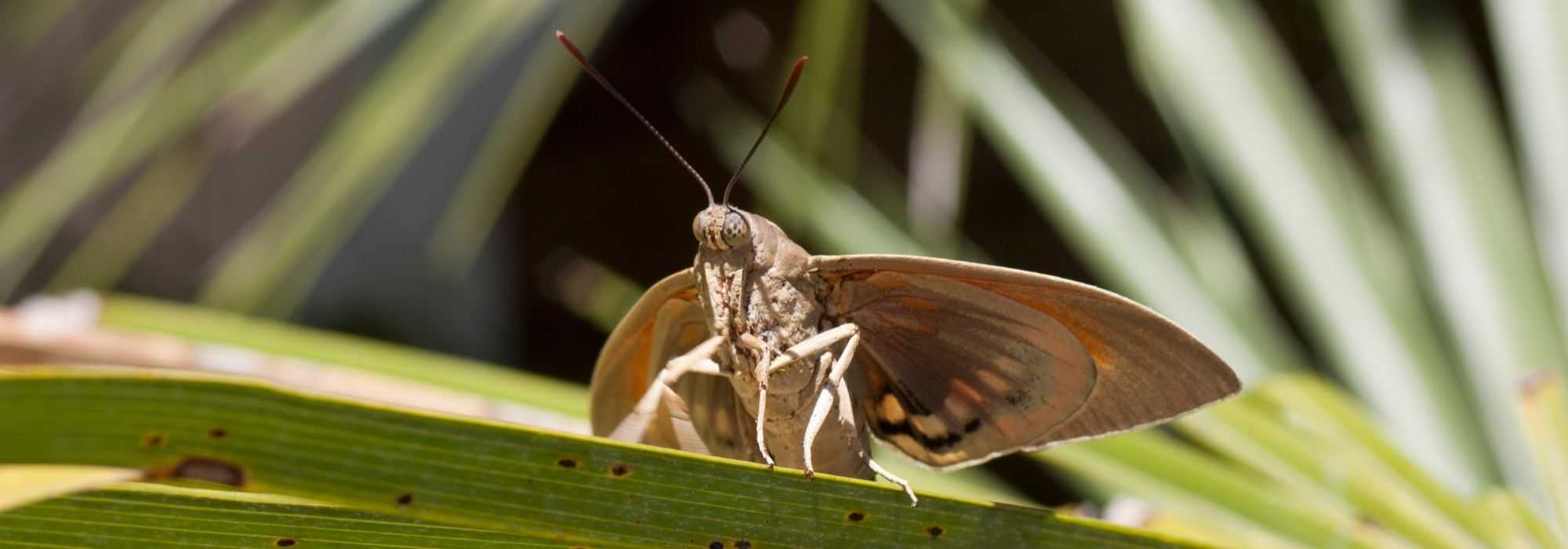
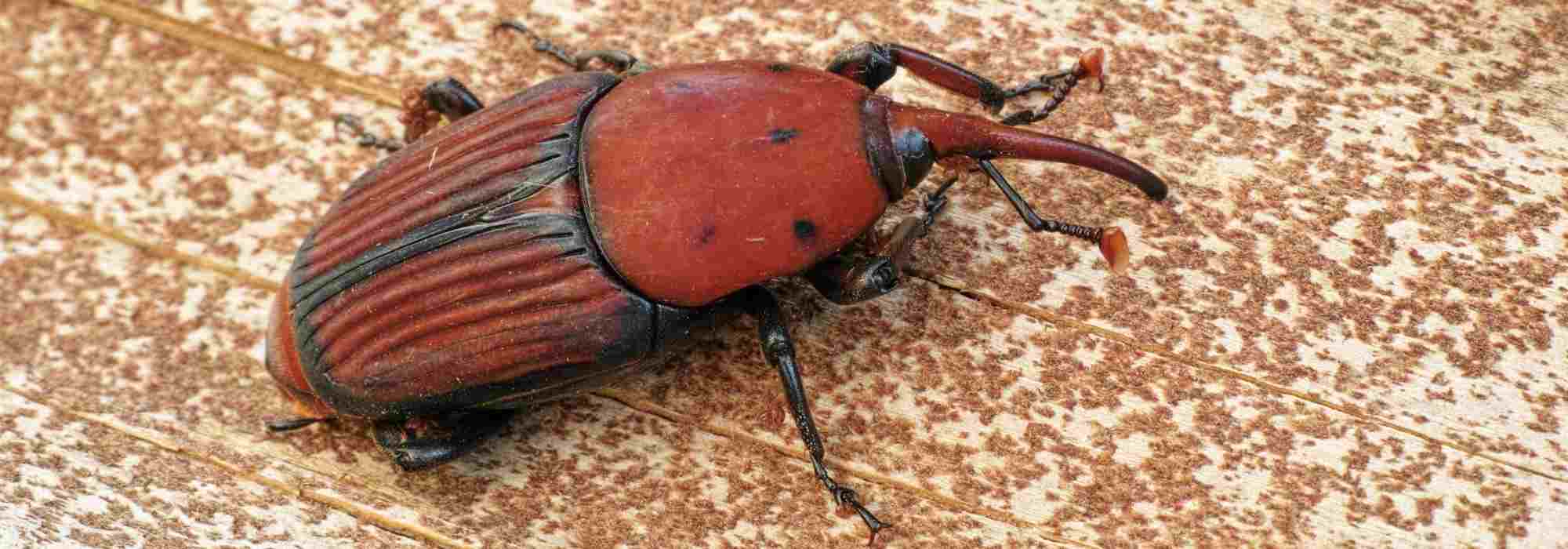
Throughout the PACA region, south of France and in Spain, large palm trees are victims of parasites such as the notorious and widespread Paysandra archon, a large butterfly that is active even in England. Specific treatments are now available for preventive purposes. The red palm weevil (Rhynchophorus ferrugineus) has been present since 2006. The symptoms are as follows: fronds are cut, dried or yellowing. These pests attack numerous species of palm trees, with a fatal outcome; the leaves irreversibly and completely dry out as soon as the heart of the trunk hosts larvae.
Planting period
Intended location
Care
Planting & care advice
-
-
-

-
-
-
-
-

This item has not been reviewed yet - be the first to leave a review about it.
Recently viewed products
Haven't found what you were looking for?
Hardiness is the lowest winter temperature a plant can endure without suffering serious damage or even dying. However, hardiness is affected by location (a sheltered area, such as a patio), protection (winter cover) and soil type (hardiness is improved by well-drained soil).
In temperate climates, pruning of spring-flowering shrubs (forsythia, spireas, etc.) should be done just after flowering.
Pruning of summer-flowering shrubs (Indian Lilac, Perovskia, etc.) can be done in winter or spring.
In cold regions as well as with frost-sensitive plants, avoid pruning too early when severe frosts may still occur.
The harvesting period indicated on our website applies to countries and regions in USDA zone 8 (France, England, Ireland, the Netherlands).
In colder areas (Scandinavia, Poland, Austria...) fruit and vegetable harvests are likely to be delayed by 3-4 weeks.
In warmer areas (Italy, Spain, Greece, etc.), harvesting will probably take place earlier, depending on weather conditions.
The sowing periods indicated on our website apply to countries and regions within USDA Zone 8 (France, UK, Ireland, Netherlands).
In colder areas (Scandinavia, Poland, Austria...), delay any outdoor sowing by 3-4 weeks, or sow under glass.
In warmer climes (Italy, Spain, Greece, etc.), bring outdoor sowing forward by a few weeks.
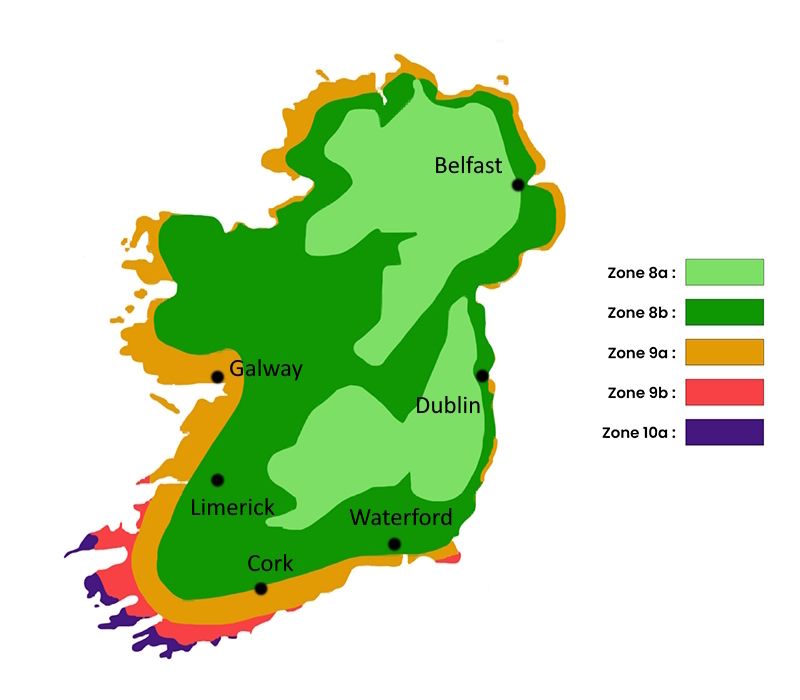
The planting period indicated on our website applies to regions in USDA Zone 9a (East Coast and Midlands: Dublin, Wexford, Waterford, Kilkenny, Portlaoise). It will vary depending on where you live:
- On the west coast and in the north-west (Galway, Limerick, Sligo, Donegal, Westport), delay planting by 1 to 2 weeks in spring and bring it forward by 1 to 2 weeks in autumn compared to the dates given, preferably choosing periods without strong winds.
- In the inland hills and plateaus (Wicklow Mountains, Macgillycuddy’s Reeks, Connemara, Killarney), it is best to plant in spring (April–May) or autumn (September–October), avoiding periods of waterlogged soil in winter and strong winds, which pose the main risk to newly planted trees in these areas.
The flowering period indicated on our website applies to regions in USDA Zone 9a, such as the East Coast and Midlands, including Dublin, Wexford, Waterford, Kilkenny and Portlaoise.
This will vary depending on where you live:
- On the west coast and in the northwest (Galway, Limerick, Sligo, Donegal and Westport), it will be delayed by one to two weeks compared to the given dates, due to stronger Atlantic winds and less spring sunshine.
- In the inland hills and plateaus (the Wicklow Mountains, the Macgillycuddy's Reeks, Connemara and Killarney), flowering will be delayed by two to three weeks. Flowering mainly occurs between May and July, with the limiting factors being less frost and more of the excessive humidity, strong winds and lack of sunshine that are characteristic of these areas.
Shipping country and language
Your country of residence may be:
Your country of residence is:
For a better user experience on our website, you can select:
Your shipping country:
-
 Austria
-
 Belgium
-
 Bosnia & Herzegovina
-
 Bulgaria
-
 Croatia
-
 Cyprus
-
 Czechia
-
 Denmark
-
 Estonia
-
 Finland
-
 France
-
 Germany
-
 Greece
-
 Hungary
-
 Iceland
-
 Ireland
-
 Italy
Italy
-
 Latvia
-
 Liechtenstein
-
 Lithuania
-
 Luxembourg
-
 Malta
Malta
-
 Netherlands
-
 Poland
-
 Portugal
-
 Romania
-
 Serbia
-
 Slovakia
-
 Slovenia
-
 Spain
Spain
-
 Sweden
-
 Switzerland
Language:
-
French
-
 English
-
Spanish
-
Italian
-
German
-
Portuguese
-
Dutch
-
Finnish
My Account
Hello
My wish lists
My cart
Log in / Register
Existing customer?
This form is protected by reCAPTCHA - the Google Privacy Policy and Terms of Service apply.
New customer?
Create an account to track your orders, access our customer service and, if you wish, make the most of our upcoming offers.