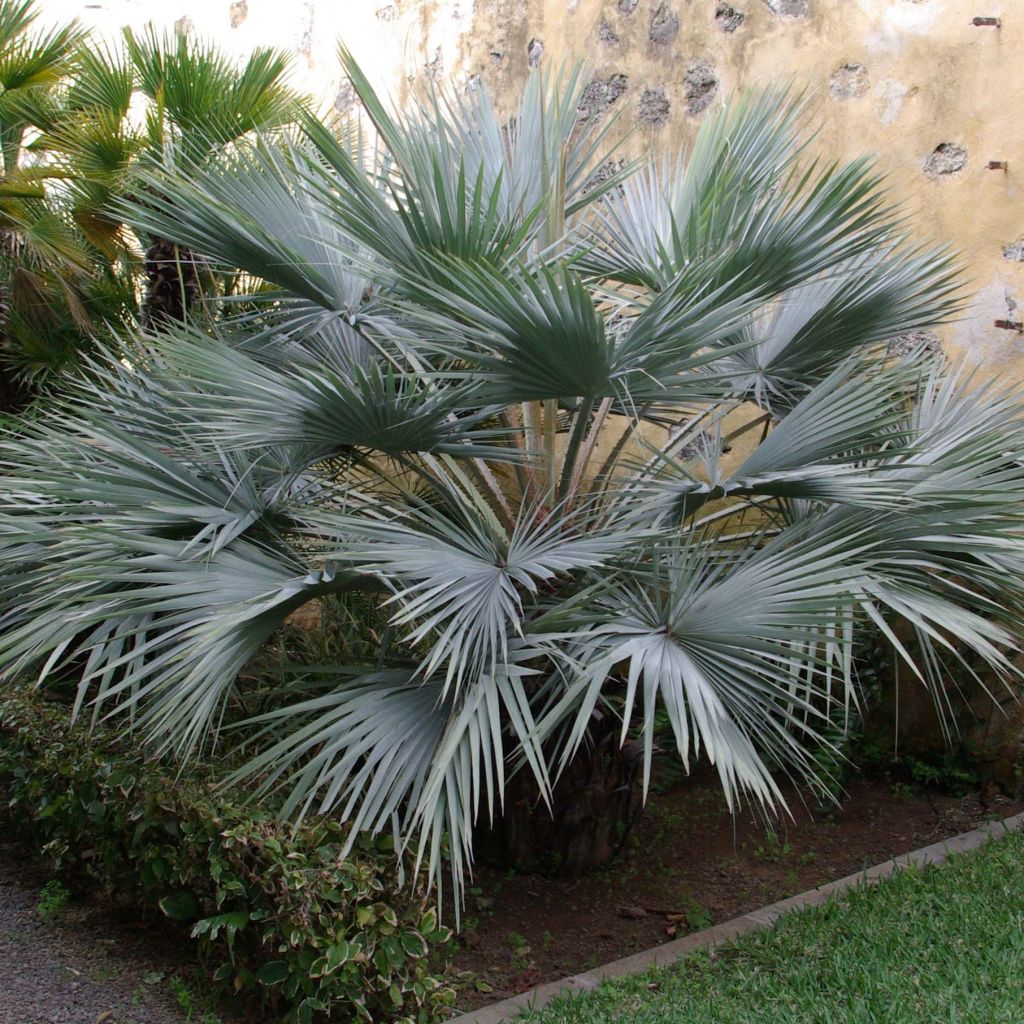
Brahea armata - Mexican blue palm
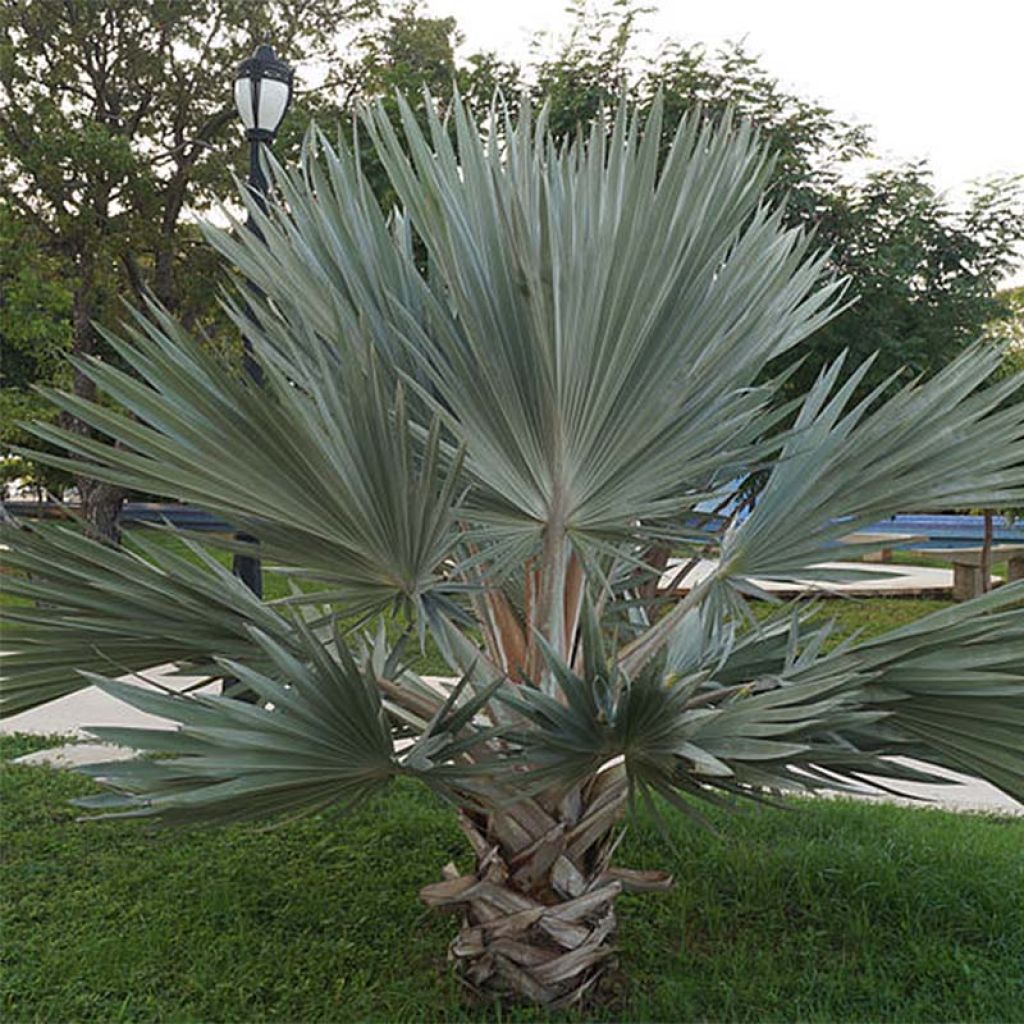
Brahea armata - Mexican blue palm
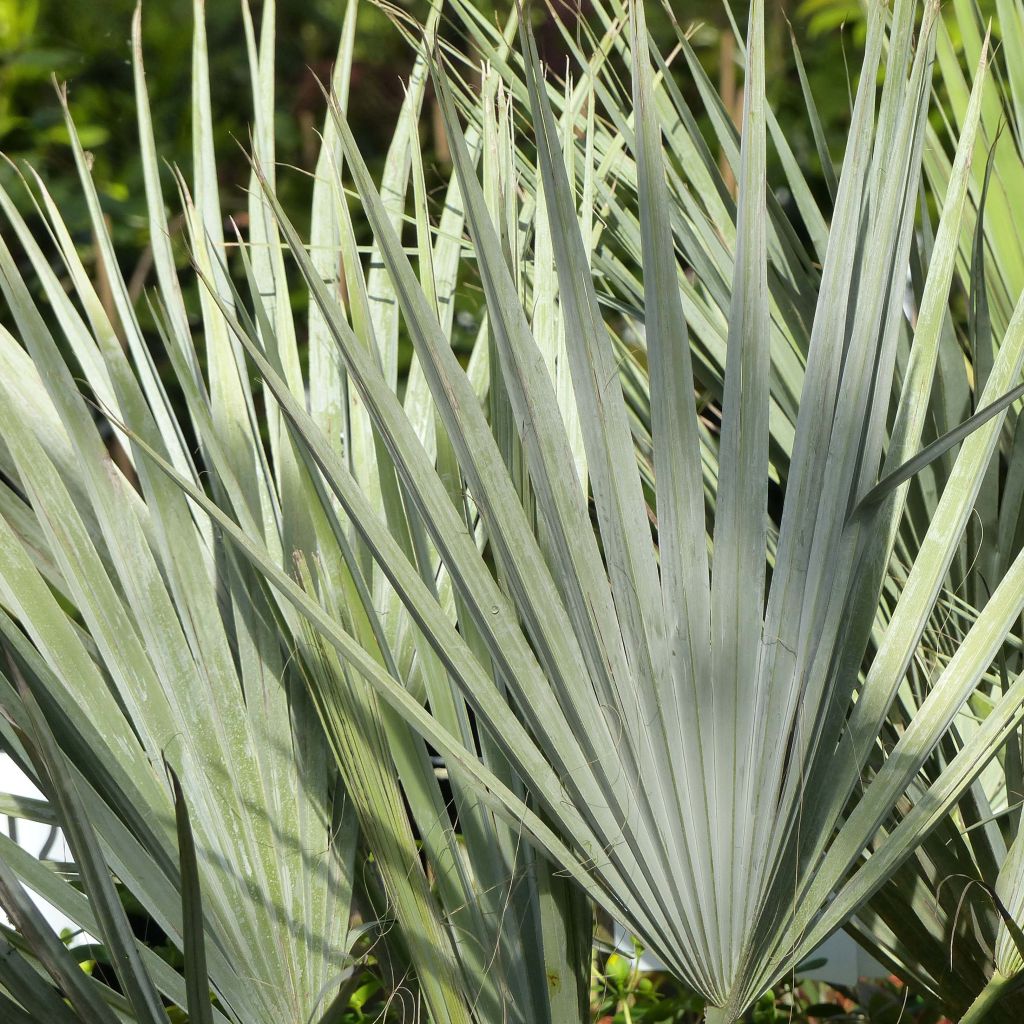
Brahea armata - Mexican blue palm
Brahea armata - Mexican blue palm
Brahea armata
Blue Erythea, Mexican blue palm, Blue hesper palm
Hello, I ordered 8 young Brahea Armata plants in 12 cm (5in) pots. The positives: the scheduled delivery date was well respected. The products arrived well packaged and protected. The seedlings that arrived were of the expected size. The negatives: However, they were dried out (especially the roots). I quickly repotted them in large pots with clay pebbles at the bottom for drainage and special palm soil. I hope they will all recover!
Fabrice, 11/05/2021
Back-to-school special offer!
Get €10 off for every €50 you spend! And get up to €40 off on a single order.
How does it work?
1. Shop your favourites
Add your favourite plants to your basket. For every €50 you spend (excluding delivery charges, store credit and the plastic-free option), you’ll receive a €10 voucher.
€50 spent = €10 voucher
€100 spent = €20 voucher
€150 spent = €30 voucher
€200 spent = €40 voucher
2. Place your order
Once your basket reaches one of the spending thresholds, place your order. You can even choose your delivery date!
3. Receive your voucher
As soon as your order has been shipped, you’ll receive an email containing your personal voucher code and its value.
4. Use it on your next order
Your voucher is valid for 90 days from the date you receive it. It can be used once only, on a new order worth at least the value of the voucher, excluding delivery charges.
Please note: Vouchers can be combined with other offers, but cannot be split or refunded.
This plant carries a 24 months recovery warranty
More information
We guarantee the quality of our plants for a full growing cycle, and will replace at our expense any plant that fails to recover under normal climatic and planting conditions.

Does this plant fit my garden?
Set up your Plantfit profile →
Description
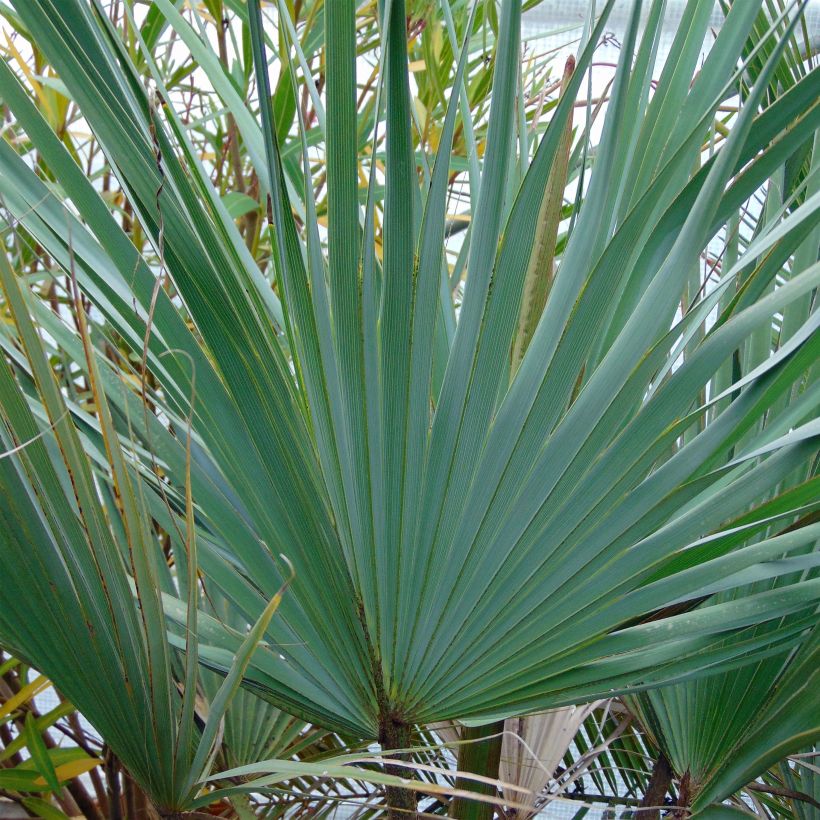
The Mexican blue palm, Brahea armata in Latin, is undoubtedly one of the most beautiful hardy palms, capable of withstanding frosts of around -10/-12°C (14/10.4 °F) , or even more if the soil remains dry in winter. It is appreciated for its beautiful crown of almost blue leaves, worn like a bouquet of large fans at the top of a thick trunk, as well as for its spectacular inflorescences, followed by edible fruits. Sometimes, it takes a very long time to be able to admire them, but a young specimen will already have a great impact in a large rockery or in the centre of an exotic bed. Native to arid areas of Mexico, it prefers poor and dry soils and requires plenty of sun and heat to thrive.
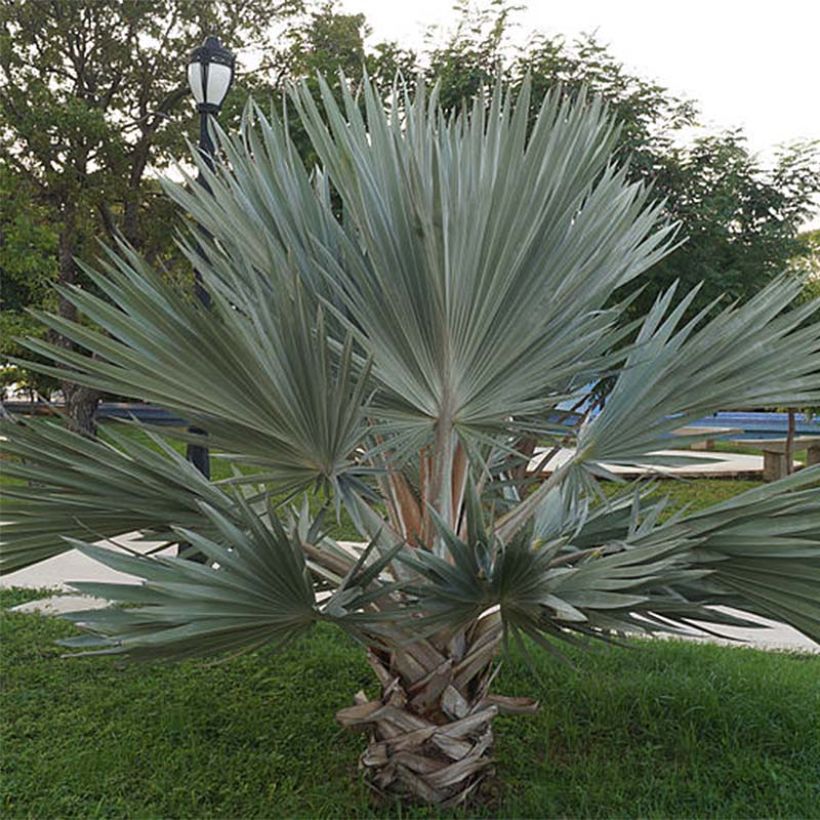
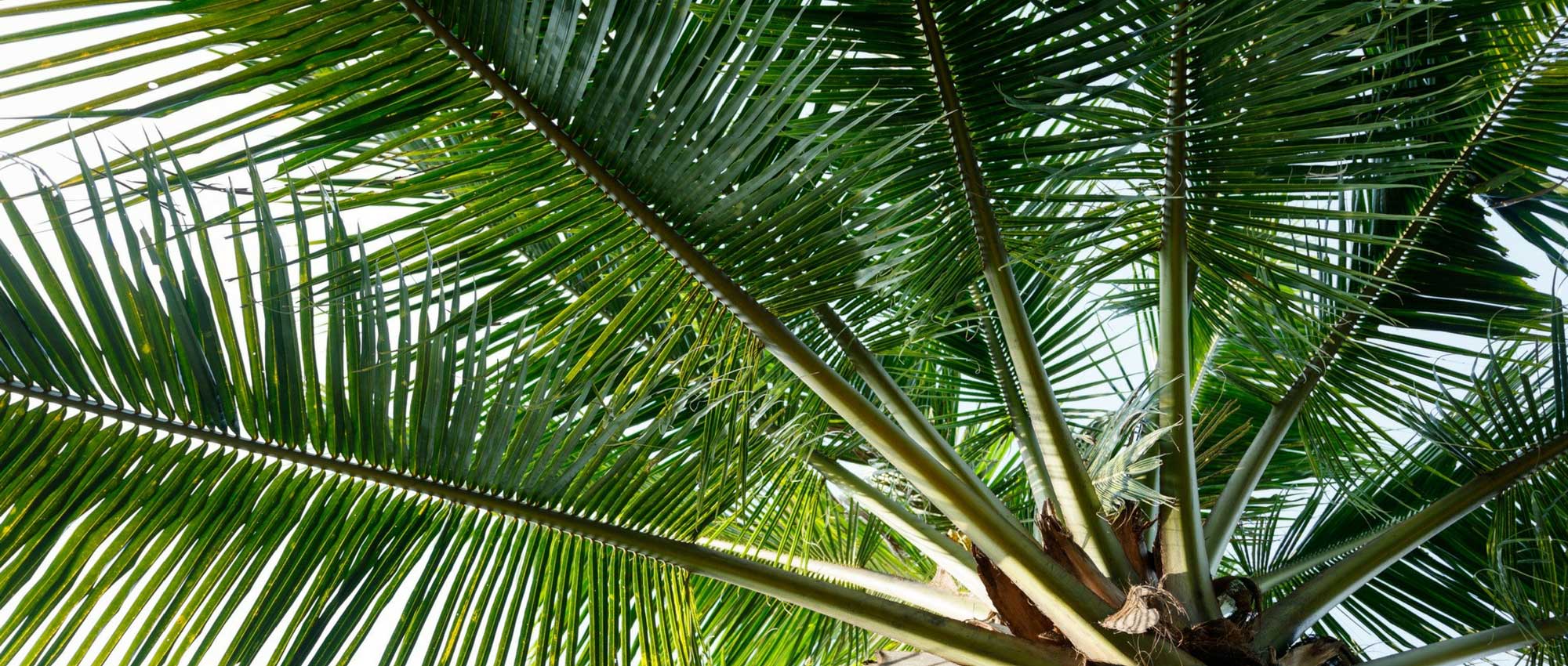
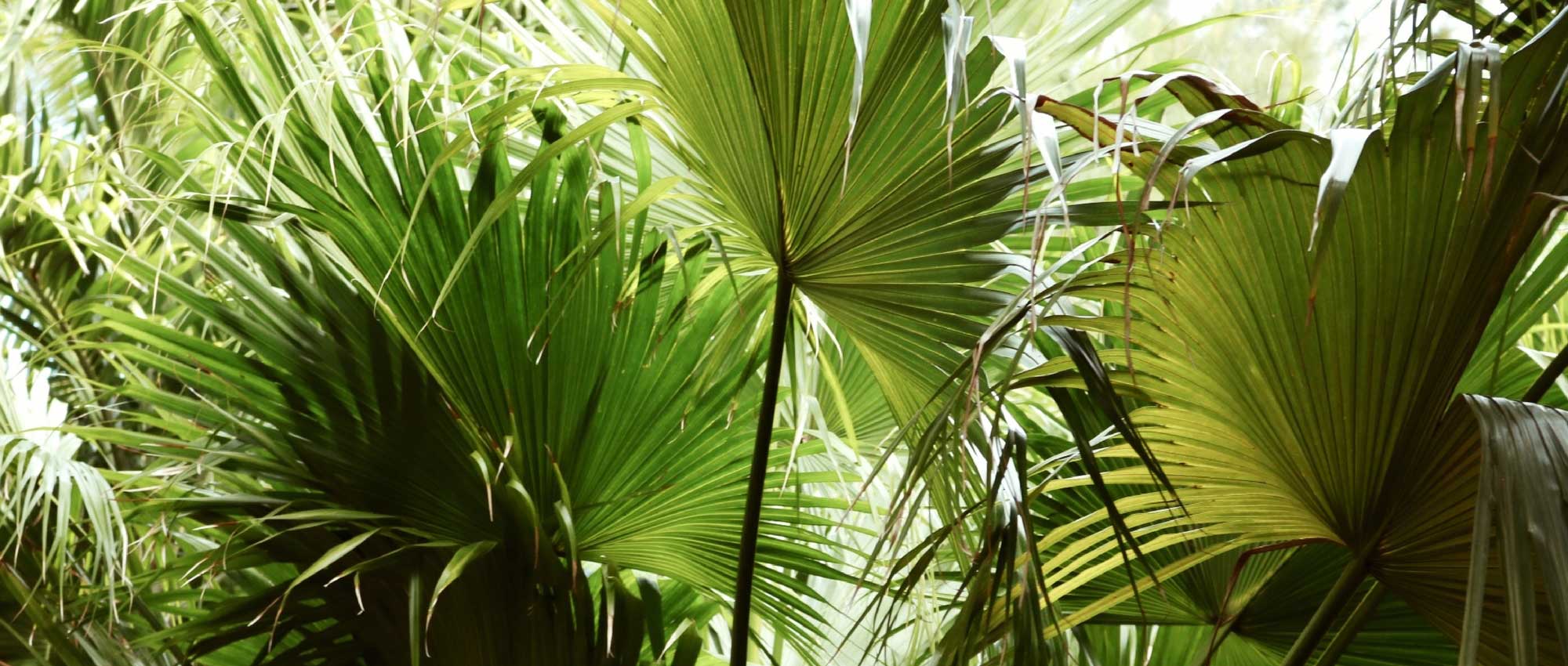
Brahea armata (synonym Erythea armata, Brahea clara, Brahea roezlii, Erythea elegans) belongs to the family of arecaceae. It is native to the Northwest of Mexico (Baja California, Sonora), where it is found growing spontaneously in arid places, in gorges and humid canyons where water is available at depth. This palm, which can very slowly reach a height of 10 to 14 m (32 ft 10 in to 45 ft 11 in), is carried by a single, thick false trunk (stipe), sometimes reaching 45 cm (17.7 in) in diameter, grey in colour, bearing the remains of the old dried leaves. These dry leaves form a kind of grey 'skirt', just like with Washingtonia. Its foliage that is arranged in a terminal crown will not exceed 3 m (9 ft 10 in) in width. The base-enlarged stipe gives rise at its top to 25-30 slightly costapalmate leaves, i.e. palmate leaves arranged in a fan around a central axis. Each leaf, 70 cm (27.6 in) to 1.2 m (3 ft 11 in) wide, sports a beautiful grey-blue colour, due to the presence of a whitish waxy film on their upper surface. The lower surface is slightly glaucous in colour. It is divided into 40 to 60 rigid segments and carried by a petiole reaching 1 m (3 ft 4 in) to 1.5 m (4 ft 11 in) in length, covered with brown fuzz on the front, silvery in colour on the back, and bordered by small light brown teeth.
The spectacular flowering occurs on specimens over 30 years old. It only occurs outdoors, in summer and in hot climates, in the form of long inflorescences (up to 6 m (19 ft 8 in)), arched and largely dominating the crown of leaves. The very numerous flowers, white to ivory in colour, are followed by the formation of countless small round fruits, 2 cm (0.8 in) in size, brown and shiny, each containing a smooth and shiny brown seed. These fresh seeds germinate several months after sowing.
Highly valued as a roadside tree in coastal and mild climates, especially dry and hot ones, the Mexcian blue palm forms part – along with Washingtonia robusta and filifera and Phoenix canariensis – of the most commonly cultivated tropical ornamental palm species in temperate countries. Irreplaceable and prestigious in mild climates, it can also be cultivated elsewhere in a large container, which will be stored in a cool, bright, and well-ventilated room during winter. Planted near an entrance, or on either side of a gate, or planted individually near a swimming pool, it will be superb. Like Eucalyptus and large mimosas, in the background of a flower bed, it forms a typical backdrop for gardens bordering the Mediterranean or the Atlantic coast of southern France. Fans of graphic and blue plants can plant alongside it the Siberian Nolina, the Oval-leaved Agave, the Wheeler's Sotol, the Yucca rigida, and other spectacular succulent plants well adapted to arid conditions.
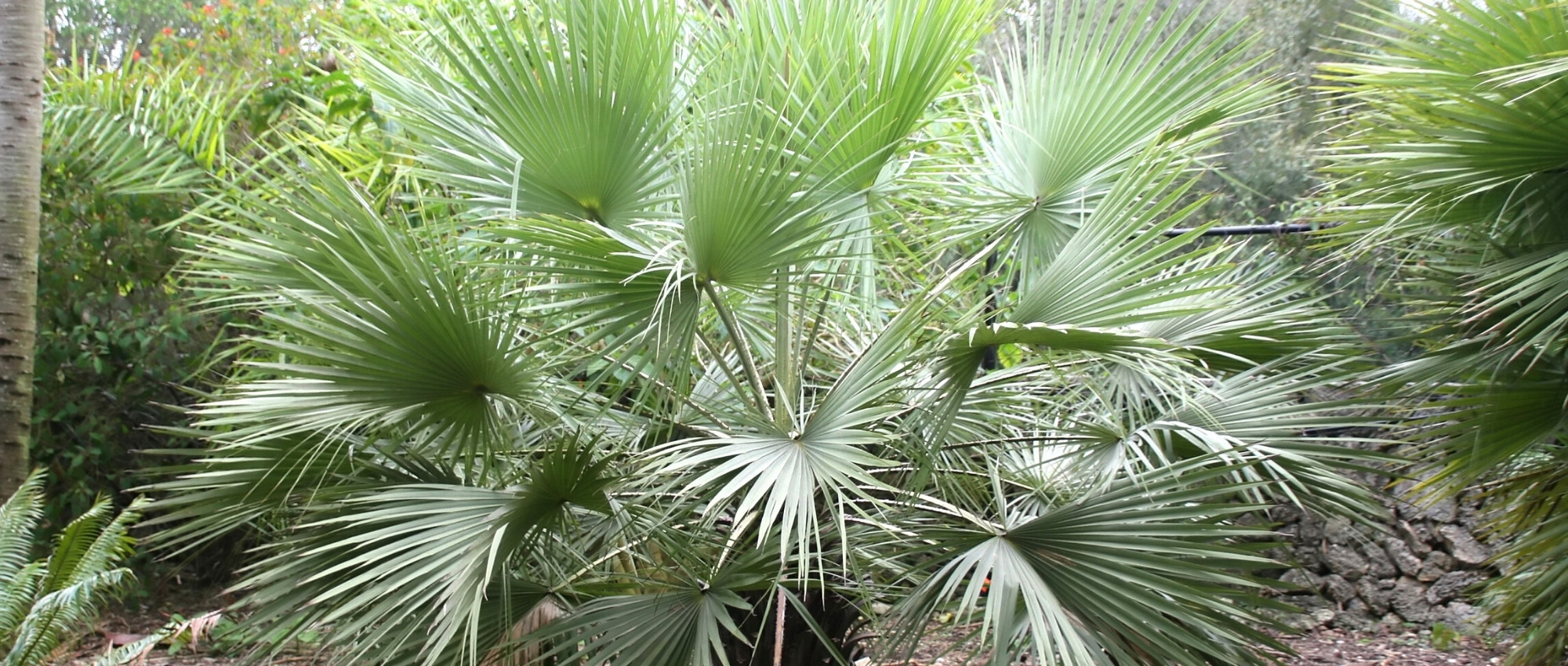
Brahea armata - Mexican blue palm in pictures
Plant habit
Flowering
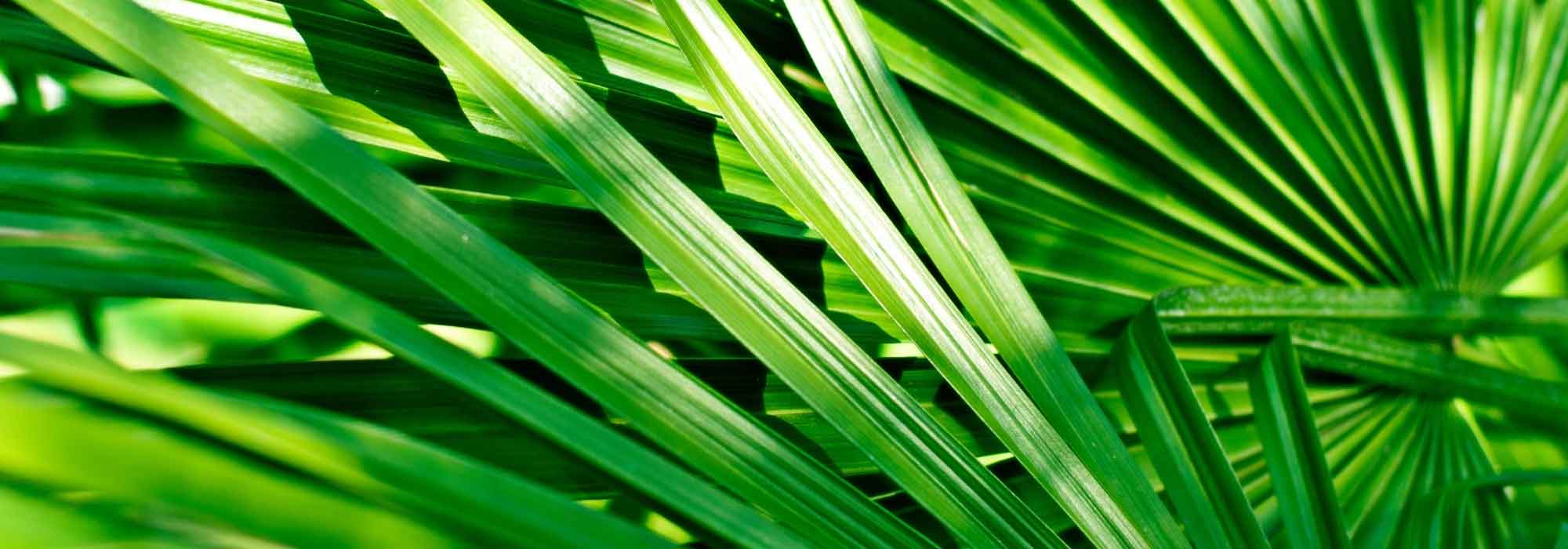
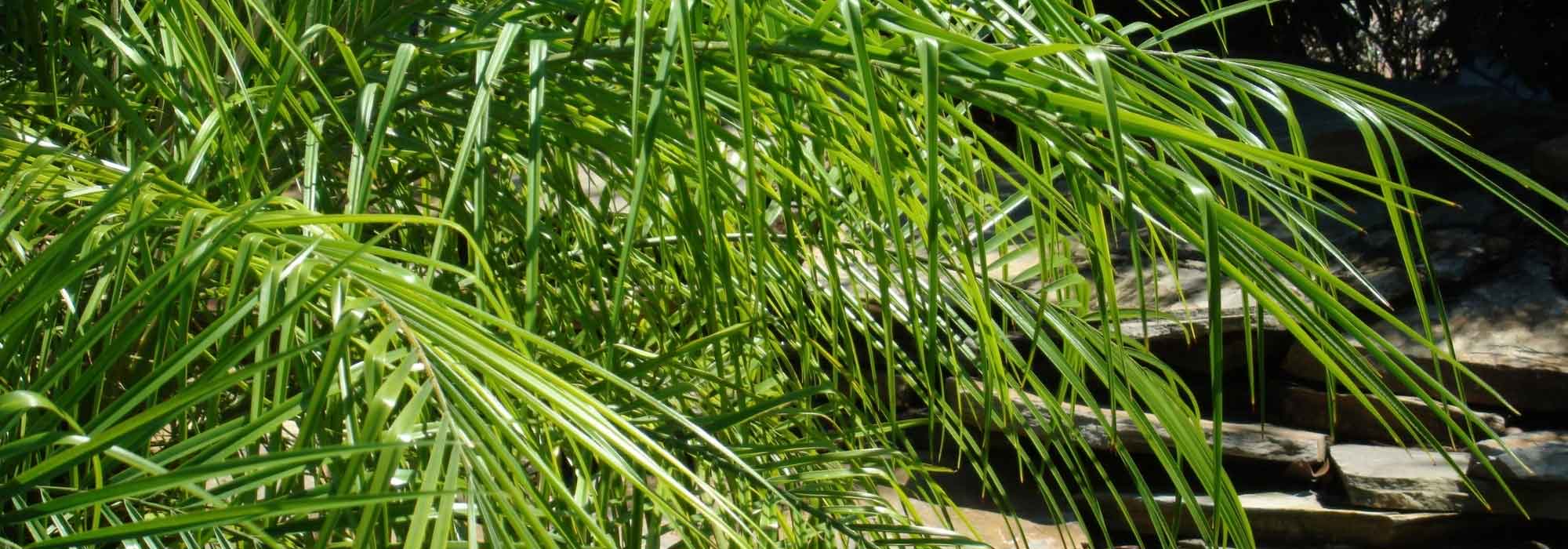
Foliage
Planting and care
This palm tree shows a very slow growth, especially during its young years, and requires sun and warmth which will encourage faster growth. Plant Brahea armata in well-worked soil that is very well-drained, which can even be poor and dry on the surface. It is indifferent to the nature of the soil, but shows a preference for limestone (or alkaline) soils, even those that are excessively limestone (up to a pH of 9.2), like many palm trees native to arid areas of Mexico. It tolerates drought very well once established. Ideally plant it in poor soil, which retains little water: a balanced mixture of coarse sand, gravel, potting soil, and garden soil. Install it in a sunny position and protect it from cold and dry winds. Water regularly for the first 3 years, especially if the summer is dry. Easy to grow, it requires little maintenance except for pruning the oldest leaves that lie flush with the stem.
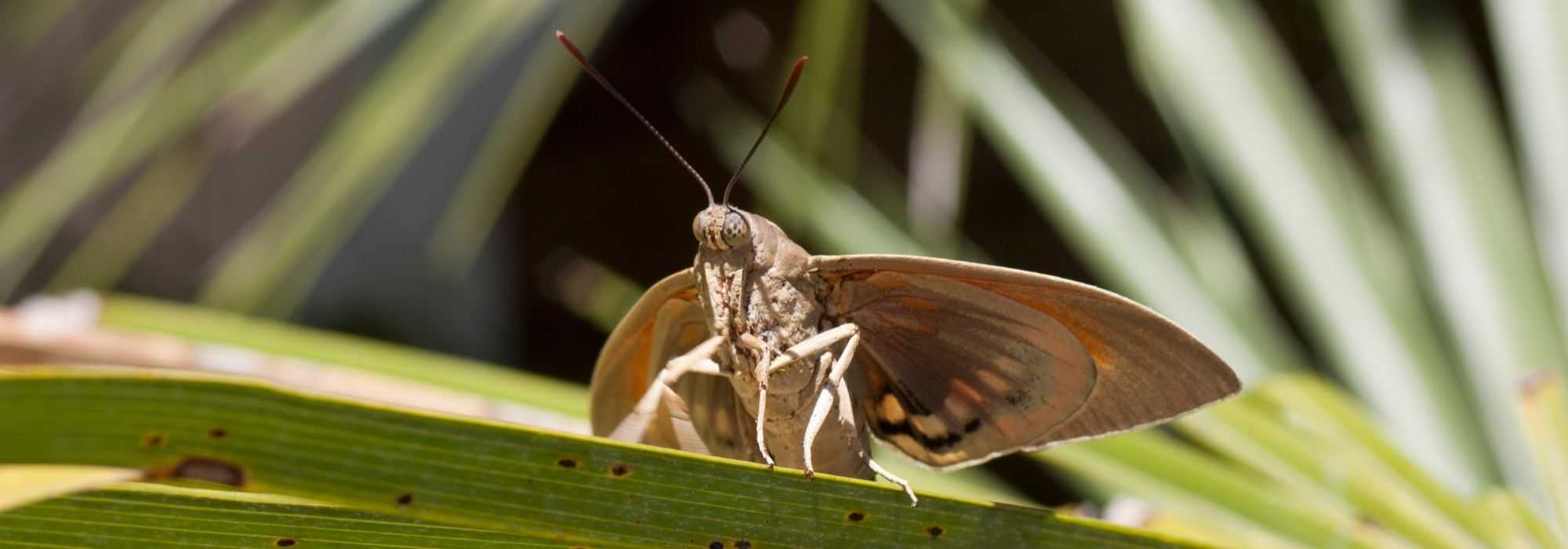
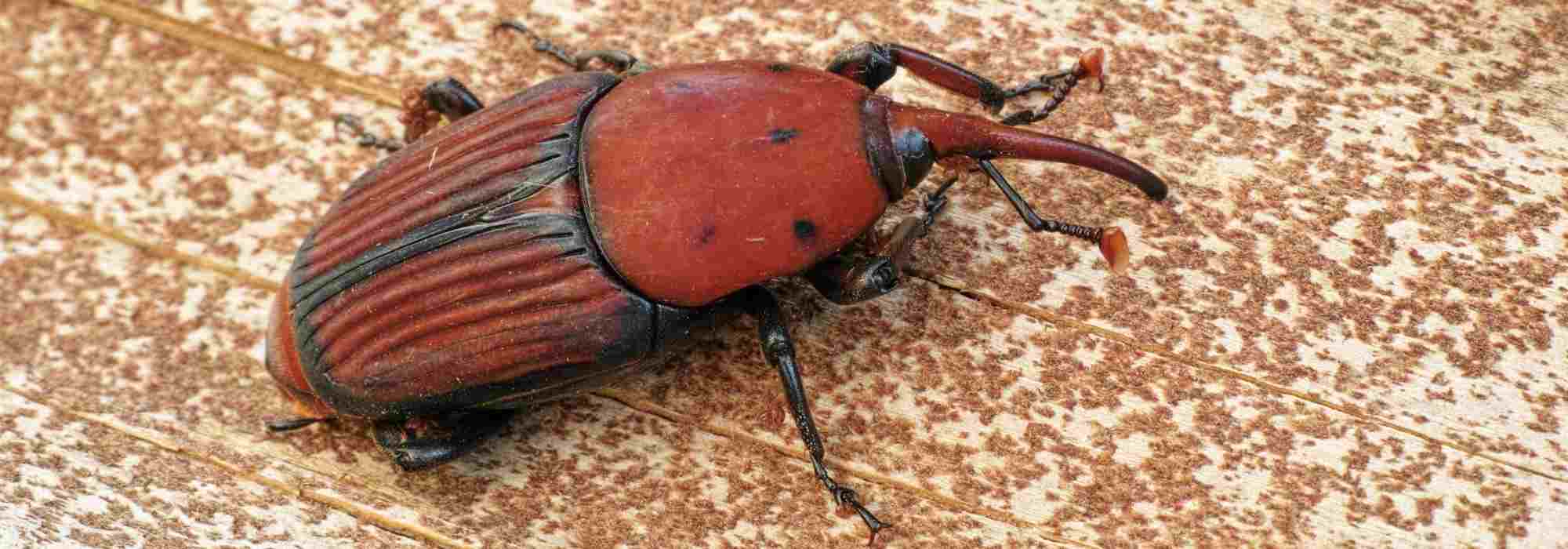
Washingtonia palms can fall victim to parasites such as the dreaded and widespread Paysandra archon worm, a large butterfly that is active even in England. Specific treatments are now available as a preventive measure. The red palm weevil (Rhynchophorus ferrugineus), present in France since 2006 and elsewhere in Europe, may also pose a threat. The symptoms are as follows: a cut, dried, or yellowing palm. These pests attack numerous palm species, with a fatal outcome: the leaves irreversibly and completely dry out as soon as the heart of the stem hosts larvae.
Planting period
Intended location
Care
Planting & care advice
-
-
-
-
-
-
-
-
-
, onOrder confirmed
Reply from on Promesse de fleurs
Recently viewed products
Haven't found what you were looking for?
Hardiness is the lowest winter temperature a plant can endure without suffering serious damage or even dying. However, hardiness is affected by location (a sheltered area, such as a patio), protection (winter cover) and soil type (hardiness is improved by well-drained soil).
In temperate climates, pruning of spring-flowering shrubs (forsythia, spireas, etc.) should be done just after flowering.
Pruning of summer-flowering shrubs (Indian Lilac, Perovskia, etc.) can be done in winter or spring.
In cold regions as well as with frost-sensitive plants, avoid pruning too early when severe frosts may still occur.
The harvesting period indicated on our website applies to countries and regions in USDA zone 8 (France, England, Ireland, the Netherlands).
In colder areas (Scandinavia, Poland, Austria...) fruit and vegetable harvests are likely to be delayed by 3-4 weeks.
In warmer areas (Italy, Spain, Greece, etc.), harvesting will probably take place earlier, depending on weather conditions.
The sowing periods indicated on our website apply to countries and regions within USDA Zone 8 (France, UK, Ireland, Netherlands).
In colder areas (Scandinavia, Poland, Austria...), delay any outdoor sowing by 3-4 weeks, or sow under glass.
In warmer climes (Italy, Spain, Greece, etc.), bring outdoor sowing forward by a few weeks.
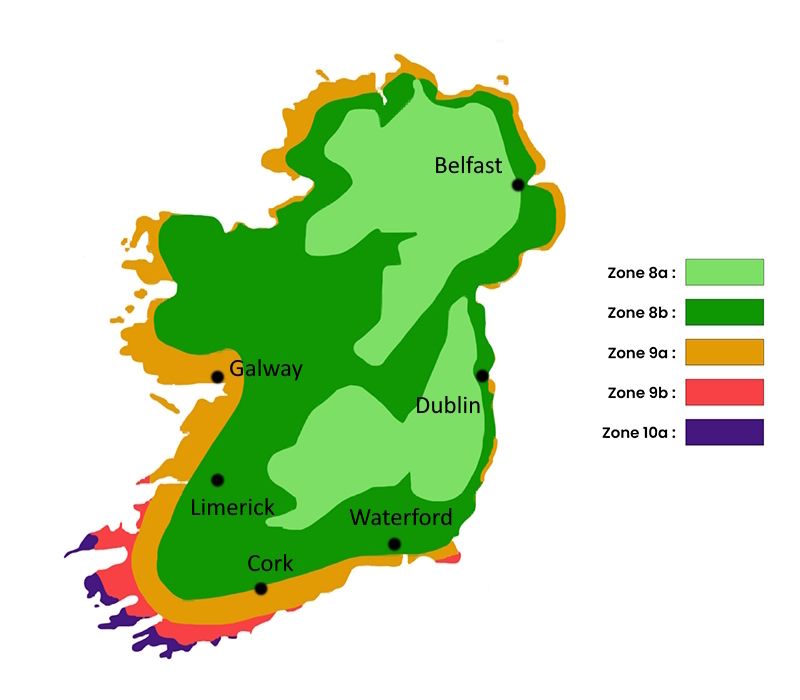
The planting period indicated on our website applies to regions in USDA Zone 9a (East Coast and Midlands: Dublin, Wexford, Waterford, Kilkenny, Portlaoise). It will vary depending on where you live:
- On the west coast and in the north-west (Galway, Limerick, Sligo, Donegal, Westport), delay planting by 1 to 2 weeks in spring and bring it forward by 1 to 2 weeks in autumn compared to the dates given, preferably choosing periods without strong winds.
- In the inland hills and plateaus (Wicklow Mountains, Macgillycuddy’s Reeks, Connemara, Killarney), it is best to plant in spring (April–May) or autumn (September–October), avoiding periods of waterlogged soil in winter and strong winds, which pose the main risk to newly planted trees in these areas.
The flowering period indicated on our website applies to regions in USDA Zone 9a, such as the East Coast and Midlands, including Dublin, Wexford, Waterford, Kilkenny and Portlaoise.
This will vary depending on where you live:
- On the west coast and in the northwest (Galway, Limerick, Sligo, Donegal and Westport), it will be delayed by one to two weeks compared to the given dates, due to stronger Atlantic winds and less spring sunshine.
- In the inland hills and plateaus (the Wicklow Mountains, the Macgillycuddy's Reeks, Connemara and Killarney), flowering will be delayed by two to three weeks. Flowering mainly occurs between May and July, with the limiting factors being less frost and more of the excessive humidity, strong winds and lack of sunshine that are characteristic of these areas.
Shipping country and language
Your country of residence may be:
Your country of residence is:
For a better user experience on our website, you can select:
Your shipping country:
-
 Austria
-
 Belgium
-
 Bosnia & Herzegovina
-
 Bulgaria
-
 Croatia
-
 Cyprus
-
 Czechia
-
 Denmark
-
 Estonia
-
 Finland
-
 France
-
 Germany
-
 Greece
-
 Hungary
-
 Iceland
-
 Ireland
-
 Italy
Italy
-
 Latvia
-
 Liechtenstein
-
 Lithuania
-
 Luxembourg
-
 Malta
Malta
-
 Netherlands
-
 Poland
-
 Portugal
-
 Romania
-
 Serbia
-
 Slovakia
-
 Slovenia
-
 Spain
Spain
-
 Sweden
-
 Switzerland
Language:
-
French
-
 English
-
Spanish
-
Italian
-
German
-
Portuguese
-
Dutch
-
Finnish
My Account
Hello
My wish lists
My cart
Log in / Register
Existing customer?
This form is protected by reCAPTCHA - the Google Privacy Policy and Terms of Service apply.
New customer?
Create an account to track your orders, access our customer service and, if you wish, make the most of our upcoming offers.