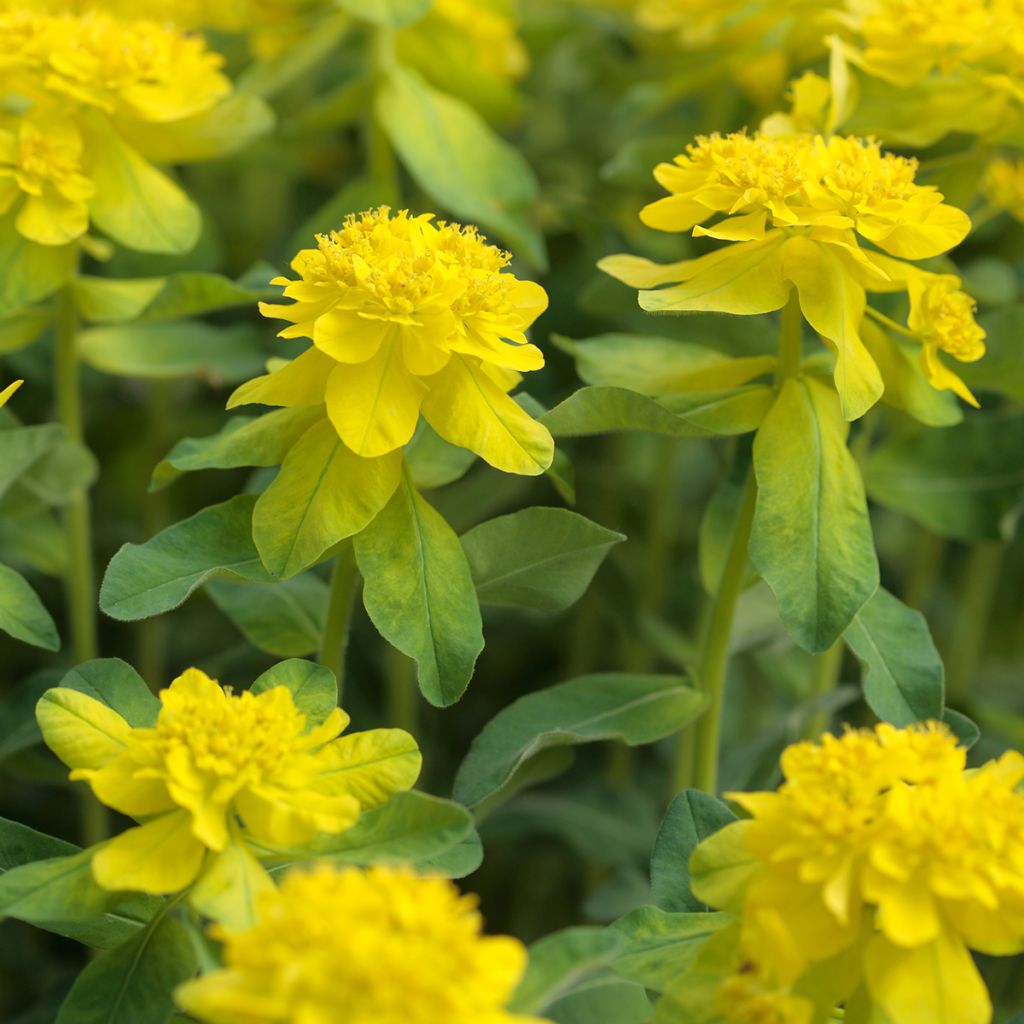
Euphorbia polychroma - Spurge
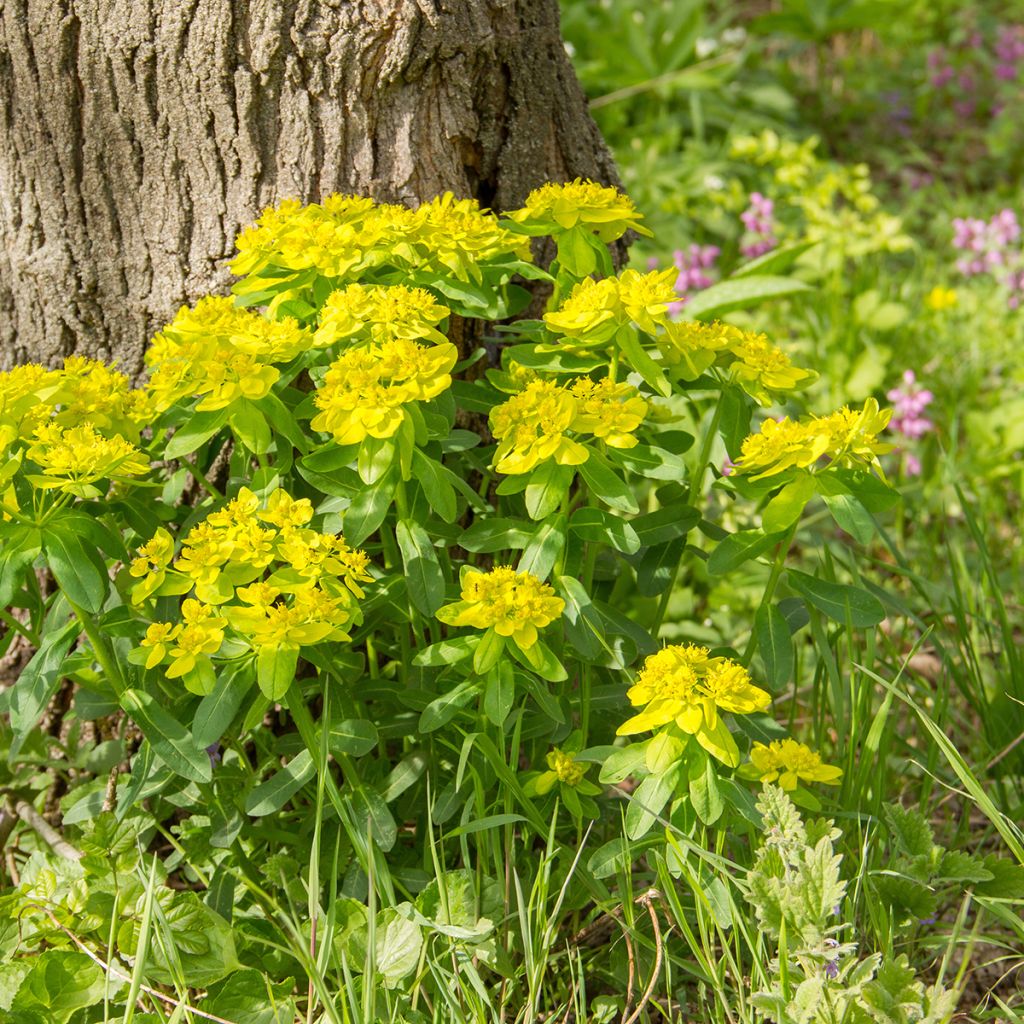
Euphorbia polychroma - Spurge
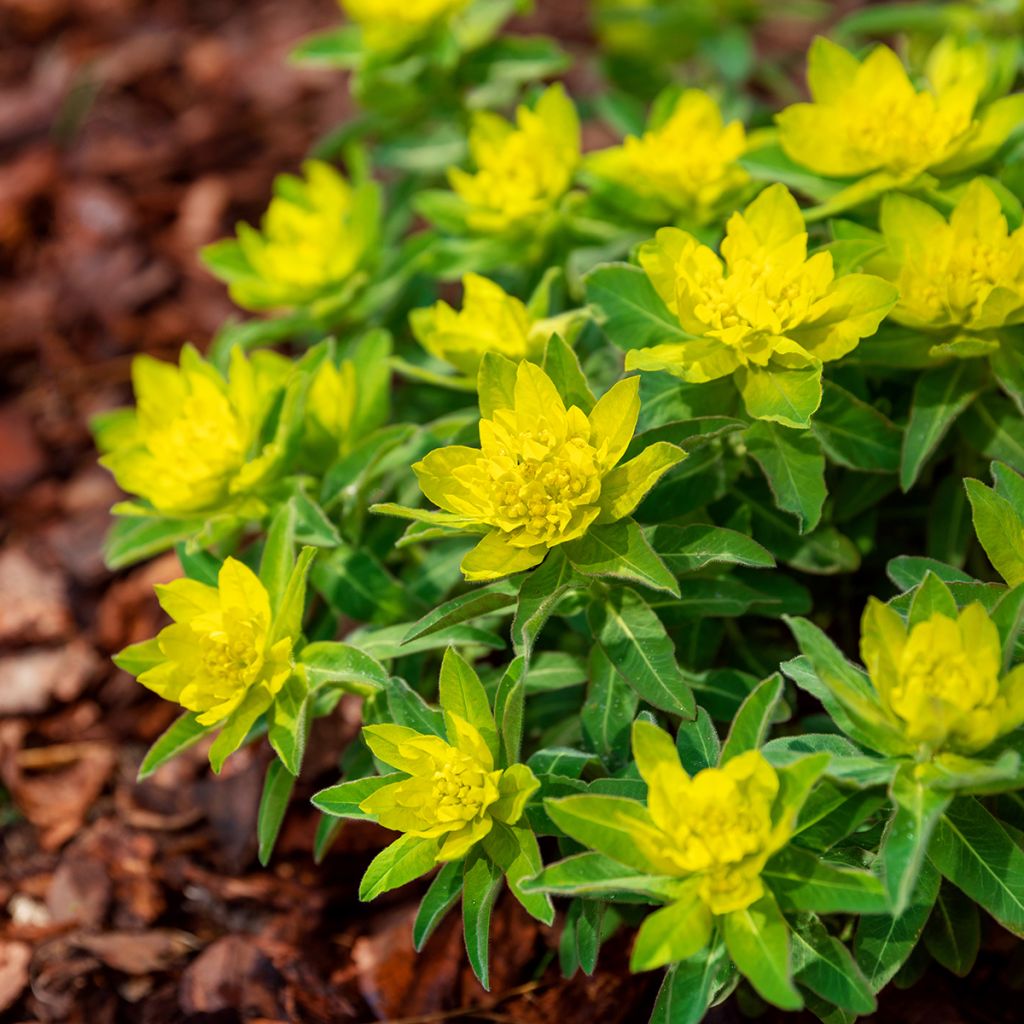
Euphorbia polychroma - Spurge
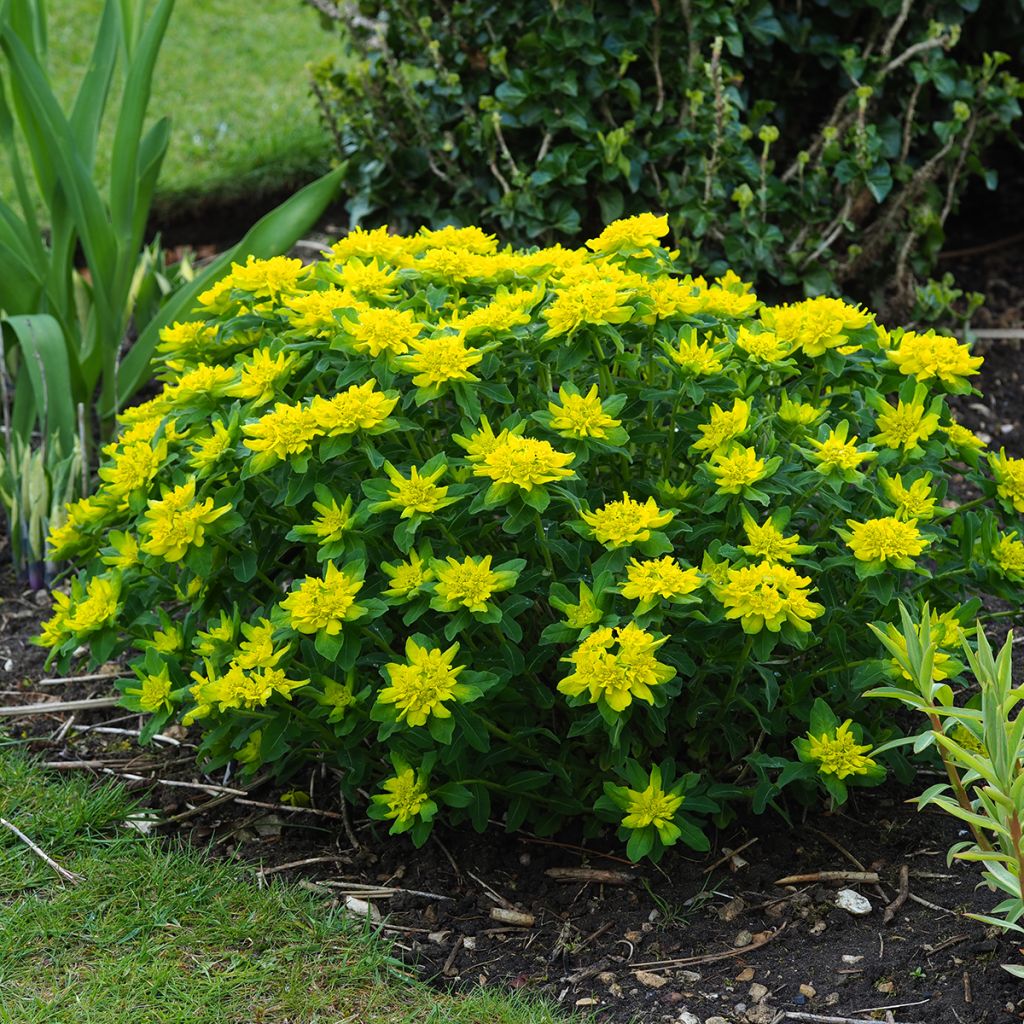
Euphorbia polychroma - Spurge

Euphorbia polychroma - Spurge
Euphorbia polychroma - Spurge
Euphorbia polychroma - Spurge
Euphorbia polychroma - Spurge
Euphorbia polychroma - Spurge
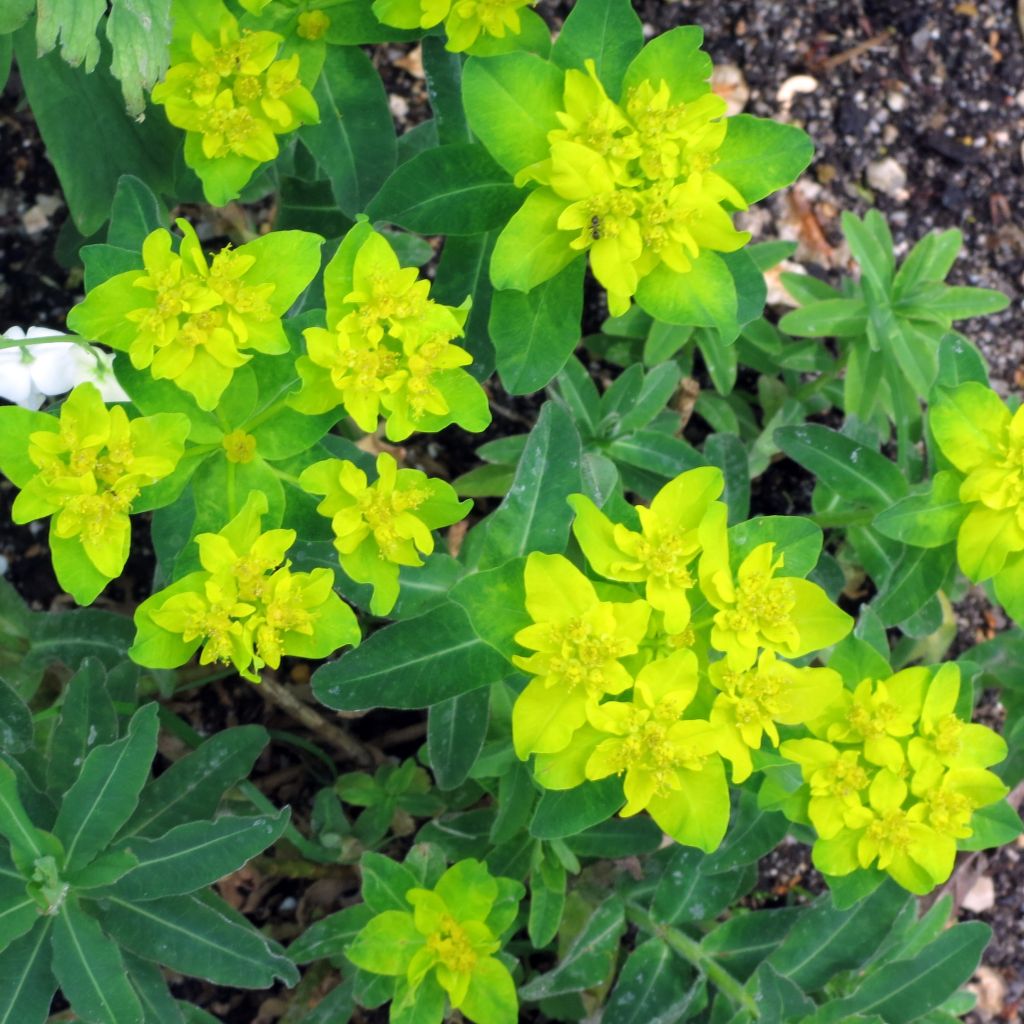
Euphorbia polychroma - Spurge
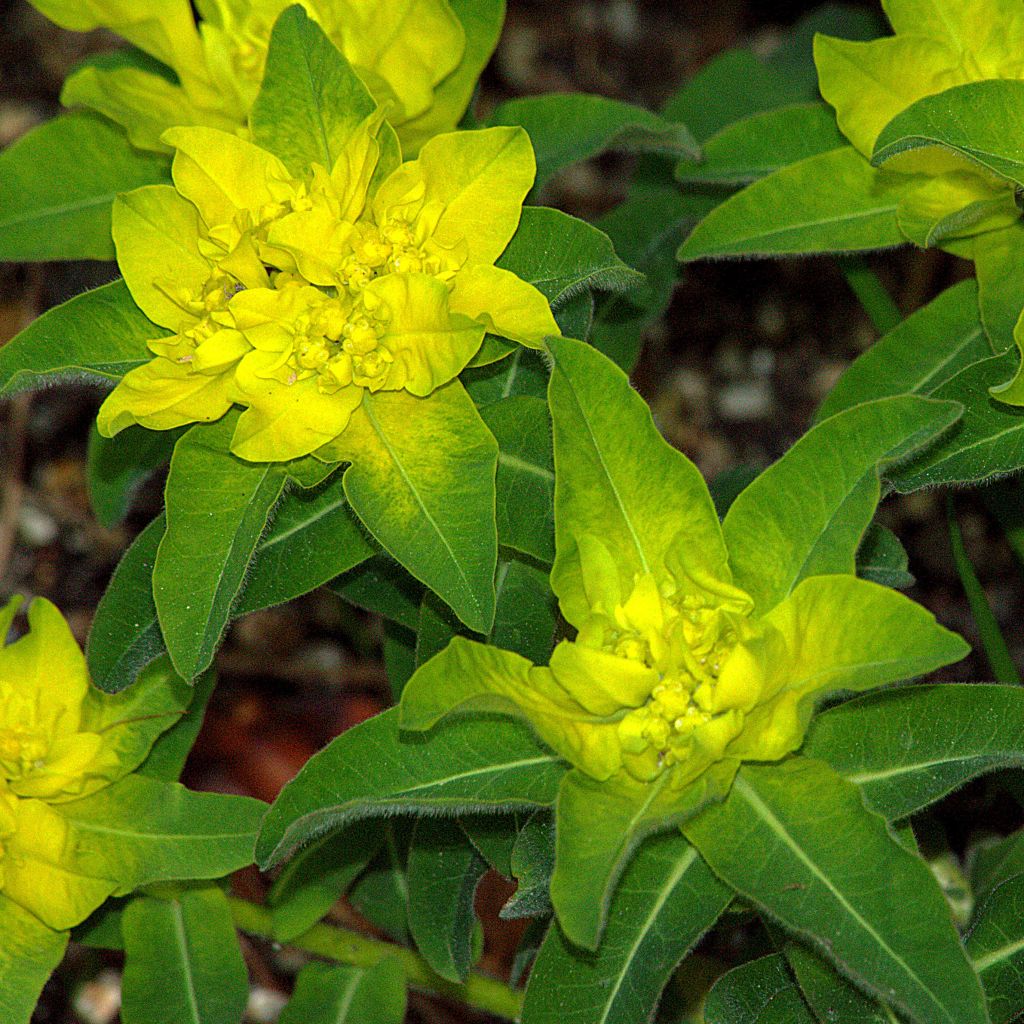
Euphorbia polychroma - Spurge
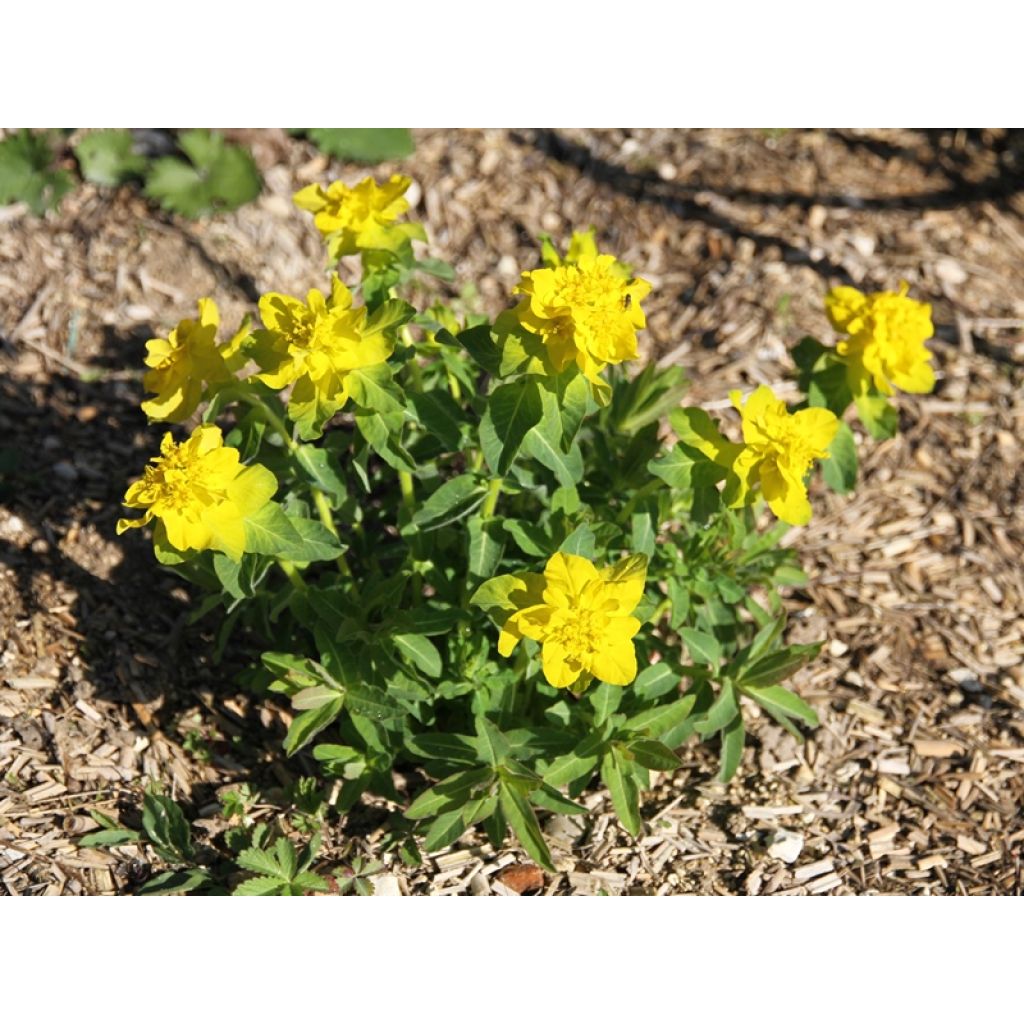
Euphorbia polychroma - Spurge
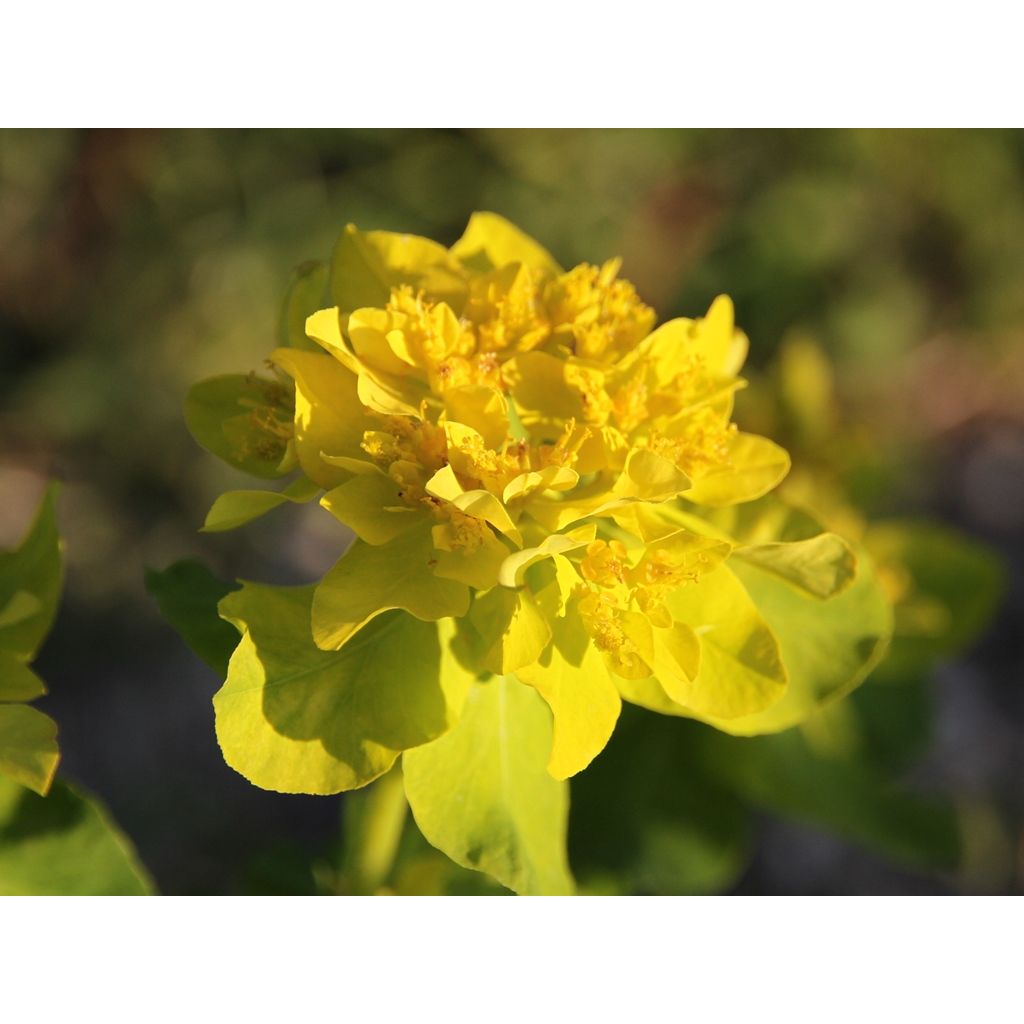
Euphorbia polychroma - Spurge
Euphorbia polychroma - Spurge
Euphorbia polychroma - Spurge
Euphorbia polychroma
Cushion Spurge
Recovers well after winter
Marcel, 22/03/2025
Back-to-school special offer!
Get €10 off for every €50 you spend! And get up to €40 off on a single order.
How does it work?
1. Shop your favourites
Add your favourite plants to your basket. For every €50 you spend (excluding delivery charges, store credit and the plastic-free option), you’ll receive a €10 voucher.
€50 spent = €10 voucher
€100 spent = €20 voucher
€150 spent = €30 voucher
€200 spent = €40 voucher
2. Place your order
Once your basket reaches one of the spending thresholds, place your order. You can even choose your delivery date!
3. Receive your voucher
As soon as your order has been shipped, you’ll receive an email containing your personal voucher code and its value.
4. Use it on your next order
Your voucher is valid for 90 days from the date you receive it. It can be used once only, on a new order worth at least the value of the voucher, excluding delivery charges.
Please note: Vouchers can be combined with other offers, but cannot be split or refunded.
Why not try an alternative variety in stock?
View all →
Available in 2 sizes

Available in 2 sizes

Available in 2 sizes

Available in 1 sizes

Available in 1 sizes
Available in 1 sizes

Available in 1 sizes

Available in 3 sizes

Available in 1 sizes

Available in 1 sizes
This plant carries a 12 months recovery warranty
More information
We guarantee the quality of our plants for a full growing cycle, and will replace at our expense any plant that fails to recover under normal climatic and planting conditions.

Does this plant fit my garden?
Set up your Plantfit profile →
Description
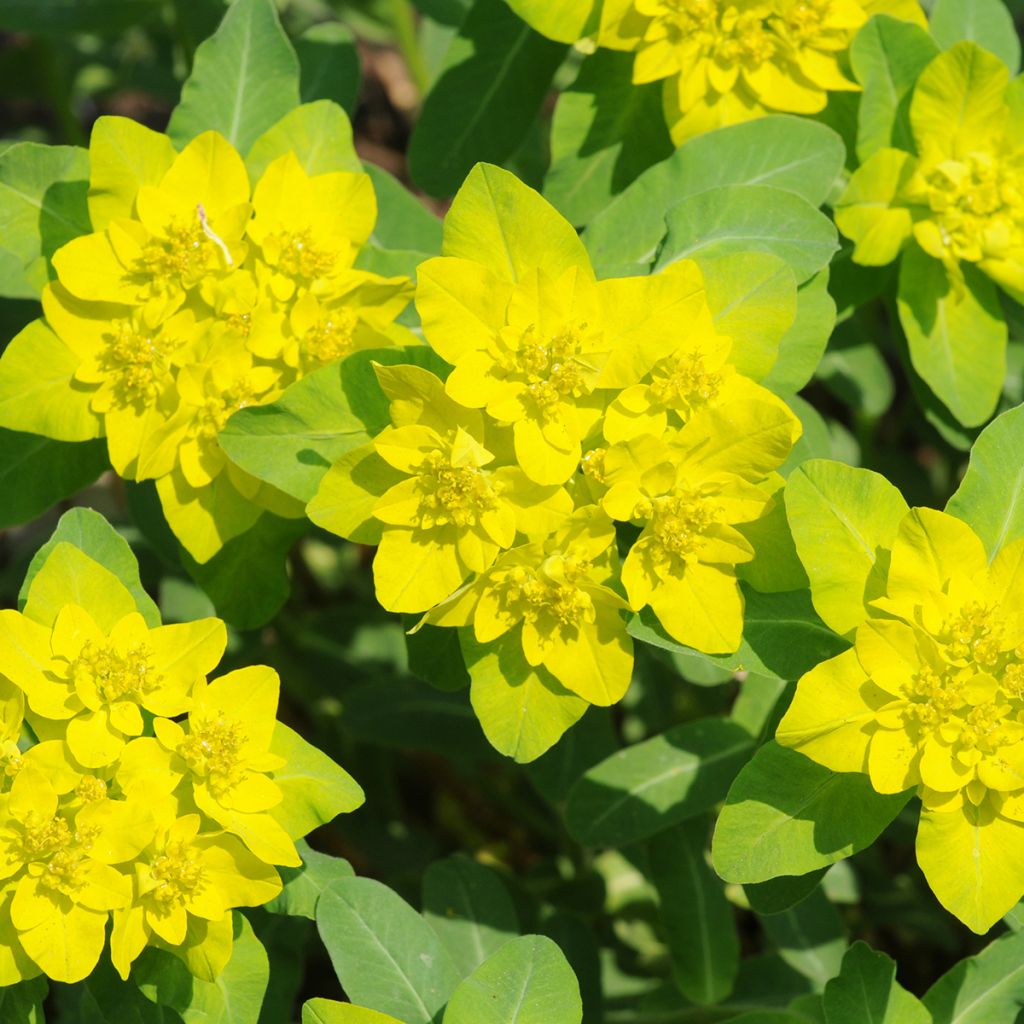
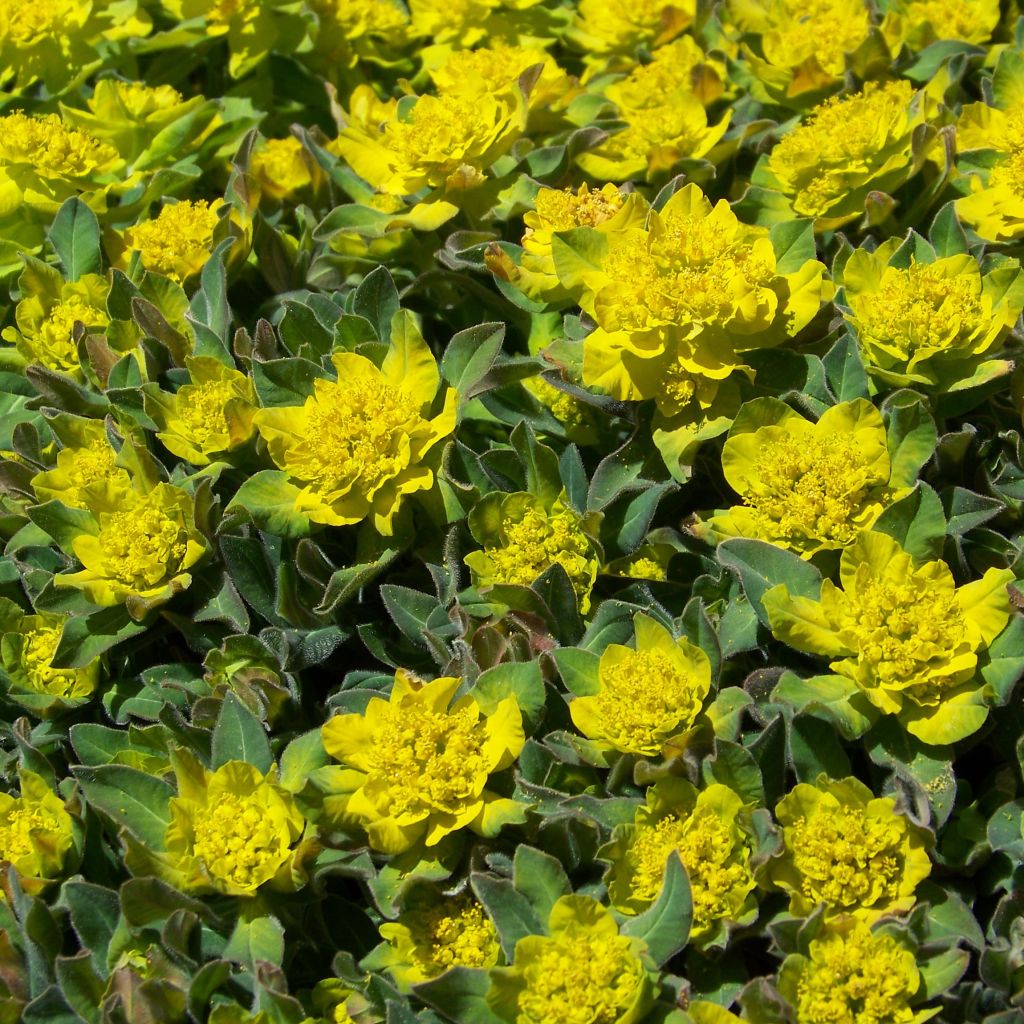
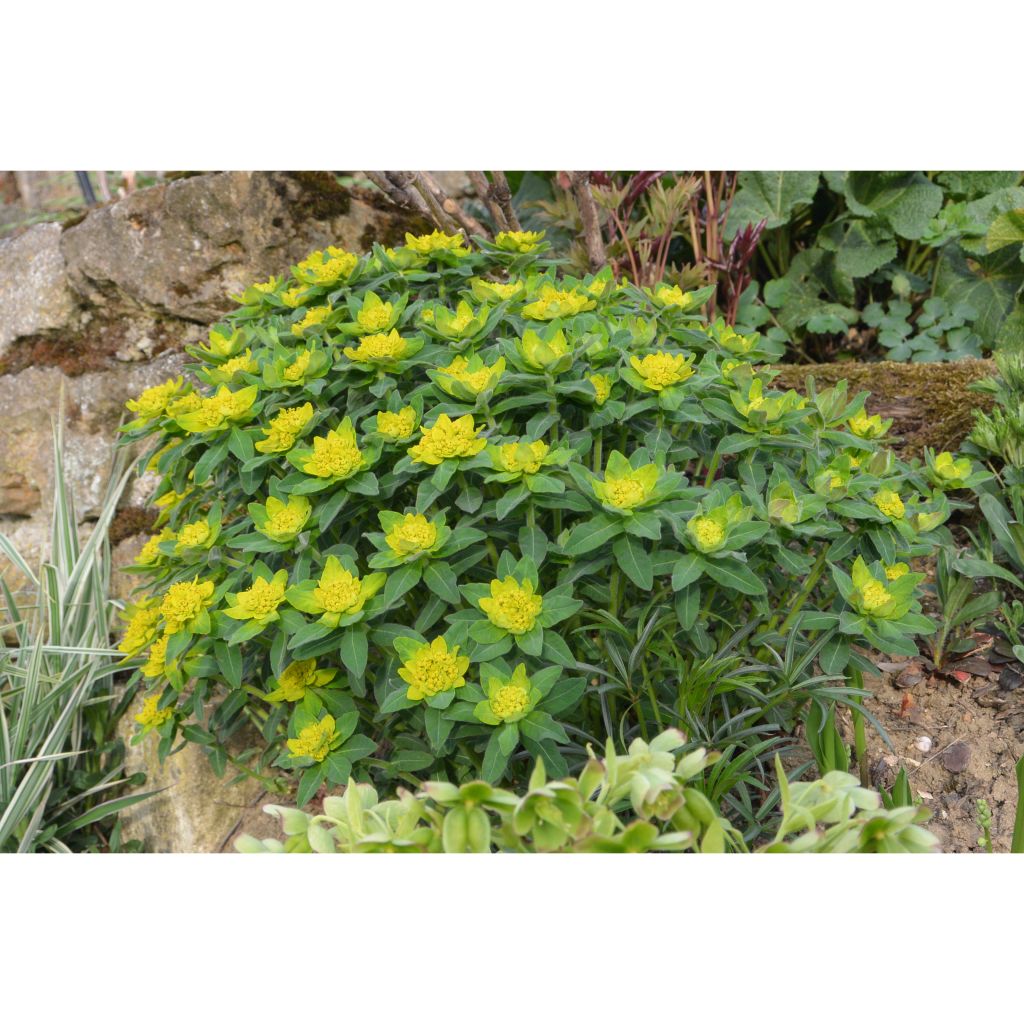
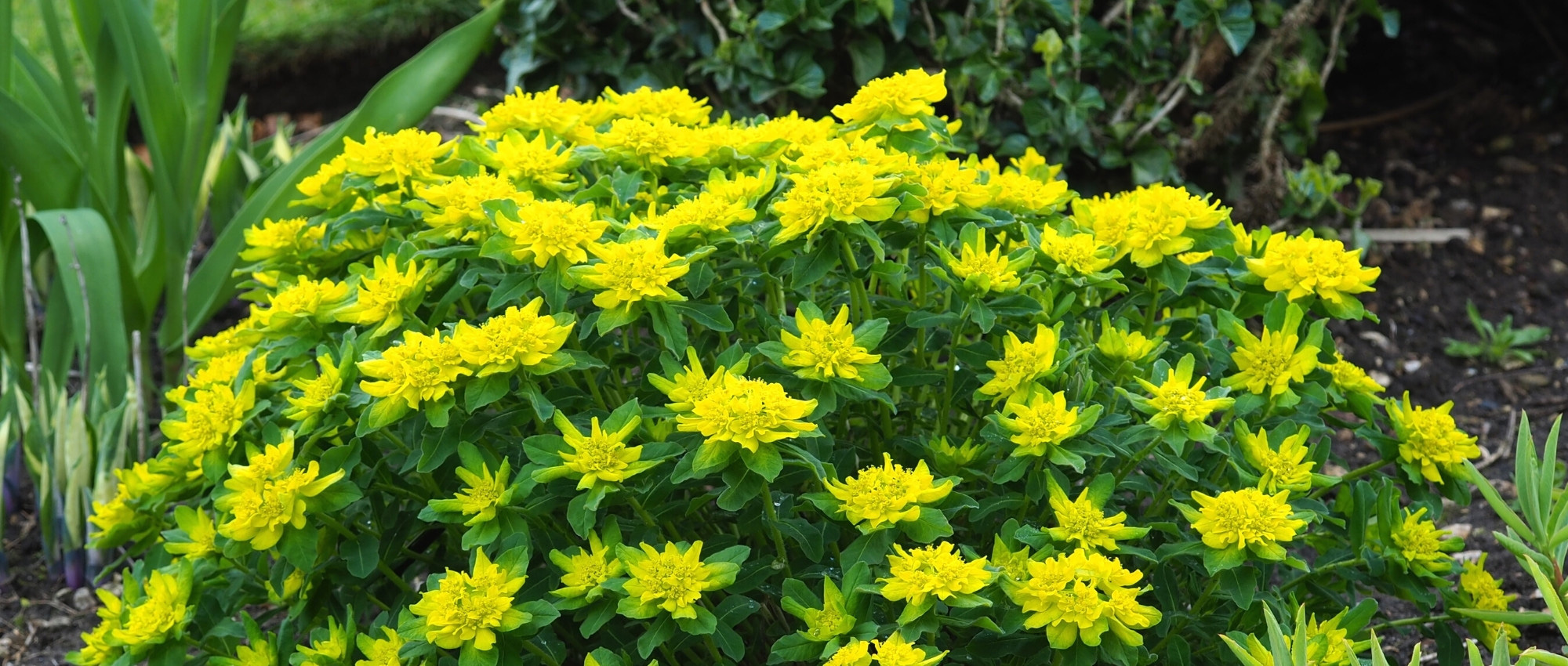
The Euphorbia polychroma, also known as Polychrome Spurge, forms a pretty, round, spreading and bushy shrub, offering a solar flowering in spring, chrome yellow, above a sometimes purple-marked, hairy, very soft, bluish-green foliage. This perennial of medium size is very hardy and easy to grow in a not too dry, porous soil. It is indispensable to brighten up a slightly shaded area, in a rock garden or a border. It will thrive in full sun or partial shade.
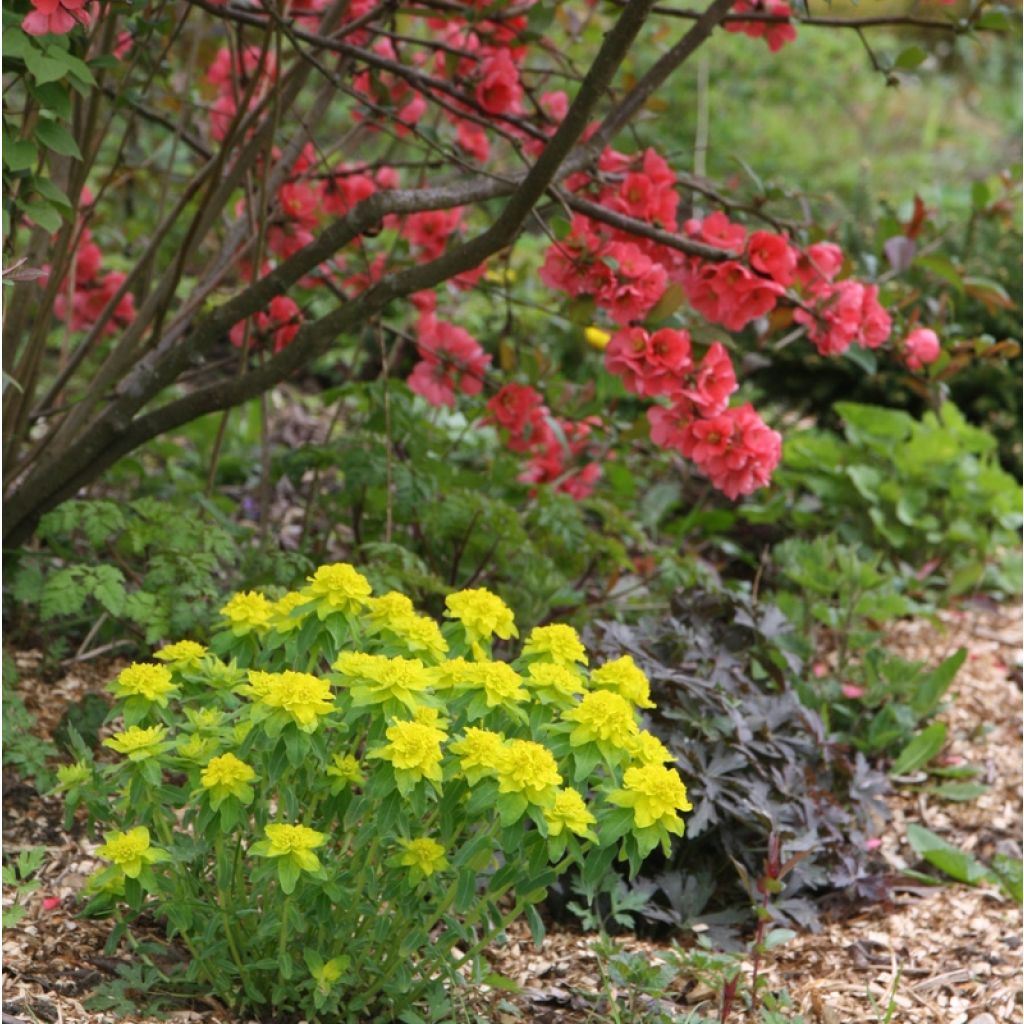
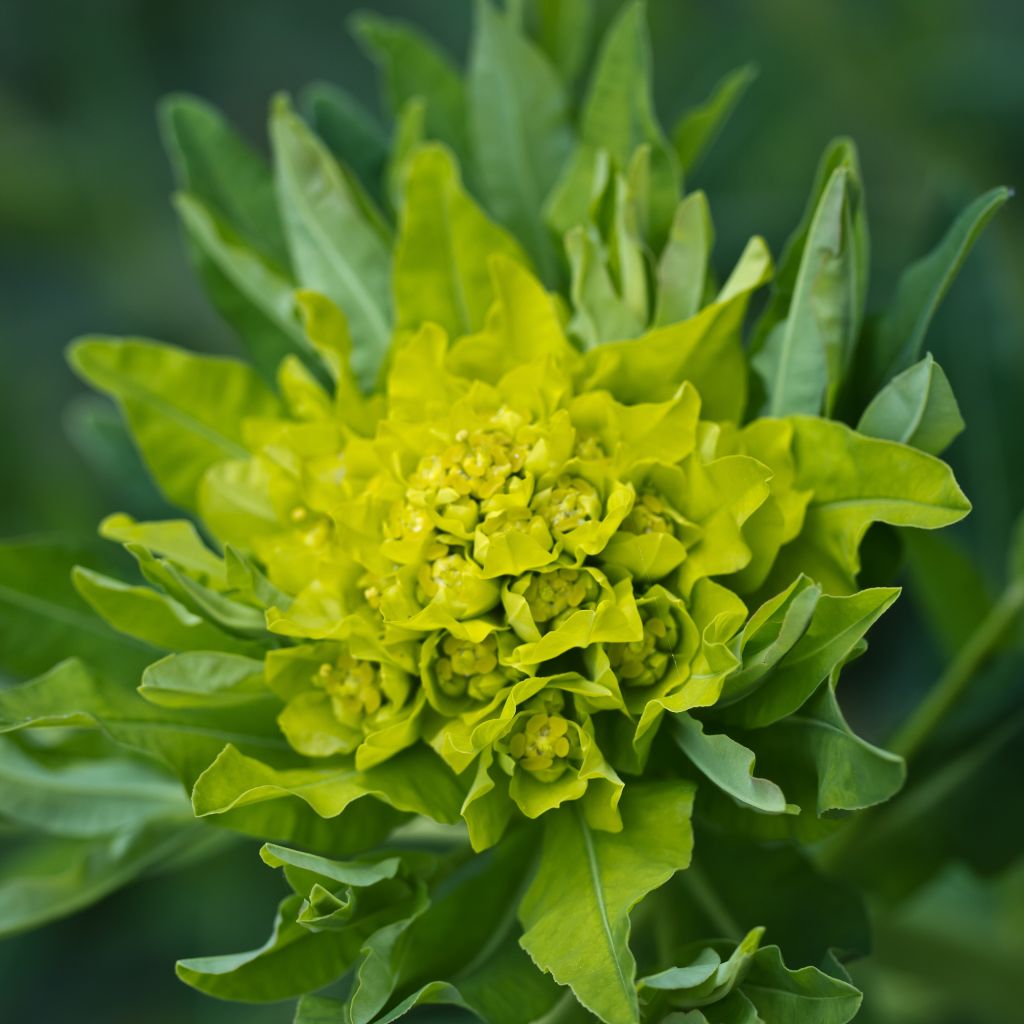
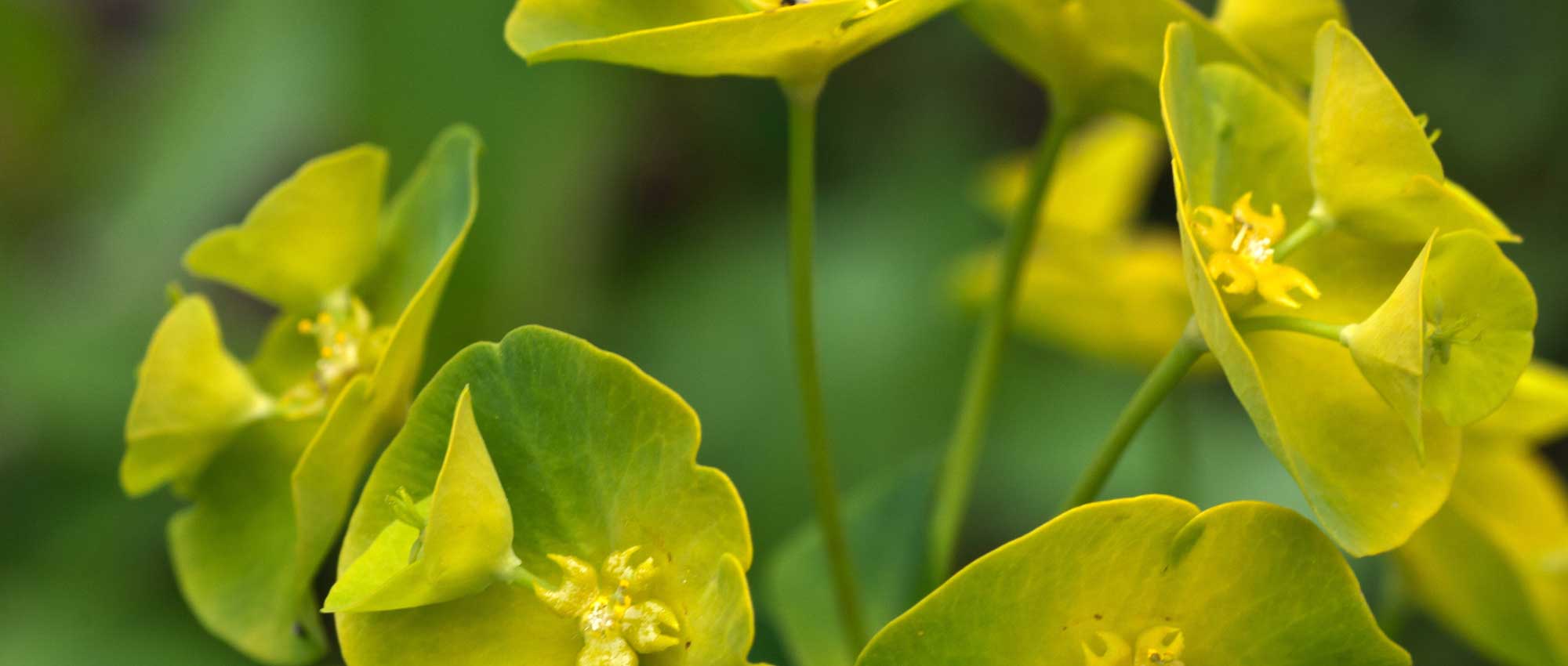
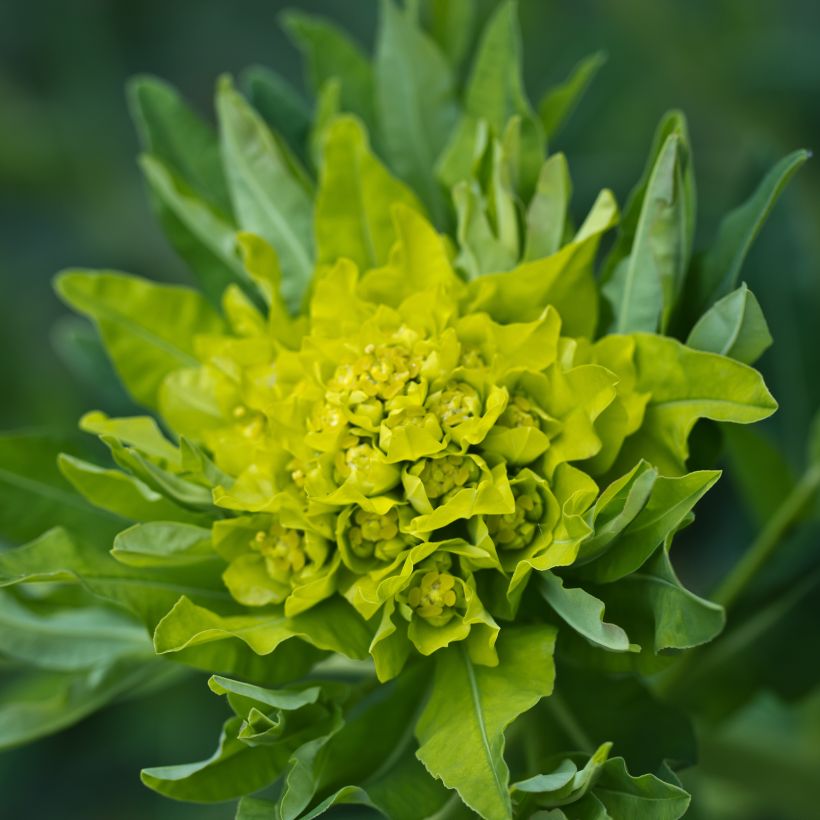
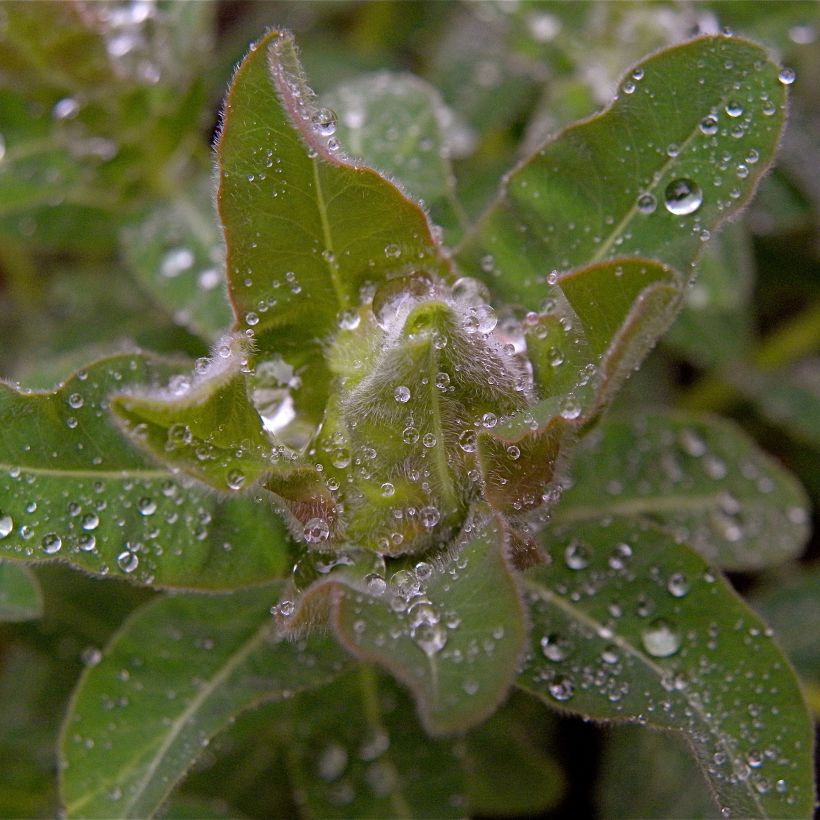
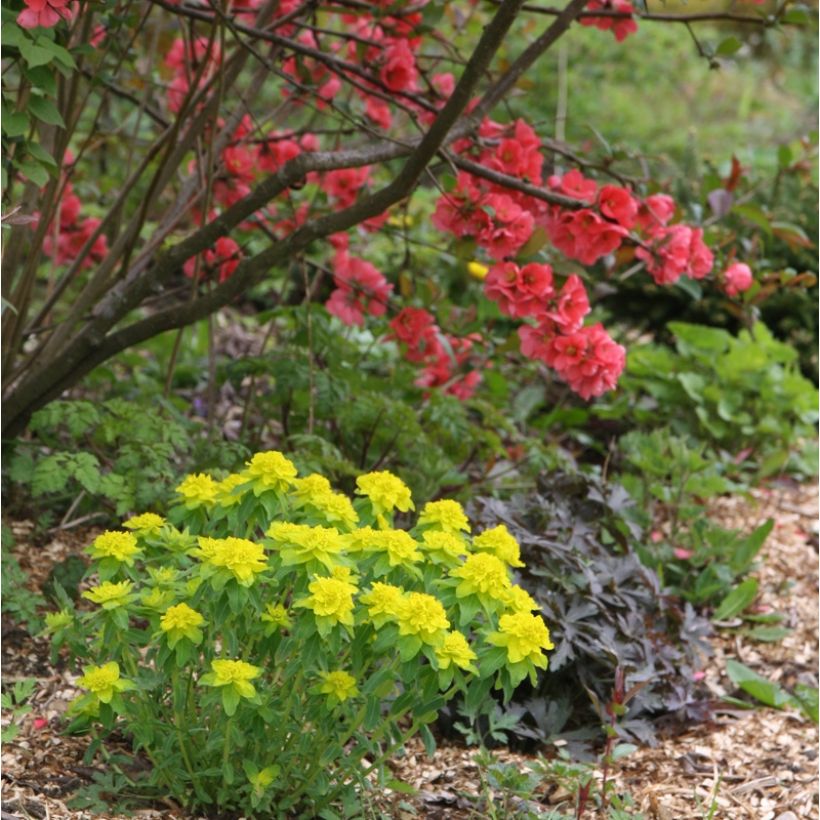
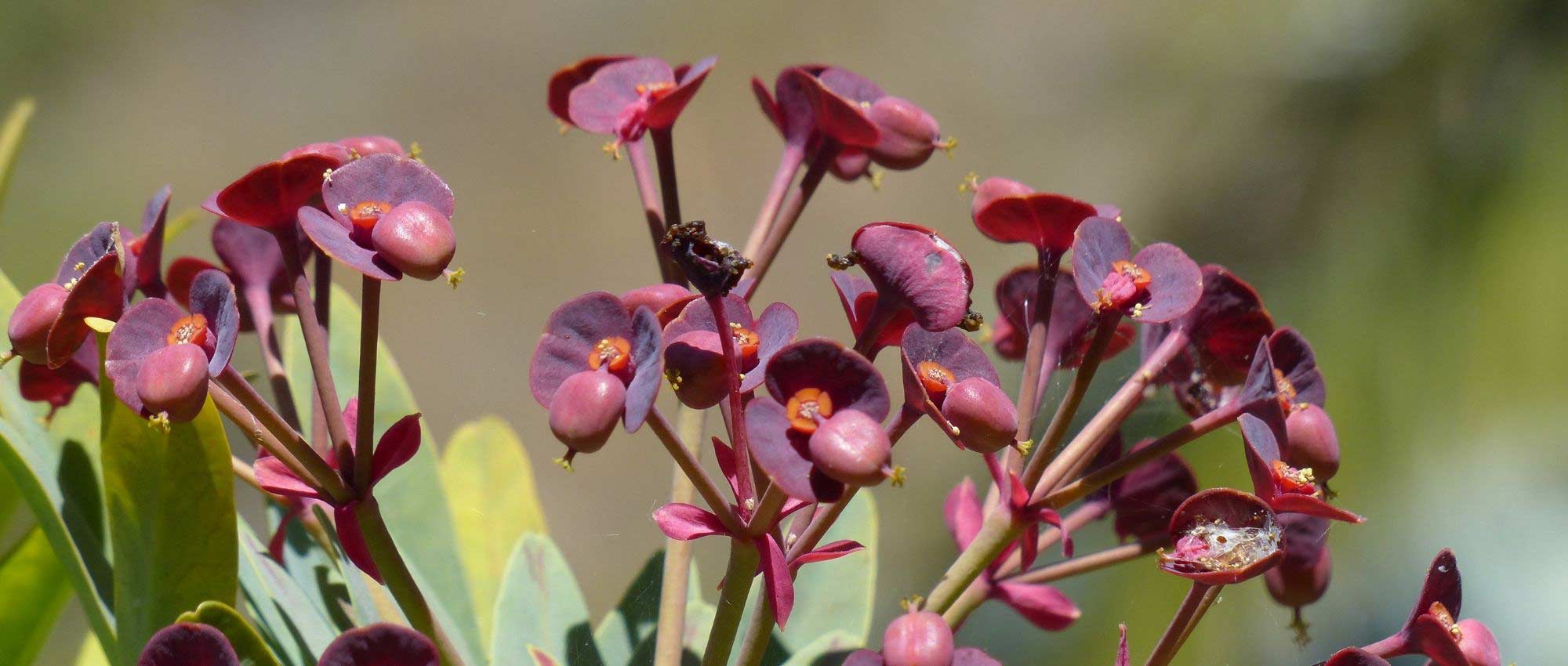
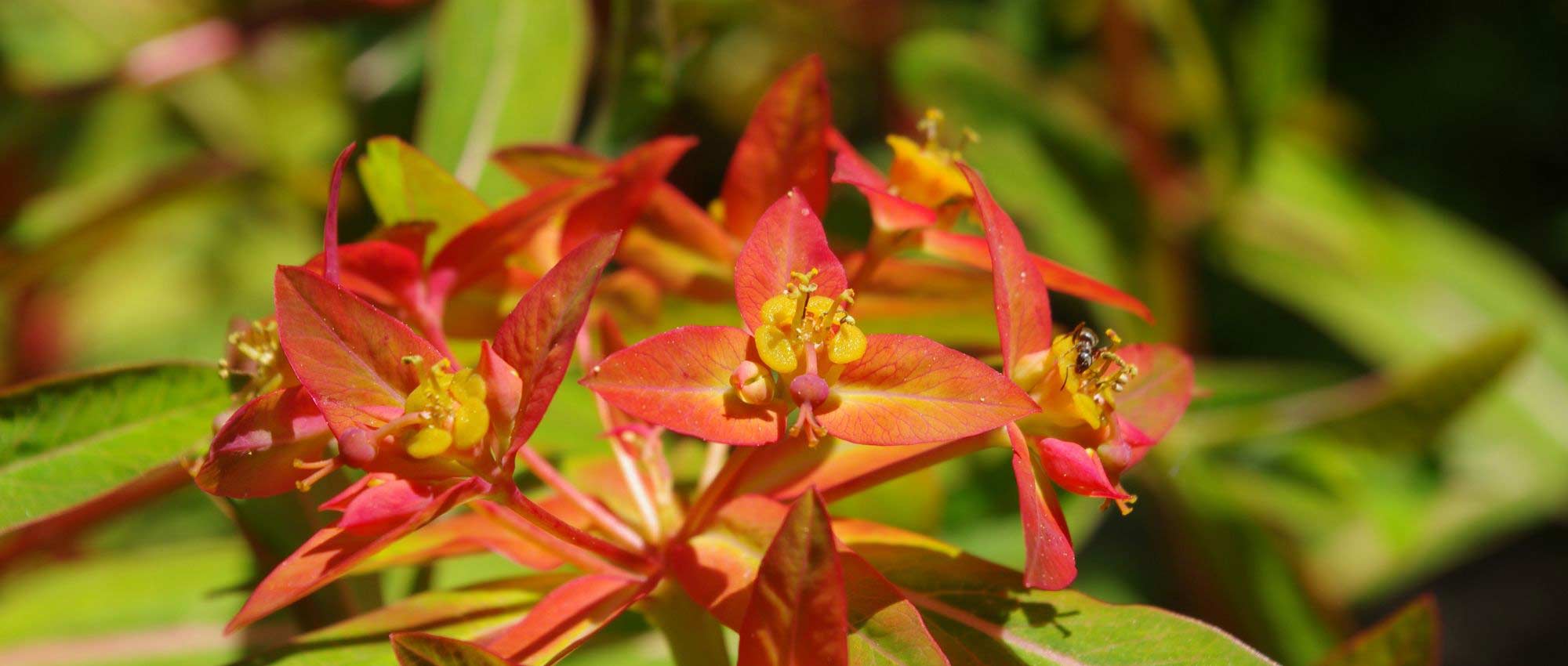
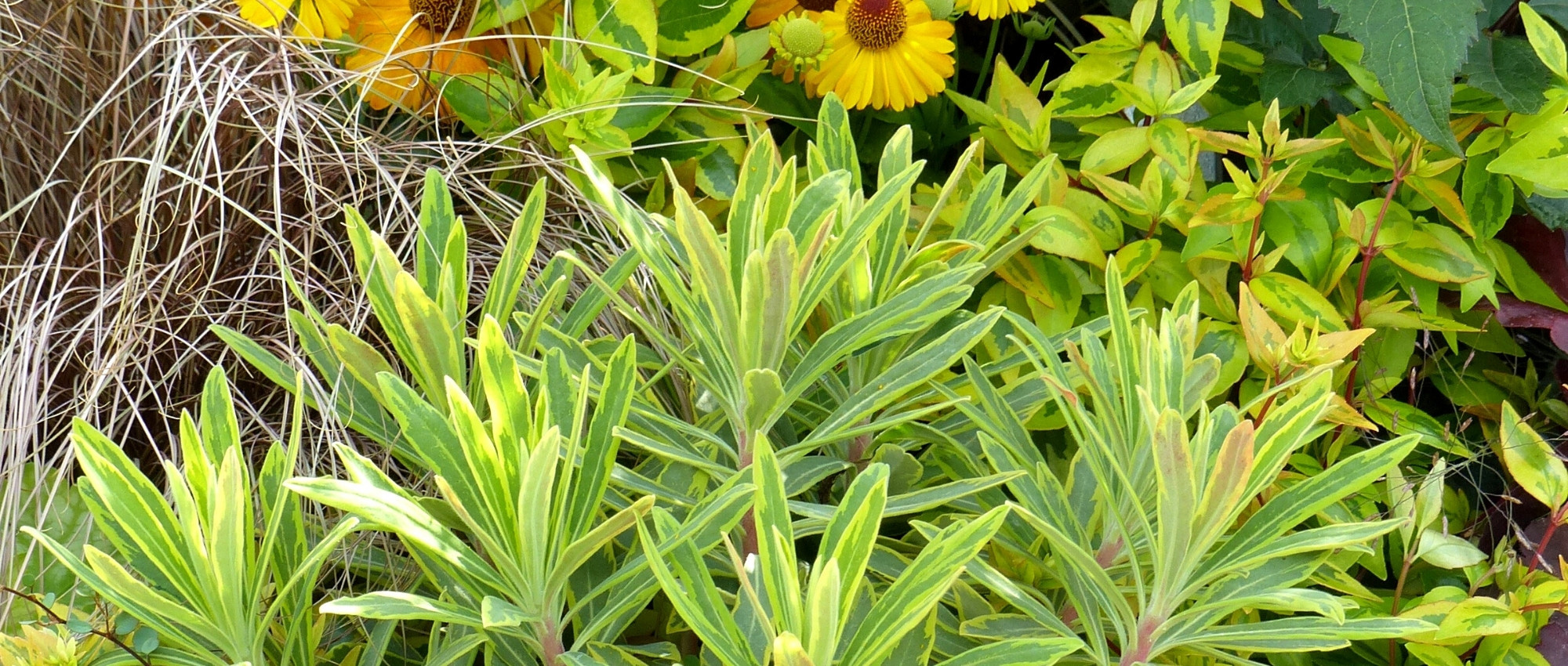
Polychrome Spurge is a deciduous perennial native to central and southern Europe. It belongs to the vast family of euphorbias. It presents itself as a spreading and bushy shrub, a little wider than high, occupying 40 cm (16in) by 50 cm (20in) on the ground. Its hairy stems bear ovate leaves measuring 5 cm (2in) long, of a striking bluish-green, sometimes tinged with purple and covered with small silky hairs. Flowering takes place in April-May, sometimes until June. The small flowers, surrounded by very bright yellow-green bracts make up an inflorescence of 4 to 8 cm (2 to 3in) in diameter appearing at the end of each hardy stem.
Polychrome Spurge is used in a border or in a mass planting, in sunny or partial shade conditions. Our advice is to associate it with brightly colored tulips, or on the contrary, white tulips, to give contrast to your flower beds. It can also be planted at the base of bushes and among perennials that flower at the same time, such as Columbine, Phlox divaricata, Bellflower, Geranium phaeum, Deadnettle, Bugleweed, Horned Violet, and many others. An association with purple foliage like that of Cotinus coggygria 'Royal Purple', or Prunus cistena, is interesting, as well as a marriage with the blue flowers of Ceanothus, Caryopteris clandonensis 'Grand Bleu' or Ceratostigma willmotianum. Note that this plant, although it prefers a bit of moisture at its roots, occasionally tolerates drought.
With about 8000 species, it is one of the richest genera on the planet. Few of them can acclimate in the garden, but rest assured, there is something to satisfy both the most demanding collector and the amateur who wants to garden without worries with perennial and hardy euphorbias for shade or sun, cool or hot, dry or wet. You just have to choose well.
Euphorbia polychroma - Spurge in pictures
Flowering
Foliage
Plant habit
Safety measures
Botanical data
Euphorbia
polychroma
Euphorbiaceae
Cushion Spurge
Central Europe
atteintescutaneomuqueuses
Cette plante peut provoquer l'apparition de réactions cutanées indésirables, une atteinte des yeux, ou des difficultés respiratoires si elle est ingérée.
Ne la plantez pas là où de jeunes enfants peuvent évoluer. Evitez tout contact avec la peau: privilégiez l'emploi de gants pour la manipuler. En cas de contact, lavez-vous soigneusement les mains et rincez abondamment à l'eau la zone concernée. Lavez les vêtements entrés en contact. En cas de réaction cutanée, contactez votre médecin ou le centre antipoison le plus proche de chez vous. En cas d'atteinte étendue ou de difficultés respiratoires, appelez immédiatement le 15 ou le 112.Pensez à conserver l'étiquette de la plante, à la photographier ou à noter son nom, afin de faciliter le travail des professionnels de santé.
Davantage d'informations sur https://plantes-risque.info
Planting and care
Plant the polychrome spurge in spring or autumn, in ordinary soil, rather moist, very porous and well-drained, sandy and fairly rich in humus. This perennial plant nevertheless tolerates drought quite well. Choose a preferably semi-shaded exposure, as it prefers, and the bright yellow of its flowers will stand out better there. Its hardiness is excellent, below -15°C (5°F). Cut the faded stems to promote the emergence of new superb foliage. Be careful, the stems contain a latex that is irritating to the skin. It is better to protect yourself by wearing gloves.
Planting period
Intended location
Care
Planting & care advice


-
, onOrder confirmed
Reply from on Promesse de fleurs
Recently viewed products
Haven't found what you were looking for?
Hardiness is the lowest winter temperature a plant can endure without suffering serious damage or even dying. However, hardiness is affected by location (a sheltered area, such as a patio), protection (winter cover) and soil type (hardiness is improved by well-drained soil).
In temperate climates, pruning of spring-flowering shrubs (forsythia, spireas, etc.) should be done just after flowering.
Pruning of summer-flowering shrubs (Indian Lilac, Perovskia, etc.) can be done in winter or spring.
In cold regions as well as with frost-sensitive plants, avoid pruning too early when severe frosts may still occur.
The harvesting period indicated on our website applies to countries and regions in USDA zone 8 (France, England, Ireland, the Netherlands).
In colder areas (Scandinavia, Poland, Austria...) fruit and vegetable harvests are likely to be delayed by 3-4 weeks.
In warmer areas (Italy, Spain, Greece, etc.), harvesting will probably take place earlier, depending on weather conditions.
The sowing periods indicated on our website apply to countries and regions within USDA Zone 8 (France, UK, Ireland, Netherlands).
In colder areas (Scandinavia, Poland, Austria...), delay any outdoor sowing by 3-4 weeks, or sow under glass.
In warmer climes (Italy, Spain, Greece, etc.), bring outdoor sowing forward by a few weeks.
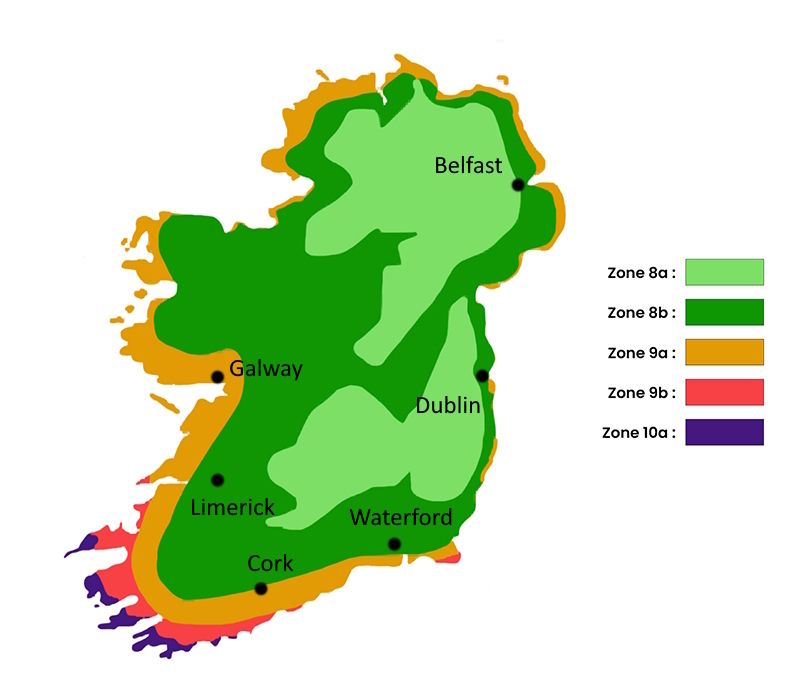
The planting period indicated on our website applies to regions in USDA Zone 9a (East Coast and Midlands: Dublin, Wexford, Waterford, Kilkenny, Portlaoise). It will vary depending on where you live:
- On the west coast and in the north-west (Galway, Limerick, Sligo, Donegal, Westport), delay planting by 1 to 2 weeks in spring and bring it forward by 1 to 2 weeks in autumn compared to the dates given, preferably choosing periods without strong winds.
- In the inland hills and plateaus (Wicklow Mountains, Macgillycuddy’s Reeks, Connemara, Killarney), it is best to plant in spring (April–May) or autumn (September–October), avoiding periods of waterlogged soil in winter and strong winds, which pose the main risk to newly planted trees in these areas.
The flowering period indicated on our website applies to regions in USDA Zone 9a, such as the East Coast and Midlands, including Dublin, Wexford, Waterford, Kilkenny and Portlaoise.
This will vary depending on where you live:
- On the west coast and in the northwest (Galway, Limerick, Sligo, Donegal and Westport), it will be delayed by one to two weeks compared to the given dates, due to stronger Atlantic winds and less spring sunshine.
- In the inland hills and plateaus (the Wicklow Mountains, the Macgillycuddy's Reeks, Connemara and Killarney), flowering will be delayed by two to three weeks. Flowering mainly occurs between May and July, with the limiting factors being less frost and more of the excessive humidity, strong winds and lack of sunshine that are characteristic of these areas.
Shipping country and language
Your country of residence may be:
Your country of residence is:
For a better user experience on our website, you can select:
Your shipping country:
-
 Austria
-
 Belgium
-
 Bosnia & Herzegovina
-
 Bulgaria
-
 Croatia
-
 Cyprus
-
 Czechia
-
 Denmark
-
 Estonia
-
 Finland
-
 France
-
 Germany
-
 Greece
-
 Hungary
-
 Iceland
-
 Ireland
-
 Italy
Italy
-
 Latvia
-
 Liechtenstein
-
 Lithuania
-
 Luxembourg
-
 Malta
Malta
-
 Netherlands
-
 Poland
-
 Portugal
-
 Romania
-
 Serbia
-
 Slovakia
-
 Slovenia
-
 Spain
Spain
-
 Sweden
-
 Switzerland
Language:
-
French
-
 English
-
Spanish
-
Italian
-
German
-
Portuguese
-
Dutch
-
Finnish
My Account
Hello
My wish lists
My cart
Log in / Register
Existing customer?
This form is protected by reCAPTCHA - the Google Privacy Policy and Terms of Service apply.
New customer?
Create an account to track your orders, access our customer service and, if you wish, make the most of our upcoming offers.