Prunus avium Bigarreau Jaune de Missens - Cherry Tree
Prunus avium Bigarreau Jaune de Missens - Cherry Tree
Prunus avium Bigarreau Jaune de Missens - Cherry Tree
Prunus avium Bigarreau Jaune de Missens - Cherry Tree
Prunus avium Bigarreau Jaune de Missens - Cherry Tree
Prunus avium Bigarreau Jaune de Missens
Wild Cherry, Sweet Cherry, Bird Cherry
Back-to-school special offer!
Get €10 off for every €50 you spend! And get up to €40 off on a single order.
How does it work?
1. Shop your favourites
Add your favourite plants to your basket. For every €50 you spend (excluding delivery charges, store credit and the plastic-free option), you’ll receive a €10 voucher.
€50 spent = €10 voucher
€100 spent = €20 voucher
€150 spent = €30 voucher
€200 spent = €40 voucher
2. Place your order
Once your basket reaches one of the spending thresholds, place your order. You can even choose your delivery date!
3. Receive your voucher
As soon as your order has been shipped, you’ll receive an email containing your personal voucher code and its value.
4. Use it on your next order
Your voucher is valid for 90 days from the date you receive it. It can be used once only, on a new order worth at least the value of the voucher, excluding delivery charges.
Please note: Vouchers can be combined with other offers, but cannot be split or refunded.
Home or relay delivery (depending on size and destination)
Important: You may be charged customs duties by your country’s customs authorities upon delivery.
Schedule delivery date,
and select date in basket
This plant carries a 12 months recovery warranty
More information
We guarantee the quality of our plants for a full growing cycle, and will replace at our expense any plant that fails to recover under normal climatic and planting conditions.
Description
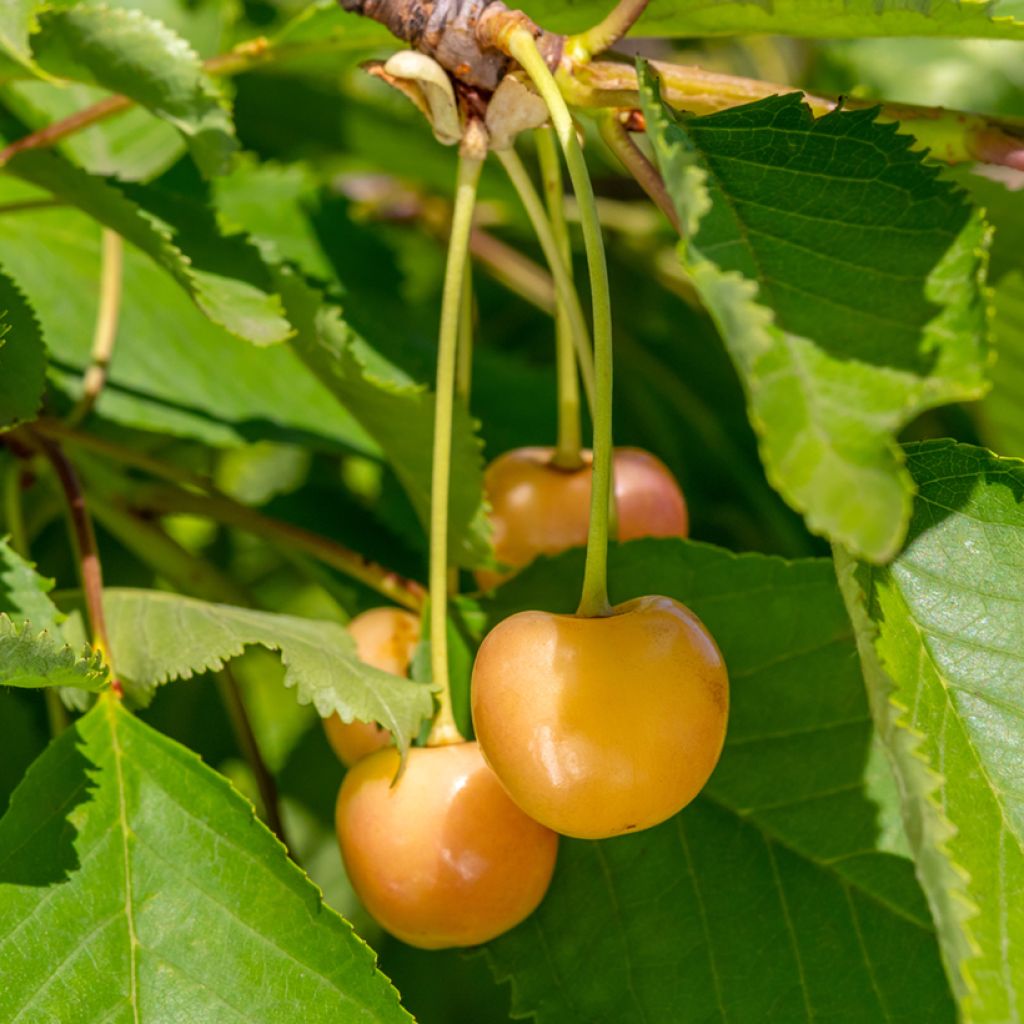
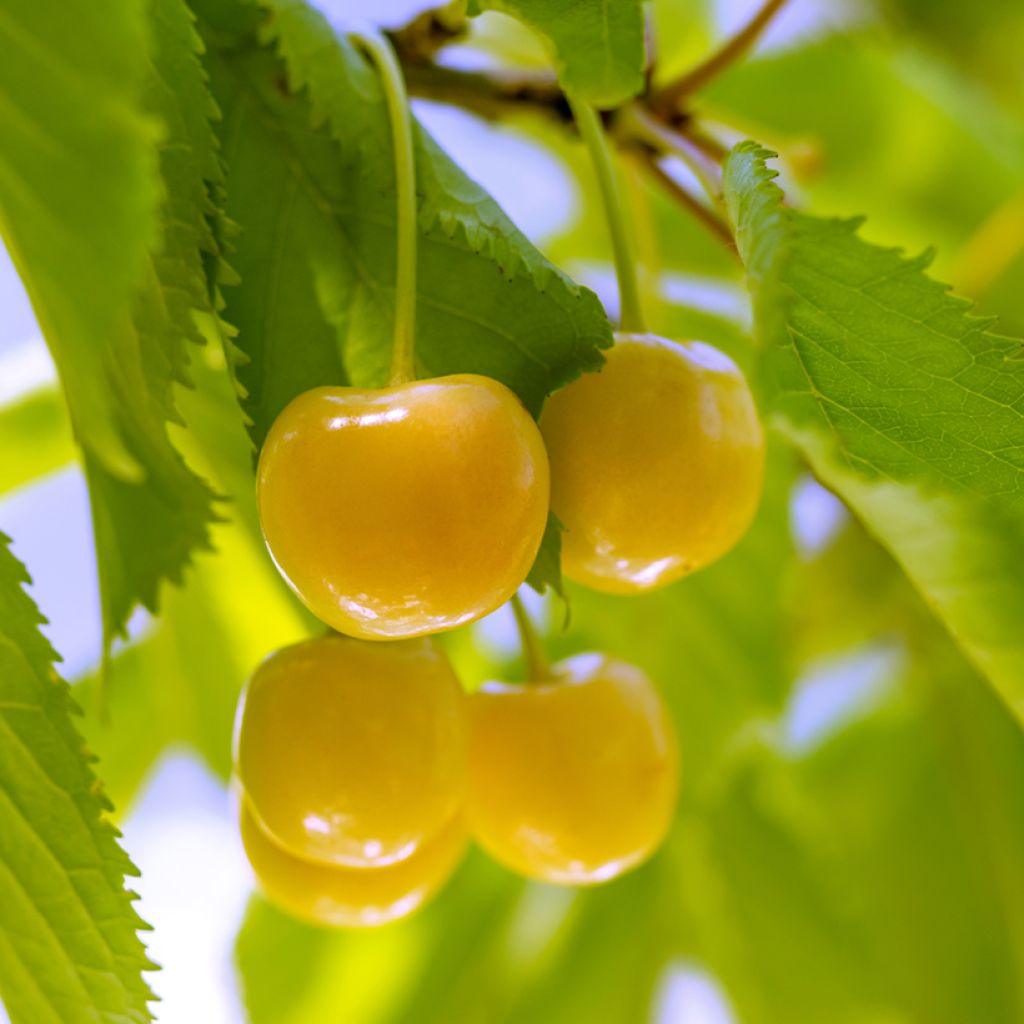
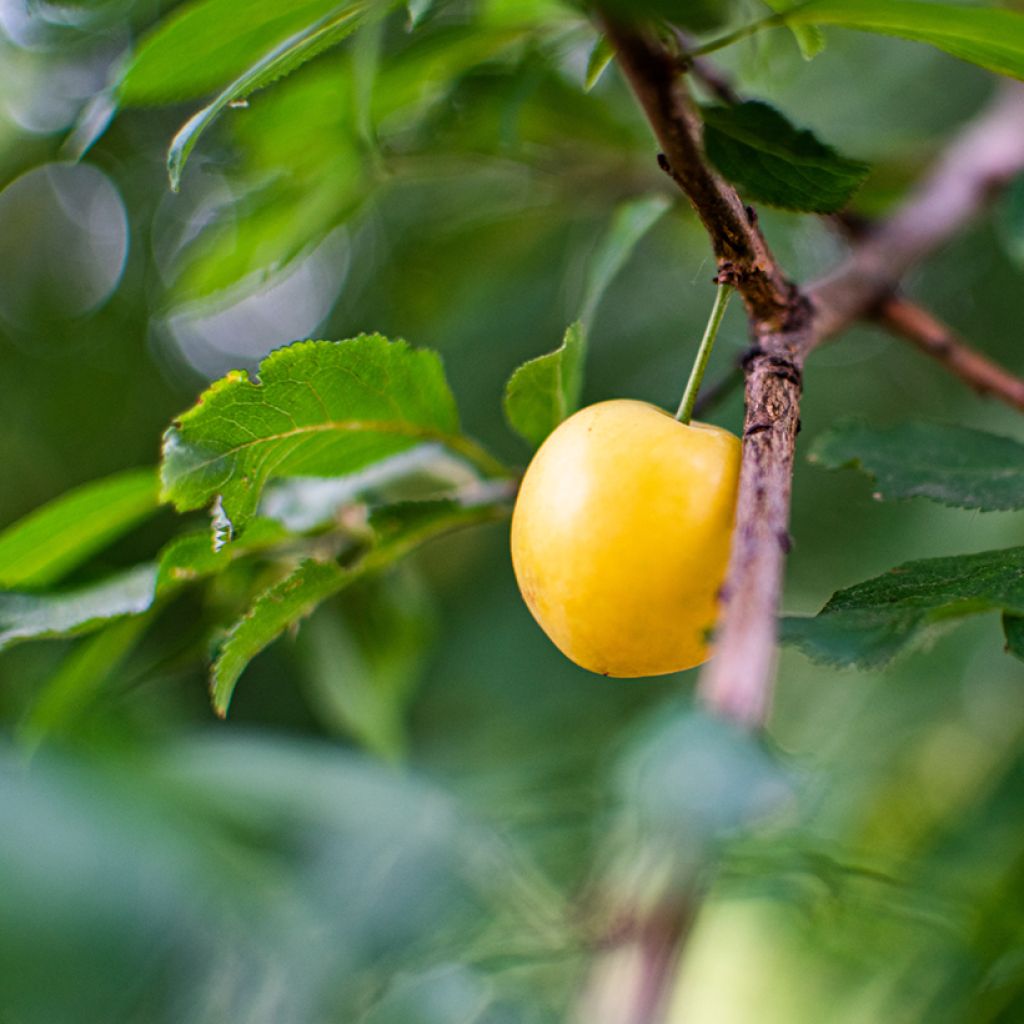
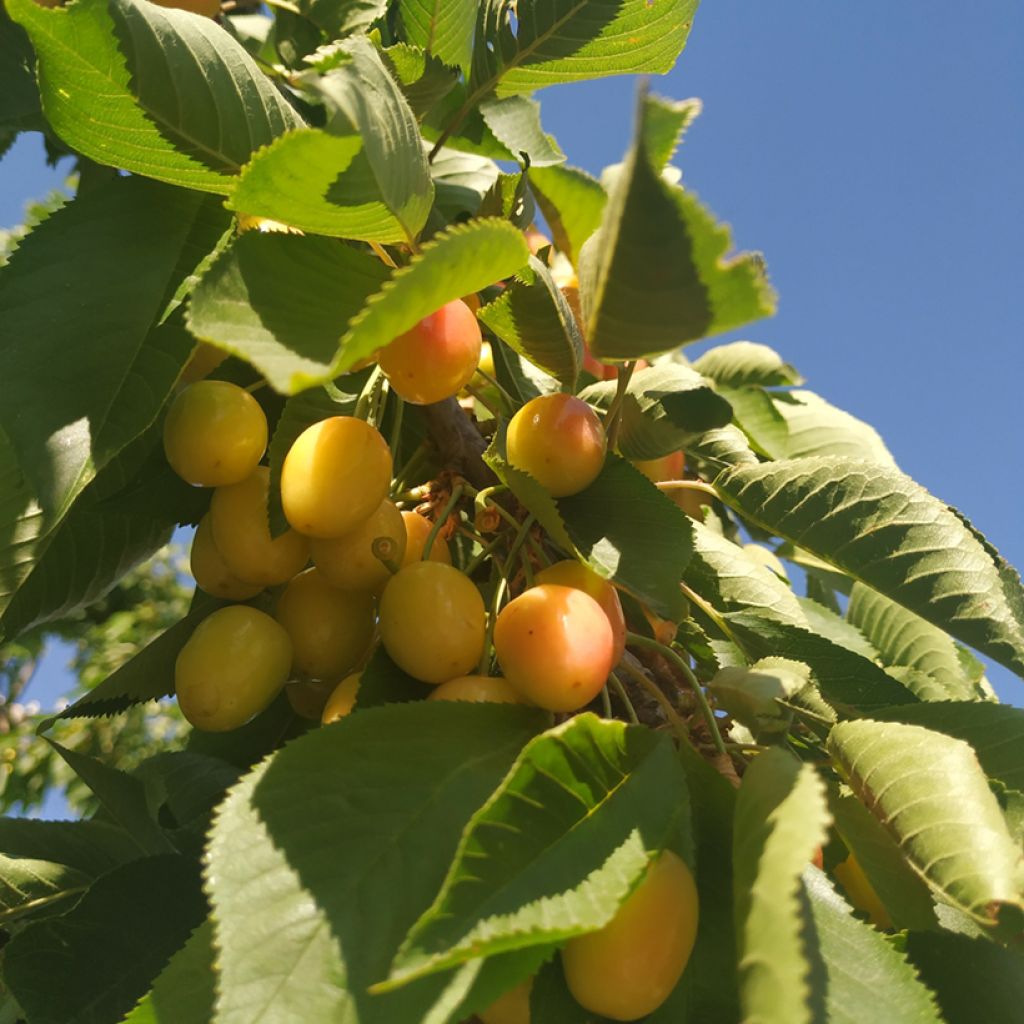
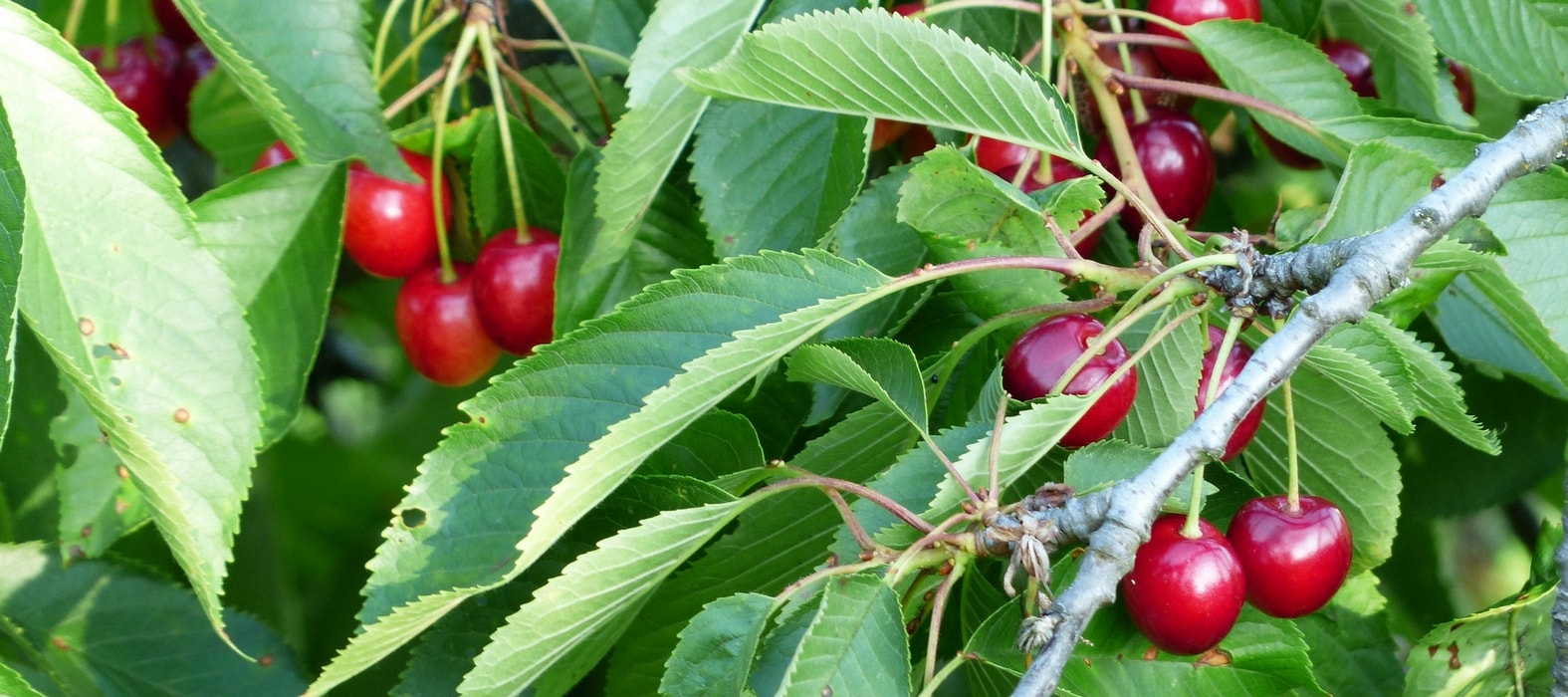
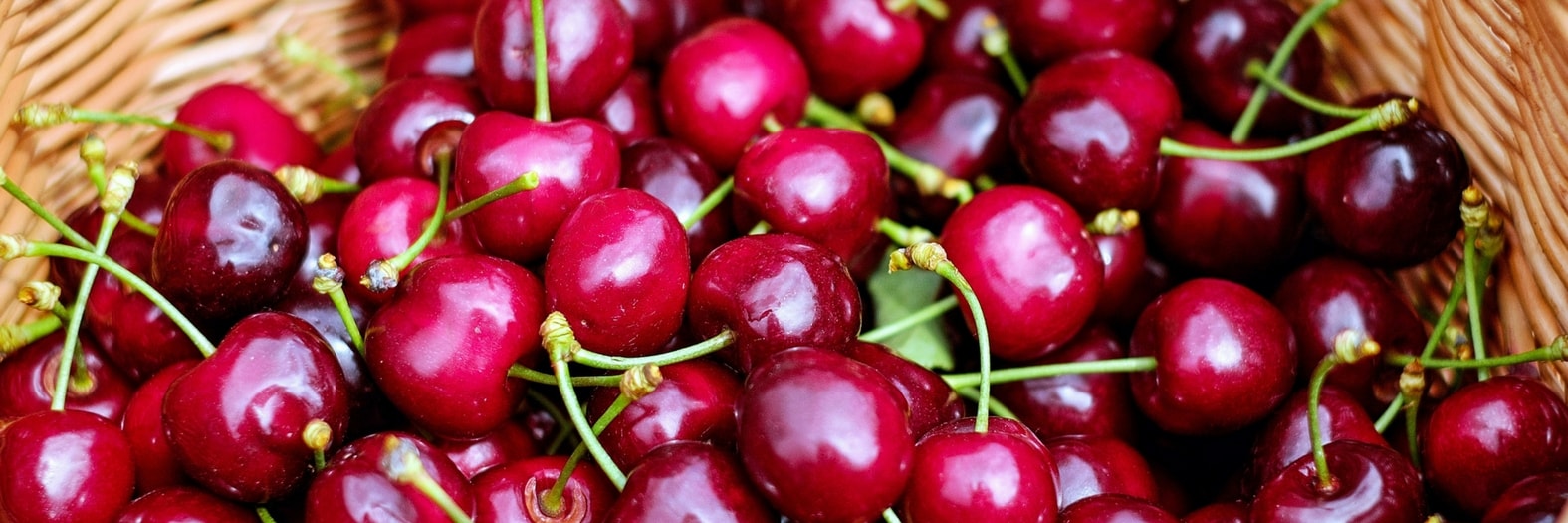
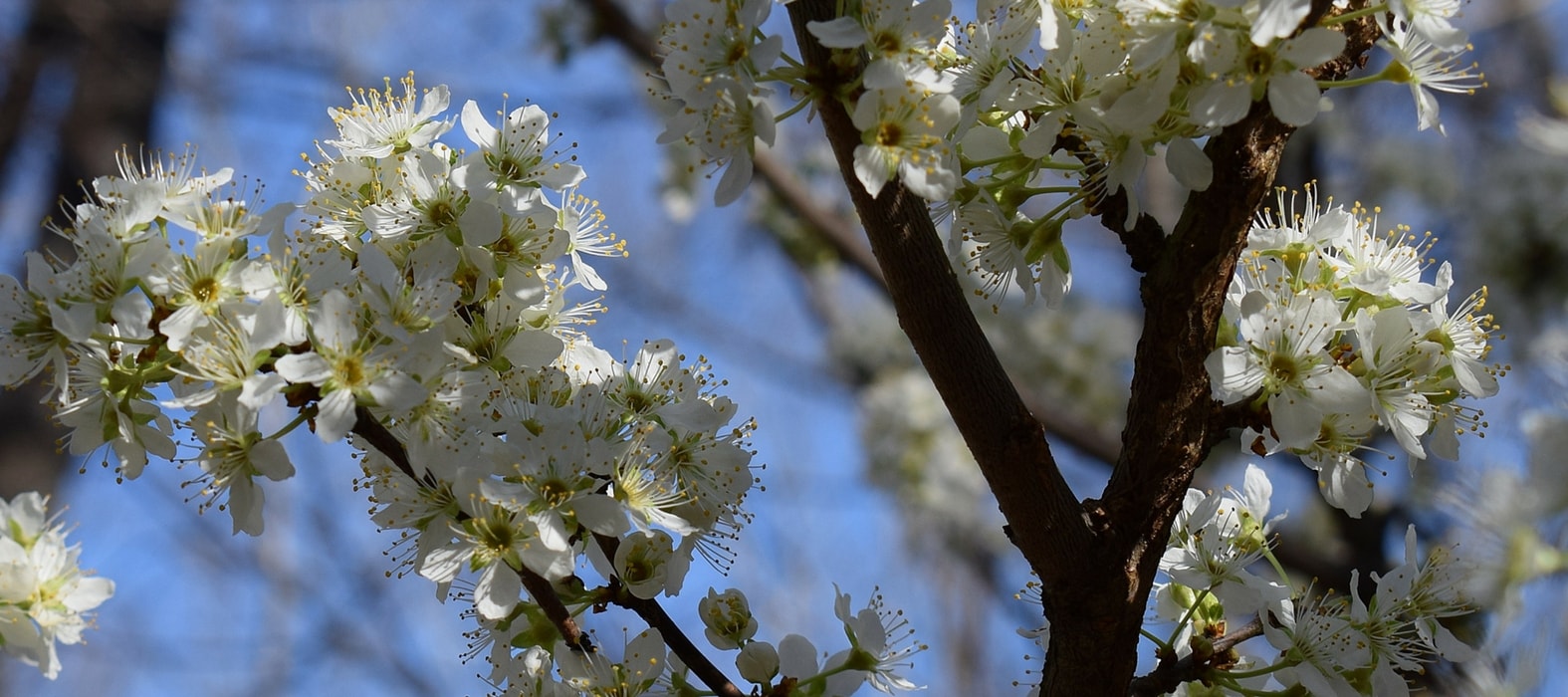
The Organic 'Missens Bigarreau' Cherry Tree is characterized by its beautiful yellow fruits that are much less attractive to birds, thus preserving the harvest. It produces a medium-sized bigarreau cherry, measuring 2 to 2.5cm (1in) in diameter, with a round shape and a fairly thick, shiny, golden yellow skin. The flesh is crisp, melting, juicy, sweet, and slightly acidic. A delicious fruit to pick straight from the tree. The harvest takes place from late June to mid-July, and the fruits can be consumed as soon as they are picked. This cherry tree displays intense and early flowering, offering a very remarkable spring spectacle. Its spreading, ornamental habit can provide shade in the summer. It is not very susceptible to diseases and requires minimal maintenance. Its good cold resistance and ability to grow in all types of soils, except for overly clayey soils, make it suitable for cultivation in many regions.
Plant from Organic Agriculture.
Prunus avium belongs to the Rosaceae family, like the Morello Cherry Tree (Prunus cerasus). Also known as Wild Cherry or Bird Cherry, it is native to Europe, Western Asia, and North Africa, and has been present in Europe since the Neolithic period (New Stone Age). In France, cultivation began in the Middle Ages, where it was appreciated for its fruits and wood. It was during the 17th century that it spread to the largest orchards in the country. In the 18th century, Louis XV encouraged and supported the discovery of new varieties.
The Yellow 'Missens Bigarreau' Cherry Tree forms a vigorous tree with a semi-erect silhouette that spreads with age, reaching approximately 5 to 6 metres (16 to 20 feet) in height and 3 to 5 metres (10 to 16 feet) in width when fully grown, producing numerous branches. The reddish wood is a characteristic feature of cherry tree families. Its habit is well-suited to free-form shapes on high or half standards and low goblet forms. The deciduous foliage is composed of large leaves measuring 6 to 8cm (2 to 3in) in length, alternate, obovate, irregularly toothed, and shiny green, turning brown-orange in autumn. The semi-late flowering occurs around mid-April, before the leaves appear, which can expose it to late spring frosts. The pure white flowers, measuring 2 to 3cm (1in) in diameter, are single and grouped in clusters. They can be destroyed by frost at temperatures ranging from -2 to -3°C, so it is recommended to plant cherry trees in sheltered locations, facing west and protected from cold winds in regions that experience late frosts. Nevertheless, the very abundant flowering often leads to satisfactory fruiting. It is a remarkably decorative flowering tree in spring and particularly honey-producing and nectar-rich. A hardy tree that can withstand temperatures of around -20°C, it is suitable for cultivation in all regions, including at high altitudes. This cherry tree is self-sterile or self-incompatible, and its flowers cannot pollinate themselves. That is why the presence of other cherry tree varieties in close proximity, flowering at the same time, is necessary. For example, the varieties 'Burlat', 'Early Rivers', 'Hedelfingen', 'Stark Gold', 'Summit', 'Van' are suitable for cross-pollination, thereby increasing the number of fruits.
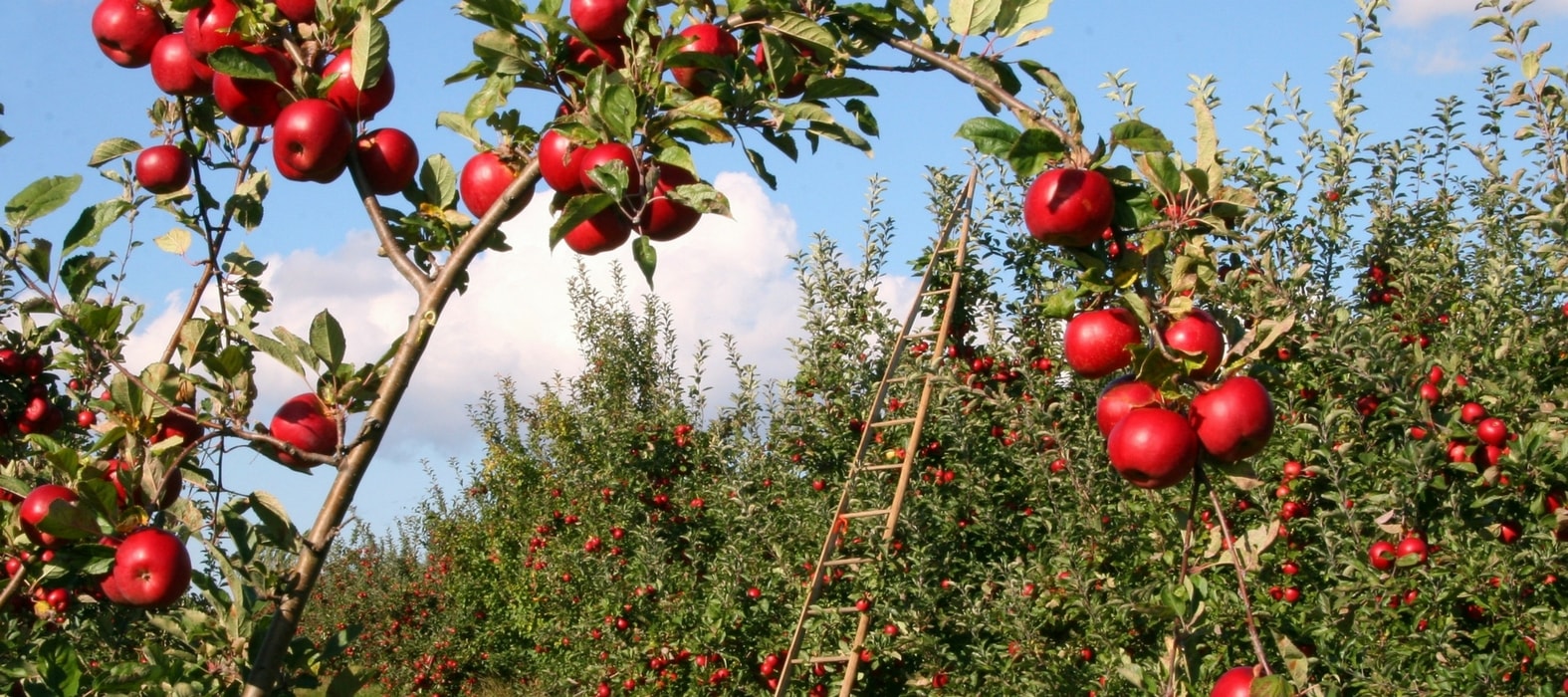
The Yellow 'Missens Bigarreau' Cherry Tree offers a harvest that can be more or less abundant depending on the year and may exhibit alternate bearing, allowing the tree to replenish its reserves. With a fairly rapid fruiting, around 3 to 4 years, fruit production becomes optimal after 6 to 7 years. An adult cherry tree (between 10 and 20 years old) produces an average of 25 to 50 kilos of fruits per year. The fruit is attached to the branch by a relatively short stalk measuring 3 to 4cm (1 to 2in) in length. The harvest begins in late June and extends into July. It is important to only pick the fruits when they are ripe, as they do not ripen further, and with their stalks to ensure good preservation. Cherries are quite fragile, so the harvest is done with a picking pole or manually using a ladder, but always with delicacy. Very juicy and sweet, this cherry is delicious when eaten raw. In cooking, it reveals all its flavours in the preparation of clafoutis, cakes, crumbles or pies, fruit salads, and as an accompaniment to savoury dishes based on white meats (turkey, chicken, veal, duck, etc.). They are also perfect for making jams, preserved in syrup, or canned.
Its content of vitamins A, C, and E, phenolic antioxidants, calcium, and copper, with a significant contribution of iron, its richness in trace elements and fibre, make cherries a health asset. The fruits can only be stored for a few days in a cool place or in the refrigerator. They can also be frozen once washed, dried, stemmed, and pitted.
Very popular, the cherry tree finds its place in the garden, planted on a lawn, in an orchard, or in an edible hedge. For the pleasure of young and old, among a wide range of cherry trees, it is easy to find the variety that best suits one's desires.
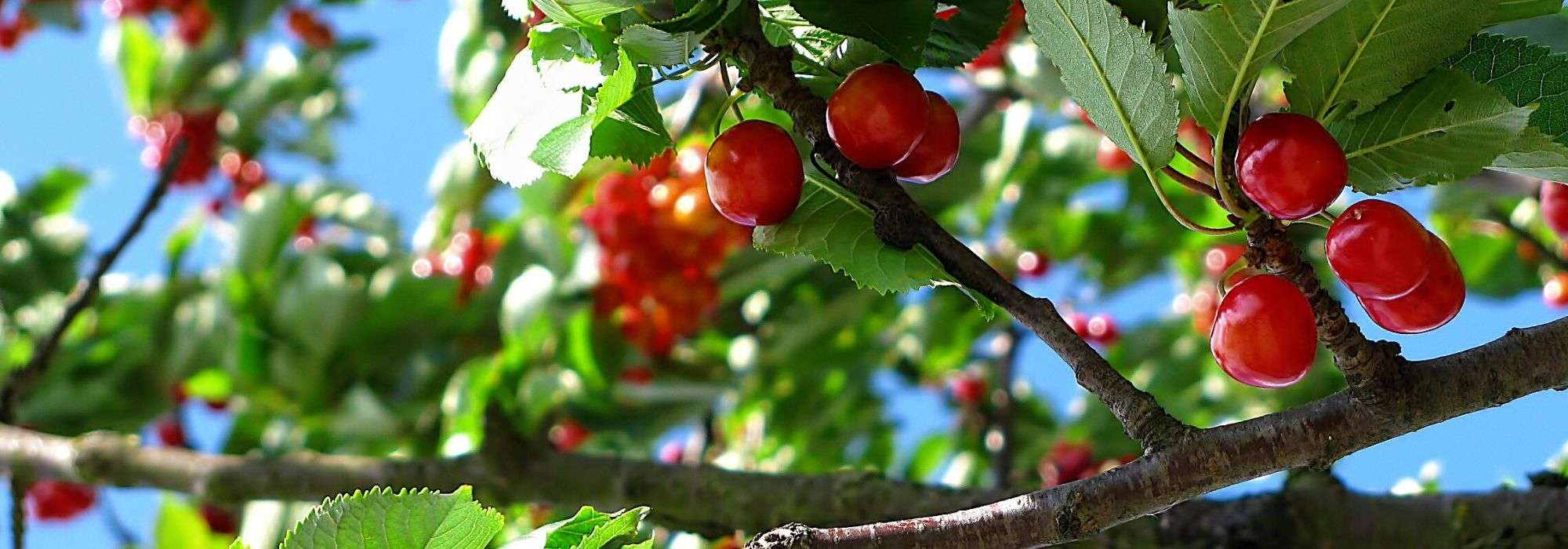
Prunus avium Bigarreau Jaune de Missens - Cherry Tree in pictures
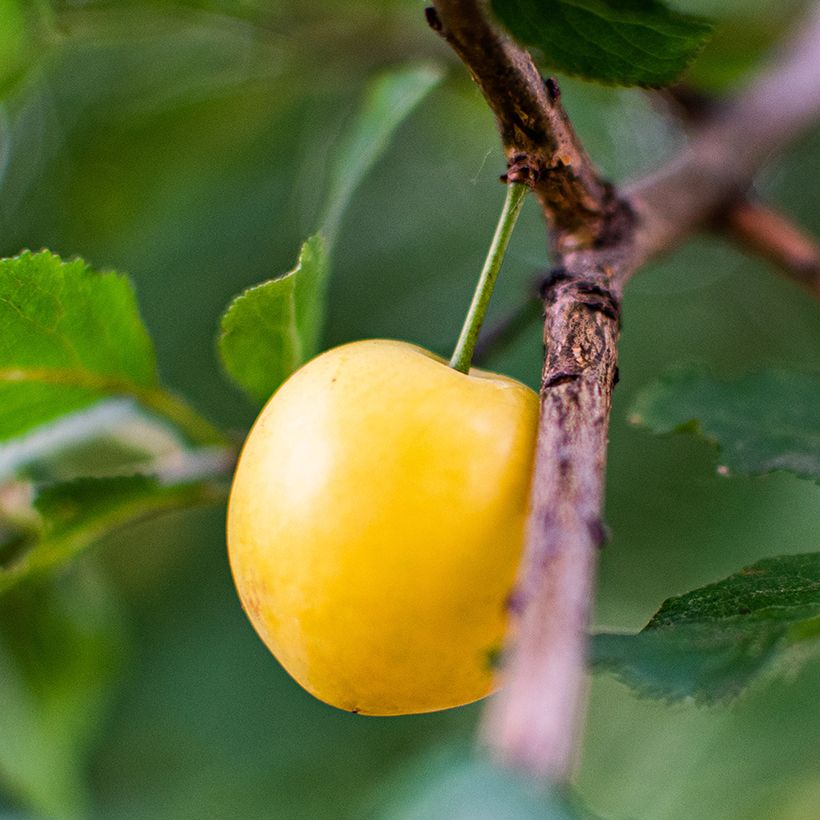
Plant habit
Fruit
Flowering
Foliage
Planting and care
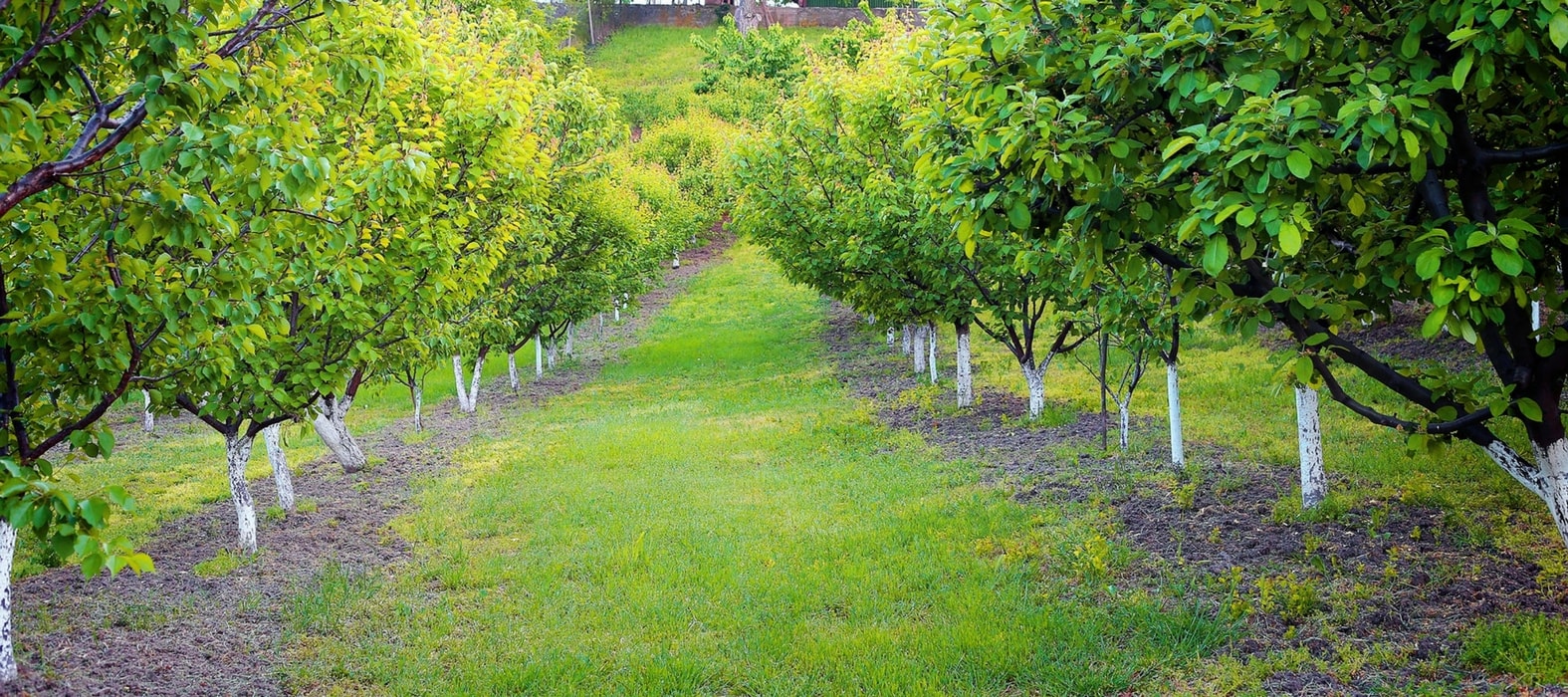
The Organic 'Missens Bigarreau' Cherry Tree grows in all types of soil, whether acid or chalky. It prefers fresh, light soils and is sensitive to heavy and clayey soils. Choose a sunny location. To limit the risk of late frost on the flowers, it is recommended to plant the Cherry Tree in a sheltered position, facing west and protected from cold winds in regions that experience spring frost. Planting is preferably done in autumn or alternatively in winter, outside the frost period. If you plant multiple trees, space them 7 to 10m (23 to 33ft) apart for "standard" cherry trees, 5 to 7m (16 to 23ft) apart for "half-standard" cherry trees, and 4 to 5m (13 to 16ft) apart for bush and spindle trees.
Loosen the soil deeply, remove stones and unwanted weeds. Add some sand to improve drainage. Dig a hole 4 to 5 times the volume of the root ball. Make sure to separate the subsoil from the topsoil. Mix crushed horn or well-rotted compost or potting soil with the subsoil and pour this mixture into the planting hole. Install a stake. Place the root ball, cover with the topsoil, and pack it down firmly. Water generously (about 10 litres). Position your tie system, crossing it in the shape of an 8, so that the trunk and stake do not rub against each other.
The cherry tree can be susceptible to various diseases and pests. To combat grey mould (velvety mould on fruits) and brown rot (wilting of flowers and rotting of fruits on the tree), remove and burn affected parts as a curative measure, and as a preventive measure, spray Bordeaux mixture or infusions of horsetail or garlic in early spring and autumn. To combat bacterial canker (wilting of flower clusters, brown spots, bark deformation), spray Bordeaux mixture. As for pests, the cherry fruit fly or fruit worm can be controlled preventively by installing yellow cardboard discs covered with glue in spring, or pheromone traps (trapping male insects), or a Drosophila trap, which can be easily made from a plastic bottle. In case of black aphid attack, spray a mixture of water and black soap or water and vegetable oil.
Planting period
Intended location
Care
Planting & care advice
-
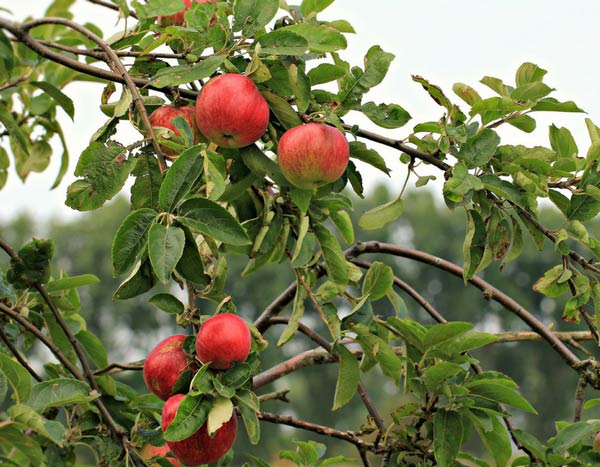
-
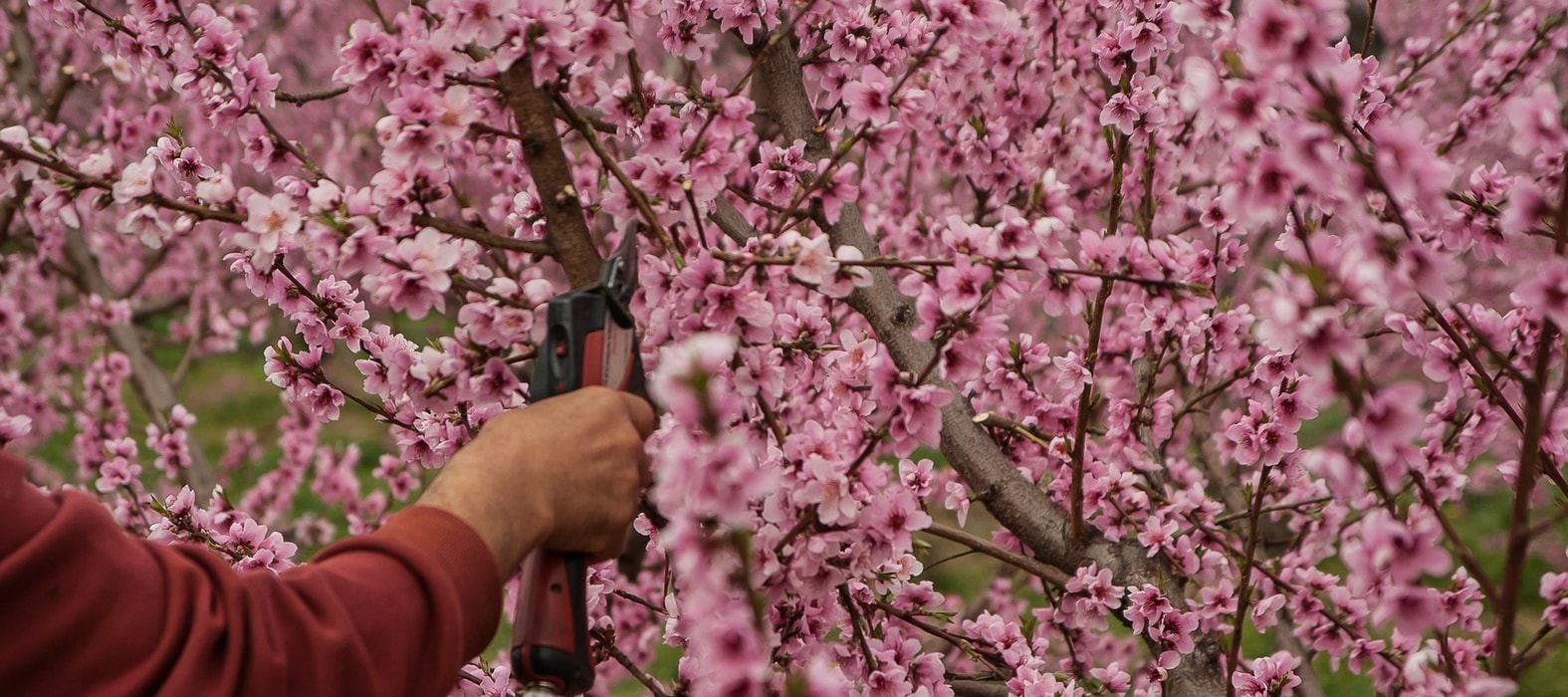
-
-
-
-
-
-
This item has not been reviewed yet - be the first to leave a review about it.
Recently viewed products
Haven't found what you were looking for?
Hardiness is the lowest winter temperature a plant can endure without suffering serious damage or even dying. However, hardiness is affected by location (a sheltered area, such as a patio), protection (winter cover) and soil type (hardiness is improved by well-drained soil).
In temperate climates, pruning of spring-flowering shrubs (forsythia, spireas, etc.) should be done just after flowering.
Pruning of summer-flowering shrubs (Indian Lilac, Perovskia, etc.) can be done in winter or spring.
In cold regions as well as with frost-sensitive plants, avoid pruning too early when severe frosts may still occur.
The harvesting period indicated on our website applies to countries and regions in USDA zone 8 (France, England, Ireland, the Netherlands).
In colder areas (Scandinavia, Poland, Austria...) fruit and vegetable harvests are likely to be delayed by 3-4 weeks.
In warmer areas (Italy, Spain, Greece, etc.), harvesting will probably take place earlier, depending on weather conditions.
The sowing periods indicated on our website apply to countries and regions within USDA Zone 8 (France, UK, Ireland, Netherlands).
In colder areas (Scandinavia, Poland, Austria...), delay any outdoor sowing by 3-4 weeks, or sow under glass.
In warmer climes (Italy, Spain, Greece, etc.), bring outdoor sowing forward by a few weeks.
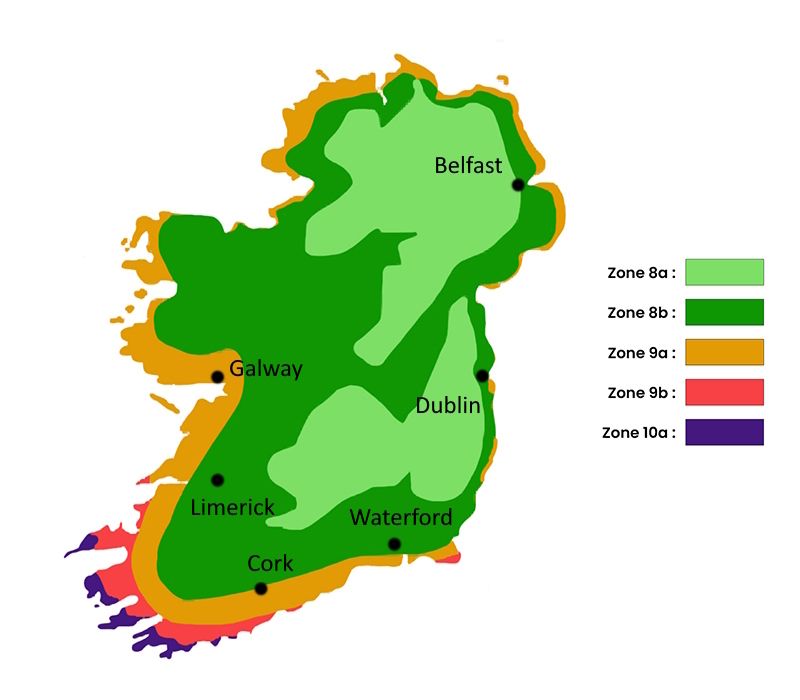
The planting period indicated on our website applies to regions in USDA Zone 9a (East Coast and Midlands: Dublin, Wexford, Waterford, Kilkenny, Portlaoise). It will vary depending on where you live:
- On the west coast and in the north-west (Galway, Limerick, Sligo, Donegal, Westport), delay planting by 1 to 2 weeks in spring and bring it forward by 1 to 2 weeks in autumn compared to the dates given, preferably choosing periods without strong winds.
- In the inland hills and plateaus (Wicklow Mountains, Macgillycuddy’s Reeks, Connemara, Killarney), it is best to plant in spring (April–May) or autumn (September–October), avoiding periods of waterlogged soil in winter and strong winds, which pose the main risk to newly planted trees in these areas.
The flowering period indicated on our website applies to regions in USDA Zone 9a, such as the East Coast and Midlands, including Dublin, Wexford, Waterford, Kilkenny and Portlaoise.
This will vary depending on where you live:
- On the west coast and in the northwest (Galway, Limerick, Sligo, Donegal and Westport), it will be delayed by one to two weeks compared to the given dates, due to stronger Atlantic winds and less spring sunshine.
- In the inland hills and plateaus (the Wicklow Mountains, the Macgillycuddy's Reeks, Connemara and Killarney), flowering will be delayed by two to three weeks. Flowering mainly occurs between May and July, with the limiting factors being less frost and more of the excessive humidity, strong winds and lack of sunshine that are characteristic of these areas.
Shipping country and language
Your country of residence may be:
Your country of residence is:
For a better user experience on our website, you can select:
Your shipping country:
-
 Austria
-
 Belgium
-
 Bosnia & Herzegovina
-
 Bulgaria
-
 Croatia
-
 Cyprus
-
 Czechia
-
 Denmark
-
 Estonia
-
 Finland
-
 France
-
 Germany
-
 Greece
-
 Hungary
-
 Iceland
-
 Ireland
-
 Italy
Italy
-
 Latvia
-
 Liechtenstein
-
 Lithuania
-
 Luxembourg
-
 Malta
Malta
-
 Netherlands
-
 Poland
-
 Portugal
-
 Romania
-
 Serbia
-
 Slovakia
-
 Slovenia
-
 Spain
Spain
-
 Sweden
-
 Switzerland
Language:
-
French
-
 English
-
Spanish
-
Italian
-
German
-
Portuguese
-
Dutch
-
Finnish
My Account
Hello
My wish lists
My cart
Log in / Register
Existing customer?
This form is protected by reCAPTCHA - the Google Privacy Policy and Terms of Service apply.
New customer?
Create an account to track your orders, access our customer service and, if you wish, make the most of our upcoming offers.