Apple Tree Ananas Berżenicki - Malus domestica
Apple Tree Ananas Berżenicki - Malus domestica
Malus domestica (syn. communis ou pumila) Ananas Berżenicki
Apple, Domestic apple
Back-to-school special offer!
Get €10 off for every €50 you spend! And get up to €40 off on a single order.
How does it work?
1. Shop your favourites
Add your favourite plants to your basket. For every €50 you spend (excluding delivery charges, store credit and the plastic-free option), you’ll receive a €10 voucher.
€50 spent = €10 voucher
€100 spent = €20 voucher
€150 spent = €30 voucher
€200 spent = €40 voucher
2. Place your order
Once your basket reaches one of the spending thresholds, place your order. You can even choose your delivery date!
3. Receive your voucher
As soon as your order has been shipped, you’ll receive an email containing your personal voucher code and its value.
4. Use it on your next order
Your voucher is valid for 90 days from the date you receive it. It can be used once only, on a new order worth at least the value of the voucher, excluding delivery charges.
Please note: Vouchers can be combined with other offers, but cannot be split or refunded.
Why not try an alternative variety in stock?
View all →
Available in 0 sizes
Available in 0 sizes
Available in 0 sizes
Available in 1 sizes
Available in 0 sizes
Available in 4 sizes
Available in 1 sizes
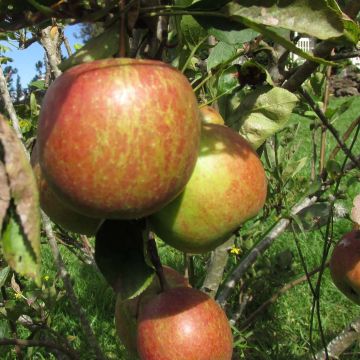
Available in 3 sizes
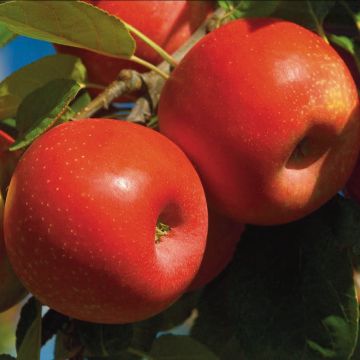
Available in 2 sizes
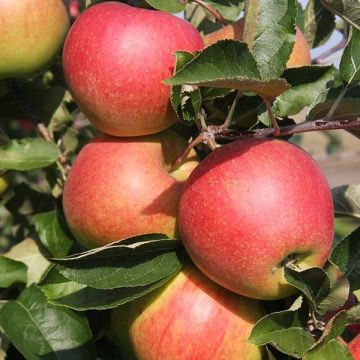
Available in 3 sizes
This plant carries a 12 months recovery warranty
More information
We guarantee the quality of our plants for a full growing cycle, and will replace at our expense any plant that fails to recover under normal climatic and planting conditions.
Description
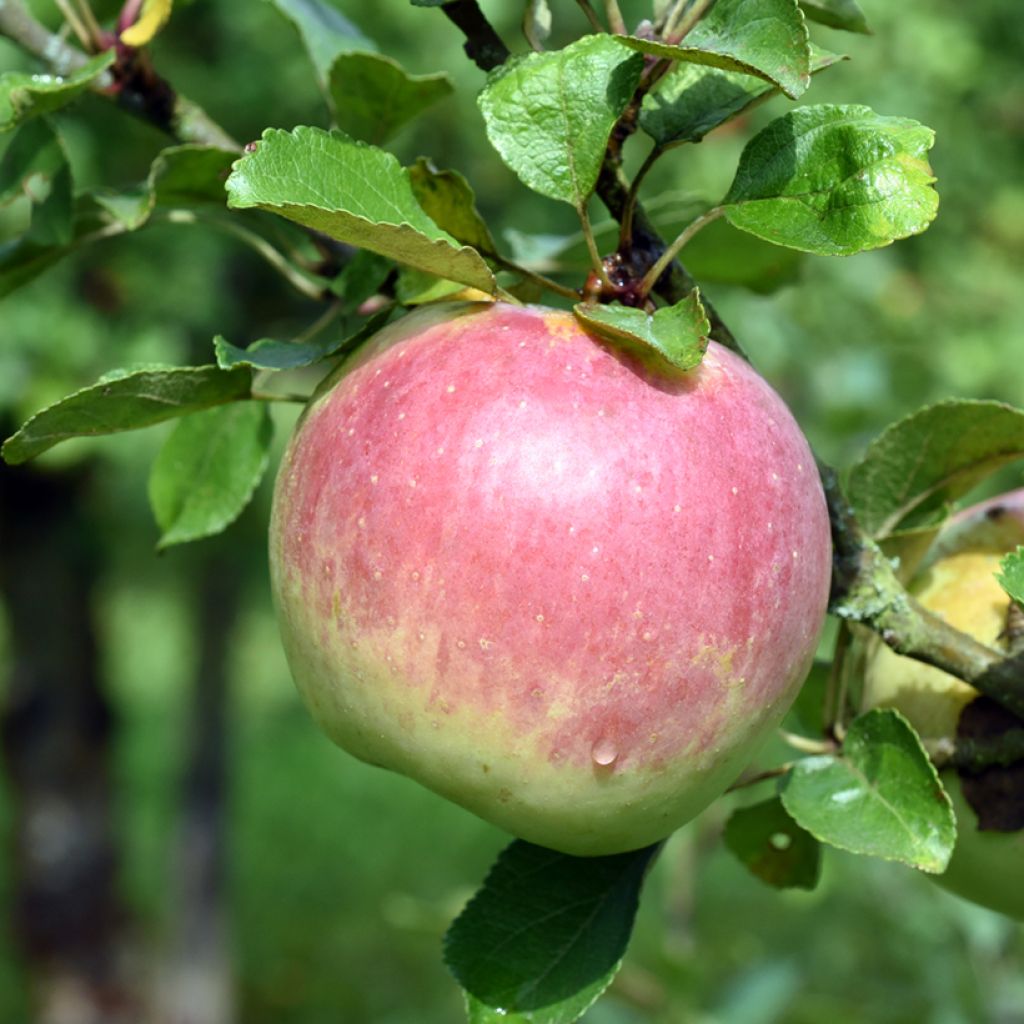
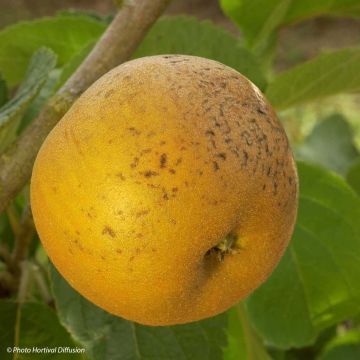
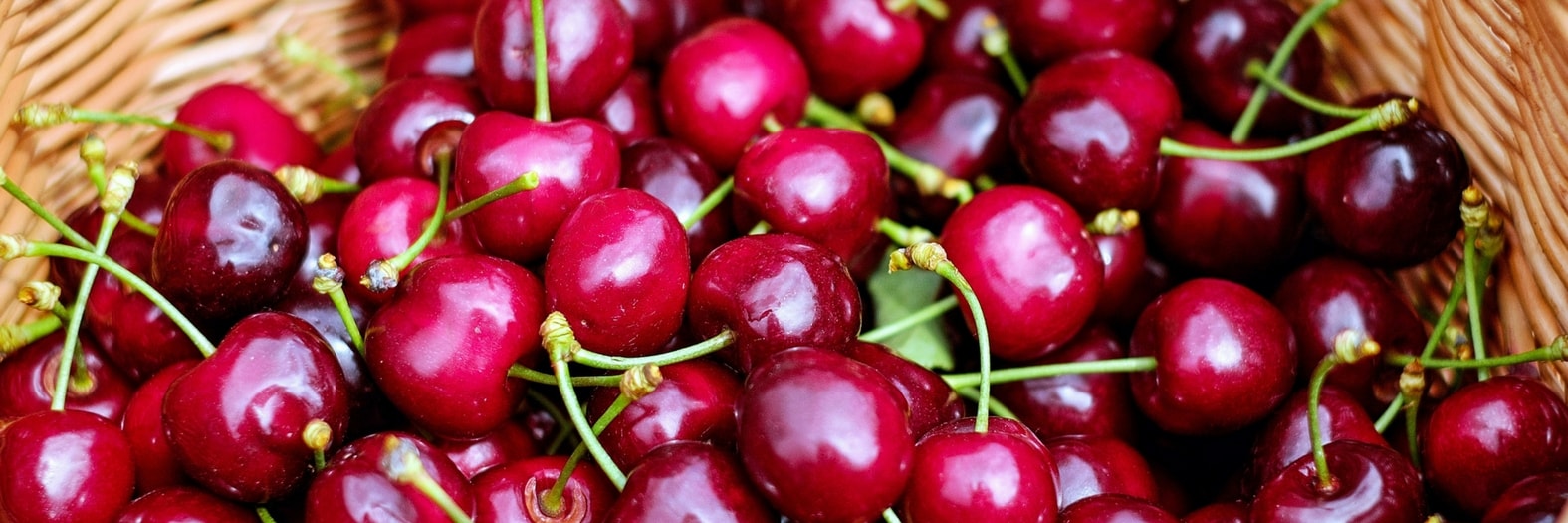
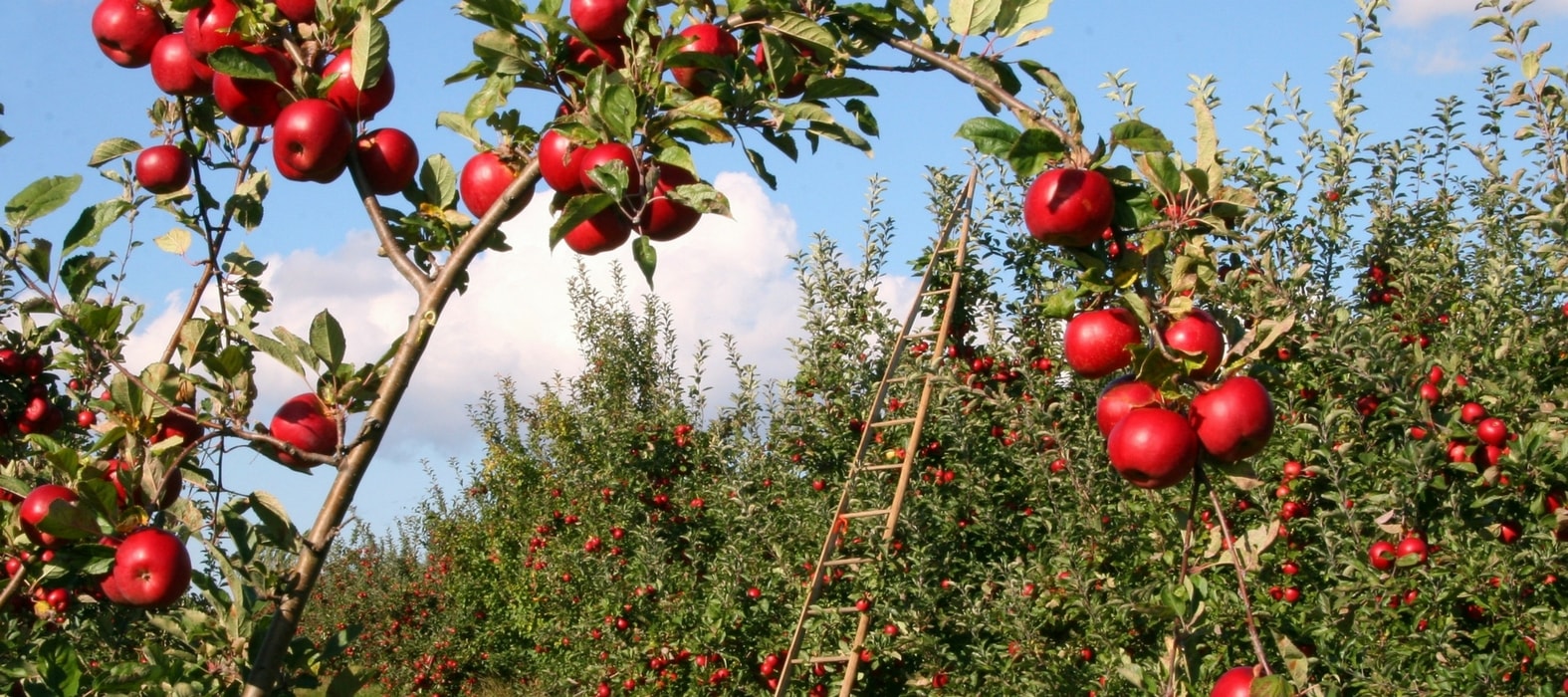
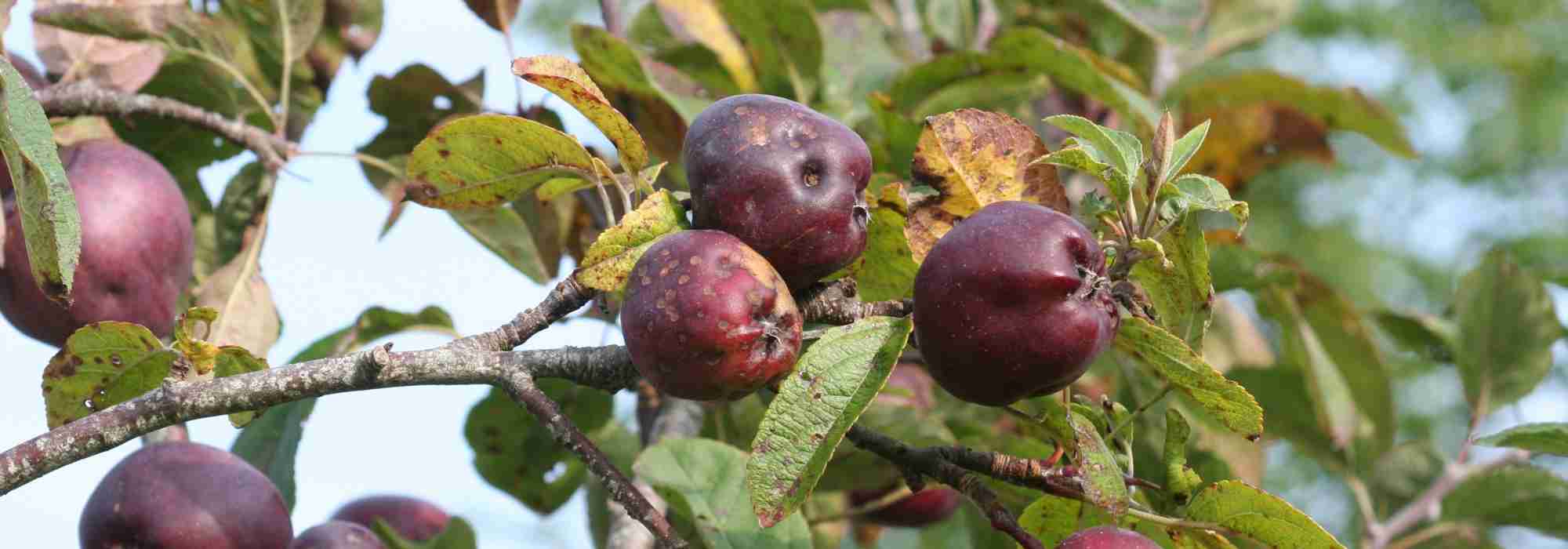
The Apple Tree Ananas Berżenicki is an old variety of Lithuanian origin, named after the taste of its fruits resembling that of a pineapple. This vigorous tree produces large yellow apples, turning pinkish on the sunny side, which are harvested in summer, as early as August. Their flesh is firm, tight, crunchy, and tasty. They should be consumed quickly as they do not keep well. This very hardy variety is also not very sensitive to diseases. Being self-fertile, it does not require another tree to be pollinated and bear fruit.
The Apple Tree is one of many fruit trees belonging to the extensive Rosaceae family, which also includes wild plants from the countryside, as well as a multitude of ornamental plants (Aruncus, or Goat's Beard, Cotoneaster, Kerria...). The Malus genus includes fruit species, such as the Common Apple Tree (Malus domestica, Malus communis or Malus pumila), and ornamental ones, like the superb Malus 'Red Sentinel' which offers a beautiful white spring flowering, decorative bright red fruits, and scarlet autumn colours. Cultivated since ancient times (the Romans already knew 29 different varieties), the Apple Tree is a fruit tree native to the forests of Central Asia and now exists in around 20,000 varieties.
'Ananas Berżenicki' was discovered by chance in 1886 near Dukšty in Lithuania, by the renowned pomologist and professor at the Institute of Forestry in Saint Petersburg, Russia, Professor Adam Hrebnicki. This variety quickly spread to Poland and other Eastern European countries, mainly due to its excellent cold resistance (down to about -30°C). It is now out of fashion and mainly survives in gardens, as other more colourful and better-keeping varieties have replaced it in professional orchards.
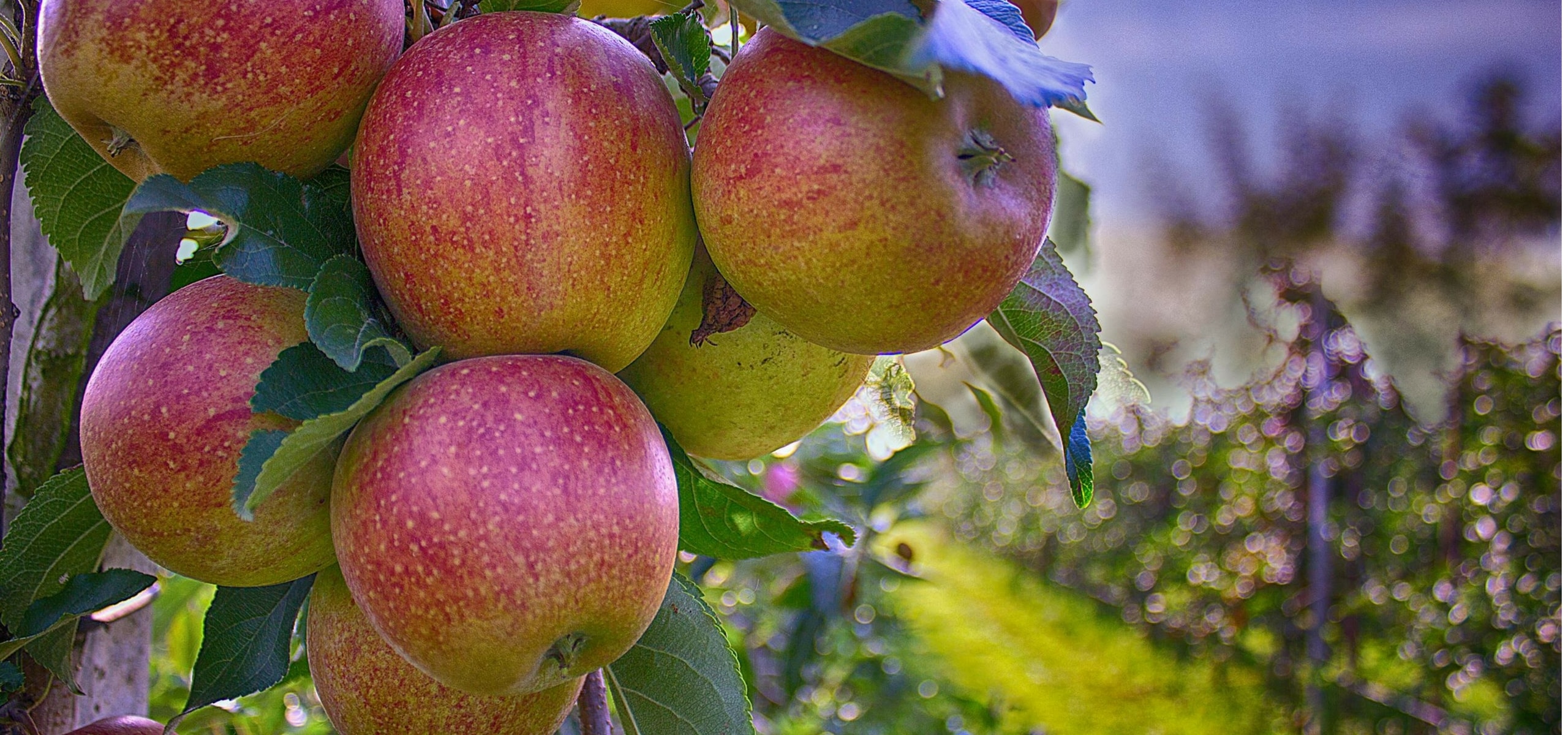
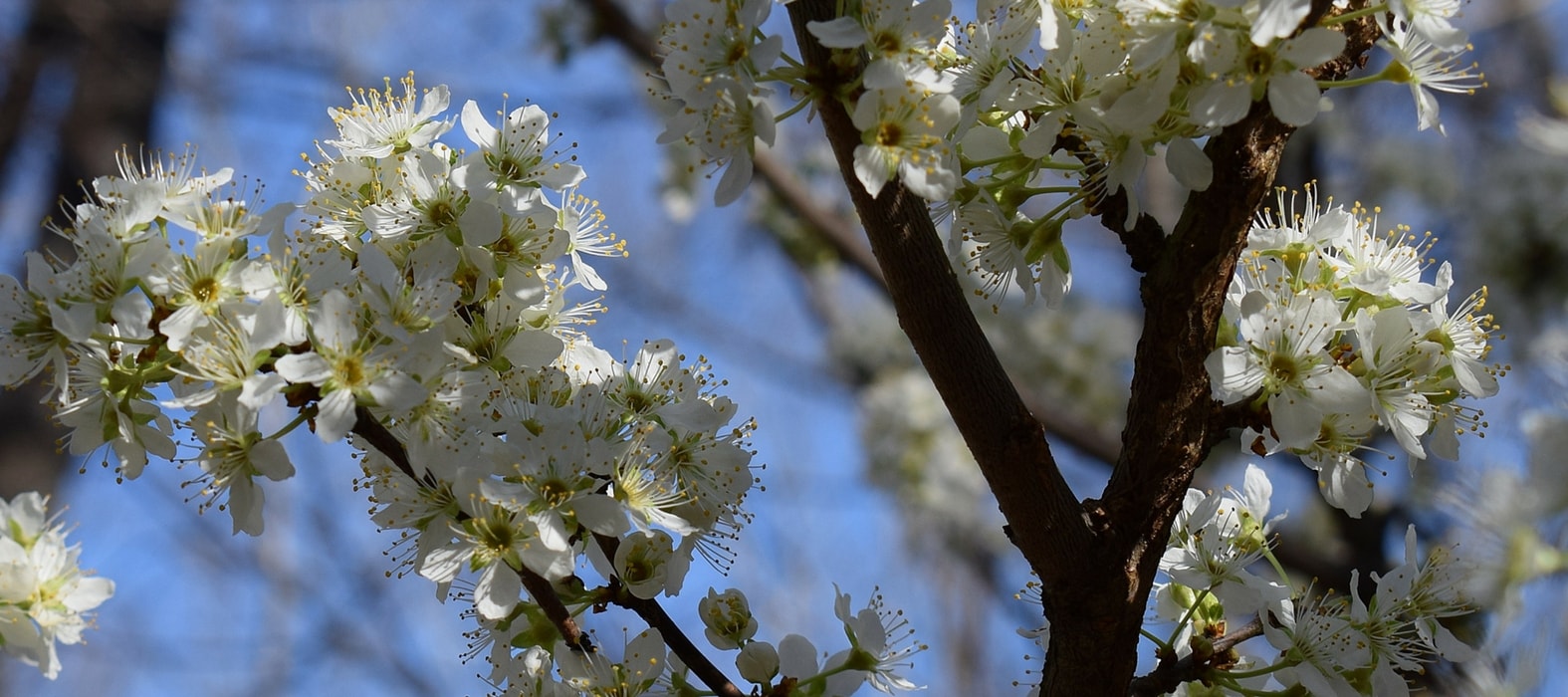
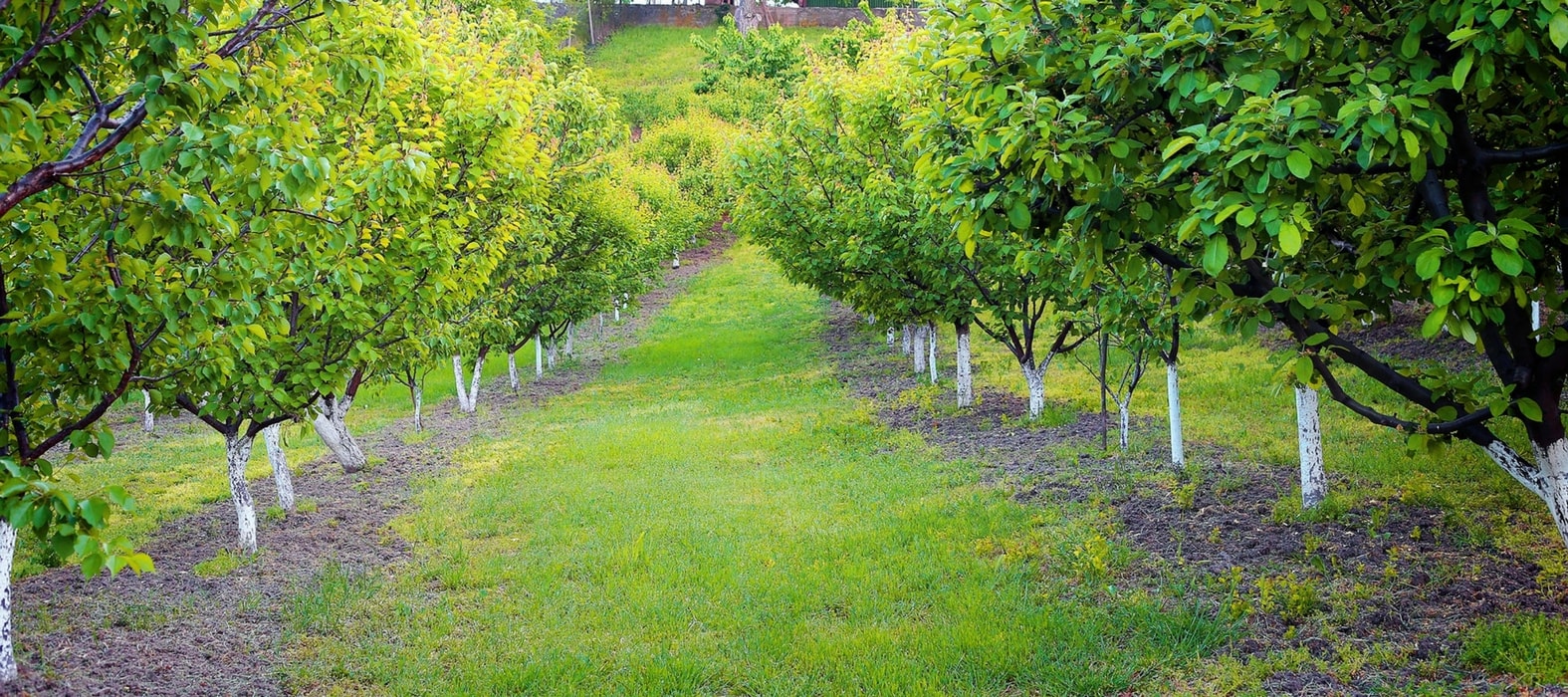
The vigorous tree easily reaches 5 m in height by 4.5 m in spread, with a wide, spreading, slightly flattened crown. The main branches are strong and can support the weight of the fruits without risk of breakage. This variety shows good longevity; however, it takes a little longer than others to bear fruit, so some patience is required in the early years. The tree mainly blooms in May, a little earlier in warmer regions, producing single, pinkish-white flowers, slightly fragrant and honey-producing. This variety has a high self-pollination rate and therefore does not require a nearby pollinator. However, the presence of another variety flowering at the same time can increase its yield. The yield is average, though consistently regular from year to year. It produces large spherical to slightly conical fruits, with firm skin that is not too thick and covered with a waxy layer. The colour of this skin is yellow, more or less greenish, tinged with pink or red on the sun-exposed side, with characteristic green lenticels clearly visible, especially on the shaded side. The flesh is firm, crunchy, moderately juicy and quite aromatic, with a sweet to sweet-sour taste reminiscent of pineapple. This apple is harvested in August and can be consumed a week after picking. The harvest should be grouped as the fruit tends to drop from the tree and does not keep for long. Therefore, it should be consumed quickly, fresh or used for juices, desserts, or preserves. These apples can reasonably only be stored until September; it is a quintessential seasonal fruit.
This old Apple Tree impresses with its hardiness against cold and diseases, as well as the quality and original taste of its fruits. A knife apple, it will also allow you to produce delicious juices. Plant it alongside other spreading fruit trees to enjoy a good part of the season. The Cherry Tree 'Early Rivers', also self-fertile, will give you tasty and sweet cherries from June. A Pear Tree 'Comtesse de Paris' will complete your small orchard. Self-fertile, you can harvest its fruits in September-October, after the Ananas Berżenicki apples.
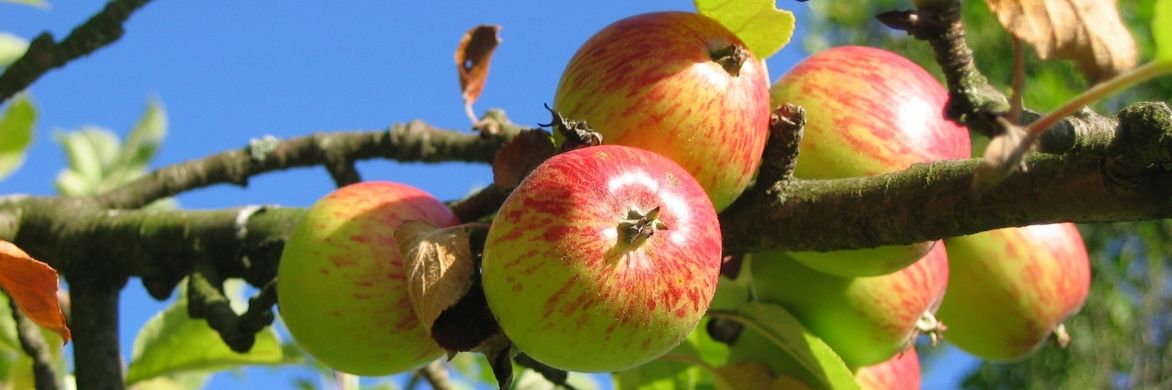
Apple Tree Ananas Berżenicki - Malus domestica in pictures
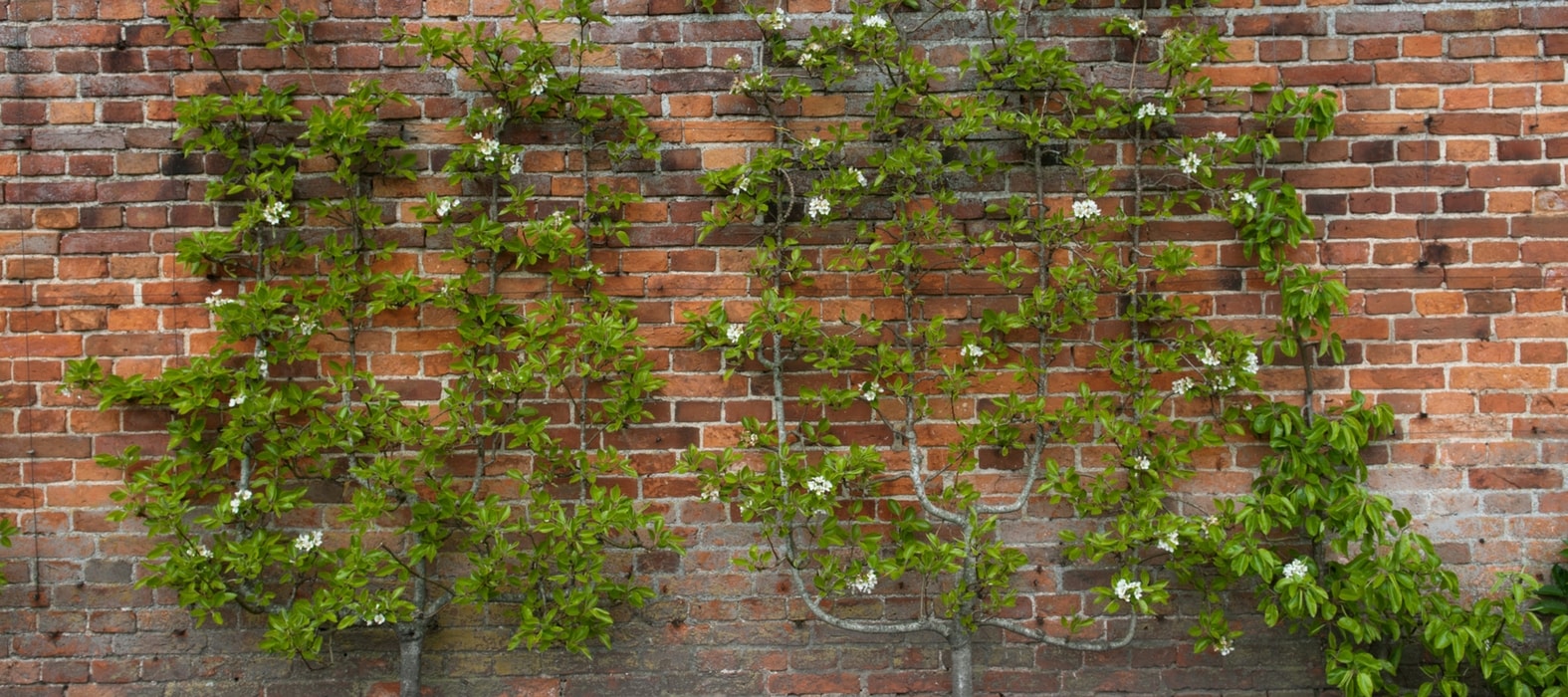
Plant habit
Fruit
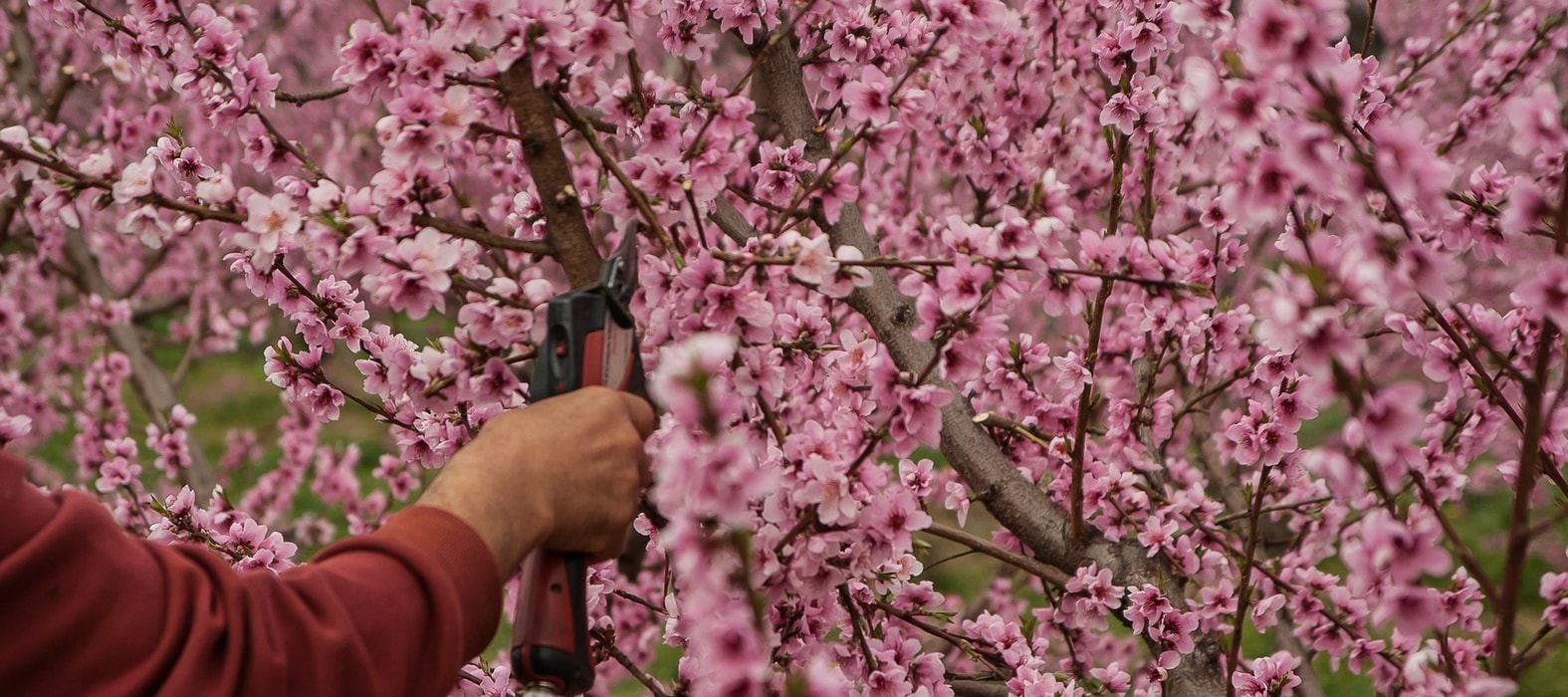
Flowering
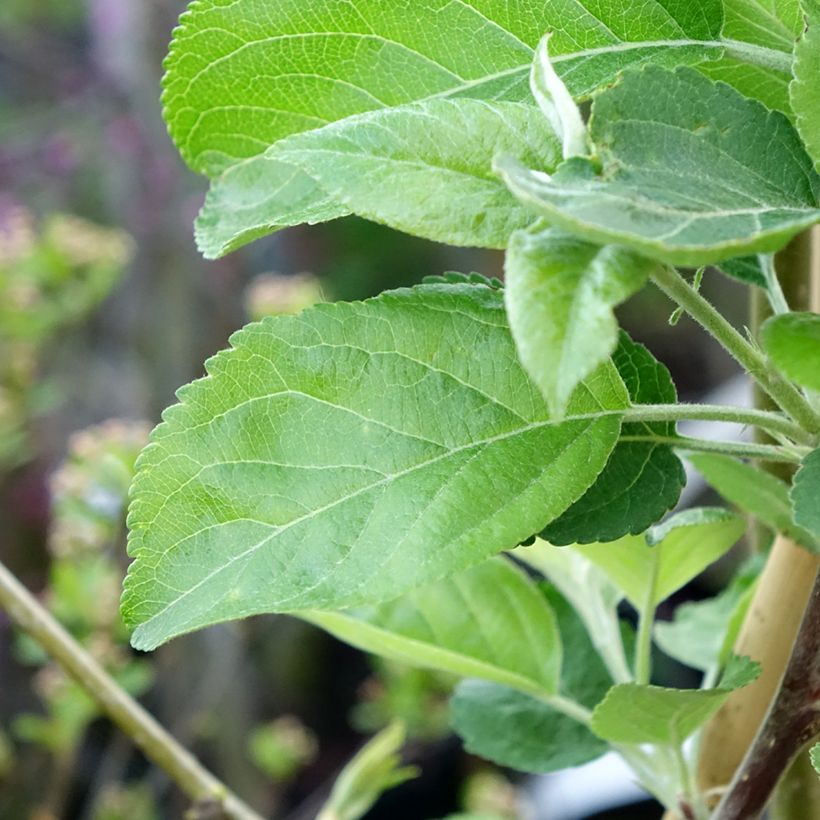
Foliage
Planting and care
Plant your 'Ananas Berżenicki' Apple Tree in a sunny location, the soil can be slightly chalky or acidic, but not excessively, with a preference for soils with a pH ranging from 6.2 to 6.7, slightly acidic to neutral. Dig a large planting hole at least three times the volume of the root ball. Simultaneously add organic matter (topsoil, compost...) and a base fertiliser such as crushed horn. Do not bury the graft union. Stake if necessary. For apple trees planted in isolation and exposed to wind, it may be beneficial to stake them by installing a guy-wire system: plant 3 stakes in a triangle 50 cm around the trunk and connect them with pieces of wood. Protect the bark with a piece of rubber for example and attach the stakes to the trunk with metal wires. Water generously, even in winter and even if it's raining. Fruit trees are ideally planted between October and March, avoiding frost periods. Container-grown plants can be planted all year round except during periods of extreme heat or frost.
In winter, at the base of the tree and slightly incorporated into the soil surface, you can add a small shovelful of wood ash, rich in potash, to improve fruiting. The Apple Tree can be prone to various diseases and pests. To reduce risks, space the trees sufficiently, plant multi-species hedges, and install nest boxes or insect hotels to attract beneficial insects. In summary: favour diversity. The main diseases of the Apple Tree are scab (brown spots on the leaves), moniliosis (drying of flowers and fruit rot on the tree) and powdery mildew (white coating on the leaves), but this variety is not susceptible to the latter disease, nor to apple scab. In the first two cases, preventive action is recommended by spraying a horsetail decoction, as a last resort and in case of severe attacks, a curative treatment with Bordeaux mixture can be applied. As for pests, the codling moth (or apple worm) is a small caterpillar which creates tunnels inside the fruit. To remedy this, it is preferable to act preventively by promoting the presence of birds and bats, through the installation of nest boxes. In case of aphid infestation, spray a solution based on black soap.
After harvest in August, you can consume the fruits the following week, or make juices or preserves, as they do not keep long. Likewise, they tend to fall off the tree if not picked quickly.
Planting period
Intended location
Care
Planting & care advice
-
-
-
-
-
-
-
-
This item has not been reviewed yet - be the first to leave a review about it.
Recently viewed products
Haven't found what you were looking for?
Hardiness is the lowest winter temperature a plant can endure without suffering serious damage or even dying. However, hardiness is affected by location (a sheltered area, such as a patio), protection (winter cover) and soil type (hardiness is improved by well-drained soil).
In temperate climates, pruning of spring-flowering shrubs (forsythia, spireas, etc.) should be done just after flowering.
Pruning of summer-flowering shrubs (Indian Lilac, Perovskia, etc.) can be done in winter or spring.
In cold regions as well as with frost-sensitive plants, avoid pruning too early when severe frosts may still occur.
The harvesting period indicated on our website applies to countries and regions in USDA zone 8 (France, England, Ireland, the Netherlands).
In colder areas (Scandinavia, Poland, Austria...) fruit and vegetable harvests are likely to be delayed by 3-4 weeks.
In warmer areas (Italy, Spain, Greece, etc.), harvesting will probably take place earlier, depending on weather conditions.
The sowing periods indicated on our website apply to countries and regions within USDA Zone 8 (France, UK, Ireland, Netherlands).
In colder areas (Scandinavia, Poland, Austria...), delay any outdoor sowing by 3-4 weeks, or sow under glass.
In warmer climes (Italy, Spain, Greece, etc.), bring outdoor sowing forward by a few weeks.
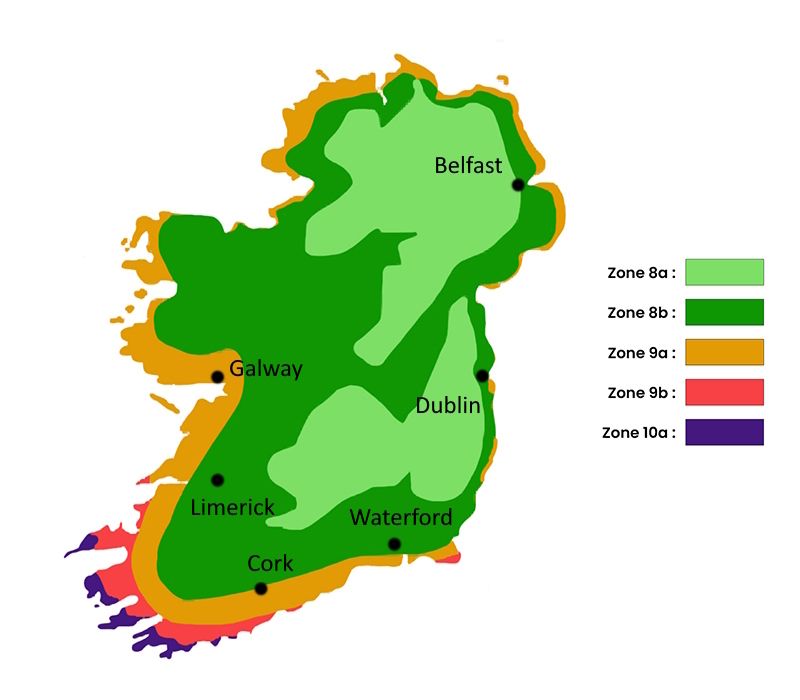
The planting period indicated on our website applies to regions in USDA Zone 9a (East Coast and Midlands: Dublin, Wexford, Waterford, Kilkenny, Portlaoise). It will vary depending on where you live:
- On the west coast and in the north-west (Galway, Limerick, Sligo, Donegal, Westport), delay planting by 1 to 2 weeks in spring and bring it forward by 1 to 2 weeks in autumn compared to the dates given, preferably choosing periods without strong winds.
- In the inland hills and plateaus (Wicklow Mountains, Macgillycuddy’s Reeks, Connemara, Killarney), it is best to plant in spring (April–May) or autumn (September–October), avoiding periods of waterlogged soil in winter and strong winds, which pose the main risk to newly planted trees in these areas.
The flowering period indicated on our website applies to regions in USDA Zone 9a, such as the East Coast and Midlands, including Dublin, Wexford, Waterford, Kilkenny and Portlaoise.
This will vary depending on where you live:
- On the west coast and in the northwest (Galway, Limerick, Sligo, Donegal and Westport), it will be delayed by one to two weeks compared to the given dates, due to stronger Atlantic winds and less spring sunshine.
- In the inland hills and plateaus (the Wicklow Mountains, the Macgillycuddy's Reeks, Connemara and Killarney), flowering will be delayed by two to three weeks. Flowering mainly occurs between May and July, with the limiting factors being less frost and more of the excessive humidity, strong winds and lack of sunshine that are characteristic of these areas.
Shipping country and language
Your country of residence may be:
Your country of residence is:
For a better user experience on our website, you can select:
Your shipping country:
-
 Austria
-
 Belgium
-
 Bosnia & Herzegovina
-
 Bulgaria
-
 Croatia
-
 Cyprus
-
 Czechia
-
 Denmark
-
 Estonia
-
 Finland
-
 France
-
 Germany
-
 Greece
-
 Hungary
-
 Iceland
-
 Ireland
-
 Italy
Italy
-
 Latvia
-
 Liechtenstein
-
 Lithuania
-
 Luxembourg
-
 Malta
Malta
-
 Netherlands
-
 Poland
-
 Portugal
-
 Romania
-
 Serbia
-
 Slovakia
-
 Slovenia
-
 Spain
Spain
-
 Sweden
-
 Switzerland
Language:
-
French
-
 English
-
Spanish
-
Italian
-
German
-
Portuguese
-
Dutch
-
Finnish
My Account
Hello
My wish lists
My cart
Log in / Register
Existing customer?
This form is protected by reCAPTCHA - the Google Privacy Policy and Terms of Service apply.
New customer?
Create an account to track your orders, access our customer service and, if you wish, make the most of our upcoming offers.