Rose in turf pockets or as bare roots
When and how should you plant them?
Contents
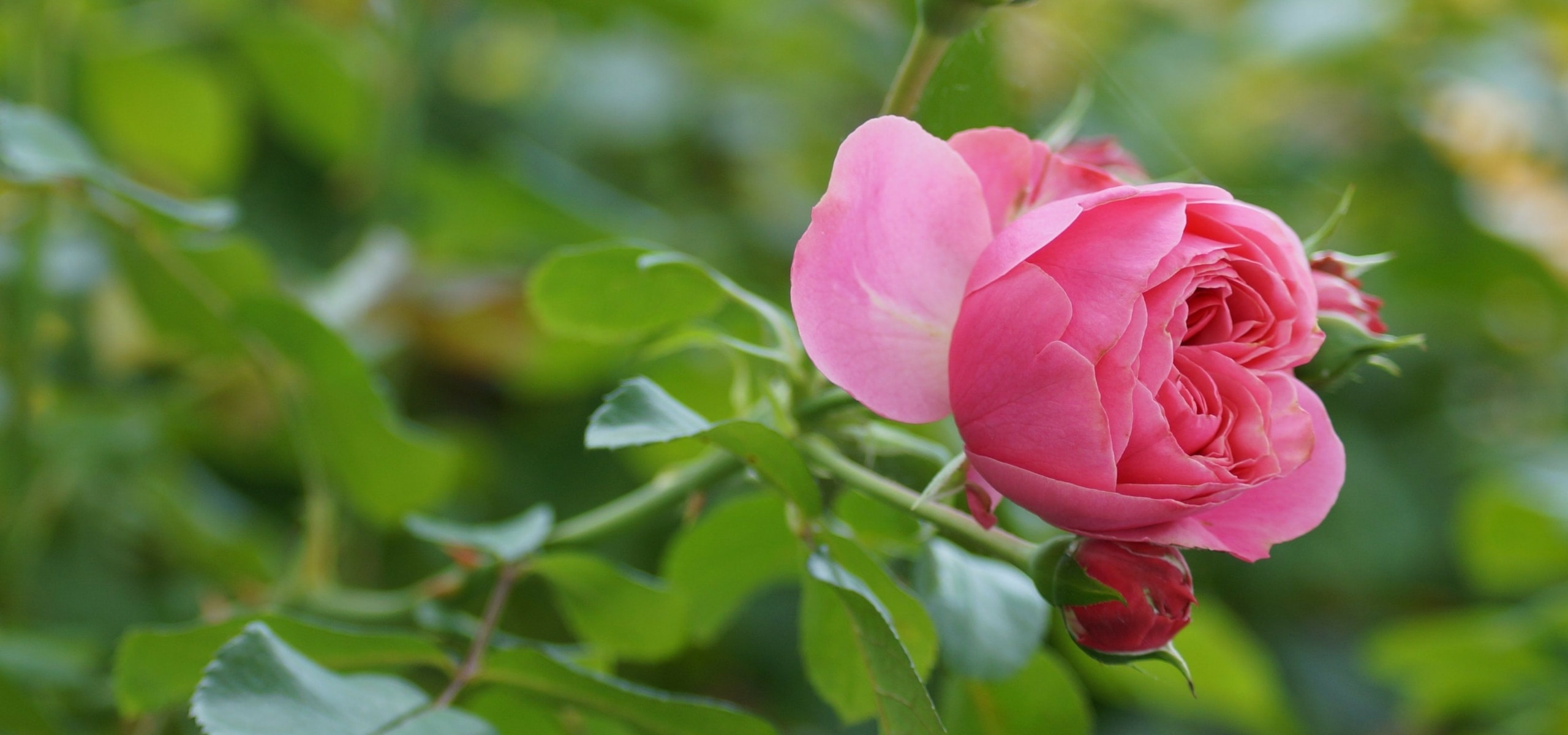
With their romantic and wonderfully delicate flowering, roses are among the most popular plants for enhancing gardens. There is an endless variety to choose from, delighting us with their single or double flowers, pastel or more vivid colours, and heady or subtle fragrance… They may be sold in pots, but also as bare roots (or in peat-wrapped packs, with the roots protected by peat to prevent them from drying out). They are sold as bare roots from November to March, when they are dormant. This form of packaging has the advantage of being more economical (the rose will cost much less) and encourages rapid, deep rooting. To ensure that your bare-root rose establishes well, discover all our advice on when, where and how to plant it!

When to plant a bare-root rose?
Bare-root roses or roses sold in peaty pockets are generally lifted in October to be available for sale. The best time to plant them is from November to the end of March, during the dormant season. It is important to choose a time when the soil is neither frozen nor waterlogged. Avoid periods of severe frost or very cold weather, which can compromise the young plants’ establishment.
If you cannot plant them immediately, you can heel them in. To do this, dig a 30cm-deep furrow in a shaded spot sheltered from the wind. Place the roses in it at an angle and cover them with soil, taking care to fill in well around the roots to prevent air pockets. Water lightly if the soil is dry. They can wait in this way for 3 to 4 days before their final planting.
Read also
When and how to heel in before planting?Where to plant your rose?
Rose bushes prefer a sunny position sheltered from strong winds to encourage flowering and healthy growth. Ideally, plant them in rich, well-drained soil that is slightly acidic to neutral. Avoid areas where water collects, as rose roots do not like excess moisture. If the soil is too heavy or clay-based, you can lighten it with coarse sand or compost to improve drainage. Finally, space your young plants at least 50 cm to 1 m apart, depending on the variety, to give them enough room to flourish fully.
How to plant a bare-root rose?
To plant a bare-root rose, follow these steps:
- Work your soil to a depth of about 40 cm and a width of 30 cm to aerate it thoroughly. Loosen the soil, breaking it up finely, and add an organic soil improver such as crushed horn or dried blood to the bottom of the hole. These are rich in nutrients and will encourage the plant to establish. Then form a small mound of soil at the bottom of the hole to support the roots.
- Next, carry out the pralinage: prepare a thick muddy mixture by mixing soil and water. Carefully unpack your rose, then spread out the roots if they are folded inside the packaging. Dip them into the bucket of mud to coat them thoroughly. This process helps protect the roots and improves establishment.
- Place the rose in the planting hole, spreading the roots over the mound of soil you have formed. Check the depth: the graft union (where the branches join the trunk) should be slightly above soil level.
- Gradually fill the hole with the excavated soil, gently firming it as you go to surround the roots without leaving any air pockets. Take care not to bury the graft union.
- If necessary, prune the branches of your rose to about 15 to 20 cm in height to encourage establishment and good branching.
- Form a basin around the base of your rose to direct water towards the roots, then water thoroughly. This helps the soil adhere properly to the roots and removes air pockets.
- In regions with harsh winters, you can protect your roses by spreading a mulch around the base to a height of about 20 cm. Fallen leaves, straw or compost can help insulate the roots from the cold.
Read also
For your plantings, opt for bare roots!How to Care for Your Rose?
Watering
Roses need regular watering, especially in their first year and during dry periods. Water them at the base, without wetting the foliage to prevent disease, and preferably water in the morning or at the end of the day. Make sure the soil remains slightly moist, but not excessively wet.
We recommend spreading a layer of organic mulch around the base of your roses (straw, bark, fallen leaves…), as this will help the soil stay cool for longer, while also limiting weed growth and protecting the roots from temperature fluctuations.
Fertilising
Enrich the soil in spring by adding compost or a fertiliser specially formulated for roses, rich in potash, to encourage flowering. You can also apply fertiliser after the first flowering to support the development of new flowers.
Pruning
- In August: Prune roses that do not flower again (once-flowering roses) to prepare them for the following year.
- In autumn (just after the first frosts): Lightly prune roses that have just flowered, particularly to remove faded flowers and balance the plant. You can also carry out maintenance pruning: remove old wood and dead branches, as well as those that cross or clutter the centre of the plant, to improve air circulation and prevent disease. Keep 3 to 7 vigorous young branches to structure the rose.
- In February/March: The main pruning is carried out at the end of winter, before growth begins, once the risk of severe frosts has passed. Prune the young branches hard, keeping only 3 to 5 eyes per stem. This pruning stimulates the production of new shoots and encourages more abundant flowering. Make the cut at an angle, just above an outward-facing eye to encourage balanced growth.
Do not prune dwarf roses before they are 3 or 4 years old. Pruning too early could compromise their development.
In the case of climbing roses, remove faded flowers during the flowering period to encourage new flowers. After flowering, remove dead or weak branches. To keep the climbing rose within its allocated space, carry out formative pruning, taking care to tie the main branches securely to their support.
Discover our advice sheet to learn all about pruning roses.
Diseases and pests
Roses can sometimes be affected by diseases such as powdery mildew or rust, as well as pests such as aphids. Check the foliage regularly and act quickly with suitable treatments, preferably organic ones such as soft soap or Bordeaux mixture. Remove diseased leaves to prevent the disease from spreading.
For more information, see our advice sheet on rose diseases.
- Subscribe!
- Contents
This form is protected by reCAPTCHA - the Google Privacy Policy and Terms of Service apply.