
































Rhododendron edgeworthii
Rhododendron edgeworthii
Rhododendron edgeworthii
Rhododendron
I have just received the two parcels that were stuck in customs and were shipped 4 and 5 days ago. The two azaleas are in such a state that it is impossible for them to recover.
Marie Flore, 14/05/2024
Special offer!
Receive a €20 voucher for any order over €90 (excluding delivery costs, credit notes, and plastic-free options)!
1- Add your favorite plants to your cart.
2- Once you have reached €90, confirm your order (you can even choose the delivery date!).
3- As soon as your order is shipped, you will receive an email containing your voucher code, valid for 3 months (90 days).
Your voucher is unique and can only be used once, for any order with a minimum value of €20, excluding delivery costs.
Can be combined with other current offers, non-divisible and non-refundable.
Why not try an alternative variety in stock?
View all →
Available in 1 sizes
Available in 1 sizes
Available in 1 sizes

Available in 1 sizes
Available in 1 sizes
Available in 1 sizes
Available in 1 sizes
Available in 1 sizes
Available in 3 sizes
Available in 1 sizes
This plant carries a 24 months recovery warranty
More information
We guarantee the quality of our plants for a full growing cycle, and will replace at our expense any plant that fails to recover under normal climatic and planting conditions.

Does this plant fit my garden?
Set up your Plantfit profile →
Description
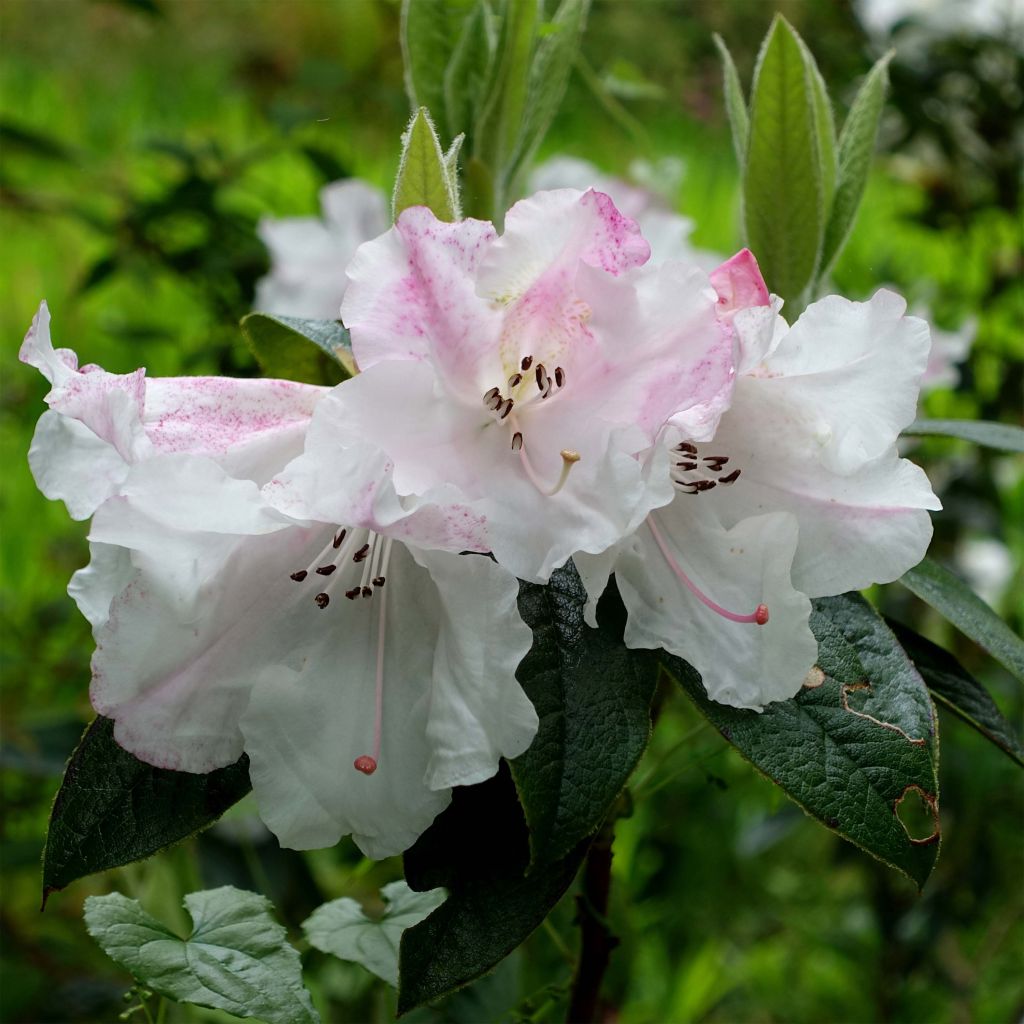
Rhododendron edgeworthii is a curious and magnificent Chinese species of tall stature, native to the high-altitude forests of the eastern Himalayas. It is typically found anchored in the humus-rich soil of the understory, but also, surprisingly, on decomposing stumps, similar to certain epiphytic orchids. This rhododendron definitely bewilders with one of the most fragrant flowering displays in its genus and an unusual evergreen foliage. Adorned in April-May with fragile flowers, varying in shades of pink with red reverses, and dressed year-round in wrinkled leaves covered in gray-ochre velvet, this bush is as fascinating as it is attractive in all seasons. It must be said, cultivating this less hardy species is not the easiest task and requires a specific soil and climate, but what pride for the attentive gardener who manages to tame it!
Rhododendrons belong to the Ericaceae family, just like heathers, and prefer soils that lack limestone, tend to be acidic, and thrive in wet climates. Rhododendron edgeworthii, discovered and collected by JD Hooker in Sikkim in 1849, thrives in the understory as well as on cliffs among the rocks of the Himalayas, at elevations between 2000 and 4000 m (6562 and 13123ft). It is characterised by moderate hardiness, up to -10/-12°C (14/10.4°F), significant growth, and both terrestrial and epiphytic tendencies. It is the parent of many fragrant flowering hybrids.
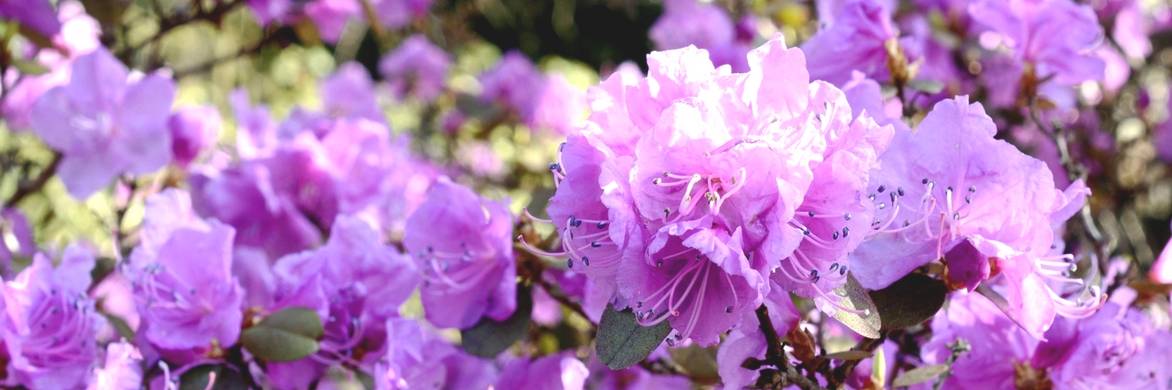
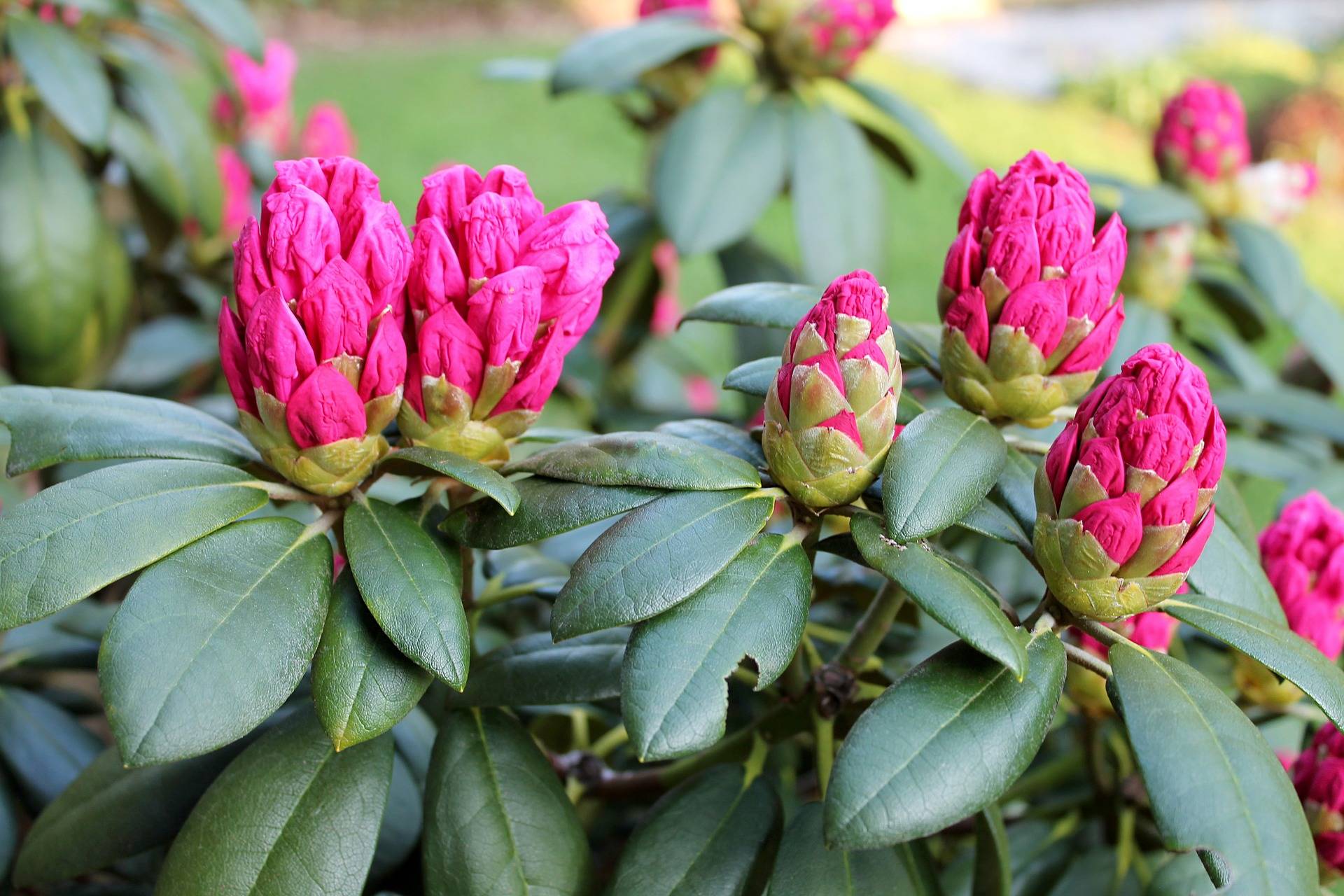
This beautiful bush, awarded by the Royal Horticultural Society, displays an erect, sparsely branched, conical habit, slightly taller than wide. Its growth is slow, reaching an average height of 2.5 m (8ft) with a spread of 2 m (7ft) at maturity, under favourable conditions. The yellowish branches bear elliptical to ovate, wrinkled, evergreen leaves measuring 5 to 10 cm (2 to 4in) long. Their colour is a dark green with a slightly grey and glossy upper surface, while the undersides are covered in a velvety grey-ochre or rusty down. The young shoots and flower buds are also covered in grey down. The highly fragrant flowering typically occurs in April-May, earlier or later depending on the climate. The large campanulate flowers, measuring 3.4 to 7.5 cm (1 to 3in) in diameter, are grouped in inflorescences of 2 or 3 units, with a width of 6 to 15 cm (2 to 6in). The buds are a vivid red-pink, while the flowers are white with varying shades of pink along the edges, displaying a small yellow spot at the throat. The petals' undersides are dark red. This bush thrives in mild climates, preferring partial shade and moist, humus-rich, well-drained soils with an acidic pH between 4.5 and 5.5. Some British professionals recommend growing it in an orchid substrate.
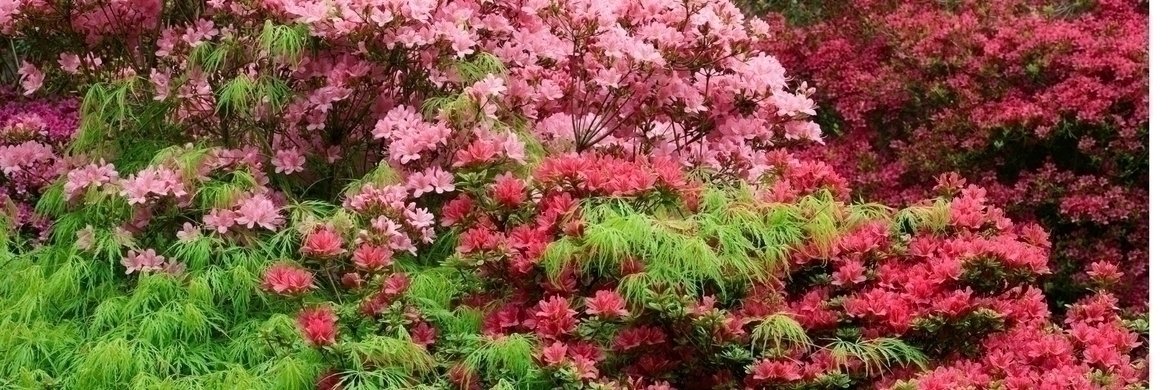
Rhododendron edgeworthii may not be the most cold-hardy, but it enchants with the beauty of its foliage and the delicacy and fragrance of its flowering, which precedes that of most other rhododendron. It can be used as a specimen, in a small hedge, or in a mass planting, of course alongside other acid-loving plants, but always in a well-drained soil. It can be paired with Chinese azaleas, complementing and tempering their warm hues, small deciduous magnolias, andromedas (Pieris), mountain laurels (Kalmia), painted ferns, Viburnum davidii, and more. Some patient gardeners train it against a sheltered wall to fully enjoy its beautiful fragrance as soon as the first warm days arrive.
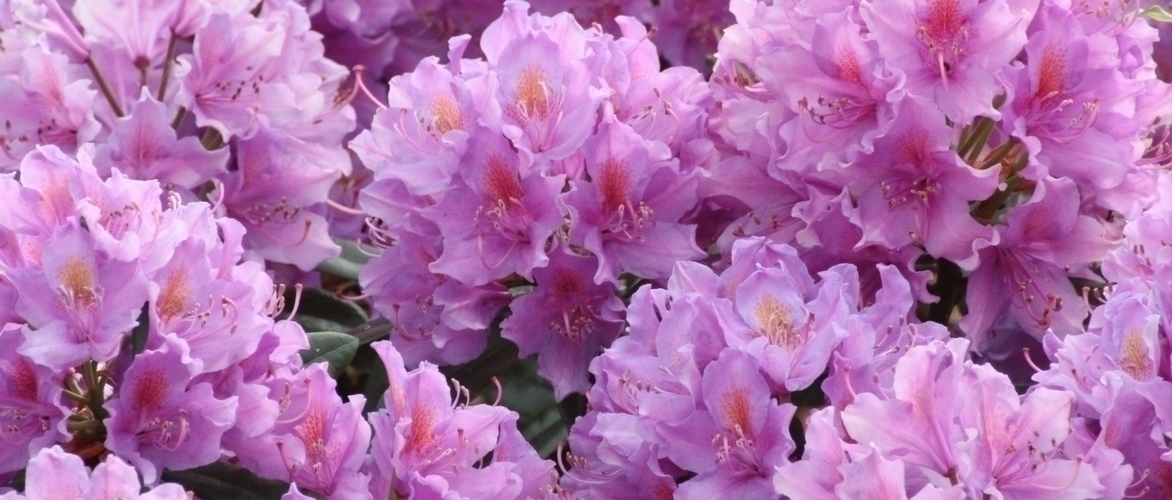
Rhododendron edgeworthii in pictures
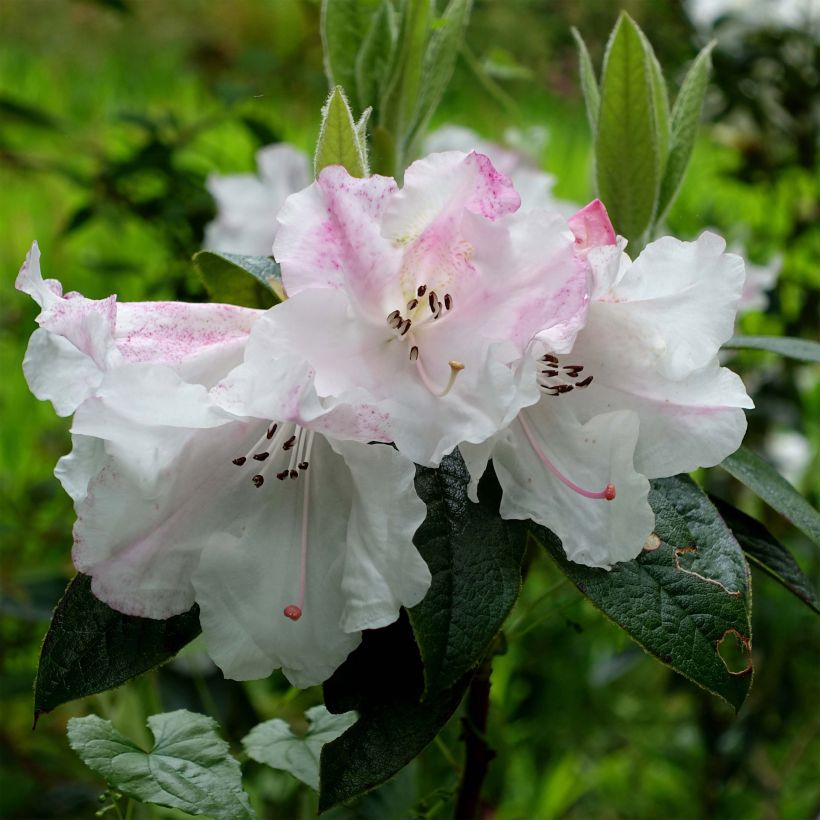
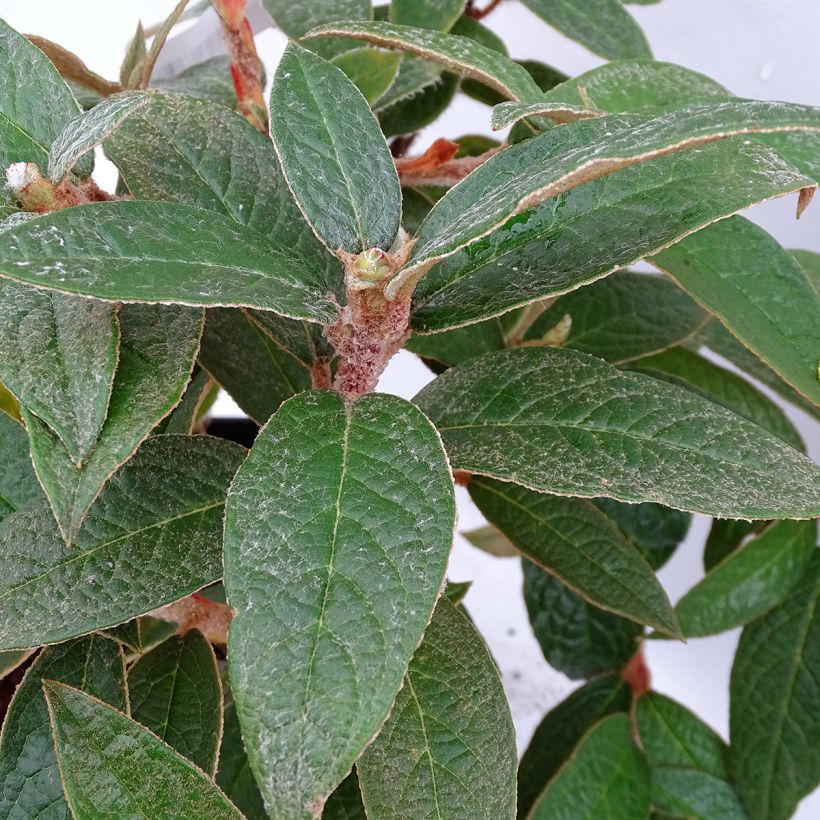
Plant habit
Flowering
Foliage
Botanical data
Rhododendron
edgeworthii
Ericaceae
Rhododendron
China
Planting and care
Rhododendron edgeworthii is a plant of montane origin, but with a mild and wet climate, hardy to around -10°C (14°F) in sheltered exposure from cold winds. It appreciates well-drained but moist, humus-rich and fertile soils, with a pH between 4.5 and 5.5. Some recommend growing it in a substrate similar to orchids or even in a mixture of leaf compost, coarse sand, and decomposing wood. Plant it in a semi-shaded position, protected from cold and drying winds, in a damp, humus-rich, and light soil with an acidic tendency. Like all plants in the heath family, it does not tolerate limestone soils or heavy soils saturated with water in winter. Dig a hole three times larger than the pot. Soak the root ball in non-calcareous water and plant the shrub at the level of the collar, in a mixture composed of 1/4 compost, humus, gravel or pumice, and loam. Water generously and keep the soil moist in summer.
Azaleas and Rhododendrons have a shallow and relatively limited root system. Therefore, they are sensitive to long periods of drought. That is why it is recommended to enrich the soil with humus beforehand and water abundantly with non-calcareous water during dry periods. In addition, this root system is not very strong, which is why it is essential to lighten heavy soils with draining materials (gravel, pumice, clay pellets) when planting. Apply a mulch of shredded pine bark around the base of the bush every spring to maintain soil moisture while keeping an acidic pH.
Maintenance involves removing old faded flowers in summer using pruning shears and clearing the plant of dead branches. Azaleas and Rhododendrons can sometimes be attacked by weevils that eat the edges of leaves and rootlets, as well as the infamous "rhododendron beetle" which does not often cause significant damage. Yellowing of the leaves (chlorosis) in Rhododendrons indicates poor iron assimilation in the soil and can lead to the premature death of the plant. While limestone is generally the cause, poorly-drained soil or deeply planted root balls can also explain the phenomenon.
Planting period
Intended location
Care
Planting & care advice
-
-
-
-
-
-
-
-
-
, onOrder confirmed
Reply from on Promesse de fleurs
Recently viewed products
Haven't found what you were looking for?
Hardiness is the lowest winter temperature a plant can endure without suffering serious damage or even dying. However, hardiness is affected by location (a sheltered area, such as a patio), protection (winter cover) and soil type (hardiness is improved by well-drained soil).
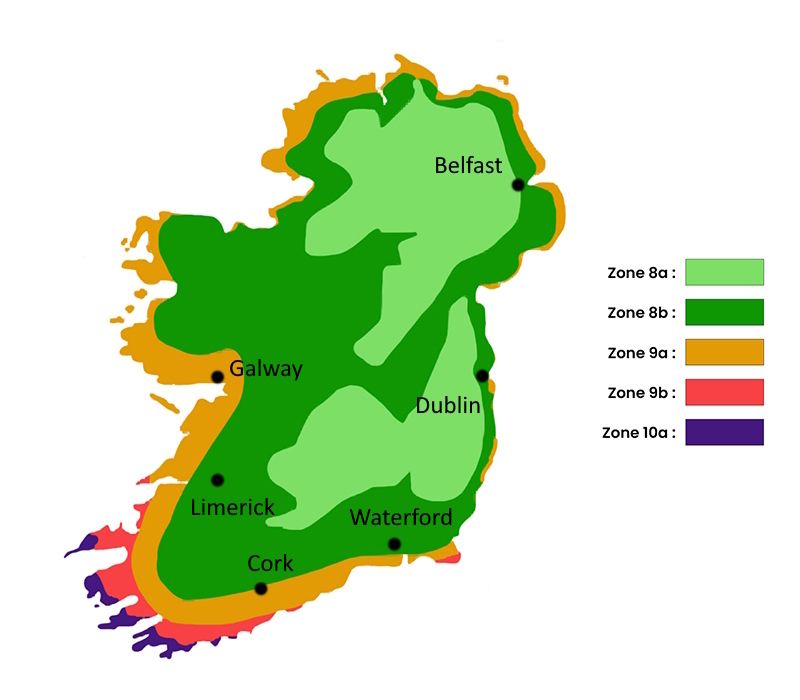
Photo Sharing Terms & Conditions
In order to encourage gardeners to interact and share their experiences, Promesse de fleurs offers various media enabling content to be uploaded onto its Site - in particular via the ‘Photo sharing’ module.
The User agrees to refrain from:
- Posting any content that is illegal, prejudicial, insulting, racist, inciteful to hatred, revisionist, contrary to public decency, that infringes on privacy or on the privacy rights of third parties, in particular the publicity rights of persons and goods, intellectual property rights, or the right to privacy.
- Submitting content on behalf of a third party;
- Impersonate the identity of a third party and/or publish any personal information about a third party;
In general, the User undertakes to refrain from any unethical behaviour.
All Content (in particular text, comments, files, images, photos, videos, creative works, etc.), which may be subject to property or intellectual property rights, image or other private rights, shall remain the property of the User, subject to the limited rights granted by the terms of the licence granted by Promesse de fleurs as stated below. Users are at liberty to publish or not to publish such Content on the Site, notably via the ‘Photo Sharing’ facility, and accept that this Content shall be made public and freely accessible, notably on the Internet.
Users further acknowledge, undertake to have ,and guarantee that they hold all necessary rights and permissions to publish such material on the Site, in particular with regard to the legislation in force pertaining to any privacy, property, intellectual property, image, or contractual rights, or rights of any other nature. By publishing such Content on the Site, Users acknowledge accepting full liability as publishers of the Content within the meaning of the law, and grant Promesse de fleurs, free of charge, an inclusive, worldwide licence for the said Content for the entire duration of its publication, including all reproduction, representation, up/downloading, displaying, performing, transmission, and storage rights.
Users also grant permission for their name to be linked to the Content and accept that this link may not always be made available.
By engaging in posting material, Users consent to their Content becoming automatically accessible on the Internet, in particular on other sites and/or blogs and/or web pages of the Promesse de fleurs site, including in particular social pages and the Promesse de fleurs catalogue.
Users may secure the removal of entrusted content free of charge by issuing a simple request via our contact form.
In temperate climates, pruning of spring-flowering shrubs (forsythia, spireas, etc.) should be done just after flowering.
Pruning of summer-flowering shrubs (Indian Lilac, Perovskia, etc.) can be done in winter or spring.
In cold regions as well as with frost-sensitive plants, avoid pruning too early when severe frosts may still occur.
The harvesting period indicated on our website applies to countries and regions in USDA zone 8 (France, England, Ireland, the Netherlands).
In colder areas (Scandinavia, Poland, Austria...) fruit and vegetable harvests are likely to be delayed by 3-4 weeks.
In warmer areas (Italy, Spain, Greece, etc.), harvesting will probably take place earlier, depending on weather conditions.
The sowing periods indicated on our website apply to countries and regions within USDA Zone 8 (France, UK, Ireland, Netherlands).
In colder areas (Scandinavia, Poland, Austria...), delay any outdoor sowing by 3-4 weeks, or sow under glass.
In warmer climes (Italy, Spain, Greece, etc.), bring outdoor sowing forward by a few weeks.
The planting period indicated on our website applies to regions in USDA Zone 9a (East Coast and Midlands: Dublin, Wexford, Waterford, Kilkenny, Portlaoise). It will vary depending on where you live:
- On the west coast and in the north-west (Galway, Limerick, Sligo, Donegal, Westport), delay planting by 1 to 2 weeks in spring and bring it forward by 1 to 2 weeks in autumn compared to the dates given, preferably choosing periods without strong winds.
- In the inland hills and plateaus (Wicklow Mountains, Macgillycuddy’s Reeks, Connemara, Killarney), it is best to plant in spring (April–May) or autumn (September–October), avoiding periods of waterlogged soil in winter and strong winds, which pose the main risk to newly planted trees in these areas.
The flowering period indicated on our website applies to regions in USDA Zone 9a, such as the East Coast and Midlands, including Dublin, Wexford, Waterford, Kilkenny and Portlaoise.
This will vary depending on where you live:
- On the west coast and in the northwest (Galway, Limerick, Sligo, Donegal and Westport), it will be delayed by one to two weeks compared to the given dates, due to stronger Atlantic winds and less spring sunshine.
- In the inland hills and plateaus (the Wicklow Mountains, the Macgillycuddy's Reeks, Connemara and Killarney), flowering will be delayed by two to three weeks. Flowering mainly occurs between May and July, with the limiting factors being less frost and more of the excessive humidity, strong winds and lack of sunshine that are characteristic of these areas.