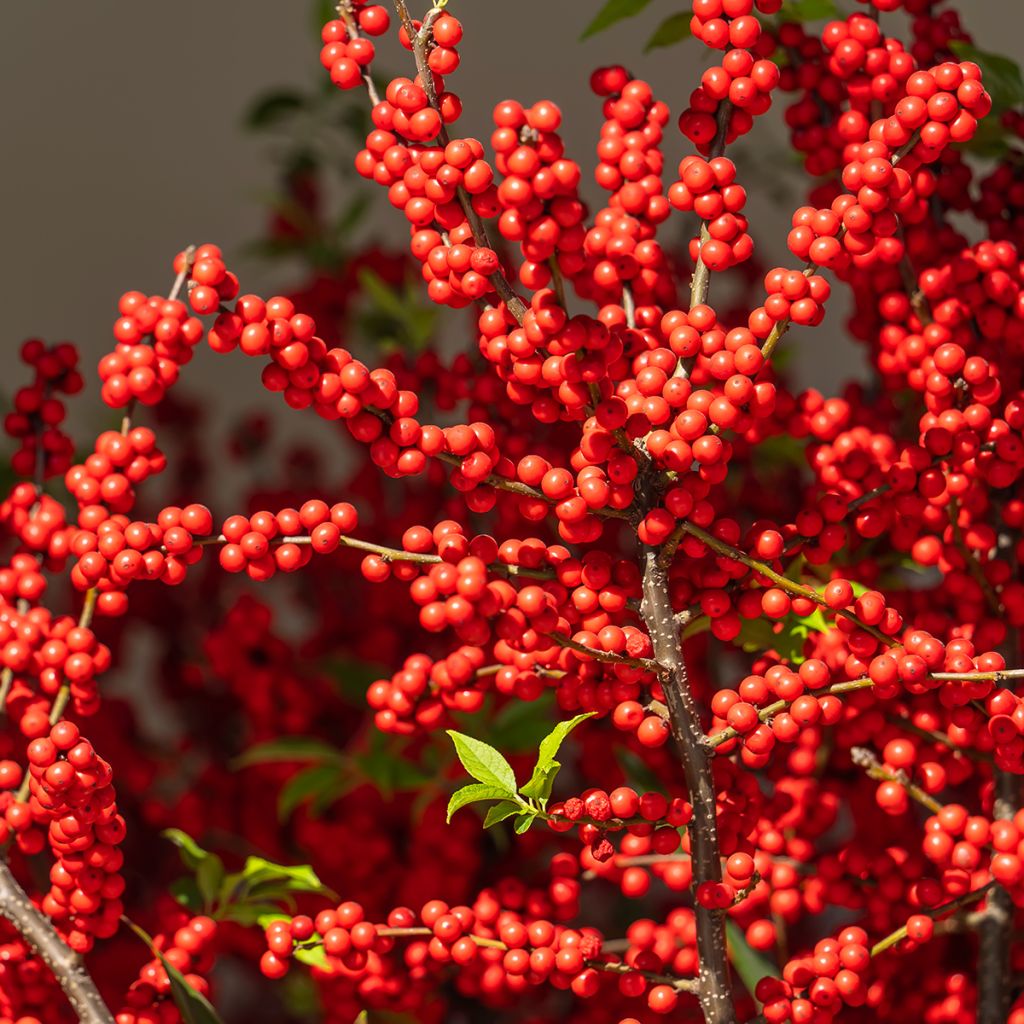
Ilex verticillata Magical Berry
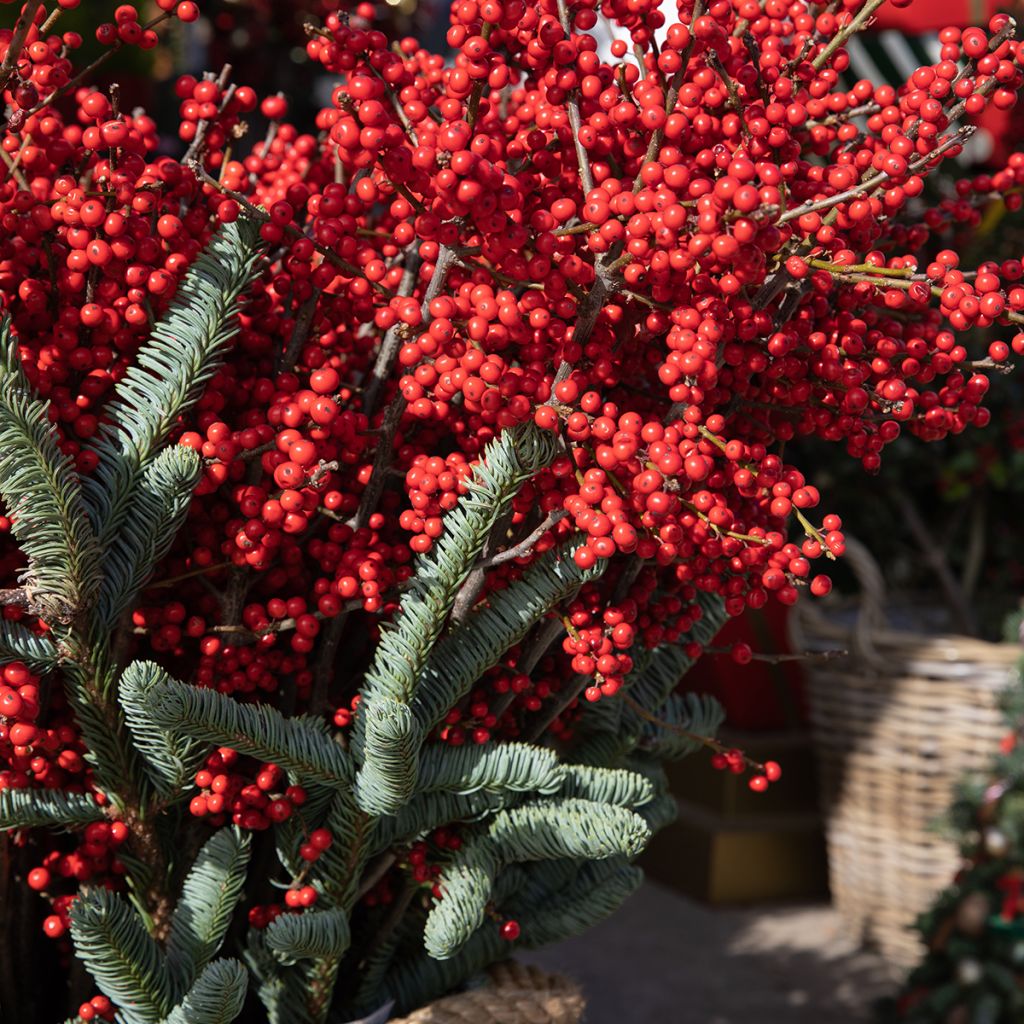
Ilex verticillata Magical Berry
Ilex verticillata Magical Berry
Ilex verticillata Magical® Berry Winterberry ('Kolmber')
Back-to-school special offer!
Get €10 off for every €50 you spend! And get up to €40 off on a single order.
How does it work?
1. Shop your favourites
Add your favourite plants to your basket. For every €50 you spend (excluding delivery charges, store credit and the plastic-free option), you’ll receive a €10 voucher.
€50 spent = €10 voucher
€100 spent = €20 voucher
€150 spent = €30 voucher
€200 spent = €40 voucher
2. Place your order
Once your basket reaches one of the spending thresholds, place your order. You can even choose your delivery date!
3. Receive your voucher
As soon as your order has been shipped, you’ll receive an email containing your personal voucher code and its value.
4. Use it on your next order
Your voucher is valid for 90 days from the date you receive it. It can be used once only, on a new order worth at least the value of the voucher, excluding delivery charges.
Please note: Vouchers can be combined with other offers, but cannot be split or refunded.
Why not try an alternative variety in stock?
View all →
Available in 3 sizes
Available in 4 sizes

Available in 1 sizes
Available in 1 sizes
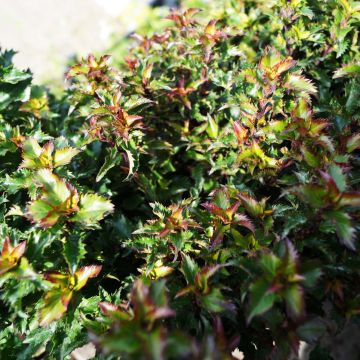
Available in 1 sizes
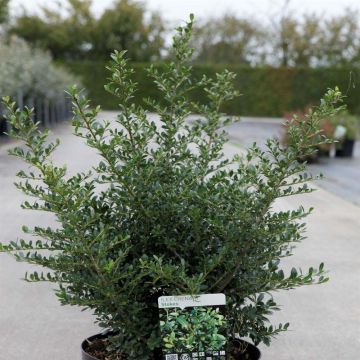
Available in 1 sizes
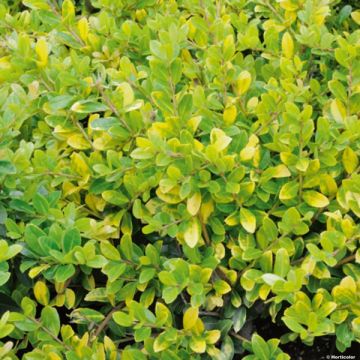
Available in 1 sizes
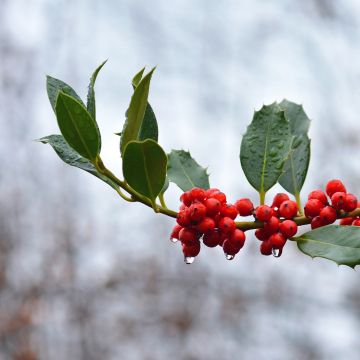
Available in 2 sizes
Available in 2 sizes

Available in 2 sizes
This plant carries a 24 months recovery warranty
More information
We guarantee the quality of our plants for a full growing cycle, and will replace at our expense any plant that fails to recover under normal climatic and planting conditions.
Does this plant fit my garden?
Set up your Plantfit profile →
Description
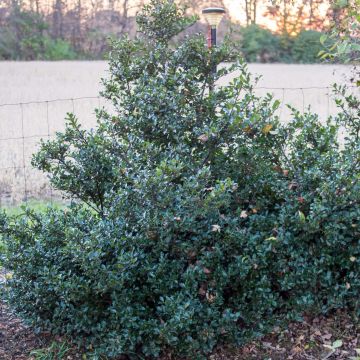
Ilex verticillata Magical Berry is a female variety of winterberry selected for its compactness and abundant bright red fruiting, which is extremely decorative until late winter on its bare branches. Native to Canada and the northeastern USA, this hardy species has deciduous foliage and is not at all prickly like European holly. This small shrub grows in non-calcareous, moist to wet soil, preferably in full sun, and will find its place in even the smallest gardens. This female variety will need to be pollinated by a male plant ('Southern Gentleman') in order to bear fruit.
Hollies belong to the Aquifoliaceae family and come in more than five hundred species, trees and shrubs, scattered across the planet, from tropical zones to temperate climates. Ilex verticillata is a suckering, ubiquitous shrub which likes acidic soils and moist to wet areas, but also adapts to open spaces like meadows or occasionally drier sandy soils. It is found in a large part of the North American territory. It is quite polymorphous, taking on the appearance of a large spreading shrub 5m tall and 6m wide, or a narrow shrub not exceeding 2m in height, depending on its habitat. This species is dioecious, meaning there are male and female individuals.
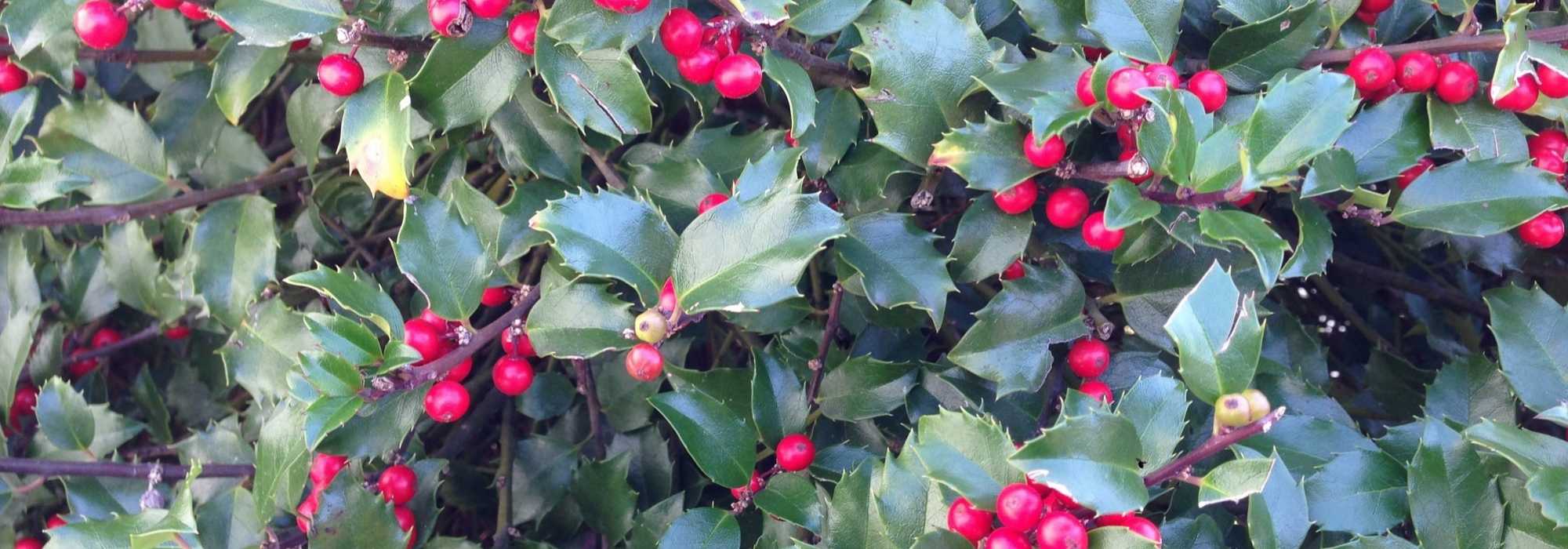
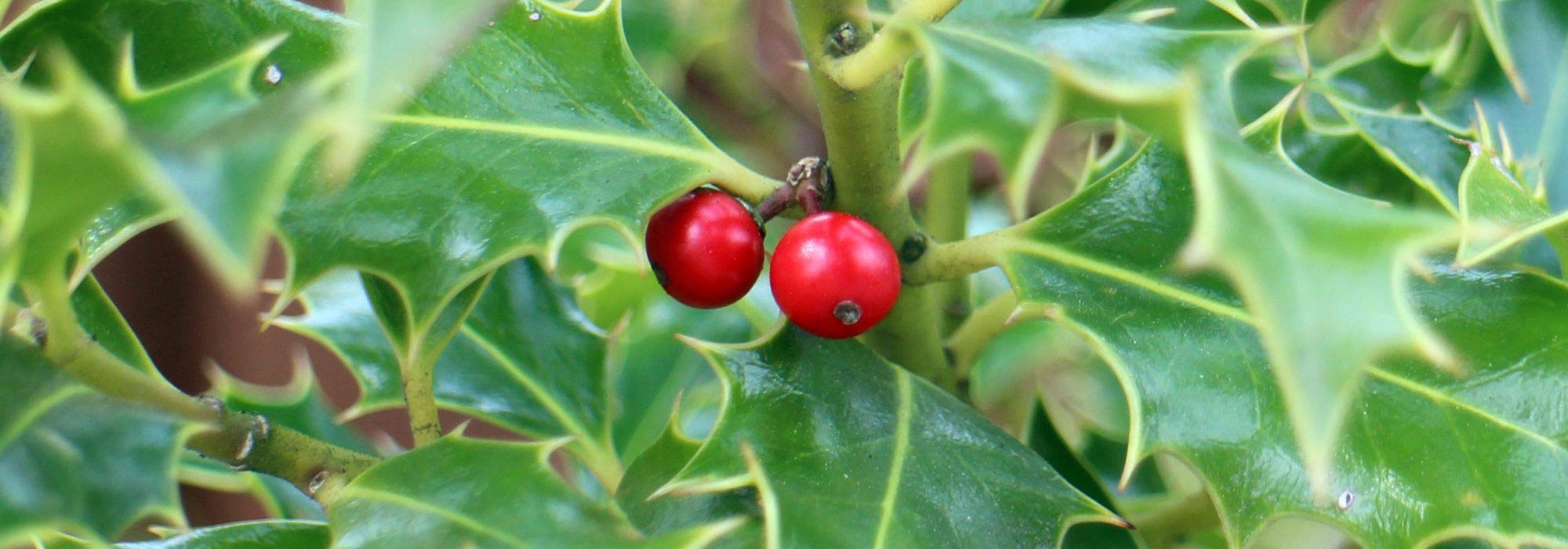
Magical Berry Winterberry Kolmber is a selection by Dutch breeder Peter R. Kolster, who is responsible for nearly thirty shrub varieties mainly among the genera Baccharis and Hydrangea, but also Philadelphus, Exochorda, Callicarpa, and others. Initially selected in 1997 by cross-breeding two Ilex verticillata plants, this holly was protected by a US patent in 2003 for commercial distribution. It forms a compact shrub, about 1.50m tall and 80cm wide, with an upright growth habit. The foliage, deciduous in winter, is composed of obovate or lanceolate leaves, tapering at the tips, measuring approximately 6cm long and 2.5cm wide, with finely toothed edges. The leaf blades are medium to dark green, with a non-hairy upper surface that is somewhat rough and slightly glossy. Flowering occurs in late spring, sometimes later, in the form of small white or greenish flowers no larger than 5mm in diameter. Solitary or grouped in twos or threes, they are scentless and have no ornamental value. When pollinated by a nearby male, the fertilised female flowers transform into small round and shiny, orange-red berries, clustered along the branches. Measuring 8mm in diameter, these berries appear approximately 75 days after pollination and persist on the plant throughout the winter, providing a feast for birds. Hardy to -25°C, this holly thrives in cool to wet, non-calcareous soils.
Ilex verticillata 'Magical Berry' is one of the most beautiful ornamental fruit shrubs in the garden. Its branches also make beautiful decorations for indoor compositions. Its compact size means it will fit even in the most intimate gardens, integrated into a loose hedge or within a mixed border. Its natural appearance pairs well with other shrubs of the same type to form a rustic hedge. Combine it with the charming Rosa rubrifolia (or Rosa glauca), a botanical rose with bluish foliage that produces pretty, single, pink flowers with golden centres in summer, followed by small shiny red decorative fruits. Slightly taller Amelanchier alnifolia Smoky is also a shrub with a very natural silhouette, with ornamental and even edible qualities. Its spring white flowers are remarkable and are followed by small edible blue-black fruits. As for the foliage, the young shoots turn red and especially in autumn, the plant turns yellow and orange. To keep some greenery in winter, add a Japanese privet (Ligustrum japonicum) with beautiful shiny dark green foliage and white summer flowers.
Plant habit
Flowering
Foliage
Planting and care
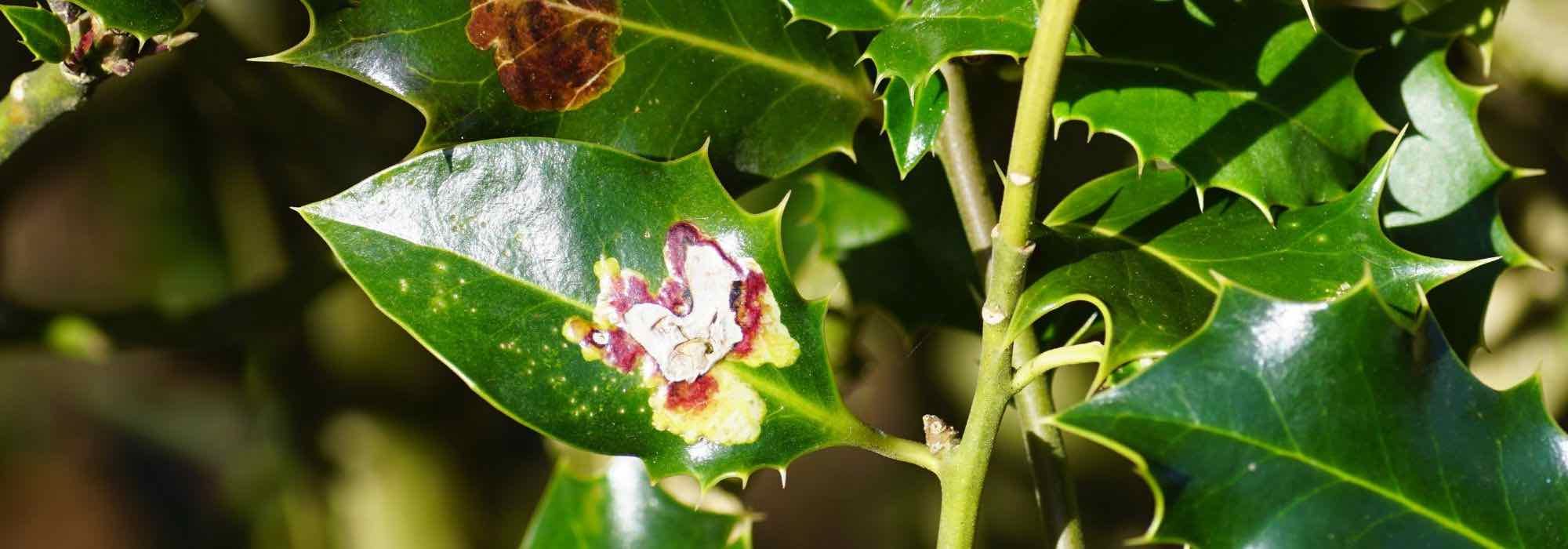
To plant Ilex verticillata Magical Berry, add some compost to the soil and incorporate it into your garden soil to slightly acidify and enrich it. If your soil contains active limestone, this holly may develop chlorosis (yellowing of the foliage around the leaf veins). In that case, add ericaceous soil and peat substitute during planting and mulch with pine bark, which tends to acidify the soil over the years. Choose a partially shaded location in a warm climate. Follow watering instructions for the first three years (preferably with non-limestone water), especially during prolonged droughts, to help the bush establish itself. In the first few years, prune in the spring by selecting the branches you want to keep. Step back and observe your holly as a whole to determine the shape and arrangement of the stems. Ilex can be attacked by holly leaf miners and white scale insects in the spring, and mites and aphids in the summer. Consider applying a preventive treatment at the beginning of the season.
Planting period
Intended location
Care
Planting & care advice
-

-

-

-

-
-
-
-
This item has not been reviewed yet - be the first to leave a review about it.
Recently viewed products
Haven't found what you were looking for?
Hardiness is the lowest winter temperature a plant can endure without suffering serious damage or even dying. However, hardiness is affected by location (a sheltered area, such as a patio), protection (winter cover) and soil type (hardiness is improved by well-drained soil).
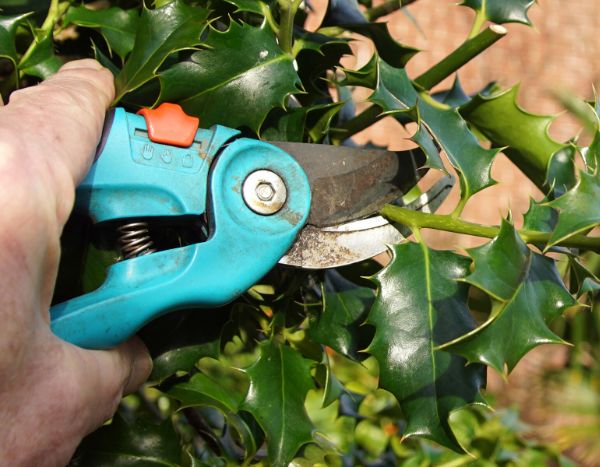
In temperate climates, pruning of spring-flowering shrubs (forsythia, spireas, etc.) should be done just after flowering.
Pruning of summer-flowering shrubs (Indian Lilac, Perovskia, etc.) can be done in winter or spring.
In cold regions as well as with frost-sensitive plants, avoid pruning too early when severe frosts may still occur.
The harvesting period indicated on our website applies to countries and regions in USDA zone 8 (France, England, Ireland, the Netherlands).
In colder areas (Scandinavia, Poland, Austria...) fruit and vegetable harvests are likely to be delayed by 3-4 weeks.
In warmer areas (Italy, Spain, Greece, etc.), harvesting will probably take place earlier, depending on weather conditions.
The sowing periods indicated on our website apply to countries and regions within USDA Zone 8 (France, UK, Ireland, Netherlands).
In colder areas (Scandinavia, Poland, Austria...), delay any outdoor sowing by 3-4 weeks, or sow under glass.
In warmer climes (Italy, Spain, Greece, etc.), bring outdoor sowing forward by a few weeks.
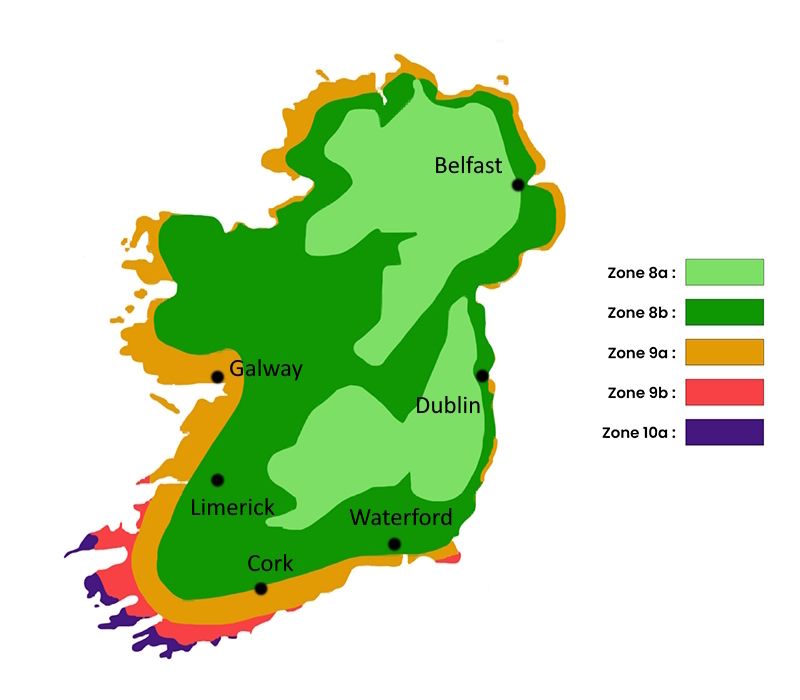
The planting period indicated on our website applies to regions in USDA Zone 9a (East Coast and Midlands: Dublin, Wexford, Waterford, Kilkenny, Portlaoise). It will vary depending on where you live:
- On the west coast and in the north-west (Galway, Limerick, Sligo, Donegal, Westport), delay planting by 1 to 2 weeks in spring and bring it forward by 1 to 2 weeks in autumn compared to the dates given, preferably choosing periods without strong winds.
- In the inland hills and plateaus (Wicklow Mountains, Macgillycuddy’s Reeks, Connemara, Killarney), it is best to plant in spring (April–May) or autumn (September–October), avoiding periods of waterlogged soil in winter and strong winds, which pose the main risk to newly planted trees in these areas.
The flowering period indicated on our website applies to regions in USDA Zone 9a, such as the East Coast and Midlands, including Dublin, Wexford, Waterford, Kilkenny and Portlaoise.
This will vary depending on where you live:
- On the west coast and in the northwest (Galway, Limerick, Sligo, Donegal and Westport), it will be delayed by one to two weeks compared to the given dates, due to stronger Atlantic winds and less spring sunshine.
- In the inland hills and plateaus (the Wicklow Mountains, the Macgillycuddy's Reeks, Connemara and Killarney), flowering will be delayed by two to three weeks. Flowering mainly occurs between May and July, with the limiting factors being less frost and more of the excessive humidity, strong winds and lack of sunshine that are characteristic of these areas.
Shipping country and language
Your country of residence may be:
Your country of residence is:
For a better user experience on our website, you can select:
Your shipping country:
-
 Austria
-
 Belgium
-
 Bosnia & Herzegovina
-
 Bulgaria
-
 Croatia
-
 Cyprus
-
 Czechia
-
 Denmark
-
 Estonia
-
 Finland
-
 France
-
 Germany
-
 Greece
-
 Hungary
-
 Iceland
-
 Ireland
-
 Italy
Italy
-
 Latvia
-
 Liechtenstein
-
 Lithuania
-
 Luxembourg
-
 Malta
Malta
-
 Netherlands
-
 Poland
-
 Portugal
-
 Romania
-
 Serbia
-
 Slovakia
-
 Slovenia
-
 Spain
Spain
-
 Sweden
-
 Switzerland
Language:
-
French
-
 English
-
Spanish
-
Italian
-
German
-
Portuguese
-
Dutch
-
Finnish
My Account
Hello
My wish lists
My cart
Log in / Register
Existing customer?
This form is protected by reCAPTCHA - the Google Privacy Policy and Terms of Service apply.
New customer?
Create an account to track your orders, access our customer service and, if you wish, make the most of our upcoming offers.