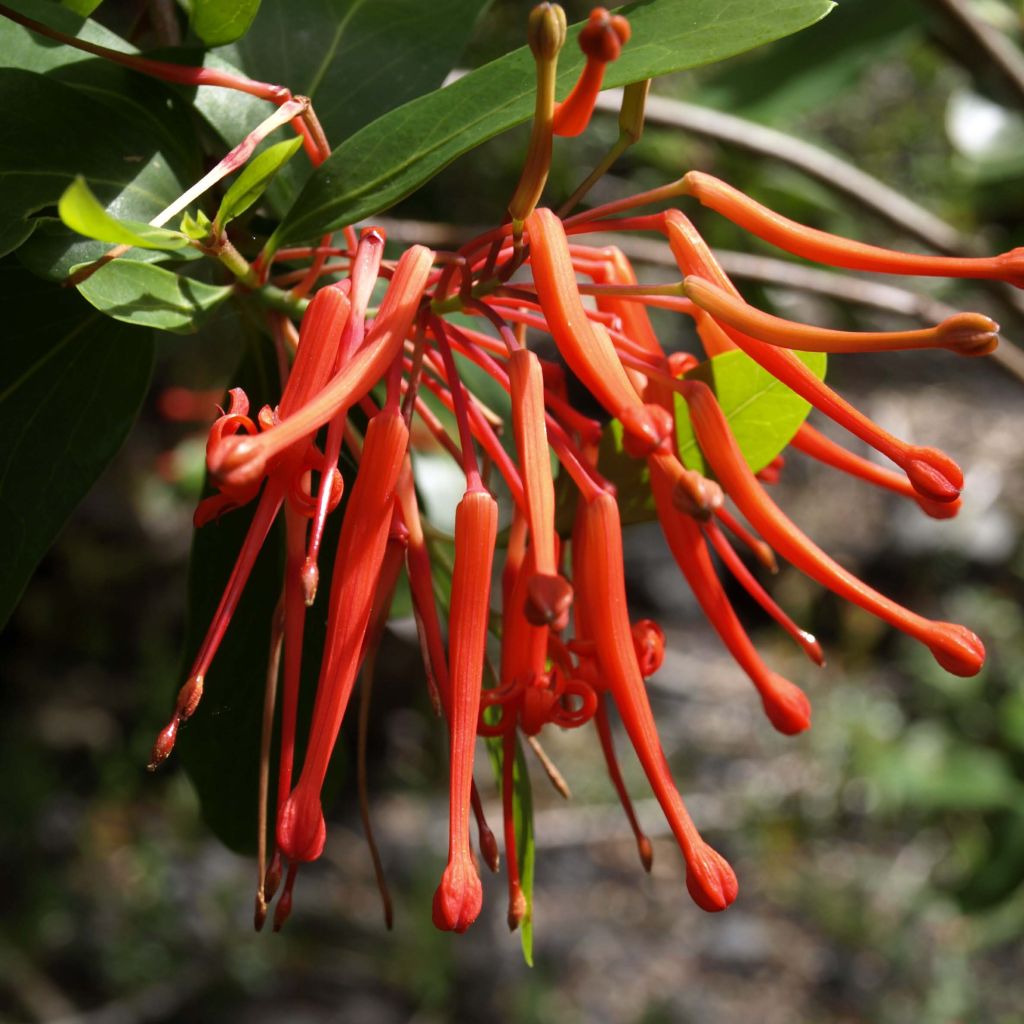
Embothrium coccineum var. lanceolatum
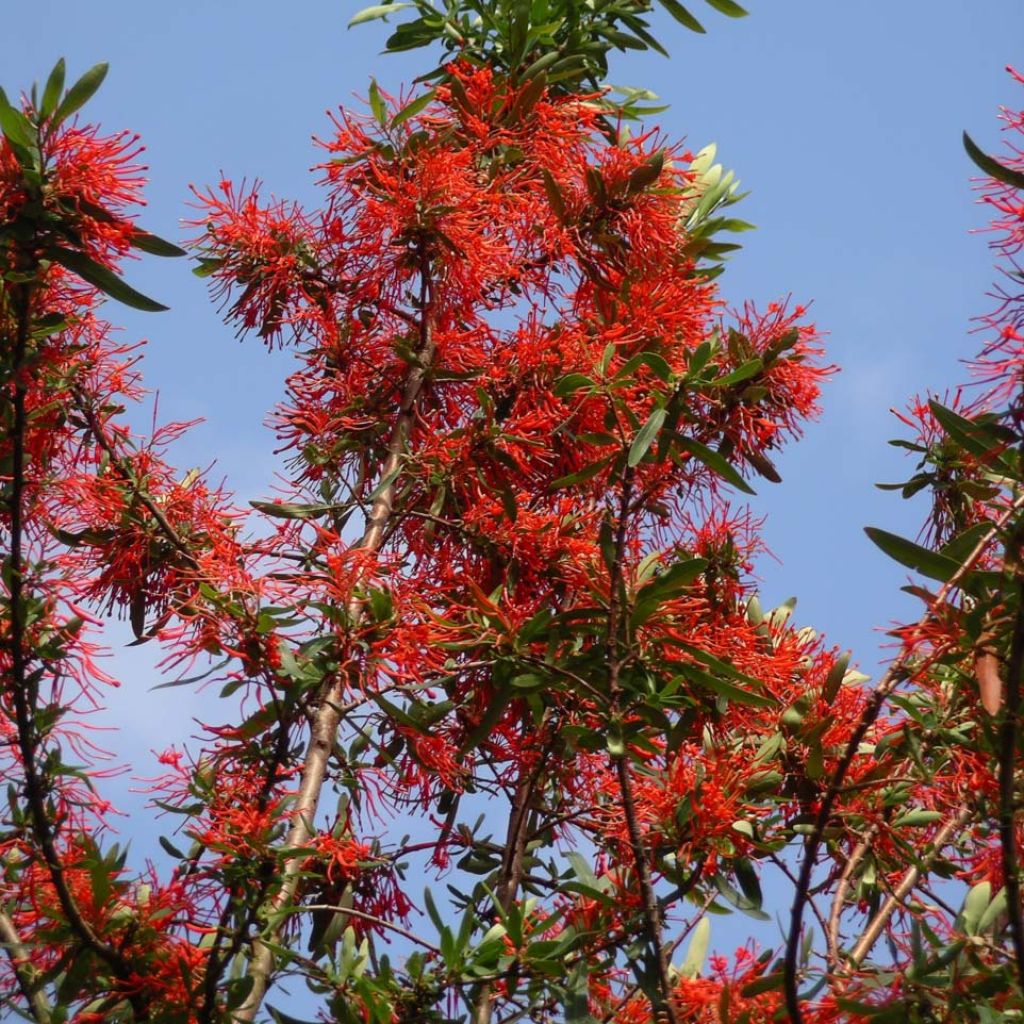
Embothrium coccineum var. lanceolatum
Embothrium coccineum var. lanceolatum
Embothrium coccineum var. lanceolatum
Chilean Firebush, Chilean Flame Flower, Chilean Firetree, Flame Tree
Well-ramified plant with a strong root system. However, the plant was slightly mishandled during transportation. Unfortunately, this transport issue is recurring and not due to the sender...
Emmanuel D., 23/11/2018
Back-to-school special offer!
Get €10 off for every €50 you spend! And get up to €40 off on a single order.
How does it work?
1. Shop your favourites
Add your favourite plants to your basket. For every €50 you spend (excluding delivery charges, store credit and the plastic-free option), you’ll receive a €10 voucher.
€50 spent = €10 voucher
€100 spent = €20 voucher
€150 spent = €30 voucher
€200 spent = €40 voucher
2. Place your order
Once your basket reaches one of the spending thresholds, place your order. You can even choose your delivery date!
3. Receive your voucher
As soon as your order has been shipped, you’ll receive an email containing your personal voucher code and its value.
4. Use it on your next order
Your voucher is valid for 90 days from the date you receive it. It can be used once only, on a new order worth at least the value of the voucher, excluding delivery charges.
Please note: Vouchers can be combined with other offers, but cannot be split or refunded.
Why not try an alternative variety in stock?
View all →
Available in 2 sizes

Available in 1 sizes
Available in 1 sizes
Available in 1 sizes

Available in 1 sizes
Available in 1 sizes

Available in 1 sizes
Available in 1 sizes
Available in 1 sizes
Available in 1 sizes
This plant carries a 24 months recovery warranty
More information
We guarantee the quality of our plants for a full growing cycle, and will replace at our expense any plant that fails to recover under normal climatic and planting conditions.

Does this plant fit my garden?
Set up your Plantfit profile →
Description
Embothrium coccineum Lanceolatum Group is a little-known tree aptly named the Chilean Fire Tree or Chilean Fire Shrub. Is it because of its magnificent flowering, with an unstoppable fiery red, its ability to emerge from the ground after a fire, or its origins that border on the extreme south of Tierra del Fuego in Patagonia? In any case, it is a magnificent and rare small tree, adorned with elegant narrow and glossy foliage, and adorned in spring with an extraordinary flowering of large clusters of tubular, scarlet flowers. This plant is worth the effort: hardy down to -12°C (10.4 °F) in well-drained soil and sheltered exposure, it likes acidic, cool, light soils, and coastal mildness.
Embothrium coccineum belongs to the proteaceae family, widely represented in South African and Australian floras. This small tree is native to a vast area ranging from the southern half of Chile, from the coast to the limit of the mountains, to the extreme south of Tierra del Fuego in Patagonia, sometimes up to 2000 metres (6561 feet 8 inches) altitude. Capable of adapting to quite diverse habitats, this species is still restricted to poor, non-chalky, sandy or peaty and filtering soils, as well as rather humid and mild climates.
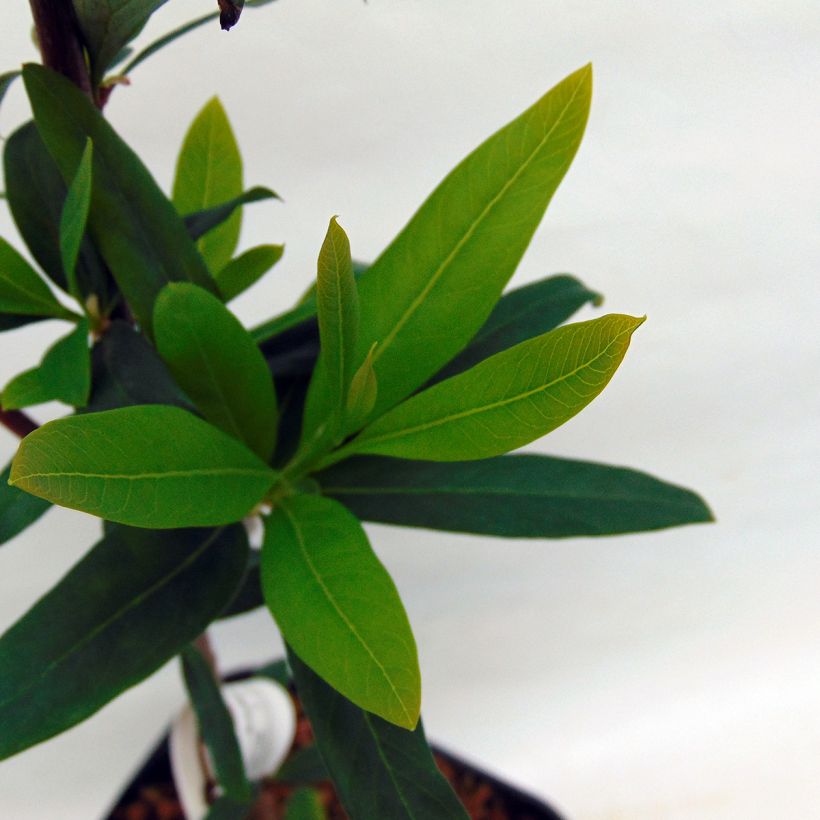
The cultivar named 'Lanceolatum Group' is actually considered a subspecies distinguished from the type by the narrowness of its leaves. This small tree has a bushy habit, both upright and spreading, with well-branched vegetation. It grows at a moderately fast rate, reaching an average height of 5.5 m (18 ft) with a spread of 2.20 m (7 ft 2 in). The stout trunk is covered with grey bark covered with lenticels that give the appearance of horizontal stripes. The upright, flexible branches, bear foliage with a bluish-green to dark green lustre. Each lanceolate leaf measures up to 12 cm (4.7 in) in length and 2 cm (0.8 in) in width, is smooth with slightly wavy edges and a clear central vein. Evergreen in mild climates, the leaves fall at -7°C (19.4 °F).
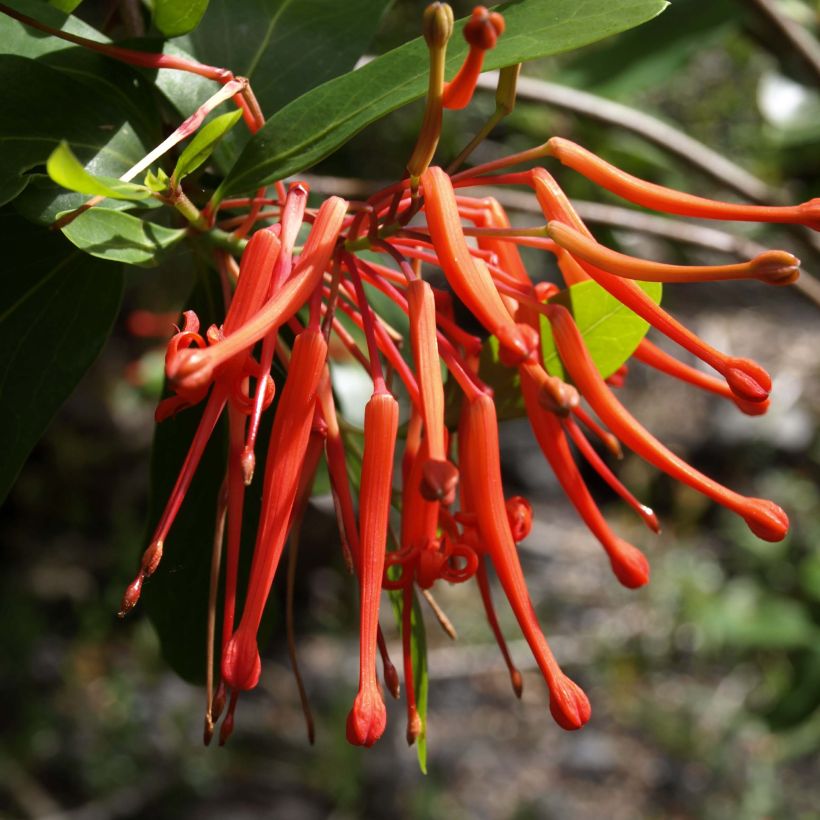
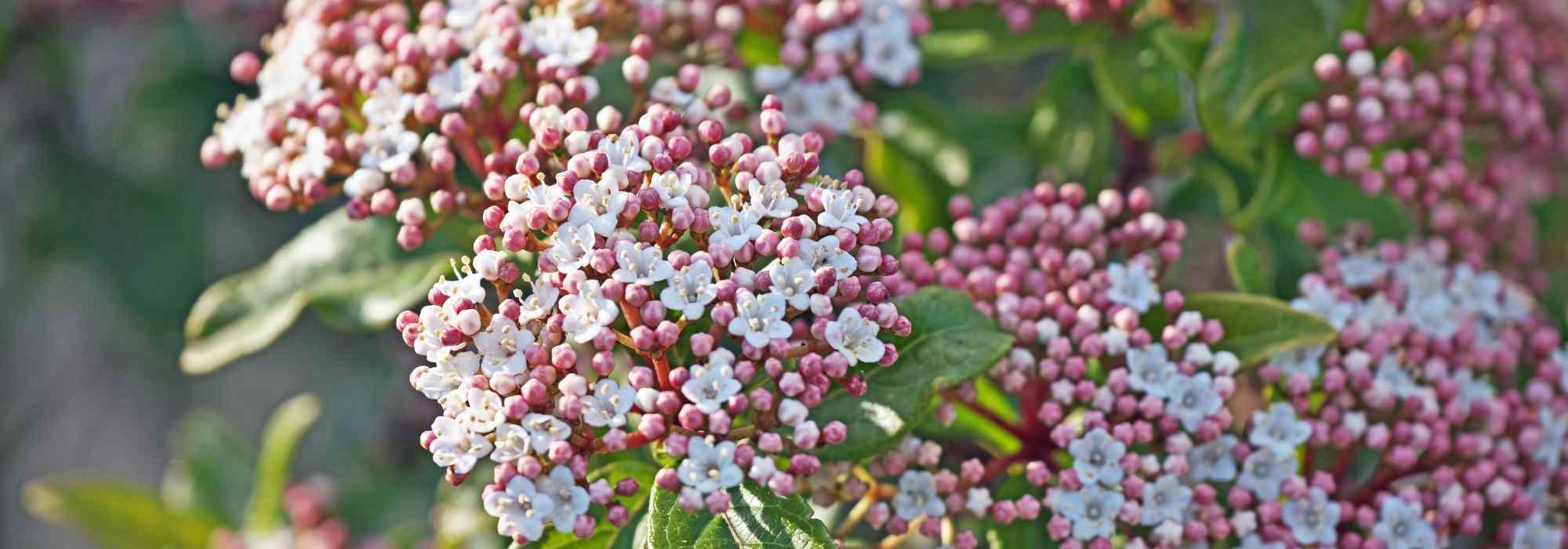
In May-June, flower clusters appear in the axils of the leaves, mostly towards the top of the tree. Each of these clusters, called a corymb, is composed of long tubular flowers measuring 3 to 5 cm (1.2 to 2 in) in length, carried by long peduncles. The flower consists of a tube ending in 4 lobes that twist at full bloom to release the pistil surrounded by 4 short and partially fused stamens. These scarlet-red flowers, sometimes tinged with yellow at their tips, are nectar-rich and attract certain species of hummingbirds in Chile that will pollinate them.
Particularly suited to mild coastal climates, one can admire some beautiful specimens of Embothrium coccineum Lanceolatum Group where it finds the mildness of winter and the summer humidity that allow it to flourish. This small tree deserves a place as a standalone specimen in a garden of modest size, but can also create a stir in a large shrub group if well accompanied: it will complement evergreen ceanothuses or the Jacaranda mimosifolia, an association as exotic as it is sumptuous. Its dazzling flowering will also be highlighted by the silver foliage of Eucalyptus or certain willows. In an exotic garden it can be associated with proteas, Canary viper's bugloss, Aloe aristata, Melianthus major or palm trees, as well as Callistemon and Leptospermum.
Report an error about the product description
Embothrium coccineum var. lanceolatum in pictures
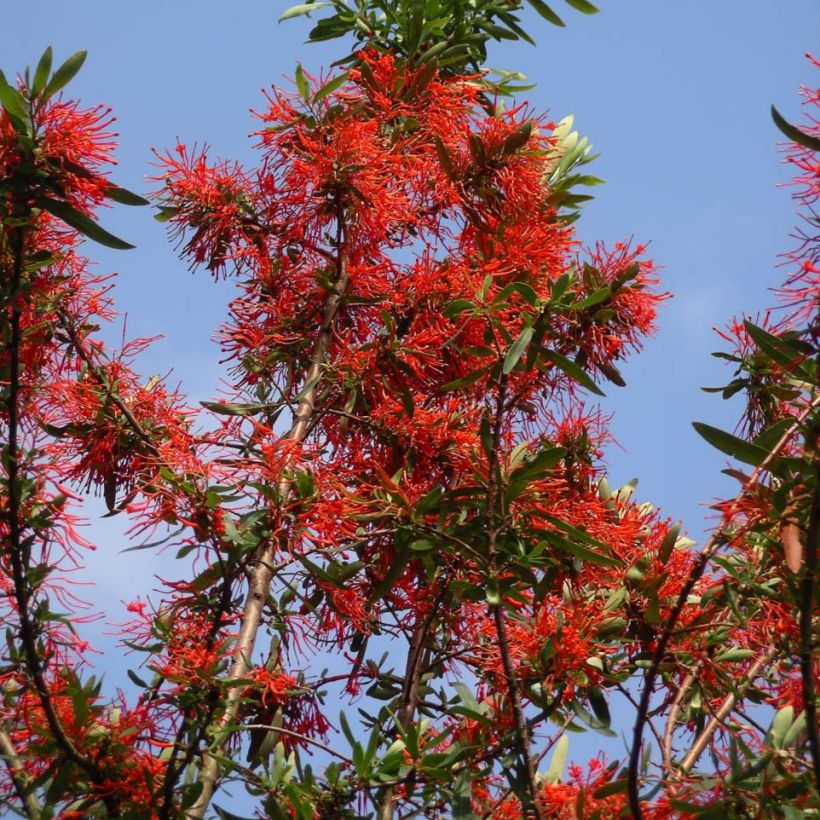
Plant habit
Flowering
Foliage
Botanical data
Embothrium
coccineum
var. lanceolatum
Proteaceae
Chilean Firebush, Chilean Flame Flower, Chilean Firetree, Flame Tree
South America
Planting and care
Embothrium coccineum is best planted in spring, after the last frost. It requires a deep, moist, acid to neutral pH, sandy, loamy, poor and well-drained soil. The presence of limestone in the soil causes yellowing of the foliage, chlorosis, which weakens the bush until it eventually dies. This condition can be corrected by regularly adding iron in chelated form. In regions where the soil and subsoil are limestone, it is best to dig a large pit, 60-80 cm (23.6-31.5 in) in all directions, then fill it with ericaceous soil and non-limestone sand. Growing in a container allows better control of the substrate and the ability to store the plant frost-free in areas with limited hardiness (down to -12°C (10.4 °F) for a well-established plant). In a container, use light, well-drained potting soil that remains moist. We recommend the following mix: 60% pine bark, 20% coarse river sand, 10% fine river sand, and 10% clay soil for its water retention capacity. The pH should be 6.5 or less. This tree dislikes hot and dry summers, so plant it in partial shade if summers are hot in your region, but in an open location elsewhere. Choose a spot sheltered from dry and cold winds. The proximity of a water source is appreciated, as long as the roots do not sit in waterlogged soil in winter.
Monitor watering during the first two summers and in pots throughout the cultivation. In the ground, it appreciates having a thick layer of mulch. Use wood chips or grass clippings. For feeding use a very low phosphorus fertilizer, as it can decrease the bush's resistance to drought by destroying the thick root hairs that develop just below the soil surface. A 18-2-10 N-P-K fertilizer is well-suited.
Pruning:
It is unnecessary to prune the Chilean fire tree, just remove dead wood.
Insects and diseases:
Mites, particularly red spiders, colonize the foliage when the air is too dry. In hot and dry weather, spray the foliage in the evening.
Planting period
Intended location
Care
Planting & care advice
-
-
-
-
-
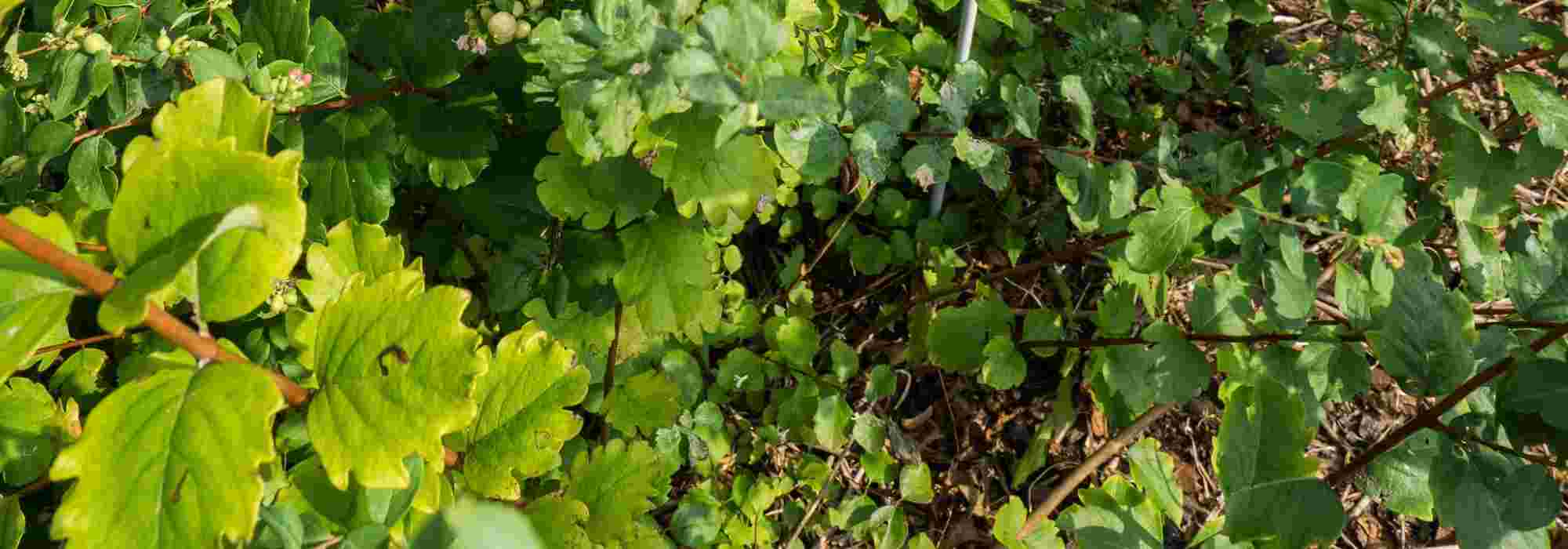
-
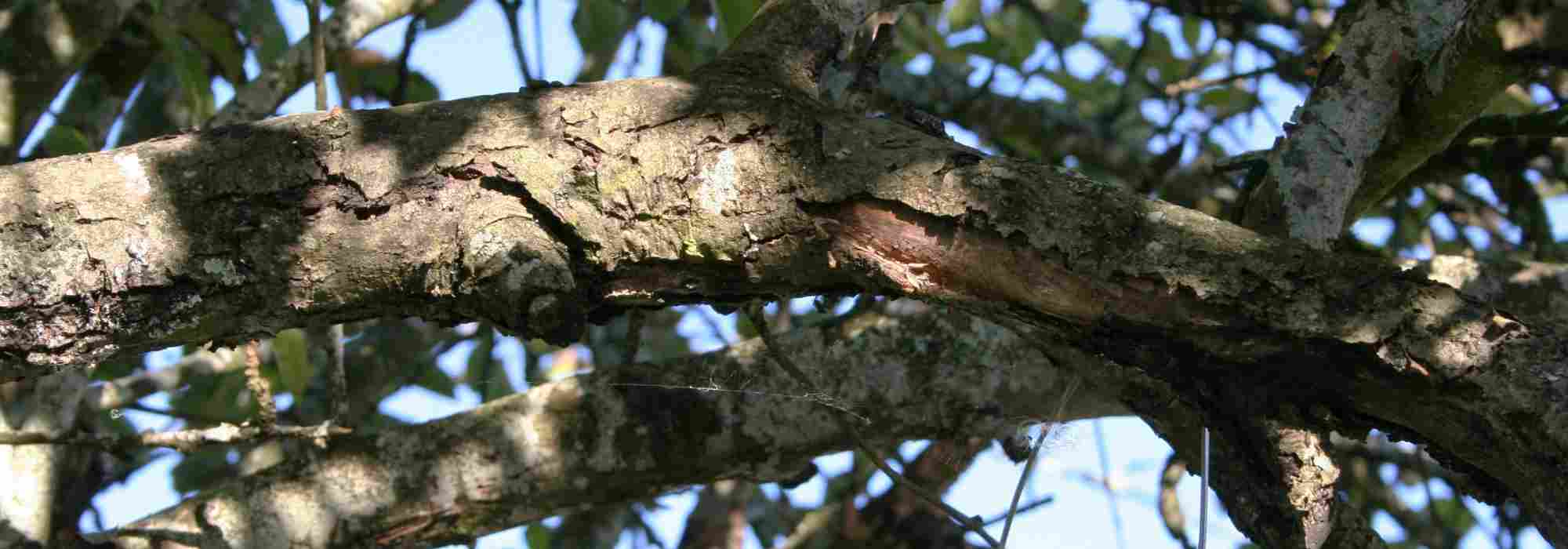
-

-
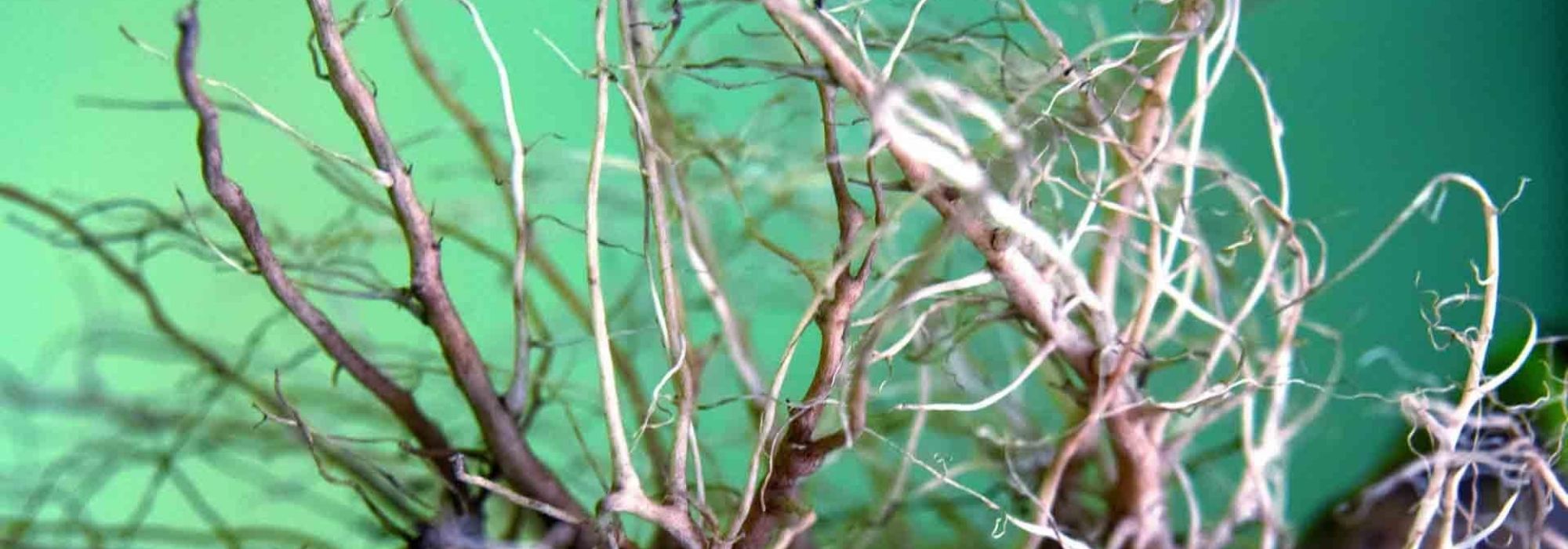
-
, onOrder confirmed
Reply from on Promesse de fleurs
Recently viewed products
Haven't found what you were looking for?
Hardiness is the lowest winter temperature a plant can endure without suffering serious damage or even dying. However, hardiness is affected by location (a sheltered area, such as a patio), protection (winter cover) and soil type (hardiness is improved by well-drained soil).
In temperate climates, pruning of spring-flowering shrubs (forsythia, spireas, etc.) should be done just after flowering.
Pruning of summer-flowering shrubs (Indian Lilac, Perovskia, etc.) can be done in winter or spring.
In cold regions as well as with frost-sensitive plants, avoid pruning too early when severe frosts may still occur.
The harvesting period indicated on our website applies to countries and regions in USDA zone 8 (France, England, Ireland, the Netherlands).
In colder areas (Scandinavia, Poland, Austria...) fruit and vegetable harvests are likely to be delayed by 3-4 weeks.
In warmer areas (Italy, Spain, Greece, etc.), harvesting will probably take place earlier, depending on weather conditions.
The sowing periods indicated on our website apply to countries and regions within USDA Zone 8 (France, UK, Ireland, Netherlands).
In colder areas (Scandinavia, Poland, Austria...), delay any outdoor sowing by 3-4 weeks, or sow under glass.
In warmer climes (Italy, Spain, Greece, etc.), bring outdoor sowing forward by a few weeks.
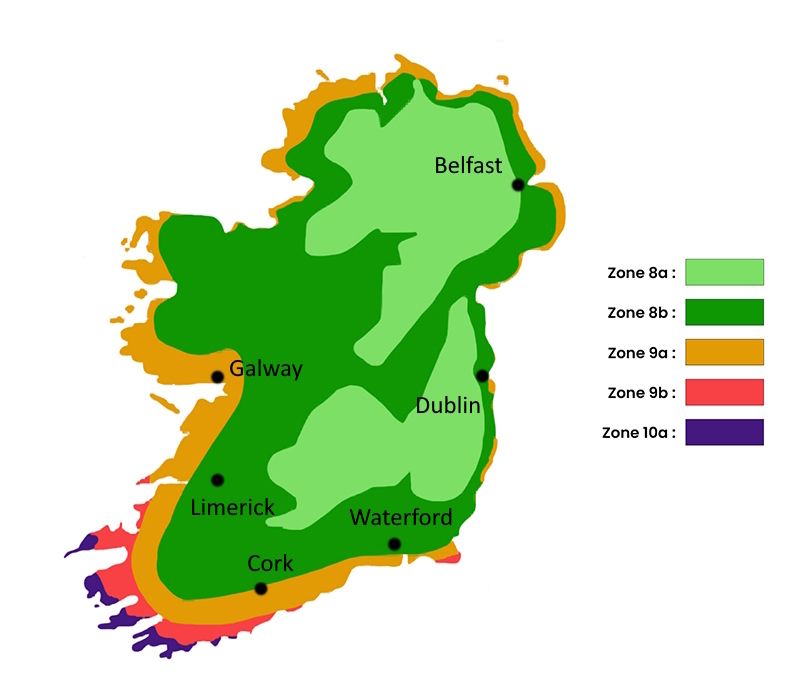
The planting period indicated on our website applies to regions in USDA Zone 9a (East Coast and Midlands: Dublin, Wexford, Waterford, Kilkenny, Portlaoise). It will vary depending on where you live:
- On the west coast and in the north-west (Galway, Limerick, Sligo, Donegal, Westport), delay planting by 1 to 2 weeks in spring and bring it forward by 1 to 2 weeks in autumn compared to the dates given, preferably choosing periods without strong winds.
- In the inland hills and plateaus (Wicklow Mountains, Macgillycuddy’s Reeks, Connemara, Killarney), it is best to plant in spring (April–May) or autumn (September–October), avoiding periods of waterlogged soil in winter and strong winds, which pose the main risk to newly planted trees in these areas.
The flowering period indicated on our website applies to regions in USDA Zone 9a, such as the East Coast and Midlands, including Dublin, Wexford, Waterford, Kilkenny and Portlaoise.
This will vary depending on where you live:
- On the west coast and in the northwest (Galway, Limerick, Sligo, Donegal and Westport), it will be delayed by one to two weeks compared to the given dates, due to stronger Atlantic winds and less spring sunshine.
- In the inland hills and plateaus (the Wicklow Mountains, the Macgillycuddy's Reeks, Connemara and Killarney), flowering will be delayed by two to three weeks. Flowering mainly occurs between May and July, with the limiting factors being less frost and more of the excessive humidity, strong winds and lack of sunshine that are characteristic of these areas.
Shipping country and language
Your country of residence may be:
Your country of residence is:
For a better user experience on our website, you can select:
Your shipping country:
-
 Austria
-
 Belgium
-
 Bosnia & Herzegovina
-
 Bulgaria
-
 Croatia
-
 Cyprus
-
 Czechia
-
 Denmark
-
 Estonia
-
 Finland
-
 France
-
 Germany
-
 Greece
-
 Hungary
-
 Iceland
-
 Ireland
-
 Italy
Italy
-
 Latvia
-
 Liechtenstein
-
 Lithuania
-
 Luxembourg
-
 Malta
Malta
-
 Netherlands
-
 Poland
-
 Portugal
-
 Romania
-
 Serbia
-
 Slovakia
-
 Slovenia
-
 Spain
Spain
-
 Sweden
-
 Switzerland
Language:
-
French
-
 English
-
Spanish
-
Italian
-
German
-
Portuguese
-
Dutch
-
Finnish
My Account
Hello
My wish lists
My cart
Log in / Register
Existing customer?
This form is protected by reCAPTCHA - the Google Privacy Policy and Terms of Service apply.
New customer?
Create an account to track your orders, access our customer service and, if you wish, make the most of our upcoming offers.