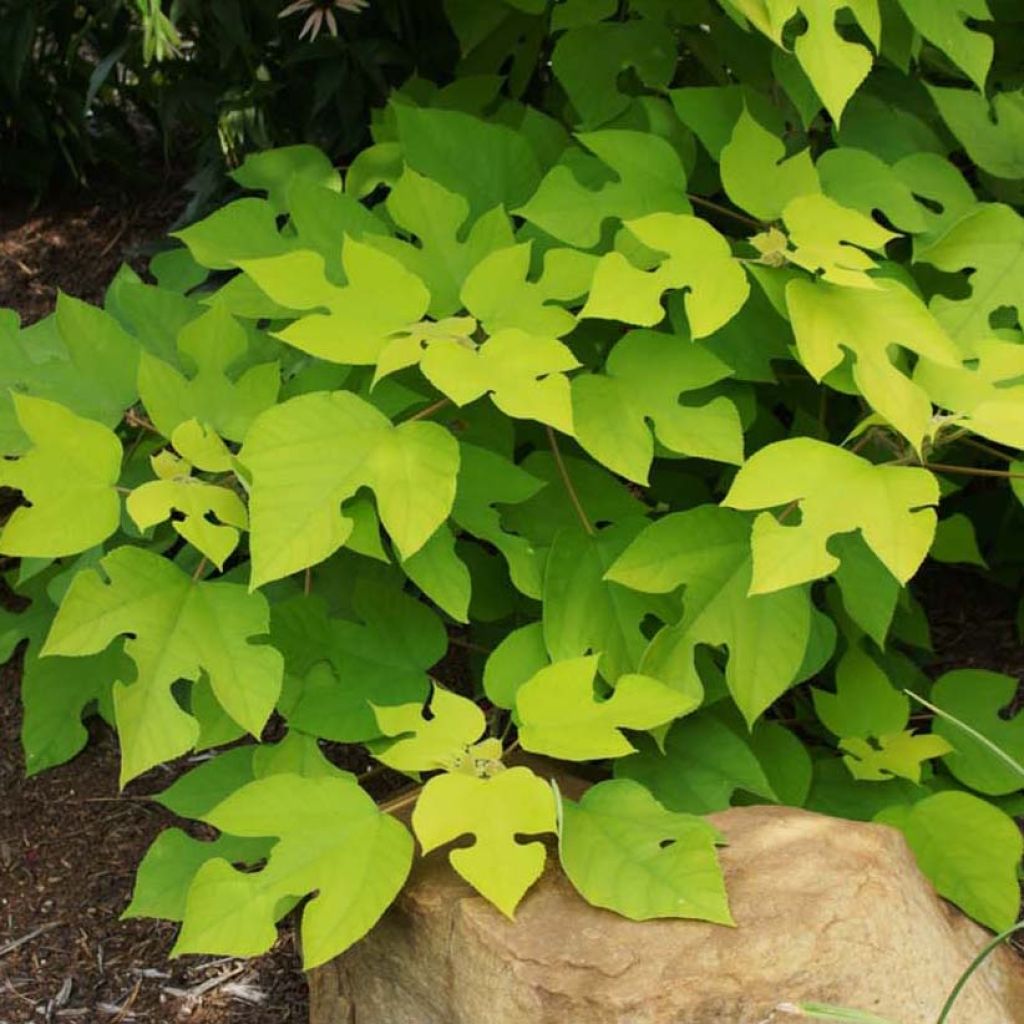
Broussonetia papyrifera Golden Shadow
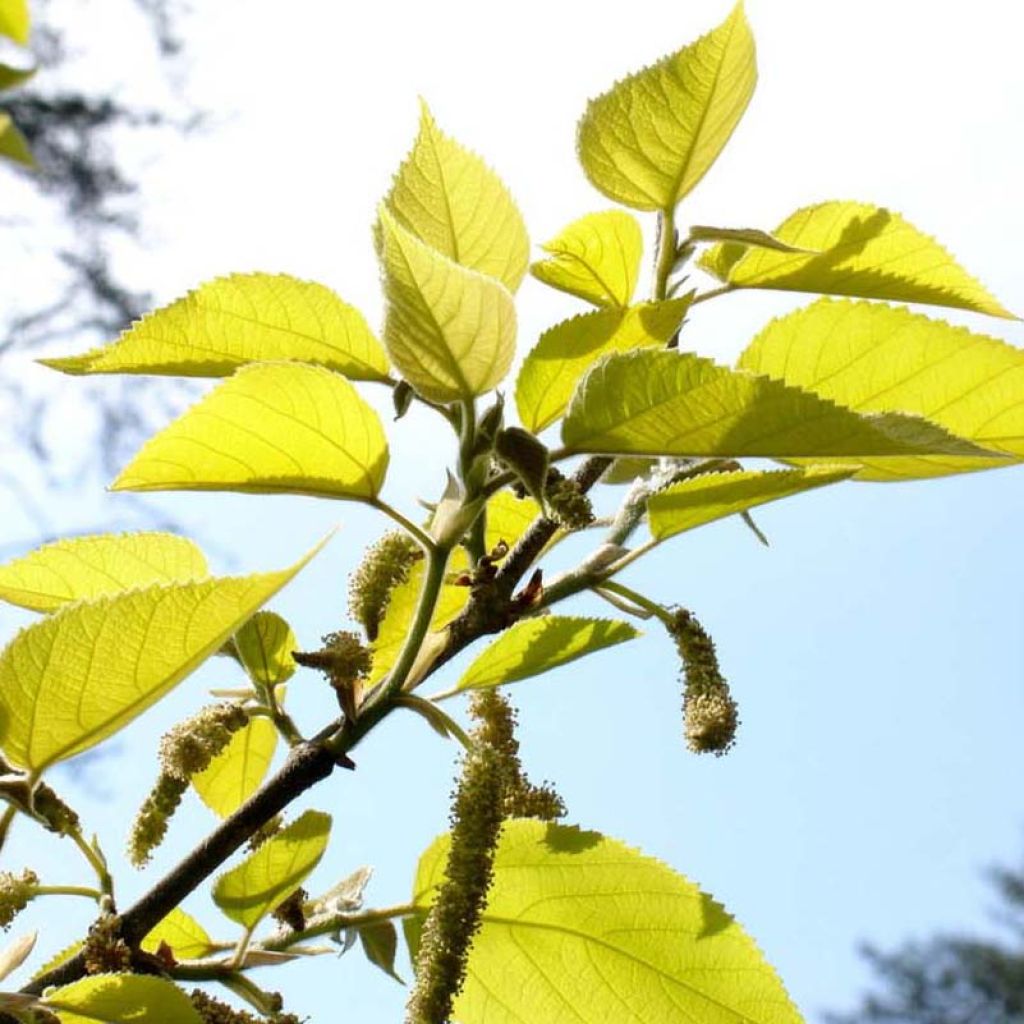
Broussonetia papyrifera Golden Shadow
Broussonetia papyrifera Golden Shadow
Broussonetia papyrifera Golden Shadow
Paper Mulberry
A very rare and seemingly frail little tree without a leaf! Wait until you see it with leaves hihihi.... A WONDER... (for those who purchase a 'Golden Shadow' Broussonetia for €25, call me every day) (Botanical Nurseries of Cambremer, an excellent young plant to find in St Jean de Beauregard) Good luck, colleague, a very beautiful plant to discover, Regards,
charles, 04/04/2019
Back-to-school special offer!
Get €10 off for every €50 you spend! And get up to €40 off on a single order.
How does it work?
1. Shop your favourites
Add your favourite plants to your basket. For every €50 you spend (excluding delivery charges, store credit and the plastic-free option), you’ll receive a €10 voucher.
€50 spent = €10 voucher
€100 spent = €20 voucher
€150 spent = €30 voucher
€200 spent = €40 voucher
2. Place your order
Once your basket reaches one of the spending thresholds, place your order. You can even choose your delivery date!
3. Receive your voucher
As soon as your order has been shipped, you’ll receive an email containing your personal voucher code and its value.
4. Use it on your next order
Your voucher is valid for 90 days from the date you receive it. It can be used once only, on a new order worth at least the value of the voucher, excluding delivery charges.
Please note: Vouchers can be combined with other offers, but cannot be split or refunded.
Why not try an alternative variety in stock?
View all →
Available in 1 sizes
Available in 1 sizes
Available in 1 sizes
Available in 1 sizes
Available in 1 sizes
Available in 1 sizes
Available in 1 sizes
Available in 1 sizes
Available in 1 sizes
Available in 1 sizes
This plant carries a 24 months recovery warranty
More information
We guarantee the quality of our plants for a full growing cycle, and will replace at our expense any plant that fails to recover under normal climatic and planting conditions.

Does this plant fit my garden?
Set up your Plantfit profile →
Description
Broussonetia papyrifera 'Golden Shadow' is a variety of paper mulberry recently selected in the United States for the beautiful yellow colour of its foliage, particularly durable throughout the season. Its large velvety leaves, of variable shape on the same branch, often surprisingly lobed, turn chartreuse green in summer. It blooms in late spring, offering curious light red pompom-shaped inflorescences. Cultivated since ancient times in Southeast Asia, the paper mulberry is a deciduous graphical, lush, tropical-looking but very resistant small tree. Its size can be easily controlled by pruning young shoots, allowing it to be planted in cold regions in a large pot on the terrace or in a shrub bed.
The paper mulberry, Spanish mulberry or Chinese mulberry, belongs to the family of Moraceae, just like our silkworm mulberries, and produces latex in its tissues, like all members of its family. Originally from temperate regions of Southeast Asia, especially China, Japan, and Polynesia, it has long been cultivated for the production of high-quality paper in its native lands. This small tree with a spreading and irregular habit has slightly suckering roots, capable of producing suckers. It often grows with multiple stems, each supporting a spreading umbrella-like crown. Its growth is rapid during the first few years, then slows down. It can reach 8m (26ft 2in) in all directions in favourable climates, but it is often pruned in spring to shape it into a large shrub not exceeding 2 to 3m (6ft 7in to 9ft 10in) in all directions. Broussonetia papyrifera is a dioecious plant, meaning that there are separate male and female individuals.
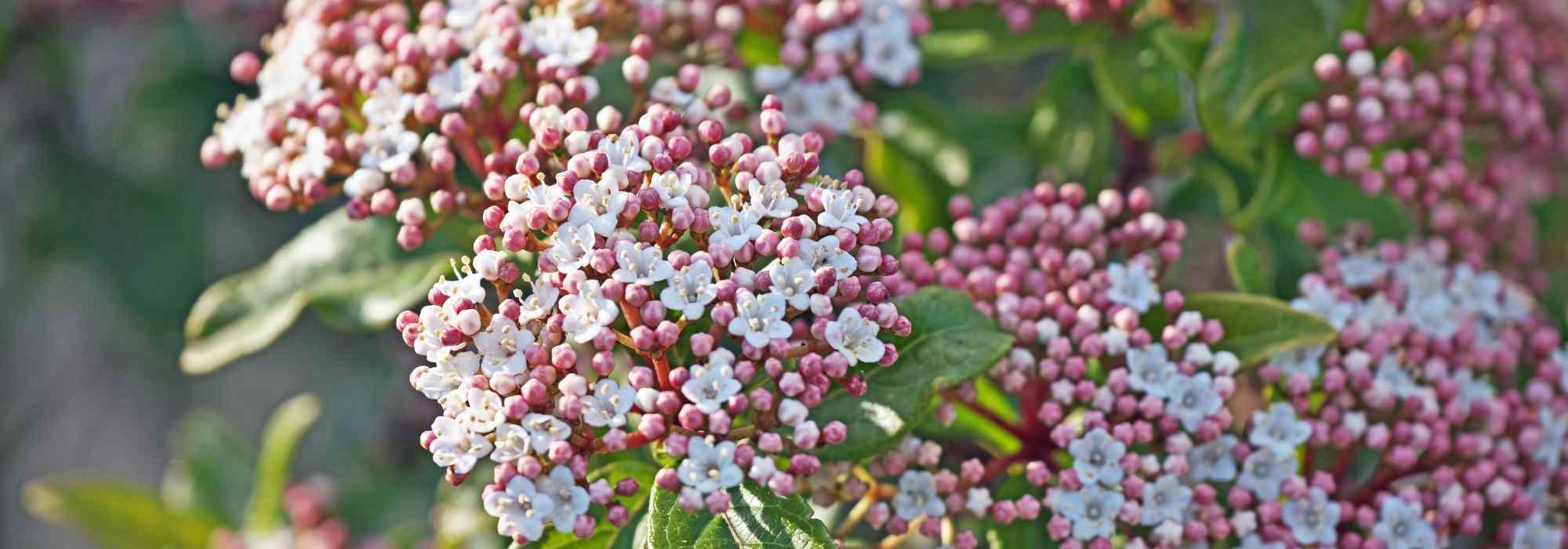
The 'Golden Shadow' cultivar, female, will only bear fruit in the presence of another paper mulberry with male flowers arranged in pendulous catkins. Its bark is grey-beige, slightly striated. The young branches are pubescent, grey-green in colour. The leaves, deciduous, are polymorphous, meaning that their appearance can vary depending on their position on the branches. They are heart-shaped or deeply lobed, with 3 to 7 lobes resembling an ace of spades. Smooth on the surface, velvety on the underside, finely toothed along the edges, they measure 7 to 20cm (2.8 to 7.9in) in all directions. In this 'Golden Shadow' variety, they are chrome yellow from spring to summer, slightly tinted with greener hues in late summer and autumn. Its flowering, in May-June, consists of axillary pendulous female inflorescences, composed of tiny red flowers. When pollinated by a male plant, they produce round fruits measuring 2 to 3cm (0.8 to 1.2in) in diameter, red-orange in colour, edible, juicy, and sweet, but fragile. They are enjoyed by humans as well as birds. Its root system, both taproot and spreading, does not appreciate transplantations. Its size implies that it should be planted at a respectable distance from buildings.
Morus papyrifera 'Golden Shadow' is capable of regrowing from the stump below -12°C. It is not demanding on soil type and tolerates the presence of limestone or poor sandy soils perfectly. It is an excellent ground shrub for dry, Mediterranean, or mild Atlantic gardens. However, it should not be planted directly exposed to sea spray in coastal areas. It tolerates pollution well, allowing it to be adopted in small urban gardens, which are better protected from severe frosts. Traditionally used as a solitary plant for the beauty of its foliage, it can also be planted in a large container on a well-sheltered terrace. It is also useful on slopes to combat soil erosion. In a large exotic bed, for example, it can be associated with Tetrapanax papyrifera, banana trees, Beschorneria yuccoides, Melianthus major, Chamaerops humilis, Cordylines, Agaves, or Yuccas. As an architectural and structural plant, it can also mark a path or the entrance of a house.
Report an error about the product description
Broussonetia papyrifera Golden Shadow in pictures
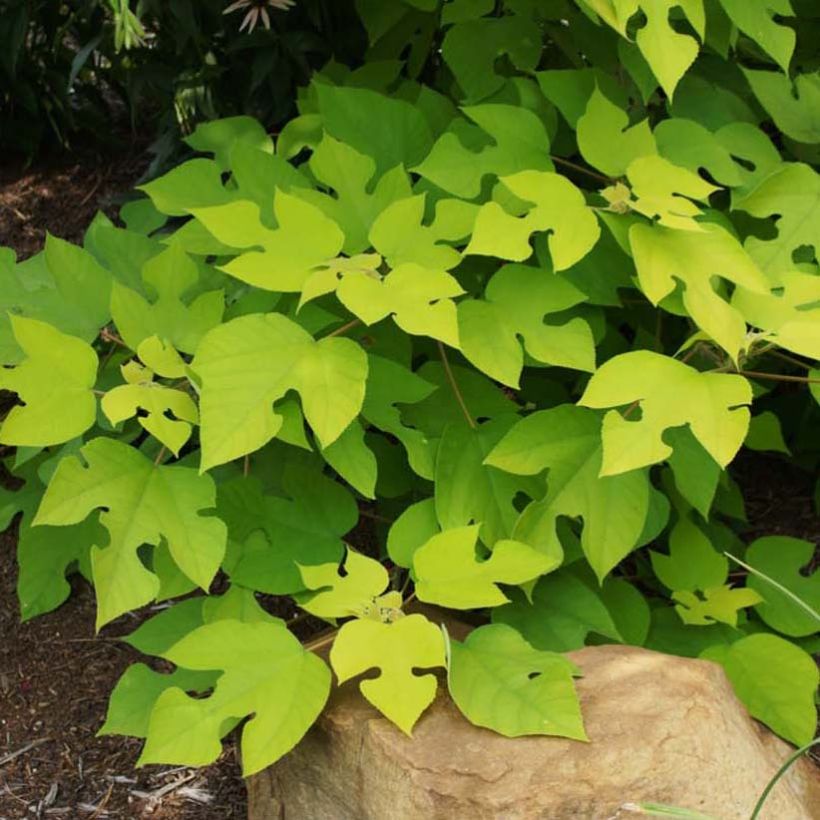
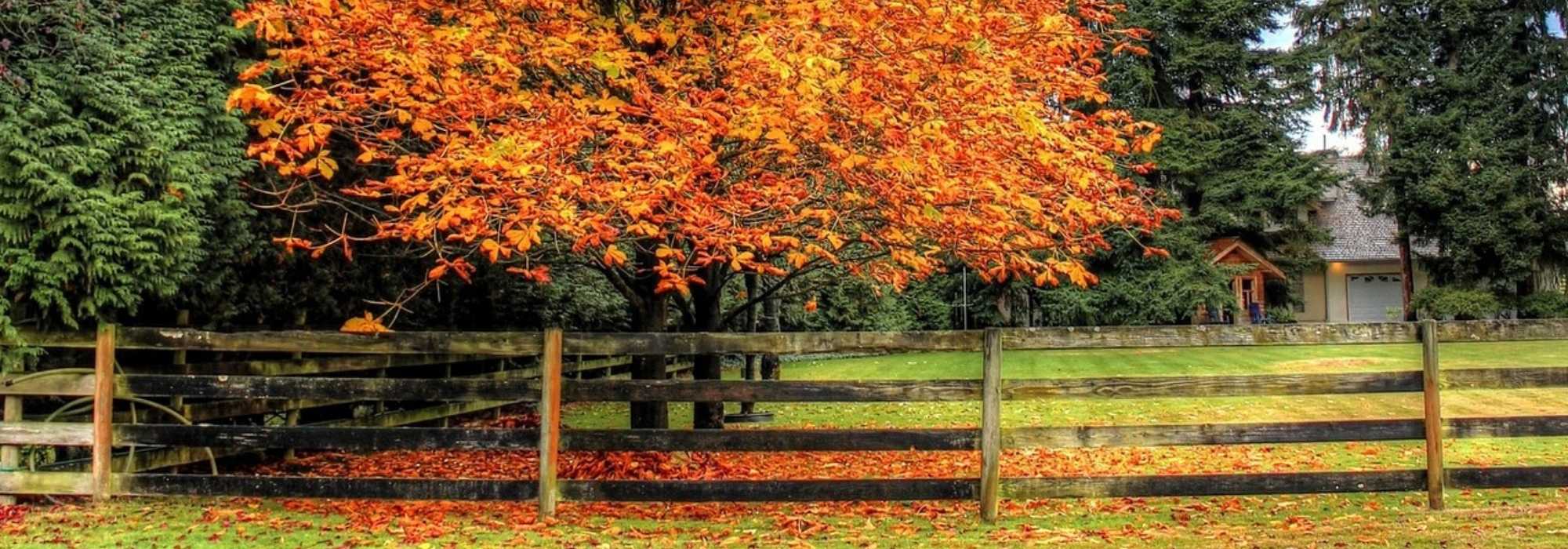
Plant habit
Flowering
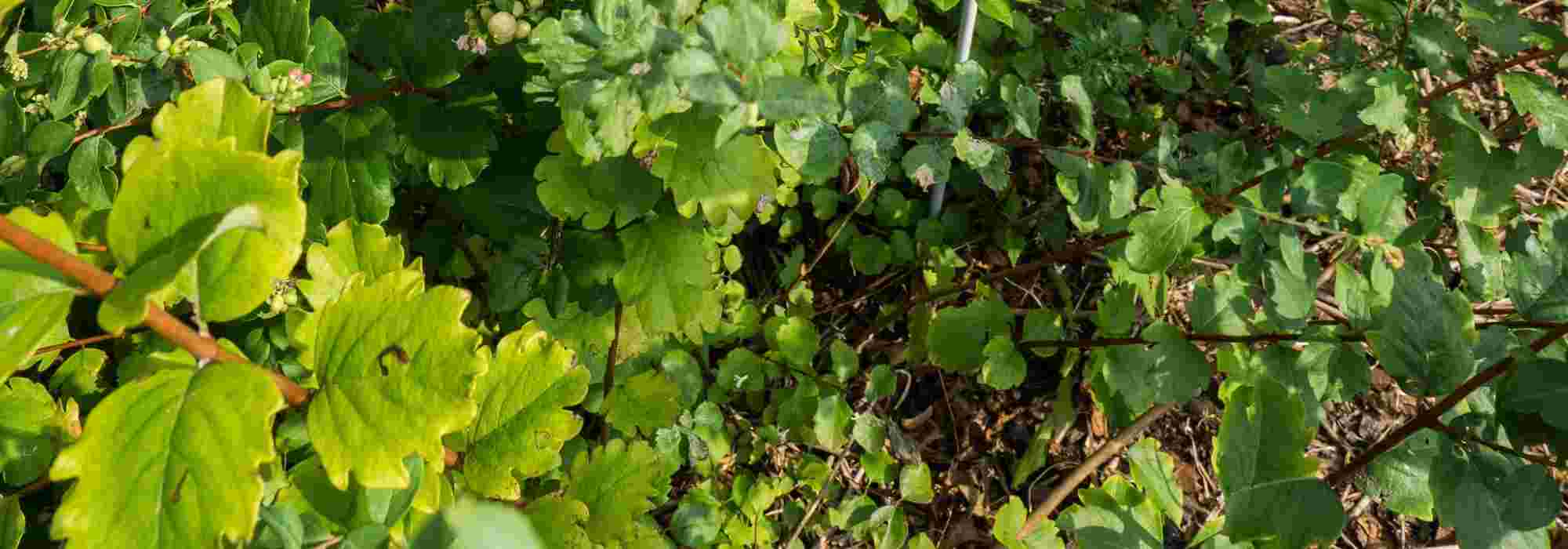
Foliage
Safety measures
Botanical data
Broussonetia
papyrifera
Golden Shadow
Moraceae
Paper Mulberry
Cultivar or hybrid
Phytophotodermatoses
Cette plante peut provoquer l'apparition de réactions cutanées indésirables en cas de contact suivi d'une exposition au soleil.
Ne la plantez pas là où de jeunes enfants peuvent évoluer. Evitez l'exposition au soleil après l'avoir manipulée. Evitez tout contact avec la peau: privilégiez l'emploi de gants pour la manipuler. En cas de contact, lavez-vous soigneusement les mains et rincez abondamment à l'eau la zone concernée. Lavez les vêtements entrés en contact. En cas de réaction cutanée, contactez votre médecin ou le centre antipoison le plus proche de chez vous. En cas d'atteinte étendue, appelez sans tarder le 15 ou le 112.Pensez à conserver l'étiquette de la plante, à la photographier ou à noter son nom, afin de faciliter le travail des professionnels de santé.
Davantage d'informations sur https://plantes-risque.info
atteinterespiratoire
Cette plante peut entraîner des symptômes allergiques.
Evitez de la planter si vous ou vos proches souffrez de rhinite saisonnière ("rhume des foins").
Davantage d'informations sur https://plantes-risque.info
Planting and care
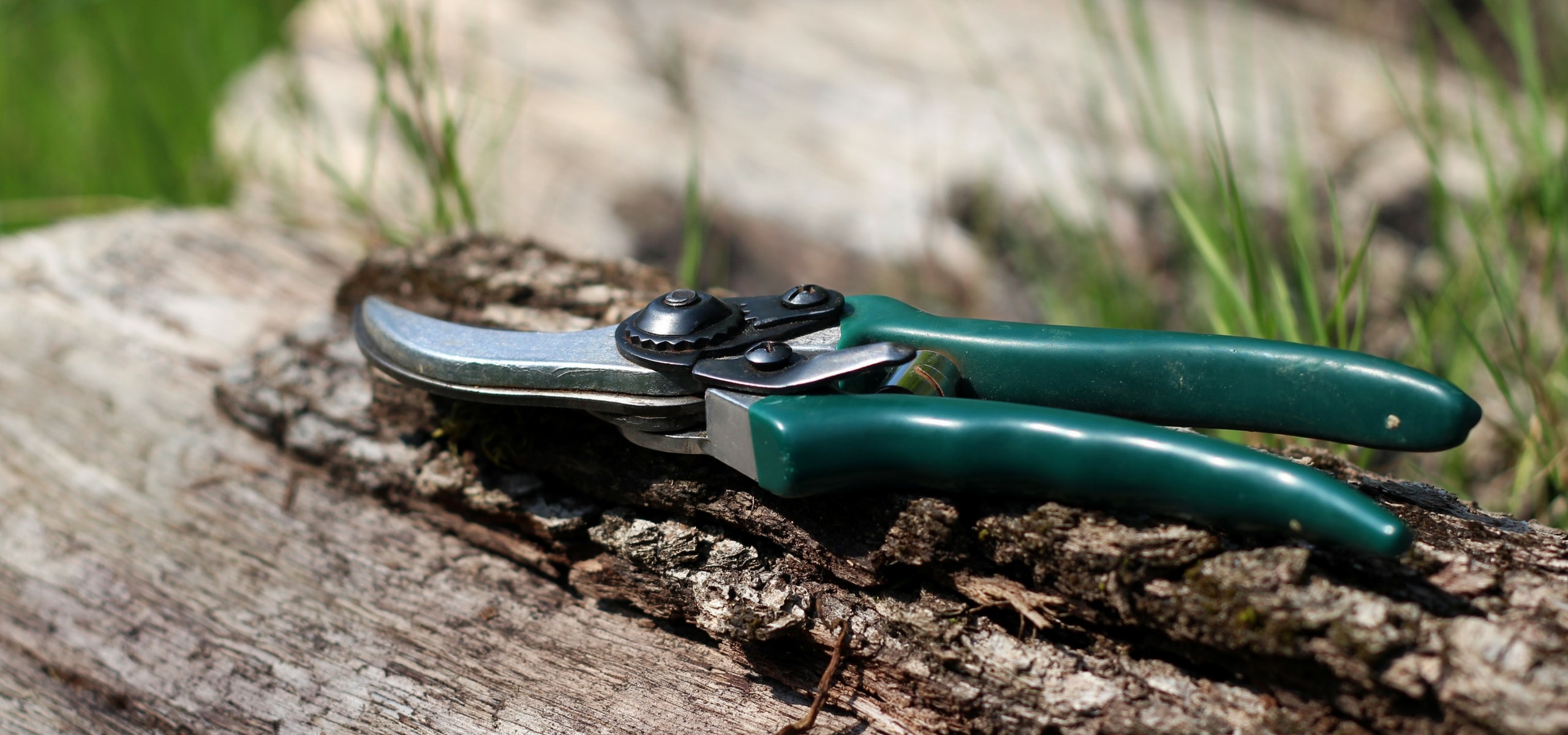
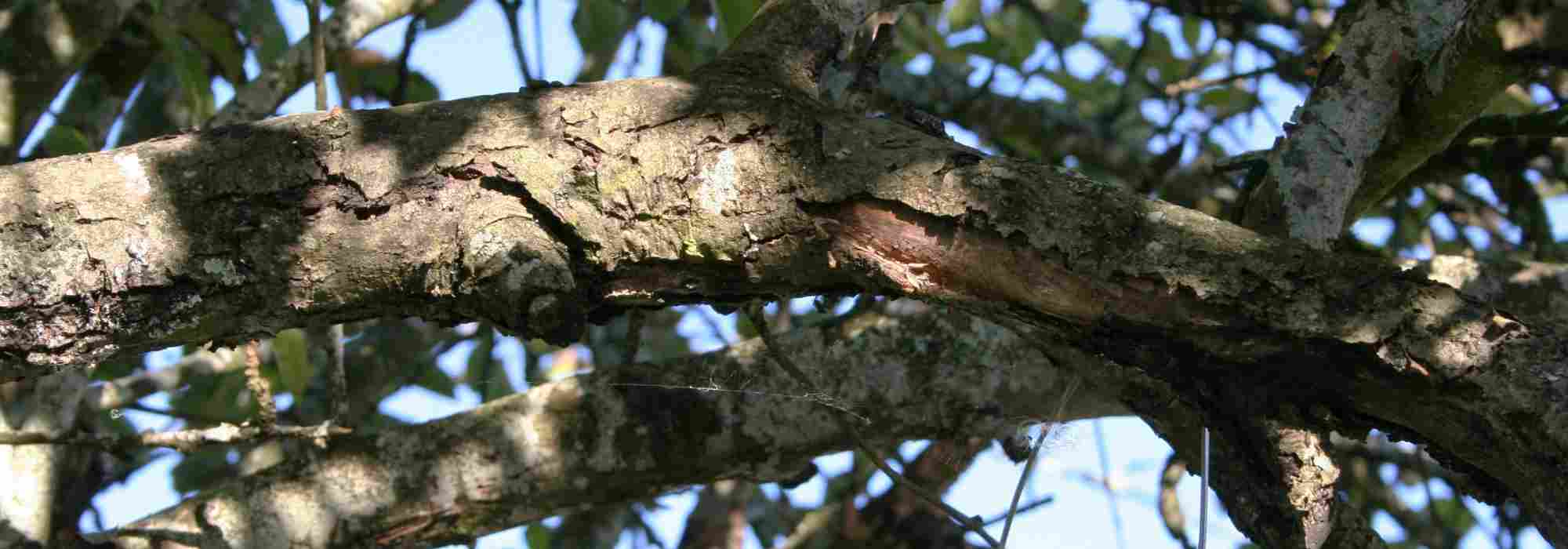
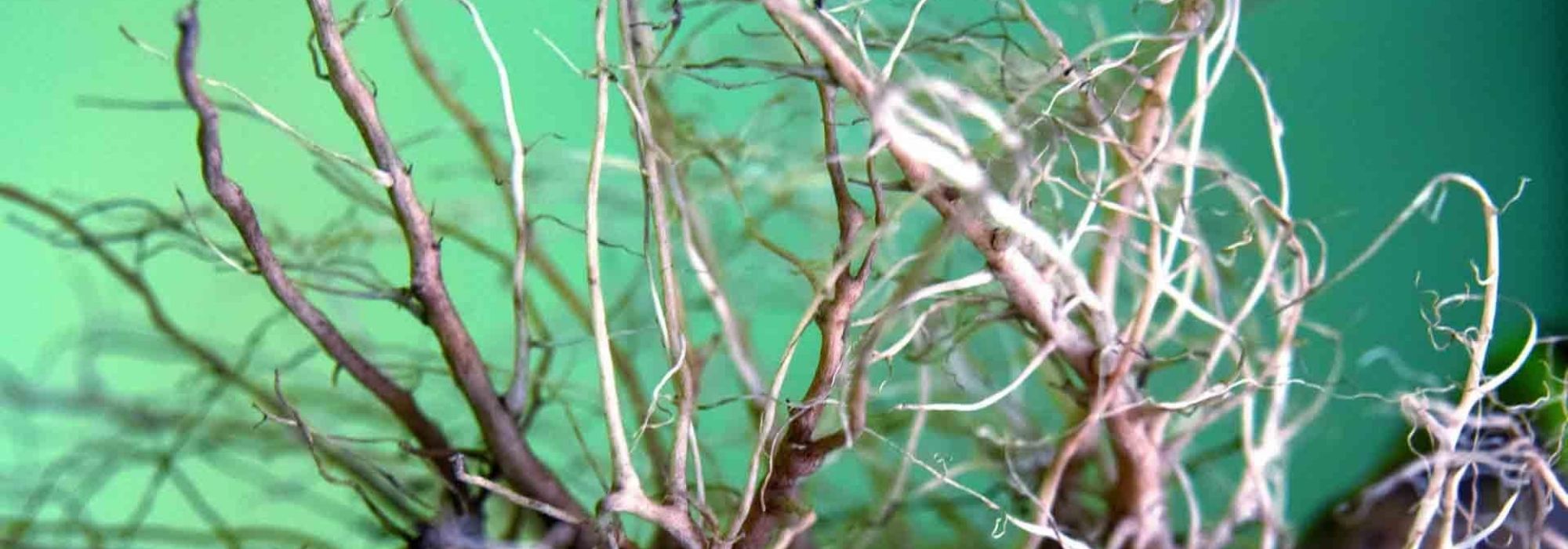
Broussonetia papyrifera 'Golden Shadow' is preferably planted in spring in regions with borderline hardiness or in autumn in hot and dry climates, in a well-drained and sufficiently deep soil. While it thrives faster in fertile and moist soil, it tolerates perfectly poor, calcareous or sandy, and dry soils in summer. Plant it in a sunny position, at least part of the day, to enhance the yellow colour of its foliage. Be careful not to damage its fleshy and brittle roots during planting. Hardy down to -12°C (10.4 °F) or even lower, it is common for it to regrow from the slightly suckering stump in spring if it has been pruned back by the cold. This paper mulberry tolerates pruning well. However, always intervene on young, still slender stems, and make clean and sharp cuts with a well-sharpened secateur, while supporting the upper part of the stem as you cut lower. This way, we avoid the bark fraying into shreds, creating large wounds that are open doors to diseases. The wood of this mulberry, very brittle, implies that a sheltered location is chosen for it, away from the wind, which could damage the foliage.
Planting period
Intended location
Care
Planting & care advice
-
-
-
-
-
-
-

-
-
, onOrder confirmed
Reply from on Promesse de fleurs
Recently viewed products
Haven't found what you were looking for?
Hardiness is the lowest winter temperature a plant can endure without suffering serious damage or even dying. However, hardiness is affected by location (a sheltered area, such as a patio), protection (winter cover) and soil type (hardiness is improved by well-drained soil).
In temperate climates, pruning of spring-flowering shrubs (forsythia, spireas, etc.) should be done just after flowering.
Pruning of summer-flowering shrubs (Indian Lilac, Perovskia, etc.) can be done in winter or spring.
In cold regions as well as with frost-sensitive plants, avoid pruning too early when severe frosts may still occur.
The harvesting period indicated on our website applies to countries and regions in USDA zone 8 (France, England, Ireland, the Netherlands).
In colder areas (Scandinavia, Poland, Austria...) fruit and vegetable harvests are likely to be delayed by 3-4 weeks.
In warmer areas (Italy, Spain, Greece, etc.), harvesting will probably take place earlier, depending on weather conditions.
The sowing periods indicated on our website apply to countries and regions within USDA Zone 8 (France, UK, Ireland, Netherlands).
In colder areas (Scandinavia, Poland, Austria...), delay any outdoor sowing by 3-4 weeks, or sow under glass.
In warmer climes (Italy, Spain, Greece, etc.), bring outdoor sowing forward by a few weeks.
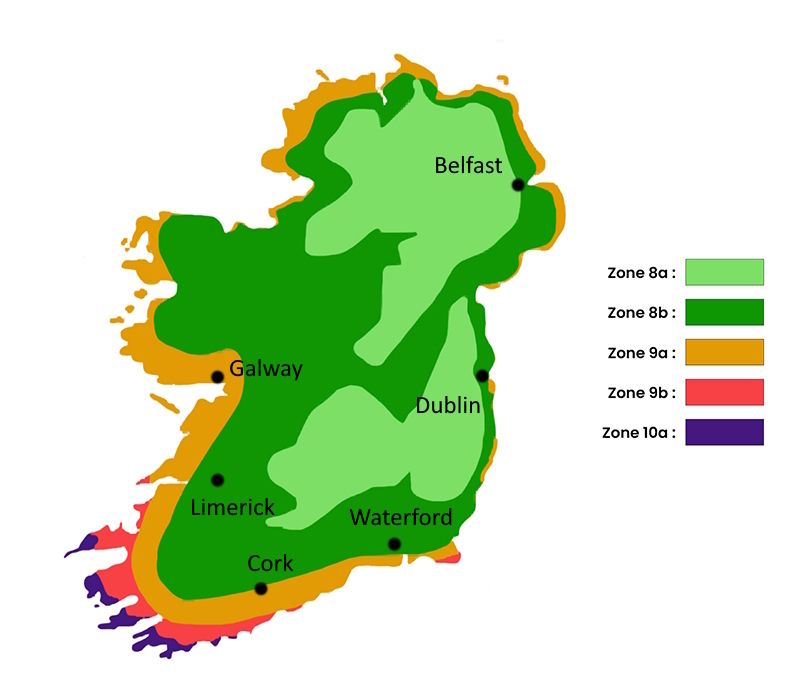
The planting period indicated on our website applies to regions in USDA Zone 9a (East Coast and Midlands: Dublin, Wexford, Waterford, Kilkenny, Portlaoise). It will vary depending on where you live:
- On the west coast and in the north-west (Galway, Limerick, Sligo, Donegal, Westport), delay planting by 1 to 2 weeks in spring and bring it forward by 1 to 2 weeks in autumn compared to the dates given, preferably choosing periods without strong winds.
- In the inland hills and plateaus (Wicklow Mountains, Macgillycuddy’s Reeks, Connemara, Killarney), it is best to plant in spring (April–May) or autumn (September–October), avoiding periods of waterlogged soil in winter and strong winds, which pose the main risk to newly planted trees in these areas.
The flowering period indicated on our website applies to regions in USDA Zone 9a, such as the East Coast and Midlands, including Dublin, Wexford, Waterford, Kilkenny and Portlaoise.
This will vary depending on where you live:
- On the west coast and in the northwest (Galway, Limerick, Sligo, Donegal and Westport), it will be delayed by one to two weeks compared to the given dates, due to stronger Atlantic winds and less spring sunshine.
- In the inland hills and plateaus (the Wicklow Mountains, the Macgillycuddy's Reeks, Connemara and Killarney), flowering will be delayed by two to three weeks. Flowering mainly occurs between May and July, with the limiting factors being less frost and more of the excessive humidity, strong winds and lack of sunshine that are characteristic of these areas.
Shipping country and language
Your country of residence may be:
Your country of residence is:
For a better user experience on our website, you can select:
Your shipping country:
-
 Austria
-
 Belgium
-
 Bosnia & Herzegovina
-
 Bulgaria
-
 Croatia
-
 Cyprus
-
 Czechia
-
 Denmark
-
 Estonia
-
 Finland
-
 France
-
 Germany
-
 Greece
-
 Hungary
-
 Iceland
-
 Ireland
-
 Italy
Italy
-
 Latvia
-
 Liechtenstein
-
 Lithuania
-
 Luxembourg
-
 Malta
Malta
-
 Netherlands
-
 Poland
-
 Portugal
-
 Romania
-
 Serbia
-
 Slovakia
-
 Slovenia
-
 Spain
Spain
-
 Sweden
-
 Switzerland
Language:
-
French
-
 English
-
Spanish
-
Italian
-
German
-
Portuguese
-
Dutch
-
Finnish
My Account
Hello
My wish lists
My cart
Log in / Register
Existing customer?
This form is protected by reCAPTCHA - the Google Privacy Policy and Terms of Service apply.
New customer?
Create an account to track your orders, access our customer service and, if you wish, make the most of our upcoming offers.