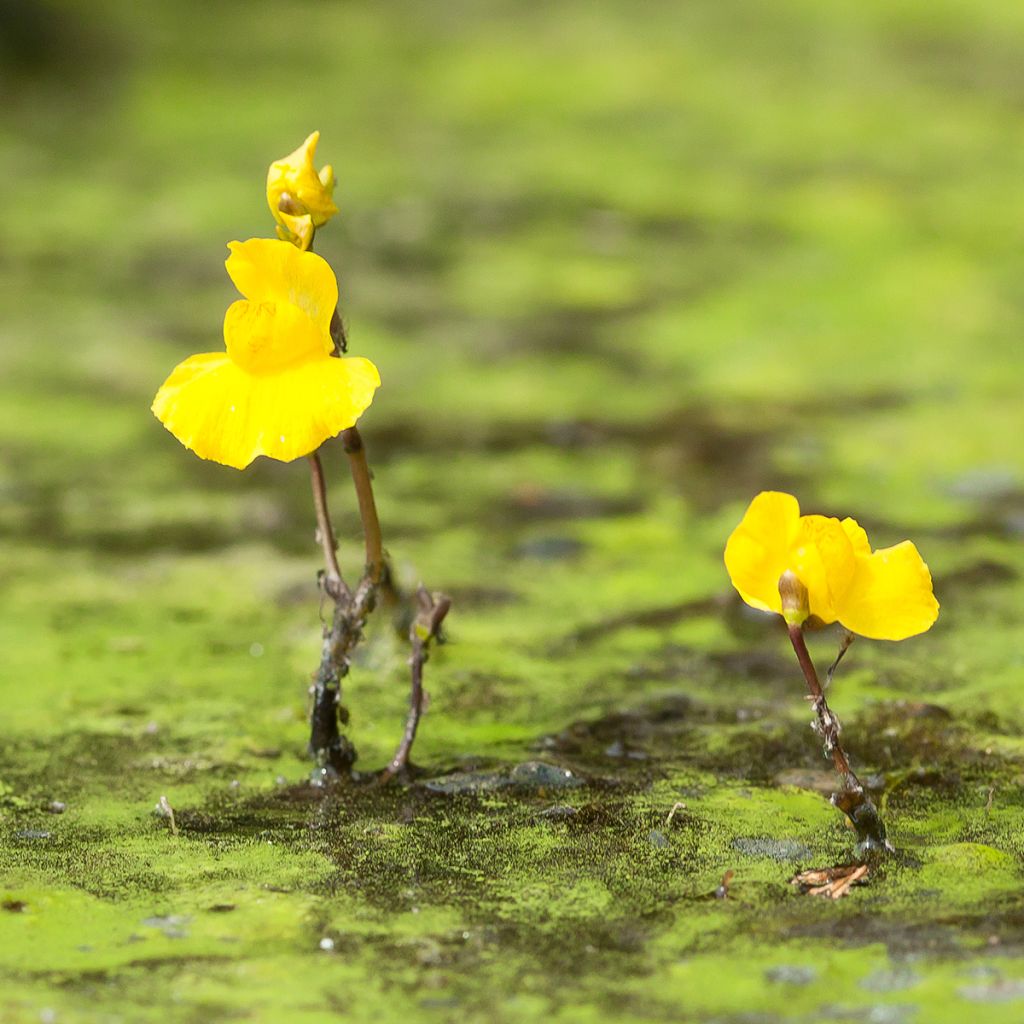
Utricularia vulgaris - Greater Bladderwort
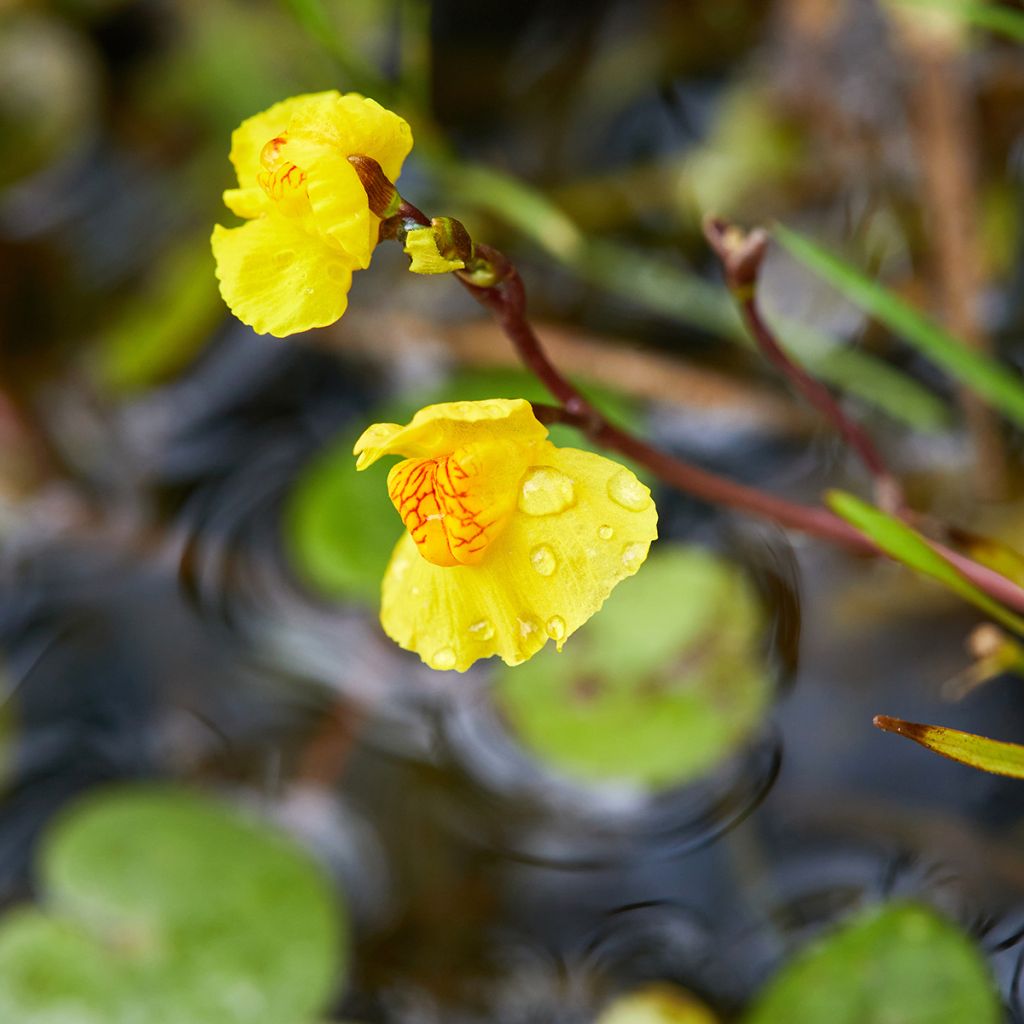
Utricularia vulgaris - Greater Bladderwort
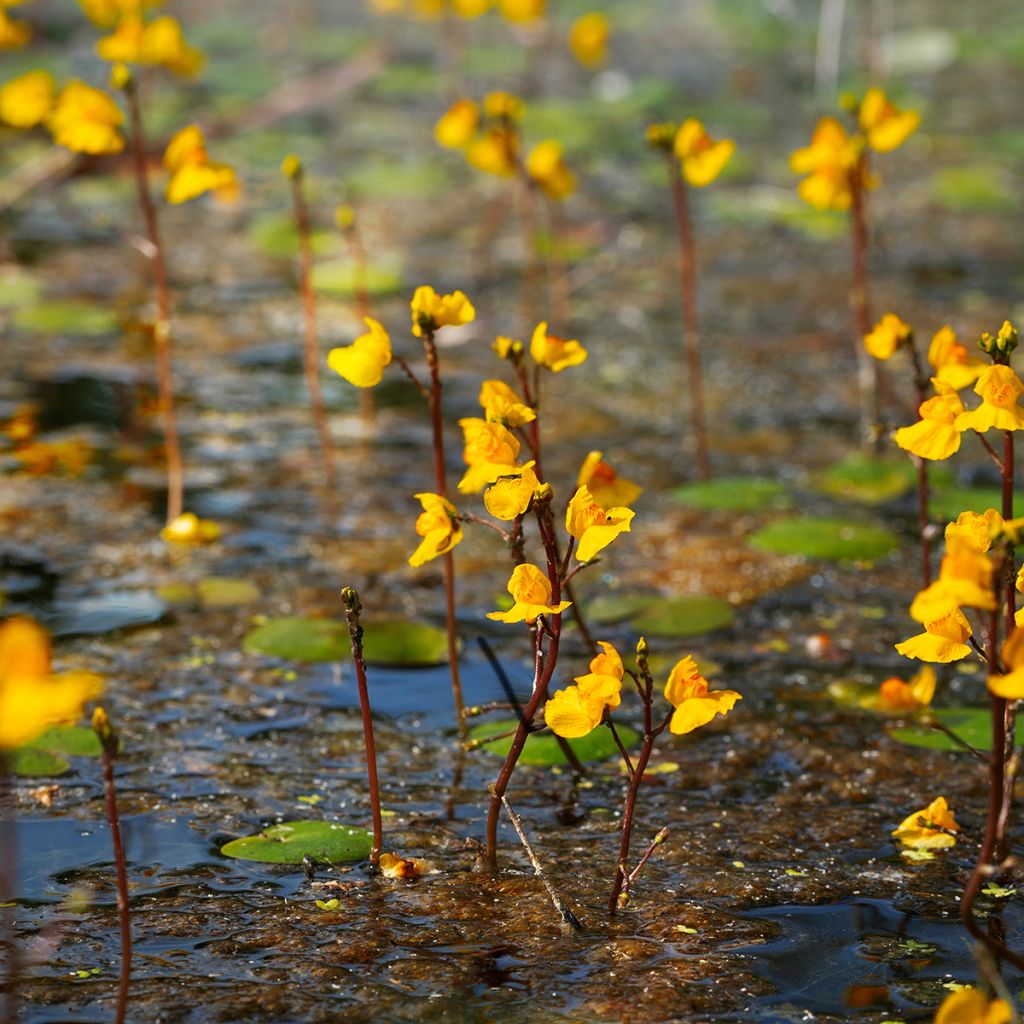
Utricularia vulgaris - Greater Bladderwort
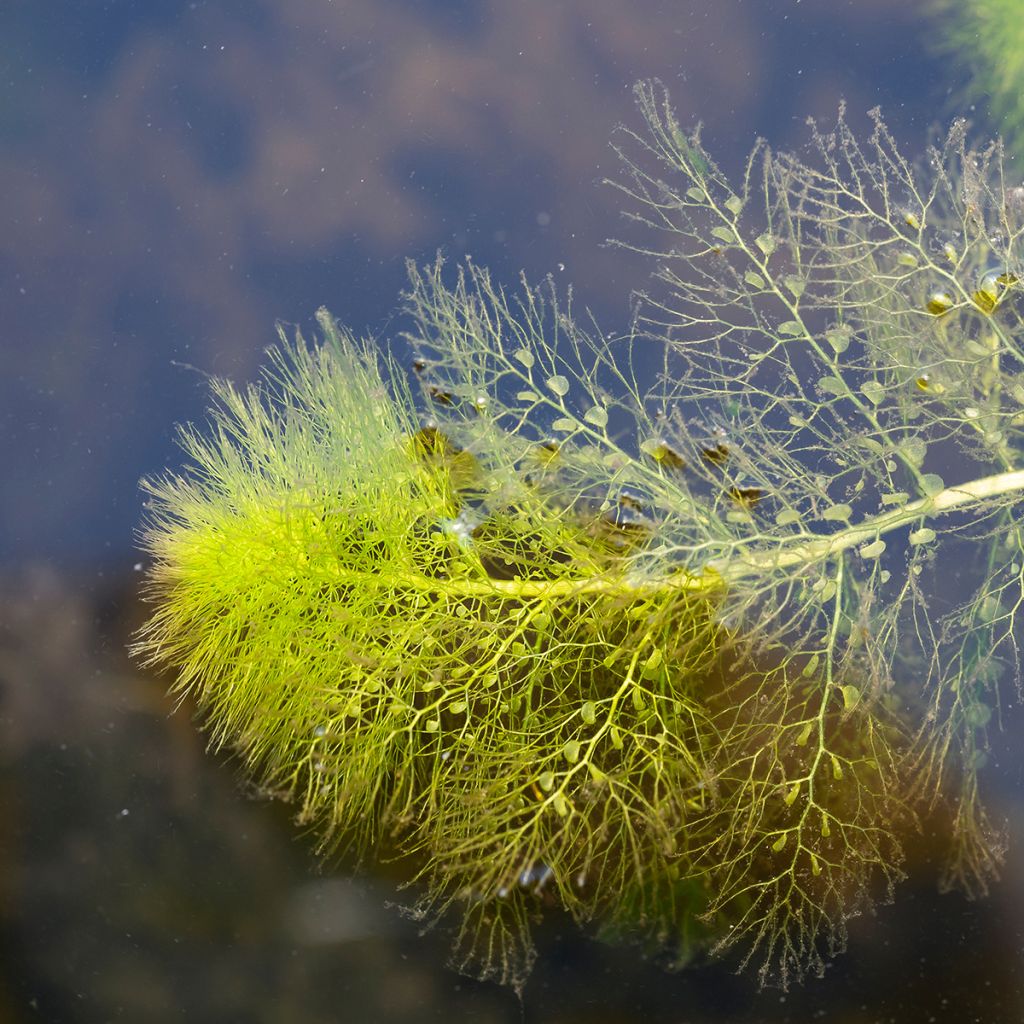
Utricularia vulgaris - Greater Bladderwort
Utricularia vulgaris - Greater Bladderwort
Utricularia vulgaris
Greater Bladderwort
I installed this fabulous young plant in my pond. Its growth is rapid, and I've been able to share it with friends who are plagued by tiger mosquitoes every year. A bit of this little wonder in containers placed at the four corners of their terraces, and life becomes enjoyable again. Make sure the water level is adequate and that the water is preferably rainwater, although tap water doesn't seem to pose a problem for it. The pond freezes over about 5 or 6 cm in winter, but no worries—everything comes back in spring. I planted it in my pond at least 5 years ago. Cats and birds come to drink from it regularly.
FRANCOISE, 05/05/2025
Back-to-school special offer!
Get €10 off for every €50 you spend! And get up to €40 off on a single order.
How does it work?
1. Shop your favourites
Add your favourite plants to your basket. For every €50 you spend (excluding delivery charges, store credit and the plastic-free option), you’ll receive a €10 voucher.
€50 spent = €10 voucher
€100 spent = €20 voucher
€150 spent = €30 voucher
€200 spent = €40 voucher
2. Place your order
Once your basket reaches one of the spending thresholds, place your order. You can even choose your delivery date!
3. Receive your voucher
As soon as your order has been shipped, you’ll receive an email containing your personal voucher code and its value.
4. Use it on your next order
Your voucher is valid for 90 days from the date you receive it. It can be used once only, on a new order worth at least the value of the voucher, excluding delivery charges.
Please note: Vouchers can be combined with other offers, but cannot be split or refunded.
Why not try an alternative variety in stock?
View all →
Available in 2 sizes
Available in 0 sizes
Available in 2 sizes

Available in 1 sizes
Available in 1 sizes
Available in 1 sizes
Available in 1 sizes
Available in 2 sizes
Available in 2 sizes
Available in 2 sizes
This plant carries a 6 months recovery warranty
More information
We guarantee the quality of our plants for a full growing cycle, and will replace at our expense any plant that fails to recover under normal climatic and planting conditions.

Description
The Urtricularia Vulgaris, also known as the Common Bladderwort, is a perennial aquatic plant that lives between two glasses of water without attaching itself. It grows relatively slowly and is not very invasive. It prefers an immersion of 20 to 40 cm but can survive at greater depths. It is an excellent choice for natural ponds with fresh and acidic water. It is a bio-indicator sentinel plant; its presence in a body of water indicates the preservation of the environment and the absence of many pollutants.
TheUtricularia vulgaris, more commonly known as the Common Bladderwort, Coldwater Bladderwort, or Common Bladderwort, belongs to the Lentibulariaceae family. It is a species of freshwater carnivorous aquatic plants found in various northern hemisphere regions, in wet, marshy areas with a temperate climate in North America, Europe, North Africa, and Asia. It thrives in open aquatic environments with low nutrient content, such as swamps and peat bogs. To compensate for this lack of nutrients, it consumes insects. The plant gets its name from its "bladders," which are named after the Latin word "utriculus," meaning "small wineskin," a container typically made of leather used to hold liquids like wine.
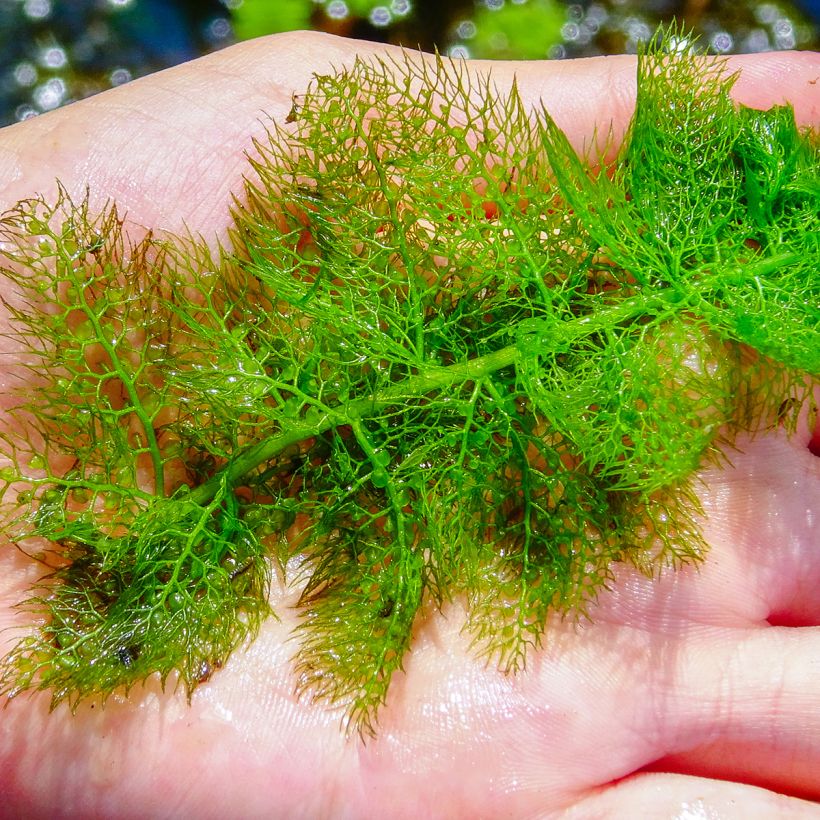
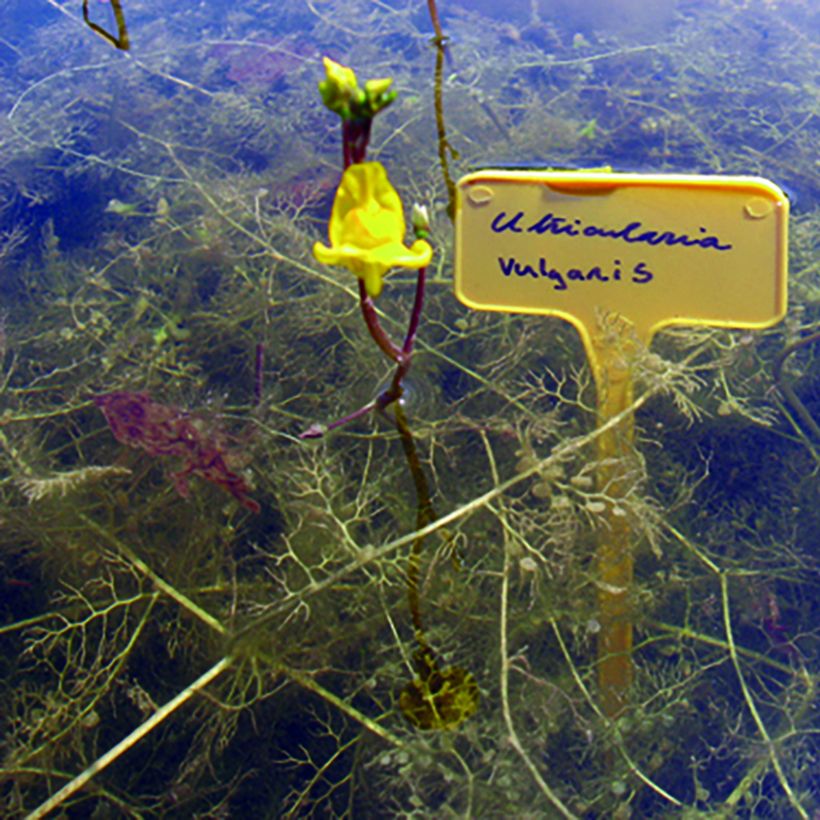
This herbaceous perennial aquatic plant does not have roots. Its floating branches can reach a length of one metre, while only its flower stalks rise above the water level, reaching a height of 10 to 20 cm. The Bladderwort is characterised by green leaves with transparent bladders, measuring between 2 and 6 mm long on average. Among the few capable of digesting microorganisms, this plant captures them with hairs on its stems and immobilises them in small pockets called bladders. These decomposing microorganisms provide the necessary food for the plant. The finely divided leaves, a vibrant green, are arranged alternately around the bladders, which ensure the plant's buoyancy. It is semi-evergreen in nature, retreating to the bottom of the pond during winter to propagate and reappearing on the surface when the water warms up. The Bladderwort flowers bloom above the water between June and August. During this period, the plant rises to the surface, displaying short, erect flower stalks 10 to 20 cm tall, bearing 5 to 8 golden yellow flowers, similar to snapdragons. The flowering, influenced by temperature, is less frequent in the northern part of its natural range. The seeds germinate underwater.
The Utricularia vulgaris, although modest in appearance, has delicate little flowers that bloom slightly above the water's surface. It grows relatively slowly, freely evolving between the surface and mid-water in calm areas. It requires caution as it does not tolerate hard water, sometimes making it difficult to maintain. In addition to its carnivorous role, the Common Bladderwort acts as an oxygenating plant by absorbing carbon dioxide and releasing oxygen, essential for fish. However, its predatory nature diverges from the usual function of oxygenating plants, which often serve as habitats for insect larvae and shelter for fry. It is essential to exercise necessary caution when introducing fish into your pond. Goldfish (carnivorous) generally pose no problems. Still, if you choose herbivorous fish such as Koi carp, grass carp, or tench, precautions must be taken by separating these species from the bladderwort in two distinct areas using a mesh or net.
Thanks to its non-invasive nature, the bladderwort is suitable for urban gardens, small ponds, natural swimming pools, and ponds and shores of large bodies of water. For a balanced composition, combine it with plants suitable for shallow areas, which will bring a diversity of flowering, such as the Aponogeton distachyos (Fragrant Water Lily), a floating plant with magnificent white flowers, the Butomus umbellatus (Flowering Rush) with pink umbel flowers, or the Calla palustris (Water Arum) with exotic looks. To promote water oxygenation and improve clarity, theUtricularia vulgaris pairs well with other submerged aquatic plants such as the Stratiotes aloides (Water Aloe), the Pontederia cordata, or the Ceratophyllum demersum.
Report an error about the product description
Utricularia vulgaris - Greater Bladderwort in pictures
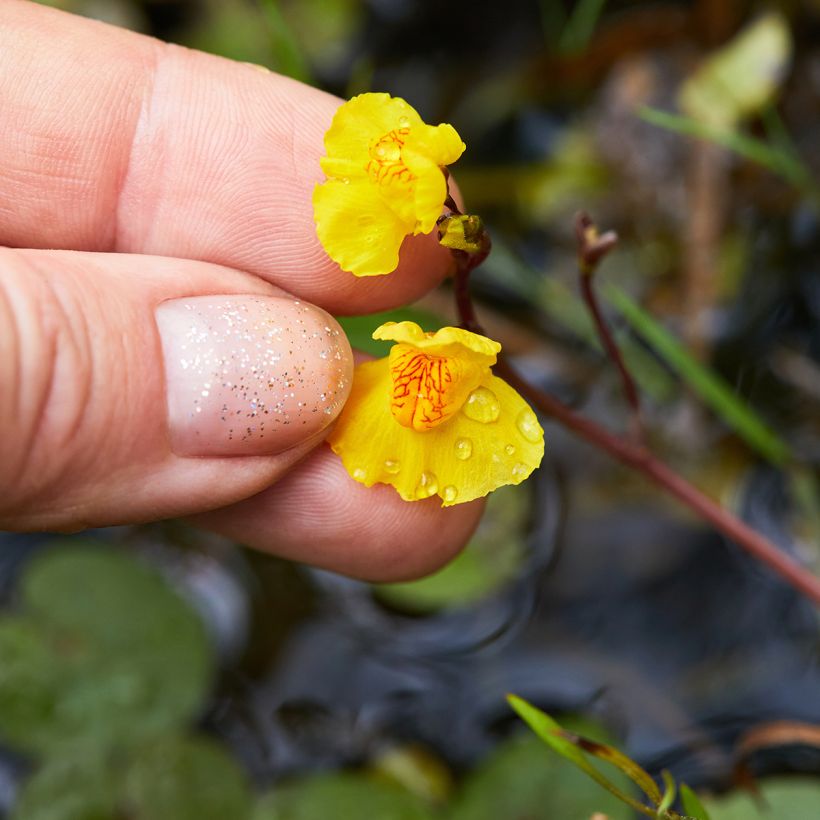
Flowering
Foliage
Plant habit
Botanical data
Utricularia
vulgaris
Lentibulariaceae
Greater Bladderwort
Northern Europe
Planting and care
The Utricularia vulgaris floats freely at mid-height, evolving in calm and non-calcareous waters. This plant lives without roots, preferring shallow depths and poor environments. During winter, the plant retreats to the bottom of the pond to protect itself and then resurfaces as soon as the water warms up.
Place your Common Bladderwort in an artificial pond gently in the water, slightly spreading the stems. It is best to do this when the water warms up between April and July.
Introducing goldfish into your pond poses no problem, as they will not damage the plants. However, if you opt for herbivorous fish, such as Koi carp, grass carp, tench, and any other herbivorous fish, precautions must be taken to prevent them from nibbling on the pond plants. Installing a mesh or net to separate the areas is a solution.
Planting period
Intended location
Care
Planting & care advice
-
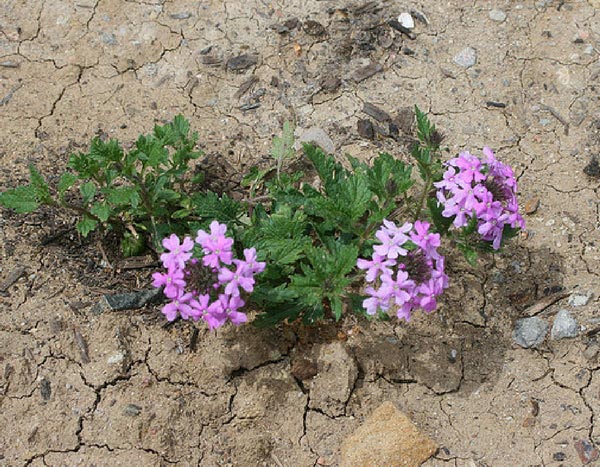
-
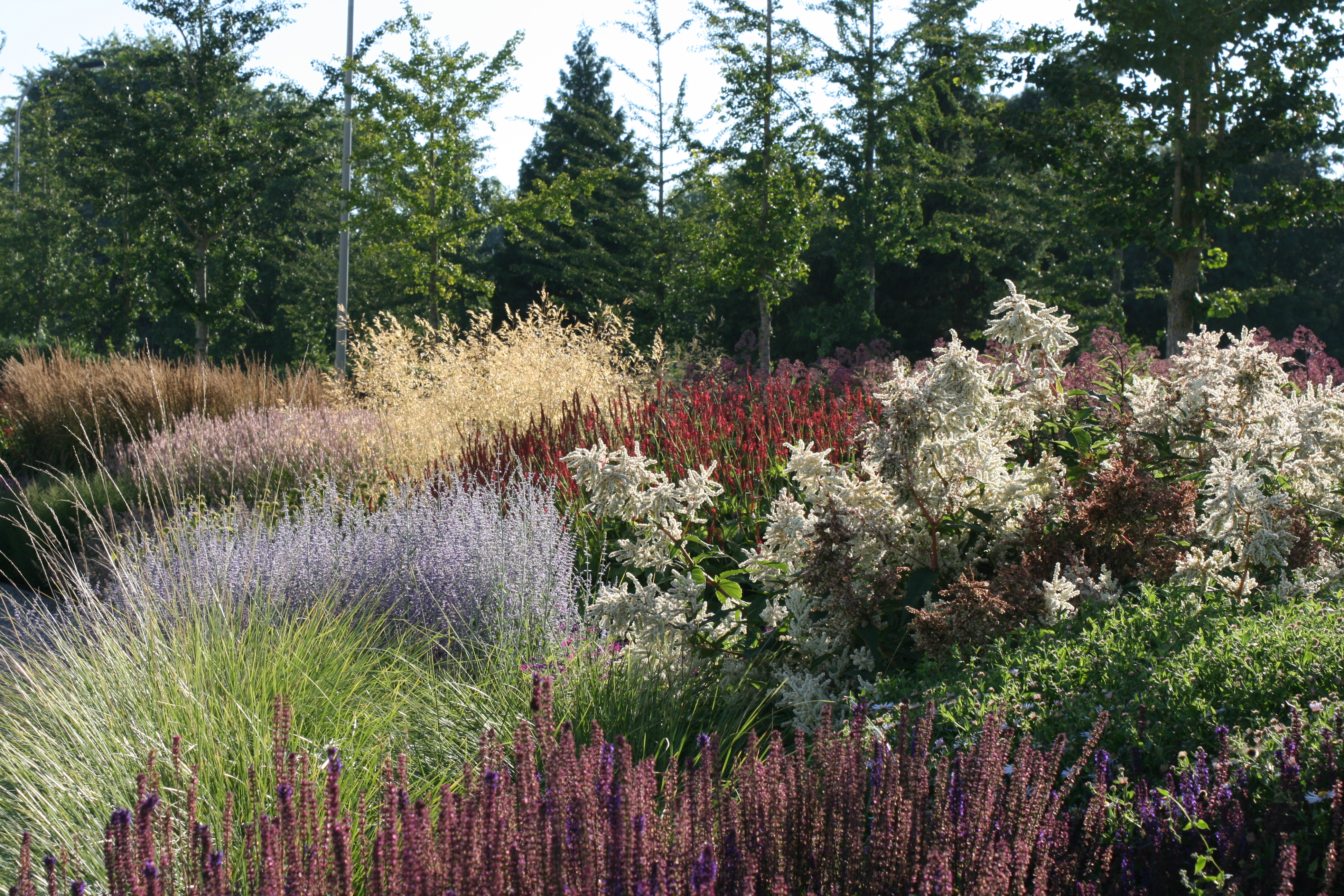
-
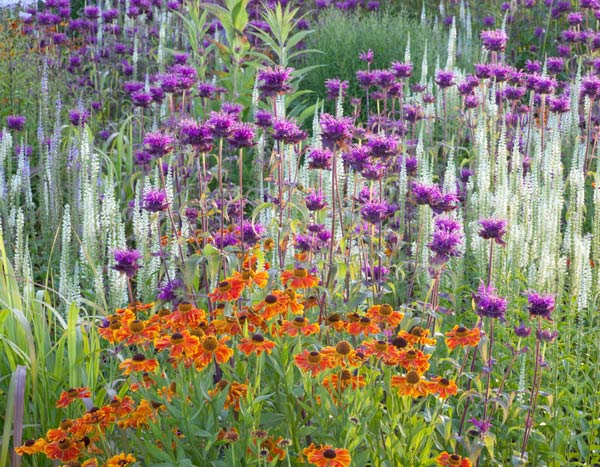
-
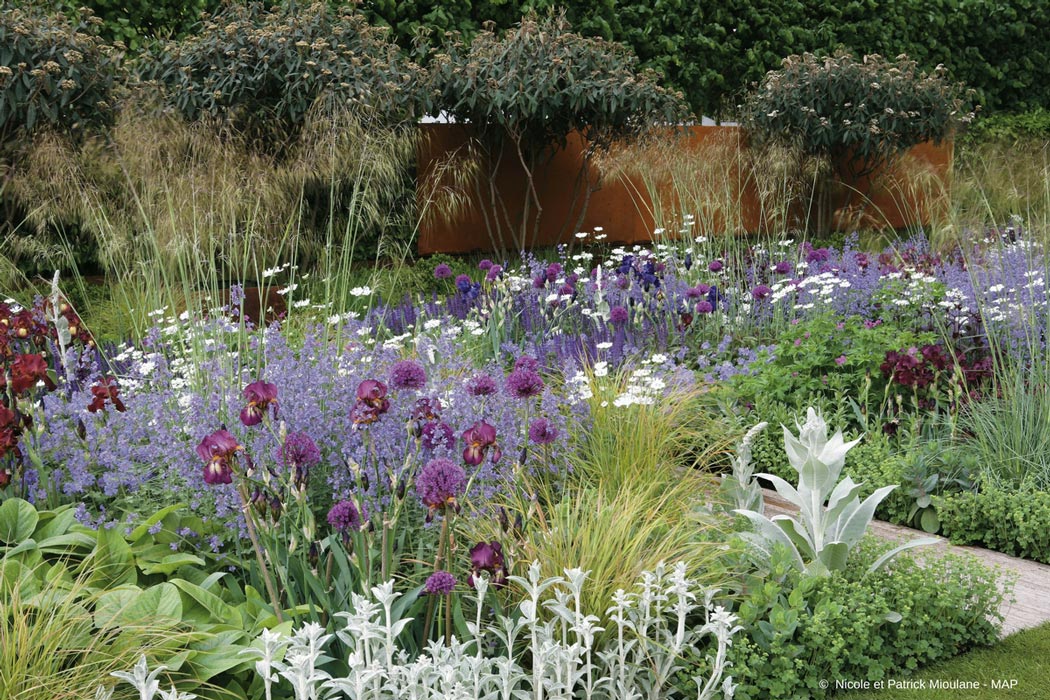
-
-
-
-
-
, onOrder confirmed
Reply from on Promesse de fleurs
Recently viewed products
Haven't found what you were looking for?
Hardiness is the lowest winter temperature a plant can endure without suffering serious damage or even dying. However, hardiness is affected by location (a sheltered area, such as a patio), protection (winter cover) and soil type (hardiness is improved by well-drained soil).
In temperate climates, pruning of spring-flowering shrubs (forsythia, spireas, etc.) should be done just after flowering.
Pruning of summer-flowering shrubs (Indian Lilac, Perovskia, etc.) can be done in winter or spring.
In cold regions as well as with frost-sensitive plants, avoid pruning too early when severe frosts may still occur.
The harvesting period indicated on our website applies to countries and regions in USDA zone 8 (France, England, Ireland, the Netherlands).
In colder areas (Scandinavia, Poland, Austria...) fruit and vegetable harvests are likely to be delayed by 3-4 weeks.
In warmer areas (Italy, Spain, Greece, etc.), harvesting will probably take place earlier, depending on weather conditions.
The sowing periods indicated on our website apply to countries and regions within USDA Zone 8 (France, UK, Ireland, Netherlands).
In colder areas (Scandinavia, Poland, Austria...), delay any outdoor sowing by 3-4 weeks, or sow under glass.
In warmer climes (Italy, Spain, Greece, etc.), bring outdoor sowing forward by a few weeks.
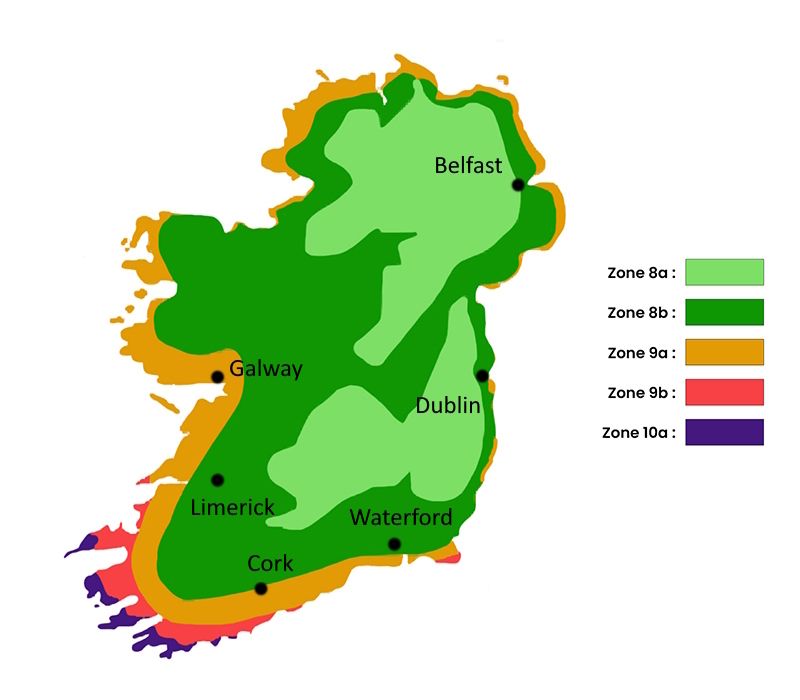
The planting period indicated on our website applies to regions in USDA Zone 9a (East Coast and Midlands: Dublin, Wexford, Waterford, Kilkenny, Portlaoise). It will vary depending on where you live:
- On the west coast and in the north-west (Galway, Limerick, Sligo, Donegal, Westport), delay planting by 1 to 2 weeks in spring and bring it forward by 1 to 2 weeks in autumn compared to the dates given, preferably choosing periods without strong winds.
- In the inland hills and plateaus (Wicklow Mountains, Macgillycuddy’s Reeks, Connemara, Killarney), it is best to plant in spring (April–May) or autumn (September–October), avoiding periods of waterlogged soil in winter and strong winds, which pose the main risk to newly planted trees in these areas.
The flowering period indicated on our website applies to regions in USDA Zone 9a, such as the East Coast and Midlands, including Dublin, Wexford, Waterford, Kilkenny and Portlaoise.
This will vary depending on where you live:
- On the west coast and in the northwest (Galway, Limerick, Sligo, Donegal and Westport), it will be delayed by one to two weeks compared to the given dates, due to stronger Atlantic winds and less spring sunshine.
- In the inland hills and plateaus (the Wicklow Mountains, the Macgillycuddy's Reeks, Connemara and Killarney), flowering will be delayed by two to three weeks. Flowering mainly occurs between May and July, with the limiting factors being less frost and more of the excessive humidity, strong winds and lack of sunshine that are characteristic of these areas.
Shipping country and language
Your country of residence may be:
Your country of residence is:
For a better user experience on our website, you can select:
Your shipping country:
-
 Austria
-
 Belgium
-
 Bosnia & Herzegovina
-
 Bulgaria
-
 Croatia
-
 Cyprus
-
 Czechia
-
 Denmark
-
 Estonia
-
 Finland
-
 France
-
 Germany
-
 Greece
-
 Hungary
-
 Iceland
-
 Ireland
-
 Italy
Italy
-
 Latvia
-
 Liechtenstein
-
 Lithuania
-
 Luxembourg
-
 Malta
Malta
-
 Netherlands
-
 Poland
-
 Portugal
-
 Romania
-
 Serbia
-
 Slovakia
-
 Slovenia
-
 Spain
Spain
-
 Sweden
-
 Switzerland
Language:
-
French
-
 English
-
Spanish
-
Italian
-
German
-
Portuguese
-
Dutch
-
Finnish
My Account
Hello
My wish lists
My cart
Log in / Register
Existing customer?
This form is protected by reCAPTCHA - the Google Privacy Policy and Terms of Service apply.
New customer?
Create an account to track your orders, access our customer service and, if you wish, make the most of our upcoming offers.