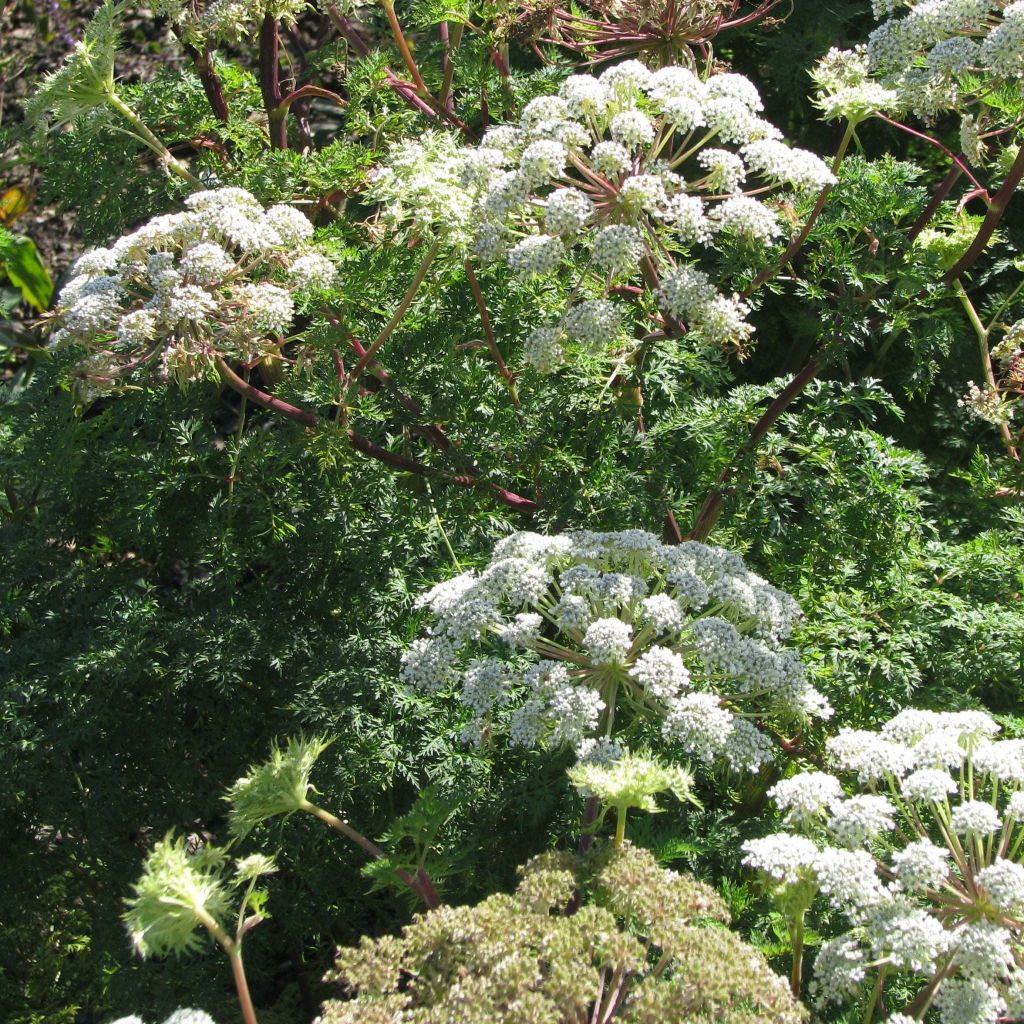
Selinum wallichianum
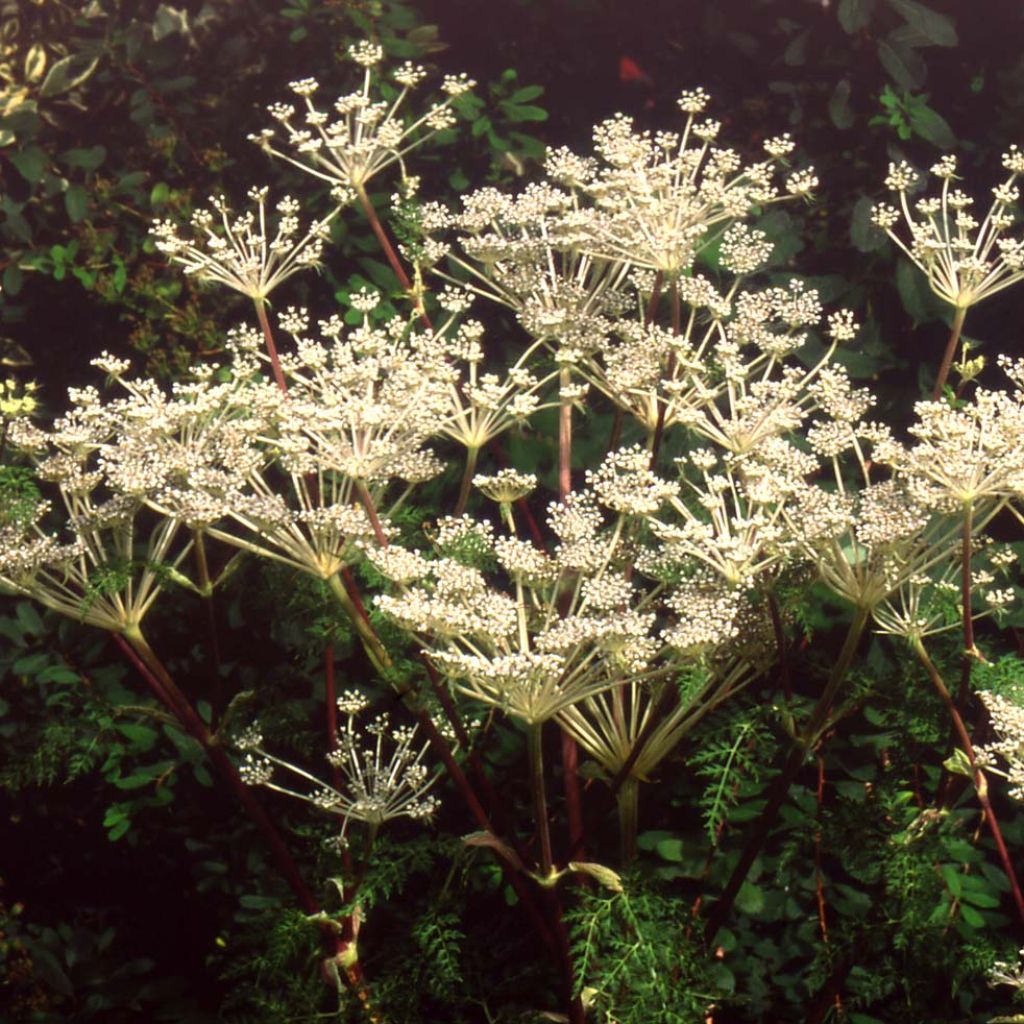
Selinum wallichianum
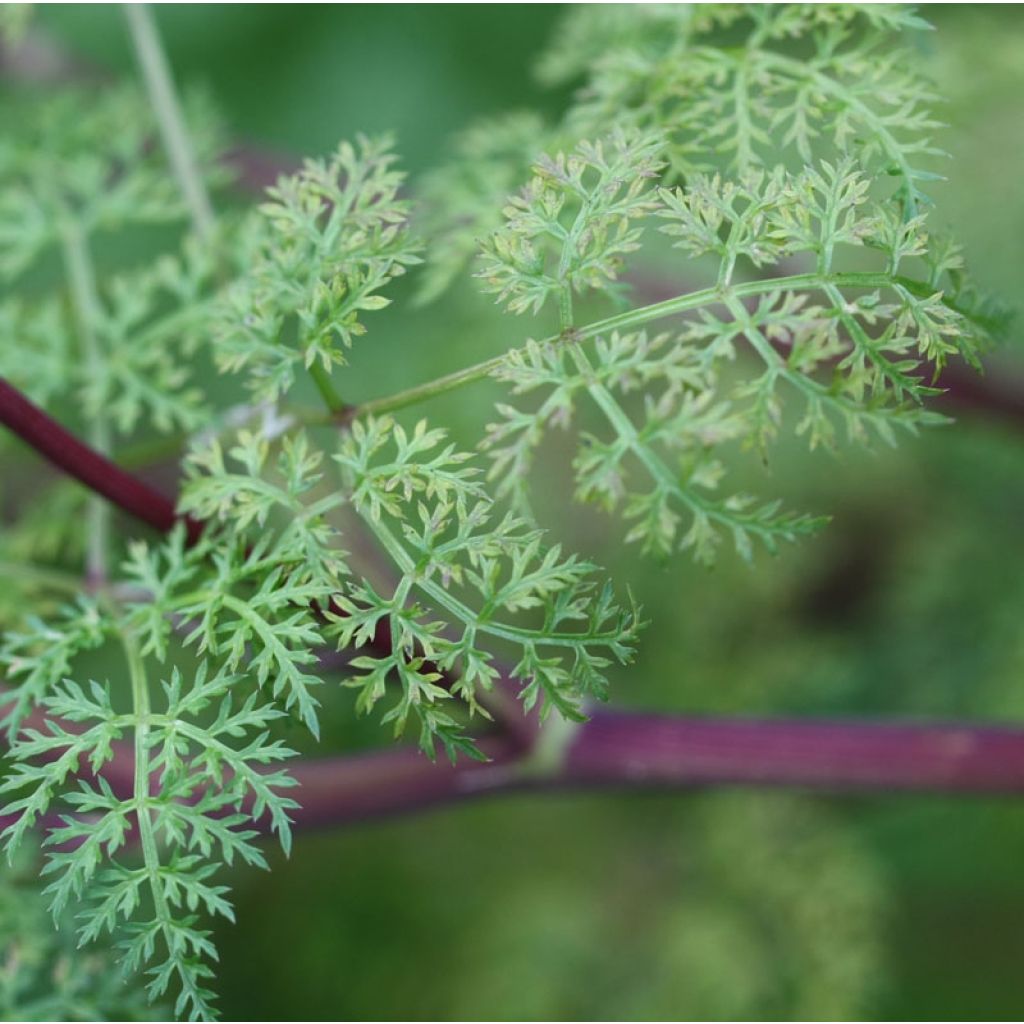
Selinum wallichianum
Selinum wallichianum
Selinum wallichianum
Wallich Milk Parsley
Out of the 3 young plants received, only one remains (the other two were likely smothered by a persicaria), but it's sturdy and I'm looking forward to the flowering.
Jean-Marie, 25/06/2025
Back-to-school special offer!
Get €10 off for every €50 you spend! And get up to €40 off on a single order.
How does it work?
1. Shop your favourites
Add your favourite plants to your basket. For every €50 you spend (excluding delivery charges, store credit and the plastic-free option), you’ll receive a €10 voucher.
€50 spent = €10 voucher
€100 spent = €20 voucher
€150 spent = €30 voucher
€200 spent = €40 voucher
2. Place your order
Once your basket reaches one of the spending thresholds, place your order. You can even choose your delivery date!
3. Receive your voucher
As soon as your order has been shipped, you’ll receive an email containing your personal voucher code and its value.
4. Use it on your next order
Your voucher is valid for 90 days from the date you receive it. It can be used once only, on a new order worth at least the value of the voucher, excluding delivery charges.
Please note: Vouchers can be combined with other offers, but cannot be split or refunded.
Why not try an alternative variety in stock?
View all →
Available in 0 sizes

Available in 0 sizes
Available in 1 sizes
Available in 1 sizes

Available in 1 sizes

Available in 1 sizes
Available in 1 sizes

Available in 1 sizes
Available in 1 sizes

Available in 1 sizes
This plant carries a 12 months recovery warranty
More information
We guarantee the quality of our plants for a full growing cycle, and will replace at our expense any plant that fails to recover under normal climatic and planting conditions.

Does this plant fit my garden?
Set up your Plantfit profile →
Description
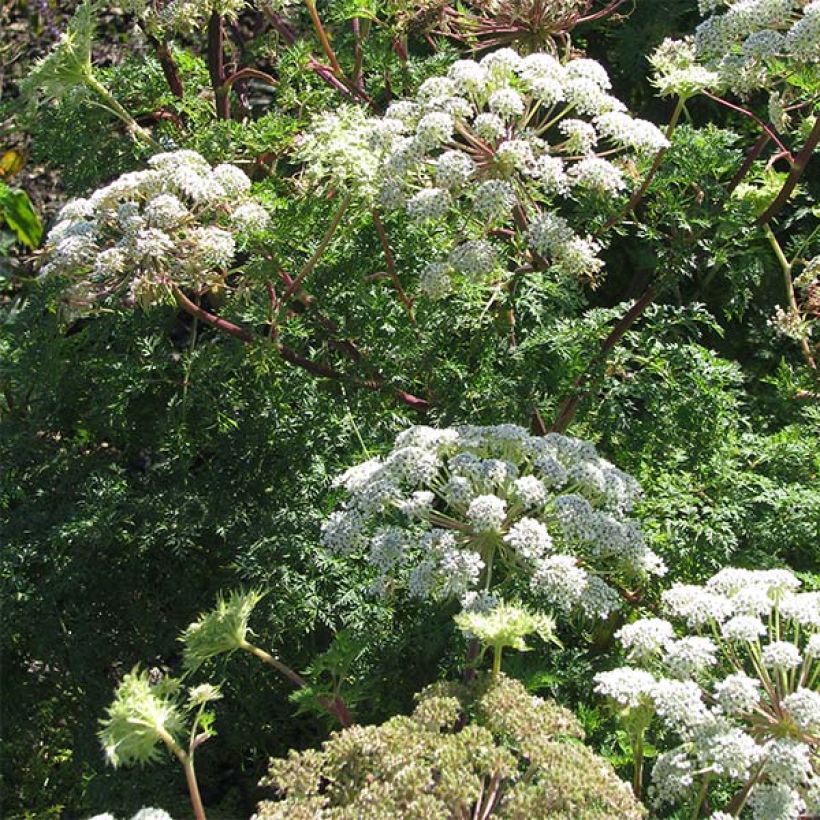
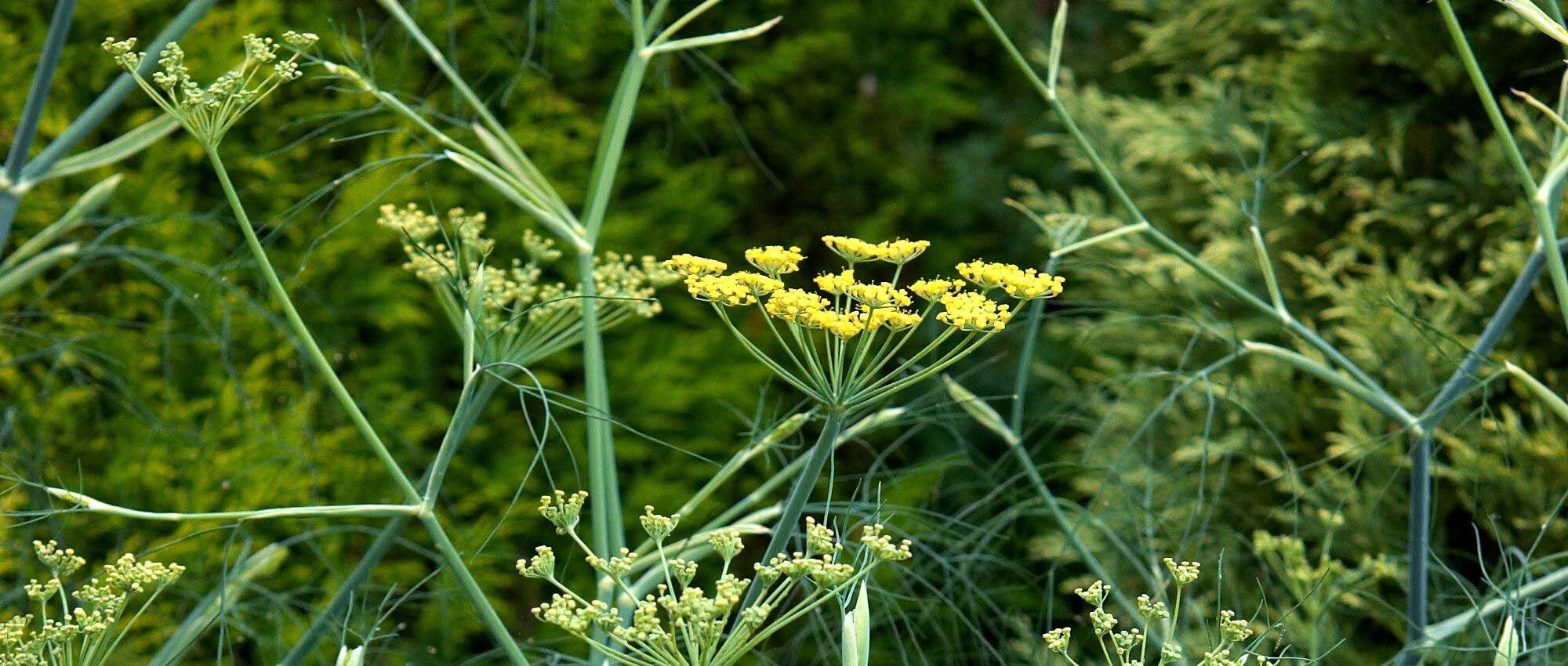
Selinum wallichianum impresses with its size, the strength of its gracefully tiered structure, and its extreme elegance. This queen of umbellifers forms large, almost spherical, white inflorescences in summer, woven with lace and remarkably formed, carried by purple-green stems. They emerge from finely cut foliage of a beautiful tender green, contrasting with red petioles. The foliage resembles that of ferns. Hardy and perennial in deep and moist soil, this mountain plant thickens over time until it becomes the true focal point of a bed, and the rare subject that turns a perennial enthusiast's garden into that of a connoisseur.
Selinum wallichianum, formerly named Selinum tenuifolium, is a tall rhizomatous and deciduous herbaceous perennial native to the Himalayas. Related to carrot and celery, this herbaceous plant from the Apiaceae family grows spontaneously in meadows, among bushes and on grassy slopes, at an altitude between 2600 and 4200m (8530 and 13779ft). The plant emerges from the ground quite late in spring. It first produces ground-level foliage, then the stems rise while developing a succession of leafy tiers. At maturity, it forms an imposing hemispherical clump measuring 90cm (35in) to 1.2m (4ft) tall and 45cm (18in) wide when in flower and under good growing conditions. Its triangular, finely dissected leaves of a tender green shade are carried by dark red petioles. Flowering occurs from July to September. Reddish-purple branching stems rise well above the foliage, unfurling like croziers. They bear large buds that straighten up and eventually open into roundish umbels, composed of tiny white flowers. They can reach 20cm (8in) in diameter and are curiously made up of small spheres carried by pinkish to greenish stems, arranged in rays. This umbelliferous plant, resistant to cold down to -15°C (5°F), dies down in winter to reappear in spring.
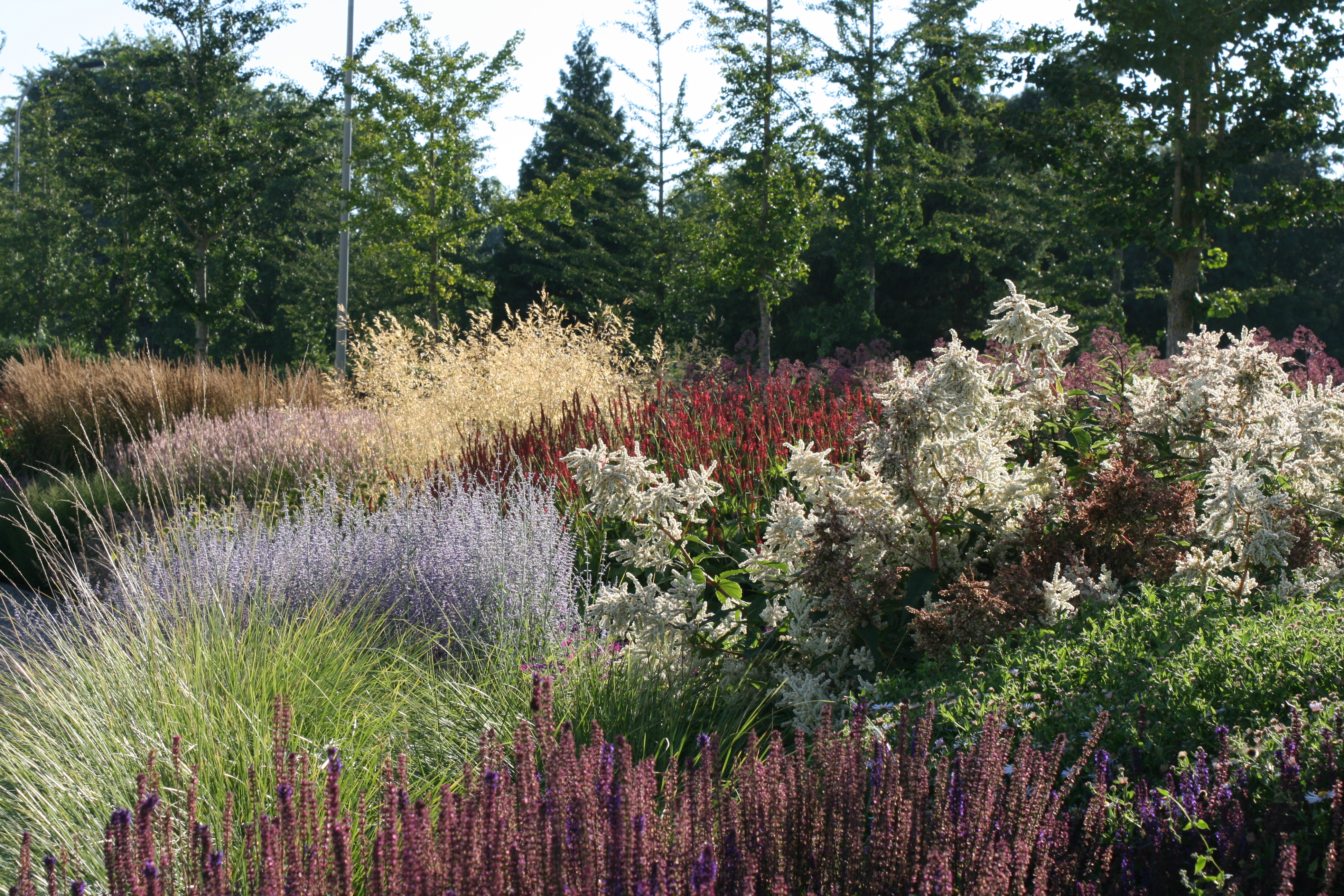
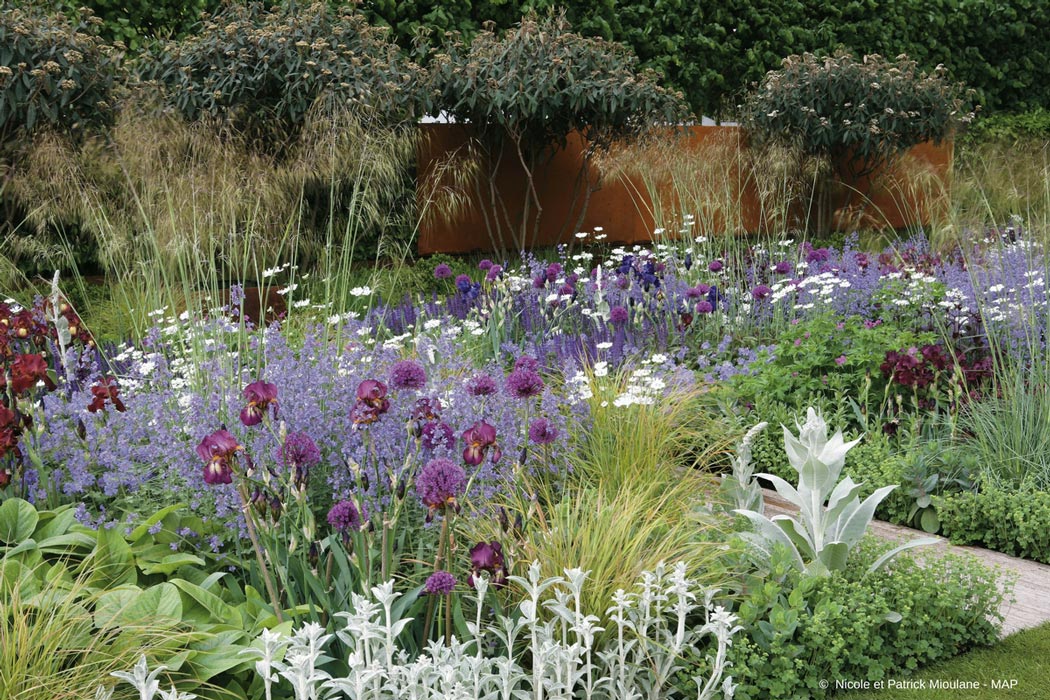
Selinum wallichianum is above all a plant with a unique sculptural appearance. It should be given a prominent position in a bed composed of plants with the same requirements: Filipendula rubra 'Venusta', Echinacea 'Big Sky Sunrise', or Astrantia major 'Claret', for example. In front of its imposing silhouette, in well-drained soil, one can place for example Sedum 'Vera Jameson' or S. 'Bertram Anderson', or a perennial geranium like 'Sea Spray' or the almost black 'Purple Haze', to play with the colour and texture of foliage and flowers. In mild climates, aciphylla, with its very thin foliage, can also provide an interesting contrast. Libertia peregrinans, like a copper grass in autumn, could also accompany this astonishing selinum. It is sometimes said to be a bit capricious, dying down if its preferred conditions are not met. However, other gardeners report that this perennial has faithfully accompanied them for over 15 years.
Report an error about the product description
Selinum wallichianum in pictures
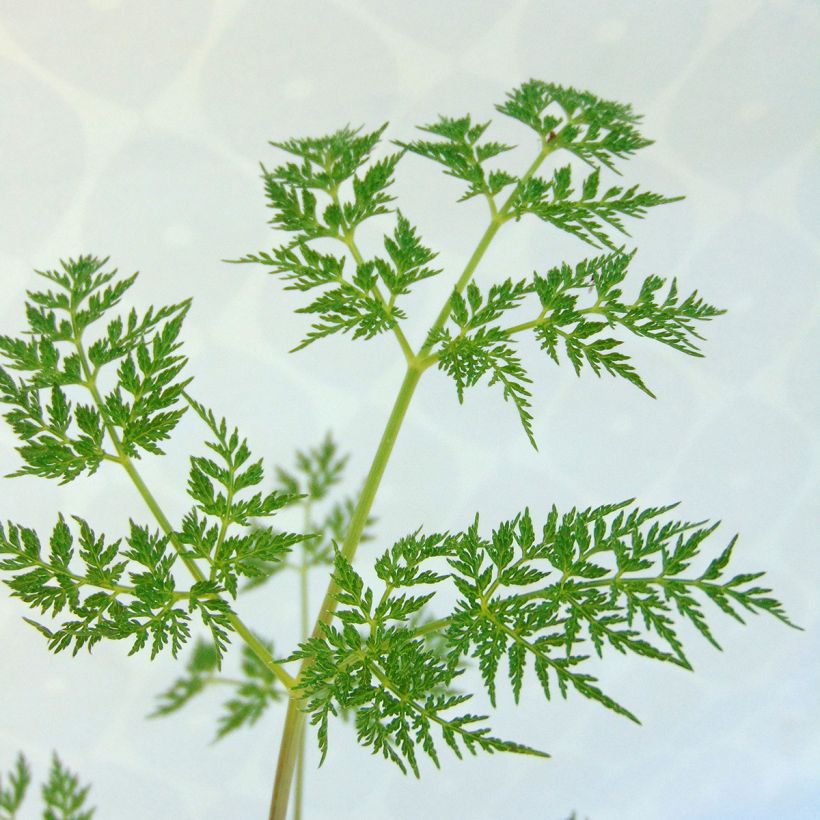
Flowering
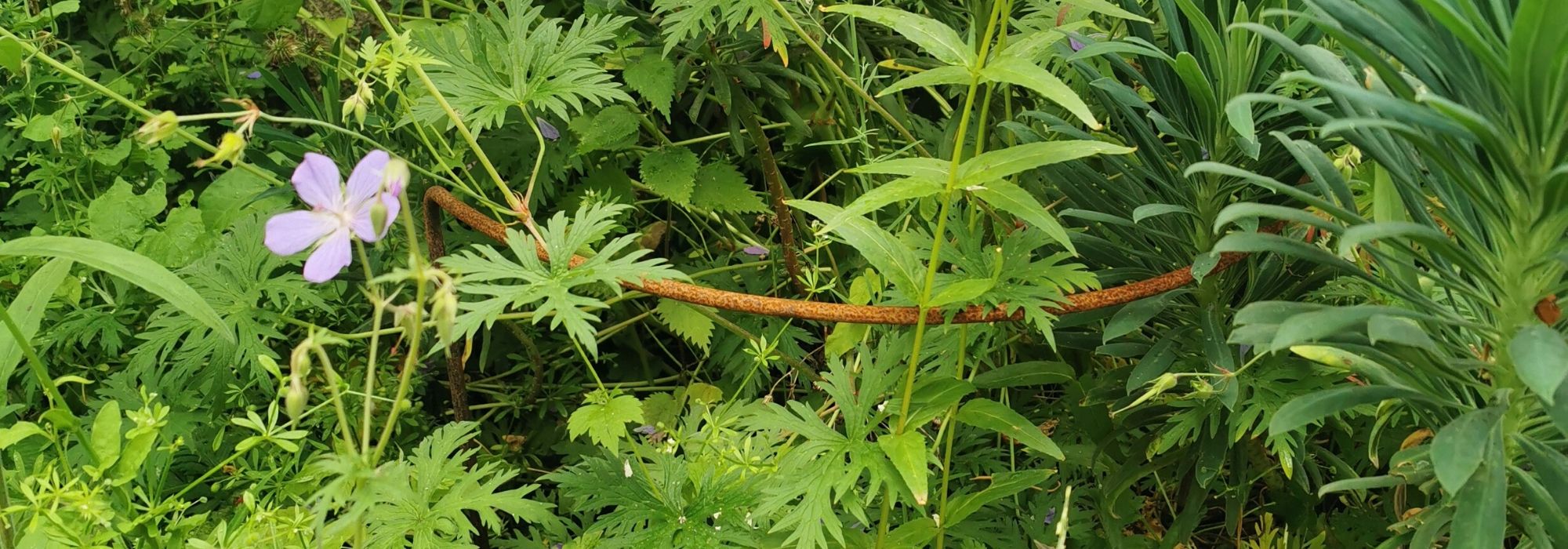
Foliage
Plant habit
Botanical data
Selinum
wallichianum
Apiaceae
Wallich Milk Parsley
Himalayas
Planting and care
Selinum wallichianum should be planted in spring or autumn, in full sun or partial shade, in deep, fertile, well-prepared, and properly drained soil. Good drainage is necessary to increase the hardiness and lifespan of the plant, which tolerates clay well in climates where winters are not too severe. Native to mountainous regions, this perennial will benefit from a good blanket of snow in mountain gardens, which should effectively protect it from the cold. In richer and moister soils, this selinum will be truly impressive. It is a very long-lived plant that does not appreciate being moved. Choose its location carefully from the start, or transplant it while still young during the winter dormancy period. It self-seeds quite easily in light soil, but the seeds quickly lose their viability. This imposing plant does not require staking, demands no special maintenance, and has few enemies.
Planting period
Intended location
Care
Planting & care advice
-
-
-

-
-
-
-
-

-
, onOrder confirmed
Reply from on Promesse de fleurs
Recently viewed products
Haven't found what you were looking for?
Hardiness is the lowest winter temperature a plant can endure without suffering serious damage or even dying. However, hardiness is affected by location (a sheltered area, such as a patio), protection (winter cover) and soil type (hardiness is improved by well-drained soil).
In temperate climates, pruning of spring-flowering shrubs (forsythia, spireas, etc.) should be done just after flowering.
Pruning of summer-flowering shrubs (Indian Lilac, Perovskia, etc.) can be done in winter or spring.
In cold regions as well as with frost-sensitive plants, avoid pruning too early when severe frosts may still occur.
The harvesting period indicated on our website applies to countries and regions in USDA zone 8 (France, England, Ireland, the Netherlands).
In colder areas (Scandinavia, Poland, Austria...) fruit and vegetable harvests are likely to be delayed by 3-4 weeks.
In warmer areas (Italy, Spain, Greece, etc.), harvesting will probably take place earlier, depending on weather conditions.
The sowing periods indicated on our website apply to countries and regions within USDA Zone 8 (France, UK, Ireland, Netherlands).
In colder areas (Scandinavia, Poland, Austria...), delay any outdoor sowing by 3-4 weeks, or sow under glass.
In warmer climes (Italy, Spain, Greece, etc.), bring outdoor sowing forward by a few weeks.
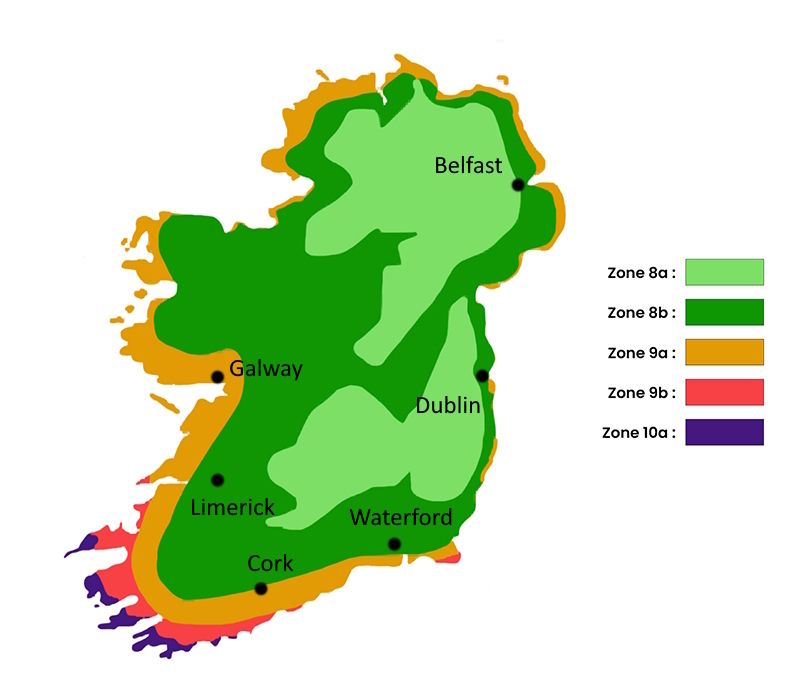
The planting period indicated on our website applies to regions in USDA Zone 9a (East Coast and Midlands: Dublin, Wexford, Waterford, Kilkenny, Portlaoise). It will vary depending on where you live:
- On the west coast and in the north-west (Galway, Limerick, Sligo, Donegal, Westport), delay planting by 1 to 2 weeks in spring and bring it forward by 1 to 2 weeks in autumn compared to the dates given, preferably choosing periods without strong winds.
- In the inland hills and plateaus (Wicklow Mountains, Macgillycuddy’s Reeks, Connemara, Killarney), it is best to plant in spring (April–May) or autumn (September–October), avoiding periods of waterlogged soil in winter and strong winds, which pose the main risk to newly planted trees in these areas.
The flowering period indicated on our website applies to regions in USDA Zone 9a, such as the East Coast and Midlands, including Dublin, Wexford, Waterford, Kilkenny and Portlaoise.
This will vary depending on where you live:
- On the west coast and in the northwest (Galway, Limerick, Sligo, Donegal and Westport), it will be delayed by one to two weeks compared to the given dates, due to stronger Atlantic winds and less spring sunshine.
- In the inland hills and plateaus (the Wicklow Mountains, the Macgillycuddy's Reeks, Connemara and Killarney), flowering will be delayed by two to three weeks. Flowering mainly occurs between May and July, with the limiting factors being less frost and more of the excessive humidity, strong winds and lack of sunshine that are characteristic of these areas.
Shipping country and language
Your country of residence may be:
Your country of residence is:
For a better user experience on our website, you can select:
Your shipping country:
-
 Austria
-
 Belgium
-
 Bosnia & Herzegovina
-
 Bulgaria
-
 Croatia
-
 Cyprus
-
 Czechia
-
 Denmark
-
 Estonia
-
 Finland
-
 France
-
 Germany
-
 Greece
-
 Hungary
-
 Iceland
-
 Ireland
-
 Italy
Italy
-
 Latvia
-
 Liechtenstein
-
 Lithuania
-
 Luxembourg
-
 Malta
Malta
-
 Netherlands
-
 Poland
-
 Portugal
-
 Romania
-
 Serbia
-
 Slovakia
-
 Slovenia
-
 Spain
Spain
-
 Sweden
-
 Switzerland
Language:
-
French
-
 English
-
Spanish
-
Italian
-
German
-
Portuguese
-
Dutch
-
Finnish
My Account
Hello
My wish lists
My cart
Log in / Register
Existing customer?
This form is protected by reCAPTCHA - the Google Privacy Policy and Terms of Service apply.
New customer?
Create an account to track your orders, access our customer service and, if you wish, make the most of our upcoming offers.