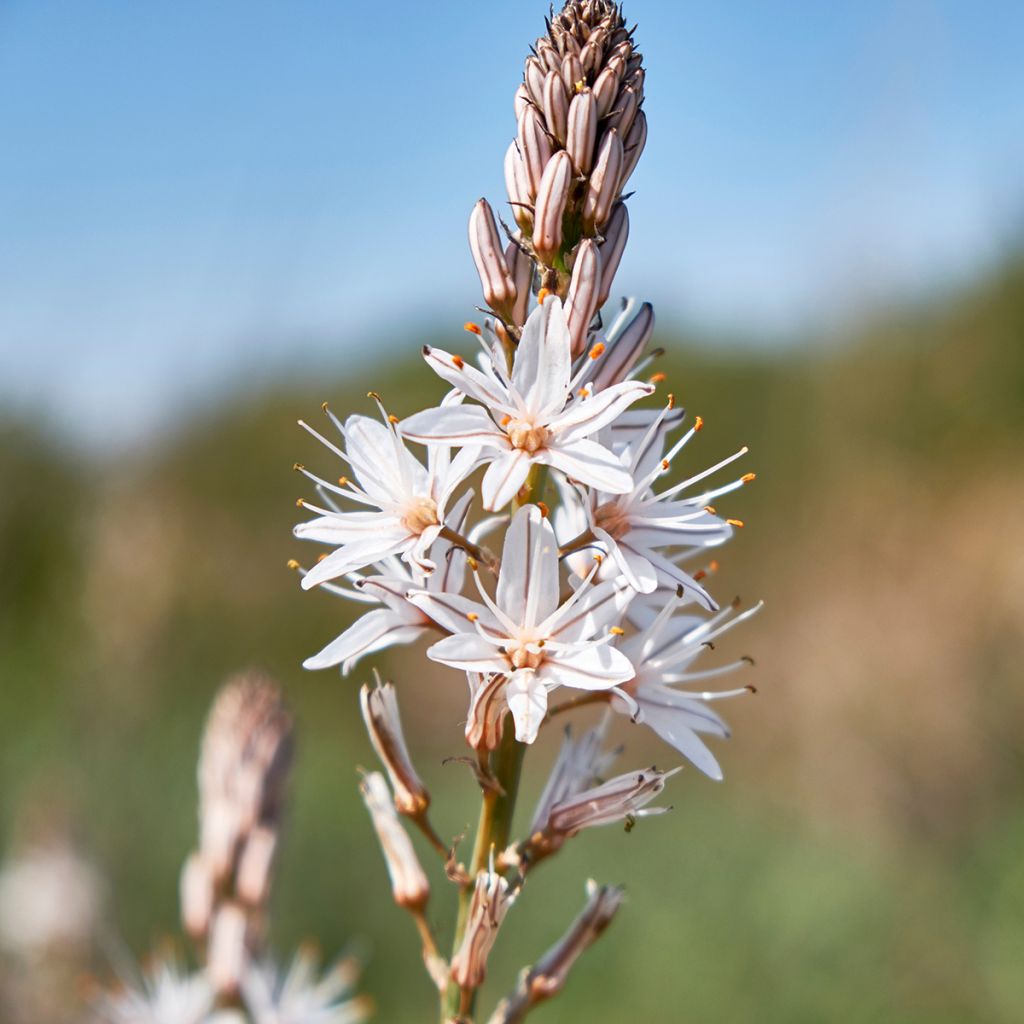
Asphodelus albus
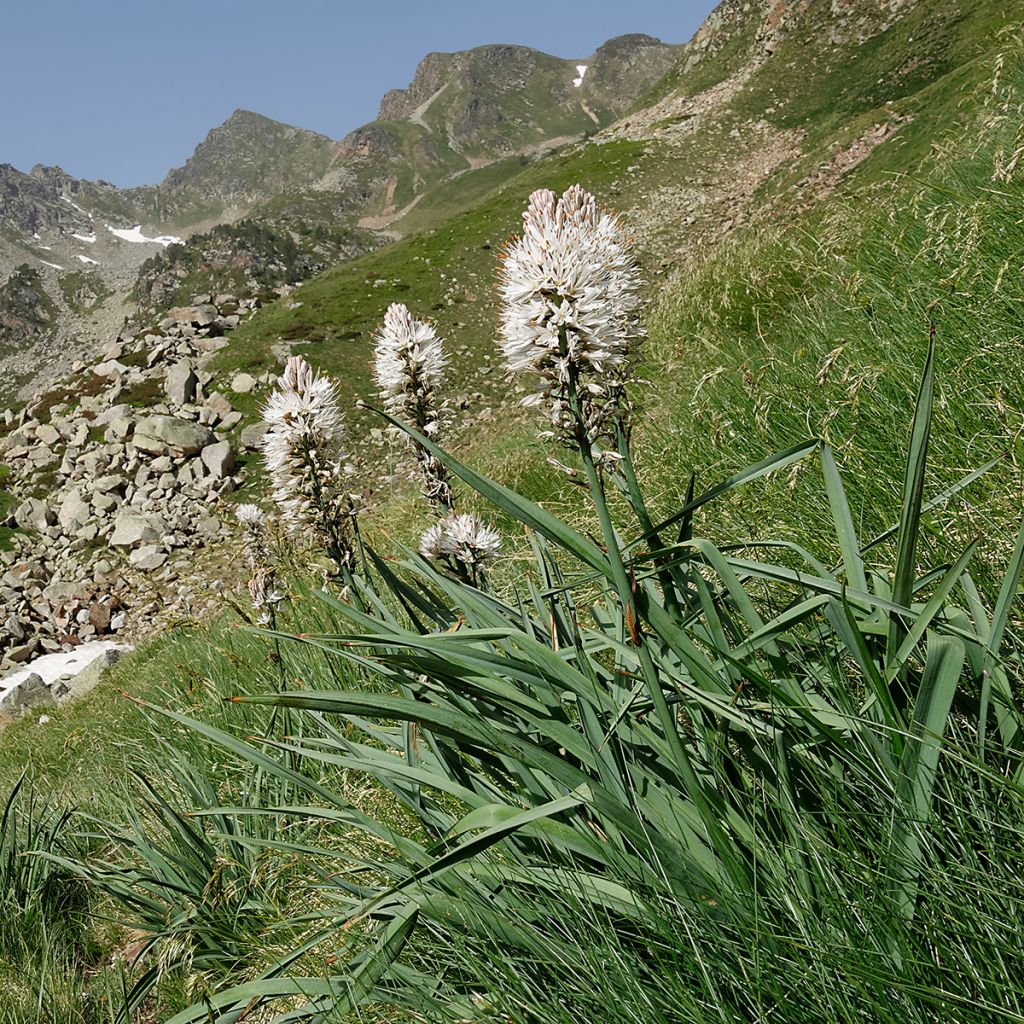
Asphodelus albus
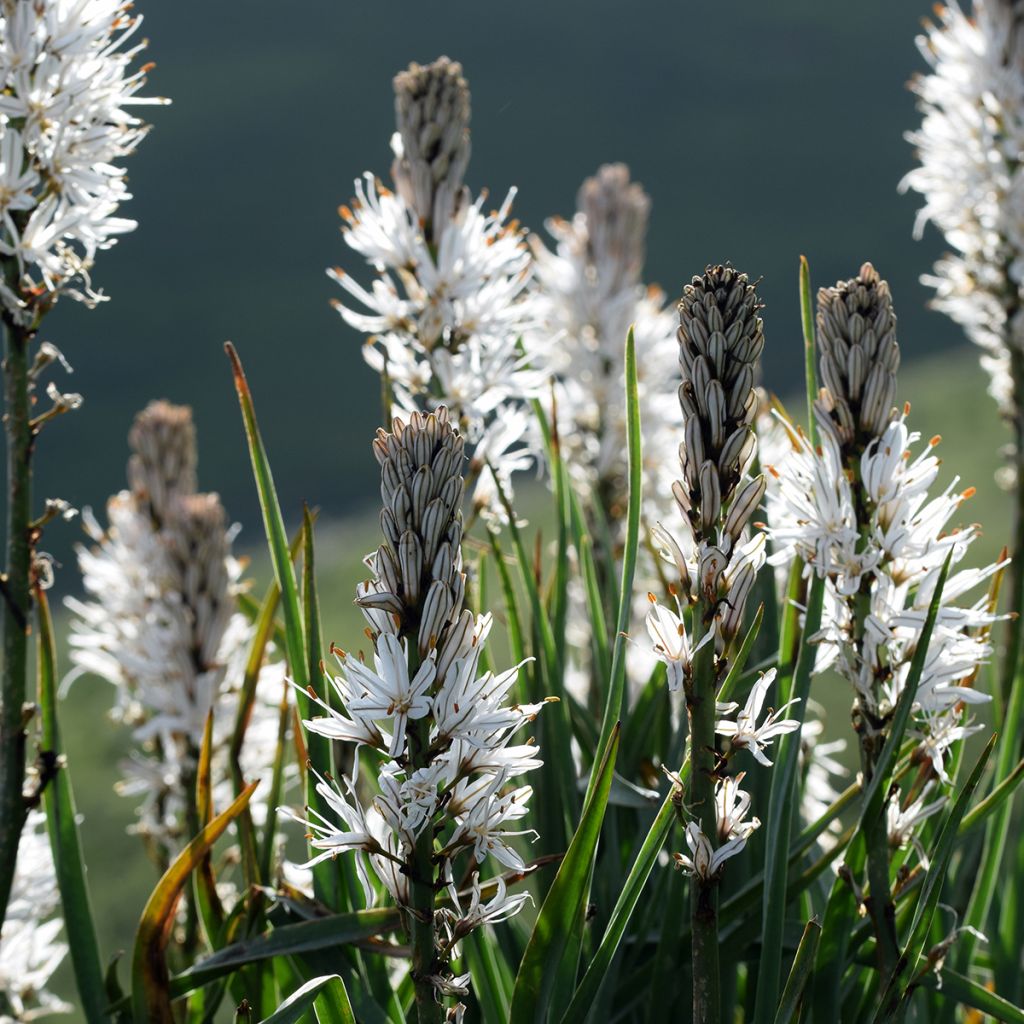
Asphodelus albus
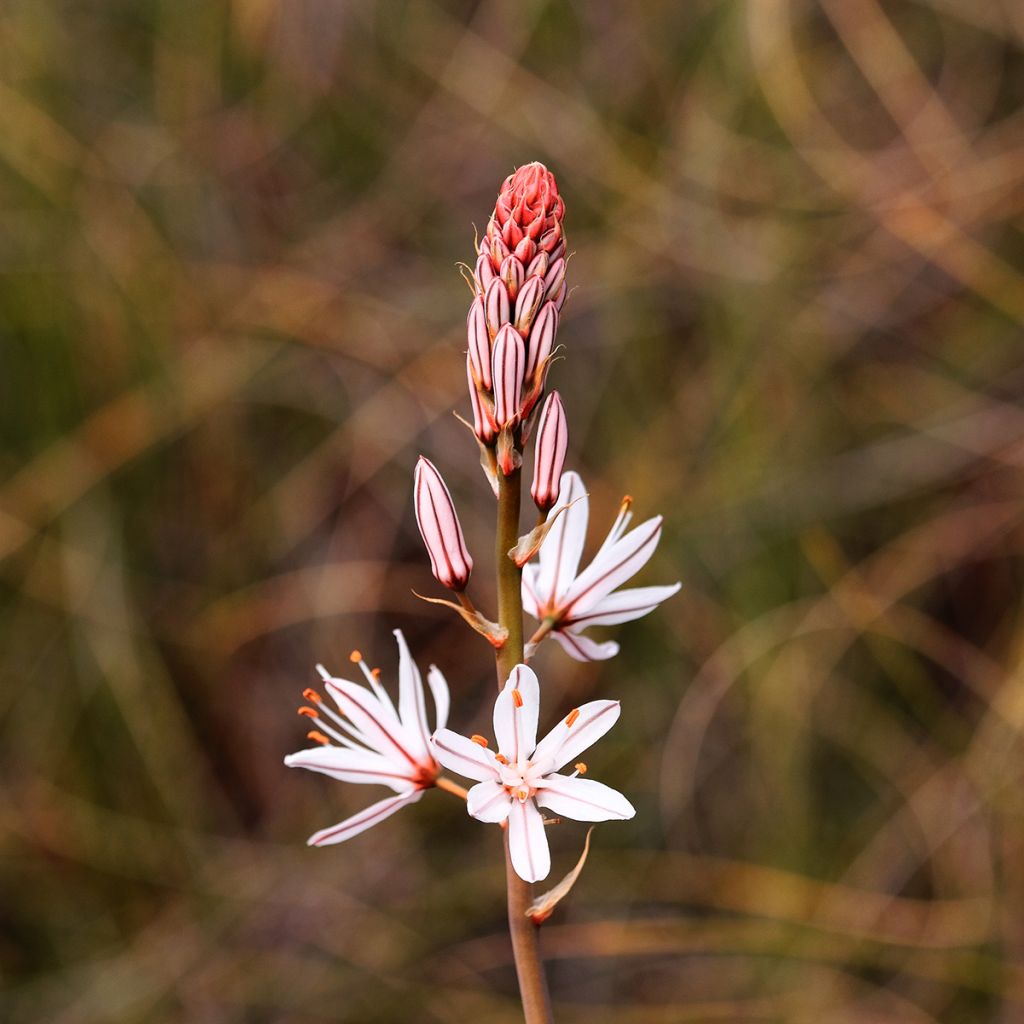
Asphodelus albus
Asphodelus albus
Asphodelus albus
Asphodelus albus
Asphodelus albus
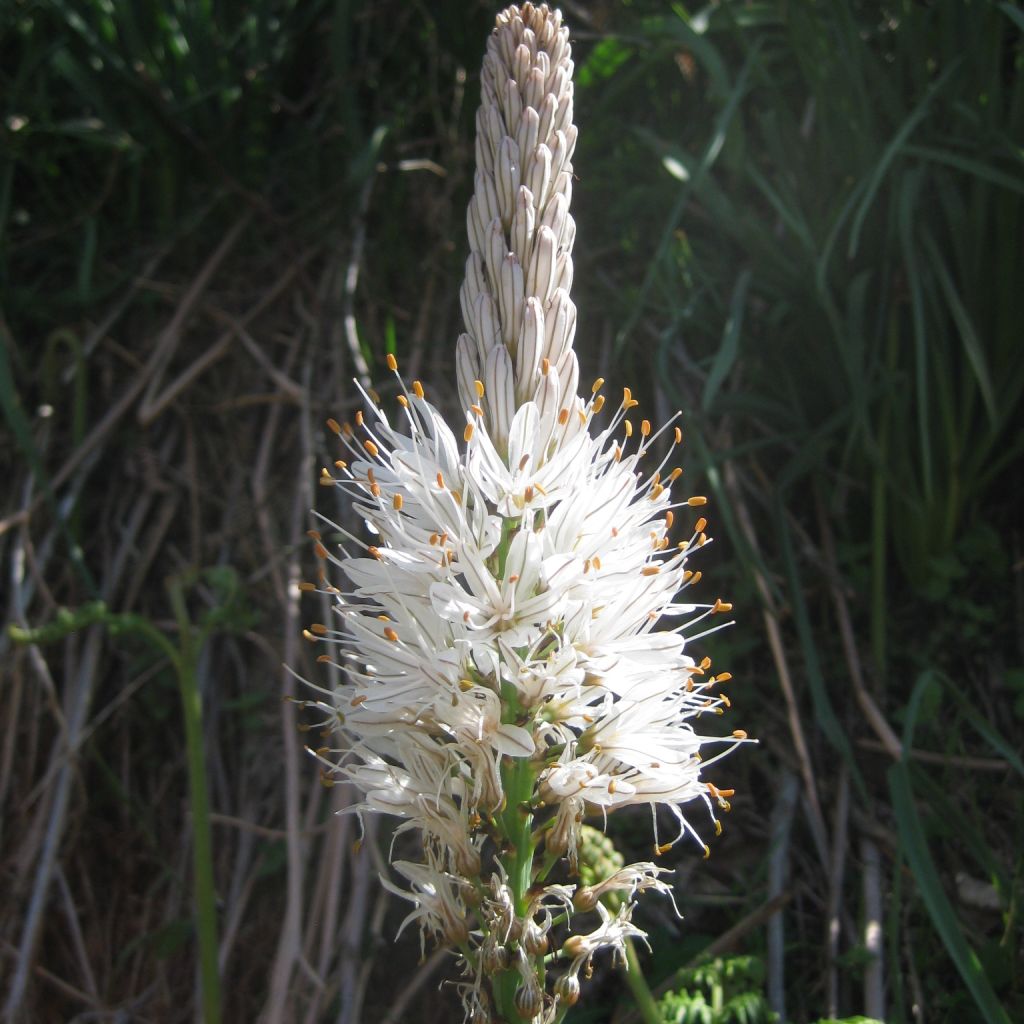
Asphodelus albus
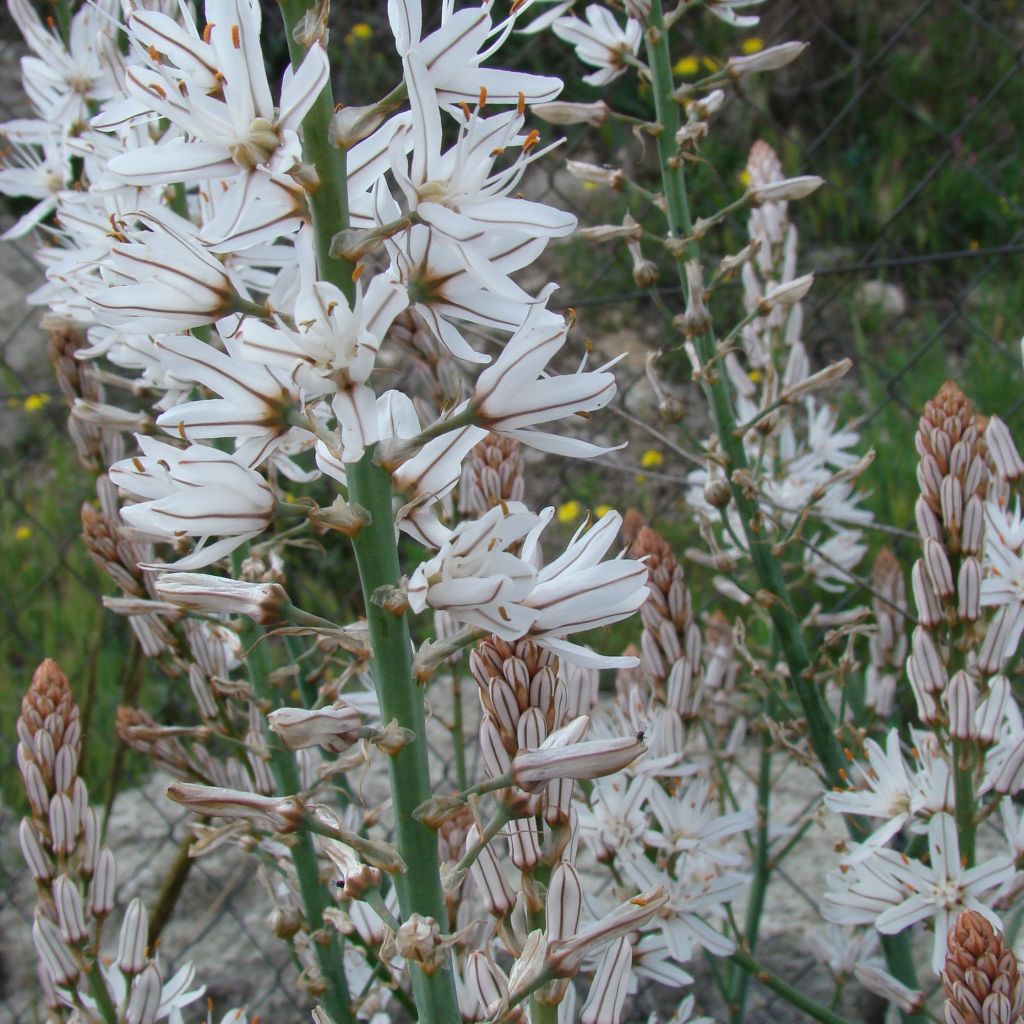
Asphodelus albus
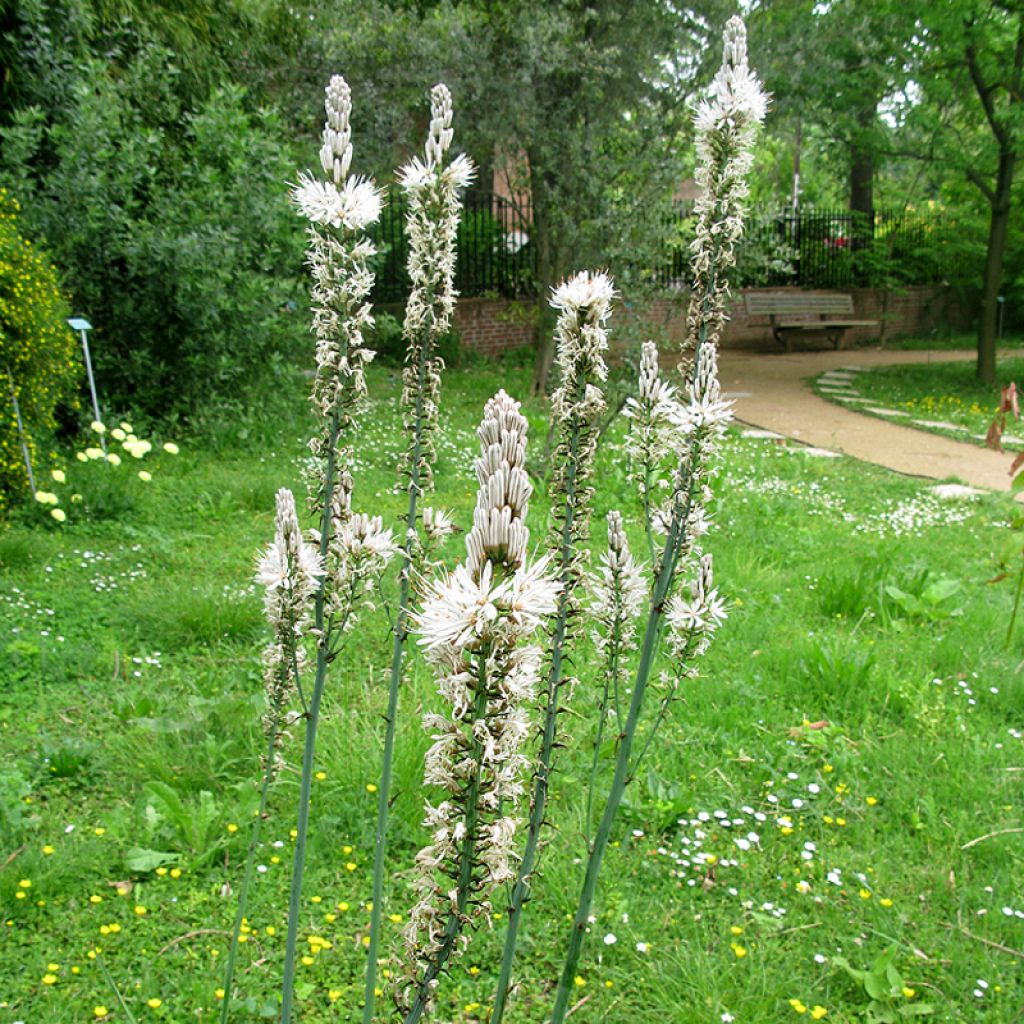
Asphodelus albus
Asphodelus albus
Asphodelus albus
White Asphodel, Rimmed Lichen, White-Flowered Asphodel
Well packaged parcel: the plants arrived in good condition. I'm pleased to have received the asphodels as they are no longer found in stores.
Maguy, 25/10/2024
Back-to-school special offer!
Get €10 off for every €50 you spend! And get up to €40 off on a single order.
How does it work?
1. Shop your favourites
Add your favourite plants to your basket. For every €50 you spend (excluding delivery charges, store credit and the plastic-free option), you’ll receive a €10 voucher.
€50 spent = €10 voucher
€100 spent = €20 voucher
€150 spent = €30 voucher
€200 spent = €40 voucher
2. Place your order
Once your basket reaches one of the spending thresholds, place your order. You can even choose your delivery date!
3. Receive your voucher
As soon as your order has been shipped, you’ll receive an email containing your personal voucher code and its value.
4. Use it on your next order
Your voucher is valid for 90 days from the date you receive it. It can be used once only, on a new order worth at least the value of the voucher, excluding delivery charges.
Please note: Vouchers can be combined with other offers, but cannot be split or refunded.
Why not try an alternative variety in stock?
View all →
Available in 2 sizes

Available in 0 sizes

Available in 2 sizes

Available in 1 sizes

Available in 1 sizes
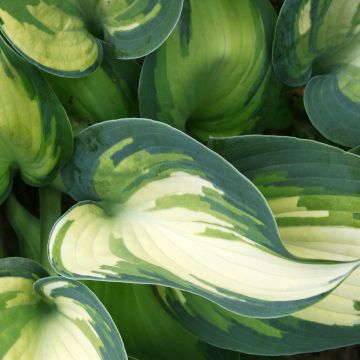
Available in 1 sizes
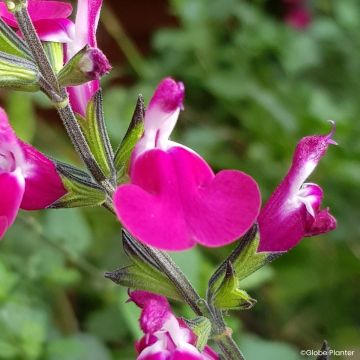
Available in 1 sizes

Available in 1 sizes
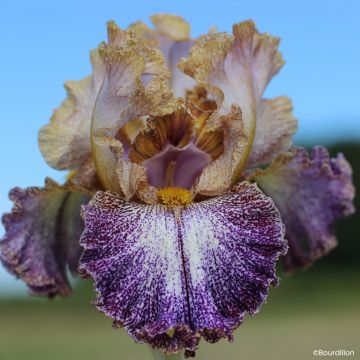
Available in 2 sizes
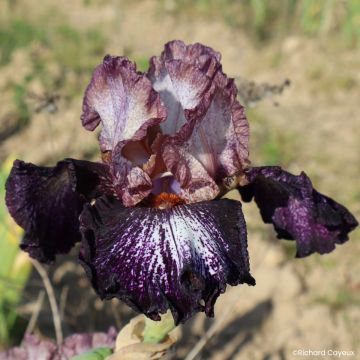
Available in 2 sizes
This plant carries a 12 months recovery warranty
More information
We guarantee the quality of our plants for a full growing cycle, and will replace at our expense any plant that fails to recover under normal climatic and planting conditions.
Does this plant fit my garden?
Set up your Plantfit profile →
Description
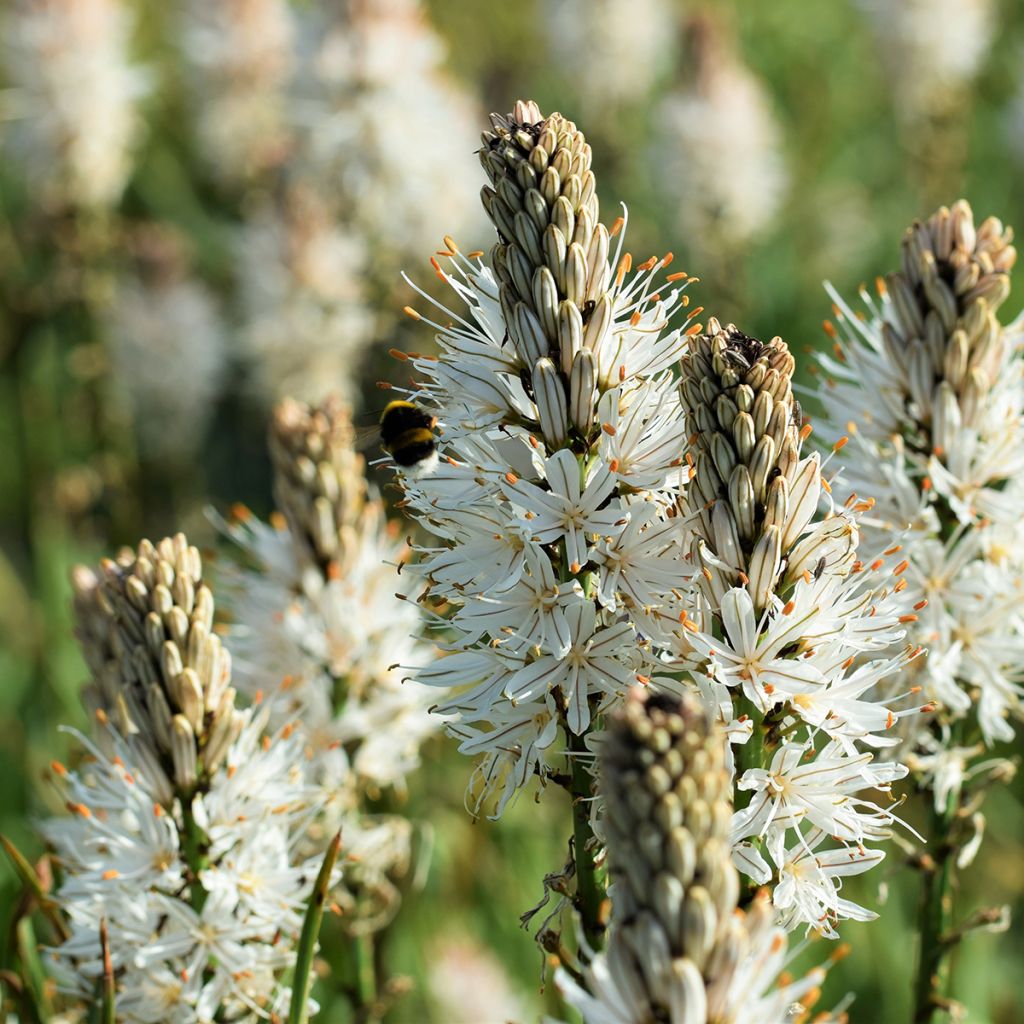
Asphodelus albus, commonly known as White Asphodel or Rimmed Lichen, is probably the easiest to grow of all asphodels, because this plant of mountainous and Mediterranean origin has exceptional adaptation abilities that allow it to grow in quite high altitudes. This vigorous perennial is elegant in spring, with its tall spikes of tightly packed white, translucent, star-shaped flowers with long stamens. Its tall silhouette fades away in late summer, only to reappear in spring as a clump of long, narrow, leathery basal leaves, green-blue in colour. It is a long-lived plant that forms impressive clumps over time, perfectly suited for a white, wild, or water-saving garden.
White Asphodel is the most widespread species in the genus Asphodelus, which includes about 12 species of perennials and annuals grouped in the family Asphodelaceae (lilies). This botanical species is a deciduous perennial with tuberous roots, native to rather mountainous areas of southern Europe and North Africa where it can withstand very low temperatures, below -15 °C (5 °F).
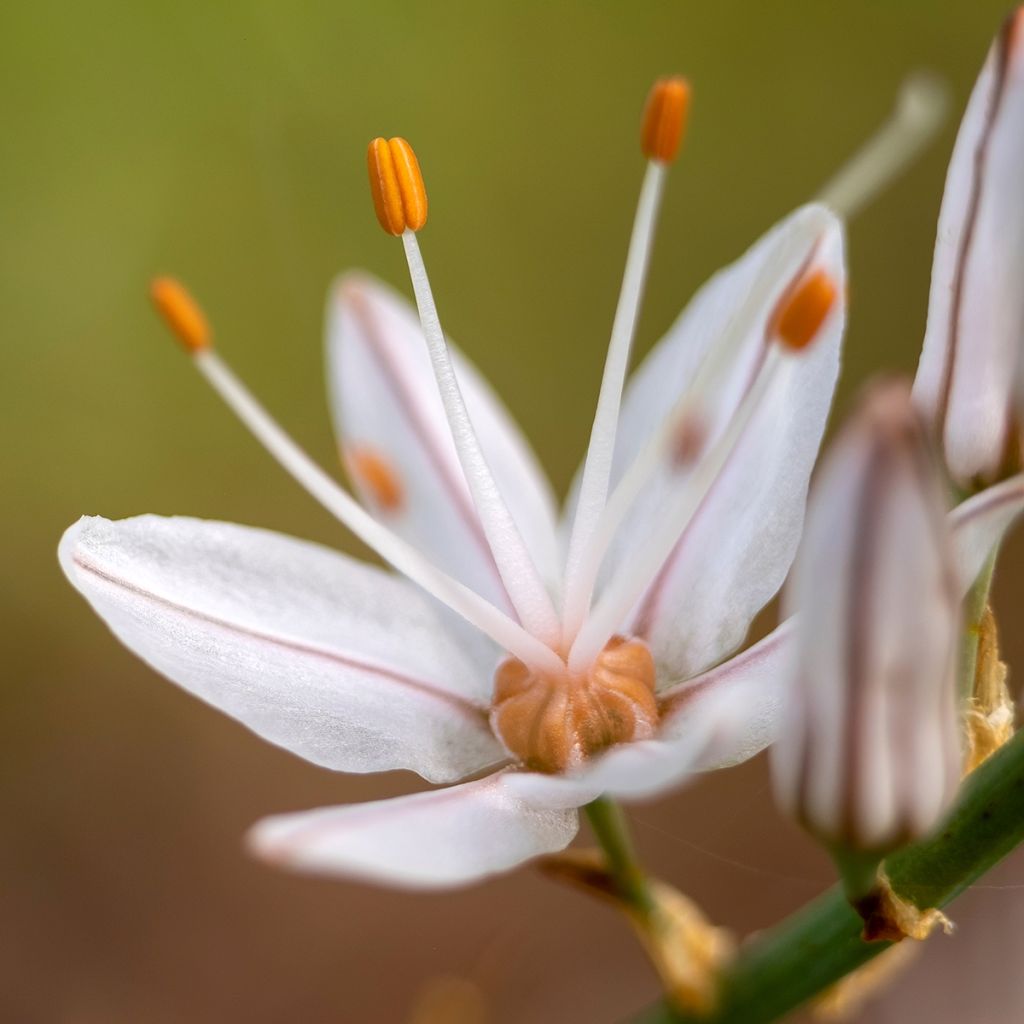
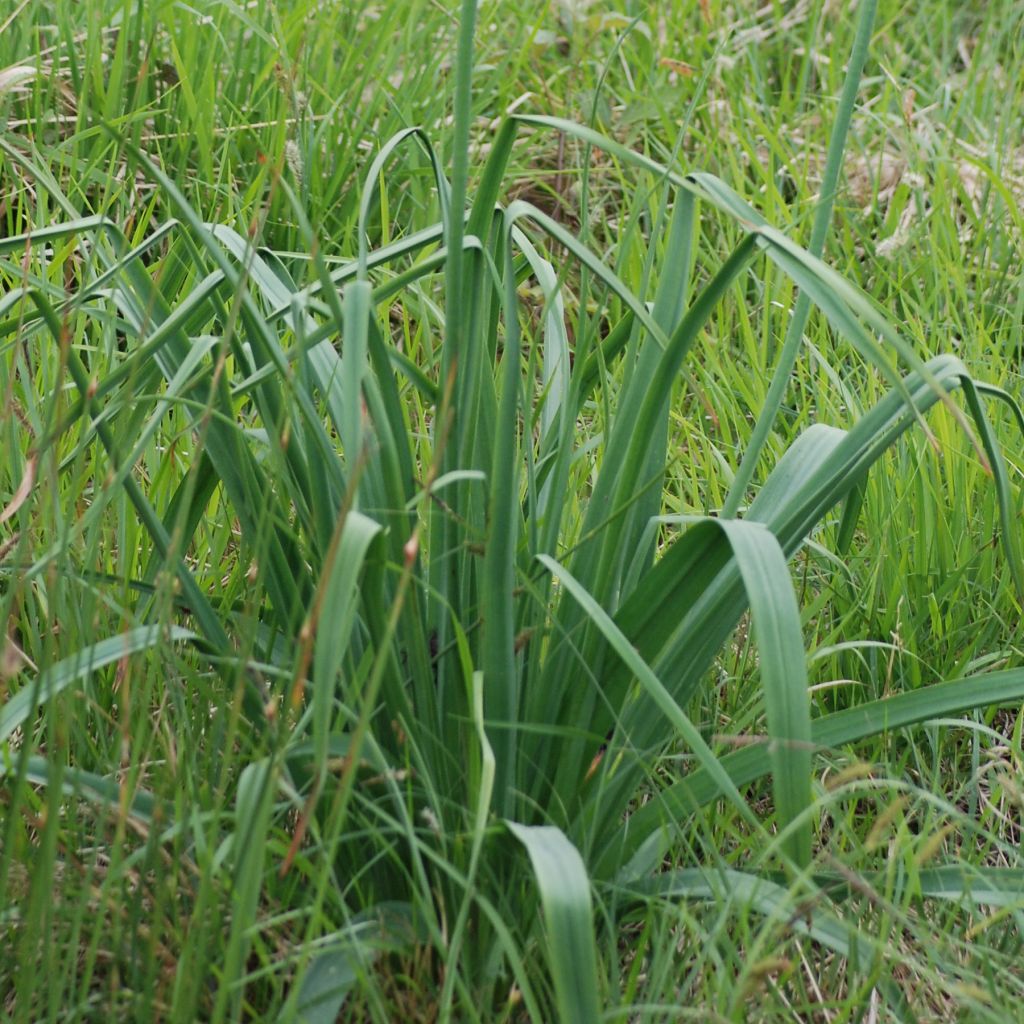
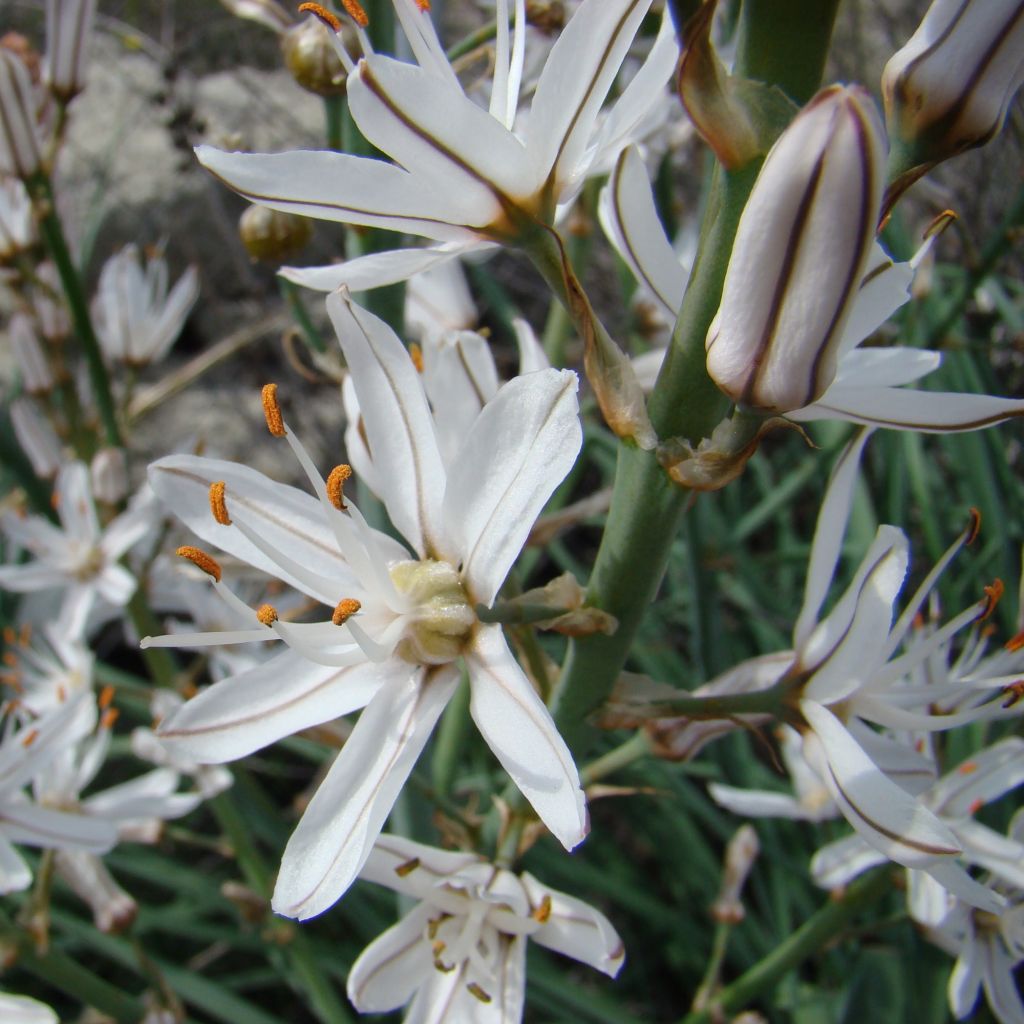
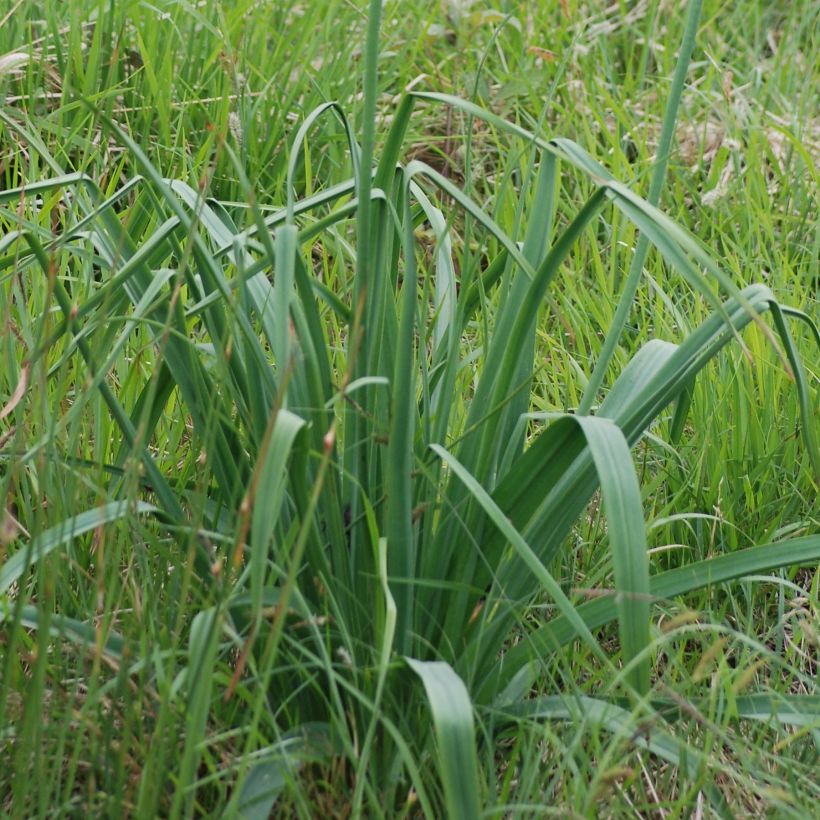
The plant emerges from the ground in spring, with long, narrow, gutter-shaped leaves of a shiny green colour, gathered in a 40 cm (16 in) tall basal clump. Flowering takes place from May to July, depending on the climate. A very tall, thick, usually unbranched stem slowly emerges from the heart of the rosette, initially in the form of a large brown bud. As it elongates, this bud becomes adorned with black and white streaks, reaching a height of 80 cm (32 in) to 1.5 m (5 ft). At this stage, the leaves spread out on the ground in a 30 cm (12 in) radius and take on a darker, bluish hue. The inflorescence is a very dense terminal spike. The small flowers are 4 cm (2 in) wide stars with 6 white petals adorned with a brown median line and long stamens crowned with dark orange anthers. The flowering starts at the base of the spike and continues for almost a month up to the tip of the stem, with the lower flowers fading as the others bloom. It should be noted that asphodels generally flower every two years. The remarkably honey-producing flowers are followed by the production of a large quantity of round, brown fruits filled with round, flat seeds that germinate easily. This plant does not appreciate its fleshy tubers being disturbed.
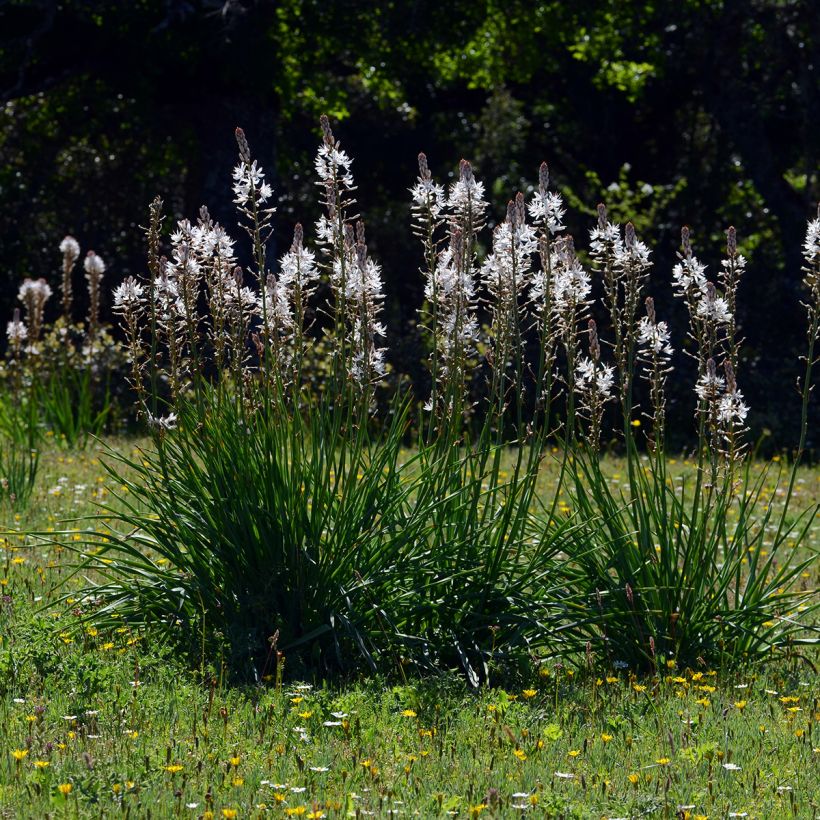
White Asphodel is truly wonderful to observe in nature, where it forms a meadow from which large "candles" light up like white lighthouses in a desolate landscape that is sometimes steppe-like, and often chaotic and dotted with rocks. This is often enough to convince plant enthusiasts looking for something a bit more exotic to adopt in their gardens, which is not difficult. On a large limestone slope, it will accompany all dry-land plants: lavender, rosemary, Euphorbia characias, cistus, Perovskia, evergreen ceanothus, valerian,and many others. Its excellent hardiness allows it to be adopted in colder, even mountainous climates, along with fireweed (Epilobium angustifolium), large-flowered brunelle, and monkshood, in cooler, rather acidic soil.
Asphodels have long been associated with death. An ancient custom was to place bouquets of asphodels on the graves of the deceased. The origin of this custom can be traced back to Greek mythology: a region of the underworld was called 'the meadow of asphodels' or 'the plain of asphodels', and it was this place that welcomed the ghostly souls of the deceased.
The stem of the asphodel, which dries up in summer, has remarkable mechanical qualities. It was formerly used in certain regions for weaving small baskets and even for making scale models of aeroplanes, as the rigid stem – which is covered with long woody fibres and encloses a pithy core – provided both strength and lightness.
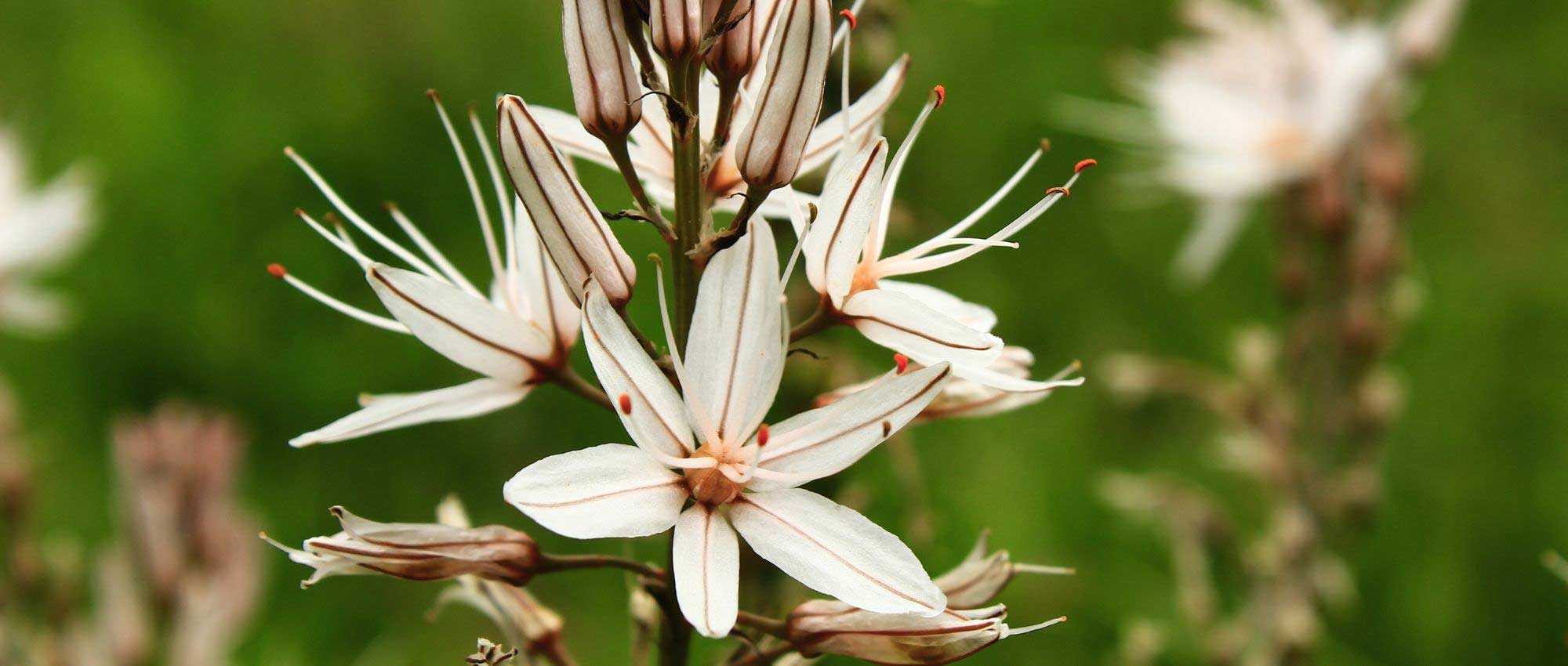
Asphodelus albus in pictures
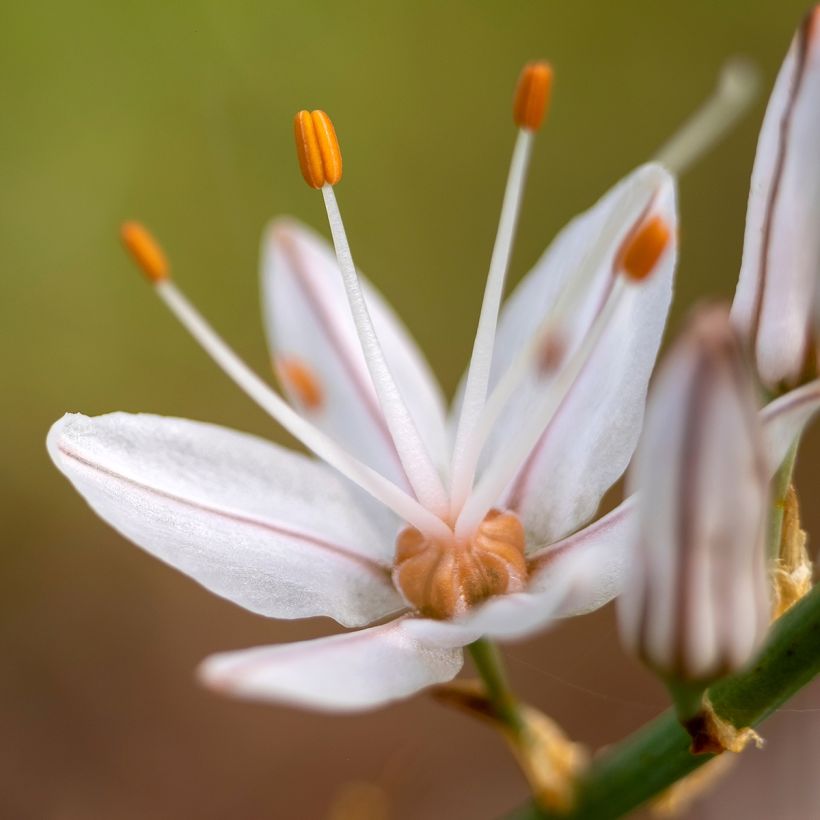
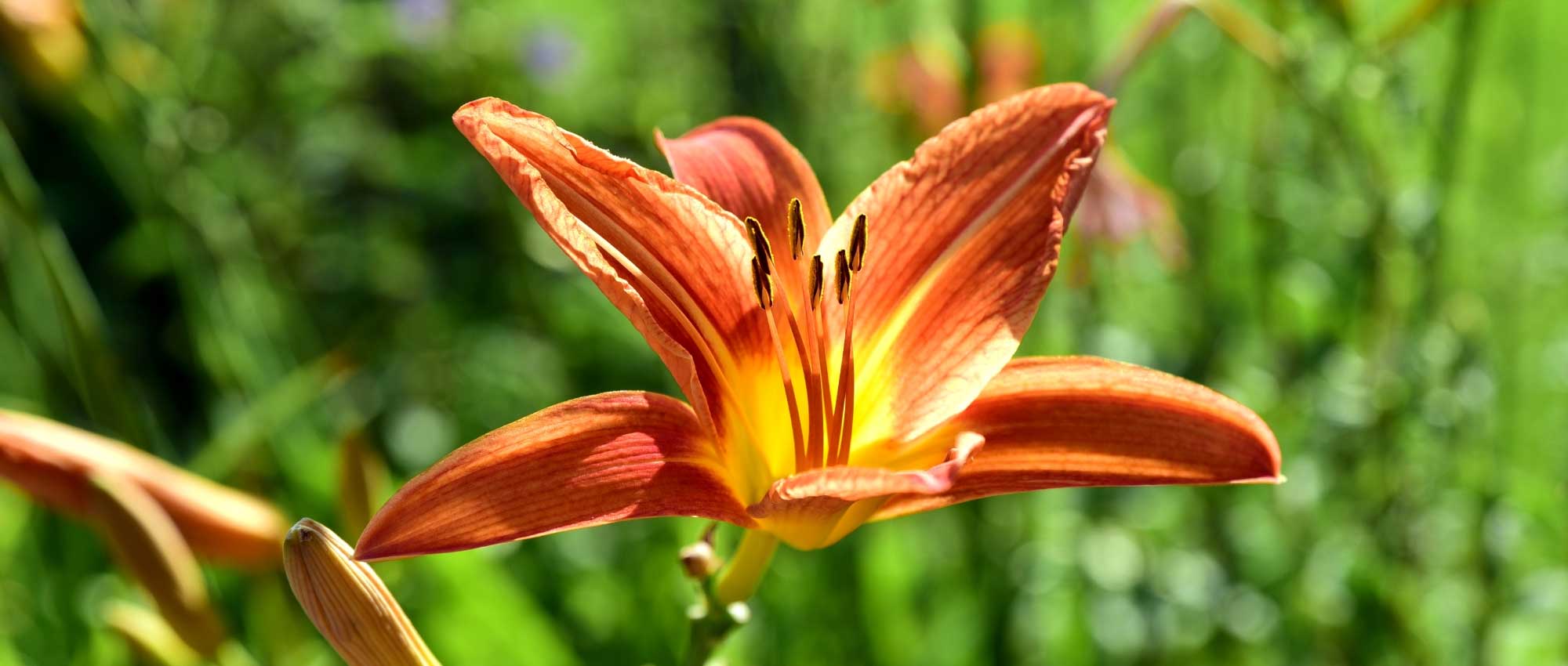
Flowering
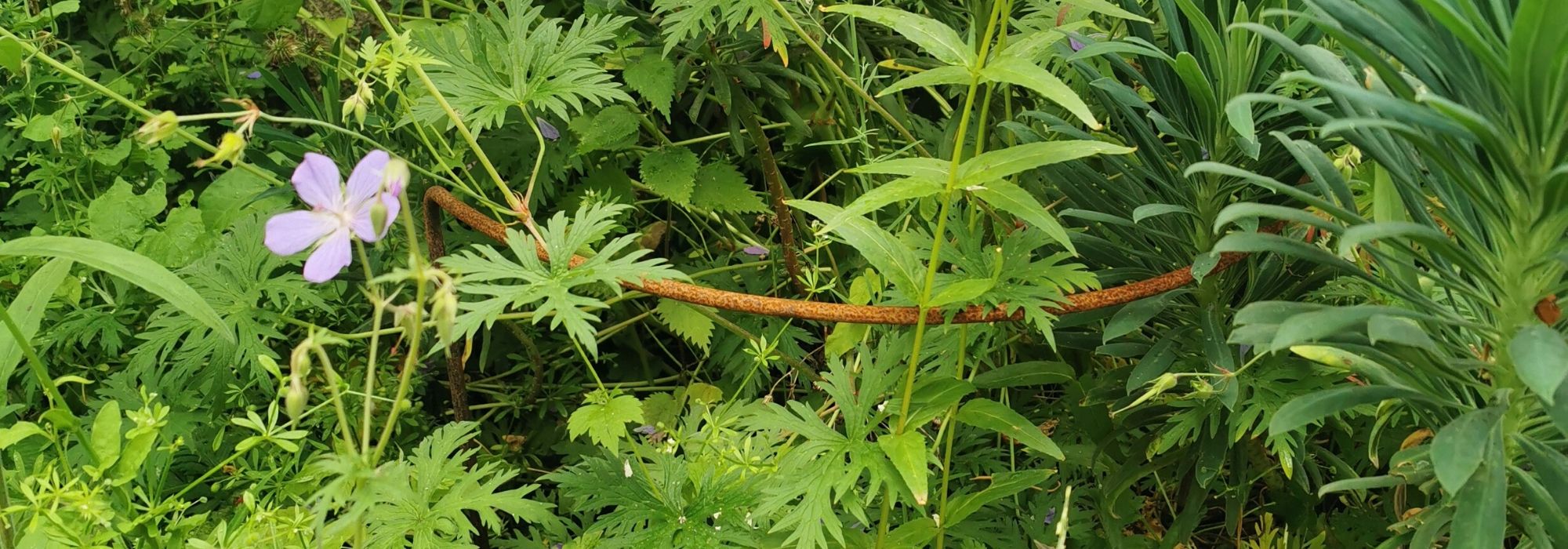
Foliage
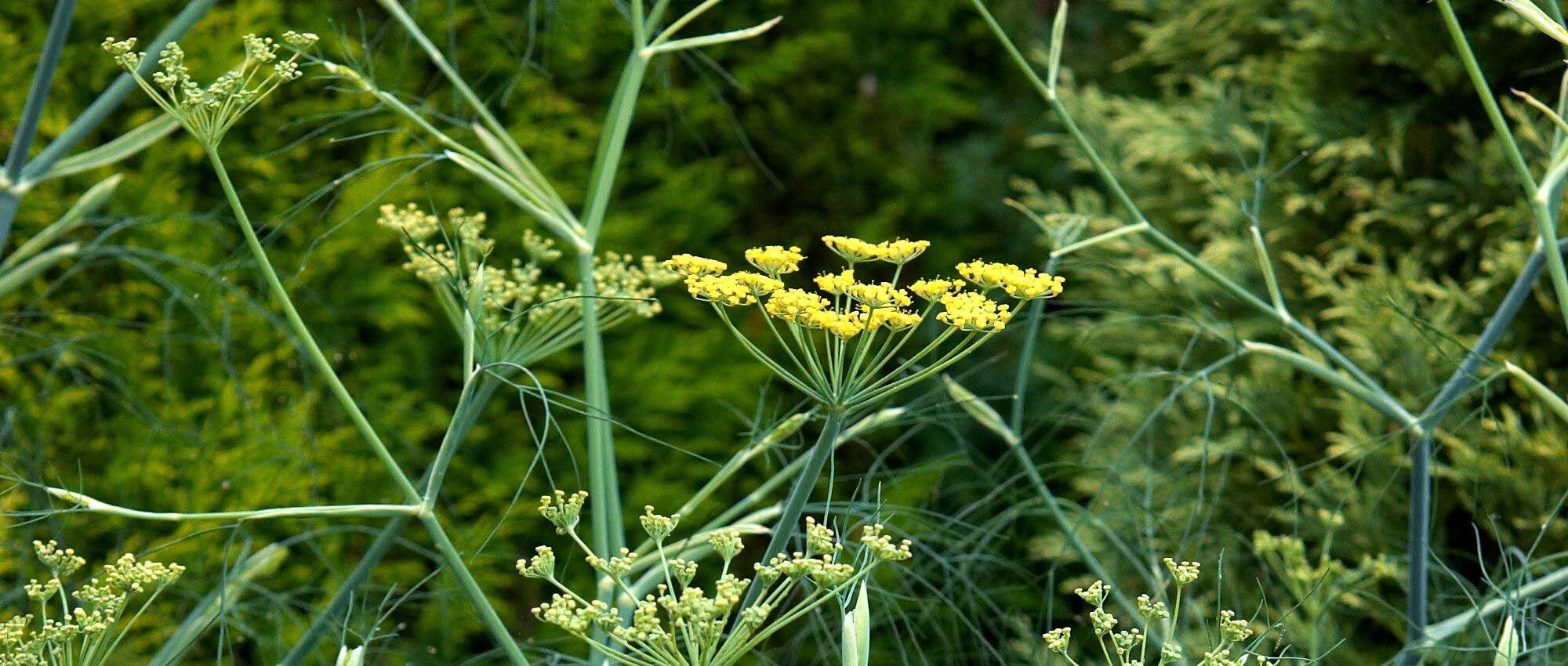
Plant habit
Botanical data
Asphodelus
albus
Asphodelaceae
White Asphodel, Rimmed Lichen, White-Flowered Asphodel
Mediterranean
Planting and care
White Asphodel grows spontaneously on rather acidic soils degraded by fire or repeated grazing. This plant, linked to fire ecology, resists it well and takes the place of destroyed vegetation. This Asphodel is very adaptable to the nature of the soil and accepts both limestone and sandy or clayey soils, provided they are properly drained and well loosened. Its roots also establish themselves in rocky soils. It is preferably planted in a sunny, cleared or even windy position. This very hardy and drought-resistant plant only fears shade and competition from other plants. Remove faded flowers if you want to avoid spontaneous sowing.
Planting period
Intended location
Care
Planting & care advice
-
-
-
-
-
-
-
-
-
, onOrder confirmed
Reply from on Promesse de fleurs
Recently viewed products
Haven't found what you were looking for?
Hardiness is the lowest winter temperature a plant can endure without suffering serious damage or even dying. However, hardiness is affected by location (a sheltered area, such as a patio), protection (winter cover) and soil type (hardiness is improved by well-drained soil).
In temperate climates, pruning of spring-flowering shrubs (forsythia, spireas, etc.) should be done just after flowering.
Pruning of summer-flowering shrubs (Indian Lilac, Perovskia, etc.) can be done in winter or spring.
In cold regions as well as with frost-sensitive plants, avoid pruning too early when severe frosts may still occur.
The harvesting period indicated on our website applies to countries and regions in USDA zone 8 (France, England, Ireland, the Netherlands).
In colder areas (Scandinavia, Poland, Austria...) fruit and vegetable harvests are likely to be delayed by 3-4 weeks.
In warmer areas (Italy, Spain, Greece, etc.), harvesting will probably take place earlier, depending on weather conditions.
The sowing periods indicated on our website apply to countries and regions within USDA Zone 8 (France, UK, Ireland, Netherlands).
In colder areas (Scandinavia, Poland, Austria...), delay any outdoor sowing by 3-4 weeks, or sow under glass.
In warmer climes (Italy, Spain, Greece, etc.), bring outdoor sowing forward by a few weeks.
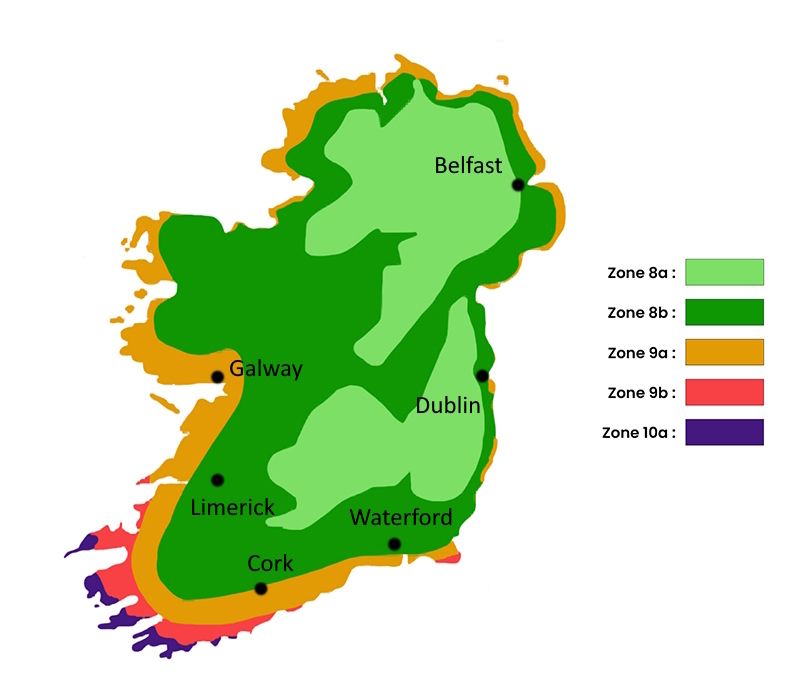
The planting period indicated on our website applies to regions in USDA Zone 9a (East Coast and Midlands: Dublin, Wexford, Waterford, Kilkenny, Portlaoise). It will vary depending on where you live:
- On the west coast and in the north-west (Galway, Limerick, Sligo, Donegal, Westport), delay planting by 1 to 2 weeks in spring and bring it forward by 1 to 2 weeks in autumn compared to the dates given, preferably choosing periods without strong winds.
- In the inland hills and plateaus (Wicklow Mountains, Macgillycuddy’s Reeks, Connemara, Killarney), it is best to plant in spring (April–May) or autumn (September–October), avoiding periods of waterlogged soil in winter and strong winds, which pose the main risk to newly planted trees in these areas.
The flowering period indicated on our website applies to regions in USDA Zone 9a, such as the East Coast and Midlands, including Dublin, Wexford, Waterford, Kilkenny and Portlaoise.
This will vary depending on where you live:
- On the west coast and in the northwest (Galway, Limerick, Sligo, Donegal and Westport), it will be delayed by one to two weeks compared to the given dates, due to stronger Atlantic winds and less spring sunshine.
- In the inland hills and plateaus (the Wicklow Mountains, the Macgillycuddy's Reeks, Connemara and Killarney), flowering will be delayed by two to three weeks. Flowering mainly occurs between May and July, with the limiting factors being less frost and more of the excessive humidity, strong winds and lack of sunshine that are characteristic of these areas.
Shipping country and language
Your country of residence may be:
Your country of residence is:
For a better user experience on our website, you can select:
Your shipping country:
-
 Austria
-
 Belgium
-
 Bosnia & Herzegovina
-
 Bulgaria
-
 Croatia
-
 Cyprus
-
 Czechia
-
 Denmark
-
 Estonia
-
 Finland
-
 France
-
 Germany
-
 Greece
-
 Hungary
-
 Iceland
-
 Ireland
-
 Italy
Italy
-
 Latvia
-
 Liechtenstein
-
 Lithuania
-
 Luxembourg
-
 Malta
Malta
-
 Netherlands
-
 Poland
-
 Portugal
-
 Romania
-
 Serbia
-
 Slovakia
-
 Slovenia
-
 Spain
Spain
-
 Sweden
-
 Switzerland
Language:
-
French
-
 English
-
Spanish
-
Italian
-
German
-
Portuguese
-
Dutch
-
Finnish
My Account
Hello
My wish lists
My cart
Log in / Register
Existing customer?
This form is protected by reCAPTCHA - the Google Privacy Policy and Terms of Service apply.
New customer?
Create an account to track your orders, access our customer service and, if you wish, make the most of our upcoming offers.