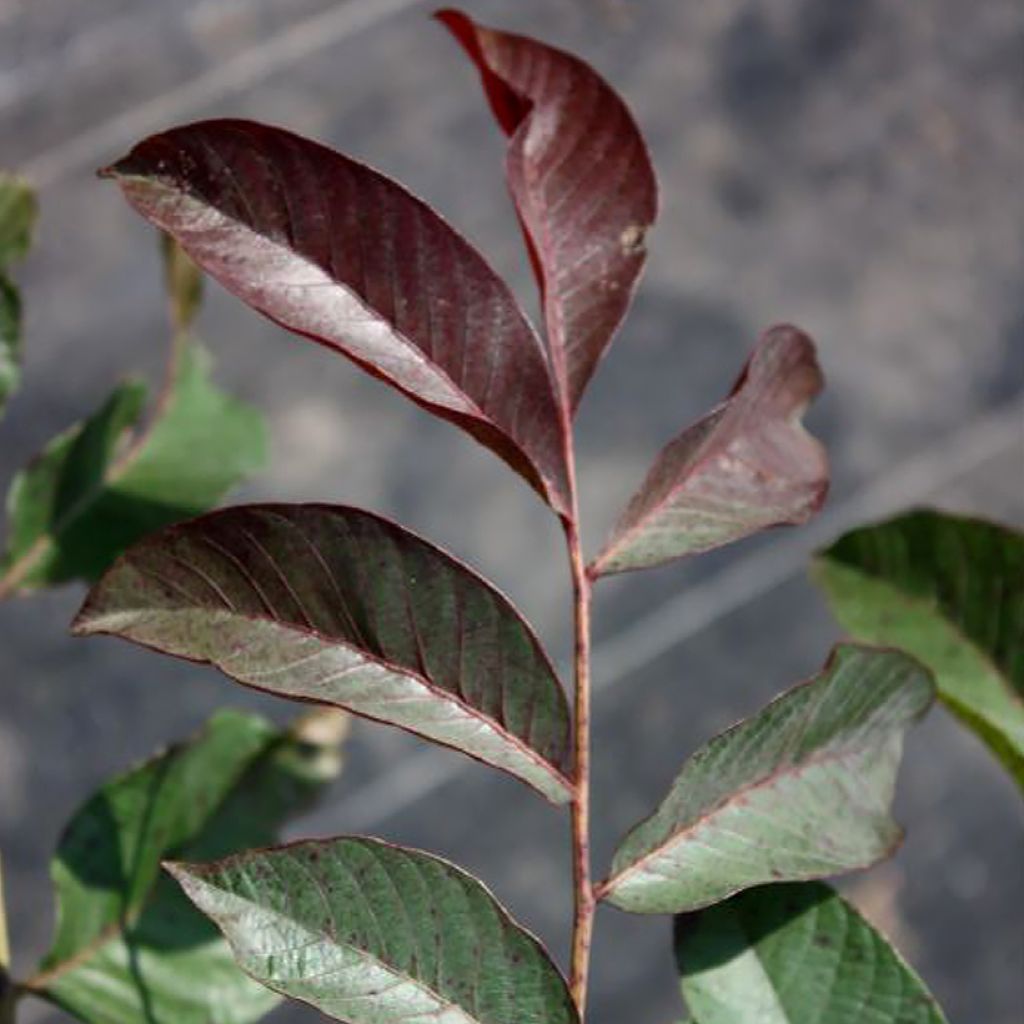
Common Walnut Purpurea - Juglans regia
Common Walnut Purpurea - Juglans regia
Juglans regia Purpurea
Common Walnut, Persian Walnut, English Walnut
Impressionné d'avoir reçu cette arbre qui dépasse déjà les 2 mètres, bien emballé et pas de branches cassés. A voir la reprise au printemps. L'étiquette indique 10 mètres à taille adulte et 6 de large, j'espère que c'est bien 4 mètres comme annoncé sur la fiche descriptive car sinon mon jardin n'est pas assez grand.
Jérémy, 18/12/2023
Back-to-school special offer!
Get €10 off for every €50 you spend! And get up to €40 off on a single order.
How does it work?
1. Shop your favourites
Add your favourite plants to your basket. For every €50 you spend (excluding delivery charges, store credit and the plastic-free option), you’ll receive a €10 voucher.
€50 spent = €10 voucher
€100 spent = €20 voucher
€150 spent = €30 voucher
€200 spent = €40 voucher
2. Place your order
Once your basket reaches one of the spending thresholds, place your order. You can even choose your delivery date!
3. Receive your voucher
As soon as your order has been shipped, you’ll receive an email containing your personal voucher code and its value.
4. Use it on your next order
Your voucher is valid for 90 days from the date you receive it. It can be used once only, on a new order worth at least the value of the voucher, excluding delivery charges.
Please note: Vouchers can be combined with other offers, but cannot be split or refunded.
Why not try an alternative variety in stock?
View all →
Available in 2 sizes
Available in 2 sizes
Available in 2 sizes
Available in 1 sizes
Available in 2 sizes
Available in 1 sizes
Available in 1 sizes
Available in 1 sizes
Available in 1 sizes
This plant carries a 12 months recovery warranty
More information
We guarantee the quality of our plants for a full growing cycle, and will replace at our expense any plant that fails to recover under normal climatic and planting conditions.
Description
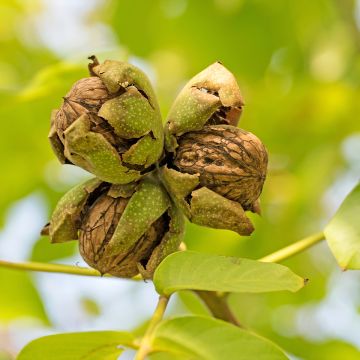
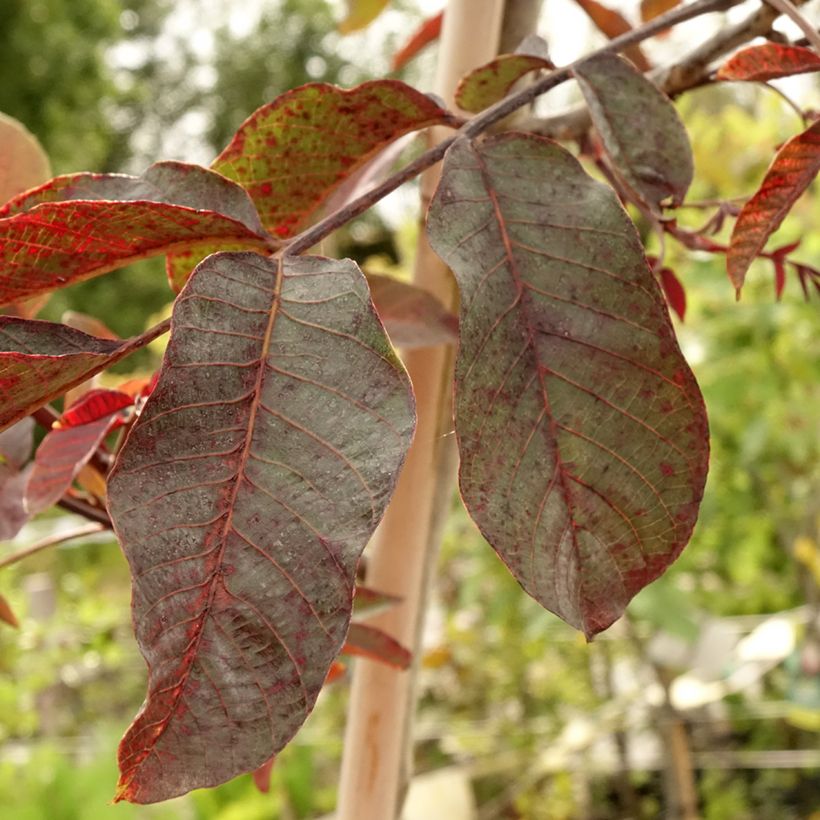
Juglans regia 'Purpurea' is a rather rare variety of walnut, with shiny purple foliage, which significantly distinguishes it from others. Fairly hardy and self-fertile, with slow growth, this walnut forms a tree reaching 4 to 5 metres (13 to 16 feet) in height when mature. The silver-grey bark contrasts with the purplish leaves and the fruits, whose shell is also purple. Both decorative and fruitful, this walnut adapts well to small gardens. It produces few spherical nuts of small size, with hard shells. The kernels have excellent taste, with a fine, sweet, and flavourful texture. Harvesting takes place in October. The fruits can be eaten raw as soon as they are picked or dried. The Walnut prefers a sunny exposure, in well-draining, cool, deep, and rich soil, even limestone. It is preferably planted in autumn or spring.
Juglans regia, commonly known as the Common Walnut, Royal Walnut, or Calottier, is a tree belonging to the Juglandaceae family. It is native to a vast region ranging from southeastern Europe to China. It is the origin of the main varieties cultivated in France, both for its nuts and its high-quality wood. The 'Purpurea' variety was obtained by E. Schneiders in 1938 at the Geisenheim Institute in Germany.
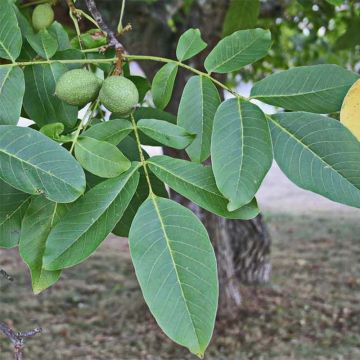
Juglans regia 'Purpurea' forms a small tree with a semi-erect frame that can reach 4 to 5 metres (13 to 16 feet) in height, with a diameter of about 3 metres (10 feet). Its spreading habit is well suited to tall forms (on a stem). Its deciduous foliage consists of large leaves measuring 20 to 30cm (8 to 12in) long, alternate, with 5 to 9 shiny purplish lanceolate leaflets that take on reddish-yellow autumn colours. The leaves of the walnut give off an aromatic odour when crushed, which can repel midges and mosquitoes. The relatively late flowering occurs in May, which usually protects it from frost. The male flowers appear as yellowish-green aments measuring 5 to 10cm (2 to 4in) long, and the female flowers are rather insignificant. It is a fairly hardy tree that can withstand temperatures around -15°C (5°F), but its vegetation is sensitive to very cold winters that arrive abruptly. This variety is self-fertile, but production can be improved by the presence of another walnut nearby for cross-pollination, thus increasing the number of fruits.
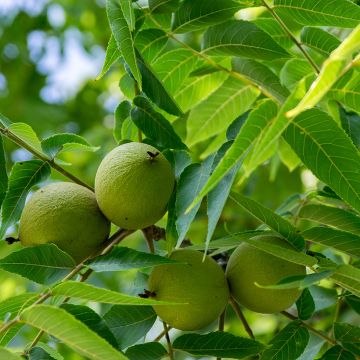
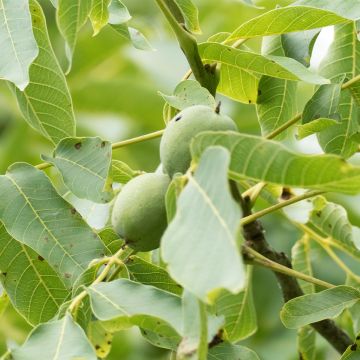
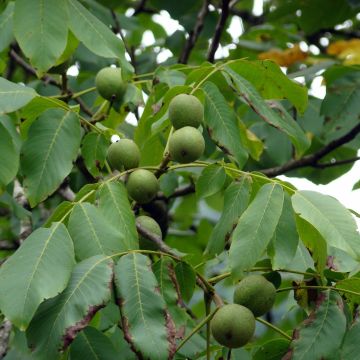
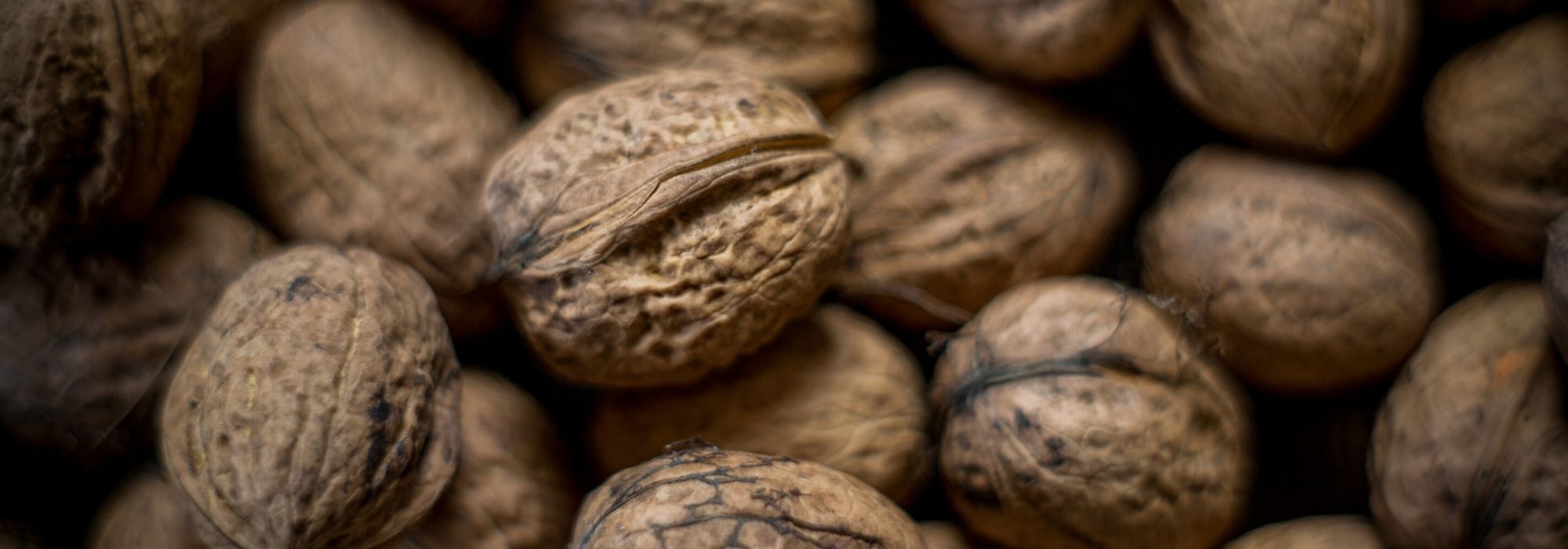
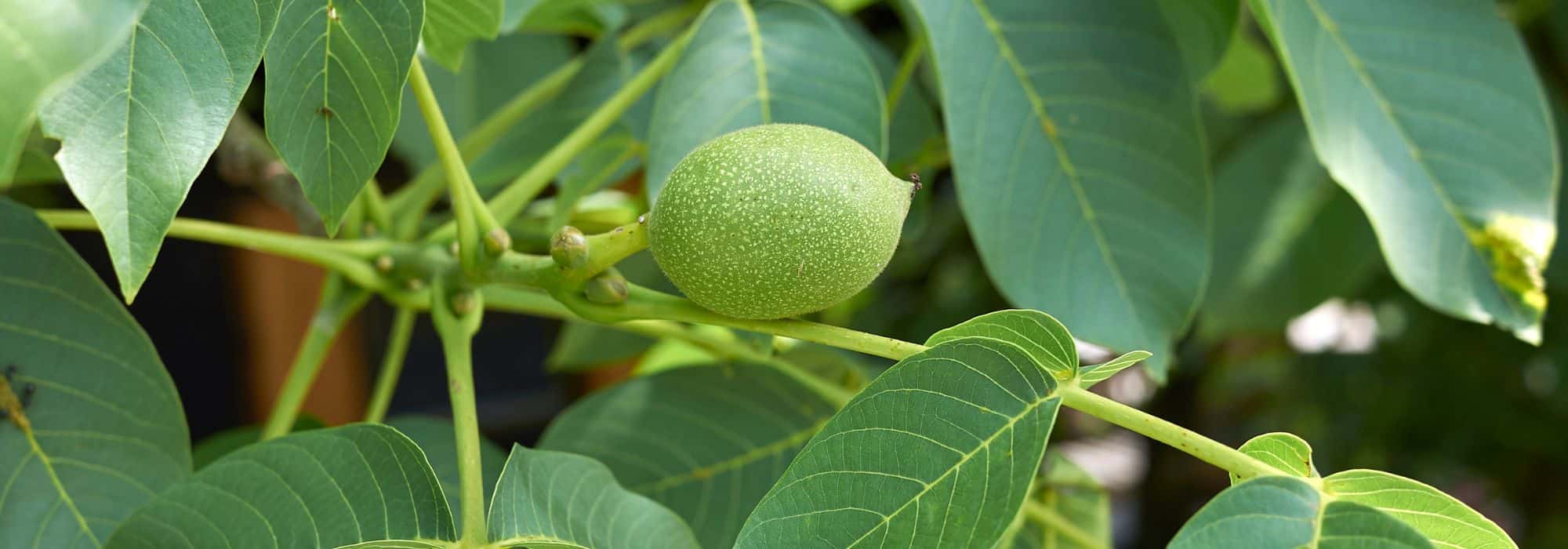
Juglans regia 'Purpurea' is a low-yielding variety, with a relatively slow fruiting period (6 to 8 years). In October, the fleshy purple husk of the nut bursts on the tree and drops the nuts to the ground. This variety produces small spherical nuts with hard shells. The kernels have excellent taste, with a fine, sweet, and flavorful texture. The nut can be eaten fresh as soon as it is harvested, simply for pleasure or indulgence. Dried, it can be used in many recipes: desserts, pastries, salads, cheeses, etc. Roasted, the nut brings out its sweet flavor and intense aromas while minimizing the bitterness of the fruit. It is also appreciated in the form of walnut oil.
Rich in magnesium, calcium, vitamins B and E, iron, minerals, and trace elements, the walnut is nutritionally interesting. Low in calories, it is rich in fibre, antioxidants, Omega-3, and fatty acids, making it a super fruit for a balanced diet and numerous health benefits. Walnuts can be stored for 1 to 2 years by drying them on racks in one or two layers, in a well-ventilated and dry space, at a temperature of 7 to 10°C (44.6 to 50°F).
In the category of shell fruits, the Common Walnut 'Purpurea' forms a small decorative and tasty tree. No planting is possible below its canopy, few plants can withstand its competition, which is due to the production of juglone, an aromatic compound toxic to most plants.
Common Walnut Purpurea - Juglans regia in pictures
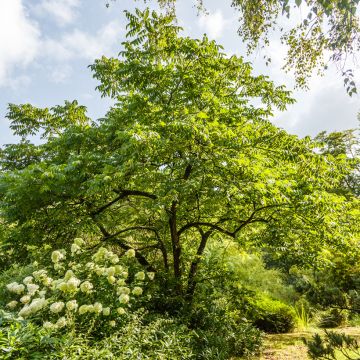
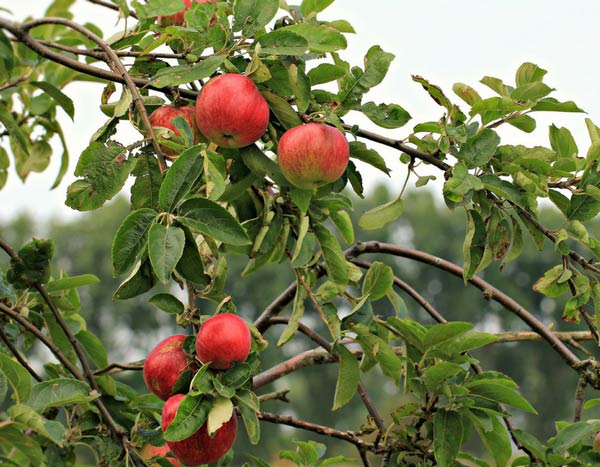
Plant habit
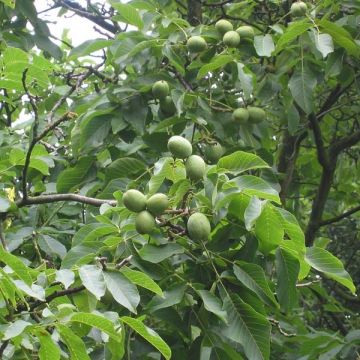
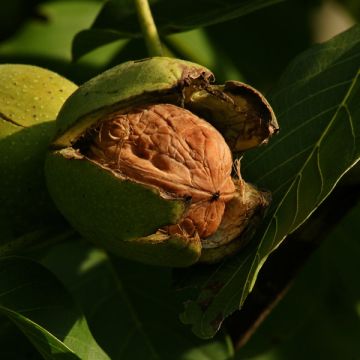
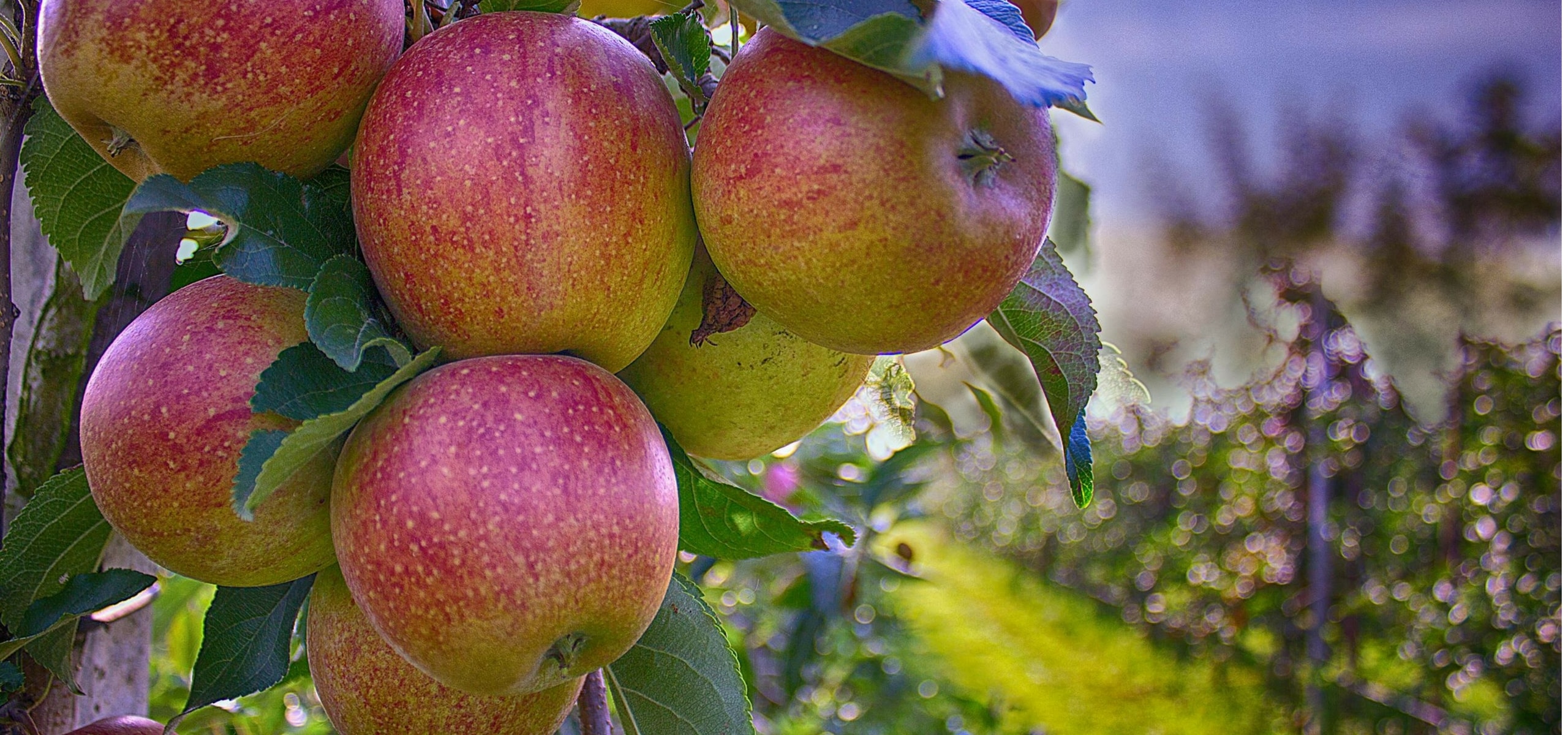
Fruit
Flowering
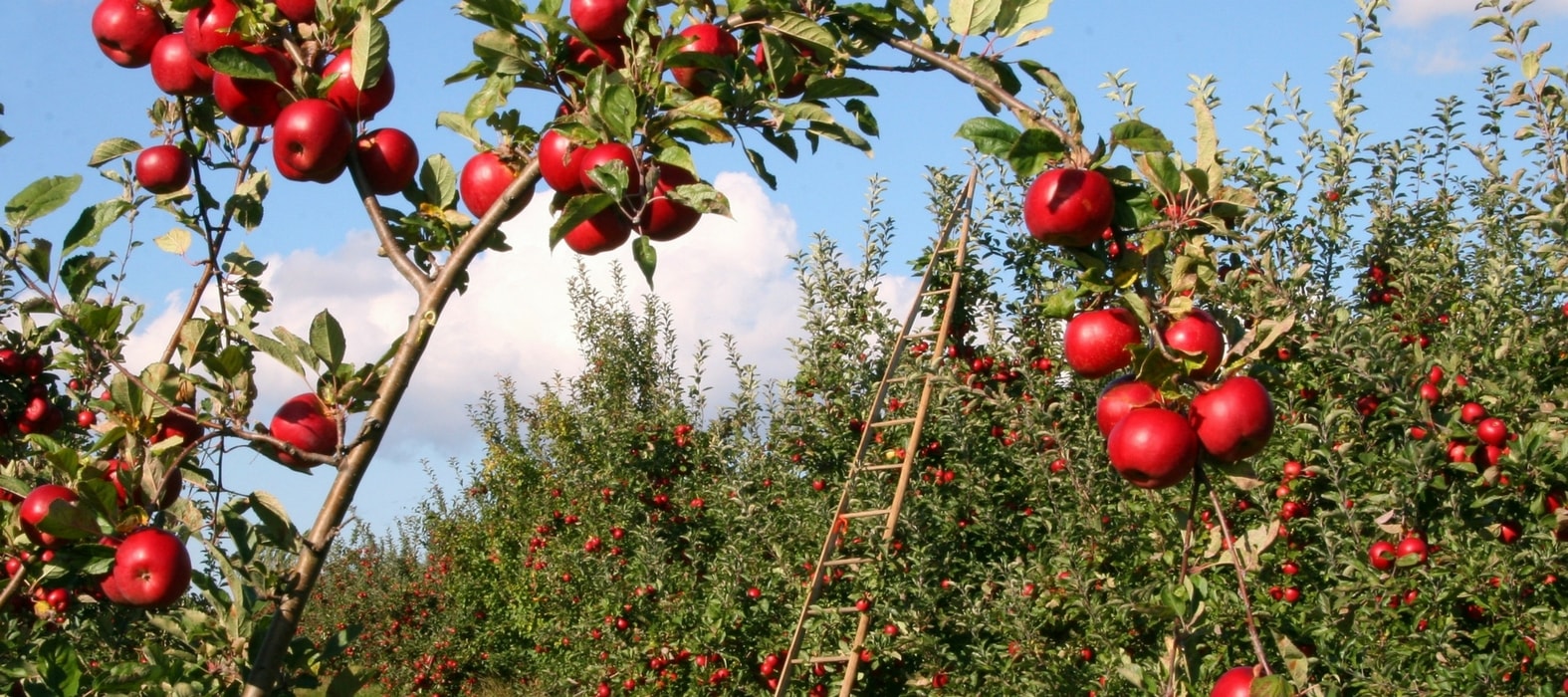
Foliage
Planting and care
Plant the Common Walnut 'Purpurea' in isolation, in a well-situated, not too windy location, in a deep and rather loose soil so that it can spread its roots even if it tolerates clay.
The walnut fears both stagnant humidity and prolonged droughts. Provide it with a fresh, deep, well-drained, even limestone soil. Despite its excellent hardiness (-25°C (-13°F)), a too cold winter limits its fruiting and can weaken the tree. Its sensitivity to late frosts means that a walnut tree will not develop properly in northern regions such as north of the Loire, while it grows properly up to 1000 metres (3281 feet) in altitude in the south of France. The Drôme, Isère, and Périgord are the main French regions for walnut production.
Prefer autumn, October-November, to plant your walnut trees. Planting in March-April is possible in regions that are sufficiently rainy in summer.
This plant is easy to grow, but it should be known that nothing grows under its foliage due to the production of juglone, an aromatic compound toxic to most plants. Its shade is dense. It is said that one should not fall asleep at the foot of a walnut tree, or risk catching a cold!
Allow a distance of 8-10 metres (26-33 feet) between each walnut tree. Create a beautiful planting hole at least 3 times the width of the root ball. Soak the pot in a bucket of water to moisten it well. Add a few shovelfuls of sand and gravel to ensure good drainage around the roots, as well as compost to lighten the soil. In a soil that is too acidic (pH below 6.5), add dolomite or ash. Plant a stake at a distance from the root ball. Place the plant in the planting hole, avoiding burying the collar. Replace the soil and lightly compact it. Tie the walnut tree trunk to its stake without tightening too much. Water and mulch.
Planting period
Intended location
Care
Planting & care advice
-
-
-
-
-
-
-
-
-
, onOrder confirmed
Reply from on Promesse de fleurs
Recently viewed products
Haven't found what you were looking for?
Hardiness is the lowest winter temperature a plant can endure without suffering serious damage or even dying. However, hardiness is affected by location (a sheltered area, such as a patio), protection (winter cover) and soil type (hardiness is improved by well-drained soil).
In temperate climates, pruning of spring-flowering shrubs (forsythia, spireas, etc.) should be done just after flowering.
Pruning of summer-flowering shrubs (Indian Lilac, Perovskia, etc.) can be done in winter or spring.
In cold regions as well as with frost-sensitive plants, avoid pruning too early when severe frosts may still occur.
The harvesting period indicated on our website applies to countries and regions in USDA zone 8 (France, England, Ireland, the Netherlands).
In colder areas (Scandinavia, Poland, Austria...) fruit and vegetable harvests are likely to be delayed by 3-4 weeks.
In warmer areas (Italy, Spain, Greece, etc.), harvesting will probably take place earlier, depending on weather conditions.
The sowing periods indicated on our website apply to countries and regions within USDA Zone 8 (France, UK, Ireland, Netherlands).
In colder areas (Scandinavia, Poland, Austria...), delay any outdoor sowing by 3-4 weeks, or sow under glass.
In warmer climes (Italy, Spain, Greece, etc.), bring outdoor sowing forward by a few weeks.
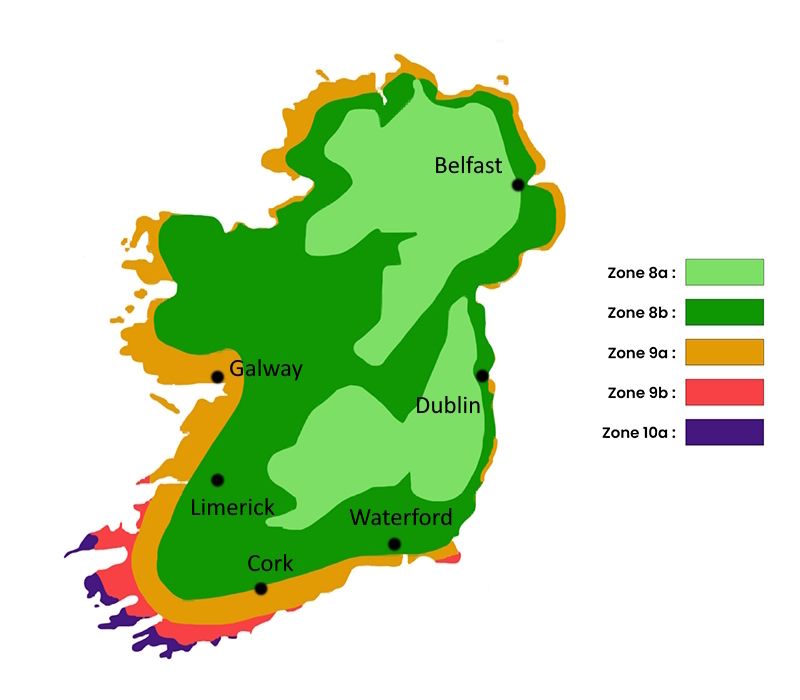
The planting period indicated on our website applies to regions in USDA Zone 9a (East Coast and Midlands: Dublin, Wexford, Waterford, Kilkenny, Portlaoise). It will vary depending on where you live:
- On the west coast and in the north-west (Galway, Limerick, Sligo, Donegal, Westport), delay planting by 1 to 2 weeks in spring and bring it forward by 1 to 2 weeks in autumn compared to the dates given, preferably choosing periods without strong winds.
- In the inland hills and plateaus (Wicklow Mountains, Macgillycuddy’s Reeks, Connemara, Killarney), it is best to plant in spring (April–May) or autumn (September–October), avoiding periods of waterlogged soil in winter and strong winds, which pose the main risk to newly planted trees in these areas.
The flowering period indicated on our website applies to regions in USDA Zone 9a, such as the East Coast and Midlands, including Dublin, Wexford, Waterford, Kilkenny and Portlaoise.
This will vary depending on where you live:
- On the west coast and in the northwest (Galway, Limerick, Sligo, Donegal and Westport), it will be delayed by one to two weeks compared to the given dates, due to stronger Atlantic winds and less spring sunshine.
- In the inland hills and plateaus (the Wicklow Mountains, the Macgillycuddy's Reeks, Connemara and Killarney), flowering will be delayed by two to three weeks. Flowering mainly occurs between May and July, with the limiting factors being less frost and more of the excessive humidity, strong winds and lack of sunshine that are characteristic of these areas.
Shipping country and language
Your country of residence may be:
Your country of residence is:
For a better user experience on our website, you can select:
Your shipping country:
-
 Austria
-
 Belgium
-
 Bosnia & Herzegovina
-
 Bulgaria
-
 Croatia
-
 Cyprus
-
 Czechia
-
 Denmark
-
 Estonia
-
 Finland
-
 France
-
 Germany
-
 Greece
-
 Hungary
-
 Iceland
-
 Ireland
-
 Italy
Italy
-
 Latvia
-
 Liechtenstein
-
 Lithuania
-
 Luxembourg
-
 Malta
Malta
-
 Netherlands
-
 Poland
-
 Portugal
-
 Romania
-
 Serbia
-
 Slovakia
-
 Slovenia
-
 Spain
Spain
-
 Sweden
-
 Switzerland
Language:
-
French
-
 English
-
Spanish
-
Italian
-
German
-
Portuguese
-
Dutch
-
Finnish
My Account
Hello
My wish lists
My cart
Log in / Register
Existing customer?
This form is protected by reCAPTCHA - the Google Privacy Policy and Terms of Service apply.
New customer?
Create an account to track your orders, access our customer service and, if you wish, make the most of our upcoming offers.