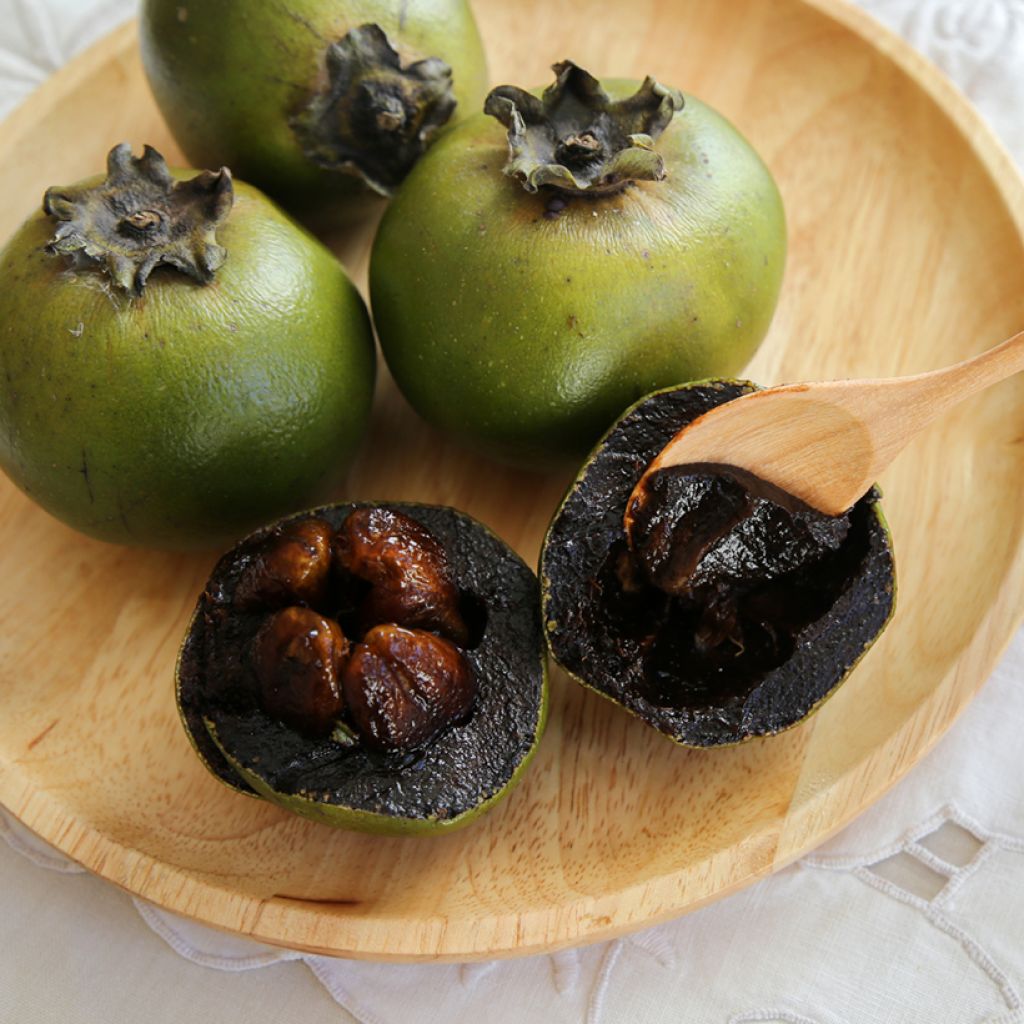
Diospyros digyna - Black sapote
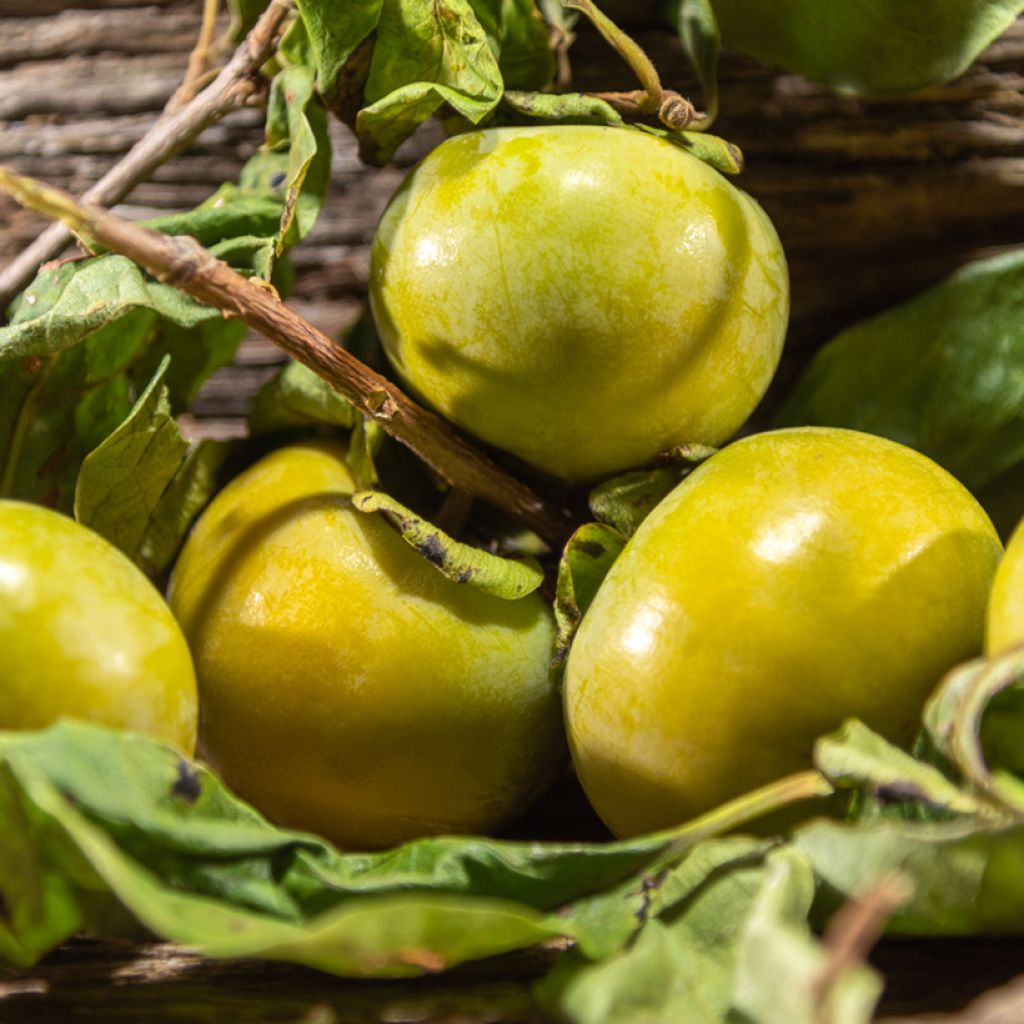
Diospyros digyna - Black sapote
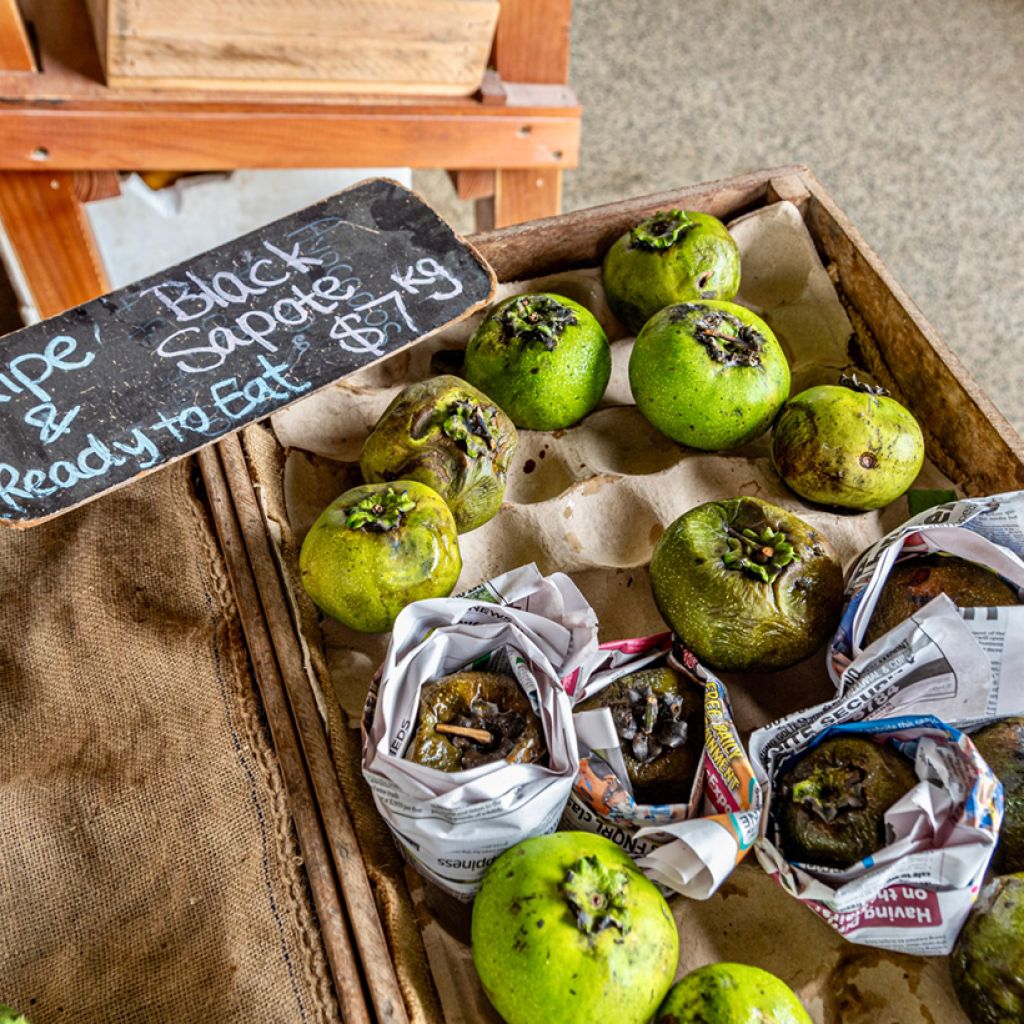
Diospyros digyna - Black sapote
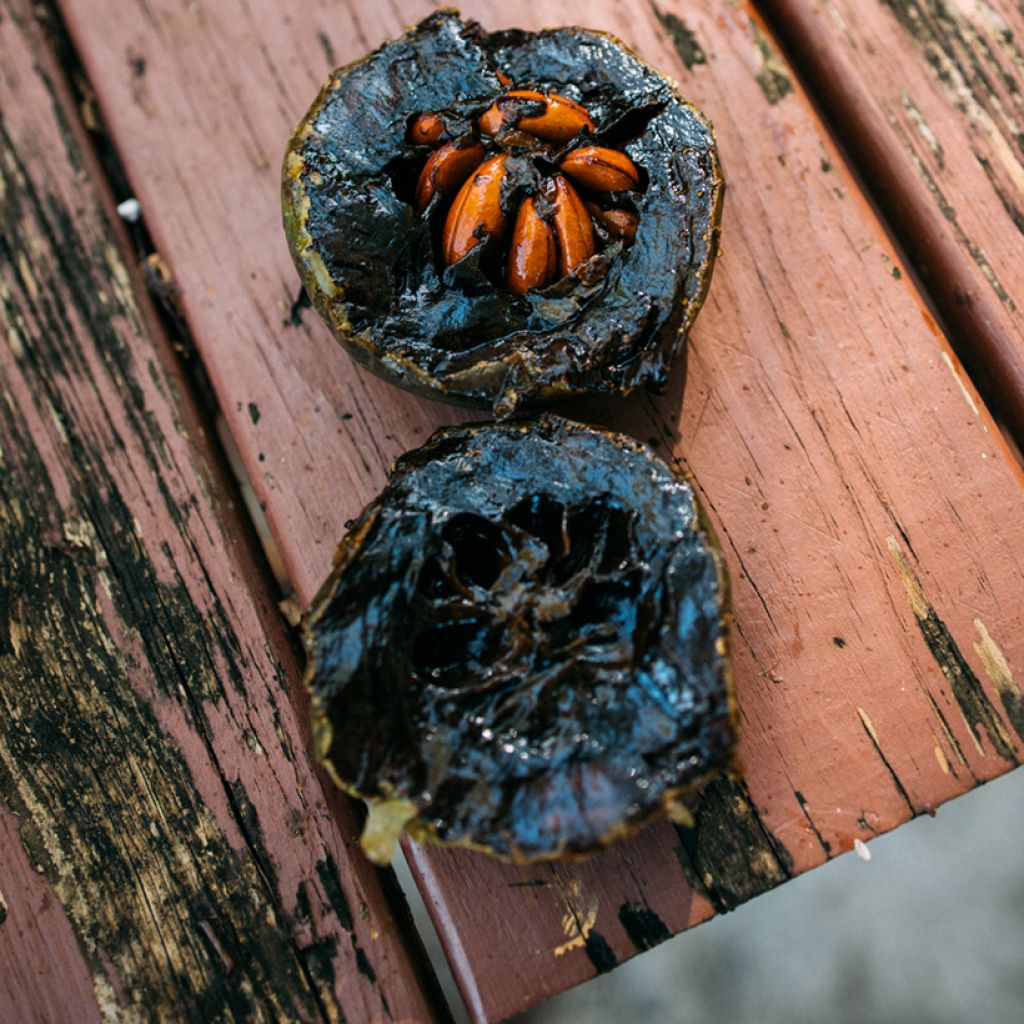
Diospyros digyna - Black sapote
Diospyros digyna - Black sapote
Diospyros digyna - Black sapote
Diospyros digyna
Black persimmon, Black sapote, Chocolate pudding fruit
Back-to-school special offer!
Get €10 off for every €50 you spend! And get up to €40 off on a single order.
How does it work?
1. Shop your favourites
Add your favourite plants to your basket. For every €50 you spend (excluding delivery charges, store credit and the plastic-free option), you’ll receive a €10 voucher.
€50 spent = €10 voucher
€100 spent = €20 voucher
€150 spent = €30 voucher
€200 spent = €40 voucher
2. Place your order
Once your basket reaches one of the spending thresholds, place your order. You can even choose your delivery date!
3. Receive your voucher
As soon as your order has been shipped, you’ll receive an email containing your personal voucher code and its value.
4. Use it on your next order
Your voucher is valid for 90 days from the date you receive it. It can be used once only, on a new order worth at least the value of the voucher, excluding delivery charges.
Please note: Vouchers can be combined with other offers, but cannot be split or refunded.
Why not try an alternative variety in stock?
View all →
Available in 1 sizes
Available in 2 sizes
Available in 2 sizes
Available in 2 sizes
Available in 2 sizes
Available in 1 sizes
Available in 1 sizes
Available in 1 sizes
Available in 1 sizes

Available in 1 sizes
This plant carries a 12 months recovery warranty
More information
We guarantee the quality of our plants for a full growing cycle, and will replace at our expense any plant that fails to recover under normal climatic and planting conditions.
Description
The Black persimmon, in Latin Diospyros digyna, is an exotic fruit tree known for its astonishing fruits with brown, sweet flesh, called sapotes or persimmon, sometimes compared to chocolate pudding. Native to tropical America, it cannot tolerate cold winters. It is usually grown in pots so it can be moved into a greenhouse or conservatory in autumn. Its fruit, rich in nutrients and with a deliciously sweet taste, will delight lovers of tropical flavours and enthusiasts of unusual crops.
Diospyros digyna, also known as Black Sapote, American Persimmon, Black Kaki, Chocolate Pudding Fruit, or black persimmon in England, belongs to the Ebenaceae family. It is a cousin of the Persimmon. It is sometimes listed under botanical synonyms such as Diospyros nigra, Diospyros ebenaster, or Diospyros membranacea. Native to Mexico and Central America, particularly Guatemala and Belize, it has naturalised and is cultivated in several tropical regions worldwide, including Colombia and some overseas territories like Réunion. In its natural habitat, it grows in humid tropical forests, often near watercourses or in areas with rich, well-drained soil.
This species is adapted to tropical and subtropical climates: it prefers temperatures between 20 and 35°C with high ambient humidity. Black Sapote thrives in fertile, well-drained, slightly acidic to neutral soils (pH between 6 and 7). It is sensitive to poorly drained soils and cannot tolerate waterlogging, which can lead to root rot.
Black Sapote is an evergreen tree with an upright habit and a rounded crown. In the wild, it can reach a height of 10 to 25 m, with a trunk up to 45 cm in diameter. When grown in pots, it remains more compact, usually not exceeding 2 to 3 m. Its foliage is dense, composed of large, alternate, oblong, leathery leaves, measuring 10 to 30 cm long and 5 to 10 cm wide. Their surface is smooth and glossy, a light, tender green.
Its small, greenish-white, tubular, and fragrant flowers appear in the leaf axils. They can be hermaphroditic (both male and female) or unisexual (male or female). Male flowers, grouped in small clusters of 3 to 7, have prominent stamens, while female flowers are solitary and feature a persistent green calyx surrounding the ovary. In the northern hemisphere, under glass or in mild climates, flowering occurs mainly in spring and summer. The tree has dark brown to blackish bark, smooth in young specimens, becoming more fissured with age.
Black Sapote is primarily dioecious, meaning male and female flowers grow on separate trees. However, some individuals bear hermaphroditic flowers, allowing self-pollination. It is generally recommended to plant several individuals to encourage cross-pollination for good fruiting. Natural pollinators are mainly insects, particularly bees.
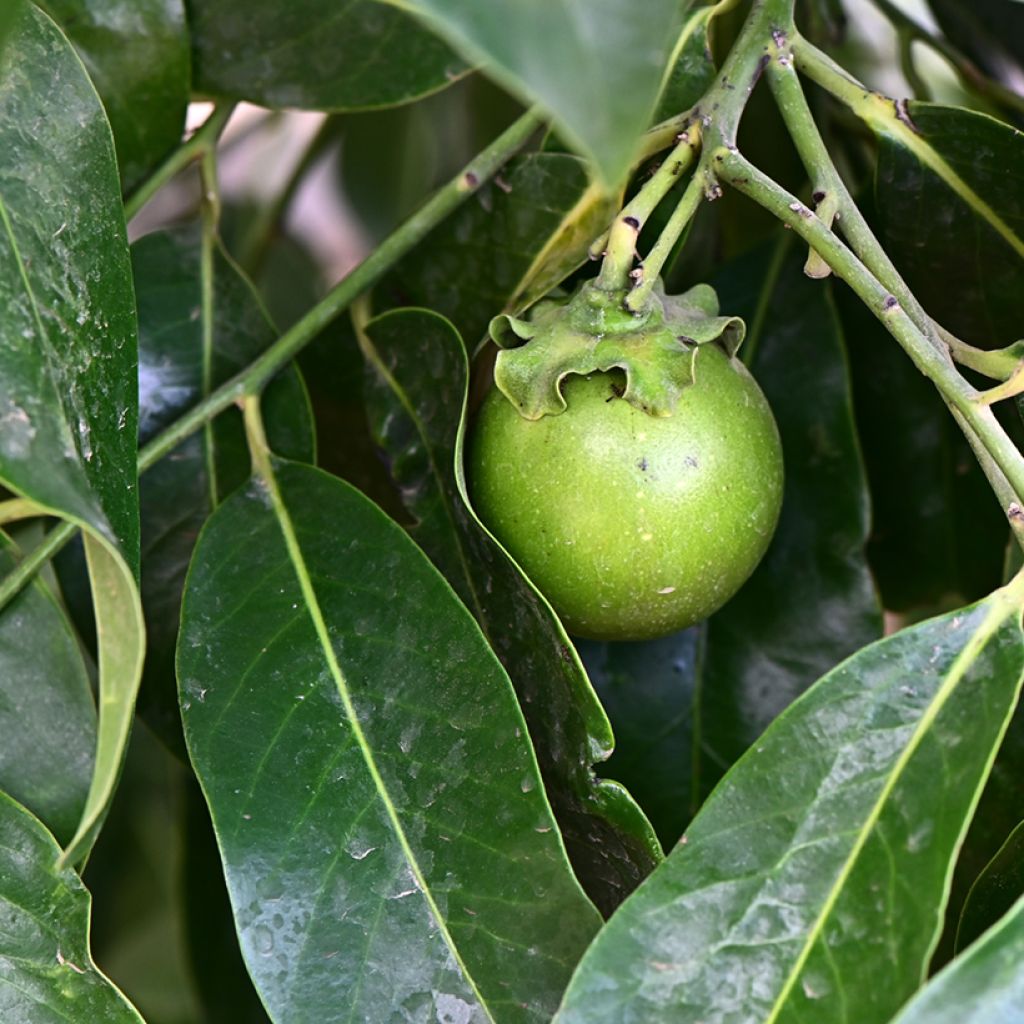
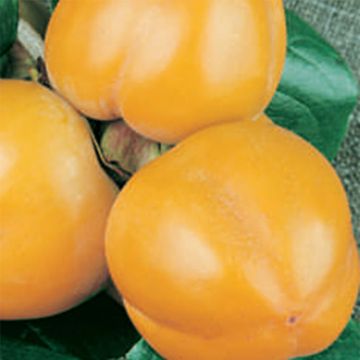
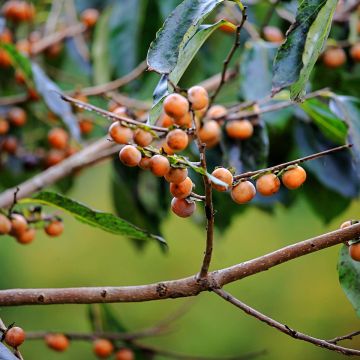
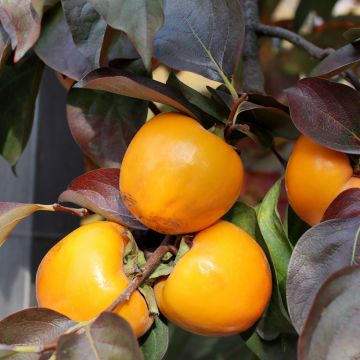
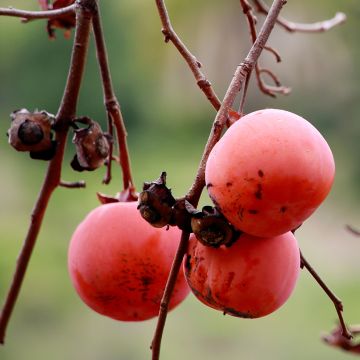
The fruit of Black Sapote is a globular, flattened berry with faint ridges, measuring 5 to 15 cm in diameter. When ripe, its skin, initially green and smooth, turns brown, sometimes slightly wrinkled. The flesh is initially white and astringent and gradually transforms into a sweet, gelatinous, velvety, dark brown to black pulp, reminiscent in texture and flavour of chocolate pudding. Rich in vitamins A and C as well as fibre, this fruit is prized both for its sweet taste and its nutritional properties. Each fruit may contain up to 12 smooth, brown seeds, though some varieties are almost seedless. Unripe fruits are unsuitable for consumption due to their strong astringency, but once fully ripe, they become a sweet, melting delight.
Harvesting: in the northern hemisphere, the fruit is harvested mainly between autumn and winter, typically from November to February. The fruits do not fall when ripe and must be picked by hand when they turn a uniform dark green. At this stage, they are still hard and inedible. Once picked, they require further ripening at room temperature for several days. The fruit is ready to eat when slightly soft and its skin begins to brown. To speed up the process, it can be placed in a paper bag with a banana or apple, which release ethylene, promoting ripening.
In the kitchen: traditionally, the ripe fruit flesh is eaten plain, with a spoon, or simply mixed with a little lemon or orange to enhance its flavour. Thanks to its floury, creamy texture, it is often used as a base for desserts such as mousses, creams, ice creams, milkshakes, or cakes. It can also be blended into smoothies, paired with coconut milk or yoghurt for an exotic, gourmet touch.
In some regions, the fruit is made into jam or purée to accompany pies and pastries. Its lack of acidity also makes it an excellent ingredient for dietary recipes, as it is naturally sweet without needing added sugar.
Lastly, though primarily consumed sweet, sapote can also be used in more original preparations, such as sauces to accompany savoury dishes. Some pair it with cocoa or coffee to enhance its deep aromas and create even more indulgent desserts.
Black Sapote is a fascinating tropical tree, valued as much for its ornamental appeal as for its delicious fruits. Although its cultivation is demanding in terms of climate, it can be acclimatised in pots in warm temperate regions with wintering in a greenhouse or conservatory. In Réunion, it is locally known as "caca poule".
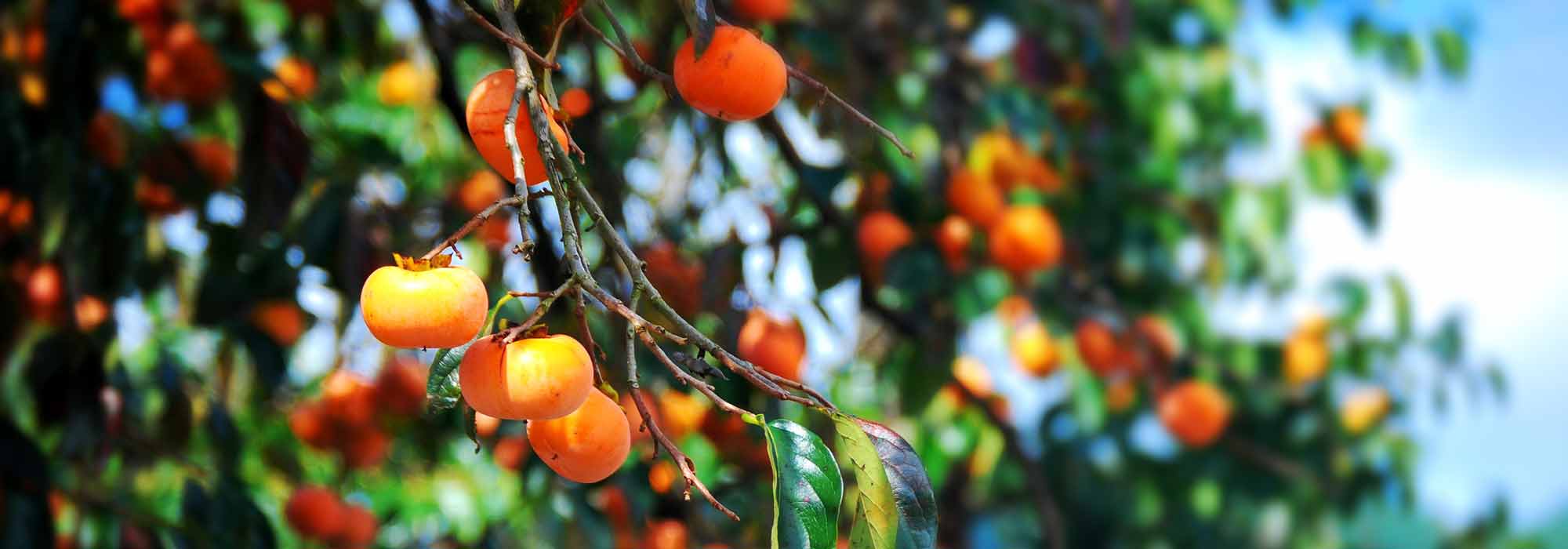
Diospyros digyna - Black sapote in pictures
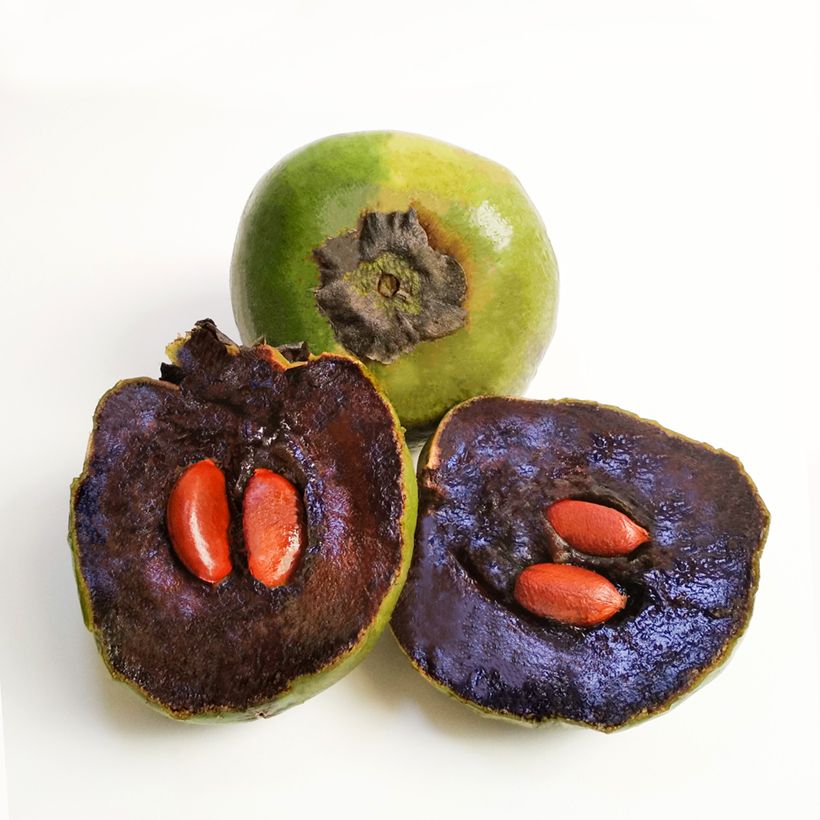
Plant habit
Fruit
Flowering
Foliage
Botanical data
Diospyros
digyna
Ebenaceae
Black persimmon, Black sapote, Chocolate pudding fruit
Diospyros ebenaster, Diospyros membranacea, Diospyros nigra, Diospyros obtusifolia, Diospyros sapota
South America
Planting and care
Black sapote is a tropical plant that, due to its sensitivity to cold, is grown in pots in our climate. This method allows the tree to be protected by bringing it indoors or into a greenhouse during cold periods.
A large pot or deep container (50 litres) is recommended to provide enough space for the roots, with drainage holes to prevent excess water. The growing medium should be well-draining to avoid root rot; a mix of organic-rich compost, coarse sand, and perlite is ideal.
Black sapote requires a bright position with several hours of direct sunlight per day. Indoors, it should be placed in a conservatory or well-lit room. Water regularly during the growth period (spring and summer), keeping the growing medium slightly moist but allowing the surface to dry between waterings to prevent excess moisture. In winter, reduce watering to minimise the risk of rot. A balanced liquid fertiliser every 4 to 6 weeks during the growing season will support the tree's development and encourage fruiting.
Prune black sapote lightly to maintain a balanced shape while stimulating branching, in late winter or early spring, before growth resumes. It is advisable to remove dead, damaged, or poorly positioned branches and to shorten overly vigorous shoots. Severe pruning should be avoided, as it can weaken the tree and reduce fruit production.
Planting period
Intended location
Care
Planting & care advice
-
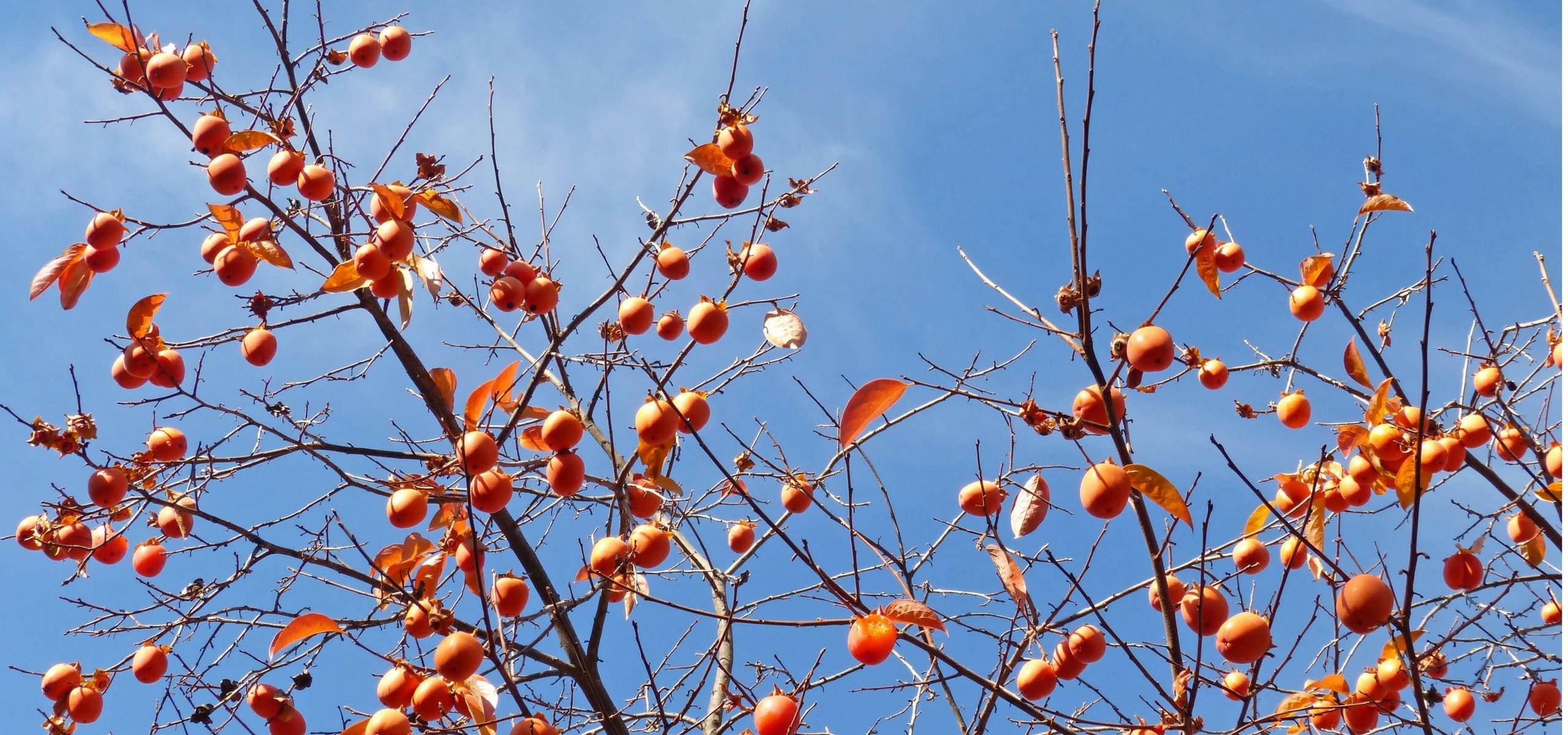
-
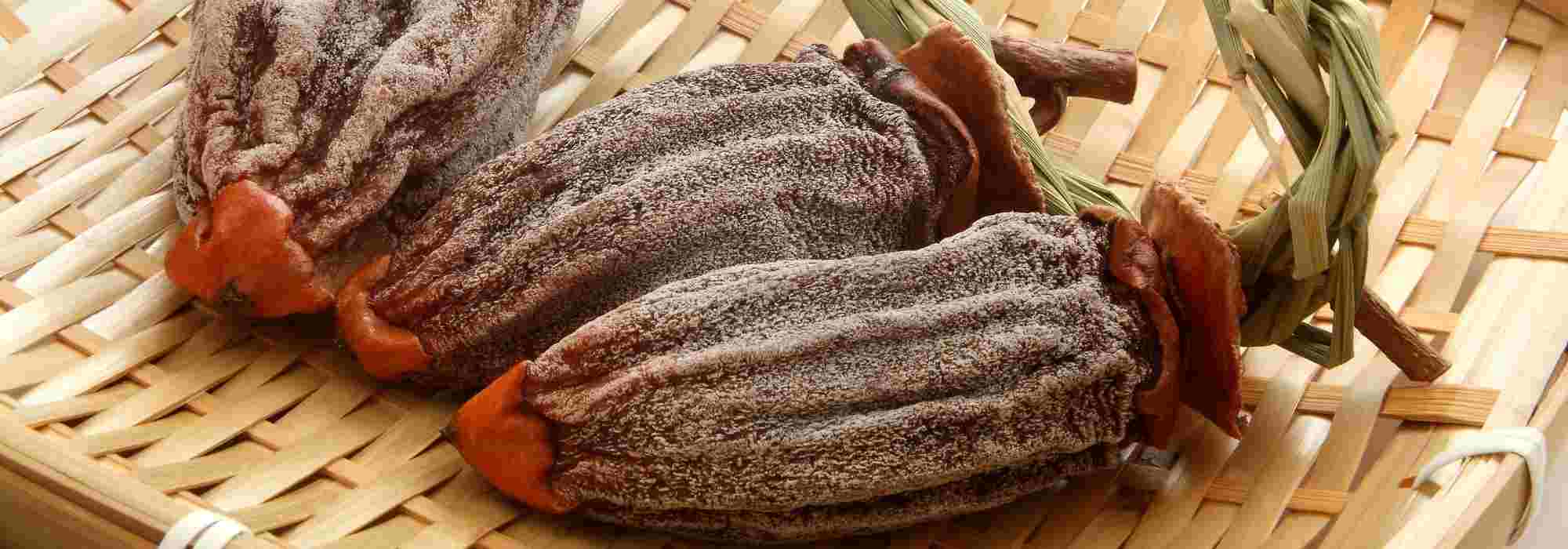
-
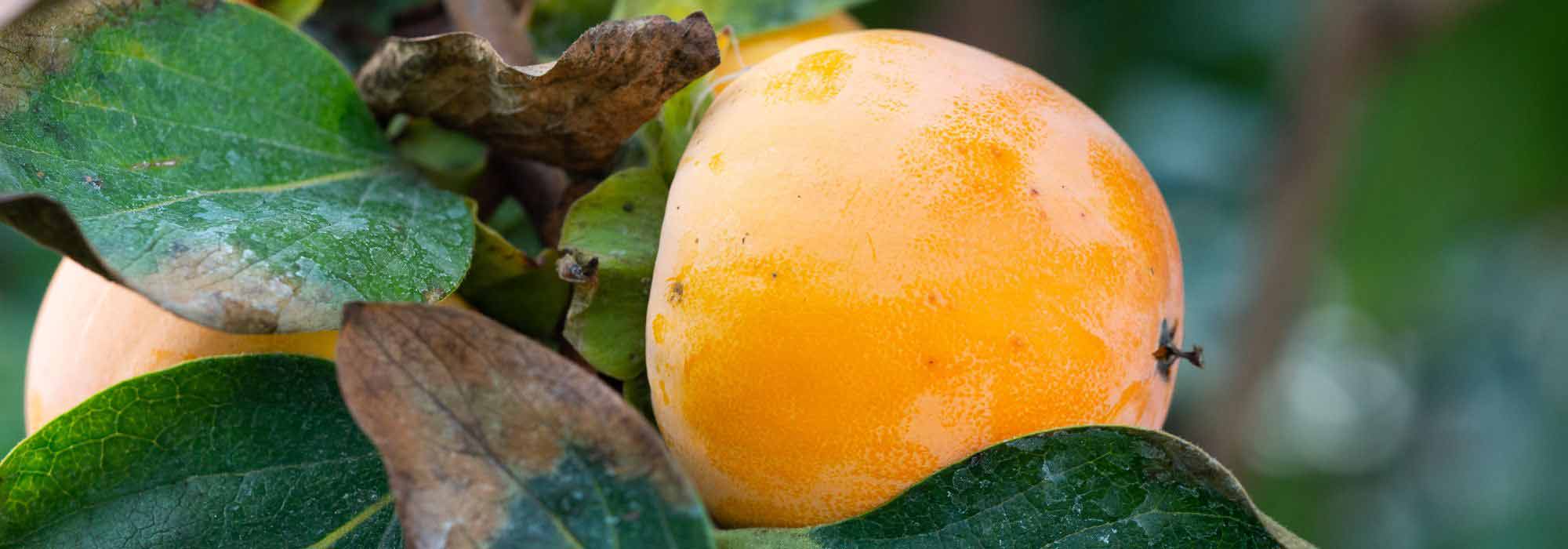
-
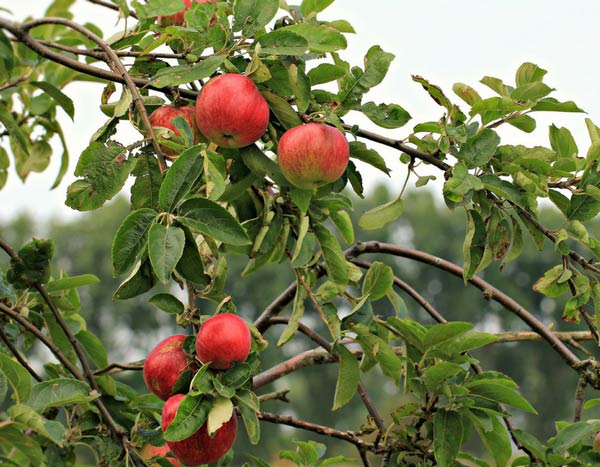
-
-
-
-
This item has not been reviewed yet - be the first to leave a review about it.
Recently viewed products
Haven't found what you were looking for?
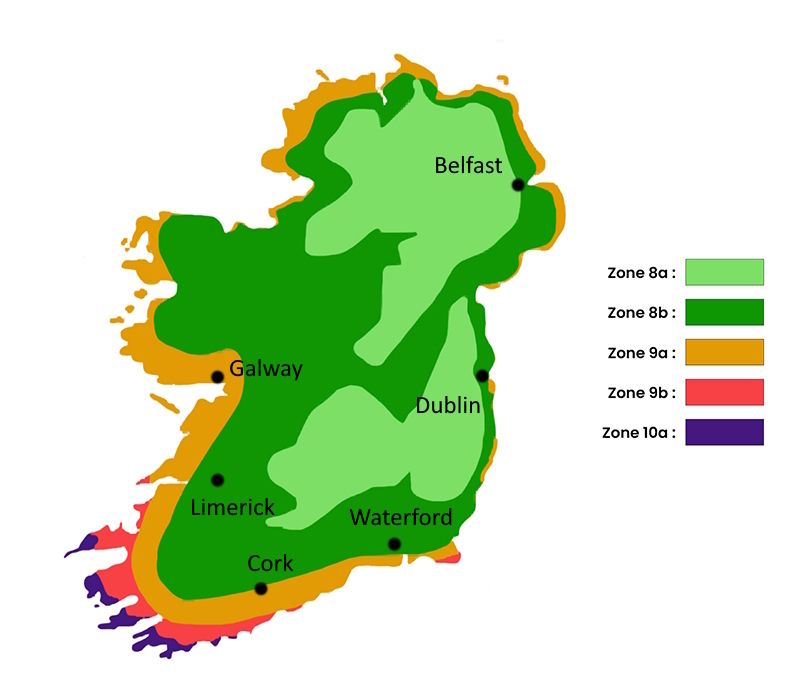
Hardiness is the lowest winter temperature a plant can endure without suffering serious damage or even dying. However, hardiness is affected by location (a sheltered area, such as a patio), protection (winter cover) and soil type (hardiness is improved by well-drained soil).
In temperate climates, pruning of spring-flowering shrubs (forsythia, spireas, etc.) should be done just after flowering.
Pruning of summer-flowering shrubs (Indian Lilac, Perovskia, etc.) can be done in winter or spring.
In cold regions as well as with frost-sensitive plants, avoid pruning too early when severe frosts may still occur.
The harvesting period indicated on our website applies to countries and regions in USDA zone 8 (France, England, Ireland, the Netherlands).
In colder areas (Scandinavia, Poland, Austria...) fruit and vegetable harvests are likely to be delayed by 3-4 weeks.
In warmer areas (Italy, Spain, Greece, etc.), harvesting will probably take place earlier, depending on weather conditions.
The sowing periods indicated on our website apply to countries and regions within USDA Zone 8 (France, UK, Ireland, Netherlands).
In colder areas (Scandinavia, Poland, Austria...), delay any outdoor sowing by 3-4 weeks, or sow under glass.
In warmer climes (Italy, Spain, Greece, etc.), bring outdoor sowing forward by a few weeks.
The planting period indicated on our website applies to regions in USDA Zone 9a (East Coast and Midlands: Dublin, Wexford, Waterford, Kilkenny, Portlaoise). It will vary depending on where you live:
- On the west coast and in the north-west (Galway, Limerick, Sligo, Donegal, Westport), delay planting by 1 to 2 weeks in spring and bring it forward by 1 to 2 weeks in autumn compared to the dates given, preferably choosing periods without strong winds.
- In the inland hills and plateaus (Wicklow Mountains, Macgillycuddy’s Reeks, Connemara, Killarney), it is best to plant in spring (April–May) or autumn (September–October), avoiding periods of waterlogged soil in winter and strong winds, which pose the main risk to newly planted trees in these areas.
The flowering period indicated on our website applies to regions in USDA Zone 9a, such as the East Coast and Midlands, including Dublin, Wexford, Waterford, Kilkenny and Portlaoise.
This will vary depending on where you live:
- On the west coast and in the northwest (Galway, Limerick, Sligo, Donegal and Westport), it will be delayed by one to two weeks compared to the given dates, due to stronger Atlantic winds and less spring sunshine.
- In the inland hills and plateaus (the Wicklow Mountains, the Macgillycuddy's Reeks, Connemara and Killarney), flowering will be delayed by two to three weeks. Flowering mainly occurs between May and July, with the limiting factors being less frost and more of the excessive humidity, strong winds and lack of sunshine that are characteristic of these areas.
Shipping country and language
Your country of residence may be:
Your country of residence is:
For a better user experience on our website, you can select:
Your shipping country:
-
 Austria
-
 Belgium
-
 Bosnia & Herzegovina
-
 Bulgaria
-
 Croatia
-
 Cyprus
-
 Czechia
-
 Denmark
-
 Estonia
-
 Finland
-
 France
-
 Germany
-
 Greece
-
 Hungary
-
 Iceland
-
 Ireland
-
 Italy
Italy
-
 Latvia
-
 Liechtenstein
-
 Lithuania
-
 Luxembourg
-
 Malta
Malta
-
 Netherlands
-
 Poland
-
 Portugal
-
 Romania
-
 Serbia
-
 Slovakia
-
 Slovenia
-
 Spain
Spain
-
 Sweden
-
 Switzerland
Language:
-
French
-
 English
-
Spanish
-
Italian
-
German
-
Portuguese
-
Dutch
-
Finnish
My Account
Hello
My wish lists
My cart
Log in / Register
Existing customer?
This form is protected by reCAPTCHA - the Google Privacy Policy and Terms of Service apply.
New customer?
Create an account to track your orders, access our customer service and, if you wish, make the most of our upcoming offers.