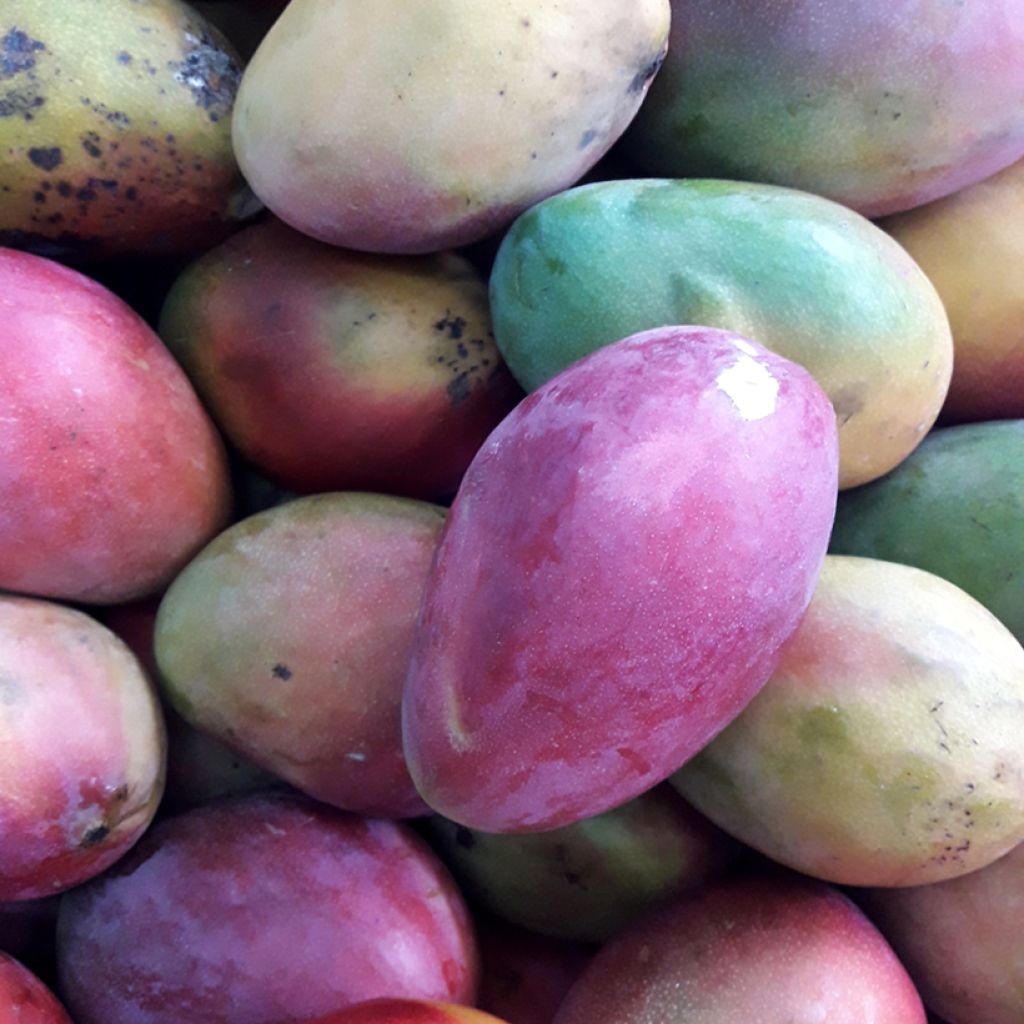
Mango tree Palmer - Mangifera indica
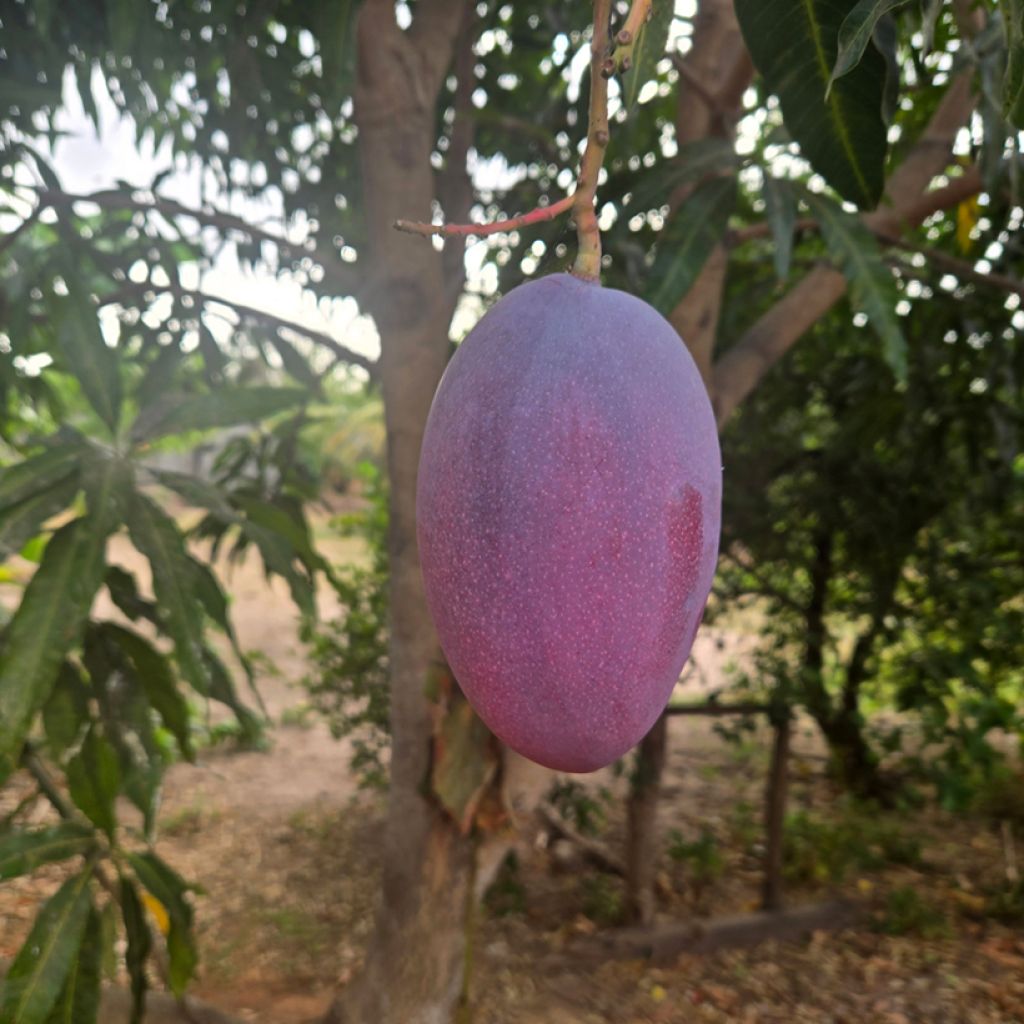
Mango tree Palmer - Mangifera indica
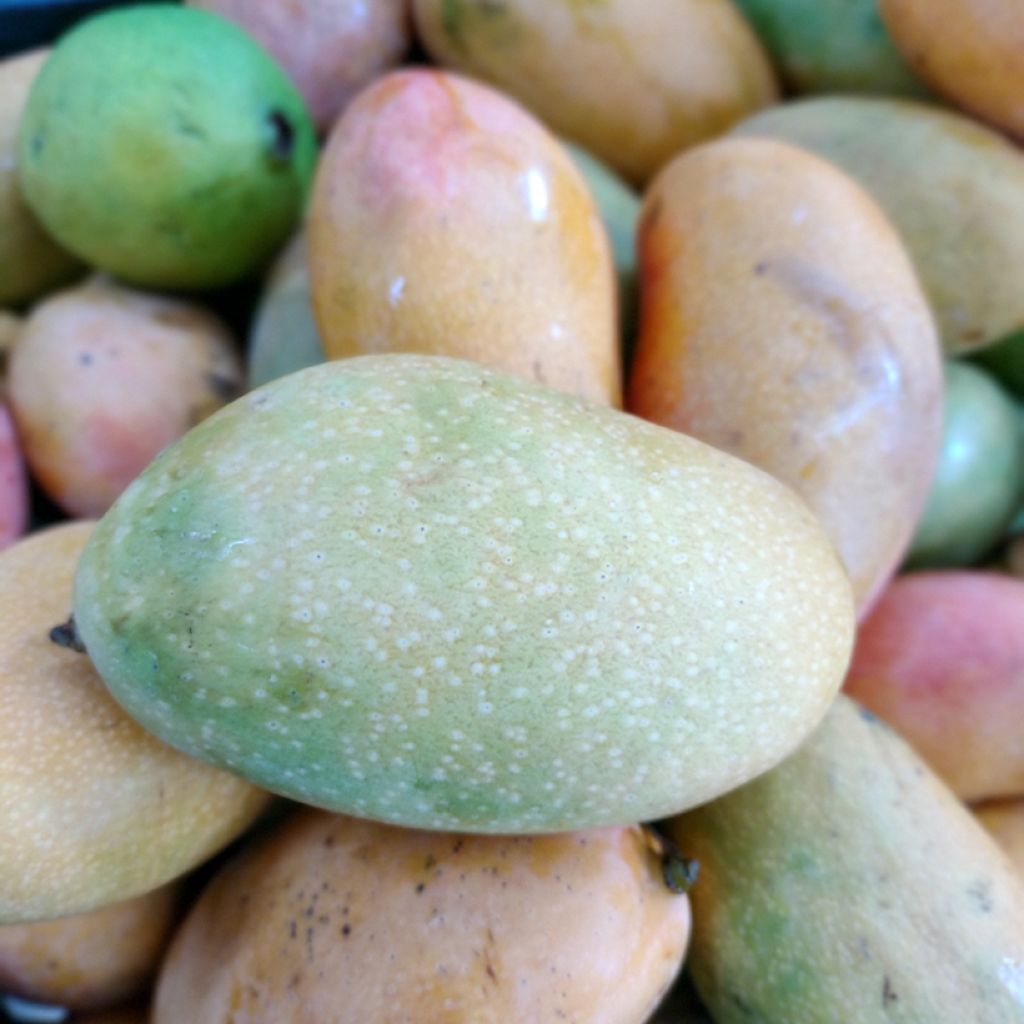
Mango tree Palmer - Mangifera indica
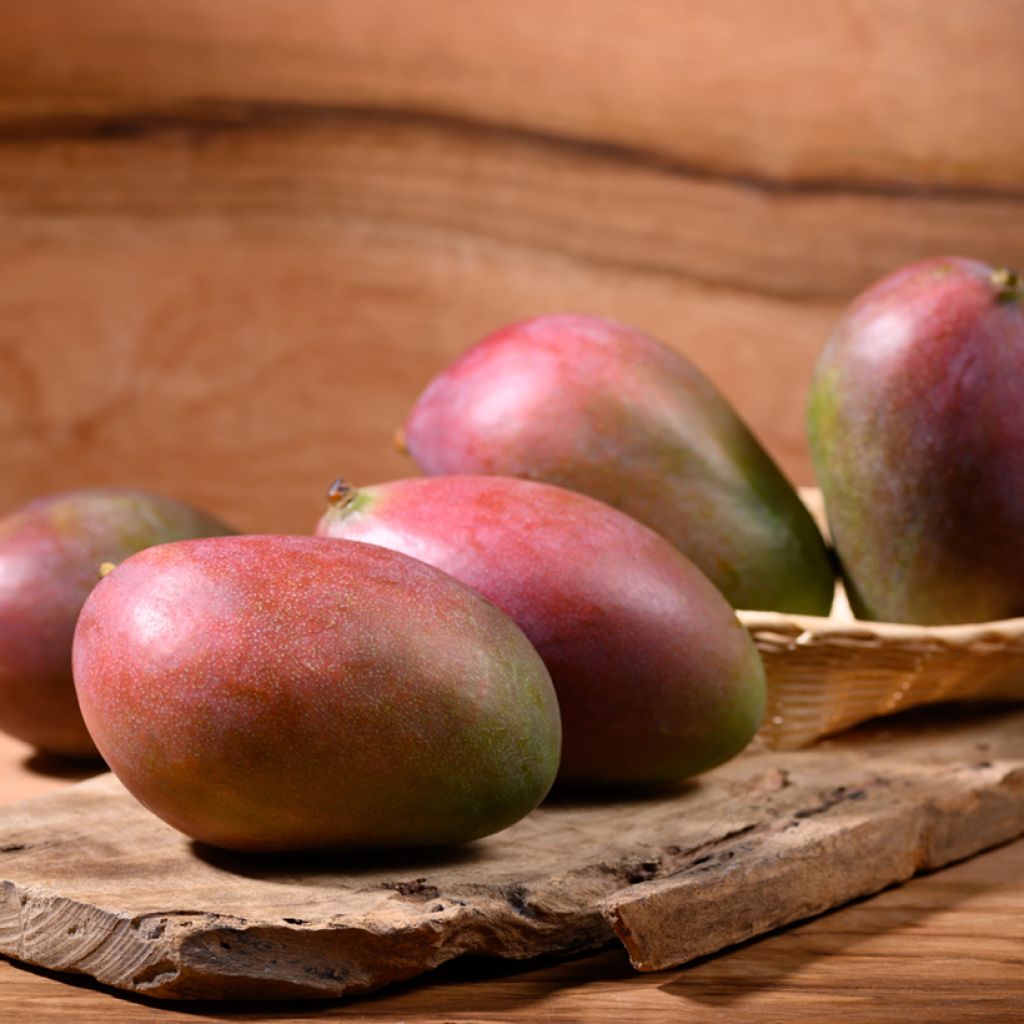
Mango tree Palmer - Mangifera indica
Mango tree Palmer - Mangifera indica
Mangifera indica Palmer
Mango
Back-to-school special offer!
Get €10 off for every €50 you spend! And get up to €40 off on a single order.
How does it work?
1. Shop your favourites
Add your favourite plants to your basket. For every €50 you spend (excluding delivery charges, store credit and the plastic-free option), you’ll receive a €10 voucher.
€50 spent = €10 voucher
€100 spent = €20 voucher
€150 spent = €30 voucher
€200 spent = €40 voucher
2. Place your order
Once your basket reaches one of the spending thresholds, place your order. You can even choose your delivery date!
3. Receive your voucher
As soon as your order has been shipped, you’ll receive an email containing your personal voucher code and its value.
4. Use it on your next order
Your voucher is valid for 90 days from the date you receive it. It can be used once only, on a new order worth at least the value of the voucher, excluding delivery charges.
Please note: Vouchers can be combined with other offers, but cannot be split or refunded.
Why not try an alternative variety in stock?
View all →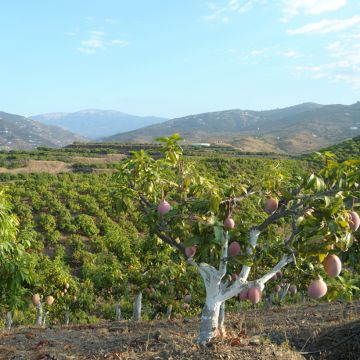
Available in 1 sizes
Available in 1 sizes
Available in 1 sizes
Available in 1 sizes
This plant carries a 12 months recovery warranty
More information
We guarantee the quality of our plants for a full growing cycle, and will replace at our expense any plant that fails to recover under normal climatic and planting conditions.
Description
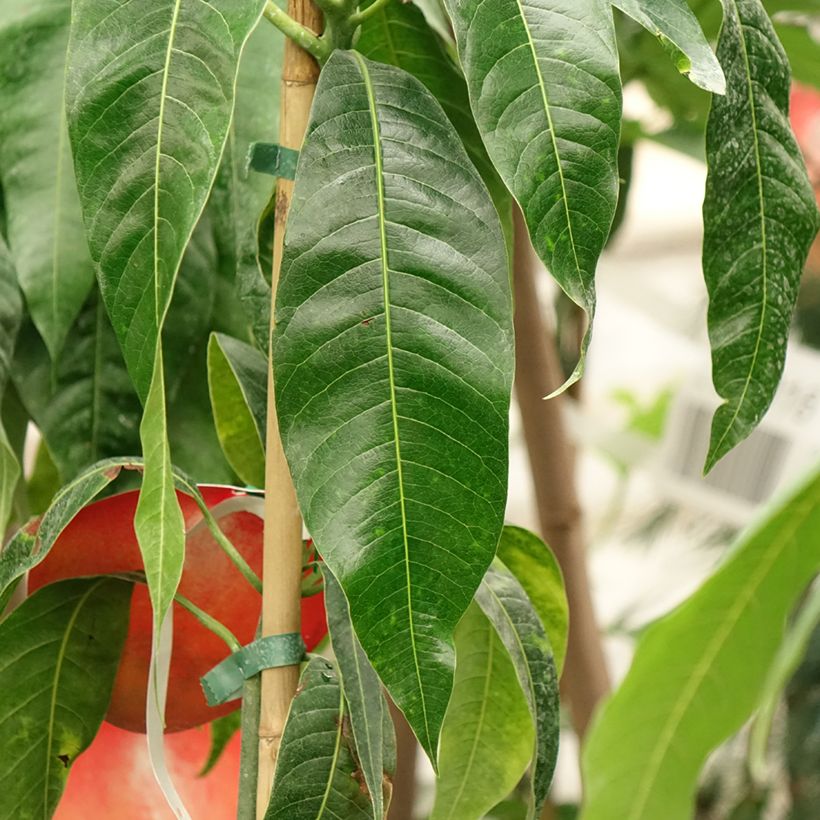
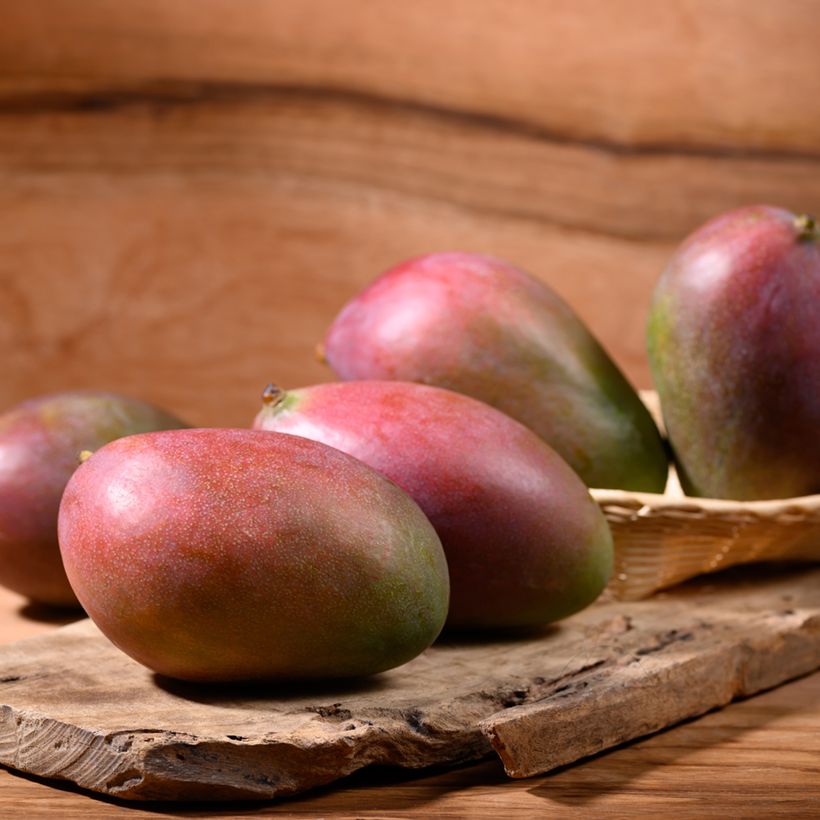
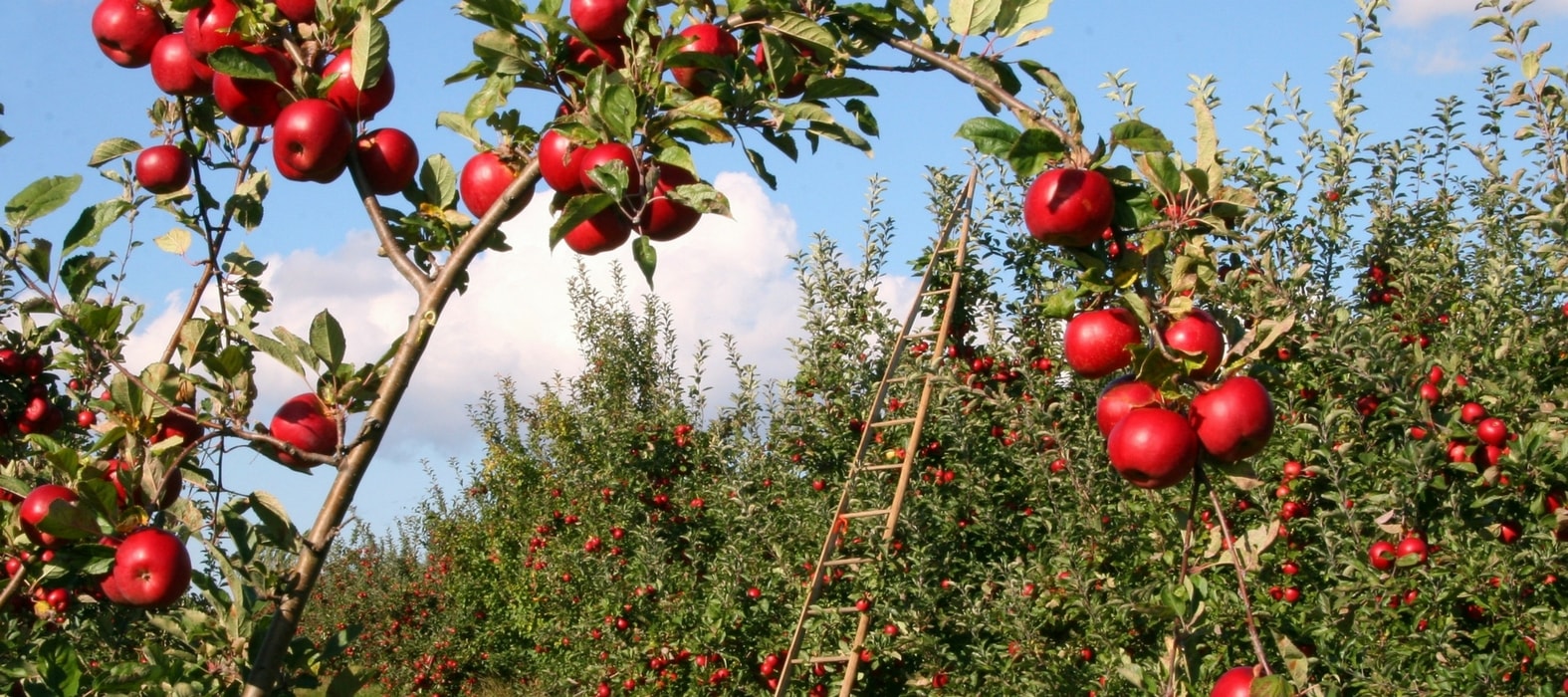
Mangifera indica 'Palmer' is a variety of Mango Tree which is interesting for several reasons. It is one of the most cold-tolerant (down to -1°C, though everything is relative...) and it has low vigour, making it easier to grow in containers that can be overwintered frost-free. In subtropical climates, the plant produces beautifully coloured reddish-purple mangoes with slightly fibrous, sweet, and tender flesh. In our temperate climate, it will be appreciated mainly for its attractive evergreen foliage with an exotic appearance, as it will not bear fruit. It may possibly acclimatise outdoors in the mildest areas.
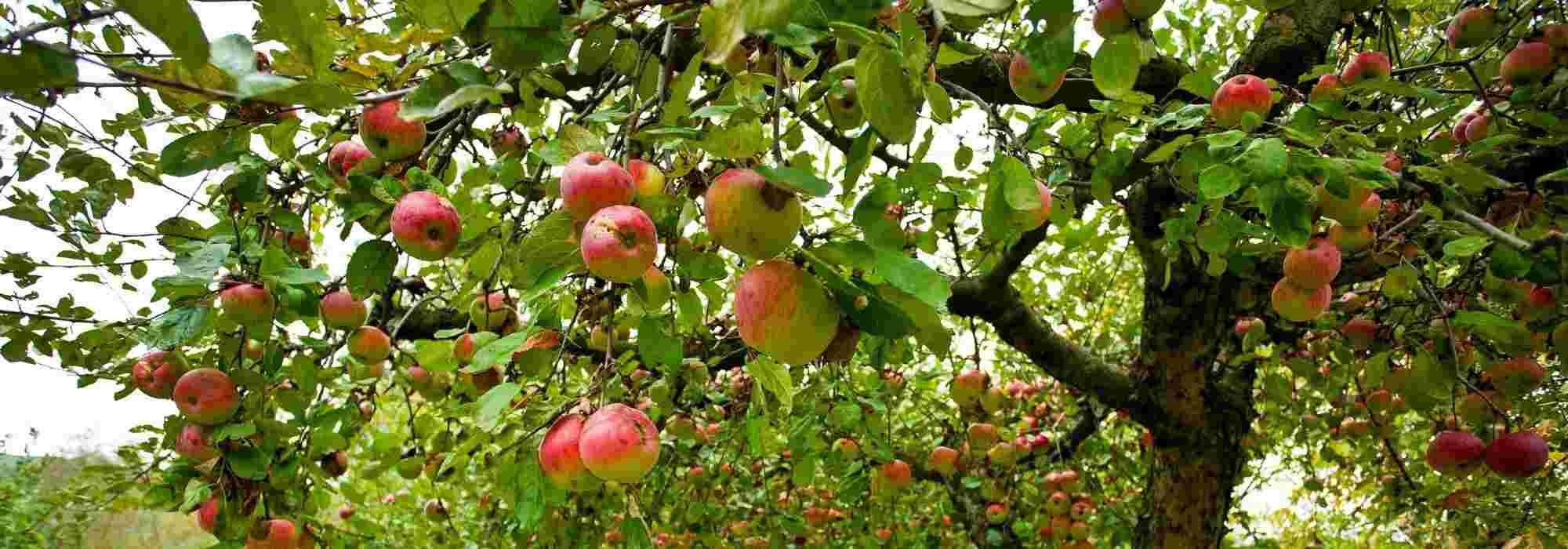
The Mango Tree belongs to the Anacardiaceae family. The genus comprises 69 species, of which only Mangifera indica is cultivated on a large scale in tropical, subtropical, and even warm Mediterranean regions, such as southern Andalusia in Spain (Costa Tropical). Native to Burma and India, where it has been cultivated for over 4,000 years, the Mango Tree is the most important fruit tree in the tropics after the banana tree. The tree typically reaches a height of 10 to 25 m, but can sometimes grow to over 30 m tall. It has a spreading habit due to the growth of numerous scaffold branches supported by a trunk that is often quite short. Its crown is rounded and relatively regular, forming a broad dome recognisable from afar by its dark green foliage. It bears evergreen, lanceolate, and elongated leaves, measuring from 10 cm up to 30 cm long and only 2 to 7 cm wide. Young leaves usually emerge in coppery-red tones, creating a lovely contrast against the mature dark foliage.
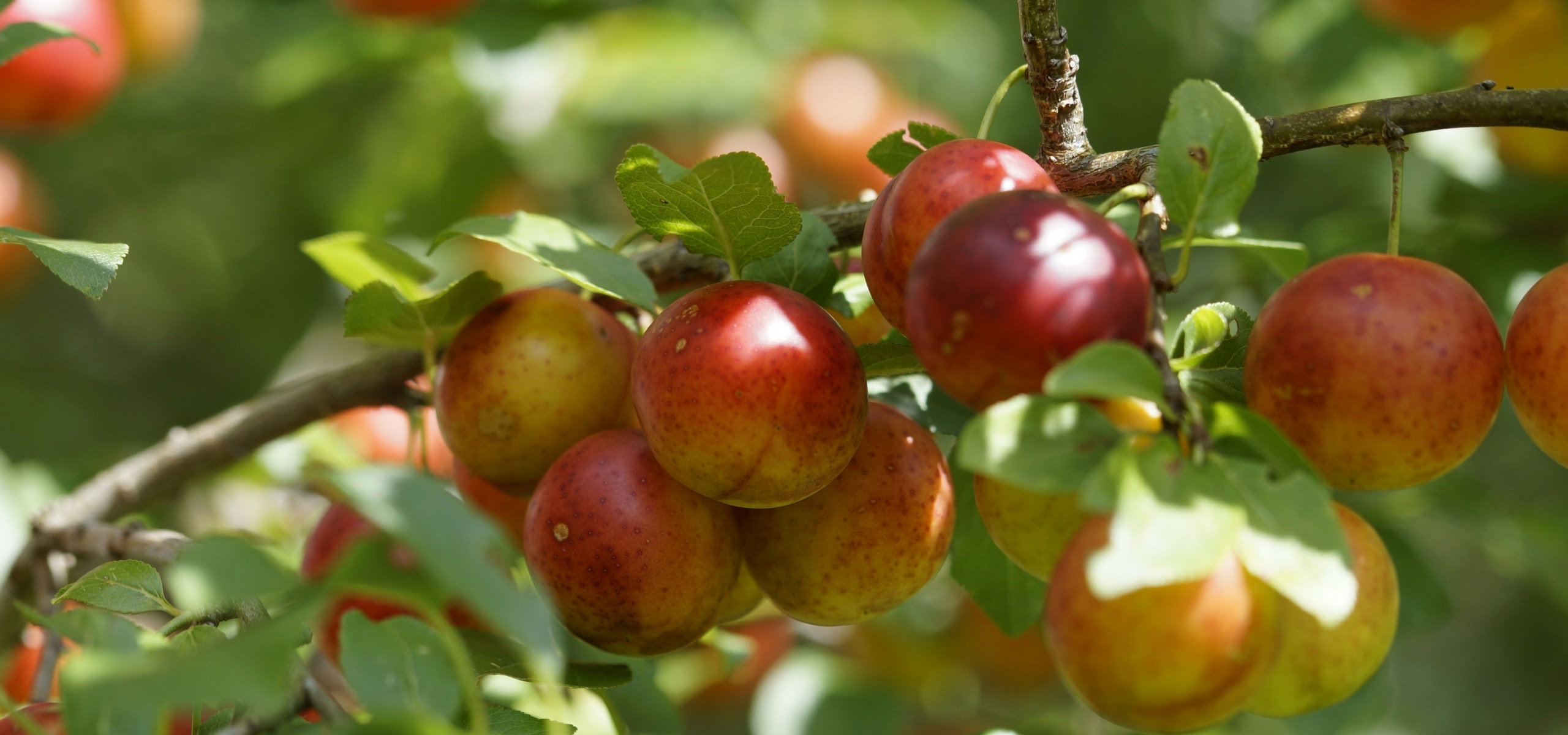
The Mango Tree produces an impressive number of flowers, grouped in terminal paniculate, yellowish-green inflorescences that measure 20 to 35 cm long. The abundance of flowers compensates for the extremely low fruit set rate, estimated at less than 1 in 1,000. Fruit set is the stage at which the fertilised flower begins to transform into fruit. In the Mango Tree, there are male-only flowers and hermaphroditic flowers, containing both female and male sexual parts. The plant is therefore capable of self-fertilisation, but depending on the region of the world where it grows, various animals or the wind may assist in fertilisation. The result is the large, well-known fruit, with sweet, vitamin-rich flesh, particularly high in vitamins C and A.
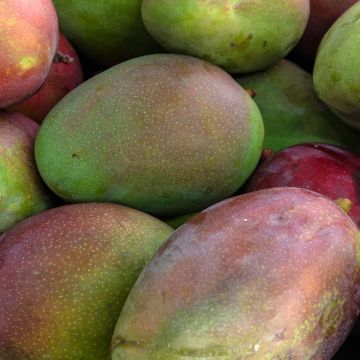
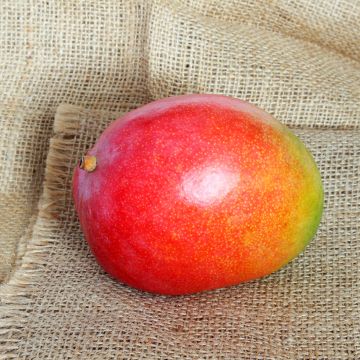
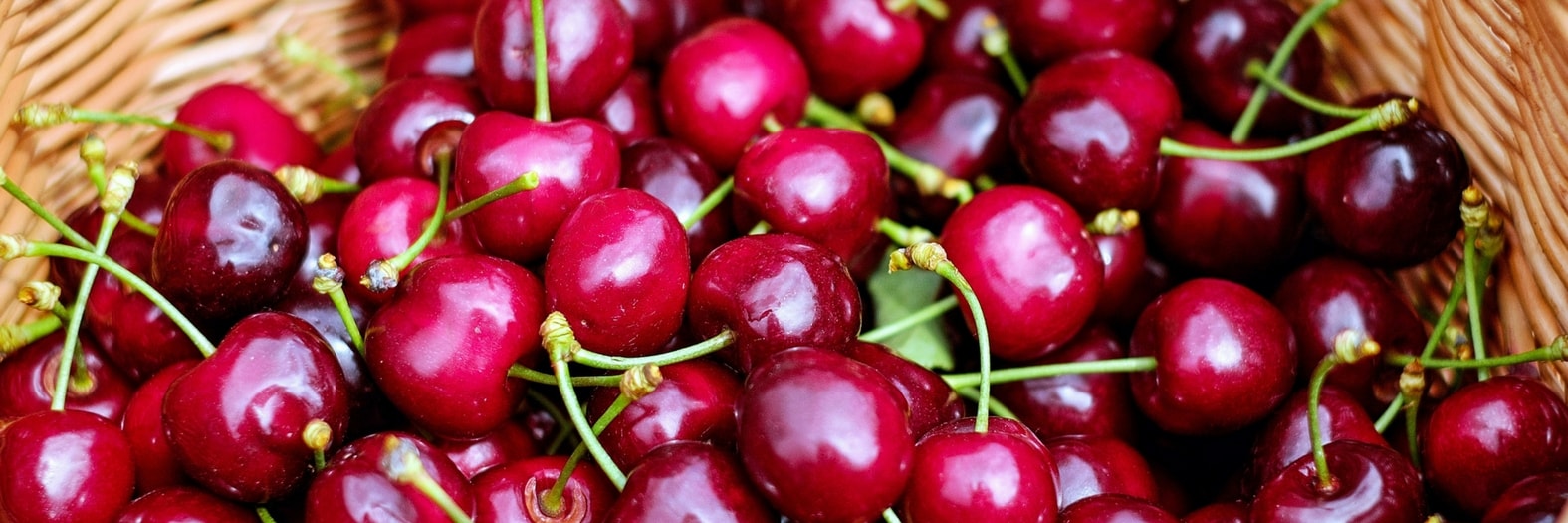
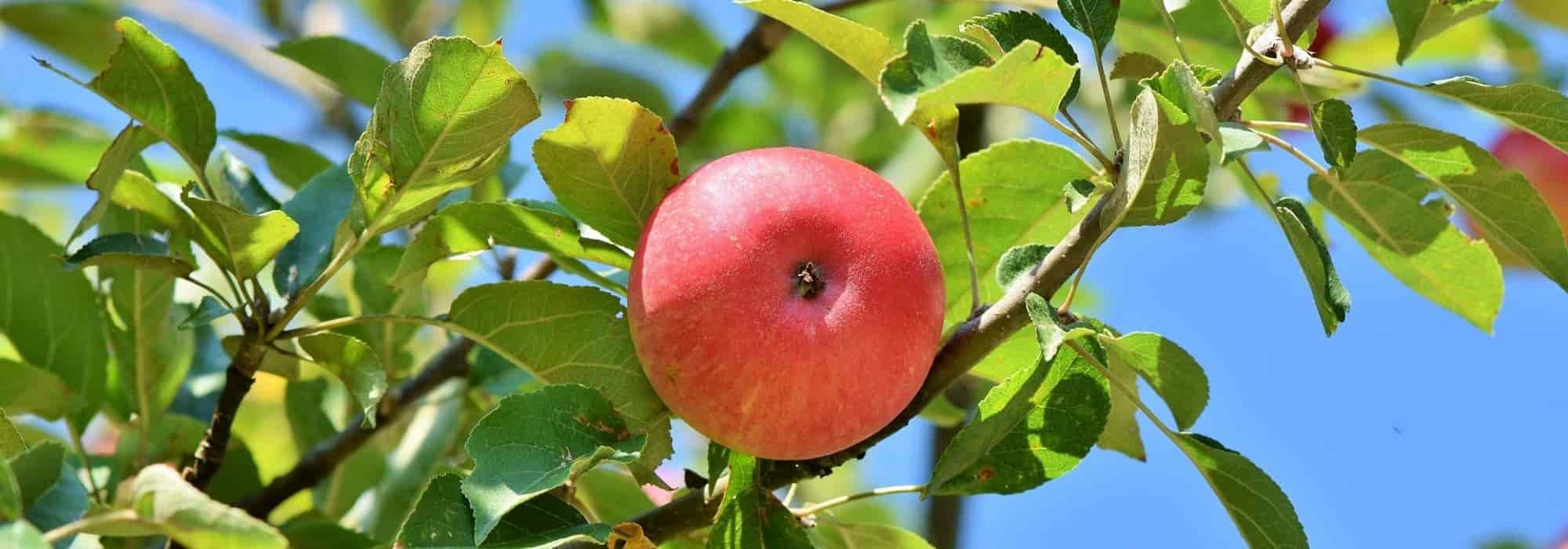
The 'Palmer' Mango Tree was selected in Florida. Slightly more cold-tolerant than others, though still frost-sensitive, it is also much less vigorous. It develops into a small tree a few metres tall and wide, with an irregular crown and slightly trailing branches. Its foliage is typical of Mango Trees, but its fruits have an original colour, red with a distinct purple hue. They weigh on average 350 to 600 grams, and their flesh is tender and sweet, with only a few fine fibres and a medium-sized stone. As the Mango Tree has a very taproot-dominated root system, it is generally poorly suited to container cultivation. While its foliage is truly interesting from an ornamental perspective, on the other hand, it is futile to expect it to flower and bear fruit unless you have a greenhouse in a southern region to plant it in. It is important to note that fruit production requires a very specific climate, warm and humid for vegetative growth, but also with a dry and cooler period of about three months to allow floral induction.
Grow the 'Palmer' Mango Tree for its looks, as its exotic appearance is undoubtedly ornamental, but remain realistic about the near-impossibility of enjoying its fruits. In a container, it will add a tropical touch to your garden or terrace when you bring it out during the warmer months. To accompany it, consider, for example, a Musella lasiocarpa, a type of dwarf banana tree nicknamed "Golden Lotus" due to its magnificent flowering that evokes the distant Tropics. The wide range of citrus trees available will help you complete your decor, as will Hibiscus or other plants in a similar vein.
Report an error about the product description
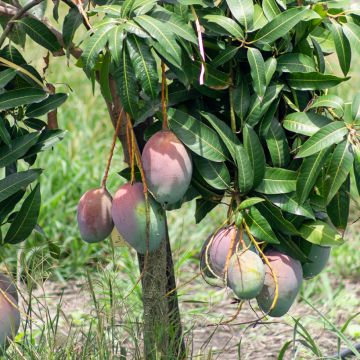
Mango tree Palmer - Mangifera indica in pictures
Plant habit
Fruit
Flowering
Foliage
Botanical data
Mangifera
indica
Palmer
Anacardiaceae
Mango
Mangifera mekongensis, Mangifera amba, Mangifera austroyunnanensis, Mangifera siamensis
Cultivar or hybrid
Planting and care
Plant Mangifera indica 'Palmer' in a large pot, ideally in a conservatory or temperate greenhouse, and even indoors. The Mango tree loves full light in a sandy, neutral to slightly acidic substrate, remaining moist while being well-drained. The optimal growing temperature for the mango tree is between 21°C and 26°C. Cold will damage it as soon as temperatures drop below 0°C or -1°C. In summer, the temperatures of our interiors suit it perfectly, and in winter, a very bright room at 15°C will satisfy it. In summer, you can move it to the garden once night temperatures exceed 8°C, under light shade to acclimatise it, in a well-sheltered and warm position. Plan for frequent watering in summer to keep the substrate slightly moist.
Plant it in a mixture of compost and sand. Add compost or well-rotted manure at the time of planting. Apply fertiliser from spring to autumn, every two weeks. Its limited growth should allow it to be grown sustainably in a container with more chances of success than vigorous varieties.
Planting it in the ground can be attempted in the mildest areas, as it is one of the most cold-tolerant varieties.
Planting period
Intended location
Care
Planting & care advice
-
-
-
-
-
-
-
-
This item has not been reviewed yet - be the first to leave a review about it.
Recently viewed products
Haven't found what you were looking for?
Hardiness is the lowest winter temperature a plant can endure without suffering serious damage or even dying. However, hardiness is affected by location (a sheltered area, such as a patio), protection (winter cover) and soil type (hardiness is improved by well-drained soil).
In temperate climates, pruning of spring-flowering shrubs (forsythia, spireas, etc.) should be done just after flowering.
Pruning of summer-flowering shrubs (Indian Lilac, Perovskia, etc.) can be done in winter or spring.
In cold regions as well as with frost-sensitive plants, avoid pruning too early when severe frosts may still occur.
The harvesting period indicated on our website applies to countries and regions in USDA zone 8 (France, England, Ireland, the Netherlands).
In colder areas (Scandinavia, Poland, Austria...) fruit and vegetable harvests are likely to be delayed by 3-4 weeks.
In warmer areas (Italy, Spain, Greece, etc.), harvesting will probably take place earlier, depending on weather conditions.
The sowing periods indicated on our website apply to countries and regions within USDA Zone 8 (France, UK, Ireland, Netherlands).
In colder areas (Scandinavia, Poland, Austria...), delay any outdoor sowing by 3-4 weeks, or sow under glass.
In warmer climes (Italy, Spain, Greece, etc.), bring outdoor sowing forward by a few weeks.
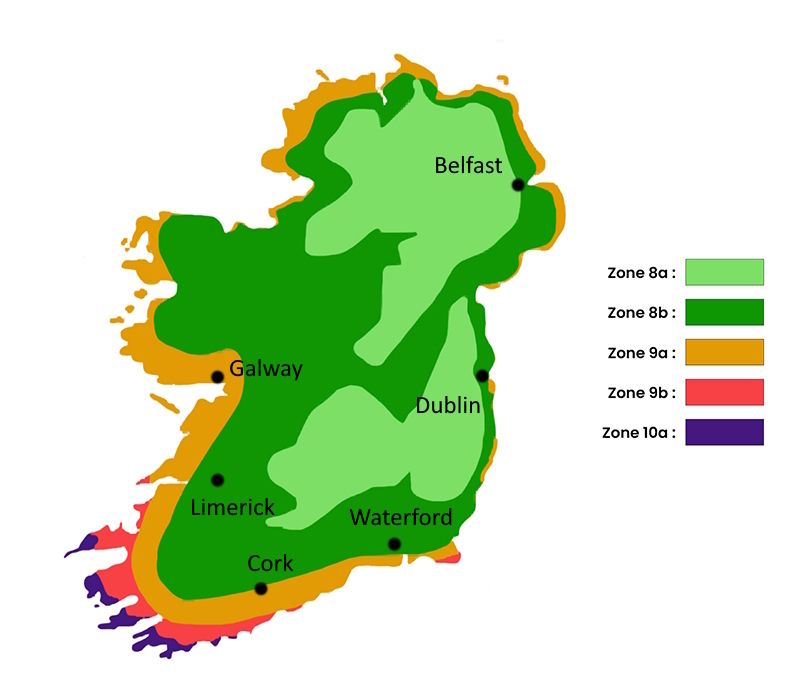
The planting period indicated on our website applies to regions in USDA Zone 9a (East Coast and Midlands: Dublin, Wexford, Waterford, Kilkenny, Portlaoise). It will vary depending on where you live:
- On the west coast and in the north-west (Galway, Limerick, Sligo, Donegal, Westport), delay planting by 1 to 2 weeks in spring and bring it forward by 1 to 2 weeks in autumn compared to the dates given, preferably choosing periods without strong winds.
- In the inland hills and plateaus (Wicklow Mountains, Macgillycuddy’s Reeks, Connemara, Killarney), it is best to plant in spring (April–May) or autumn (September–October), avoiding periods of waterlogged soil in winter and strong winds, which pose the main risk to newly planted trees in these areas.
The flowering period indicated on our website applies to regions in USDA Zone 9a, such as the East Coast and Midlands, including Dublin, Wexford, Waterford, Kilkenny and Portlaoise.
This will vary depending on where you live:
- On the west coast and in the northwest (Galway, Limerick, Sligo, Donegal and Westport), it will be delayed by one to two weeks compared to the given dates, due to stronger Atlantic winds and less spring sunshine.
- In the inland hills and plateaus (the Wicklow Mountains, the Macgillycuddy's Reeks, Connemara and Killarney), flowering will be delayed by two to three weeks. Flowering mainly occurs between May and July, with the limiting factors being less frost and more of the excessive humidity, strong winds and lack of sunshine that are characteristic of these areas.
Shipping country and language
Your country of residence may be:
Your country of residence is:
For a better user experience on our website, you can select:
Your shipping country:
-
 Austria
-
 Belgium
-
 Bosnia & Herzegovina
-
 Bulgaria
-
 Croatia
-
 Cyprus
-
 Czechia
-
 Denmark
-
 Estonia
-
 Finland
-
 France
-
 Germany
-
 Greece
-
 Hungary
-
 Iceland
-
 Ireland
-
 Italy
Italy
-
 Latvia
-
 Liechtenstein
-
 Lithuania
-
 Luxembourg
-
 Malta
Malta
-
 Netherlands
-
 Poland
-
 Portugal
-
 Romania
-
 Serbia
-
 Slovakia
-
 Slovenia
-
 Spain
Spain
-
 Sweden
-
 Switzerland
Language:
-
French
-
 English
-
Spanish
-
Italian
-
German
-
Portuguese
-
Dutch
-
Finnish
My Account
Hello
My wish lists
My cart
Log in / Register
Existing customer?
This form is protected by reCAPTCHA - the Google Privacy Policy and Terms of Service apply.
New customer?
Create an account to track your orders, access our customer service and, if you wish, make the most of our upcoming offers.