Prunus dulcis Marcona - Almond
Prunus dulcis Marcona - Almond
Prunus dulcis Marcona - Almond
Prunus dulcis Marcona
Almond
Back-to-school special offer!
Get €10 off for every €50 you spend! And get up to €40 off on a single order.
How does it work?
1. Shop your favourites
Add your favourite plants to your basket. For every €50 you spend (excluding delivery charges, store credit and the plastic-free option), you’ll receive a €10 voucher.
€50 spent = €10 voucher
€100 spent = €20 voucher
€150 spent = €30 voucher
€200 spent = €40 voucher
2. Place your order
Once your basket reaches one of the spending thresholds, place your order. You can even choose your delivery date!
3. Receive your voucher
As soon as your order has been shipped, you’ll receive an email containing your personal voucher code and its value.
4. Use it on your next order
Your voucher is valid for 90 days from the date you receive it. It can be used once only, on a new order worth at least the value of the voucher, excluding delivery charges.
Please note: Vouchers can be combined with other offers, but cannot be split or refunded.
Why not try an alternative variety in stock?
View all →
Available in 1 sizes
Available in 2 sizes
Available in 2 sizes
Available in 1 sizes
Available in 1 sizes
Available in 2 sizes
Available in 1 sizes
Available in 1 sizes
Available in 1 sizes
Available in 1 sizes
This plant carries a 12 months recovery warranty
More information
We guarantee the quality of our plants for a full growing cycle, and will replace at our expense any plant that fails to recover under normal climatic and planting conditions.
Description
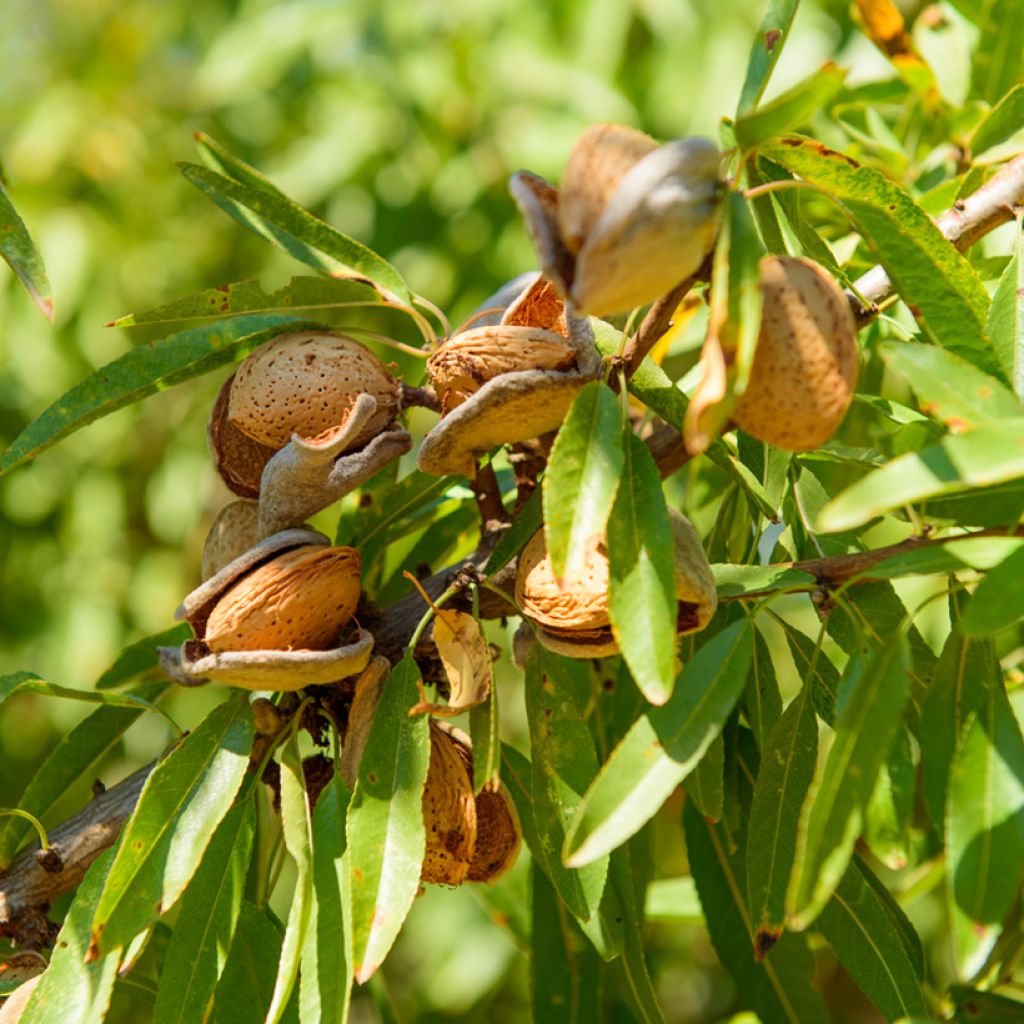
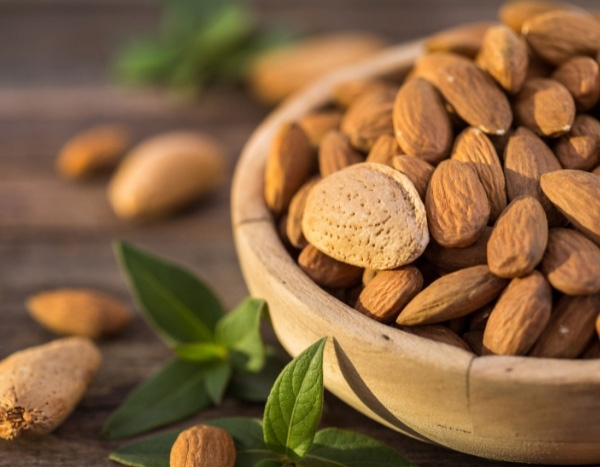
The Marcona almond tree (Prunus dulcis) is a Spanish-origin variety of almond tree renowned for the exceptional quality of its fruits. Dubbed the "queen of almonds", it is characterised by its high yield, late pink flowering in February, and resistance to diseases. Its almond, with a hard shell and rounded shape, offers a unique, sweet, and flavourful kernel, sought after in pastry-making and ideal for crafting Turron. Adapted to the Mediterranean climate, this fruit tree can also thrive in a large pot on a sunny terrace.
The almond tree (Prunus dulcis), belonging to the Rosaceae family, originates from Western Asia, particularly regions extending to Persia and North Africa. It is cultivated and often naturalised throughout the South of France and in wine-growing areas. Growing in neutral to calcareous, stony, and dry soils, the almond tree is a nut-bearing fruit tree relatively easy to cultivate in its preferred climate, requiring minimal maintenance.
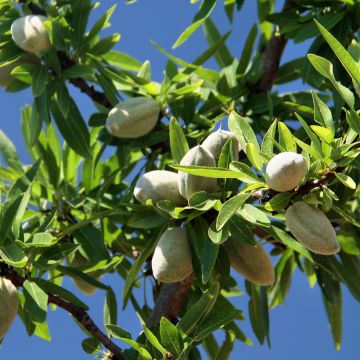
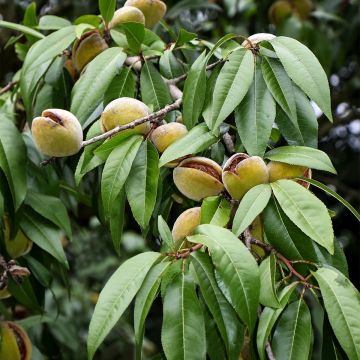
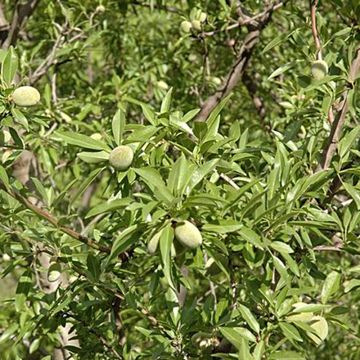
The 'Marcona' variety is an ancient Spanish variety, originating from the province of Alicante. It is famed for its high productivity and quick fruiting, typically after 5 years of cultivation. The 'Marcona' almond tree forms a tree with an open and spreading habit, reaching a height of 4 to 6 m with a slightly smaller spread. Its growth is rapid. The deciduous leaves are elliptical, lanceolate, measuring between 8 and 13 cm in length, with finely toothed edges and a glossy surface. Young shoots are initially green, turning greyish with age.
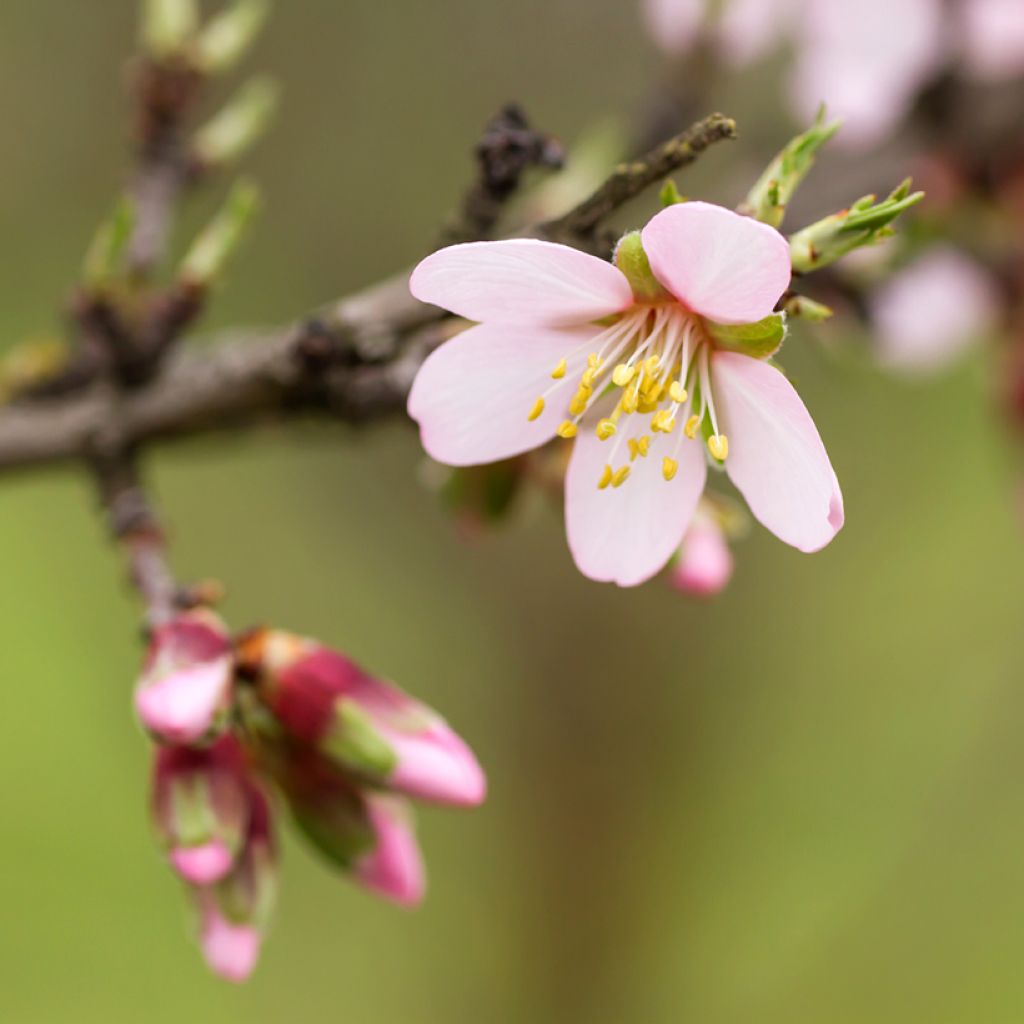
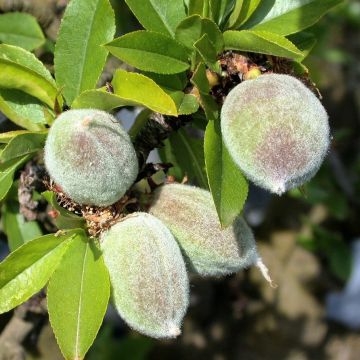
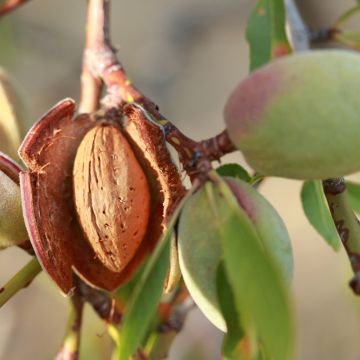
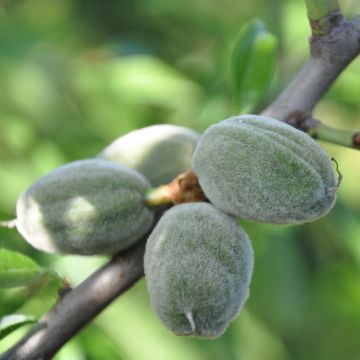
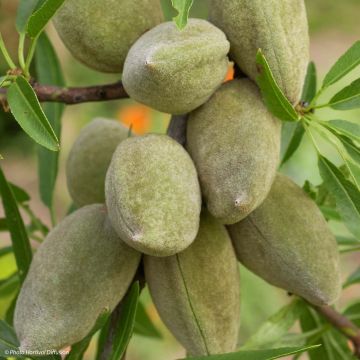
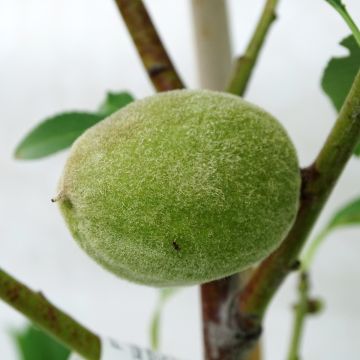
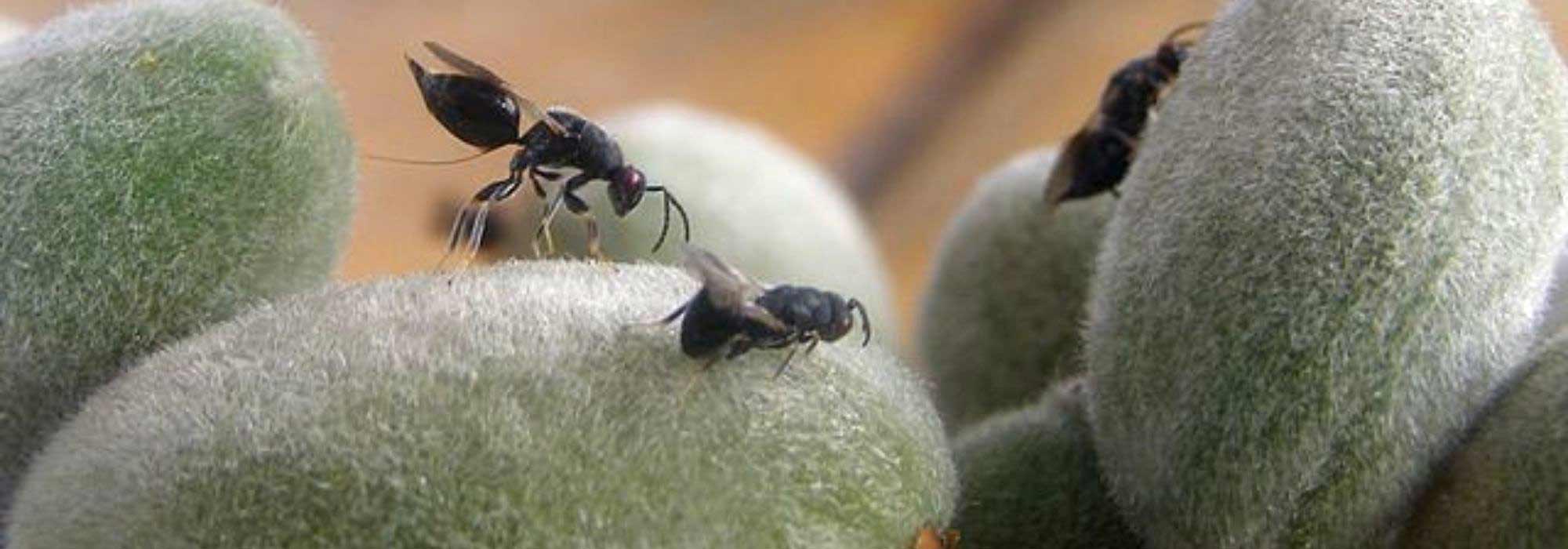
The 'Marcona' almond tree flowers in late February or early March, offering pink flowers, solitary or grouped in pairs, 3 to 4 cm in diameter. These flowers appear before the bud burst period of the leaves, giving the tree a spectacular appearance in early spring. They attract the season's first pollinators. The fruit is an oblong and compressed drupe, covered with a velvety green skin that dries and opens when ripe to release the stone. The shell is hard, effectively protecting the kernel from external damage. 'Marcona' almonds are rounded in shape and sweet in flavour. The kernel is always singular, as this variety does not produce twins.
The 'Marcona' variety is not self-fertile and requires the presence of compatible pollinators to ensure good fruiting. Varieties such as 'Texas', 'Ferraduel', 'Fournat de Breznaud', 'Guara', 'Filippo', 'Béraude', or 'Tournefort' are recommended as pollinators.
Harvest: 'Marcona' almonds reach full ripeness between late August and October, depending on local climate conditions. The harvest of dry almonds takes place when the hull, the green envelope surrounding the shell, cracks and begins to open. At this stage, the almonds can be picked directly from the tree or gathered after falling to the ground. After harvest, it is recommended to hull the almonds, then dry them in the sun on a sieve or aerated surface to reduce their moisture content and ensure good preservation.
In cooking: 'Marcona' almonds are sought after for their sweet and mild flavour. They are commonly used in pastry-making for crafting nougats, dragées, and pralines, particularly for the famous Spanish 'Turron'. Additionally, they can be consumed fresh, dried, or incorporated into various culinary preparations, adding a refined touch to desserts and dishes.
In the garden: The almond tree excels in a Mediterranean orchard or a natural garden with Mediterranean fruit species such as the Japanese medlar, the fig tree, the strawberry tree, and pomegranate trees. You can also surround it with rockroses, lavenders, and rosemary.
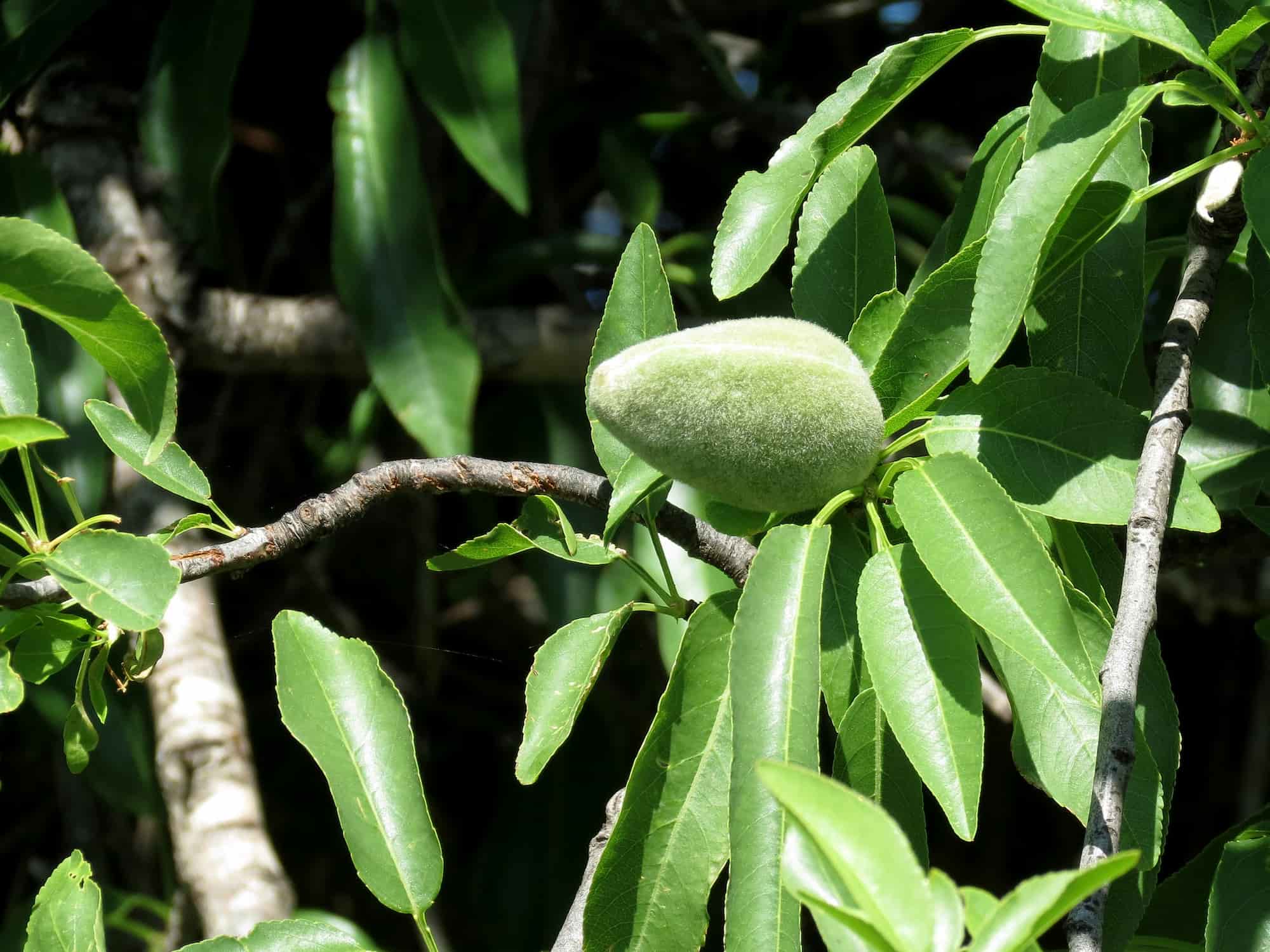
Prunus dulcis Marcona - Almond in pictures
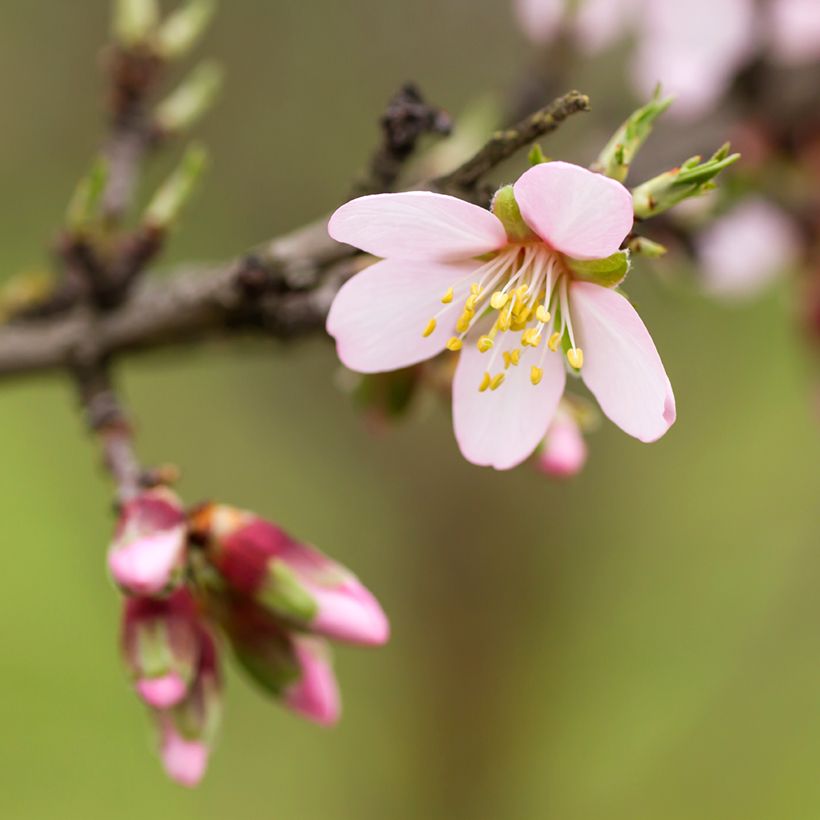
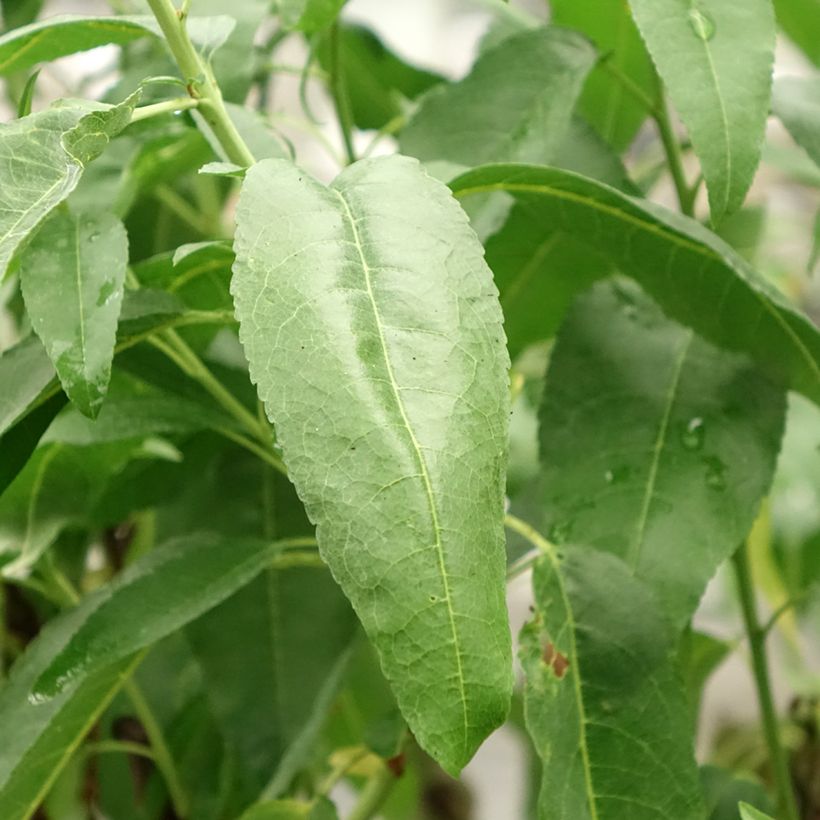
Plant habit
Fruit
Flowering
Foliage
Planting and care
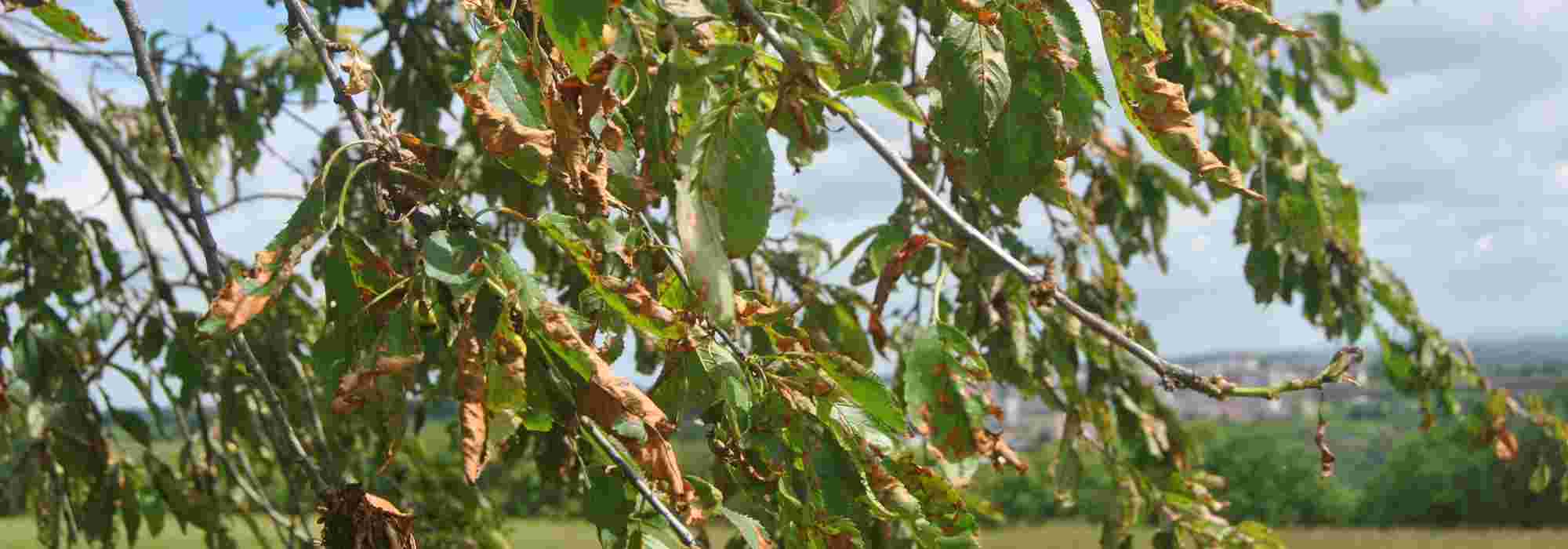
Preferably plant your 'Marcona' Almond tree in autumn; if replacing an existing tree, avoid planting it in the same spot as a previous Almond tree. Almond trees require well-drained, even stony soil and thrive in limestone-rich ground. Their resistance to summer drought is excellent. However, clay soils that retain moisture are very harmful, as they can lead to fungal development at the root level and the rapid death of the tree.
Limit pruning to light thinning in winter to encourage the formation of new shoots in spring. Remove any dead wood and crossing branches. For the first 3 or 4 years, you may prune more severely to promote the development of 4 or 5 main scaffold branches, creating a traditional goblet-shaped habit common in fruit tree cultivation. You can harvest your almonds fresh or dried, depending on your preference.
Planting period
Intended location
Care
Planting & care advice
-
-
-
-
-
-
-
-
This item has not been reviewed yet - be the first to leave a review about it.
Recently viewed products
Haven't found what you were looking for?
Hardiness is the lowest winter temperature a plant can endure without suffering serious damage or even dying. However, hardiness is affected by location (a sheltered area, such as a patio), protection (winter cover) and soil type (hardiness is improved by well-drained soil).
In temperate climates, pruning of spring-flowering shrubs (forsythia, spireas, etc.) should be done just after flowering.
Pruning of summer-flowering shrubs (Indian Lilac, Perovskia, etc.) can be done in winter or spring.
In cold regions as well as with frost-sensitive plants, avoid pruning too early when severe frosts may still occur.
The harvesting period indicated on our website applies to countries and regions in USDA zone 8 (France, England, Ireland, the Netherlands).
In colder areas (Scandinavia, Poland, Austria...) fruit and vegetable harvests are likely to be delayed by 3-4 weeks.
In warmer areas (Italy, Spain, Greece, etc.), harvesting will probably take place earlier, depending on weather conditions.
The sowing periods indicated on our website apply to countries and regions within USDA Zone 8 (France, UK, Ireland, Netherlands).
In colder areas (Scandinavia, Poland, Austria...), delay any outdoor sowing by 3-4 weeks, or sow under glass.
In warmer climes (Italy, Spain, Greece, etc.), bring outdoor sowing forward by a few weeks.
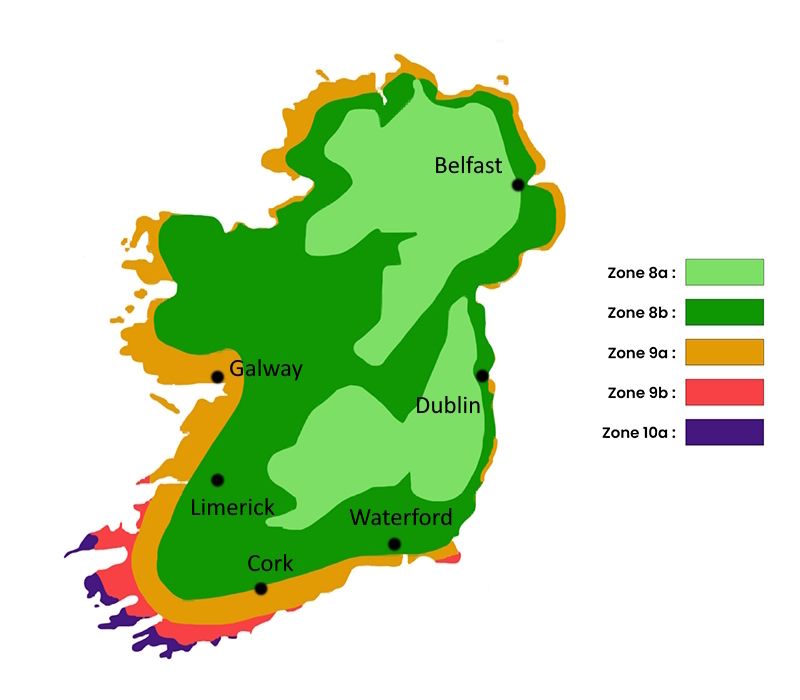
The planting period indicated on our website applies to regions in USDA Zone 9a (East Coast and Midlands: Dublin, Wexford, Waterford, Kilkenny, Portlaoise). It will vary depending on where you live:
- On the west coast and in the north-west (Galway, Limerick, Sligo, Donegal, Westport), delay planting by 1 to 2 weeks in spring and bring it forward by 1 to 2 weeks in autumn compared to the dates given, preferably choosing periods without strong winds.
- In the inland hills and plateaus (Wicklow Mountains, Macgillycuddy’s Reeks, Connemara, Killarney), it is best to plant in spring (April–May) or autumn (September–October), avoiding periods of waterlogged soil in winter and strong winds, which pose the main risk to newly planted trees in these areas.
The flowering period indicated on our website applies to regions in USDA Zone 9a, such as the East Coast and Midlands, including Dublin, Wexford, Waterford, Kilkenny and Portlaoise.
This will vary depending on where you live:
- On the west coast and in the northwest (Galway, Limerick, Sligo, Donegal and Westport), it will be delayed by one to two weeks compared to the given dates, due to stronger Atlantic winds and less spring sunshine.
- In the inland hills and plateaus (the Wicklow Mountains, the Macgillycuddy's Reeks, Connemara and Killarney), flowering will be delayed by two to three weeks. Flowering mainly occurs between May and July, with the limiting factors being less frost and more of the excessive humidity, strong winds and lack of sunshine that are characteristic of these areas.
Shipping country and language
Your country of residence may be:
Your country of residence is:
For a better user experience on our website, you can select:
Your shipping country:
-
 Austria
-
 Belgium
-
 Bosnia & Herzegovina
-
 Bulgaria
-
 Croatia
-
 Cyprus
-
 Czechia
-
 Denmark
-
 Estonia
-
 Finland
-
 France
-
 Germany
-
 Greece
-
 Hungary
-
 Iceland
-
 Ireland
-
 Italy
Italy
-
 Latvia
-
 Liechtenstein
-
 Lithuania
-
 Luxembourg
-
 Malta
Malta
-
 Netherlands
-
 Poland
-
 Portugal
-
 Romania
-
 Serbia
-
 Slovakia
-
 Slovenia
-
 Spain
Spain
-
 Sweden
-
 Switzerland
Language:
-
French
-
 English
-
Spanish
-
Italian
-
German
-
Portuguese
-
Dutch
-
Finnish
My Account
Hello
My wish lists
My cart
Log in / Register
Existing customer?
This form is protected by reCAPTCHA - the Google Privacy Policy and Terms of Service apply.
New customer?
Create an account to track your orders, access our customer service and, if you wish, make the most of our upcoming offers.