
































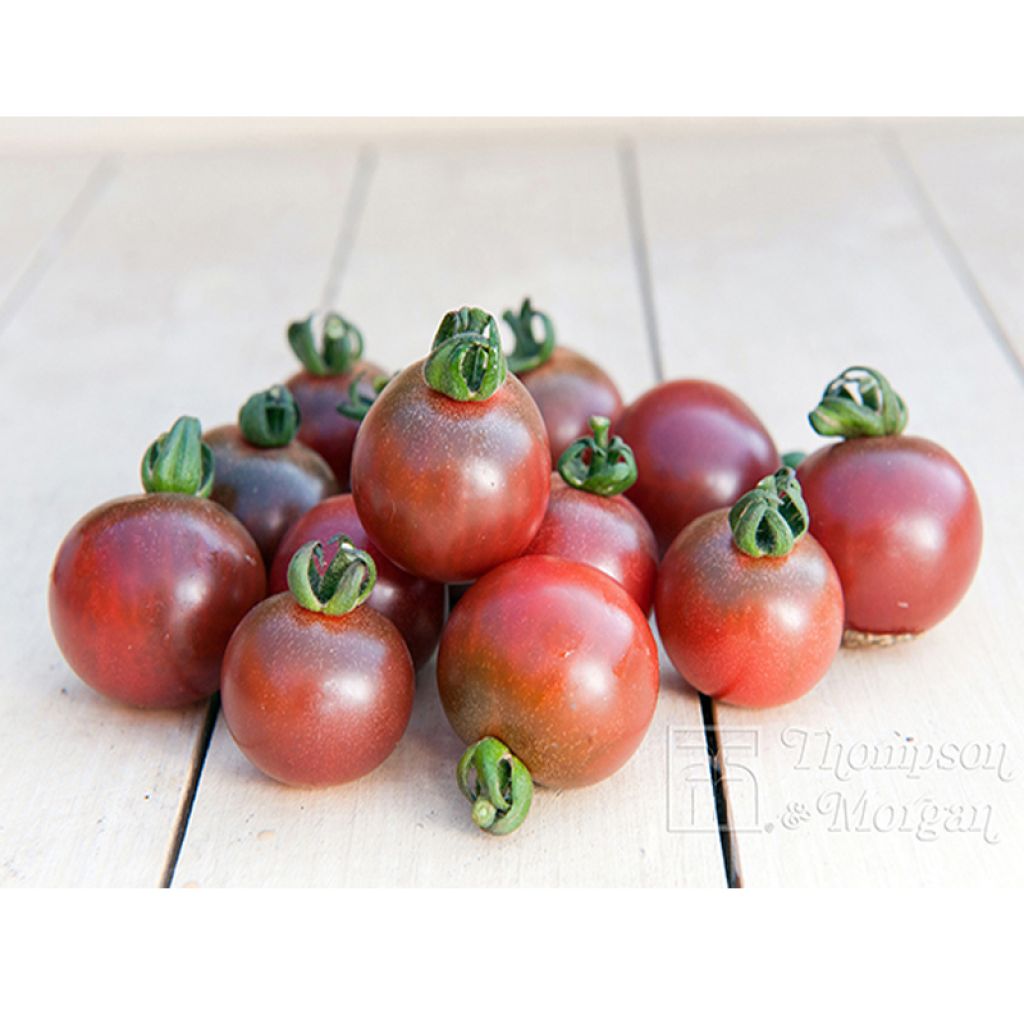
Tomato Rosella
Tomato Rosella
Solanum lycopersicum Rosella
Cherry tomato
Can't wait to sow them
Frédérique J., 14/11/2018
Special offer!
Receive a €20 voucher for any order over €90 (excluding delivery costs, credit notes, and plastic-free options)!
1- Add your favorite plants to your cart.
2- Once you have reached €90, confirm your order (you can even choose the delivery date!).
3- As soon as your order is shipped, you will receive an email containing your voucher code, valid for 3 months (90 days).
Your voucher is unique and can only be used once, for any order with a minimum value of €20, excluding delivery costs.
Can be combined with other current offers, non-divisible and non-refundable.
Why not try an alternative variety in stock?
View all →
Available in 1 sizes
Available in 1 sizes
Available in 1 sizes
Available in 1 sizes
Available in 1 sizes
Available in 1 sizes
Available in 1 sizes
Available in 1 sizes
Available in 1 sizes
Available in 1 sizes
This plant carries a 6 months recovery warranty
More information
We guarantee the quality of our plants for a full growing cycle, and will replace at our expense any plant that fails to recover under normal climatic and planting conditions.

Description
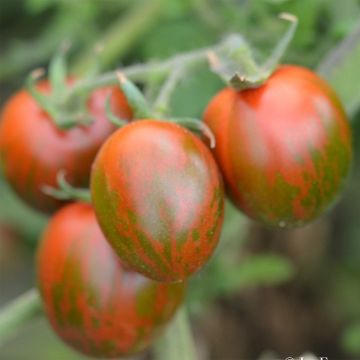
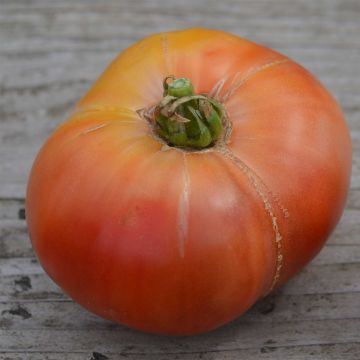
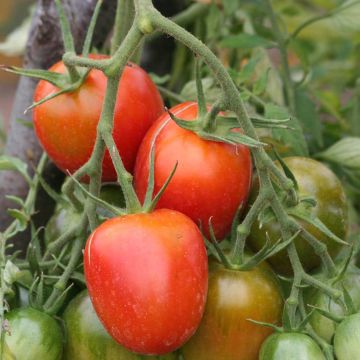
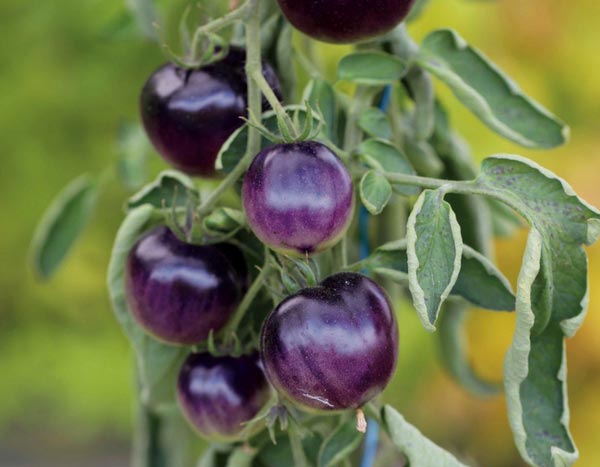
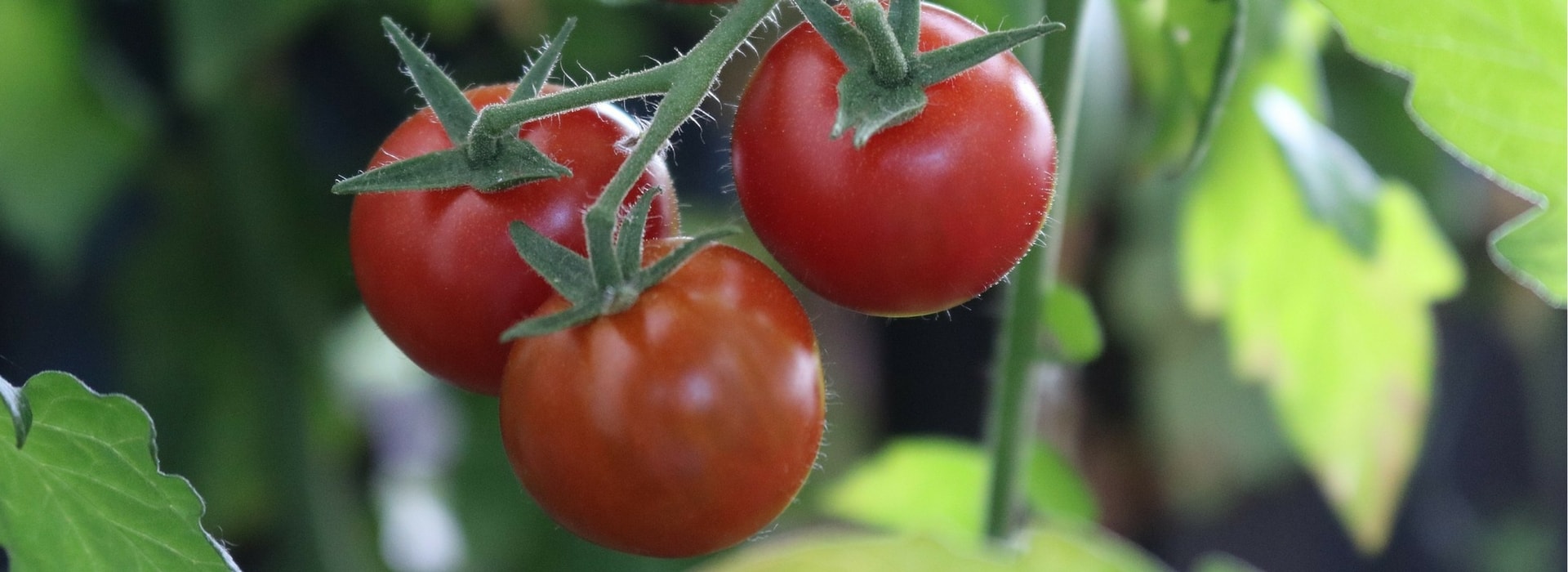
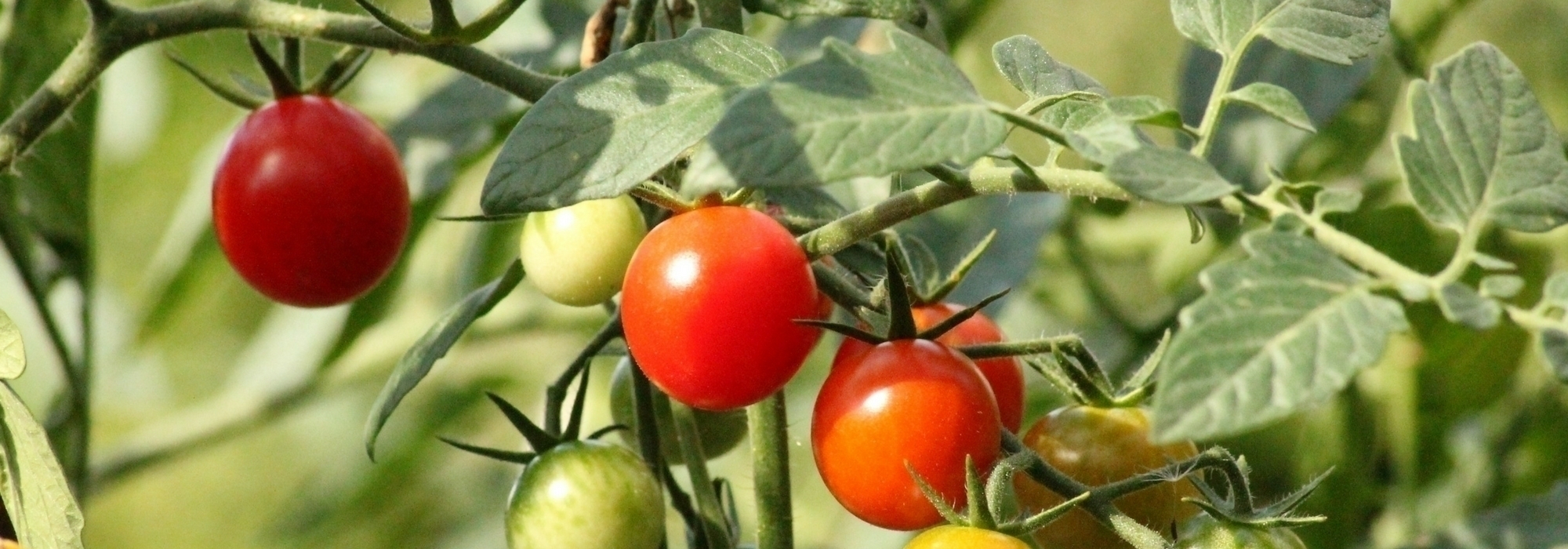
'Rosella' is a cherry-type variety with dark reddish-pink fruits. It has an excellent sweet flavour with a slight hint of acidity. It is ideally eaten fresh or cooked. Sow from February to April and enjoy from July to October.
Tomatoes are native to South and Central America. Several varieties were already cultivated by the Incas long before the arrival of the Conquistadors, and nowadays, the sheer abundance of tomato varieties is quite astounding. The name "tomato" is derived from the Inca word "Tomatl" and refers to both the plant and its fruit. Tomatoes come in all shapes and sizes, and a fabulous array of colours is available (red, of course, but also green, yellow and - for a few rare varieties - blue). Older varieties are plants with indeterminate growth that can live up to two years. The more recent varieties are of so-called determinate growth (also known as "bush" tomatoes), meaning they remain compact, thus limiting the need to stake or train them.
Tomatoes are among the many foods first discovered in the New World, such as beans, corn, squash, potatoes and chillies. However, tomatoes took considerably longer to reach our taste buds... and for good reason! For a long time, they were cultivated for their aesthetic and medicinal qualities. The similarity of their fruit to that of the Mandrake plant (also in the Solanaceae family) led people to believe they were toxic and unfit for human consumption. Only at the beginning of the 20th century did Europeans start to appreciate tomatoes for their unique taste, and the rest is history!
Tomatoes' undeniably pretty fruit brings joy and colour to the vegetable garden. They also boast many nutritional benefits. Like most vegetables, tomatoes are low in calories and have a high water content, but they also contain a very interesting molecule: lycopene, a powerful antioxidant. The longer the tomatoes are cooked, the more lycopene is released. Tomatoes are also remarkably rich in vitamin C, provitamin A, and trace elements.
Nowadays, their gustatory and nutritional qualities are well established. For the gardener, tomatoes are one of the summer garden's highlights. Determine how your tomatoes will be used (in a salad? in a soup? eaten directly off the plant?) and when you would like to harvest them, and then choose your varieties accordingly. Some varieties might be more suitable depending on where you live and how much sunshine the plants will get. Rest assured, there are many varieties to choose from. While tomato plants unavoidably require lots of sun, they don't necessarily need lots of space to grow. A container or a bin full of good soil is an ideal home for a cherry tomato plant, meaning that even with a small balcony or greenhouse, you can still grow these beautiful vegetables. Ensure you don't pick any stems, leaves or unripe fruit, as they contain solanine and should not be consumed.
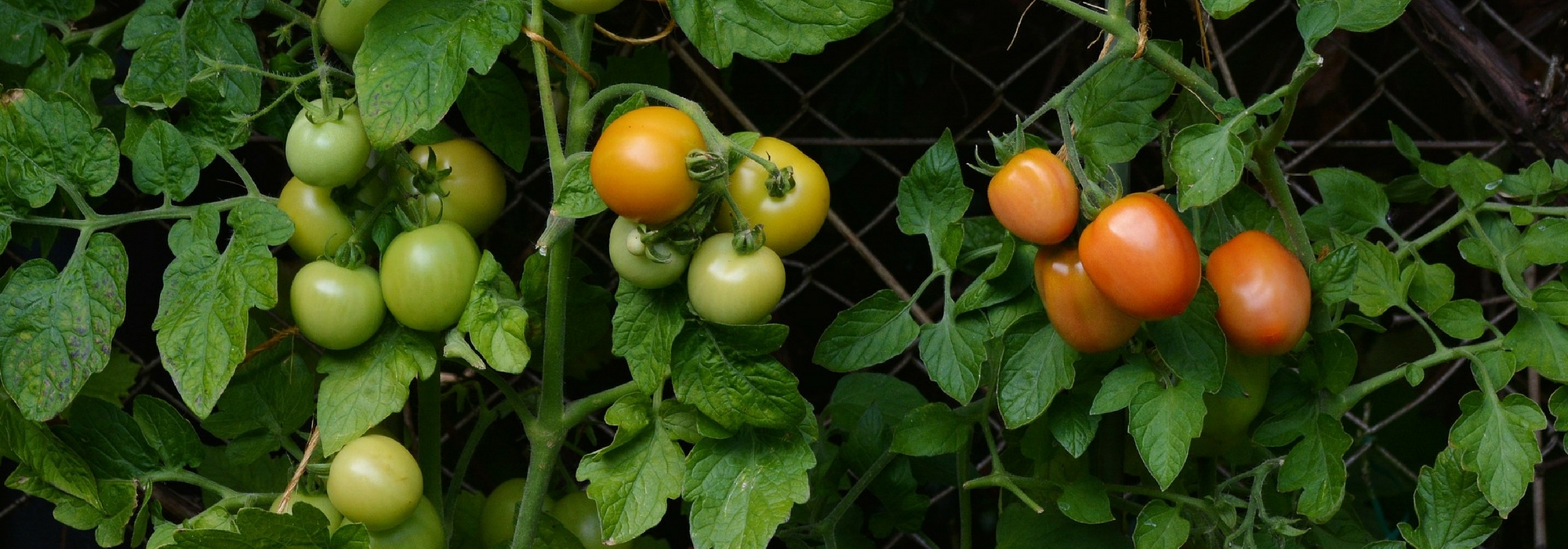
Harvesting: Depending on whether you are growing an early or late-season variety, it can take 50 to 100 days from the date you transplant the seedlings to the date you harvest the fruit. As a rule, tomatoes are ready to be picked when they have completely taken on the colour shown on the packet and when their texture—though firm—has a slight give to it. Fruit picked with its stem will keep for longer.
Preservation: Tomatoes with a low water content keep for longer. They will be fine for a few days in the vegetable compartment in the fridge or spread out on a newspaper in a cool room. To keep them longer, they can be dried, frozen, canned or made into delicious chutneys, tomato sauce or juice. We recommend saving a few for a tomato confit – it's easy to make and very tasty. Cut your tomatoes in half and set aside the juice. Place your tomato halves face up in a large baking pan. Sprinkle with salt, pepper, a bit of sugar and bake in the oven for at least an hour on a low setting. Remove the tomatoes and eat them immediately; otherwise, put them in a glass jar and cover them with olive oil to be eaten later.
Good to know: sowing several varieties of tomato each year will prevent you from losing your whole crop to bad weather or disease.
Blossom-end rot is a common problem when growing tomatoes, caused by a lack of calcium. To prevent this, spray your plants regularly with comfrey liquid fertiliser.
When transplanting, bury the stem up to the first set of leaves. This will stimulate root growth and guarantee bigger and better fruit.
Plants that grow well in the garden often taste superb together, too – tomatoes and basil are a perfect example.

Harvest
Plant habit
Foliage
Botanical data
Solanum
lycopersicum
Rosella
Solanaceae
Cherry tomato
Cultivar or hybrid
Annual
Planting and care
Soil preparation: Tomato plants are very easy to grow and, provided they have enough sun and warmth, will give good results. They do well in most types of soil, even if they prefer it to be well-drained and rich. If your soil is too compact, you can amend it with a little sharp sand.
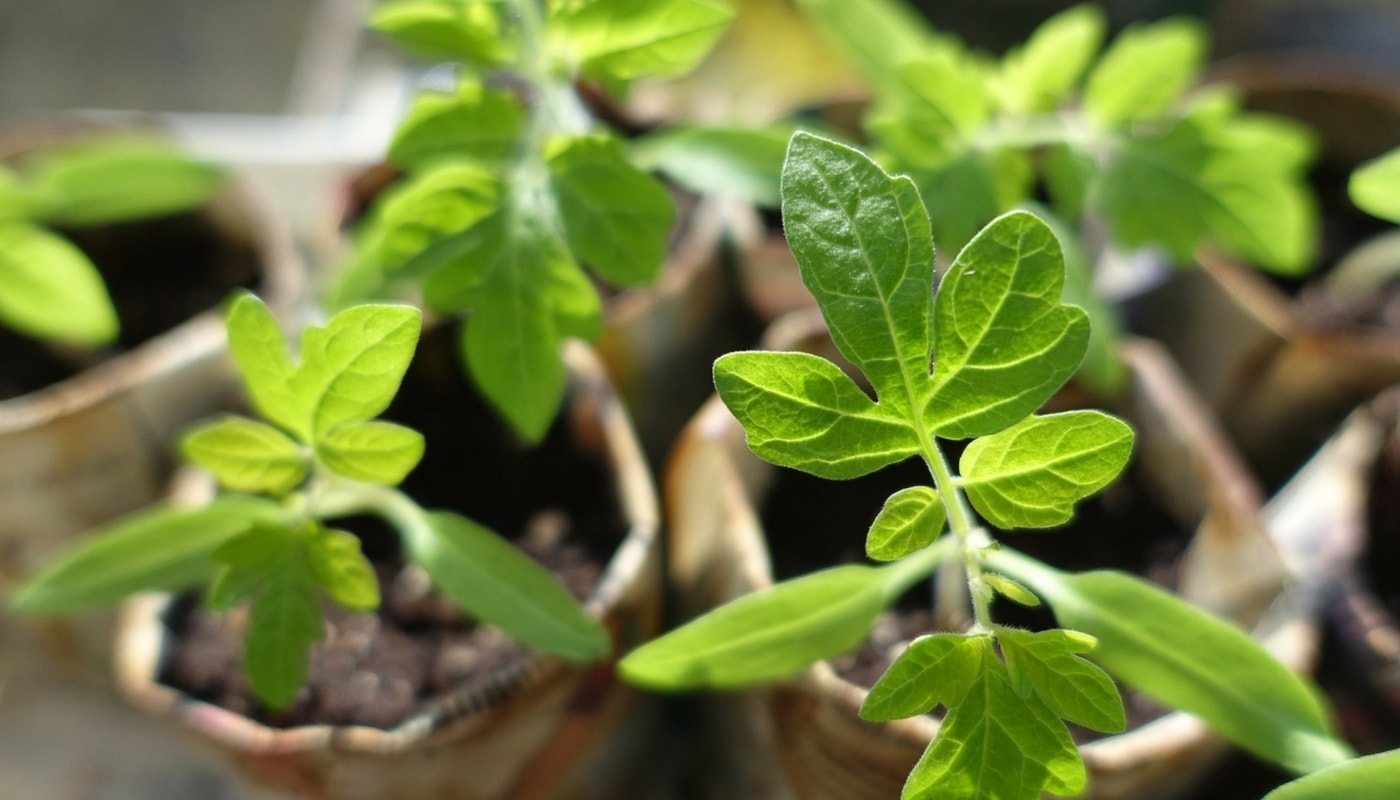
Sowing indoors: from mid-February to May, sow indoors or in trays in a greenhouse heated to about 20°C. Cover the seeds with 5 to 7 mm of a special sowing mix (they need complete darkness to germinate). Don't be tempted to add compost, which could burn the young roots. Tomato plants proliferate: by about two weeks, the first seedlings appear. If they haven't appeared by the end of the second week, don't worry; some varieties take longer to germinate. When the seedlings have reached about 15 cm in height, they are ready to be transplanted.
Transplanting straight into the garden: once frosts are no longer to be feared (usually by mid-May), transplant the seedlings straight into the garden. Choose the sunniest and warmest spot in the garden; the foot of a south-facing wall is perfect. Loosen the soil and dig a hole at least 3 to 4 times the size of your plant's root ball. Add a small amount of well-rotted compost to the bottom of the hole and mix in with the garden soil. Place the seedling in the hole and cover it with soil up to the first set of leaves. Gently firm the soil around the roots with your hands and form a shallow soil basin around the base of the seedling. Water copiously at first, ensuring you don't wet the leaves to protect your plants from fungal diseases.
Maintenance: Covering the base of your plants with mulch helps maintain moisture in the soil while keeping the weeds under control. Tomato plants do not need much watering as they send their roots deep into the soil to find moisture. They should only be watered copiously in a prolonged drought.
Seedlings
Care
Intended location
Planting & care advice
-
-
-
-
-
-
-
-
-
, onOrder confirmed
Reply from on Promesse de fleurs
Recently viewed products
Haven't found what you were looking for?
Hardiness is the lowest winter temperature a plant can endure without suffering serious damage or even dying. However, hardiness is affected by location (a sheltered area, such as a patio), protection (winter cover) and soil type (hardiness is improved by well-drained soil).
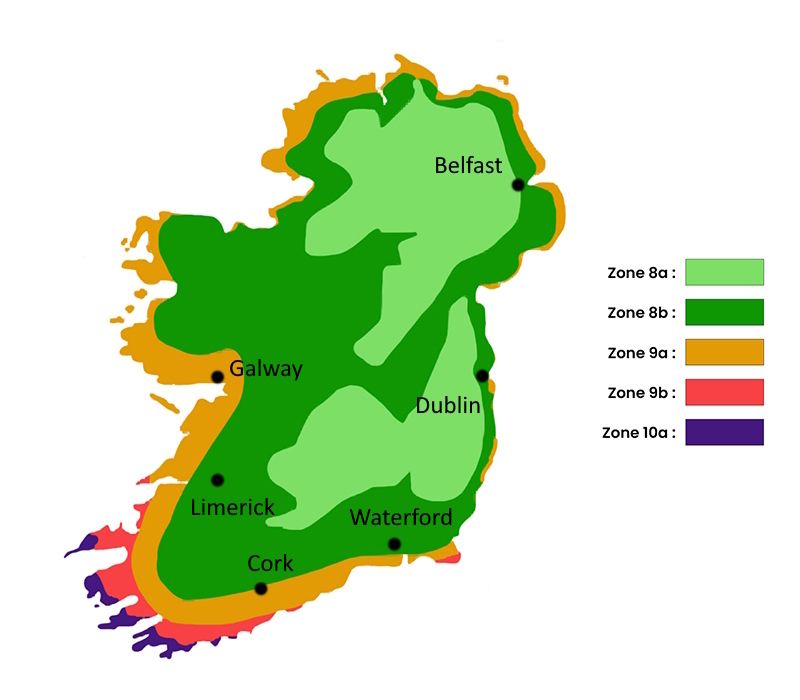
Photo Sharing Terms & Conditions
In order to encourage gardeners to interact and share their experiences, Promesse de fleurs offers various media enabling content to be uploaded onto its Site - in particular via the ‘Photo sharing’ module.
The User agrees to refrain from:
- Posting any content that is illegal, prejudicial, insulting, racist, inciteful to hatred, revisionist, contrary to public decency, that infringes on privacy or on the privacy rights of third parties, in particular the publicity rights of persons and goods, intellectual property rights, or the right to privacy.
- Submitting content on behalf of a third party;
- Impersonate the identity of a third party and/or publish any personal information about a third party;
In general, the User undertakes to refrain from any unethical behaviour.
All Content (in particular text, comments, files, images, photos, videos, creative works, etc.), which may be subject to property or intellectual property rights, image or other private rights, shall remain the property of the User, subject to the limited rights granted by the terms of the licence granted by Promesse de fleurs as stated below. Users are at liberty to publish or not to publish such Content on the Site, notably via the ‘Photo Sharing’ facility, and accept that this Content shall be made public and freely accessible, notably on the Internet.
Users further acknowledge, undertake to have ,and guarantee that they hold all necessary rights and permissions to publish such material on the Site, in particular with regard to the legislation in force pertaining to any privacy, property, intellectual property, image, or contractual rights, or rights of any other nature. By publishing such Content on the Site, Users acknowledge accepting full liability as publishers of the Content within the meaning of the law, and grant Promesse de fleurs, free of charge, an inclusive, worldwide licence for the said Content for the entire duration of its publication, including all reproduction, representation, up/downloading, displaying, performing, transmission, and storage rights.
Users also grant permission for their name to be linked to the Content and accept that this link may not always be made available.
By engaging in posting material, Users consent to their Content becoming automatically accessible on the Internet, in particular on other sites and/or blogs and/or web pages of the Promesse de fleurs site, including in particular social pages and the Promesse de fleurs catalogue.
Users may secure the removal of entrusted content free of charge by issuing a simple request via our contact form.
In temperate climates, pruning of spring-flowering shrubs (forsythia, spireas, etc.) should be done just after flowering.
Pruning of summer-flowering shrubs (Indian Lilac, Perovskia, etc.) can be done in winter or spring.
In cold regions as well as with frost-sensitive plants, avoid pruning too early when severe frosts may still occur.
The harvesting period indicated on our website applies to countries and regions in USDA zone 8 (France, England, Ireland, the Netherlands).
In colder areas (Scandinavia, Poland, Austria...) fruit and vegetable harvests are likely to be delayed by 3-4 weeks.
In warmer areas (Italy, Spain, Greece, etc.), harvesting will probably take place earlier, depending on weather conditions.
The sowing periods indicated on our website apply to countries and regions within USDA Zone 8 (France, UK, Ireland, Netherlands).
In colder areas (Scandinavia, Poland, Austria...), delay any outdoor sowing by 3-4 weeks, or sow under glass.
In warmer climes (Italy, Spain, Greece, etc.), bring outdoor sowing forward by a few weeks.
The planting period indicated on our website applies to regions in USDA Zone 9a (East Coast and Midlands: Dublin, Wexford, Waterford, Kilkenny, Portlaoise). It will vary depending on where you live:
- On the west coast and in the north-west (Galway, Limerick, Sligo, Donegal, Westport), delay planting by 1 to 2 weeks in spring and bring it forward by 1 to 2 weeks in autumn compared to the dates given, preferably choosing periods without strong winds.
- In the inland hills and plateaus (Wicklow Mountains, Macgillycuddy’s Reeks, Connemara, Killarney), it is best to plant in spring (April–May) or autumn (September–October), avoiding periods of waterlogged soil in winter and strong winds, which pose the main risk to newly planted trees in these areas.
The flowering period indicated on our website applies to regions in USDA Zone 9a, such as the East Coast and Midlands, including Dublin, Wexford, Waterford, Kilkenny and Portlaoise.
This will vary depending on where you live:
- On the west coast and in the northwest (Galway, Limerick, Sligo, Donegal and Westport), it will be delayed by one to two weeks compared to the given dates, due to stronger Atlantic winds and less spring sunshine.
- In the inland hills and plateaus (the Wicklow Mountains, the Macgillycuddy's Reeks, Connemara and Killarney), flowering will be delayed by two to three weeks. Flowering mainly occurs between May and July, with the limiting factors being less frost and more of the excessive humidity, strong winds and lack of sunshine that are characteristic of these areas.