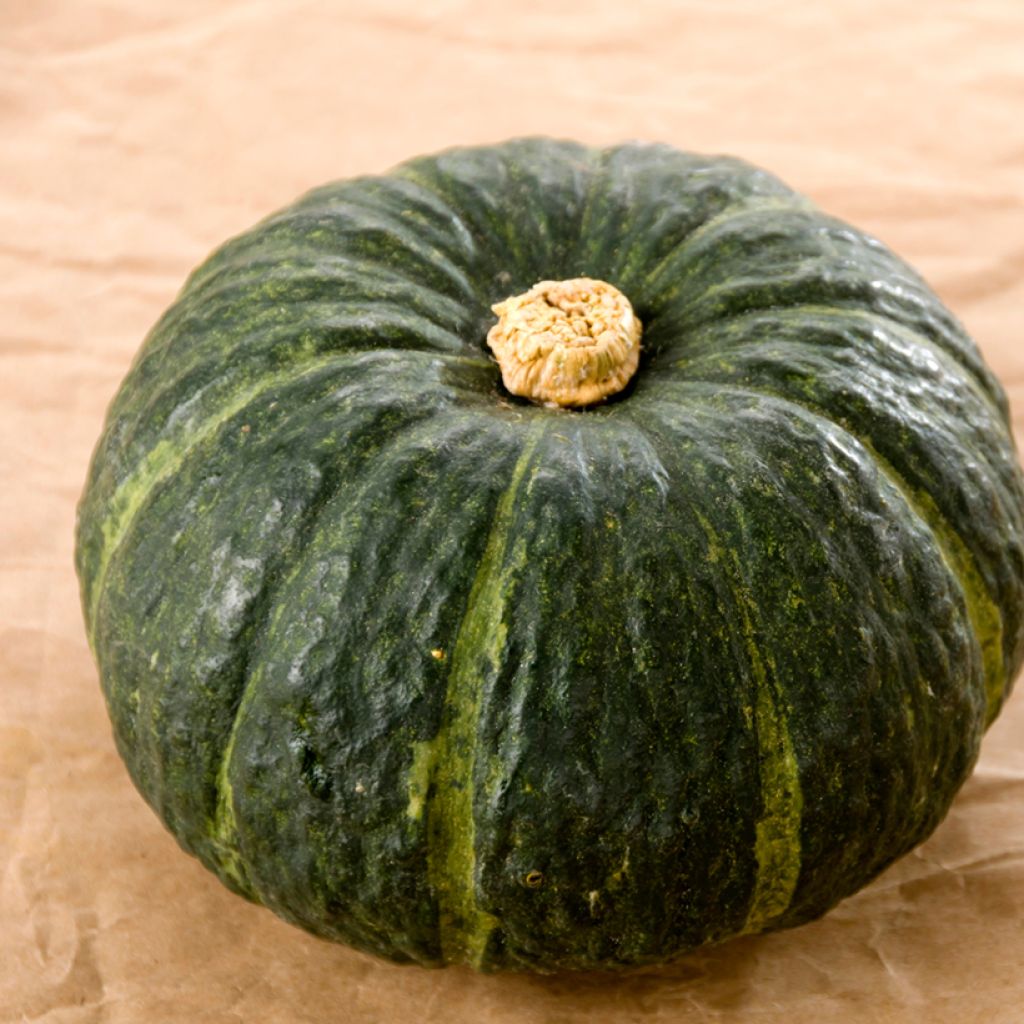
Squash Buttercup Burgess
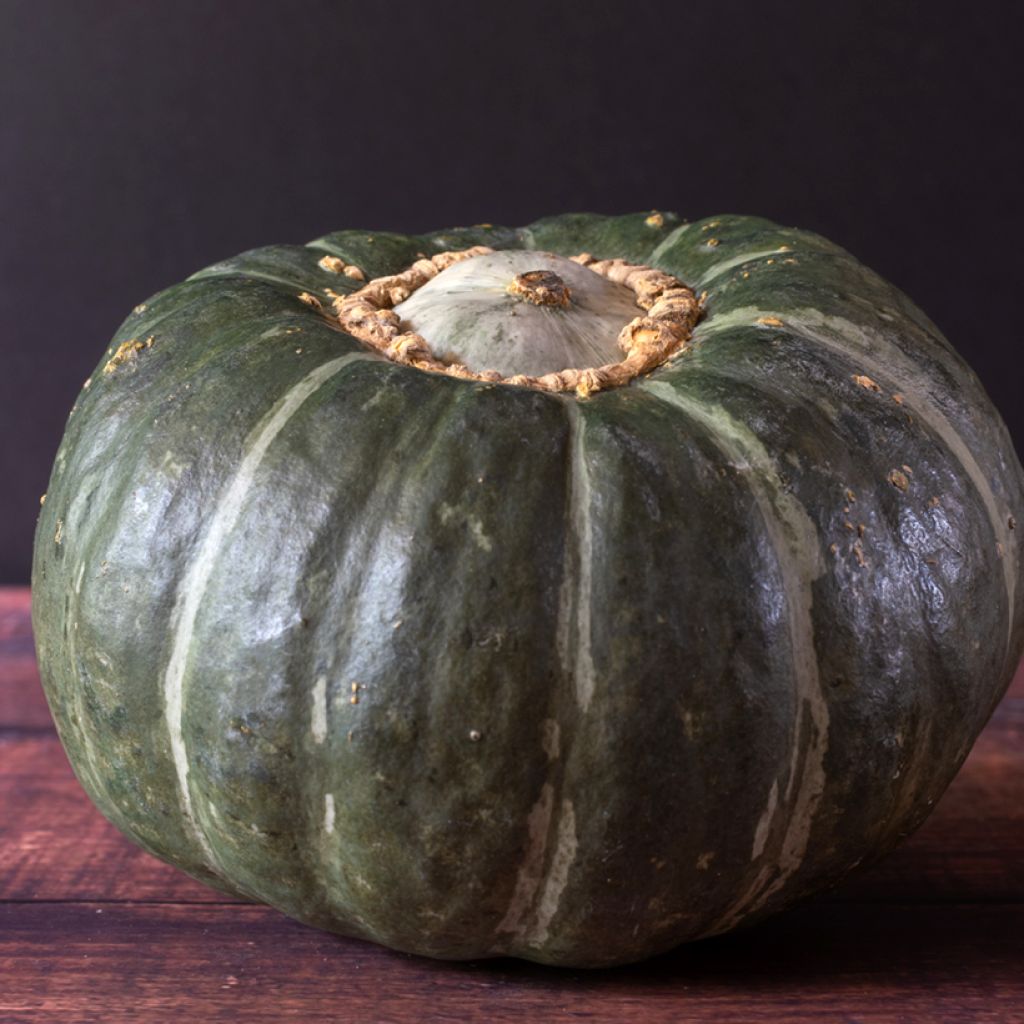
Squash Buttercup Burgess
Squash Buttercup Burgess
Cucurbita maxima Buttercup Burgess
Squash
Can't wait to sow them!
Frédérique J., 14/11/2018
Back-to-school special offer!
Get €10 off for every €50 you spend! And get up to €40 off on a single order.
How does it work?
1. Shop your favourites
Add your favourite plants to your basket. For every €50 you spend (excluding delivery charges, store credit and the plastic-free option), you’ll receive a €10 voucher.
€50 spent = €10 voucher
€100 spent = €20 voucher
€150 spent = €30 voucher
€200 spent = €40 voucher
2. Place your order
Once your basket reaches one of the spending thresholds, place your order. You can even choose your delivery date!
3. Receive your voucher
As soon as your order has been shipped, you’ll receive an email containing your personal voucher code and its value.
4. Use it on your next order
Your voucher is valid for 90 days from the date you receive it. It can be used once only, on a new order worth at least the value of the voucher, excluding delivery charges.
Please note: Vouchers can be combined with other offers, but cannot be split or refunded.
Why not try an alternative variety in stock?
View all →
Available in 1 sizes
Available in 0 sizes
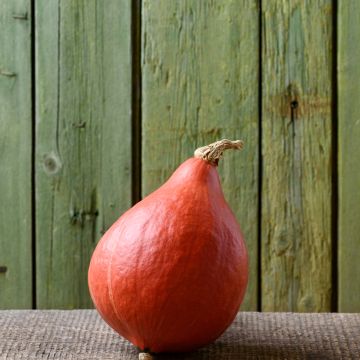
Available in 1 sizes
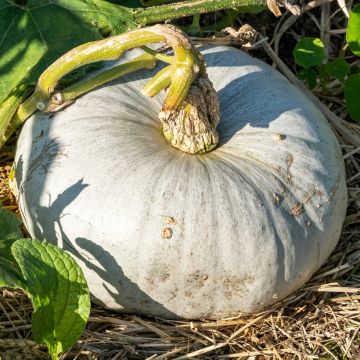
Available in 1 sizes
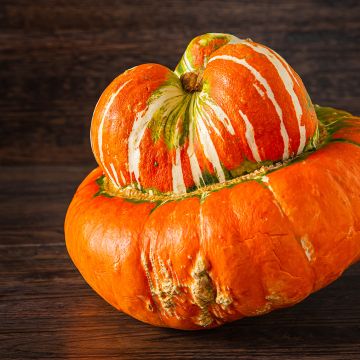
Available in 1 sizes
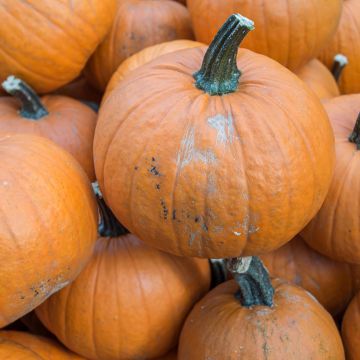
Available in 1 sizes
Available in 1 sizes
Available in 1 sizes
Available in 1 sizes
Available in 1 sizes
This plant carries a 6 months recovery warranty
More information
We guarantee the quality of our plants for a full growing cycle, and will replace at our expense any plant that fails to recover under normal climatic and planting conditions.

Description
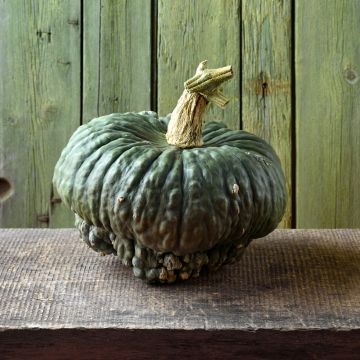
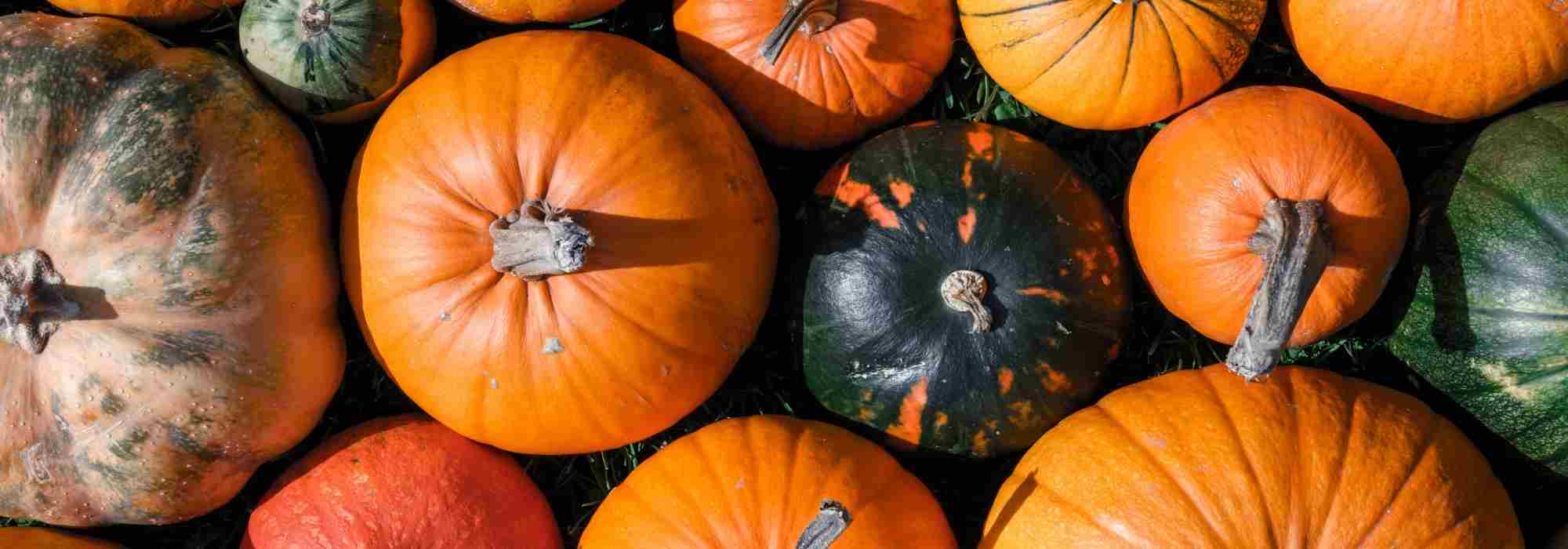
'Burgess Buttercup' Squash is an American heirloom variety that produces small, flattened fruits with beautiful dark green stripy skin. The firm, fine-textured orange flesh tastes like a sweet potato. Excellent for long-term storage. One plant yields an average of 3 to 5 fruits that weigh 1.5-2 kg and measure 13-20 cm (5-8 in). Sow from March to May and harvest before the first frosts.
Orange, green, red, yellow, black or blue; smooth, ribbed, bumpy, hard-skinned, soft-skinned... Summer and winter squash come in an astonishing array of shapes, colours and sizes due to their ability to hybridise easily. Winter squash refers to all pumpkins and squashes with tough skin and delicately sweet flesh. Summer squash, including courgettes (or zucchini), are different varieties that are harvested young, whilst the skin and seeds are still tender.
Both summer and winter squash are native to America and belong to the large Cucurbitaceae or gourd family (also known as cucurbits). They were introduced in Europe during the 16th century. The plants are generally annual vines that use tendrils for support. They are monoecious, meaning that both male and female flowers are produced on the same plant. Female flowers are easily identified by a small 'fruit' located at the base of the flower, which will become a true fruit when pollinated. The edible male squash blossoms are often harvested after pollination and then fried or stuffed. The female flowers are edible too, however picking them will of course result in fewer fruits. Squash is a very versatile vegetable that is delicious roasted, in gratin or blended into delicious soups. Courgette is a staple ingredient in ratatouille, couscous and many other popular Mediterranean dishes. Both courgette and squash are low in calories and high in minerals and vitamins, especially provitamin A and vitamin B.
Harvesting: Squashes should be harvested when fully ripe unless they are liable to rot when left on the plant. If this is the case, they can be brought indoors to finish ripening. Handle summer and winter squash with care to avoid damaging the skin.
Storage: Thick-skinned winter squashes will keep for several months and can be eaten all winter long. Unlike other fruits and vegetables, they store better in a warm, dry place. No need to store them in the dark: they are great to decorate the house during the colder months!
Good to know: Placing the squash fruits on top of a slate or roof tile will keep them away from direct contact with the ground. This prevents them from rotting due to excessive humidity. Squash and courgette plants favour moist soil and benefit from mulching, especially during the hotter summer months. Both are very prone to powdery mildew (a fungal disease that causes a white down to form on the surface of the leaves). When watering, try to avoid getting water on the leaves or flowers. Grow your squash plants alongside alliums such as chives, onions or shallots or members of the Fabaceae family (formerly legumes) such as beans or peas. Avoid growing them next to cucumbers.
Even if the vegetable garden is first and foremost a place for growing great quality veg, it’s always a good idea to leave a bit of room for flowers. Growing flowers alongside your vegetable plants will make your general gardening experience more enjoyable and is a great way to attract pollinators and repel garden pests! Flowers such as gaillardia, marigolds, zinnias, cosmos or nasturtiums can be sown in and around the rows of vegetables. Herbs such as dill can be very useful too. Bear in mind that some companion plants self-seed easily and can be a bit invasive (borage, chives, lemon balm etc.)
Harvest
Plant habit
Foliage
Botanical data
Cucurbita
maxima
Buttercup Burgess
Cucurbitaceae
Squash
North America
Annual
Planting and care
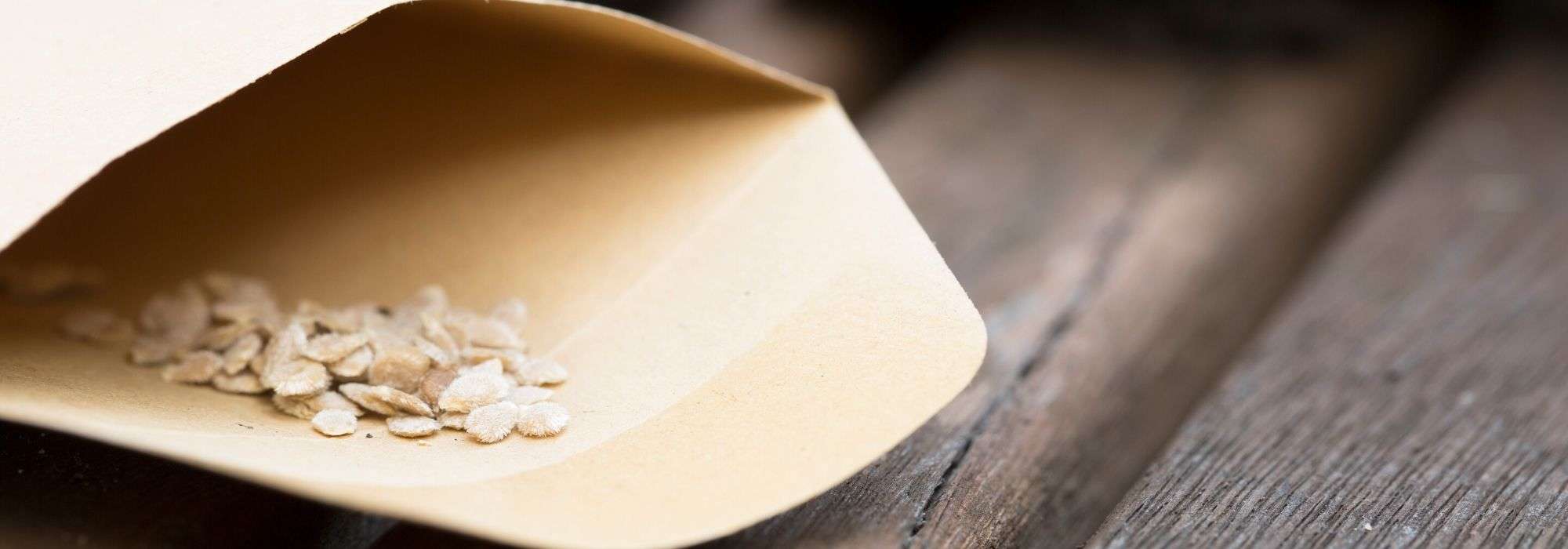
Sowing description: Sowing squash and courgettes is very rewarding, because they germinate quickly and are easy to grow. They need well-drained soil rich in organic matter and plenty of sun and water to produce good fruit.
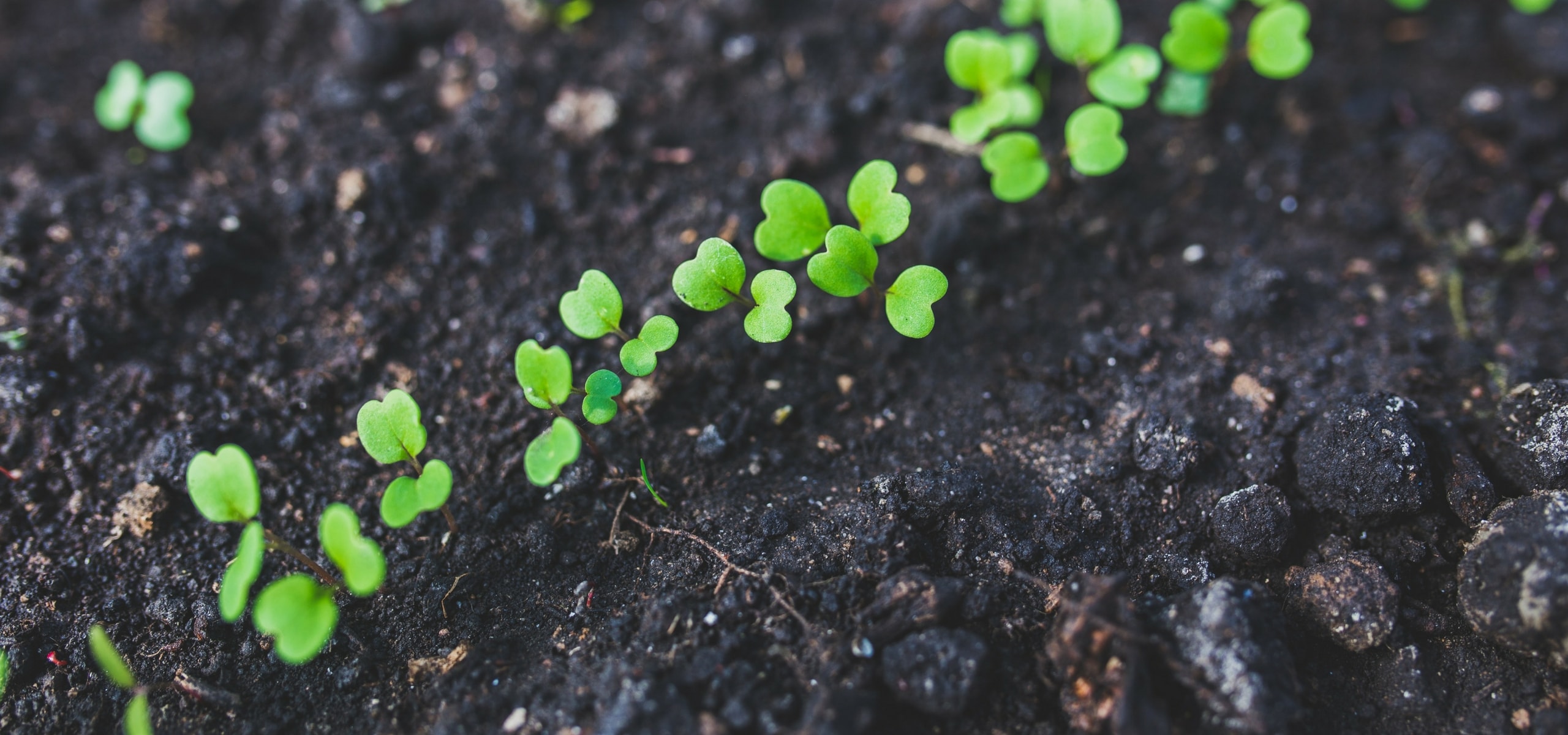
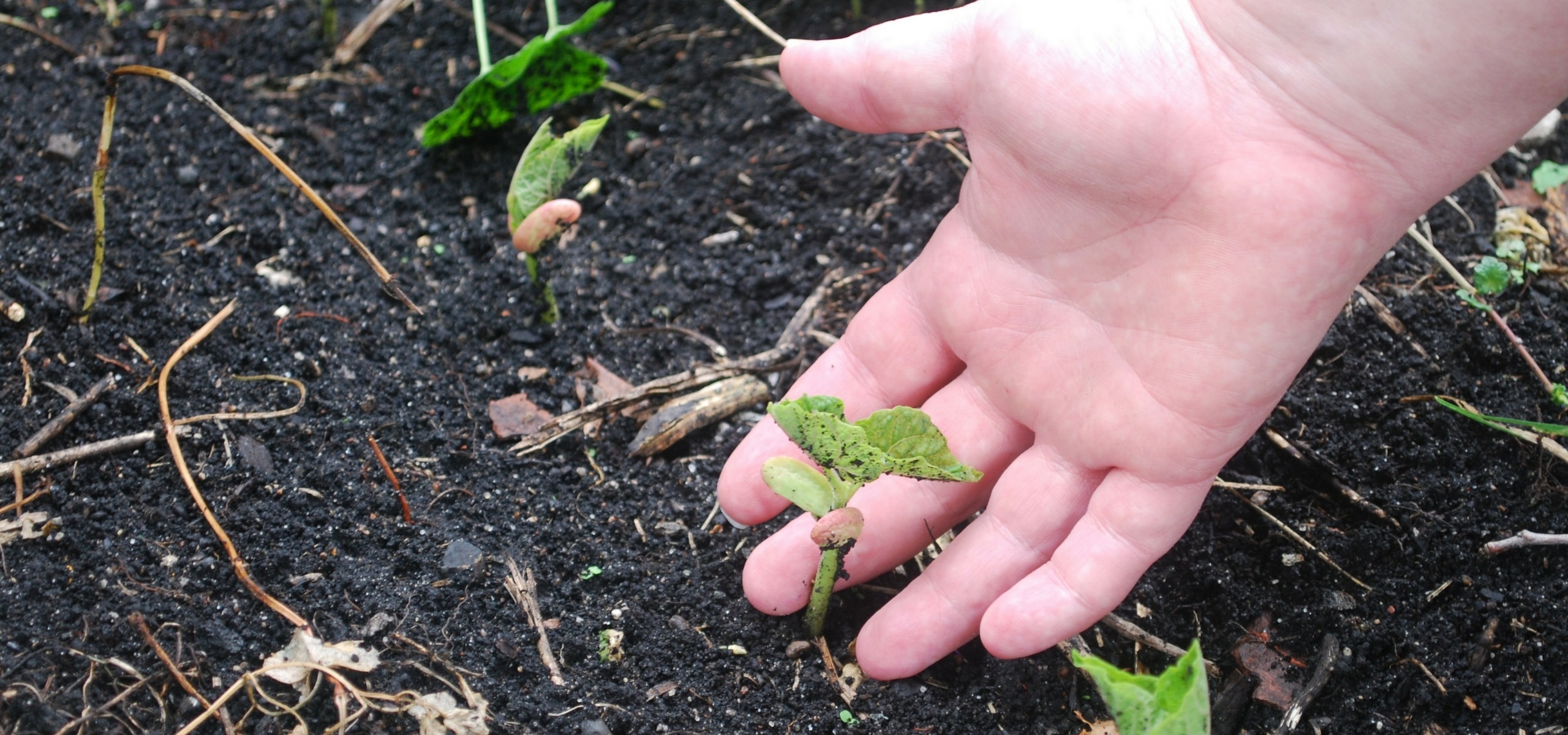
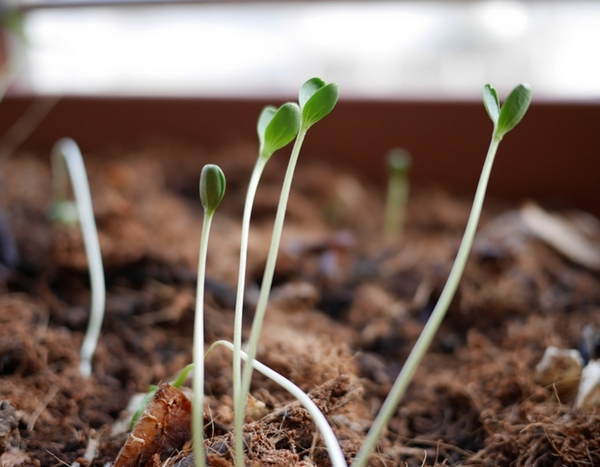
Early cultivation under cover: in March and April, sow your seeds in bunches of two or three in boxes or pots of soil rich in organic matter. Cover lightly and then water to keep the soil slightly moist. Germination is fairly rapid: after ten days or so, thin out the plants by selecting the sturdiest ones, then transplant them into loose soil. Each plant requires a lot of space so space them 1 m apart. Dig 20-25 cm holes in all directions and fill two-thirds with compost. Then position the plant and put the soil back in, firming it down well.
Seasonal cultivation: once there is no risk of frost, i.e. at the end of April or May depending on the region, sow in patches of two to three seeds 2/3 cm deep. Cover lightly, then wait ten days or so for the first shoots to appear. When they have grown to a few centimetres, thin them out and keep only the strongest plants.
Immature courgettes can be harvested as early as July. Squashes are harvested in autumn. A simple way to tell when it's time to harvest is to look at the stalk. If it's dry and the fruit is ready to detach itself, then it's time to harvest.
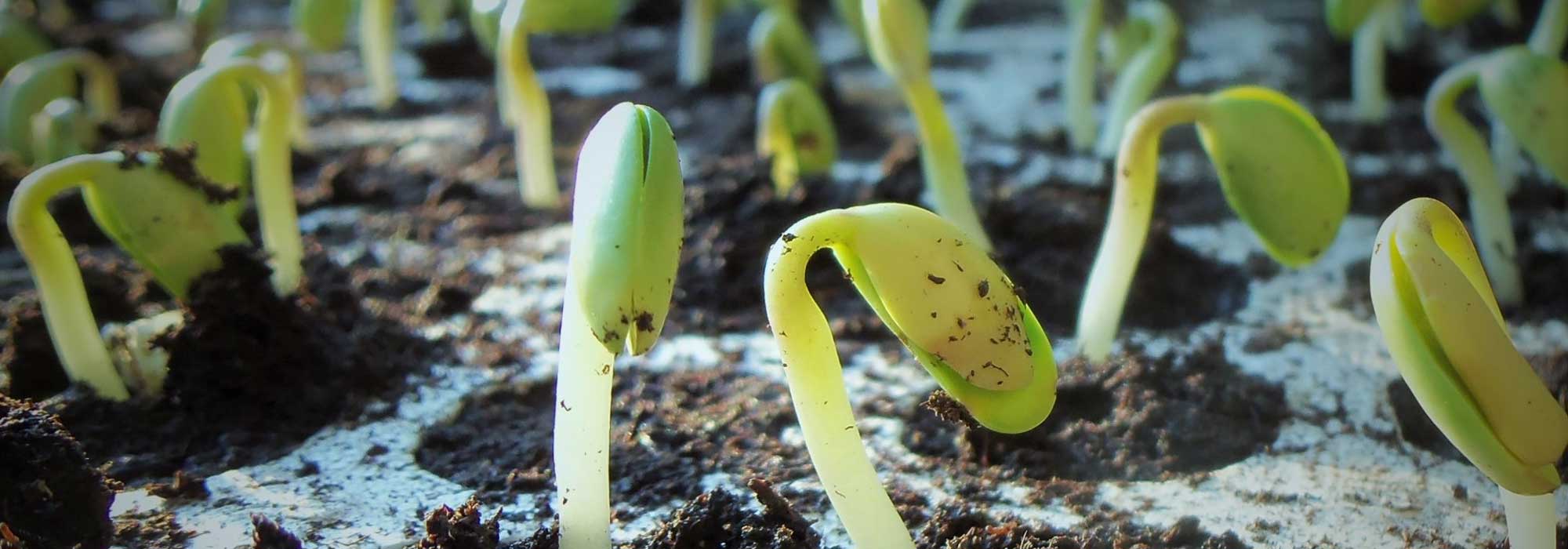
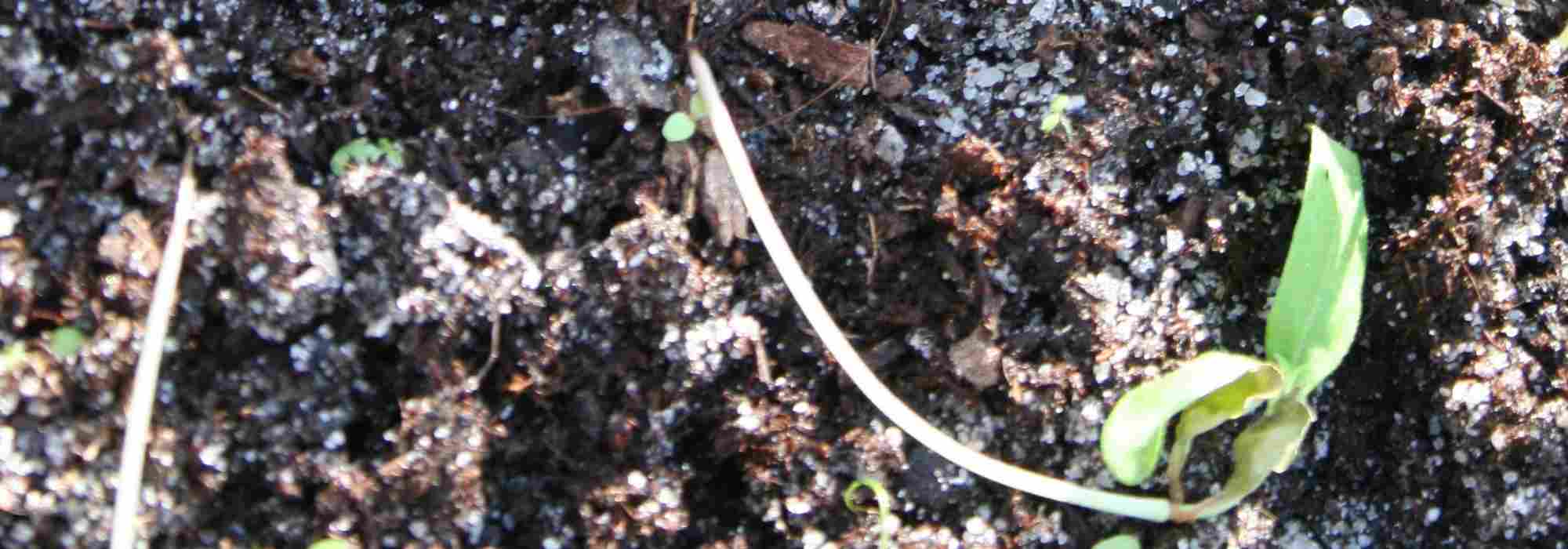
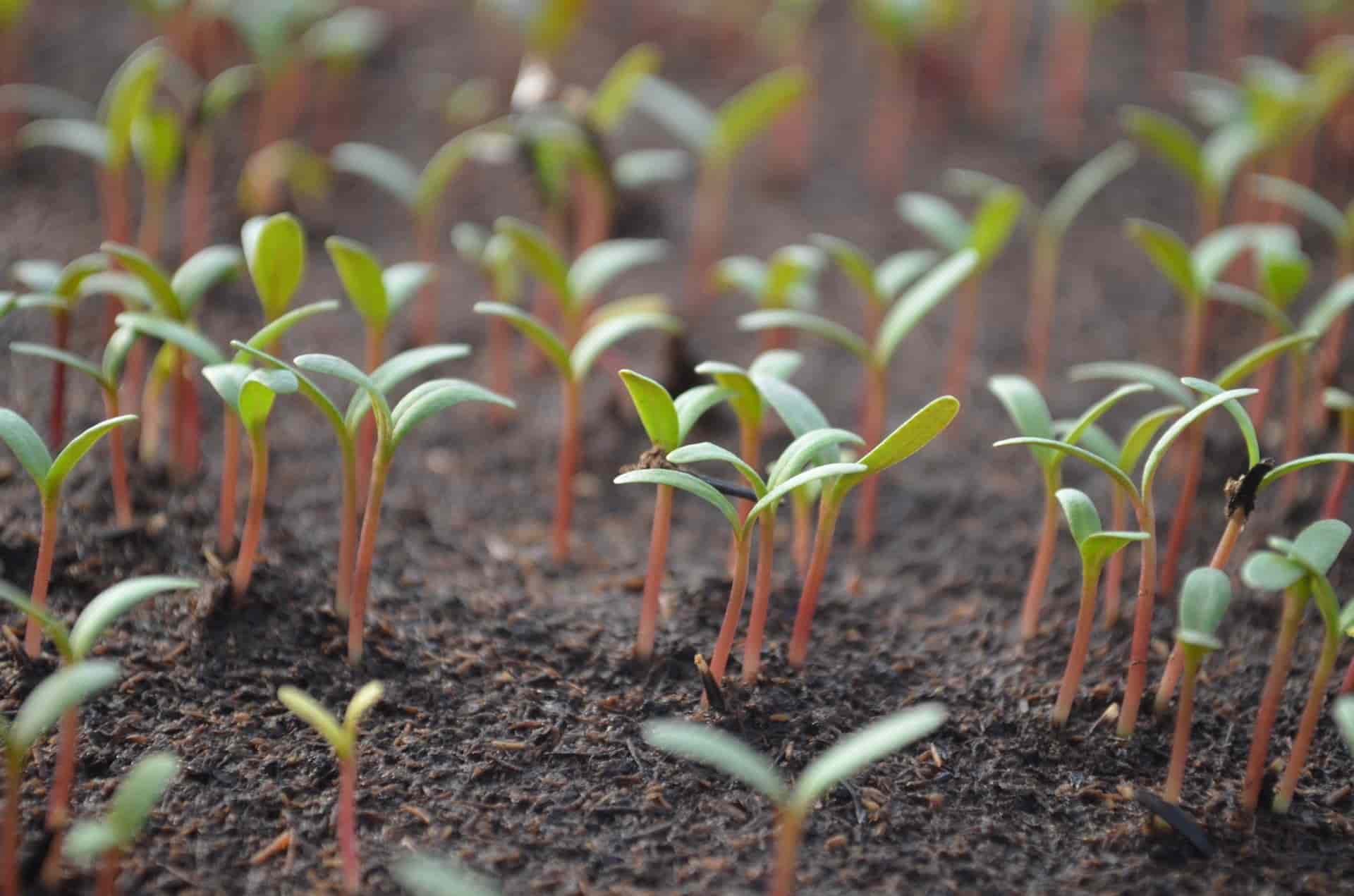
Seedlings
Care
Intended location
Planting & care advice
-

-
-
-
-
-
-
-
-
, onOrder confirmed
Reply from on Promesse de fleurs
Recently viewed products
Haven't found what you were looking for?
Hardiness is the lowest winter temperature a plant can endure without suffering serious damage or even dying. However, hardiness is affected by location (a sheltered area, such as a patio), protection (winter cover) and soil type (hardiness is improved by well-drained soil).
In temperate climates, pruning of spring-flowering shrubs (forsythia, spireas, etc.) should be done just after flowering.
Pruning of summer-flowering shrubs (Indian Lilac, Perovskia, etc.) can be done in winter or spring.
In cold regions as well as with frost-sensitive plants, avoid pruning too early when severe frosts may still occur.
The harvesting period indicated on our website applies to countries and regions in USDA zone 8 (France, England, Ireland, the Netherlands).
In colder areas (Scandinavia, Poland, Austria...) fruit and vegetable harvests are likely to be delayed by 3-4 weeks.
In warmer areas (Italy, Spain, Greece, etc.), harvesting will probably take place earlier, depending on weather conditions.
The sowing periods indicated on our website apply to countries and regions within USDA Zone 8 (France, UK, Ireland, Netherlands).
In colder areas (Scandinavia, Poland, Austria...), delay any outdoor sowing by 3-4 weeks, or sow under glass.
In warmer climes (Italy, Spain, Greece, etc.), bring outdoor sowing forward by a few weeks.
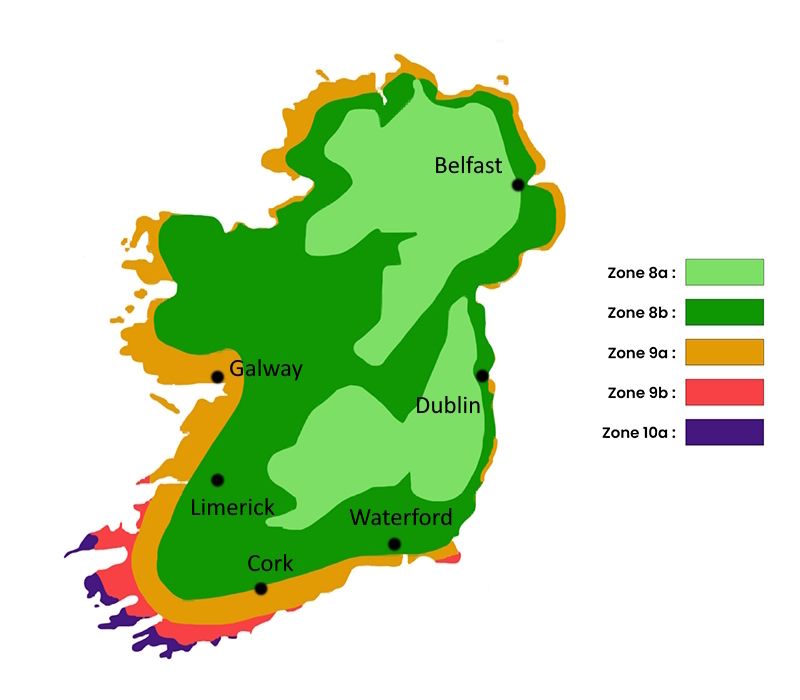
The planting period indicated on our website applies to regions in USDA Zone 9a (East Coast and Midlands: Dublin, Wexford, Waterford, Kilkenny, Portlaoise). It will vary depending on where you live:
- On the west coast and in the north-west (Galway, Limerick, Sligo, Donegal, Westport), delay planting by 1 to 2 weeks in spring and bring it forward by 1 to 2 weeks in autumn compared to the dates given, preferably choosing periods without strong winds.
- In the inland hills and plateaus (Wicklow Mountains, Macgillycuddy’s Reeks, Connemara, Killarney), it is best to plant in spring (April–May) or autumn (September–October), avoiding periods of waterlogged soil in winter and strong winds, which pose the main risk to newly planted trees in these areas.
The flowering period indicated on our website applies to regions in USDA Zone 9a, such as the East Coast and Midlands, including Dublin, Wexford, Waterford, Kilkenny and Portlaoise.
This will vary depending on where you live:
- On the west coast and in the northwest (Galway, Limerick, Sligo, Donegal and Westport), it will be delayed by one to two weeks compared to the given dates, due to stronger Atlantic winds and less spring sunshine.
- In the inland hills and plateaus (the Wicklow Mountains, the Macgillycuddy's Reeks, Connemara and Killarney), flowering will be delayed by two to three weeks. Flowering mainly occurs between May and July, with the limiting factors being less frost and more of the excessive humidity, strong winds and lack of sunshine that are characteristic of these areas.
Shipping country and language
Your country of residence may be:
Your country of residence is:
For a better user experience on our website, you can select:
Your shipping country:
-
 Austria
-
 Belgium
-
 Bosnia & Herzegovina
-
 Bulgaria
-
 Croatia
-
 Cyprus
-
 Czechia
-
 Denmark
-
 Estonia
-
 Finland
-
 France
-
 Germany
-
 Greece
-
 Hungary
-
 Iceland
-
 Ireland
-
 Italy
Italy
-
 Latvia
-
 Liechtenstein
-
 Lithuania
-
 Luxembourg
-
 Malta
Malta
-
 Netherlands
-
 Poland
-
 Portugal
-
 Romania
-
 Serbia
-
 Slovakia
-
 Slovenia
-
 Spain
Spain
-
 Sweden
-
 Switzerland
Language:
-
French
-
 English
-
Spanish
-
Italian
-
German
-
Portuguese
-
Dutch
-
Finnish
My Account
Hello
My wish lists
My cart
Log in / Register
Existing customer?
This form is protected by reCAPTCHA - the Google Privacy Policy and Terms of Service apply.
New customer?
Create an account to track your orders, access our customer service and, if you wish, make the most of our upcoming offers.