Meadow Salsify - Tragopogon pratensis
Meadow Salsify - Tragopogon pratensis
Tragopogon pratensis
Meadow Goat's-beard, Jack-go-to-bed-at-noon, Meadow Salsify
Back-to-school special offer!
Get €10 off for every €50 you spend! And get up to €40 off on a single order.
How does it work?
1. Shop your favourites
Add your favourite plants to your basket. For every €50 you spend (excluding delivery charges, store credit and the plastic-free option), you’ll receive a €10 voucher.
€50 spent = €10 voucher
€100 spent = €20 voucher
€150 spent = €30 voucher
€200 spent = €40 voucher
2. Place your order
Once your basket reaches one of the spending thresholds, place your order. You can even choose your delivery date!
3. Receive your voucher
As soon as your order has been shipped, you’ll receive an email containing your personal voucher code and its value.
4. Use it on your next order
Your voucher is valid for 90 days from the date you receive it. It can be used once only, on a new order worth at least the value of the voucher, excluding delivery charges.
Please note: Vouchers can be combined with other offers, but cannot be split or refunded.
Why not try an alternative variety in stock?
View all →
Available in 1 sizes
Available in 1 sizes

Available in 1 sizes

Available in 1 sizes
Available in 1 sizes

Available in 1 sizes
Available in 1 sizes
Available in 0 sizes

Available in 1 sizes
Available in 1 sizes
This plant carries a 6 months recovery warranty
More information
We guarantee the quality of our plants for a full growing cycle, and will replace at our expense any plant that fails to recover under normal climatic and planting conditions.
Description
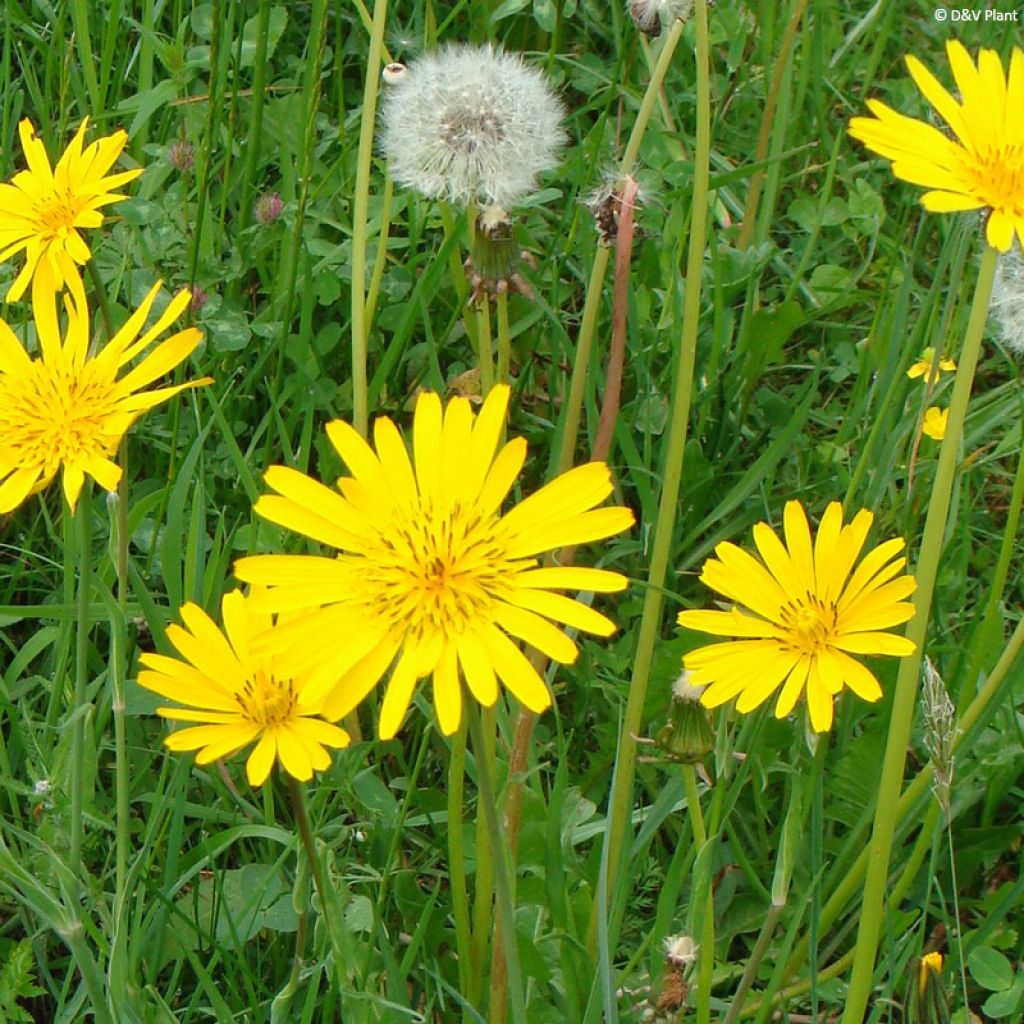
The Meadow Salsify, in Latin Tragopogon pratensis, is a biennial plant common in meadows that can be found all over France. In the past, its long edible root was consumed once cooked. Commonly known as Goat's Beard, it is one of the ancient and forgotten vegetables, as its cultivated cousin cultivated salsify and especially black salsify with black roots have largely replaced it in food crops. The root of meadow salsify is enjoyed cooked, au gratin, sliced with mayonnaise, in béchamel, or as an accompaniment to meats or fish. It is planted in spring for harvest in autumn.
Meadow salsify belongs to the family of Asteraceae. It is a widespread botanical species throughout Europe and Asia Minor. It is not uncommon to find it in meadows and fields where it grows without any assistance or maintenance. The plant can reach a height of 80 cm (32in), on average 60 cm (24in). In the first year, it produces leaves and stores reserves in its root. It flowers in the second year and then dies. Its leaves resemble those of leeks, they are narrow and end in a twisted point. These leaves contain a white latex, which distinguishes this salsify from other wild plants. Flowering, which takes place from May to July depending on the region, consists of inflorescences in small heads surrounded by long green bracts, grouping together golden yellow flowers. The flowers only open in the morning, in the sun. After pollination, characteristic fruits called achenes form, topped with a tuft, forming a ball of white bristles similar to that of a dandelion. The wind disperses the seeds, which easily self-sow.
Meadow salsify is sometimes parasitized in the wild. It can be subject to the disease of smut, and a small fly can lay eggs in its root, making it unfit for consumption.
The salsify root has a slightly sweet flavor, vaguely reminiscent of artichoke, which you will enjoy freshly harvested from the garden. It can be prepared in multiple ways: children generally enjoy it with béchamel sauce, but it can also be eaten cold with a cream-based sauce. Its young leaves can also be consumed, they are excellent fresh in salads. The flower buds are picked when they are tender and still tightly closed; they are delicious raw or cooked like asparagus.
Salsify is a very good source of fiber and minerals, it contains inulin, a non-digestible sugar, and its caloric value is low.
In the garden, meadow salsify thrives in sunny, fairly rich, deep, and well-tilled soil, even limestone.
Harvesting the roots: it is generally done in autumn, as needed (they can be stored in the ground), by digging them up with a spade. They should be harvested at the end of the first year, before the plant develops its flowering stem.
Storage: Salsify can be stored for a few days in a cool place, wrapped in paper towels. They can be frozen after being blanched for a few minutes in boiling water. They can also be kept in a cellar for a few months, buried in sand.
Gardener's tip: Perform regular weeding and hoeing and cut off the flowering stems as soon as they appear.
Report an error about the product description
Harvest
Plant habit
Foliage
Planting and care
The salsify enjoys the sun in fairly rich, slightly moist, deep and well-tilled soil.
Maintenance
Weed and water regularly.
To sow salsify:
The seeds should be sown thinly in well-prepared soil, with rows spaced 25 cm (10in) apart. It is advisable to cover the seeds with half a centimetre of compost or fine soil. Gently press down with the back of a rake and water with a fine spray. Keep sufficiently moist until germination, which can take 20 days. To improve germination, you can cover your sowings with a light grass mulch that you will remove after complete germination.
Cultivation
Care
Intended location
Planting & care advice
-
-

-
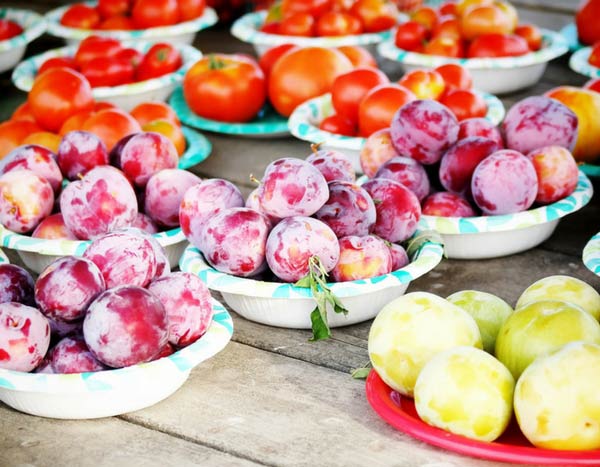
-

-
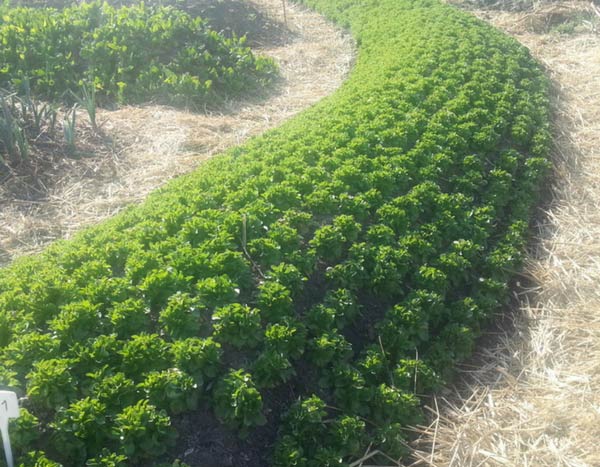
-
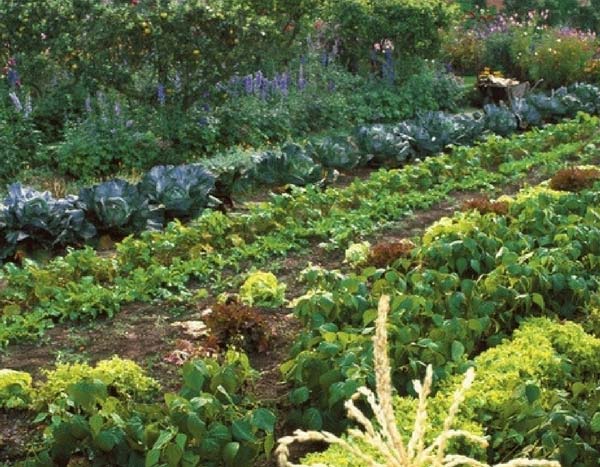
-
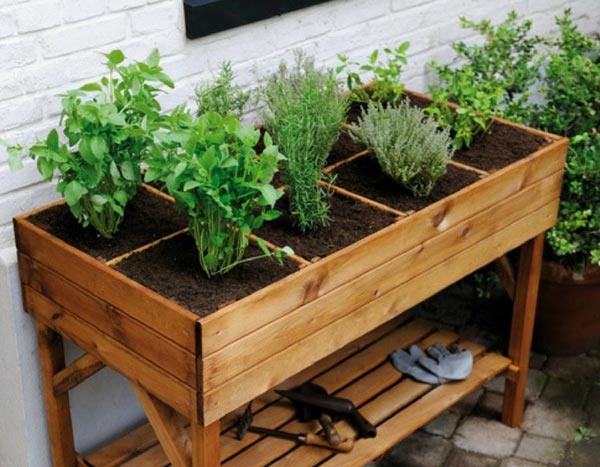
-
This item has not been reviewed yet - be the first to leave a review about it.
Recently viewed products
Haven't found what you were looking for?
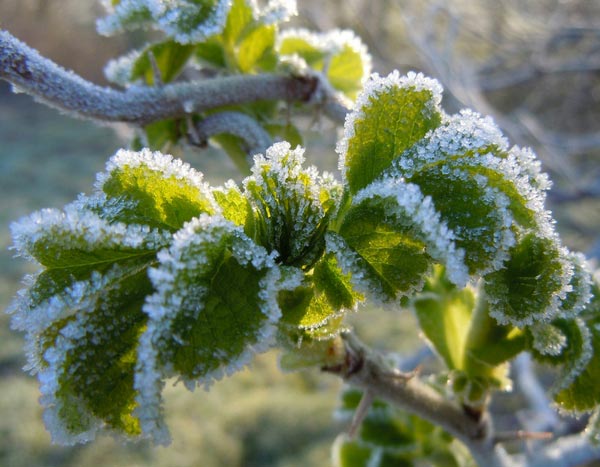
Hardiness is the lowest winter temperature a plant can endure without suffering serious damage or even dying. However, hardiness is affected by location (a sheltered area, such as a patio), protection (winter cover) and soil type (hardiness is improved by well-drained soil).
In temperate climates, pruning of spring-flowering shrubs (forsythia, spireas, etc.) should be done just after flowering.
Pruning of summer-flowering shrubs (Indian Lilac, Perovskia, etc.) can be done in winter or spring.
In cold regions as well as with frost-sensitive plants, avoid pruning too early when severe frosts may still occur.
The harvesting period indicated on our website applies to countries and regions in USDA zone 8 (France, England, Ireland, the Netherlands).
In colder areas (Scandinavia, Poland, Austria...) fruit and vegetable harvests are likely to be delayed by 3-4 weeks.
In warmer areas (Italy, Spain, Greece, etc.), harvesting will probably take place earlier, depending on weather conditions.
The sowing periods indicated on our website apply to countries and regions within USDA Zone 8 (France, UK, Ireland, Netherlands).
In colder areas (Scandinavia, Poland, Austria...), delay any outdoor sowing by 3-4 weeks, or sow under glass.
In warmer climes (Italy, Spain, Greece, etc.), bring outdoor sowing forward by a few weeks.
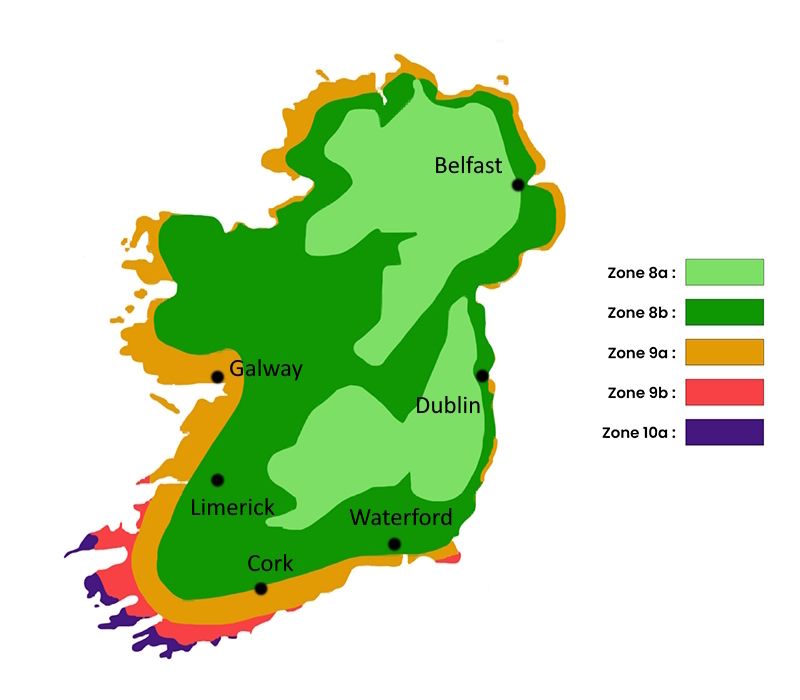
The planting period indicated on our website applies to regions in USDA Zone 9a (East Coast and Midlands: Dublin, Wexford, Waterford, Kilkenny, Portlaoise). It will vary depending on where you live:
- On the west coast and in the north-west (Galway, Limerick, Sligo, Donegal, Westport), delay planting by 1 to 2 weeks in spring and bring it forward by 1 to 2 weeks in autumn compared to the dates given, preferably choosing periods without strong winds.
- In the inland hills and plateaus (Wicklow Mountains, Macgillycuddy’s Reeks, Connemara, Killarney), it is best to plant in spring (April–May) or autumn (September–October), avoiding periods of waterlogged soil in winter and strong winds, which pose the main risk to newly planted trees in these areas.
The flowering period indicated on our website applies to regions in USDA Zone 9a, such as the East Coast and Midlands, including Dublin, Wexford, Waterford, Kilkenny and Portlaoise.
This will vary depending on where you live:
- On the west coast and in the northwest (Galway, Limerick, Sligo, Donegal and Westport), it will be delayed by one to two weeks compared to the given dates, due to stronger Atlantic winds and less spring sunshine.
- In the inland hills and plateaus (the Wicklow Mountains, the Macgillycuddy's Reeks, Connemara and Killarney), flowering will be delayed by two to three weeks. Flowering mainly occurs between May and July, with the limiting factors being less frost and more of the excessive humidity, strong winds and lack of sunshine that are characteristic of these areas.
Shipping country and language
Your country of residence may be:
Your country of residence is:
For a better user experience on our website, you can select:
Your shipping country:
-
 Austria
-
 Belgium
-
 Bosnia & Herzegovina
-
 Bulgaria
-
 Croatia
-
 Cyprus
-
 Czechia
-
 Denmark
-
 Estonia
-
 Finland
-
 France
-
 Germany
-
 Greece
-
 Hungary
-
 Iceland
-
 Ireland
-
 Italy
Italy
-
 Latvia
-
 Liechtenstein
-
 Lithuania
-
 Luxembourg
-
 Malta
Malta
-
 Netherlands
-
 Poland
-
 Portugal
-
 Romania
-
 Serbia
-
 Slovakia
-
 Slovenia
-
 Spain
Spain
-
 Sweden
-
 Switzerland
Language:
-
French
-
 English
-
Spanish
-
Italian
-
German
-
Portuguese
-
Dutch
-
Finnish
My Account
Hello
My wish lists
My cart
Log in / Register
Existing customer?
This form is protected by reCAPTCHA - the Google Privacy Policy and Terms of Service apply.
New customer?
Create an account to track your orders, access our customer service and, if you wish, make the most of our upcoming offers.