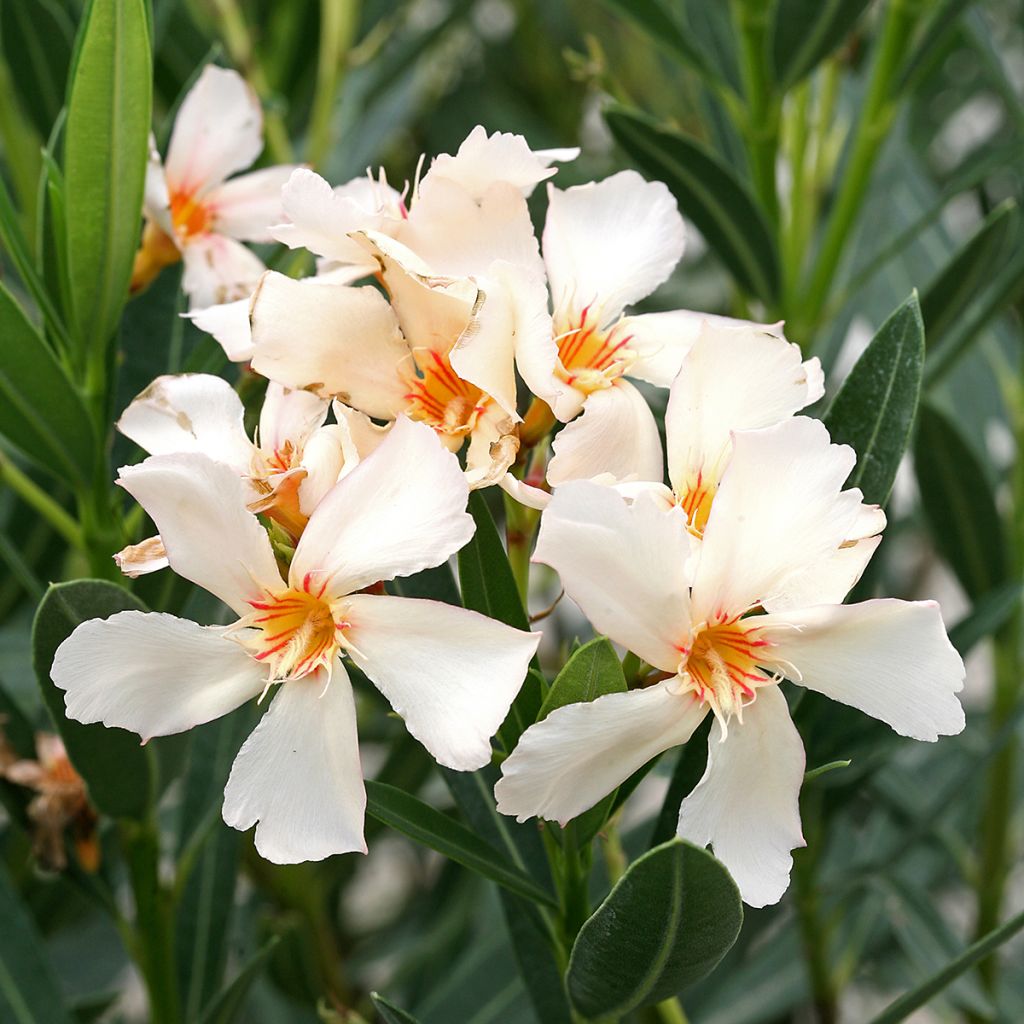
Nerium oleander Angiolo Pucci
Nerium oleander Angiolo Pucci
Nerium oleander Angiolo Pucci
Oleander, Rose Bay
Beautiful bushes, planted in pots on a terrace in spring. Very floriferous. Delighted with my purchase.
Fanfan, 24/10/2024
Back-to-school special offer!
Get €10 off for every €50 you spend! And get up to €40 off on a single order.
How does it work?
1. Shop your favourites
Add your favourite plants to your basket. For every €50 you spend (excluding delivery charges, store credit and the plastic-free option), you’ll receive a €10 voucher.
€50 spent = €10 voucher
€100 spent = €20 voucher
€150 spent = €30 voucher
€200 spent = €40 voucher
2. Place your order
Once your basket reaches one of the spending thresholds, place your order. You can even choose your delivery date!
3. Receive your voucher
As soon as your order has been shipped, you’ll receive an email containing your personal voucher code and its value.
4. Use it on your next order
Your voucher is valid for 90 days from the date you receive it. It can be used once only, on a new order worth at least the value of the voucher, excluding delivery charges.
Please note: Vouchers can be combined with other offers, but cannot be split or refunded.
Why not try an alternative variety in stock?
View all →
Available in 4 sizes
Available in 4 sizes

Available in 4 sizes
Available in 1 sizes
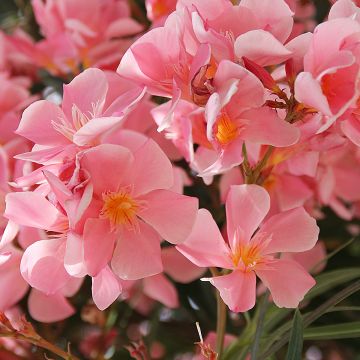
Available in 4 sizes
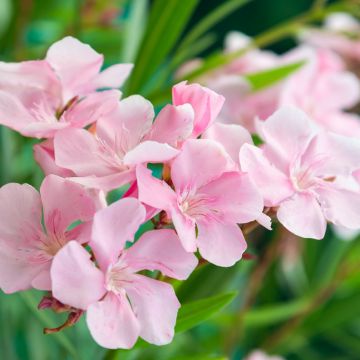
Available in 1 sizes
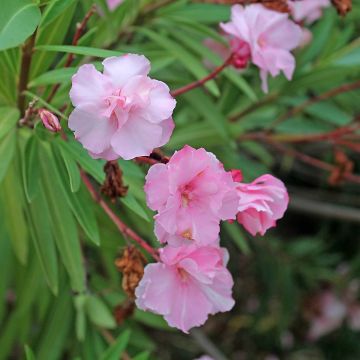
Available in 2 sizes
This plant carries a 24 months recovery warranty
More information
We guarantee the quality of our plants for a full growing cycle, and will replace at our expense any plant that fails to recover under normal climatic and planting conditions.

Does this plant fit my garden?
Set up your Plantfit profile →
Description
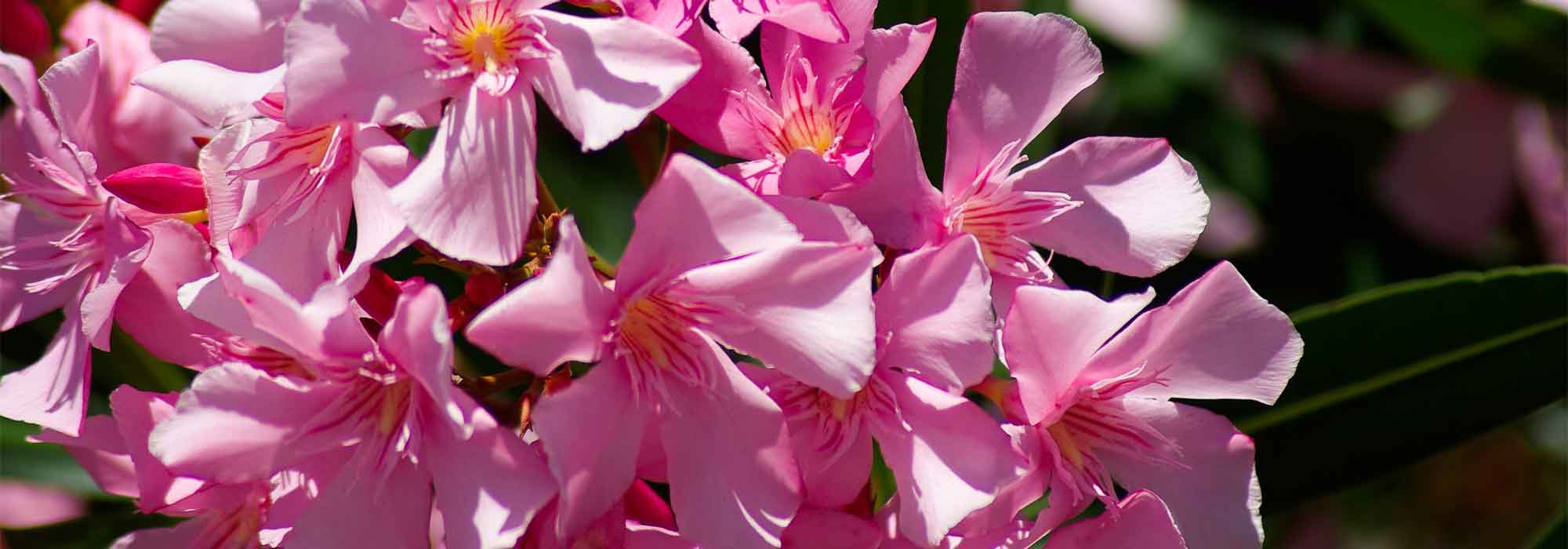
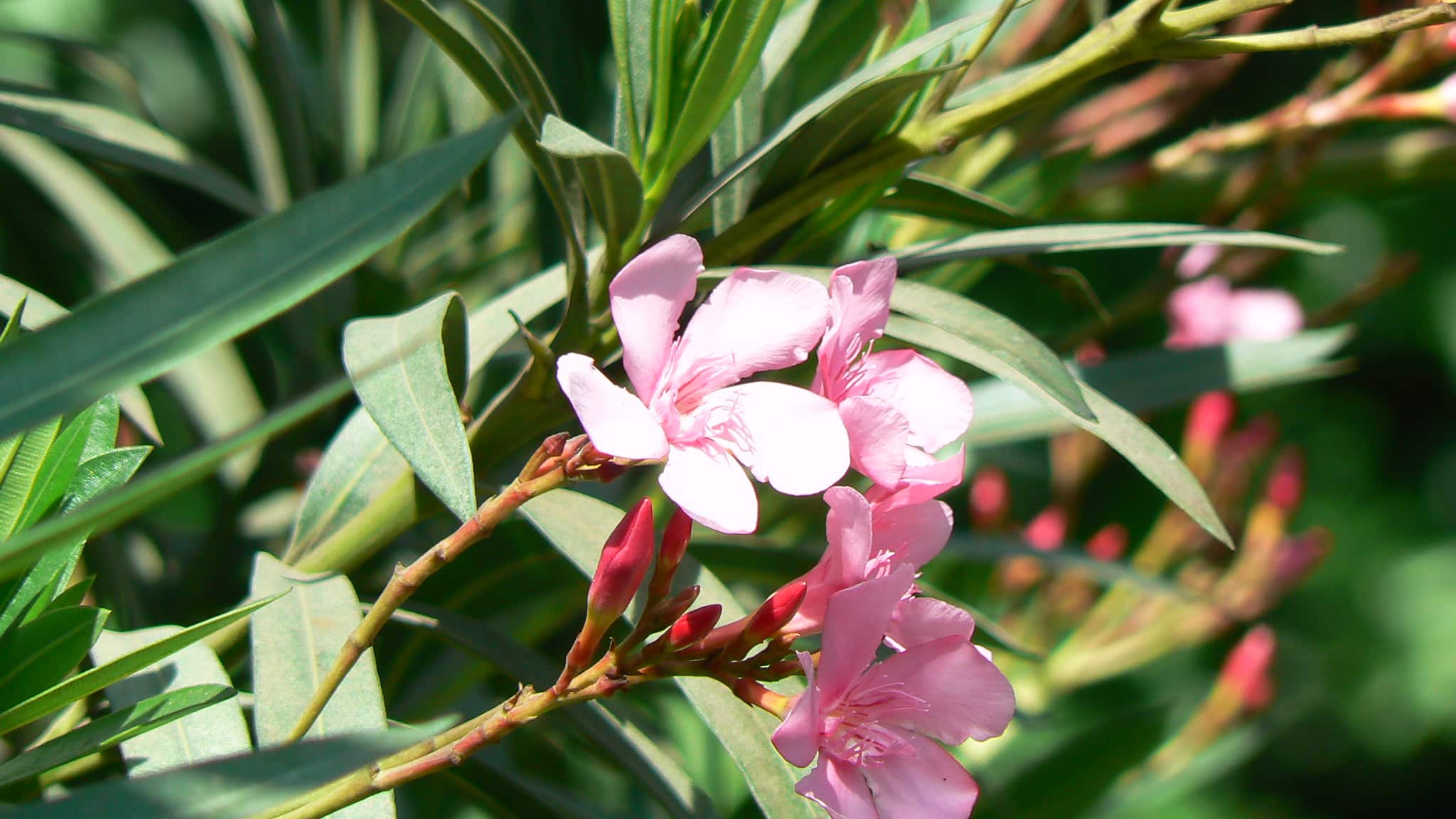
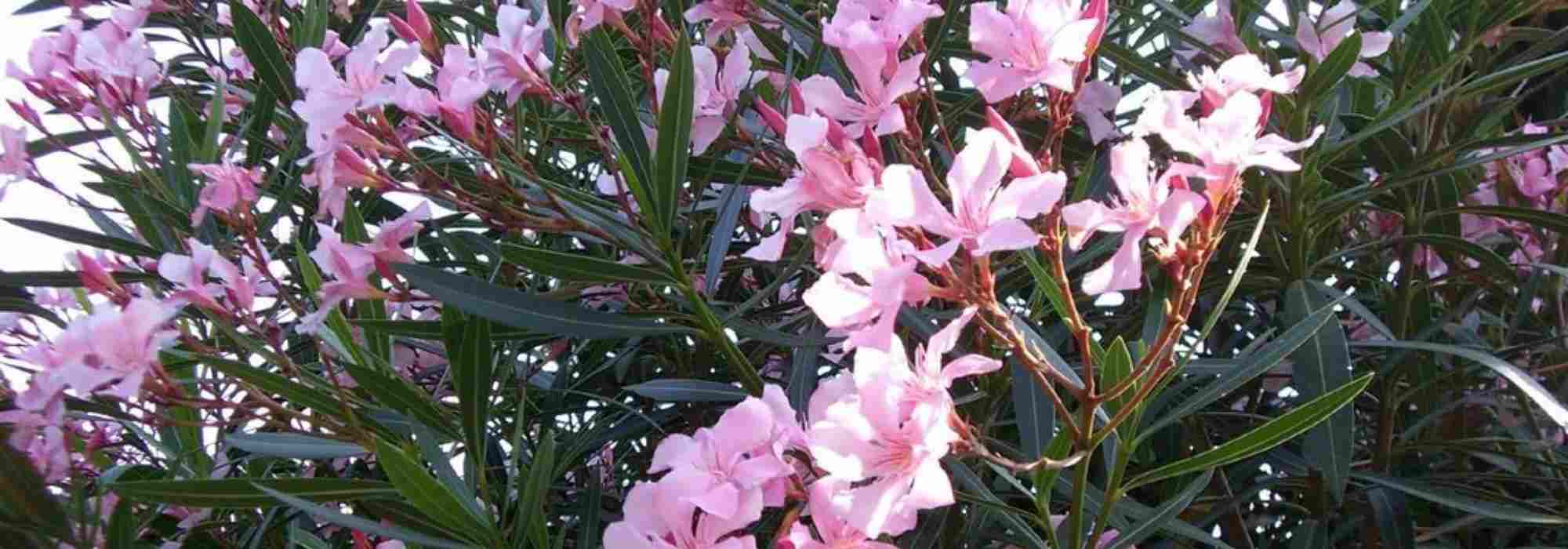
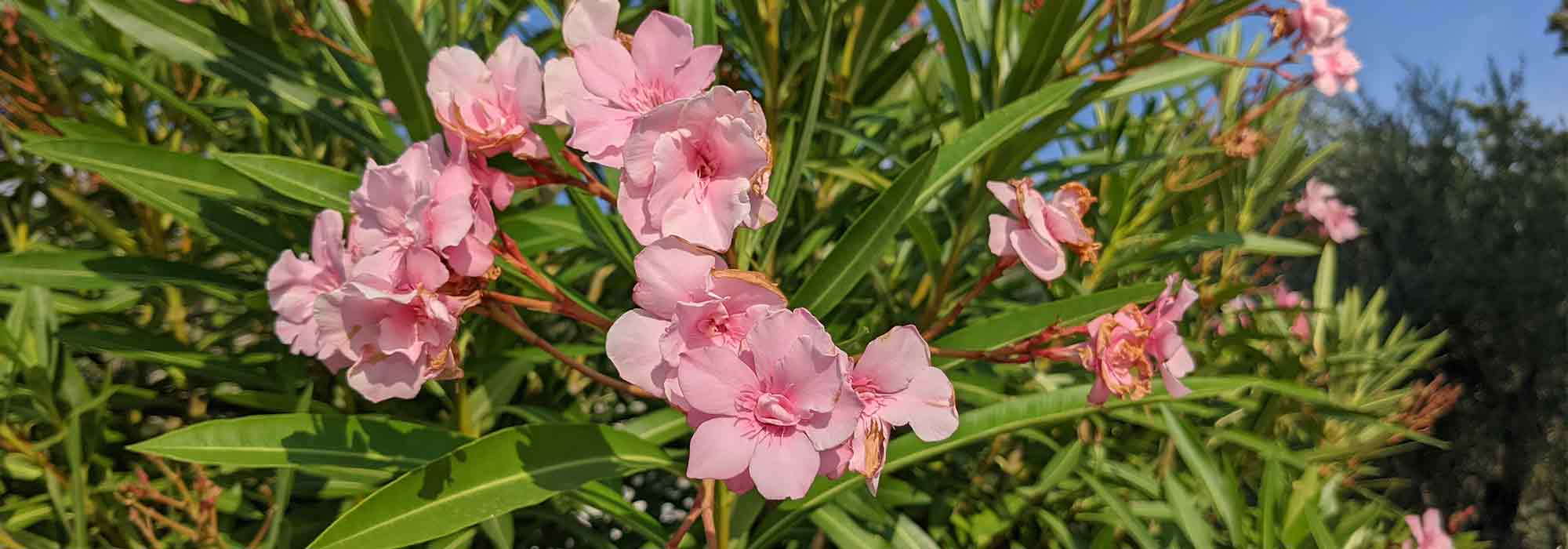
Oleander 'Angiolo Pucci' is a descendant of Nerium oleander, a vigorous evergreen bush emblematic of Mediterranean gardens. This variety, particularly floriferous and very compact, blooms in single flowers of a bright ivory yellow, continuously from June to October if the soil remains moist. They are grouped in generous clusters, highlighted by elegant dark green foliage, attractive even outside of the flowering period. Undemanding, easy to grow in any well-drained soil, resistant to sea spray as well as drought, its only weak point is its mediocre hardiness, particularly during its first years. Cultivation in the ground should be reserved for regions that do not experience very cold winters. This variety generally does not exceed 1.50 m (5 ft) in height at maturity. As such it is perfect for pot cultivation on a terrace or balcony, or in a small garden, to be stored over winter in colder regions. It can also be used to compose compact and colourful hedges.
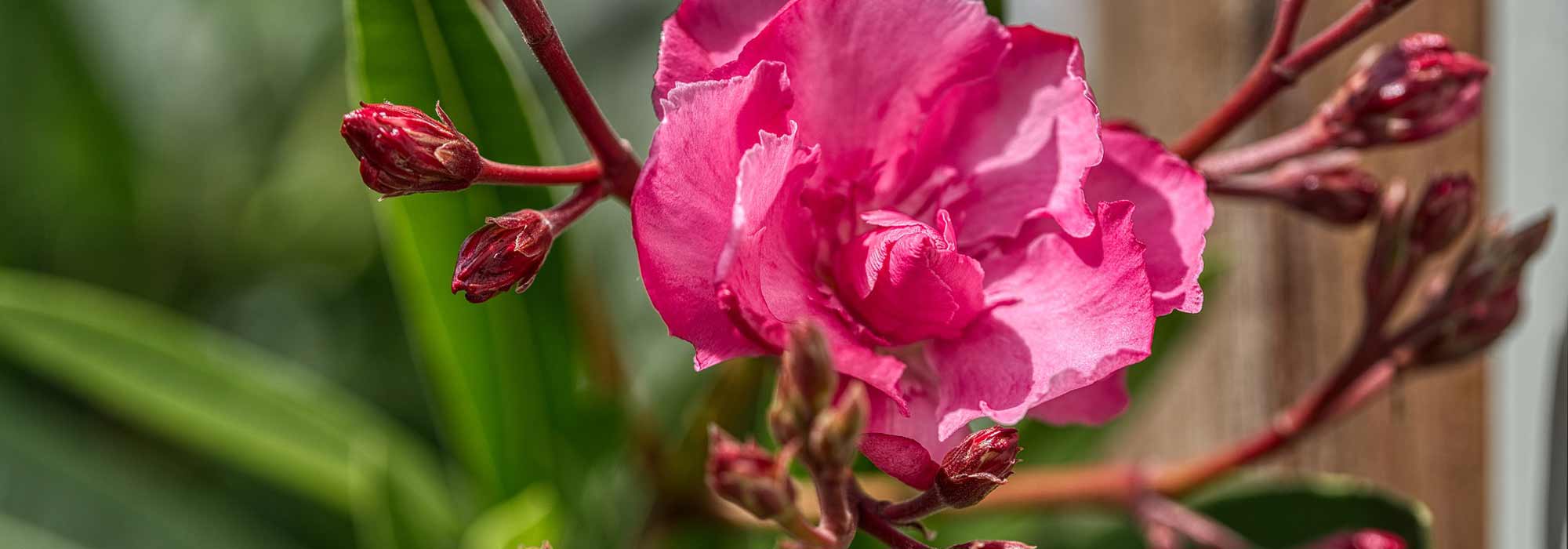
The numerous oleander cultivars available on the horticultural market are most often hybrids between Nerium oleander subsp. oleander, which are spontaneous around the Mediterranean, and Nerium oleander subsp. indicum, very fragrant, spontaneous from Iran to China. Their flowers are single, double, or even triple and encompass an almost infinite palette of tones, from white to pink through yellow and salmon, red, and even purple. Only the blue hue is absent.
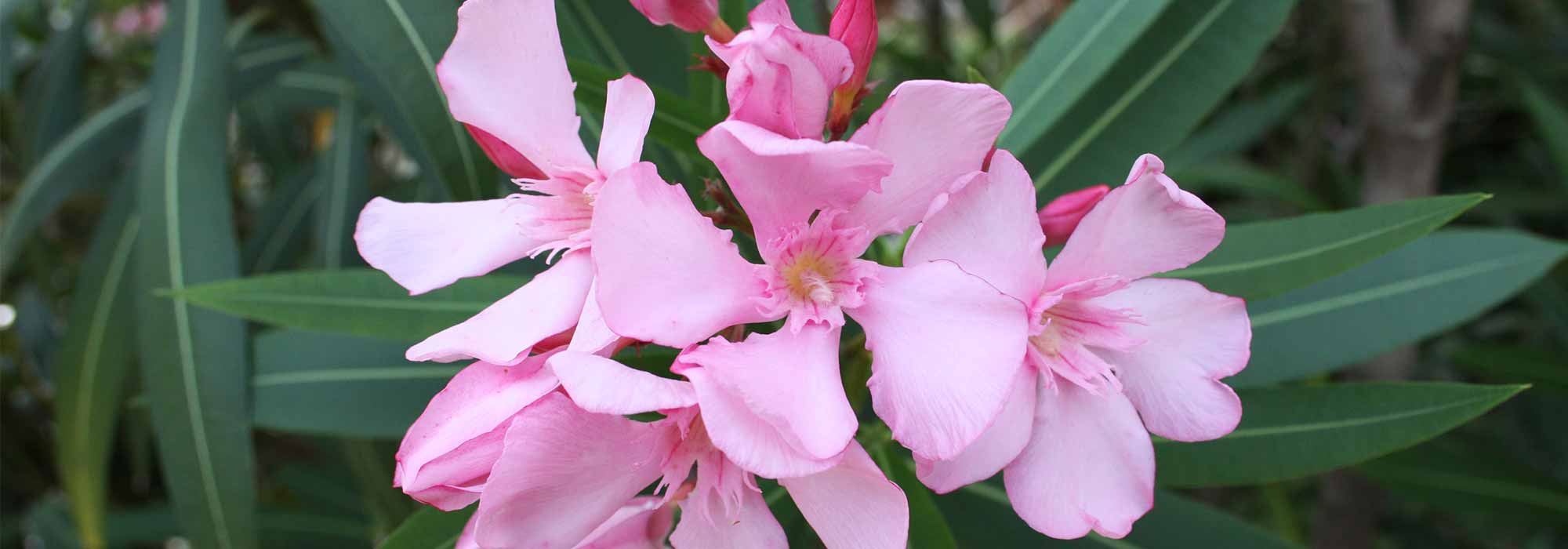
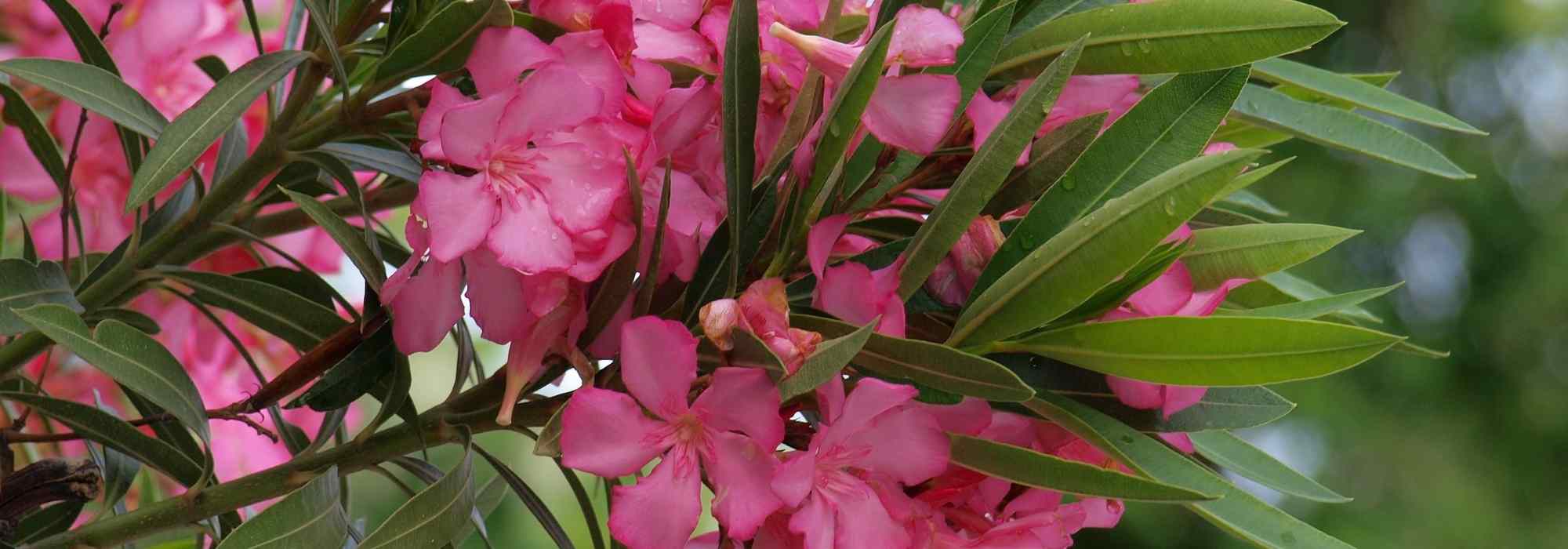
Nerium oleander is an evergreen bush of the Apocynaceae family, like periwinkles or false jasmine (Trachelospermum jasminoides). 'Angiolo Pucci' is naturally dense and bushy, branching near the base, multi-stemmed, with a generally rounded habit. Vigorous, it will reach on average 1 m 50 (5 ft) in height and 1 m (3 ft) in spread at maturity, with rapid growth. Its flexible branches, covered with grey bark, bear long evergreen leaves, thick and leathery, a little bluish with a lighter underside. They measure 10 to 15cm (4 to 6 in) in length and 3cm (1.2 in) in width. In case of intense drought, Nerium loses some of its oldest leaves, those that are towards the base of the stems. Flowering takes place in spring and then again from the end of summer to autumn, or continuously from spring to autumn for 4 to 5 months in the right climate, in moist soil. The flowers are composed of a tube flaring into 5 petals, ivory yellow with a golden yellow throat, alongside thin and turbinate buds. They are grouped in corymbs, mainly at the terminal part of branches aged 1 or 2 years. This flowering, nectar-rich and honey producing, is followed by the formation of long reddish pods which burst when ripe, releasing a multitude of small seeds provided with a tuft of white bristles, to be disseminated by the wind. Be careful not to prune the oleander too severely: only the stems that have reached a certain length bear flowers!
Symbol of resistance and generosity, Nerium oleander is an excellent hedge plant by the sea, but also a magnificent standalone specimen to plant in a warm site. Hardy down to -8/-10°C (17.6/14 °F) once well established, it will grow without problem in any ordinary but well-drained soil. It can also be used as a hedge, regularly pruned and combined with other evergreen bushes such as Laurustinus, Elaeagnus ebbingei, Mexican Orange, myrtles, Pittosporum tobira or Grevillea. In mild climates it can be trained as a small tree, initially selecting the best stem and bringing that up to 1m50 or 2m (5 to 7 ft) from the ground before letting it branch out. Subjects trained thus are particularly ornamental but do require very mild winters that will not risk needing to cut them back to the ground: you don't want to see several years of work destroyed by frost in a few hours! On the terrace it will reign supreme in a large pot, in the company of citrus trees, Grevillea and oleanders. This method of cultivation allows the tree to be stored in a very bright, fresh but frost-free room over winter in very cold regions.
The genus name, Nerium, may come from the ancient Greek Nerion, derived from Nereus, a sea god of Greek mythology. Another interpretation would relate Nerium to neros, which means wet in Greek. The liquid element underlying both these interpretations is probably explained by the fact that wild oleander never grows very far from water. Its long roots anchor deeply in the soil to draw moisture, including on the sides of gorges or in the bed of dried-up rivers. Proving its incredible resistance to drought, in arid regions like the Negev in Israel or the south of the Moroccan Ante-Atlas, Nerium oleander is one of the only bushes (along with Acacia and Retama, a kind of broom) capable of surviving in the desert, anchored in the walls of ravines.
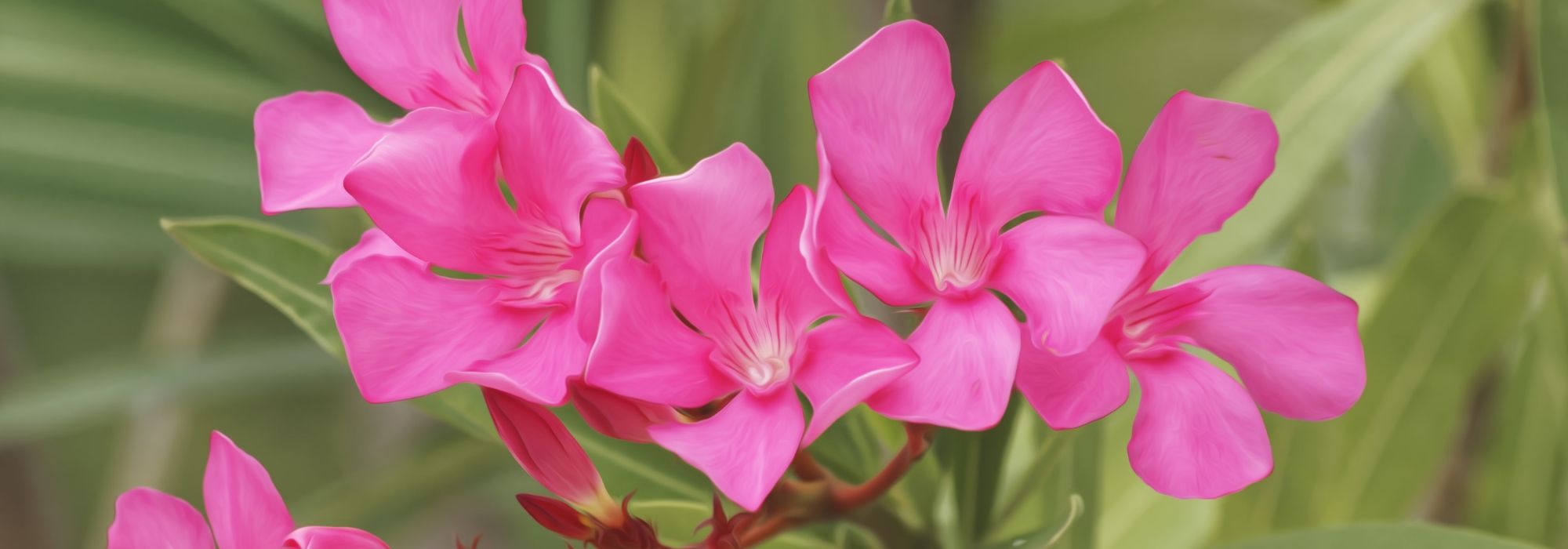
Nerium oleander Angiolo Pucci in pictures
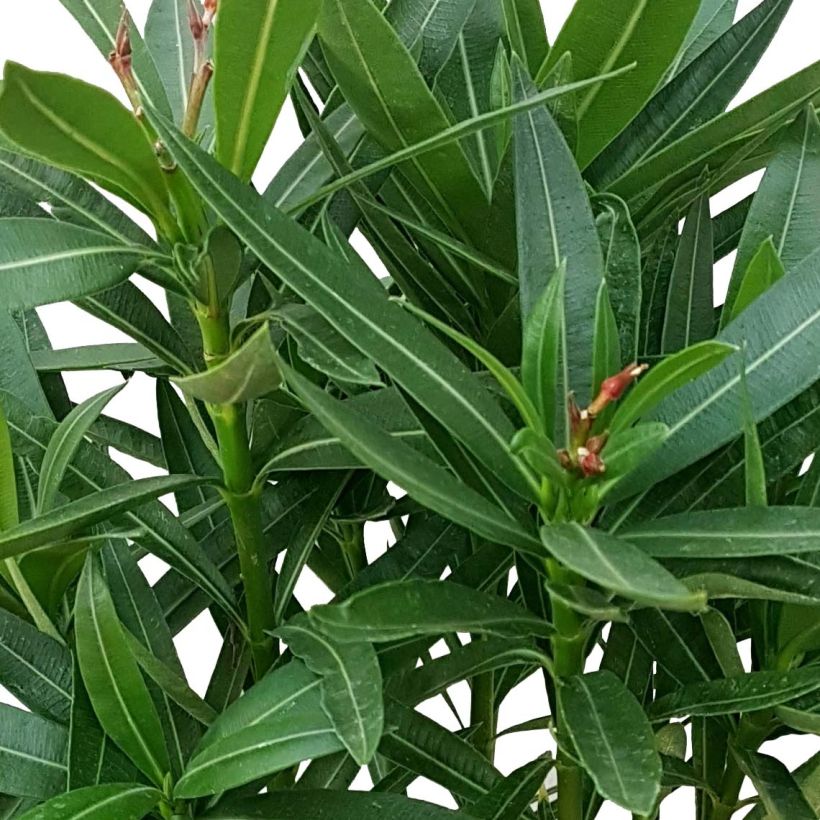
Plant habit
Flowering
Foliage
Safety measures
Botanical data
Nerium
oleander
Angiolo Pucci
Apocynaceae
Oleander, Rose Bay
Cultivar or hybrid
ingestion
Cette plante est toxique si elle est ingérée volontairement ou involontairement.
Ne la plantez pas là où de jeunes enfants peuvent évoluer, et lavez-vous les mains après l'avoir manipulée.
Pensez à conserver l'étiquette de la plante, à la photographier ou à noter son nom, afin de faciliter le travail des professionnels de santé.
Davantage d'informations sur https://plantes-risque.info
Planting and care
In cool regions we advise planting oleander in spring once the risk of frost has passed, but preferably in early autumn in hot and dry climates. Install it in a very sunny and sheltered site, or in partial shade in a hot climate, in deep, well-drained soil; it can tolerate limestone and being exposed to brackish water. Grown in the shade it will be much less floriferous and its habit will be more leggy and less bushy. Although it resists drought very well and tolerates arid situations, it will only fully develop and flower abundantly in soil that is sufficiently moist at depth. It resists sea spray very well. Monitor moisture levels in summer for the first two years. It will appreciate the addition of compost and a thick layer of dead leaves, especially during the first two winters in regions at the limit of its hardiness. Water should be applied around the foot of the plant, never on the foliage.
Pruning oleander requires some precautions: the bush only flowers on young branches that have reached a certain length (generally stems less than 1 year old, not too short). It is therefore necessary not to cut back all the branches in the same year, or you will be deprived of flowers for the whole season. When necessary, pruning should be done in early spring. To form the Nerium on a trunk, you should choose the best stem on the young plant, stake it, and remove all the others at ground level. During the first few years any secondary branches that emerge from this 'trunk' at less than 1m to 1m50 (3 to 5 ft) from the ground should be systematically removed. The crown will then be treated according to the method outlined above.
Nerium is often prey to scale insects, causing the appearance of sooty mould on the leaves. Thin out and aerate the branches and possibly treat with copper (Bordeaux mixture) in the spring. If the infestation is drastic, cut your oleander down to 10-20 cm (4 to 8 in) from the ground: its ability to regenerate from the stump is impressive and the bush will regain its beautiful appearance in a short time. Aphids can also settle on the flower buds: treat in the evening with a pyrethrin-based insecticide.
The oleander is also famous for the toxicity of its sap. It is worth noting that this has such a bitter and harsh taste that people are not likely to ingest a sufficient amount for it to be lethal. Most accidents arise from confusion between oleander and bay laurel in cooking (though only the bay laurel has its distinctive aroma), or from the use of branches as BBQ skewers.
Propagation is by cuttings from the current year's shoots, just after flowering or in early summer. A stem placed in water very easily produces fragile white roots: when planting, into a pot filled with light potting compost, take precautions so as not to break them. Wean the cutting off water gradually, going from a water-saturated substrate to a potting soil that is just kept moist. Transplant into open ground the following spring, or at the end of the following summer in a mild climate.
Planting period
Intended location
Care
Planting & care advice
-
-
-

-
-
-
-
-
-
, onOrder confirmed
Reply from on Promesse de fleurs
Recently viewed products
Haven't found what you were looking for?
Hardiness is the lowest winter temperature a plant can endure without suffering serious damage or even dying. However, hardiness is affected by location (a sheltered area, such as a patio), protection (winter cover) and soil type (hardiness is improved by well-drained soil).
In temperate climates, pruning of spring-flowering shrubs (forsythia, spireas, etc.) should be done just after flowering.
Pruning of summer-flowering shrubs (Indian Lilac, Perovskia, etc.) can be done in winter or spring.
In cold regions as well as with frost-sensitive plants, avoid pruning too early when severe frosts may still occur.
The harvesting period indicated on our website applies to countries and regions in USDA zone 8 (France, England, Ireland, the Netherlands).
In colder areas (Scandinavia, Poland, Austria...) fruit and vegetable harvests are likely to be delayed by 3-4 weeks.
In warmer areas (Italy, Spain, Greece, etc.), harvesting will probably take place earlier, depending on weather conditions.
The sowing periods indicated on our website apply to countries and regions within USDA Zone 8 (France, UK, Ireland, Netherlands).
In colder areas (Scandinavia, Poland, Austria...), delay any outdoor sowing by 3-4 weeks, or sow under glass.
In warmer climes (Italy, Spain, Greece, etc.), bring outdoor sowing forward by a few weeks.
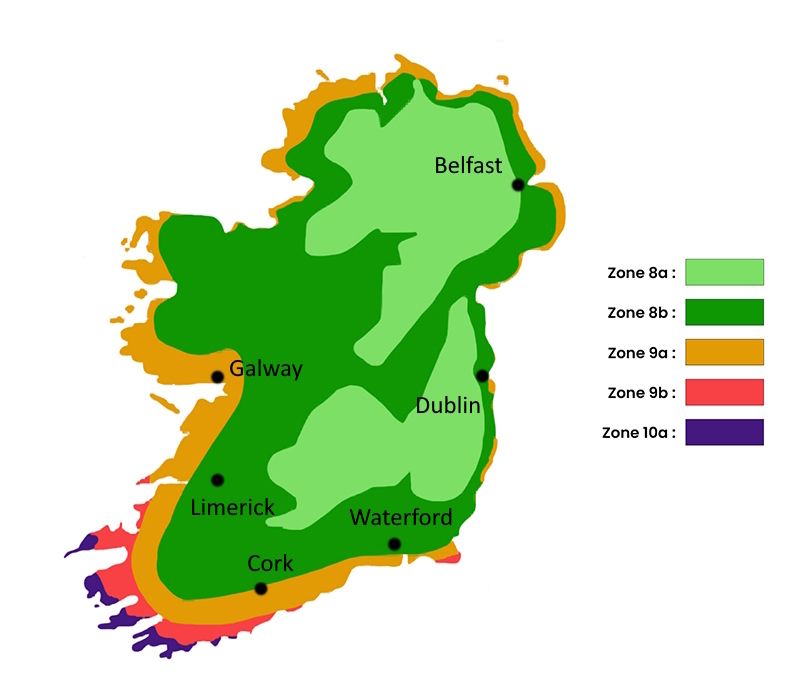
The planting period indicated on our website applies to regions in USDA Zone 9a (East Coast and Midlands: Dublin, Wexford, Waterford, Kilkenny, Portlaoise). It will vary depending on where you live:
- On the west coast and in the north-west (Galway, Limerick, Sligo, Donegal, Westport), delay planting by 1 to 2 weeks in spring and bring it forward by 1 to 2 weeks in autumn compared to the dates given, preferably choosing periods without strong winds.
- In the inland hills and plateaus (Wicklow Mountains, Macgillycuddy’s Reeks, Connemara, Killarney), it is best to plant in spring (April–May) or autumn (September–October), avoiding periods of waterlogged soil in winter and strong winds, which pose the main risk to newly planted trees in these areas.
The flowering period indicated on our website applies to regions in USDA Zone 9a, such as the East Coast and Midlands, including Dublin, Wexford, Waterford, Kilkenny and Portlaoise.
This will vary depending on where you live:
- On the west coast and in the northwest (Galway, Limerick, Sligo, Donegal and Westport), it will be delayed by one to two weeks compared to the given dates, due to stronger Atlantic winds and less spring sunshine.
- In the inland hills and plateaus (the Wicklow Mountains, the Macgillycuddy's Reeks, Connemara and Killarney), flowering will be delayed by two to three weeks. Flowering mainly occurs between May and July, with the limiting factors being less frost and more of the excessive humidity, strong winds and lack of sunshine that are characteristic of these areas.
Shipping country and language
Your country of residence may be:
Your country of residence is:
For a better user experience on our website, you can select:
Your shipping country:
-
 Austria
-
 Belgium
-
 Bosnia & Herzegovina
-
 Bulgaria
-
 Croatia
-
 Cyprus
-
 Czechia
-
 Denmark
-
 Estonia
-
 Finland
-
 France
-
 Germany
-
 Greece
-
 Hungary
-
 Iceland
-
 Ireland
-
 Italy
Italy
-
 Latvia
-
 Liechtenstein
-
 Lithuania
-
 Luxembourg
-
 Malta
Malta
-
 Netherlands
-
 Poland
-
 Portugal
-
 Romania
-
 Serbia
-
 Slovakia
-
 Slovenia
-
 Spain
Spain
-
 Sweden
-
 Switzerland
Language:
-
French
-
 English
-
Spanish
-
Italian
-
German
-
Portuguese
-
Dutch
-
Finnish
My Account
Hello
My wish lists
My cart
Log in / Register
Existing customer?
This form is protected by reCAPTCHA - the Google Privacy Policy and Terms of Service apply.
New customer?
Create an account to track your orders, access our customer service and, if you wish, make the most of our upcoming offers.