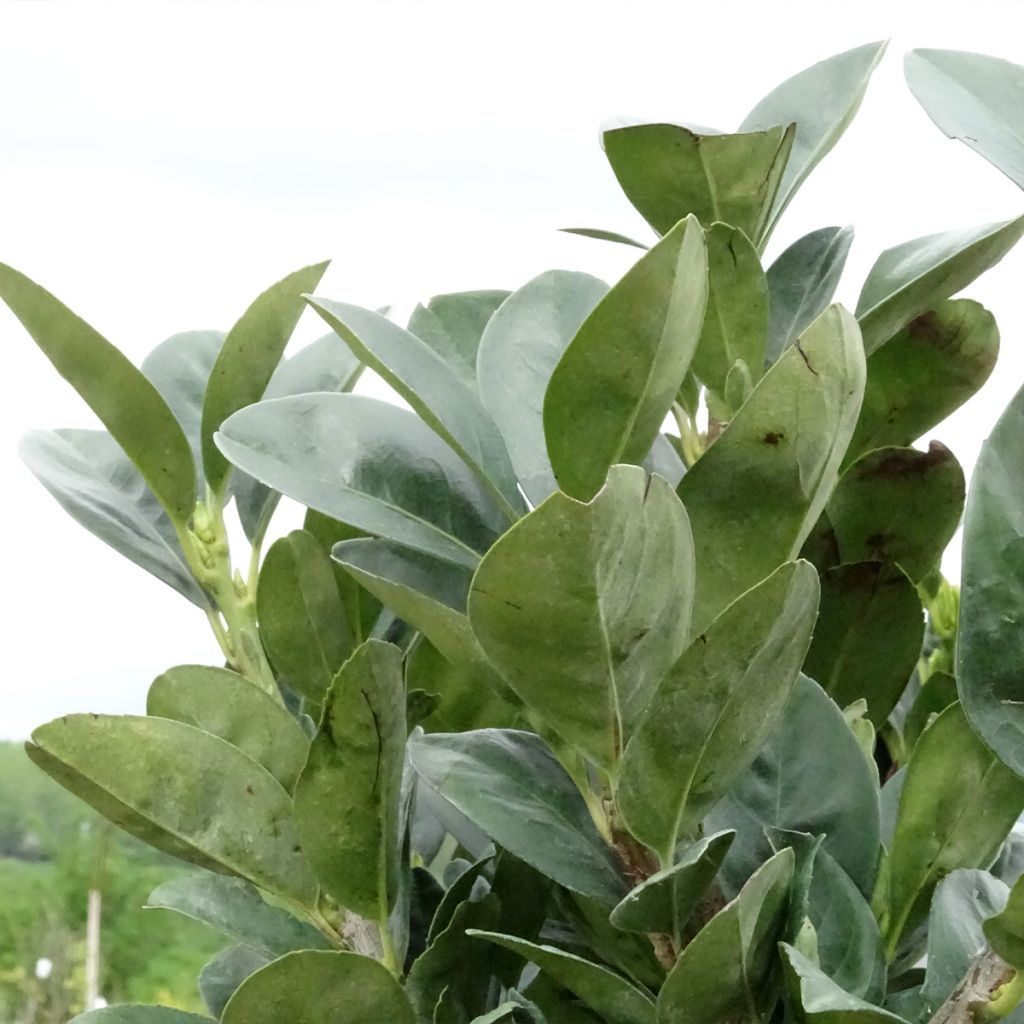
Prunus laurocerasus Miniredia - Cherry Laurel
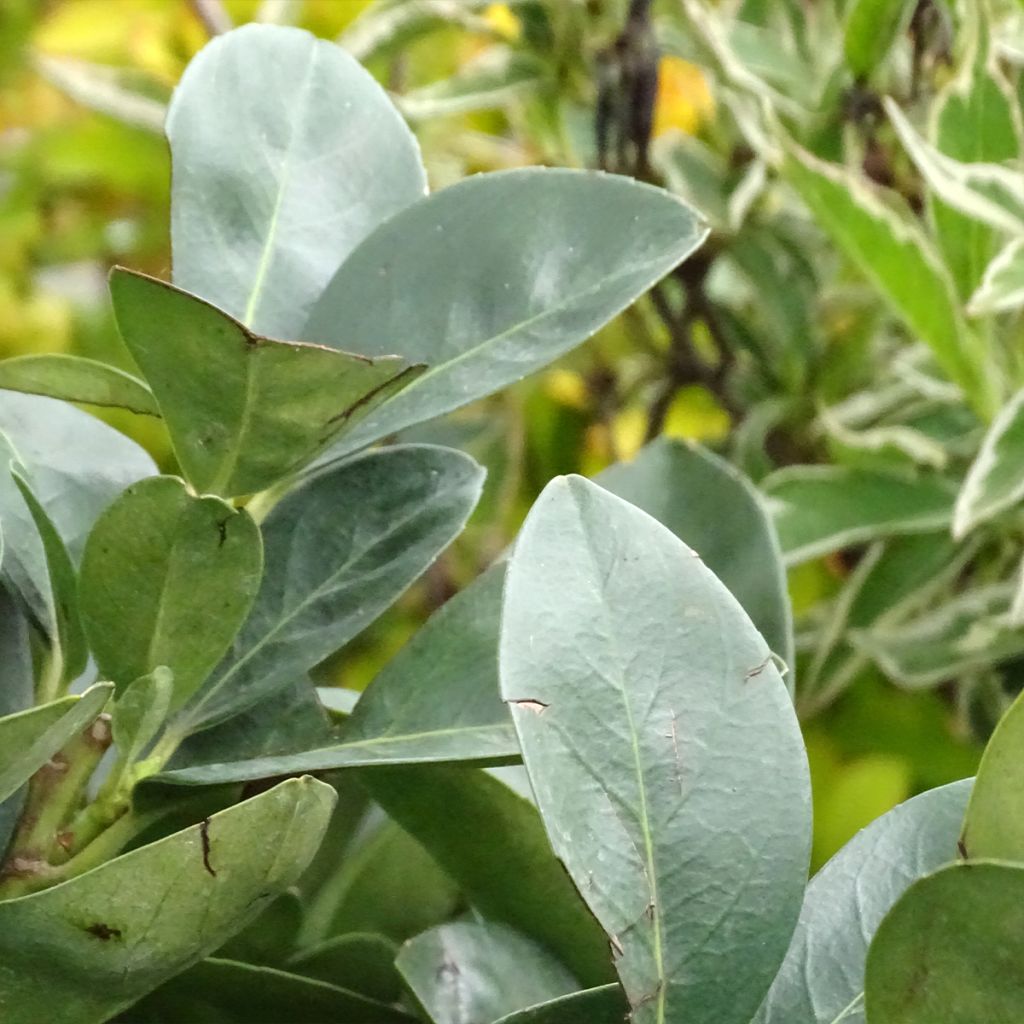
Prunus laurocerasus Miniredia - Cherry Laurel
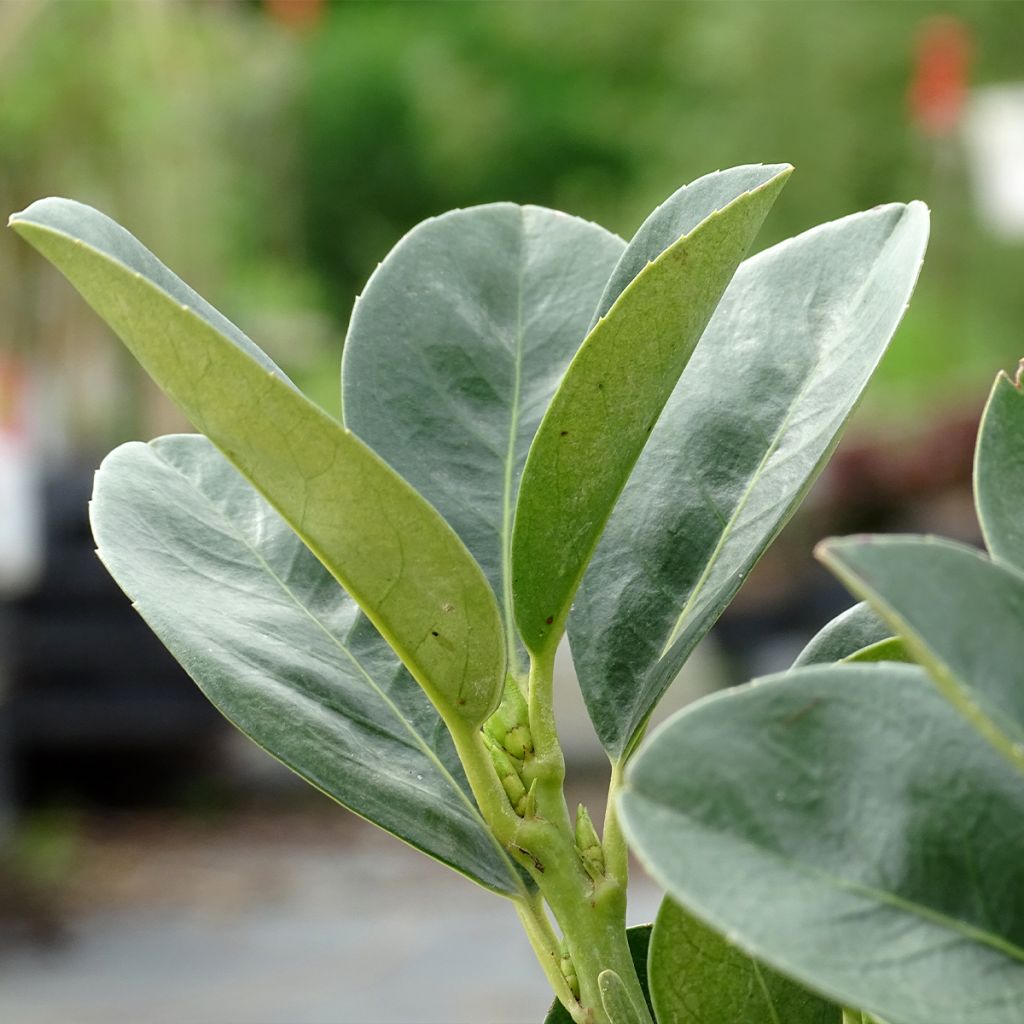
Prunus laurocerasus Miniredia - Cherry Laurel
Prunus laurocerasus Miniredia - Cherry Laurel
Prunus laurocerasus Miniredia
Cherry Laurel, Common Laurel, English Laurel
Back-to-school special offer!
Get €10 off for every €50 you spend! And get up to €40 off on a single order.
How does it work?
1. Shop your favourites
Add your favourite plants to your basket. For every €50 you spend (excluding delivery charges, store credit and the plastic-free option), you’ll receive a €10 voucher.
€50 spent = €10 voucher
€100 spent = €20 voucher
€150 spent = €30 voucher
€200 spent = €40 voucher
2. Place your order
Once your basket reaches one of the spending thresholds, place your order. You can even choose your delivery date!
3. Receive your voucher
As soon as your order has been shipped, you’ll receive an email containing your personal voucher code and its value.
4. Use it on your next order
Your voucher is valid for 90 days from the date you receive it. It can be used once only, on a new order worth at least the value of the voucher, excluding delivery charges.
Please note: Vouchers can be combined with other offers, but cannot be split or refunded.
Why not try an alternative variety in stock?
View all →
Available in 5 sizes
Available in 1 sizes
Available in 4 sizes
Available in 5 sizes
Available in 1 sizes
Available in 1 sizes
Available in 1 sizes
Available in 1 sizes
Available in 1 sizes
Available in 1 sizes
This plant carries a 24 months recovery warranty
More information
We guarantee the quality of our plants for a full growing cycle, and will replace at our expense any plant that fails to recover under normal climatic and planting conditions.
Does this plant fit my garden?
Set up your Plantfit profile →
Description
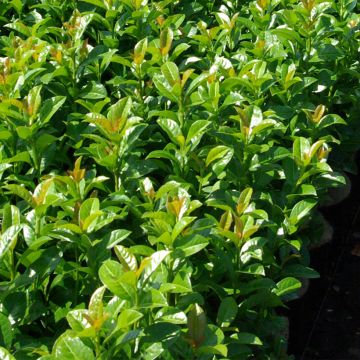
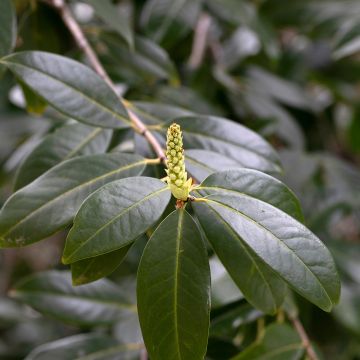
Prunus laurocerasus 'Miniredia' is a variety of Cherry Laurel or Palm Laurel which stands out for its young orange-red shoots and its very compact ball-shaped habit. Unquestionably modern and striking, perfectly suited to the constraints of small spaces, this evergreen bush recently received the Gold Medal at the international "Green is Life" exhibition. Hardy, with rapid growth, easy to cultivate and maintenance-free, it develops an elegant dark green glossy foliage and is adorned in spring, if not pruned, with appealing cloud-like panicles of creamy white flowers, slightly fragrant. This small palm laurel is an excellent replacement for boxwood in the garden or on the terrace.
Prunus laurocerasus Miniredia, born in France, was selected by Formidable Plant Breeders in 2012. It comes from the Cherry Laurel ‘Caucasica Nana’, a compact dwarf cultivar, which it surpasses with its darker leaves and especially its brilliantly coloured orange-red young shoots. The spectacle is magnificent in spring and after each pruning. The typical Cherry Laurel is native to south-eastern Europe and Asia Minor, indigenous in Iran, the Caucasus and Turkey. This bush is sometimes called Trebizond laurel, almond laurel or palm laurel. All these plants belong to the Rosaceae family.
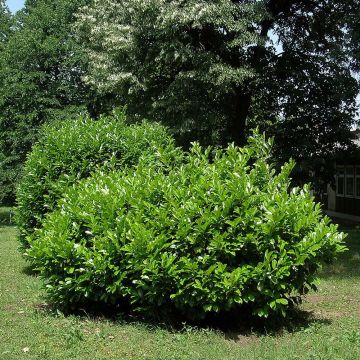
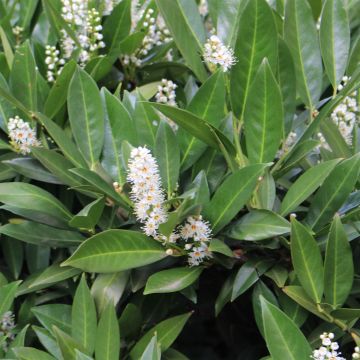
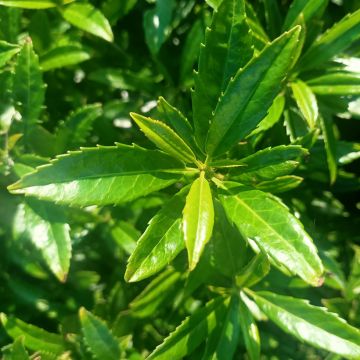
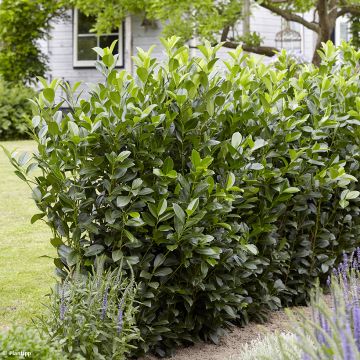
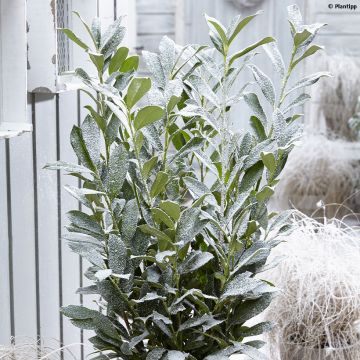
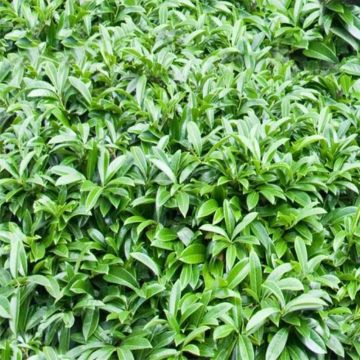
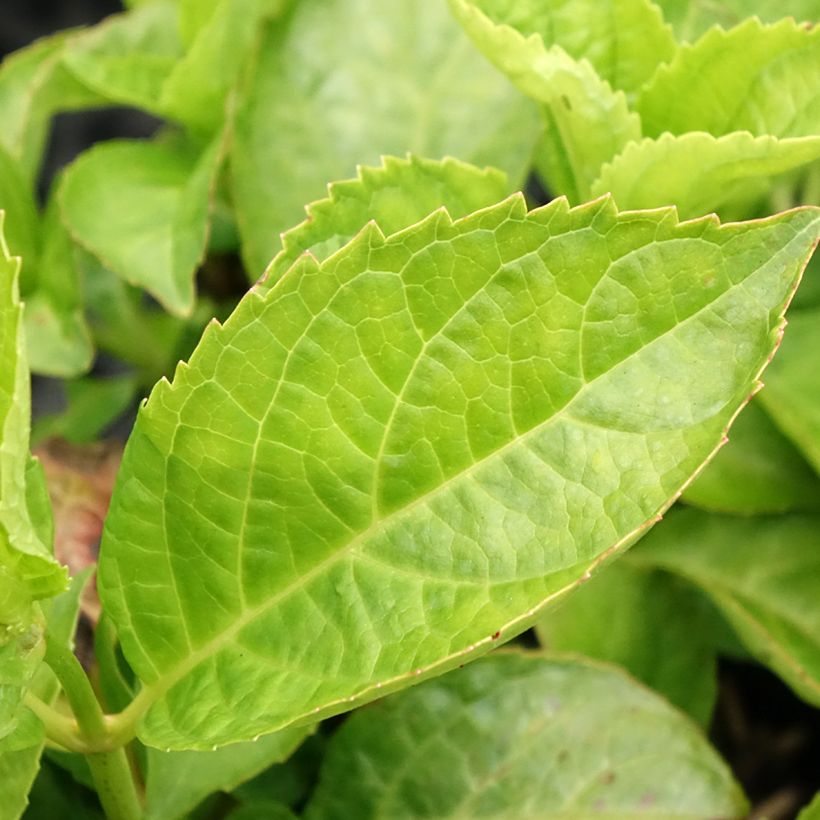
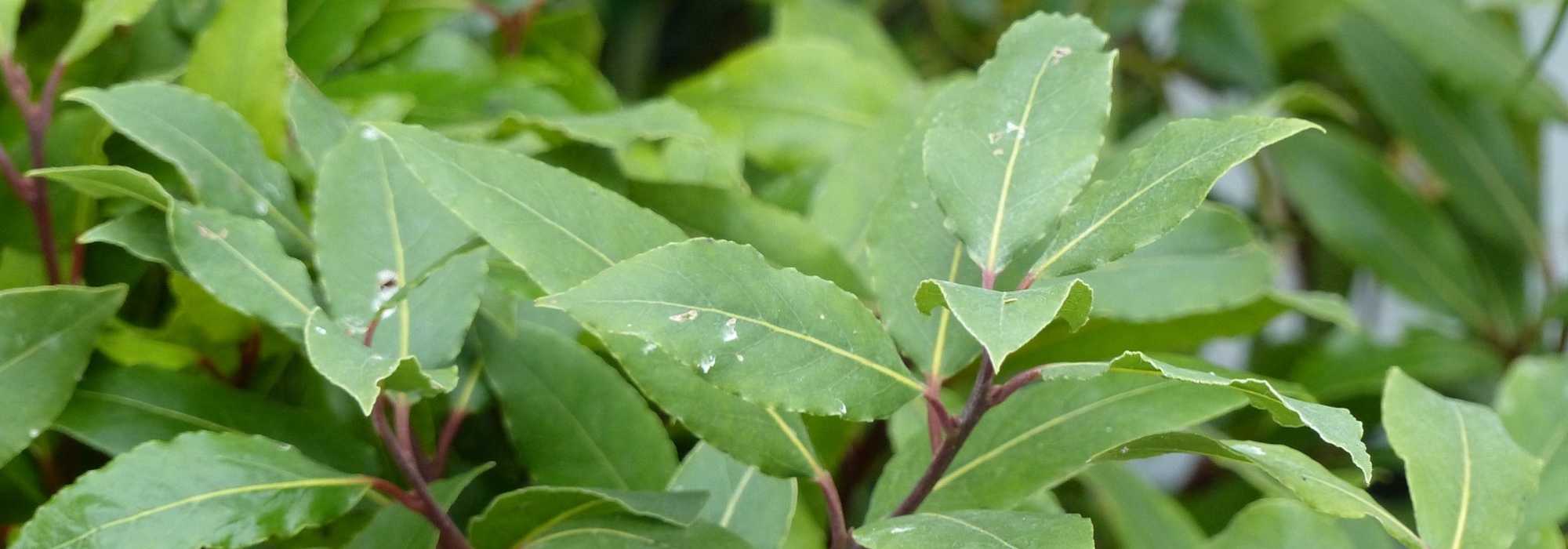
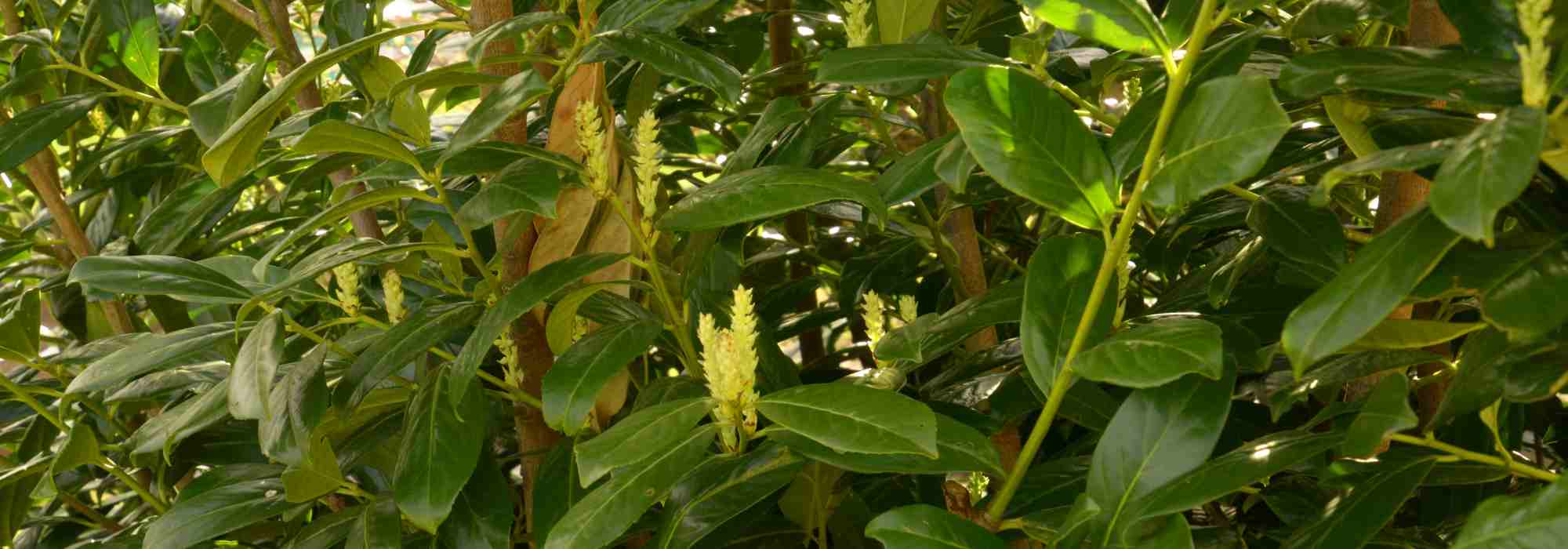
The cultivar 'Miniredia' has a naturally globose, very dense, well branched habit. Its growth is slow: by the age of 10 it will reach about 1 m (3 ft) in all directions. Its foliage is composed of tough leaves of a glossy green, more or less intense depending on the nature of the soil. In alkaline soil it will be lighter, in acid soil darker. The lamina is shiny on the upper side, lighter and matte on the underside, very decorative. The young shoots, coloured orange-red, develop into ovate and elongated leaves, changing from tender green to dark green. In April-May, at the ends of the shoots, appear upright clusters of 10 to 12 cm (4 to 5 in) covered with tiny white flowers, much visited by bees. They give way in summer to small ovoid fruits, first green then red, becoming black when ripe, inedible but sought after by birds that spread the seeds.
Warning: The leaves and all parts of the cherry laurel are toxic if ingested, except for the pulp of the fruit (the seed is toxic). They contain prussic acid (hydrocyanic acid), associated with an aromatic substance called benzaldehyde, with the smell of bitter almonds. This compound is also found in e.g. almonds and apricot and peach stones.
This Cherry Laurel 'Miniredia' has all the qualities necessary to excel as an alternative to boxwood, whether pruned or not. In a low hedge it protects from prying eyes; it has style when used in topiary; and it adds real value in a contemporary setting. For planting in a border or low hedge, make sure to space each plant 50 cm (20 in) apart. This Laurel Palm 'Miniredia' will also look good in a shrub ensemble, mixed with other compact evergreen bushes (Elaeagnus ebbingei Compacta, Viburnum tinus Gwenlian, Myrtus tarentina, Photinia Chico). If the fruits are allowed to ripen they will generate many new young plants inside or outside the garden.
Report an error about the product description
Prunus laurocerasus Miniredia - Cherry Laurel in pictures
Plant habit
Flowering
Foliage
Botanical data
Prunus
laurocerasus
Miniredia
Rosaceae
Cherry Laurel, Common Laurel, English Laurel
Cultivar or hybrid
Planting and care
Prunus laurocerasus 'Miniredia' is very accommodating and very easy to grow. It is content with ordinary soil without too much limestone, moderately dry to damp. It tolerates all exposures, prefers partial shade, and withstands low temperatures (to around -15 °C). Even if its aerial parts are damaged by very hard frosts, it will emit vigorous shoots from the base. Long and intense periods of drought can destroy older plants. Planting is preferably done in autumn or early spring. This variety can be grown both in the ground and in a pot. It tolerates pruning well.
Though quite resistant to disease, it is however sometimes subject to shothole disease, a pathology caused by a fungus. These attacks occur in spring and autumn, resulting in small circular black spots that perforate the leaves, which turn yellow and fall. This disease does not endanger the plant but causes unsightly damage and will spread to the entire cherry laurel hedge. You can treat preventively with a fungicidal product (Bordeaux mixture, sulphur) or, when planting, mix with different evergreens in the hedge composition in order to stop the spread of the disease when it occurs. It can also be subject to attacks from aphids, scale insects and powdery mildew in hot and dry weather.
Note: The decomposition of the leaves of the cherry laurel, very slow, results in the release of substances in the leaf litter that inhibit the germination and growth of other plants. It is therefore preferable to remove pruning waste rather than adding to your compost.
Planting period
Intended location
Care
Planting & care advice
-
-
-

-
-
-
-
-
This item has not been reviewed yet - be the first to leave a review about it.
Recently viewed products
Haven't found what you were looking for?
Hardiness is the lowest winter temperature a plant can endure without suffering serious damage or even dying. However, hardiness is affected by location (a sheltered area, such as a patio), protection (winter cover) and soil type (hardiness is improved by well-drained soil).
In temperate climates, pruning of spring-flowering shrubs (forsythia, spireas, etc.) should be done just after flowering.
Pruning of summer-flowering shrubs (Indian Lilac, Perovskia, etc.) can be done in winter or spring.
In cold regions as well as with frost-sensitive plants, avoid pruning too early when severe frosts may still occur.
The harvesting period indicated on our website applies to countries and regions in USDA zone 8 (France, England, Ireland, the Netherlands).
In colder areas (Scandinavia, Poland, Austria...) fruit and vegetable harvests are likely to be delayed by 3-4 weeks.
In warmer areas (Italy, Spain, Greece, etc.), harvesting will probably take place earlier, depending on weather conditions.
The sowing periods indicated on our website apply to countries and regions within USDA Zone 8 (France, UK, Ireland, Netherlands).
In colder areas (Scandinavia, Poland, Austria...), delay any outdoor sowing by 3-4 weeks, or sow under glass.
In warmer climes (Italy, Spain, Greece, etc.), bring outdoor sowing forward by a few weeks.
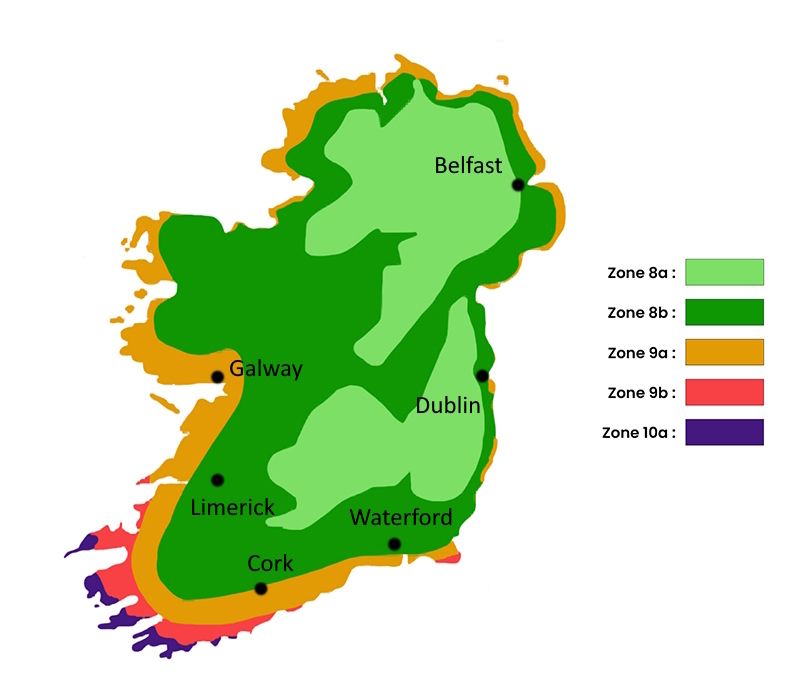
The planting period indicated on our website applies to regions in USDA Zone 9a (East Coast and Midlands: Dublin, Wexford, Waterford, Kilkenny, Portlaoise). It will vary depending on where you live:
- On the west coast and in the north-west (Galway, Limerick, Sligo, Donegal, Westport), delay planting by 1 to 2 weeks in spring and bring it forward by 1 to 2 weeks in autumn compared to the dates given, preferably choosing periods without strong winds.
- In the inland hills and plateaus (Wicklow Mountains, Macgillycuddy’s Reeks, Connemara, Killarney), it is best to plant in spring (April–May) or autumn (September–October), avoiding periods of waterlogged soil in winter and strong winds, which pose the main risk to newly planted trees in these areas.
The flowering period indicated on our website applies to regions in USDA Zone 9a, such as the East Coast and Midlands, including Dublin, Wexford, Waterford, Kilkenny and Portlaoise.
This will vary depending on where you live:
- On the west coast and in the northwest (Galway, Limerick, Sligo, Donegal and Westport), it will be delayed by one to two weeks compared to the given dates, due to stronger Atlantic winds and less spring sunshine.
- In the inland hills and plateaus (the Wicklow Mountains, the Macgillycuddy's Reeks, Connemara and Killarney), flowering will be delayed by two to three weeks. Flowering mainly occurs between May and July, with the limiting factors being less frost and more of the excessive humidity, strong winds and lack of sunshine that are characteristic of these areas.
Shipping country and language
Your country of residence may be:
Your country of residence is:
For a better user experience on our website, you can select:
Your shipping country:
-
 Austria
-
 Belgium
-
 Bosnia & Herzegovina
-
 Bulgaria
-
 Croatia
-
 Cyprus
-
 Czechia
-
 Denmark
-
 Estonia
-
 Finland
-
 France
-
 Germany
-
 Greece
-
 Hungary
-
 Iceland
-
 Ireland
-
 Italy
Italy
-
 Latvia
-
 Liechtenstein
-
 Lithuania
-
 Luxembourg
-
 Malta
Malta
-
 Netherlands
-
 Poland
-
 Portugal
-
 Romania
-
 Serbia
-
 Slovakia
-
 Slovenia
-
 Spain
Spain
-
 Sweden
-
 Switzerland
Language:
-
French
-
 English
-
Spanish
-
Italian
-
German
-
Portuguese
-
Dutch
-
Finnish
My Account
Hello
My wish lists
My cart
Log in / Register
Existing customer?
This form is protected by reCAPTCHA - the Google Privacy Policy and Terms of Service apply.
New customer?
Create an account to track your orders, access our customer service and, if you wish, make the most of our upcoming offers.