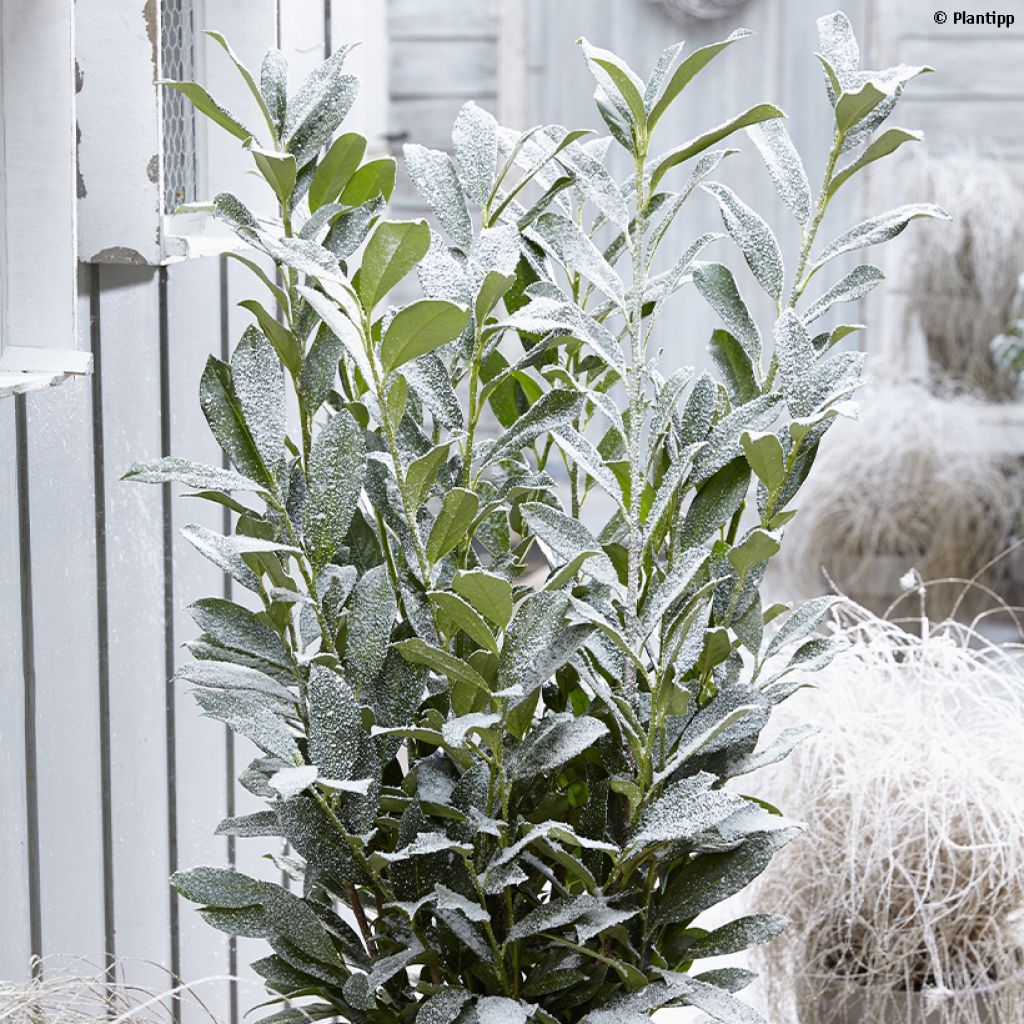
Prunus laurocerasus Elly - Cherry Laurel
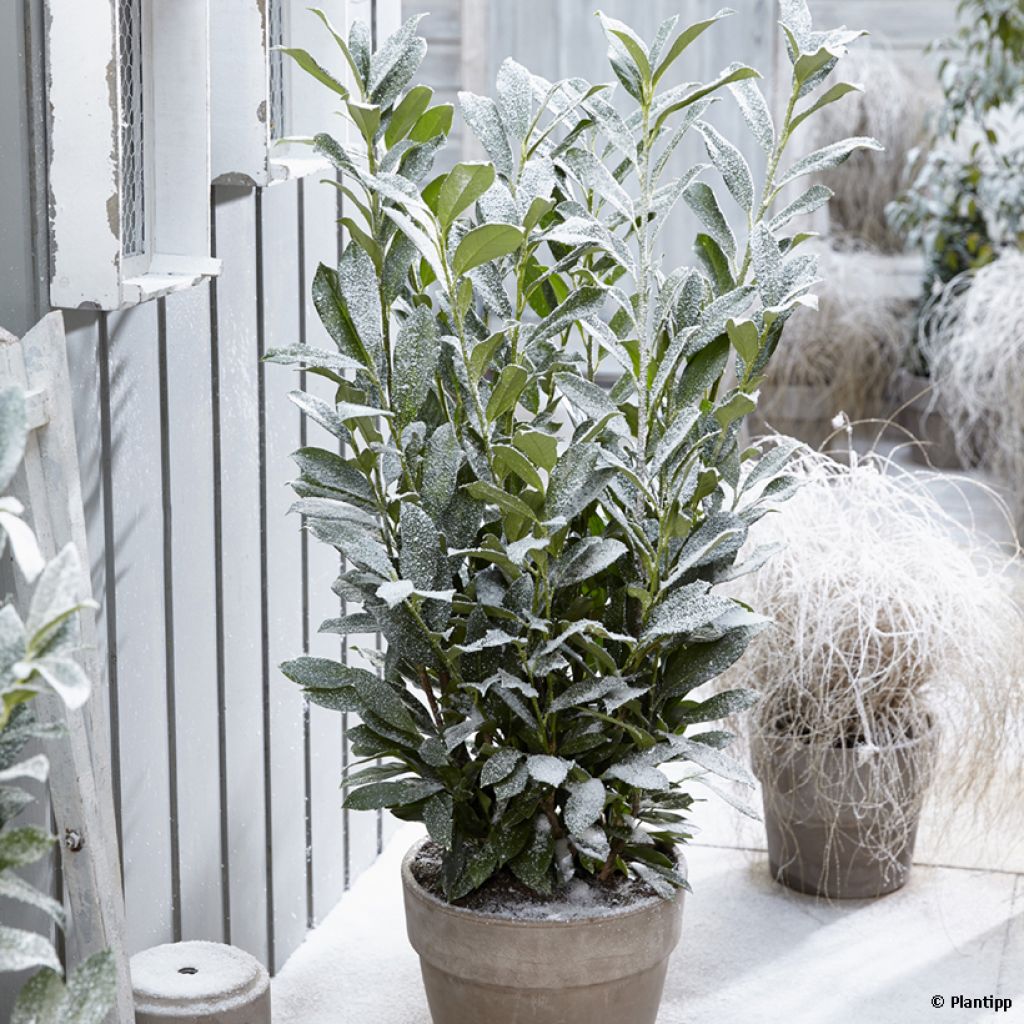
Prunus laurocerasus Elly - Cherry Laurel
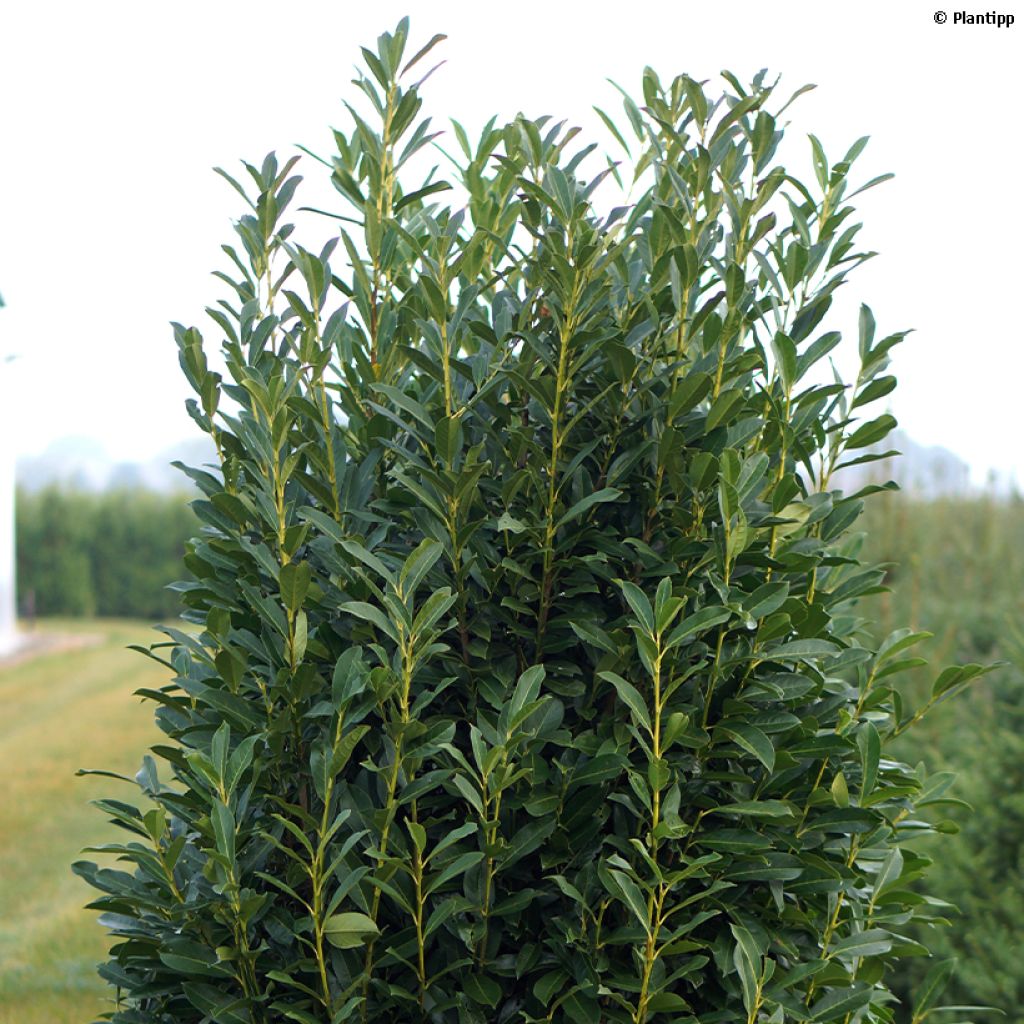
Prunus laurocerasus Elly - Cherry Laurel
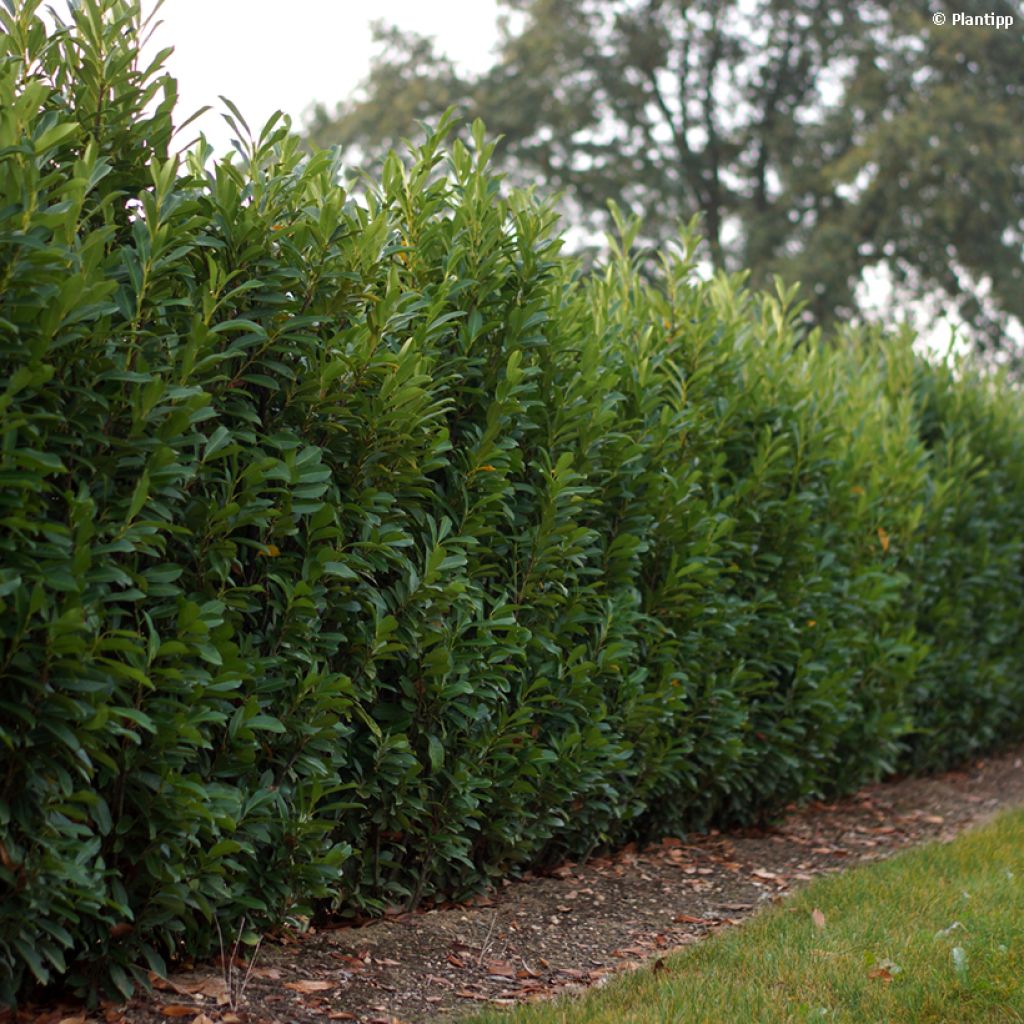
Prunus laurocerasus Elly - Cherry Laurel
Prunus laurocerasus Elly - Cherry Laurel
Prunus laurocerasus Elly - Cherry Laurel
Prunus laurocerasus Elly®
Cherry Laurel, Common Laurel, English Laurel
Beautiful, fresh young plant. A nice pruning for the price, as soon as it was planted, it has already produced several leaf buds.
Mira, 07/04/2023
Back-to-school special offer!
Get €10 off for every €50 you spend! And get up to €40 off on a single order.
How does it work?
1. Shop your favourites
Add your favourite plants to your basket. For every €50 you spend (excluding delivery charges, store credit and the plastic-free option), you’ll receive a €10 voucher.
€50 spent = €10 voucher
€100 spent = €20 voucher
€150 spent = €30 voucher
€200 spent = €40 voucher
2. Place your order
Once your basket reaches one of the spending thresholds, place your order. You can even choose your delivery date!
3. Receive your voucher
As soon as your order has been shipped, you’ll receive an email containing your personal voucher code and its value.
4. Use it on your next order
Your voucher is valid for 90 days from the date you receive it. It can be used once only, on a new order worth at least the value of the voucher, excluding delivery charges.
Please note: Vouchers can be combined with other offers, but cannot be split or refunded.
Home or relay delivery (depending on size and destination)
Important: You may be charged customs duties by your country’s customs authorities upon delivery.
Schedule delivery date,
and select date in basket
This plant carries a 24 months recovery warranty
More information
We guarantee the quality of our plants for a full growing cycle, and will replace at our expense any plant that fails to recover under normal climatic and planting conditions.

Does this plant fit my garden?
Set up your Plantfit profile →
Description
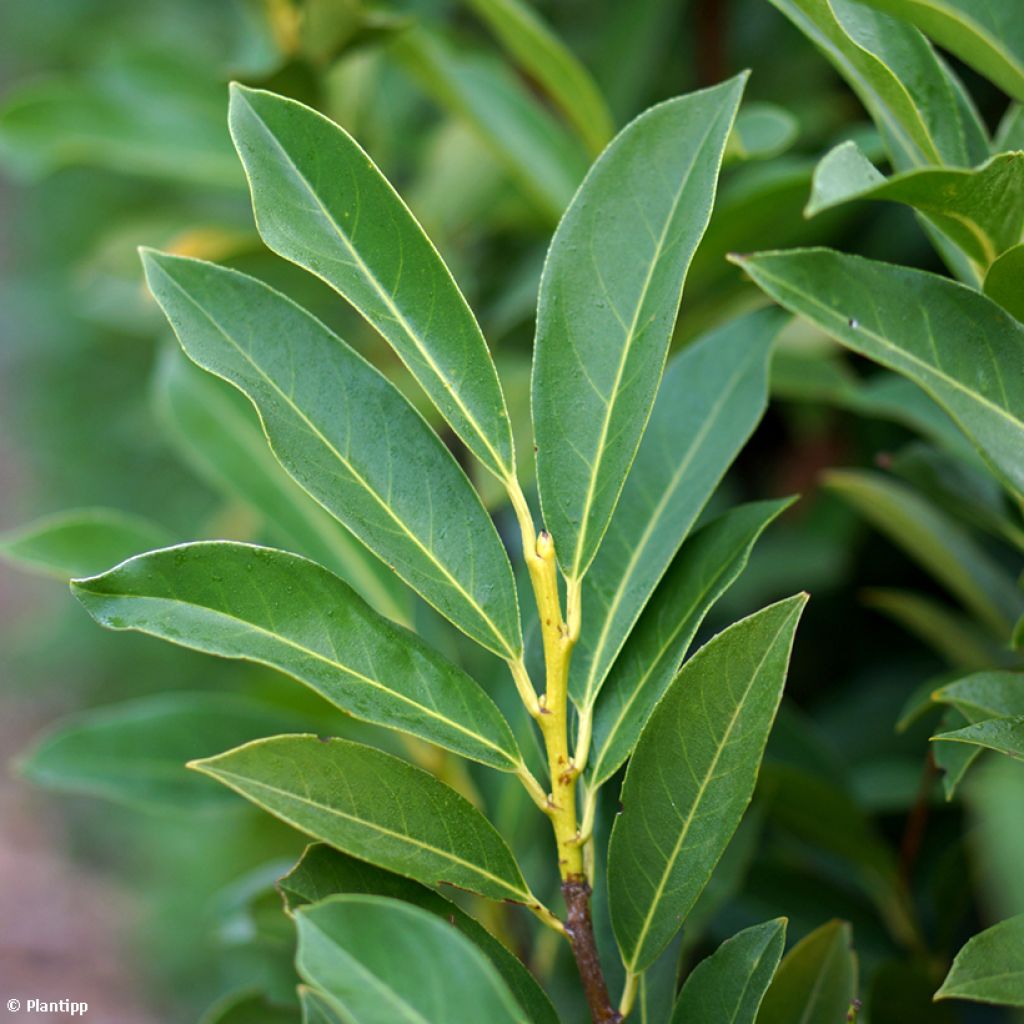
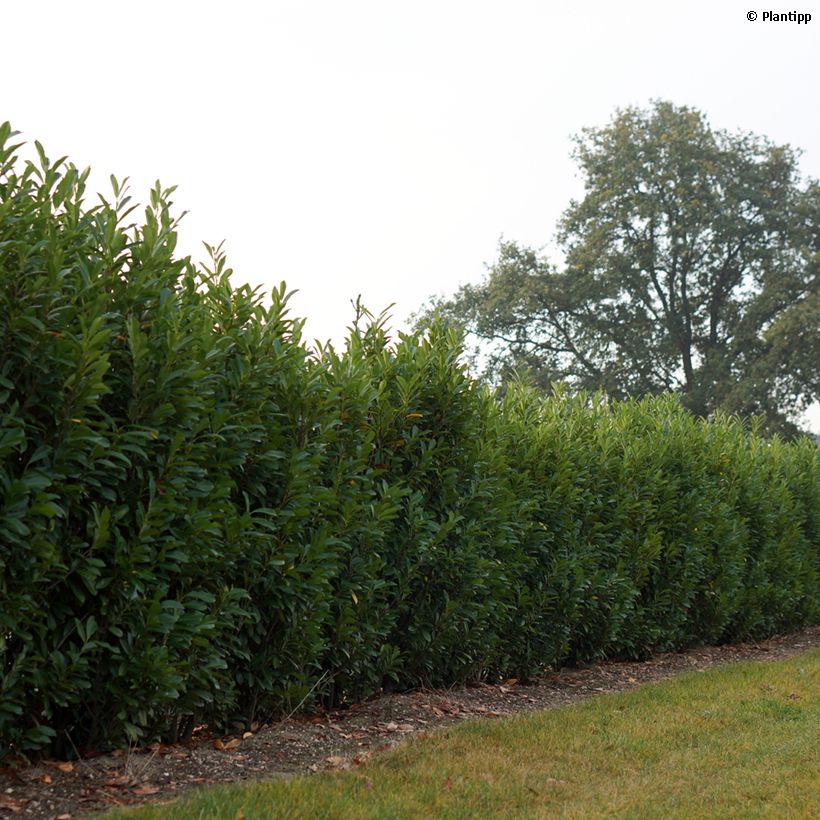
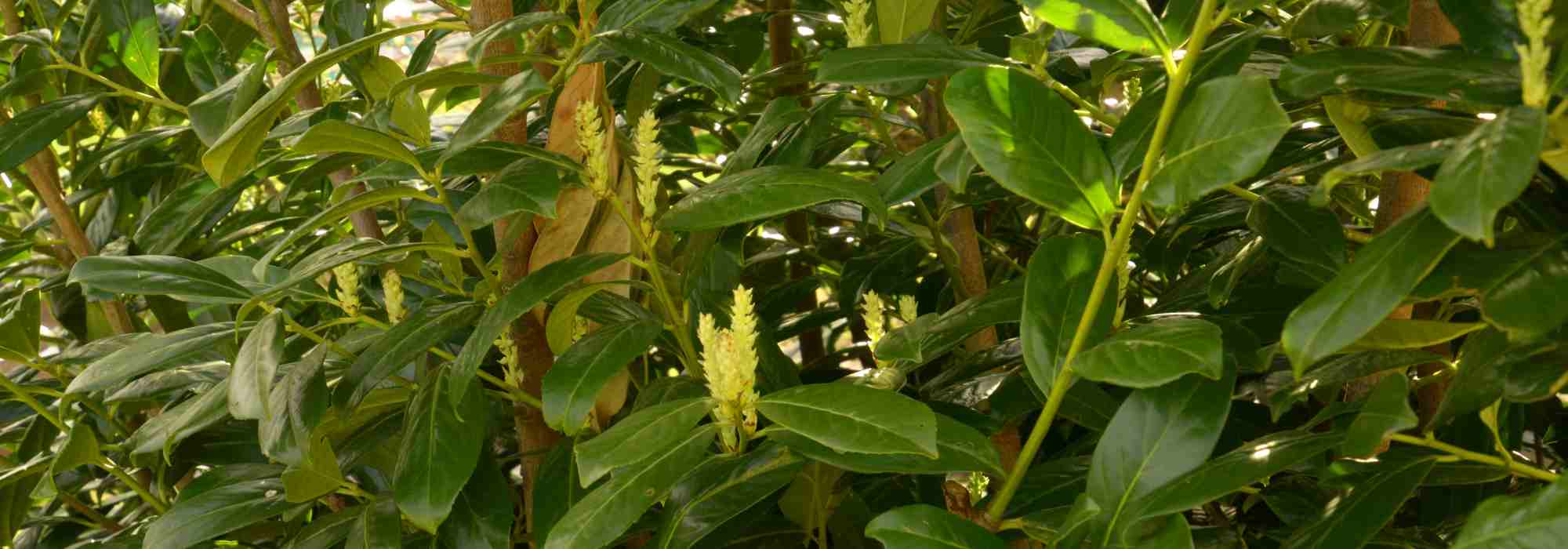
The Prunus laurocerasus 'Elly' is a recent selection of Cherry Laurel, perfect for forming an evergreen hedge. This fast-growing bush has a particularly columnar habit that minimises the time spent on pruning, especially on the sides. Its beautiful dark green elliptical leaves have a shiny texture which is very decorative and its cream-white flowering in spring is appreciated by pollinating insects. Very hardy, up to about -22°C (-7.6 °F), this Cherry Laurel grows in most soils, in sun or semi-shade and only requires a few waterings in summer and annual pruning.
The Cherry Laurel, sometimes called the Trebizond laurel, almond laurel or palm laurel, is an evergreen bush of the Rosaceae family. This very important family, particularly from an economic point of view, provides most of our temperate climate fruit trees (Apple trees, Pear trees, Plum trees, Apricot trees, Peach trees, etc.), but also many ornamental plants (Hawthorn, Cotoneaster, Rose of course, Photinia, Prunus...) as well as numerous wild plants that populate the countryside and woods (wild strawberry...). Among the hundred genus that make up this family, Prunus is one of those that has the most species, about 300, many of which are fruit-bearing (Cherry trees, Plum trees, Apricot trees...) or ornamental.
Originating from southeastern Europe and Asia Minor, native to Iran, the Caucasus and Turkey, Prunus laurocerasus is an evergreen bush that can reach a large size (up to 8 m (26 ft 2 in) high) and form real trunks. The species has given several cultivars, and is often used for hedging purposes, for which 'Elly' is particularly suitable.
The Cherry Laurel 'Elly' is a recent creation (protected since 2019) by the German nurseryman Adrian Straver, based in Emmerich, a locality situated on the banks of the Rhine just next to the Netherlands. Smaller than the species-type, it can reach at adult age 3.5 to 4 m (11 ft 6 in to 13 ft 1 in) high maximum, if planted solitary in free form, but can easily be kept at 2 m (6 ft 7 in) or 2.5 m (8 ft 2 in) if pruned, which this plant tolerates very well. Its main advantage lies in its very columnar shape, whereas the famous 'Rotundifolia' spontaneously forms a bush wide at the base very swollen. 'Elly' on the other hand, will form a column 80 cm (31.5 in) to 1 m (3 ft 4 in) wide for a height of 3.50 m (11 ft 6 in), making it a Cherry Laurel that is even more suitable for hedge planting than its cousin 'Obelisk'. Moreover, it has a fast growth, of 40 to 60 cm (15.7 to 23.6 in) per year, which very quickly provides a dense vegetal curtain, excellent windbreak on the edge of property.
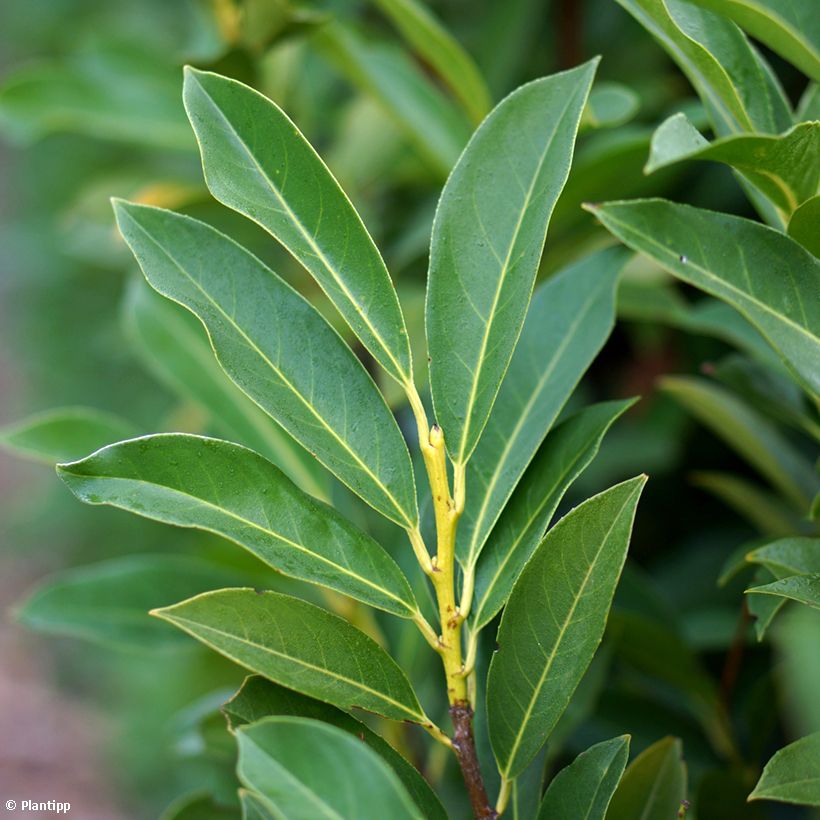
Its elliptical leaves are of a nice quite dark green colour, and a very decorative, glossy surface, carried by branches with almost vertical growth. This dark vegetal background offers a fragrant setting to the cream-white flowering in April-May, fragrant and honey-bearing. It attracts bees and other pollinators, making it both a decorative and useful plant. The small flowers grouped in corymbs then give black fruits, toxic for humans (the seed in particular is very toxic) but eaten by birds. This fruiting is however less abundant than in some other cultivars of Cherry Laurel.
Very hardy (up to about -22°C (-7.6 °F)), this pretty bush is very accommodating with respect to the soil, only fearing those too calcareous or too wet. It will grow in most ordinary garden soils, with a few waterings in summer, even if once well-rooted it proves to be quite resistant to drought. It is just as tolerant with respect to exposure, and grows equally well in sun as in semi-shade, or even in shade. 'Elly' is therefore typically a plant for beginners, perfect for forming low-maintenance hedges. The care consists of annual pruning (especially to limit the height, as lateral pruning is not essential) and a few waterings in summer.
'Elly' will give full satisfaction in low or medium hedges at a rate of 3 plants per linear metre, but you can also mix it with other evergreens to form a varied hedge. Then choose bushes like the superb Photinia fraseri Red Square, with young shoots of a red even more intense than 'Red Robin', which will contrast strongly next to the dark green of 'Elly'. The varieties of Laurustinus, or Viburnum tinus, will allow you to enjoy winter flowerings, and thus animate your hedge at a traditionally more subdued time. And the must-have Pyracanthas will offer you their lush fruiting in bright colours, which have earned them their well-deserved nickname of 'burning bush'.
Beware: the leaves, and all parts of the cherry laurel are toxic if ingested, with the exception of the fruit pulp (the seed is toxic). They contain prussic acid, (hydrocyanic acid), associated with an aromatic substance called benzaldehyde, with the smell of bitter almond. A principle also found in the almonds of apricot and peach stones for example.
Report an error about the product description
Prunus laurocerasus Elly - Cherry Laurel in pictures
Plant habit
Flowering
Foliage
Botanical data
Prunus
laurocerasus
Elly®
Rosaceae
Cherry Laurel, Common Laurel, English Laurel
Cultivar or hybrid
Planting and care
The Prunus laurocerasus 'Elly', very accommodating and easy to cultivate, is content with well-prepared ordinary soil, without too much limestone, moderately dry to damp. It tolerates all exposures and withstands low temperatures (around -20°C/-22°C (-7.6 °F)). Even if its aerial parts can be damaged by very severe frosts, it emits vigorous shoots from the base. Long and intense periods of drought can destroy already aged plants. Planting is preferably done in autumn or early spring in cool regions. Dig a hole 50 cm (19.7 in) in all directions and add a little planting compost by mixing it with the existing soil. Soak the root ball in a bucket of water for a quarter of an hour before placing it in the planting pit. Backfill and water abundantly.
Water regularly for the first two years to facilitate rooting, then only during hot periods after that.
Note: The very slow, decomposition of the leaves of the cherry laurel, result in the litter releasing substances that inhibit the germination and growth of other plants. It is therefore preferable to export the pruning waste to the waste disposal site rather than compost it.
Planting period
Intended location
Care
Planting & care advice
-
-
-

-
-
-

-
-
-
, onOrder confirmed
Reply from on Promesse de fleurs
Recently viewed products
Haven't found what you were looking for?
Hardiness is the lowest winter temperature a plant can endure without suffering serious damage or even dying. However, hardiness is affected by location (a sheltered area, such as a patio), protection (winter cover) and soil type (hardiness is improved by well-drained soil).
In temperate climates, pruning of spring-flowering shrubs (forsythia, spireas, etc.) should be done just after flowering.
Pruning of summer-flowering shrubs (Indian Lilac, Perovskia, etc.) can be done in winter or spring.
In cold regions as well as with frost-sensitive plants, avoid pruning too early when severe frosts may still occur.
The harvesting period indicated on our website applies to countries and regions in USDA zone 8 (France, England, Ireland, the Netherlands).
In colder areas (Scandinavia, Poland, Austria...) fruit and vegetable harvests are likely to be delayed by 3-4 weeks.
In warmer areas (Italy, Spain, Greece, etc.), harvesting will probably take place earlier, depending on weather conditions.
The sowing periods indicated on our website apply to countries and regions within USDA Zone 8 (France, UK, Ireland, Netherlands).
In colder areas (Scandinavia, Poland, Austria...), delay any outdoor sowing by 3-4 weeks, or sow under glass.
In warmer climes (Italy, Spain, Greece, etc.), bring outdoor sowing forward by a few weeks.
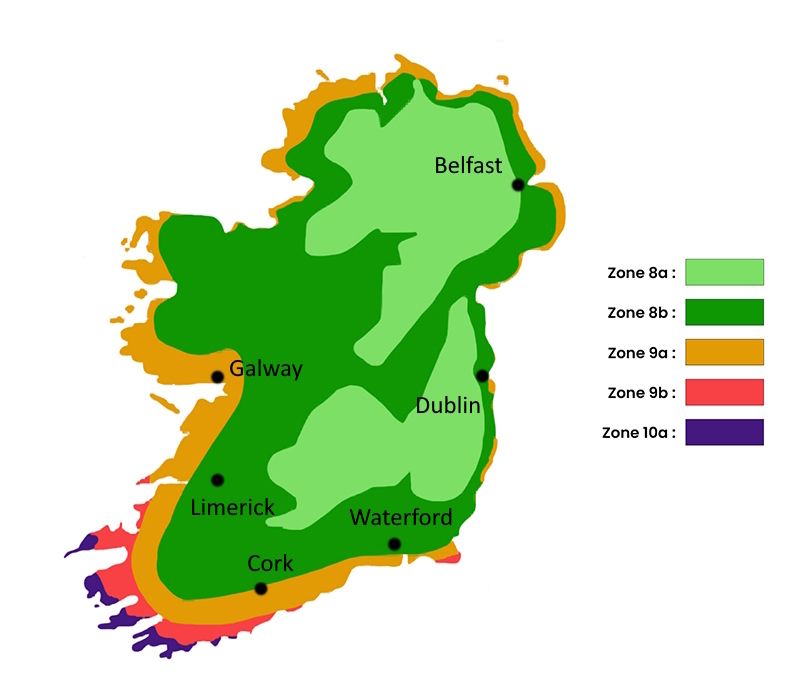
The planting period indicated on our website applies to regions in USDA Zone 9a (East Coast and Midlands: Dublin, Wexford, Waterford, Kilkenny, Portlaoise). It will vary depending on where you live:
- On the west coast and in the north-west (Galway, Limerick, Sligo, Donegal, Westport), delay planting by 1 to 2 weeks in spring and bring it forward by 1 to 2 weeks in autumn compared to the dates given, preferably choosing periods without strong winds.
- In the inland hills and plateaus (Wicklow Mountains, Macgillycuddy’s Reeks, Connemara, Killarney), it is best to plant in spring (April–May) or autumn (September–October), avoiding periods of waterlogged soil in winter and strong winds, which pose the main risk to newly planted trees in these areas.
The flowering period indicated on our website applies to regions in USDA Zone 9a, such as the East Coast and Midlands, including Dublin, Wexford, Waterford, Kilkenny and Portlaoise.
This will vary depending on where you live:
- On the west coast and in the northwest (Galway, Limerick, Sligo, Donegal and Westport), it will be delayed by one to two weeks compared to the given dates, due to stronger Atlantic winds and less spring sunshine.
- In the inland hills and plateaus (the Wicklow Mountains, the Macgillycuddy's Reeks, Connemara and Killarney), flowering will be delayed by two to three weeks. Flowering mainly occurs between May and July, with the limiting factors being less frost and more of the excessive humidity, strong winds and lack of sunshine that are characteristic of these areas.
Shipping country and language
Your country of residence may be:
Your country of residence is:
For a better user experience on our website, you can select:
Your shipping country:
-
 Austria
-
 Belgium
-
 Bosnia & Herzegovina
-
 Bulgaria
-
 Croatia
-
 Cyprus
-
 Czechia
-
 Denmark
-
 Estonia
-
 Finland
-
 France
-
 Germany
-
 Greece
-
 Hungary
-
 Iceland
-
 Ireland
-
 Italy
Italy
-
 Latvia
-
 Liechtenstein
-
 Lithuania
-
 Luxembourg
-
 Malta
Malta
-
 Netherlands
-
 Poland
-
 Portugal
-
 Romania
-
 Serbia
-
 Slovakia
-
 Slovenia
-
 Spain
Spain
-
 Sweden
-
 Switzerland
Language:
-
French
-
 English
-
Spanish
-
Italian
-
German
-
Portuguese
-
Dutch
-
Finnish
My Account
Hello
My wish lists
My cart
Log in / Register
Existing customer?
This form is protected by reCAPTCHA - the Google Privacy Policy and Terms of Service apply.
New customer?
Create an account to track your orders, access our customer service and, if you wish, make the most of our upcoming offers.