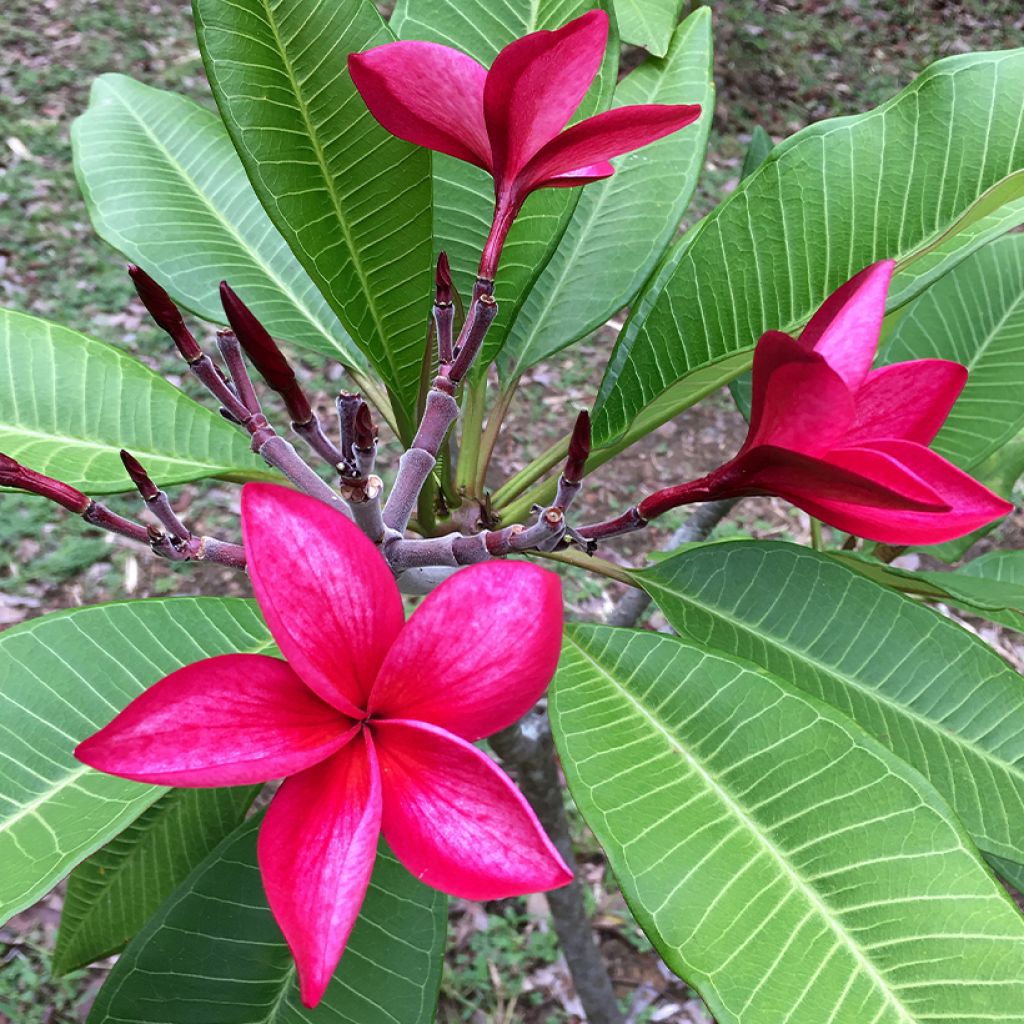
Plumeria rubra - Frangipani
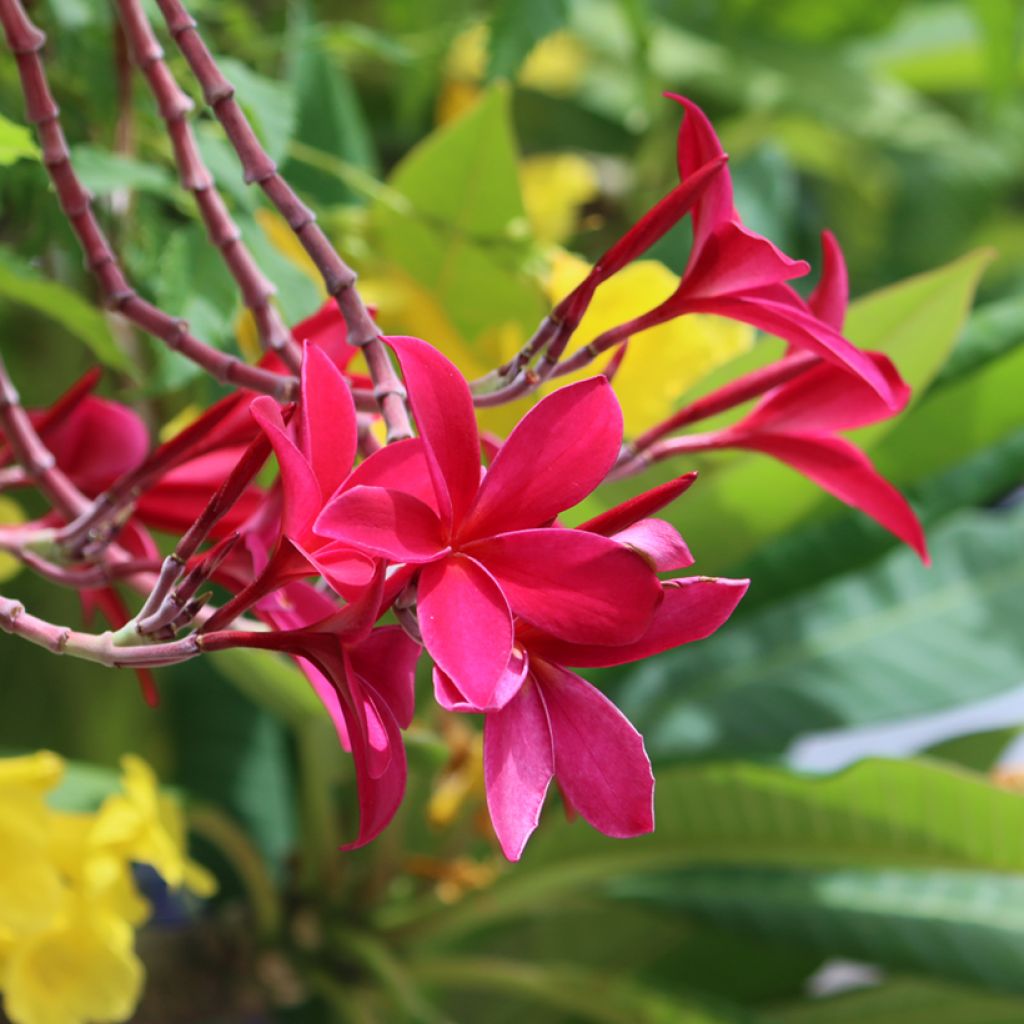
Plumeria rubra - Frangipani
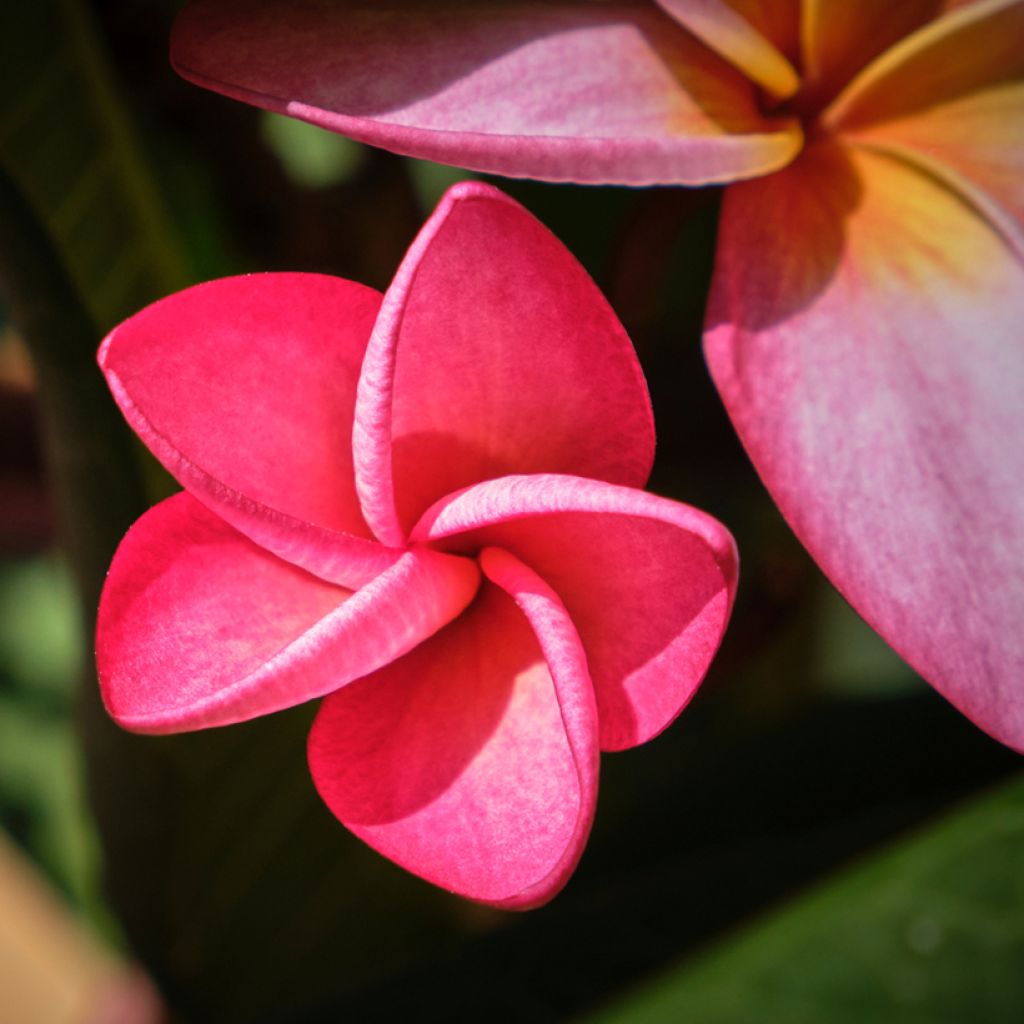
Plumeria rubra - Frangipani
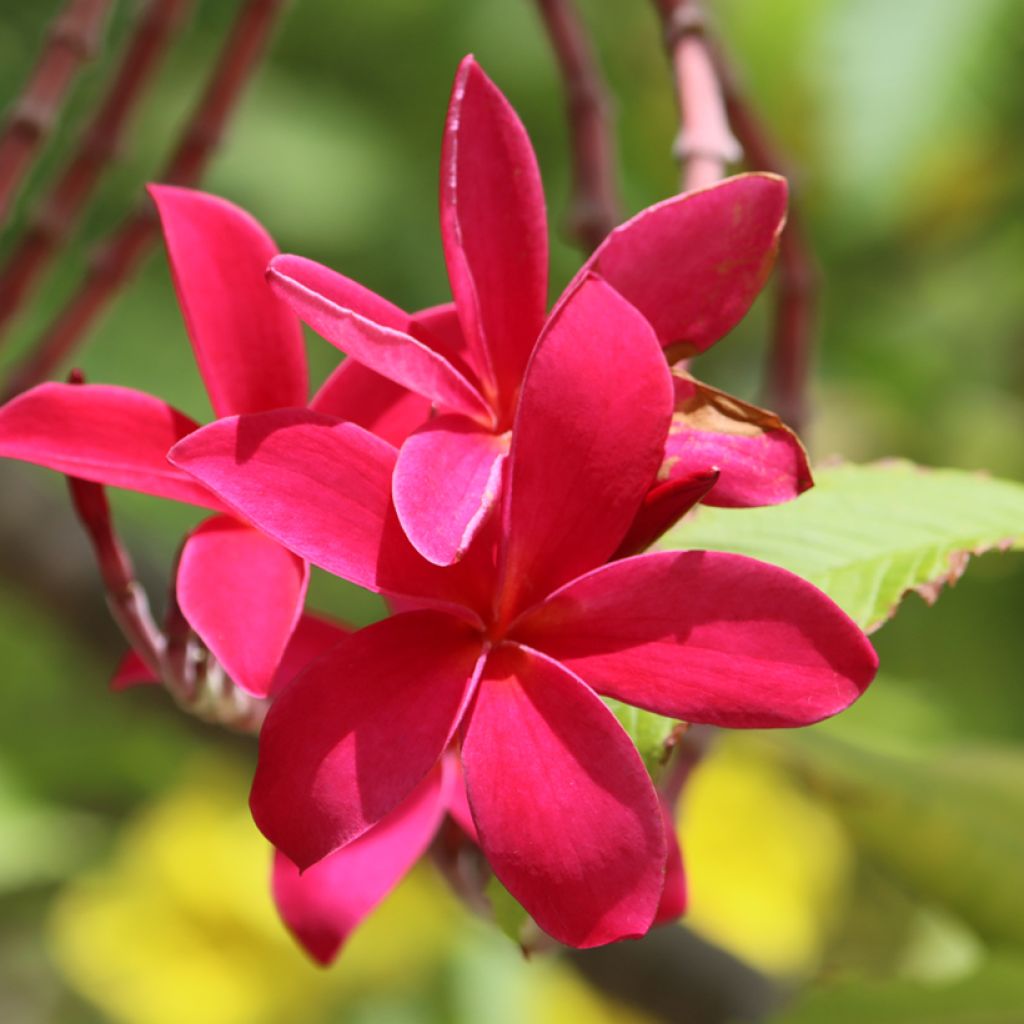
Plumeria rubra - Frangipani
Plumeria rubra - Frangipani
Plumeria rubra - Frangipani
Plumeria rubra - Frangipani
Plumeria rubra - Frangipani
Plumeria rubra - Frangipani
Plumeria rubra - Frangipani
Plumeria rubra
Frangipani, Jasmine Mango, Red Nosegay Tree, Temple Flower, West Indian Jasmine, Pagoda Tree
Back-to-school special offer!
Get €10 off for every €50 you spend! And get up to €40 off on a single order.
How does it work?
1. Shop your favourites
Add your favourite plants to your basket. For every €50 you spend (excluding delivery charges, store credit and the plastic-free option), you’ll receive a €10 voucher.
€50 spent = €10 voucher
€100 spent = €20 voucher
€150 spent = €30 voucher
€200 spent = €40 voucher
2. Place your order
Once your basket reaches one of the spending thresholds, place your order. You can even choose your delivery date!
3. Receive your voucher
As soon as your order has been shipped, you’ll receive an email containing your personal voucher code and its value.
4. Use it on your next order
Your voucher is valid for 90 days from the date you receive it. It can be used once only, on a new order worth at least the value of the voucher, excluding delivery charges.
Please note: Vouchers can be combined with other offers, but cannot be split or refunded.
This plant carries a 24 months recovery warranty
More information
We guarantee the quality of our plants for a full growing cycle, and will replace at our expense any plant that fails to recover under normal climatic and planting conditions.
Does this plant fit my garden?
Set up your Plantfit profile →
Description
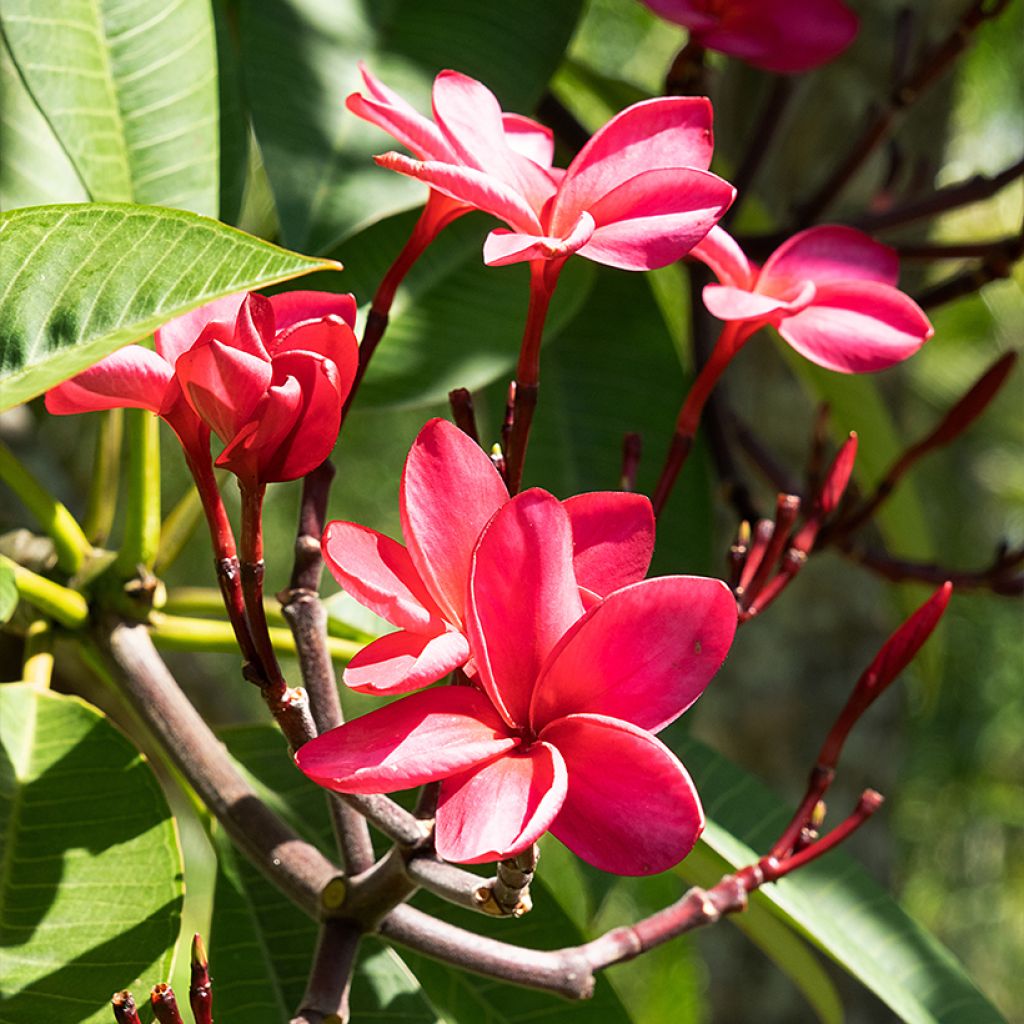
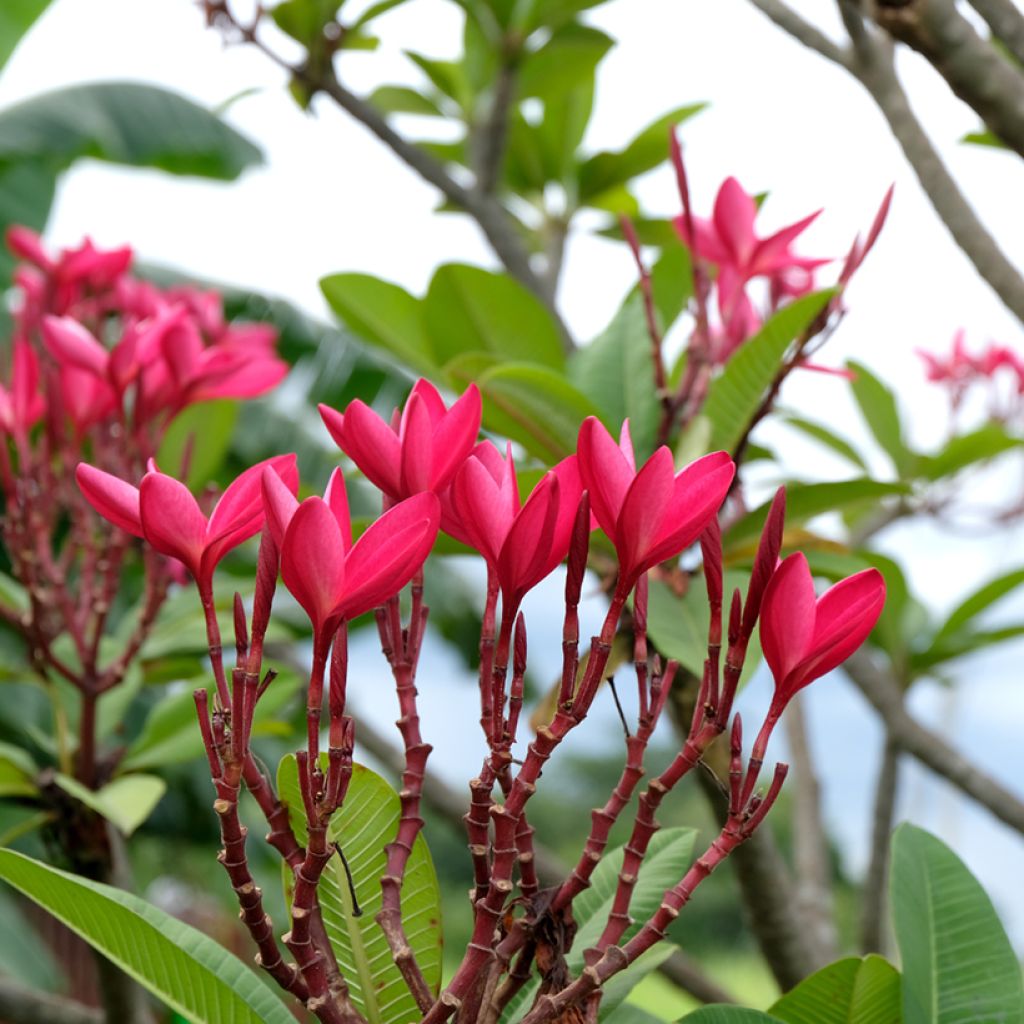
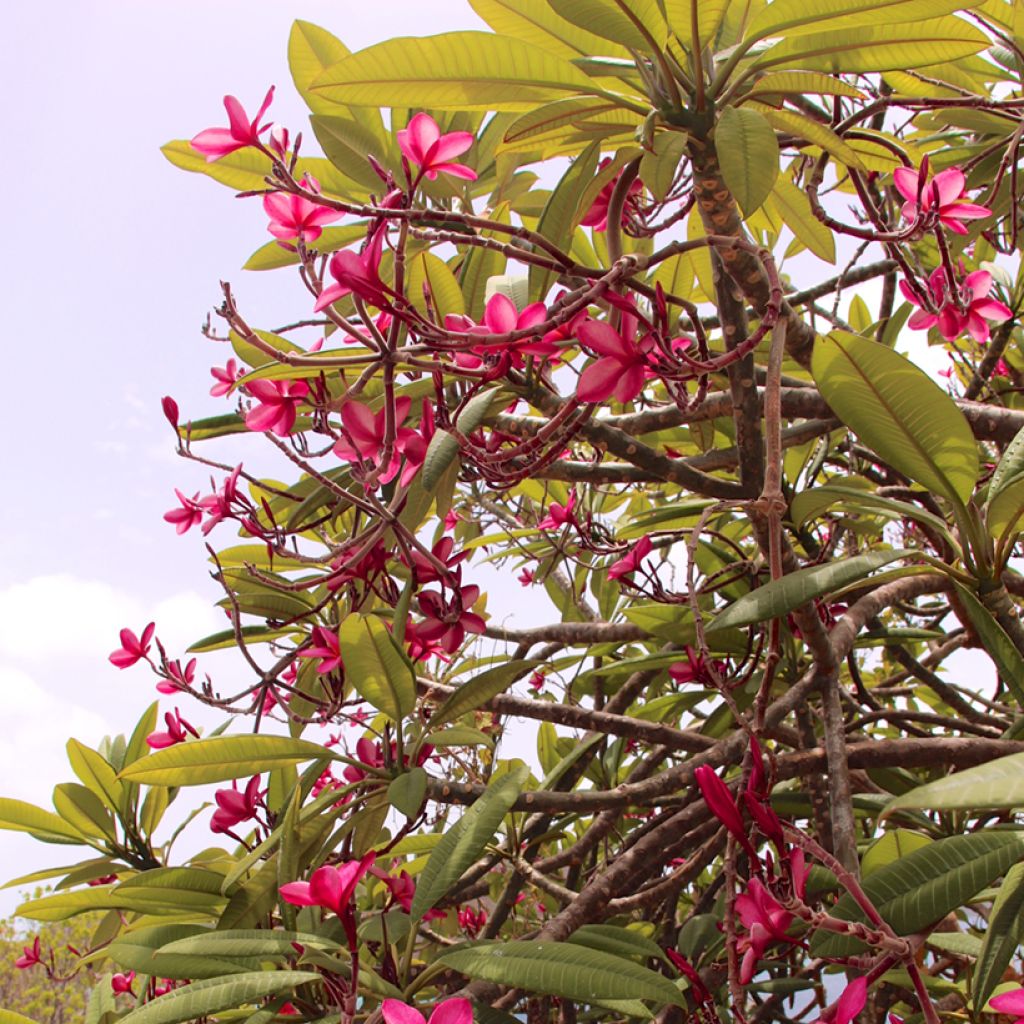
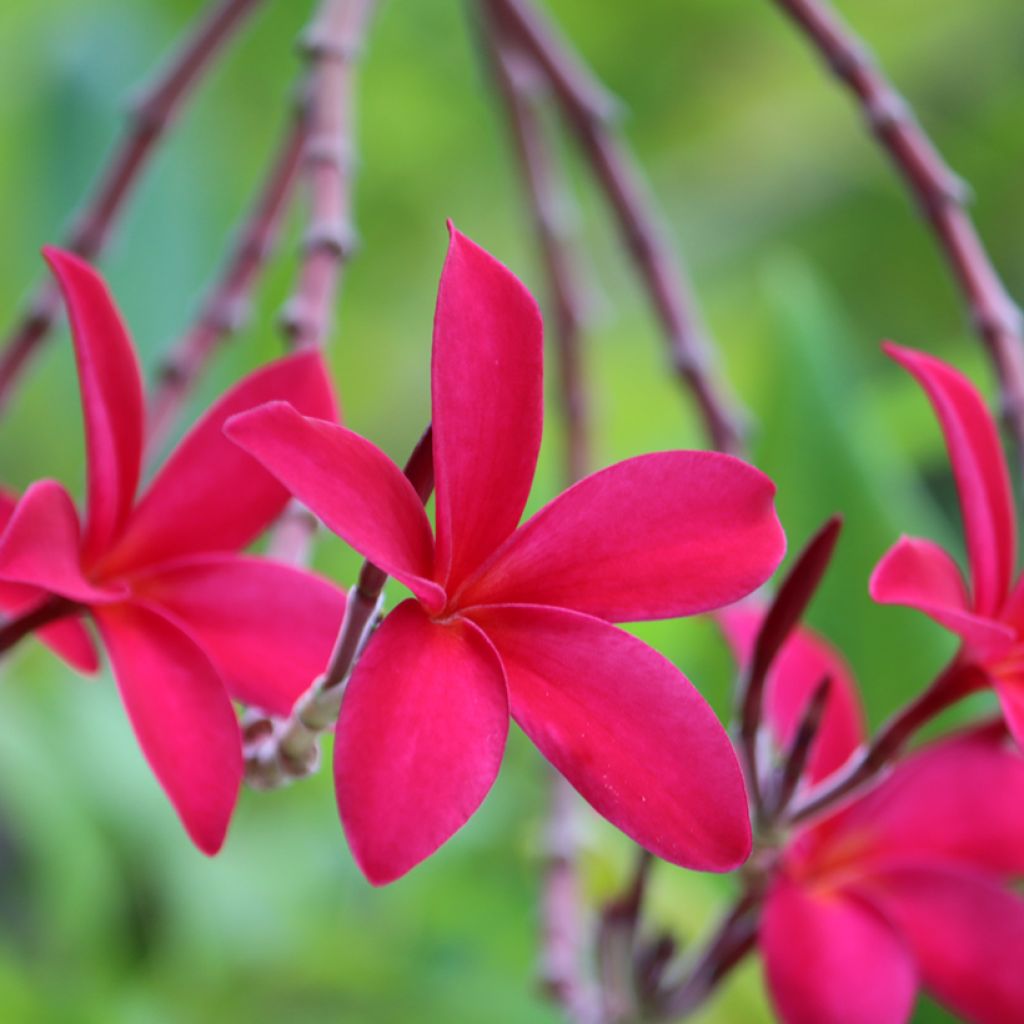
Plumeria rubra, known to all travellers by its common name of Frangipani, is a large shrub or small tree with a wide distribution in the tropics. It forms a plant that can reach 8 m (26ft) in height or more, often as wide as it is tall when in a shrub form. Its succulent branches are very characteristic, as are its large elliptical green leaves. It is its fragrant flowers, however, that makes it standout, with beautiful flowers with 5 petals of various colours depending on the varieties. Not hardy in our climate, it will have to be grown in a container to be protected as soon as temperatures drop. It will then form a bush up to 3 m (10ft) high, which requires a suitable and bright place.
Frangipani belongs to the large family Apocynaceae, which includes about 350 genera and 5000 species, most of which are found in tropical and subtropical areas. However, some genera also grow in Mediterranean regions, such as Oleander (Nerium oleander) or Carissa, and even in temperate zones, such as Periwinkles (Vinca) or Dregea sinensis, a climbing plant with fragrant flowers. These are often toxic plants, many of which contain latex, but some are also used for medicinal purposes. Many genera are ornamental and planted in tropical gardens, such as Thevetia, the tropical equivalent of our Oleander, or Allamanda cathartica with its yellow trumpet-shaped flowers.
The Plumeria genus includes 7 species (or 8 according to classifications do not recognize P. acuminata as a synonym of P. rubra), native to subtropical and tropical regions of America, and which have been planted under the same climates in Africa and Asia, becoming almost a symbol of the tropics.
Plumeria rubra often forms large bushes with a flattened dome-shaped top, as wide as the total height of the plant, and from a distance can look like a giant rhododendron to an inexperienced traveller. It can also take a more upright and tree-like form and reach up to 8 m (26ft) in height. Whilst advertisers adopt it to give a tropical beauty image to shampoos, it can have a very different image in some Asian countries. For example, in the Philippines, the Kalachuchi as it is called is associated with death because it is traditionally planted near cemeteries. But since Filipinos don't like to be sad, they also plant it as an ornamental tree in their gardens and use it to make necklaces.
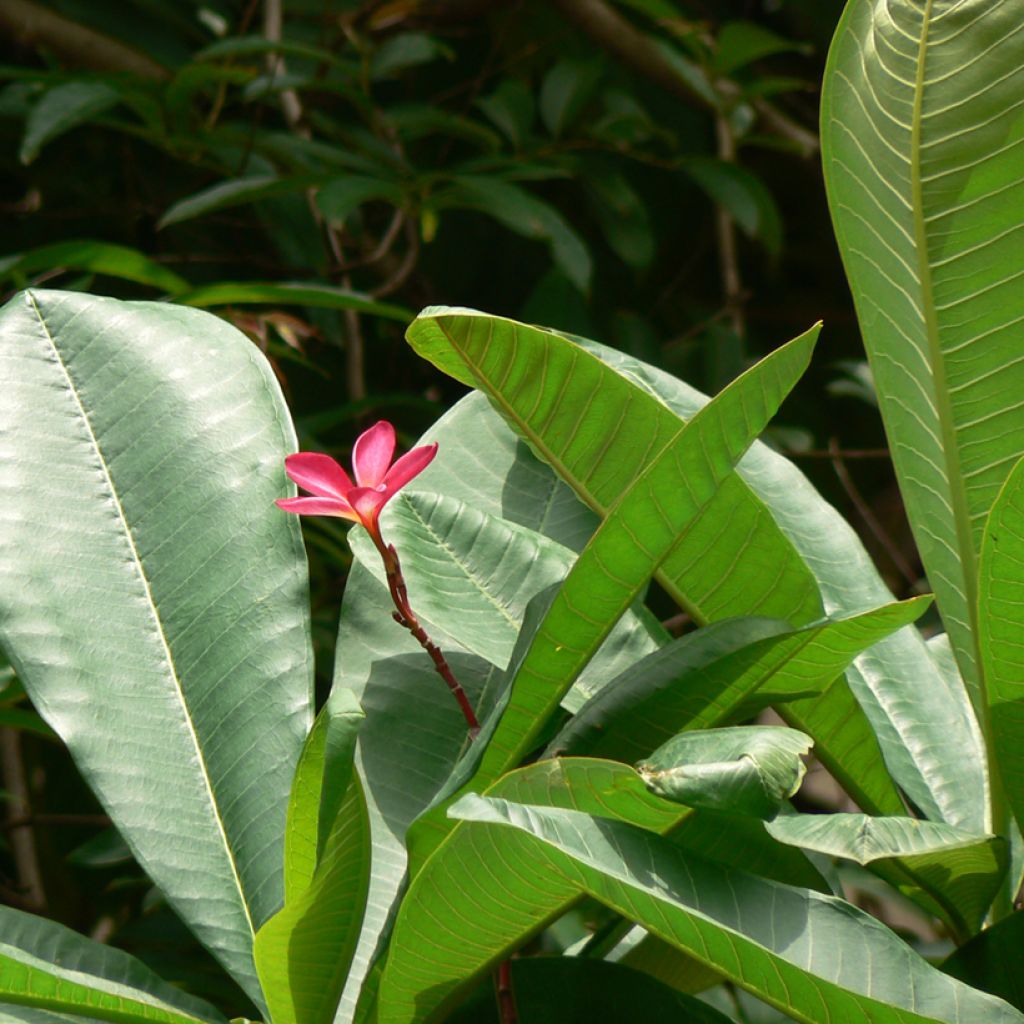
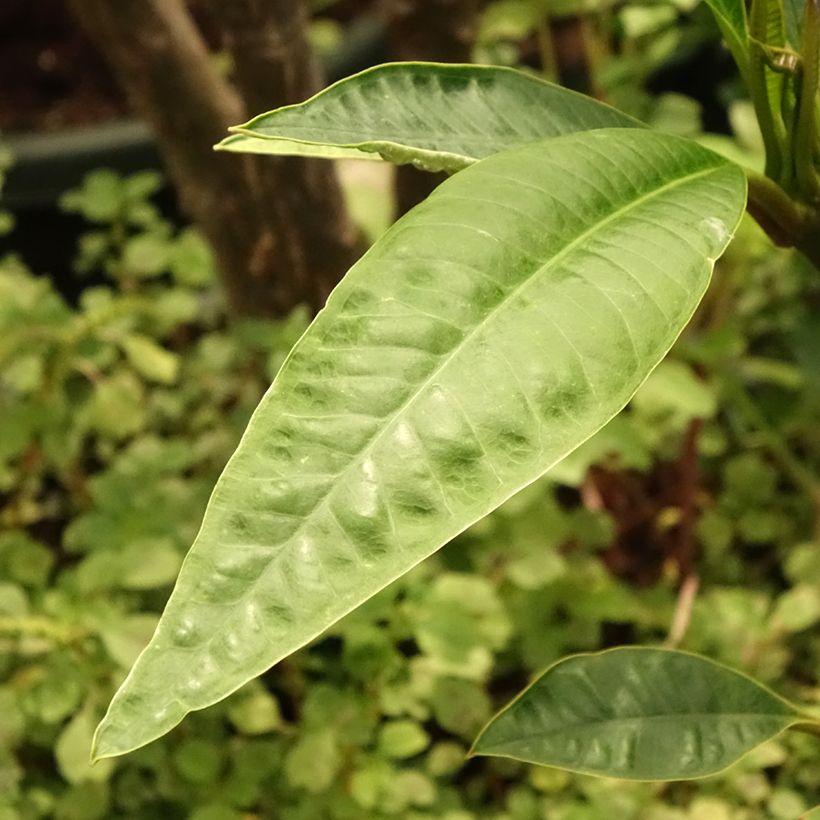
Outside the tropics, it will never reach these dimensions because you will have to grow it in a container, which will limit its size to 2.50 m (8ft) or 3 m (10ft). Frangipani is easily recognizable by its large, leathery, obovate to elliptical and acuminate leaves, measuring up to 30 cm (12in) long or more and 10 to 15 cm (4 to 6in) wide, with veins (perpendicular to the stem) that are easily recognizable. After 4 to 5 years, it will produce magnificent single flowers with 5 petals, white, yellow, pink or red, or even bicoloured depending on the variety, exuding a delicious fragrance reminiscent of certain jasmines. Blooming from June to September, the flowers are certainly the main asset of this plant, as the leaves are toxic.
Frangipani needs a lot of light, even under the tropics it grows in full sun! After winter, when nighttime temperatures rise above 10°C (50°F) - it can tolerate occasional temperatures as low as 5°C (41°F) - , you can place it outside on your patio. However, be careful to expose it gradually because even if you have wintered it in a very bright room, it may become scorched if you place it immediately under the bright rays of the sun. As temperatures increase, you will need to increase the frequency of watering, but without overdoing it to avoid drowning the roots. It is best to let the soil dry out a bit between waterings. In winter, of course, you will need to water much less often, (allowing the soil to dry out well between every two waterings).
Fertilize regularly to encourage flowering, with dilute liquid fertilizer and applying it every other or every third watering when flowers are in full bloom.
Frangipani is a magnificent plant, but you can only adopt it if you have a heated conservatory or a large, very bright room, otherwise it may wither due to lack of light. In these conditions, it will give you an exotic feel, mainly during the summer, because in winter, it does not have great ornamental interest. In summer, you can place it on your patio or along a path, in front of a group of plants with a tropical appearance but which are hardy enough to survive the winter outside. A group of Japanese Banana Trees (Musa basjoo) will be perfect, as well as a beautiful palm tree like Butia capitata with slightly bluish arching leaves, or in milder regions, Syagrus romanzzofiana resembling a Coconut Tree but tolerant of light frost.
Report an error about the product description
Plumeria rubra - Frangipani in pictures
Plant habit
Flowering
Foliage
Safety measures
Botanical data
Plumeria
rubra
Apocynaceae
Frangipani, Jasmine Mango, Red Nosegay Tree, Temple Flower, West Indian Jasmine, Pagoda Tree
Central America
ingestion
Cette plante est toxique si elle est ingérée volontairement ou involontairement.
Ne la plantez pas là où de jeunes enfants peuvent évoluer, et lavez-vous les mains après l'avoir manipulée.
Pensez à conserver l'étiquette de la plante, à la photographier ou à noter son nom, afin de faciliter le travail des professionnels de santé.
Davantage d'informations sur https://plantes-risque.info
Planting and care
Frangipani is a tropical tree that will not survive our winters outdoors, even in the mildest areas. It must therefore be planted in a container in order to be overwintered in a bright room where the temperature should never occasionally drop below +5°C (41°F) and ideally, be above +10°C (50°F) (heated conservatory, large bright room...).
Choose a well-draining potting soil or, even better, mix planting compost with coarse sand and place gravel or clay beads at the bottom of the container to avoid any water stagnation. Fertilize regularly as this plant is quite demanding in order to thrive. You can use dilute liquid fertilizer or a slow-release organic fertilizer to avoid sudden nutrient deficiencies.
Water regularly in summer, allowing the soil to slightly dry between waterings, then space watering out in autumn and stop after the leaves have fallen, only watering occasionally.
Planting period
Intended location
Care
Planting & care advice
-

-
-
-
-
-
-

-
This item has not been reviewed yet - be the first to leave a review about it.
Recently viewed products
Haven't found what you were looking for?
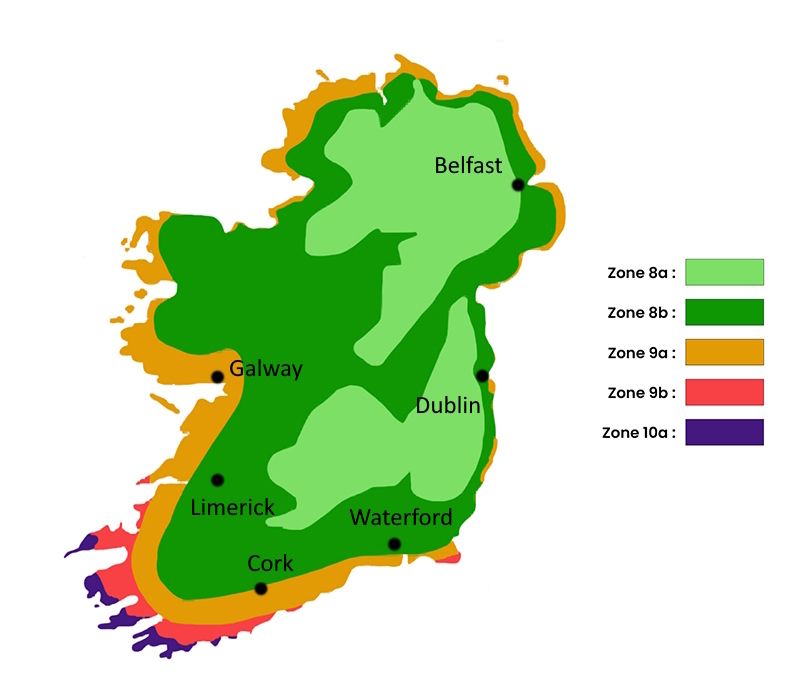
Hardiness is the lowest winter temperature a plant can endure without suffering serious damage or even dying. However, hardiness is affected by location (a sheltered area, such as a patio), protection (winter cover) and soil type (hardiness is improved by well-drained soil).
In temperate climates, pruning of spring-flowering shrubs (forsythia, spireas, etc.) should be done just after flowering.
Pruning of summer-flowering shrubs (Indian Lilac, Perovskia, etc.) can be done in winter or spring.
In cold regions as well as with frost-sensitive plants, avoid pruning too early when severe frosts may still occur.
The harvesting period indicated on our website applies to countries and regions in USDA zone 8 (France, England, Ireland, the Netherlands).
In colder areas (Scandinavia, Poland, Austria...) fruit and vegetable harvests are likely to be delayed by 3-4 weeks.
In warmer areas (Italy, Spain, Greece, etc.), harvesting will probably take place earlier, depending on weather conditions.
The sowing periods indicated on our website apply to countries and regions within USDA Zone 8 (France, UK, Ireland, Netherlands).
In colder areas (Scandinavia, Poland, Austria...), delay any outdoor sowing by 3-4 weeks, or sow under glass.
In warmer climes (Italy, Spain, Greece, etc.), bring outdoor sowing forward by a few weeks.
The planting period indicated on our website applies to regions in USDA Zone 9a (East Coast and Midlands: Dublin, Wexford, Waterford, Kilkenny, Portlaoise). It will vary depending on where you live:
- On the west coast and in the north-west (Galway, Limerick, Sligo, Donegal, Westport), delay planting by 1 to 2 weeks in spring and bring it forward by 1 to 2 weeks in autumn compared to the dates given, preferably choosing periods without strong winds.
- In the inland hills and plateaus (Wicklow Mountains, Macgillycuddy’s Reeks, Connemara, Killarney), it is best to plant in spring (April–May) or autumn (September–October), avoiding periods of waterlogged soil in winter and strong winds, which pose the main risk to newly planted trees in these areas.
The flowering period indicated on our website applies to regions in USDA Zone 9a, such as the East Coast and Midlands, including Dublin, Wexford, Waterford, Kilkenny and Portlaoise.
This will vary depending on where you live:
- On the west coast and in the northwest (Galway, Limerick, Sligo, Donegal and Westport), it will be delayed by one to two weeks compared to the given dates, due to stronger Atlantic winds and less spring sunshine.
- In the inland hills and plateaus (the Wicklow Mountains, the Macgillycuddy's Reeks, Connemara and Killarney), flowering will be delayed by two to three weeks. Flowering mainly occurs between May and July, with the limiting factors being less frost and more of the excessive humidity, strong winds and lack of sunshine that are characteristic of these areas.
Shipping country and language
Your country of residence may be:
Your country of residence is:
For a better user experience on our website, you can select:
Your shipping country:
-
 Austria
-
 Belgium
-
 Bosnia & Herzegovina
-
 Bulgaria
-
 Croatia
-
 Cyprus
-
 Czechia
-
 Denmark
-
 Estonia
-
 Finland
-
 France
-
 Germany
-
 Greece
-
 Hungary
-
 Iceland
-
 Ireland
-
 Italy
Italy
-
 Latvia
-
 Liechtenstein
-
 Lithuania
-
 Luxembourg
-
 Malta
Malta
-
 Netherlands
-
 Poland
-
 Portugal
-
 Romania
-
 Serbia
-
 Slovakia
-
 Slovenia
-
 Spain
Spain
-
 Sweden
-
 Switzerland
Language:
-
French
-
 English
-
Spanish
-
Italian
-
German
-
Portuguese
-
Dutch
-
Finnish
My Account
Hello
My wish lists
My cart
Log in / Register
Existing customer?
This form is protected by reCAPTCHA - the Google Privacy Policy and Terms of Service apply.
New customer?
Create an account to track your orders, access our customer service and, if you wish, make the most of our upcoming offers.