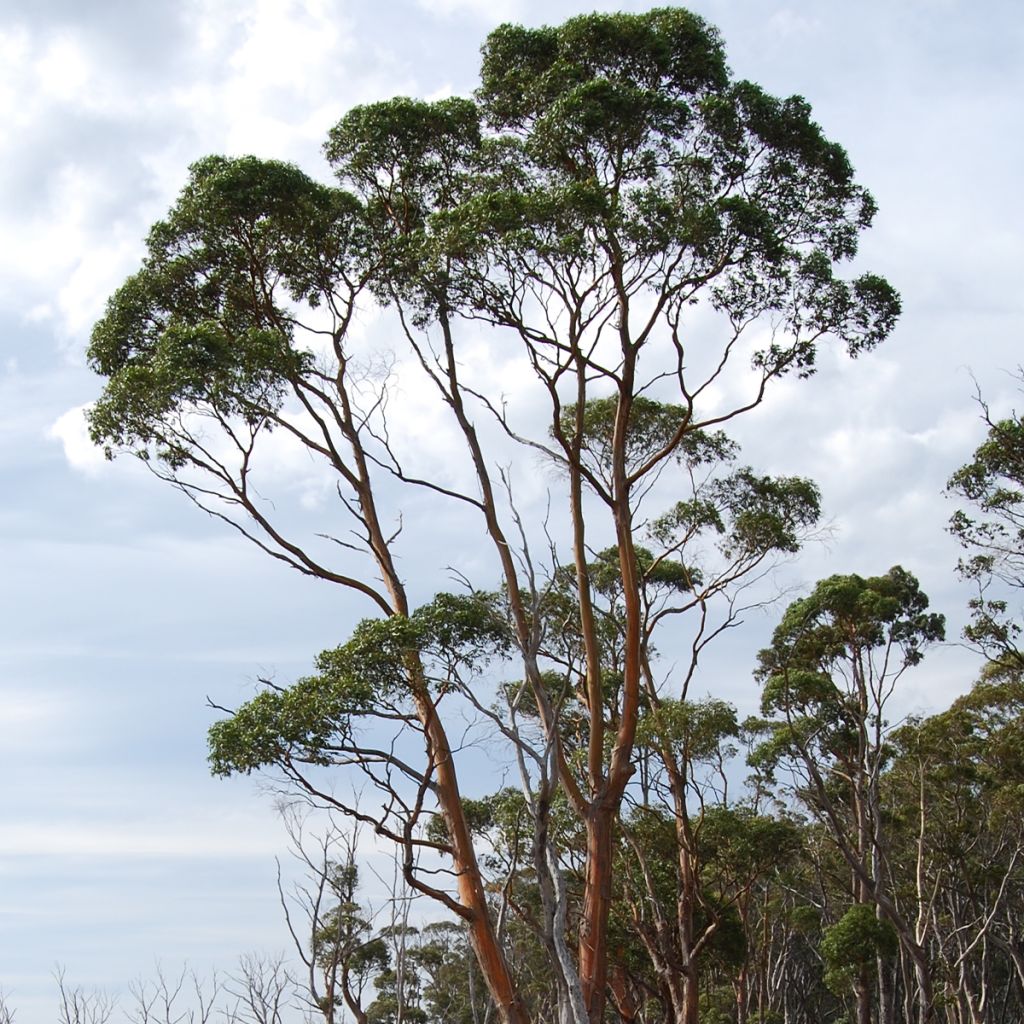
Eucalyptus rodwayi
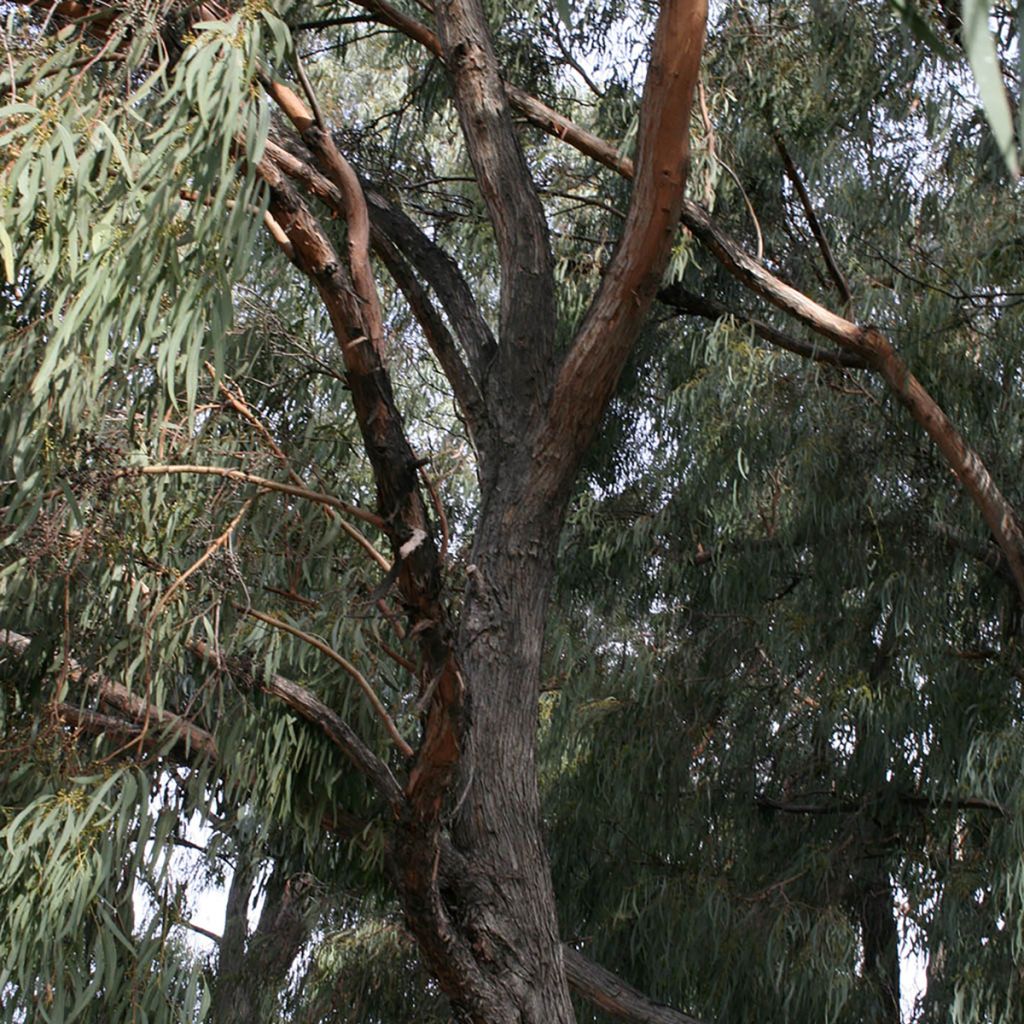
Eucalyptus rodwayi
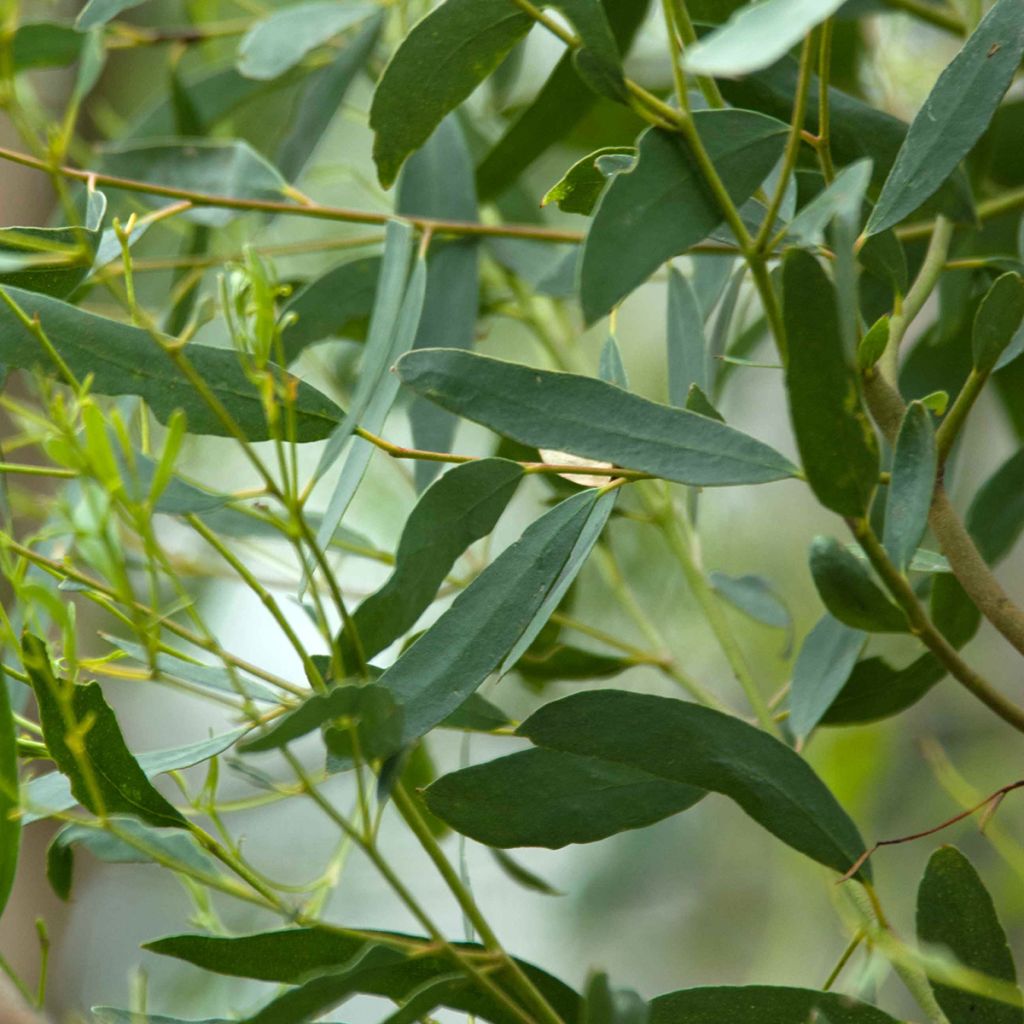
Eucalyptus rodwayi
Eucalyptus rodwayi
Eucalyptus rodwayi
swamp peppermint
Closely resembling the agreggata, I was curious, and after many years of searching in Belgium, I found them on this site. I planted one on the north face of the single-storey house (so partly shaded), and after just one season it is basking in full sunlight (which it needs). It grows fast and slender, in clay soil mixed with rubble and gravel. These conditions are not perfect, but I need trees that are able to adapt, not to put one in a pot for three years to see it slowly dying. Anyway, take a look at their catalogue. If you like experimenting with eucalyptus, you've come to the right place. And there are people working the soil with their hands, who take the time to reply if you have an issue. Top shop!
benoit, 24/02/2026
Back-to-school special offer!
Get €10 off for every €50 you spend! And get up to €40 off on a single order.
How does it work?
1. Shop your favourites
Add your favourite plants to your basket. For every €50 you spend (excluding delivery charges, store credit and the plastic-free option), you’ll receive a €10 voucher.
€50 spent = €10 voucher
€100 spent = €20 voucher
€150 spent = €30 voucher
€200 spent = €40 voucher
2. Place your order
Once your basket reaches one of the spending thresholds, place your order. You can even choose your delivery date!
3. Receive your voucher
As soon as your order has been shipped, you’ll receive an email containing your personal voucher code and its value.
4. Use it on your next order
Your voucher is valid for 90 days from the date you receive it. It can be used once only, on a new order worth at least the value of the voucher, excluding delivery charges.
Please note: Vouchers can be combined with other offers, but cannot be split or refunded.
Why not try an alternative variety in stock?
View all →
Available in 3 sizes
Available in 1 sizes
Available in 2 sizes
Available in 1 sizes
Available in 1 sizes

Available in 3 sizes
Available in 5 sizes
Available in 2 sizes
Available in 1 sizes
Available in 1 sizes
This plant carries a 24 months recovery warranty
More information
We guarantee the quality of our plants for a full growing cycle, and will replace at our expense any plant that fails to recover under normal climatic and planting conditions.

Does this plant fit my garden?
Set up your Plantfit profile →
Description
Eucalyptus rodwayi, commonly known as the Swamp Gum, is a species native to Tasmania that forms an evergreen, medium-sized, and relatively narrow upright tree. Its trunk with fibrous grey bark is slender and rather thin, contrasting well with the shiny green foliage. The slender and elongated leaves present a genuine ornamental interest, as well as the flowering, in umbels of white pompons. Growing at latitudes far from the tropics, it withstands cold well, making it easier to acclimate in our gardens. Its other assets lie in its adaptability to most soils, acidic, neutral or even moderately chalky, it also grows perfectly in poor soils. It simply needs sun and sufficient water at the root level.
Eucalyptus rodwayi belongs to the large Myrtaceae family, like all Eucalyptus. This genus is rich in about 800 species, almost all native to Australia, and Tasmania, the southern island that constitutes one of the Australian states. This is where this species grows naturally, from the central plateau to the east coast of the island, in valleys with wet soils, often poorly drained. This habitat earns it its vernacular name of Swamp Peppermint Gum. "Peppermint" on the other hand is wrong, as this species does not belong to the group of Eucalyptus with a peppermint scent (popular names do not always have the rigour of scientific names...).
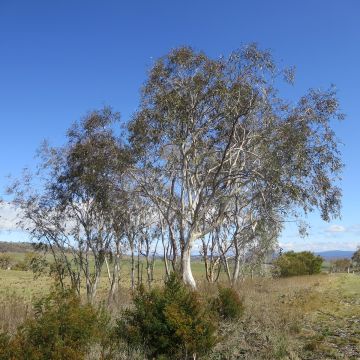
With average growth, this tree reaches a height of about twenty metres, and 7 to 8 m (23 to 26 ft 2 in) in width. In these wet conditions, its growth is rapid. It generally forms a single, very slender trunk of medium diameter in relation to height. Its vegetation is quite narrow and rectangular, although it can spread wider in isolated specimens. This species has the peculiarity, quite common among Eucalyptus, of developing a lignotuber, an underground formation rich in starch intended to reconstruct the aerial part in case of destruction (by fire in particular). It therefore has the ability to sprout from the stump, with numerous axillary buds developing in all directions.
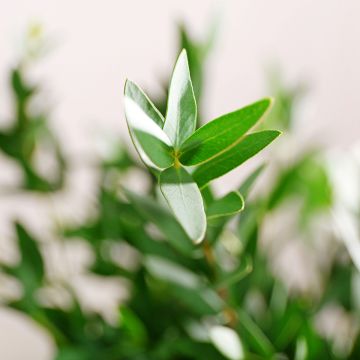
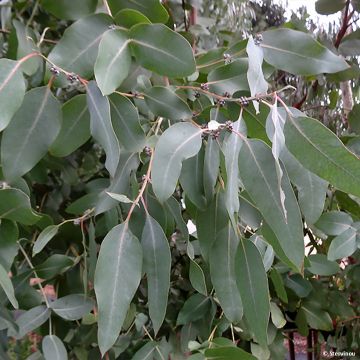
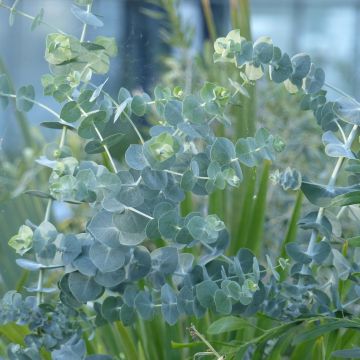
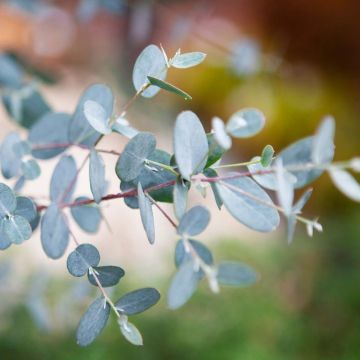
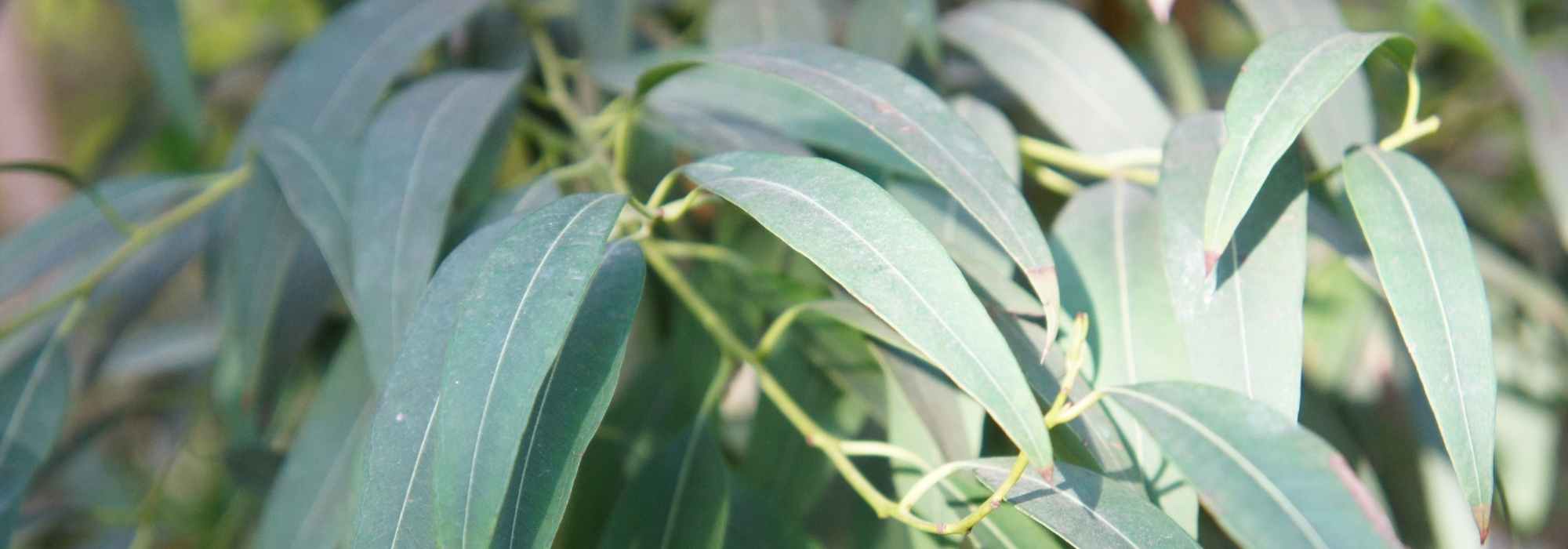
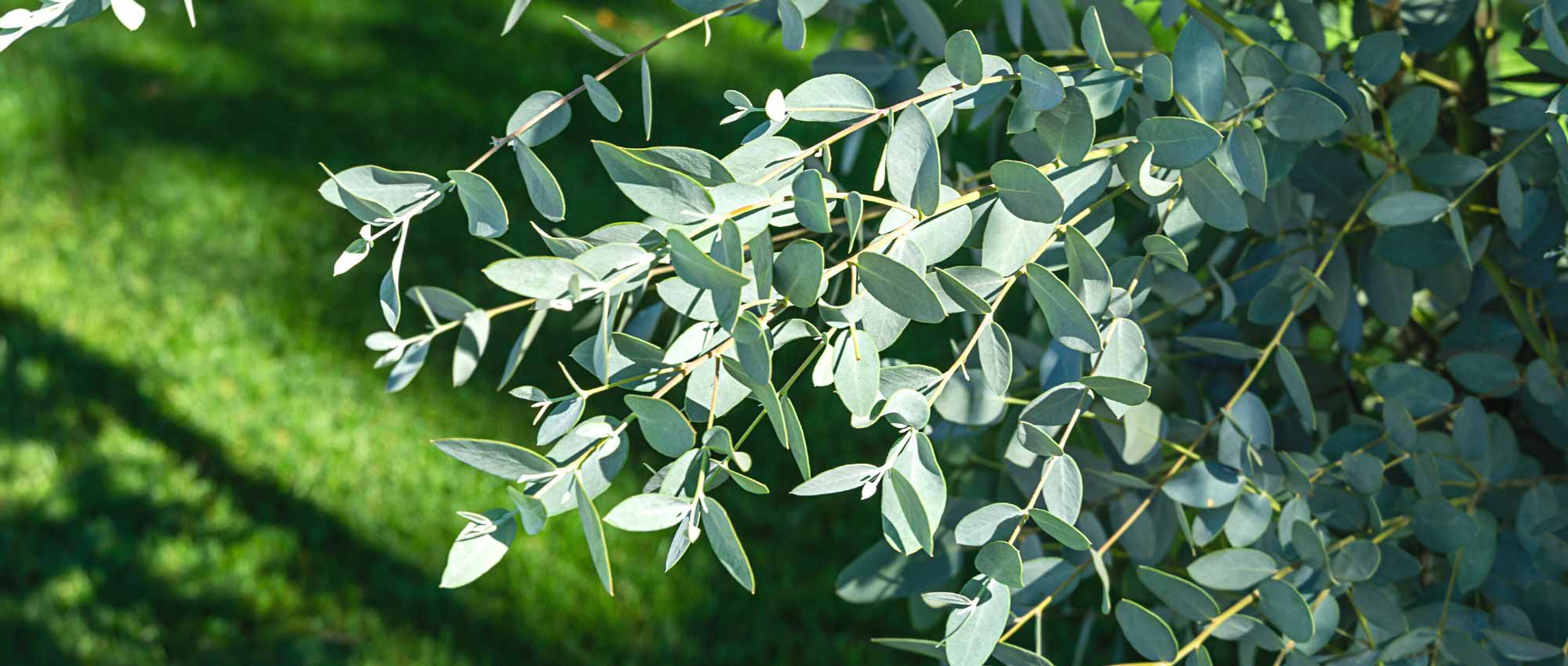
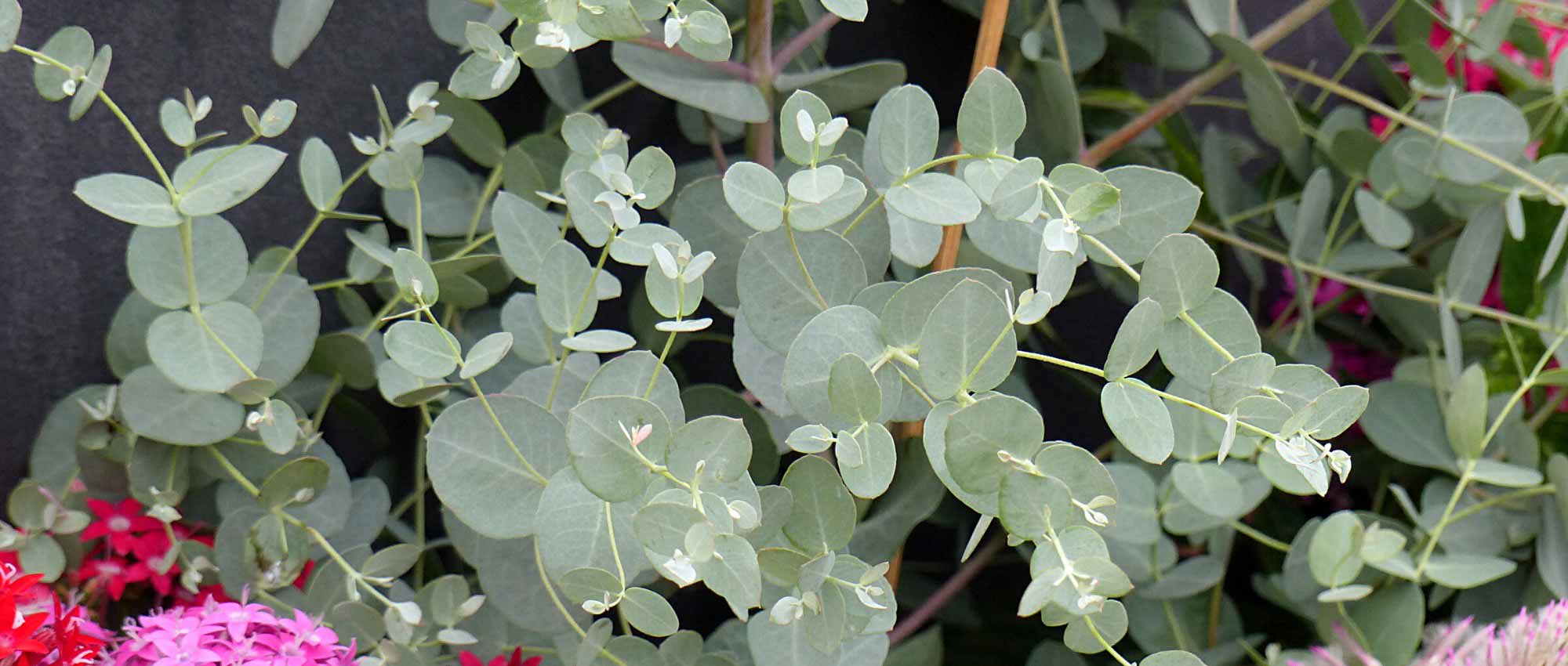
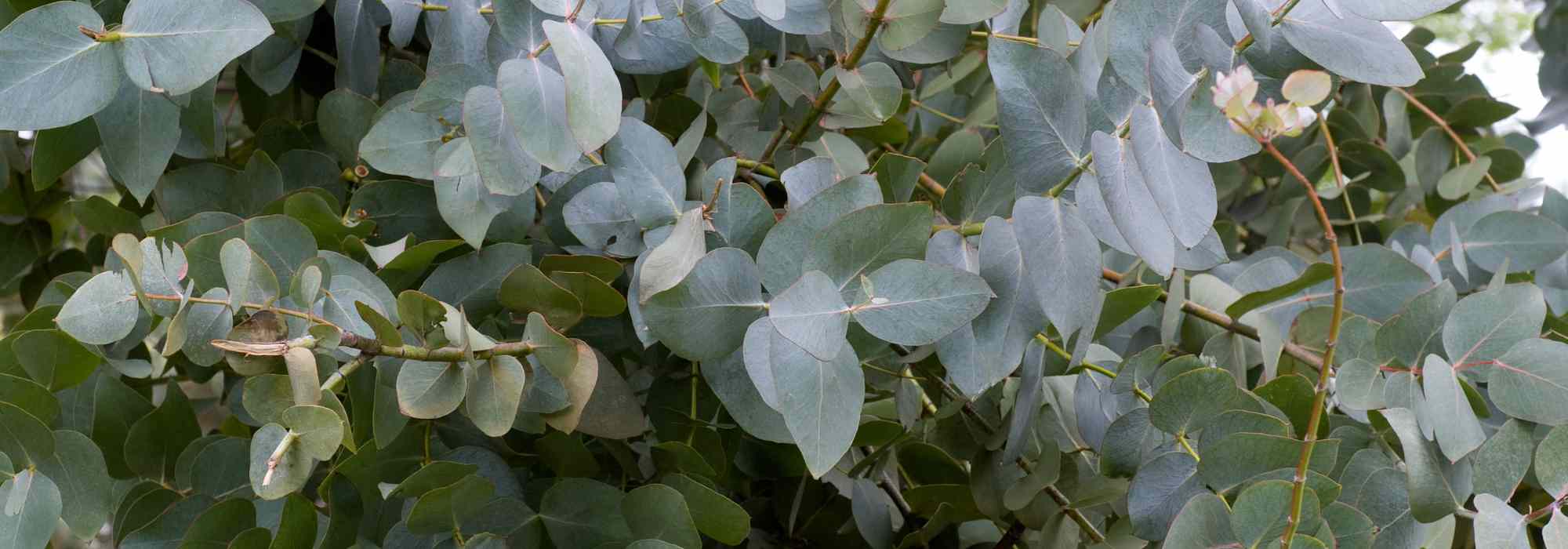
The juvenile foliage is lanceolate to elliptical, measuring up to 7.8 cm (3.1 in) long and 2 cm (0.8 in) wide. These sessile and opposite leaves are green. The adult foliage is not much different, the leaves of the same width are a little longer (up to 13.5 cm (5.3 in)), of a beautiful shiny green, and linear to crescent-shaped. This fine trailing foliage is very graceful and contributes to the ornamental interest of this species.
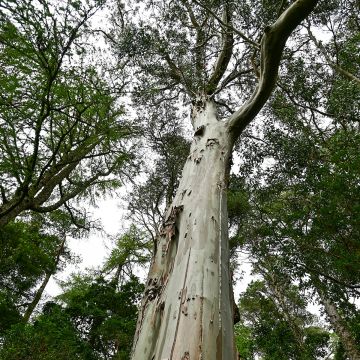
It contrasts well with the grey-to-grey-brown bark that covers the trunk and main branches. This finely fissured fibrous bark is quite aesthetic, without being among the most ornamental.
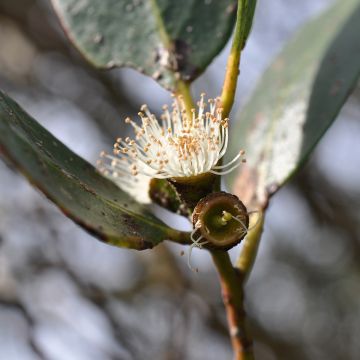
The flowering is quite classic and takes the form of white pompons, made up of bouquets of stamens spreading in perfect circles. These small petal-less flowers, about 2 cm (0.8 in) in diameter, are grouped in 7, 9 or 11 in axillary umbels, thus giving them a very real visual presence. Depending on the region and climate, flowering can occur from November to May.
Like most species, this Eucalyptus grows in a sunny exposure. Due to its origin, it prefers moist soils (but not permanently flooded), however, once well-rooted, it tolerates dryness relatively well. Its growth will be affected in this case. Rather accommodating, it accepts neutral to acid soils, even tolerating a certain amount of lime. It also adjusts very well to poor soils, and as it withstands brief frosts down to -15°C (5 °F).
Eucalyptus rodwayi is an easy tree to grow and well adapted to moist soils, in which it will show rapid growth. Its slender and quite airy habit allows it to be planted alone without generating much shade, or in the background of a bed. Its beautiful shiny green, evergreen foliage will blend well with other colourful foliage, such as that of Sambucus nigra Black Lace, an Elder with very cut leaves, almost black purple, and also a lover of fresh soils. Cercis canadensis Hearts of Gold, a Judas Tree with heart-shaped leaves whose colour varies throughout the year, from red to gold and then to chartreuse green, will also form a superb contrast.
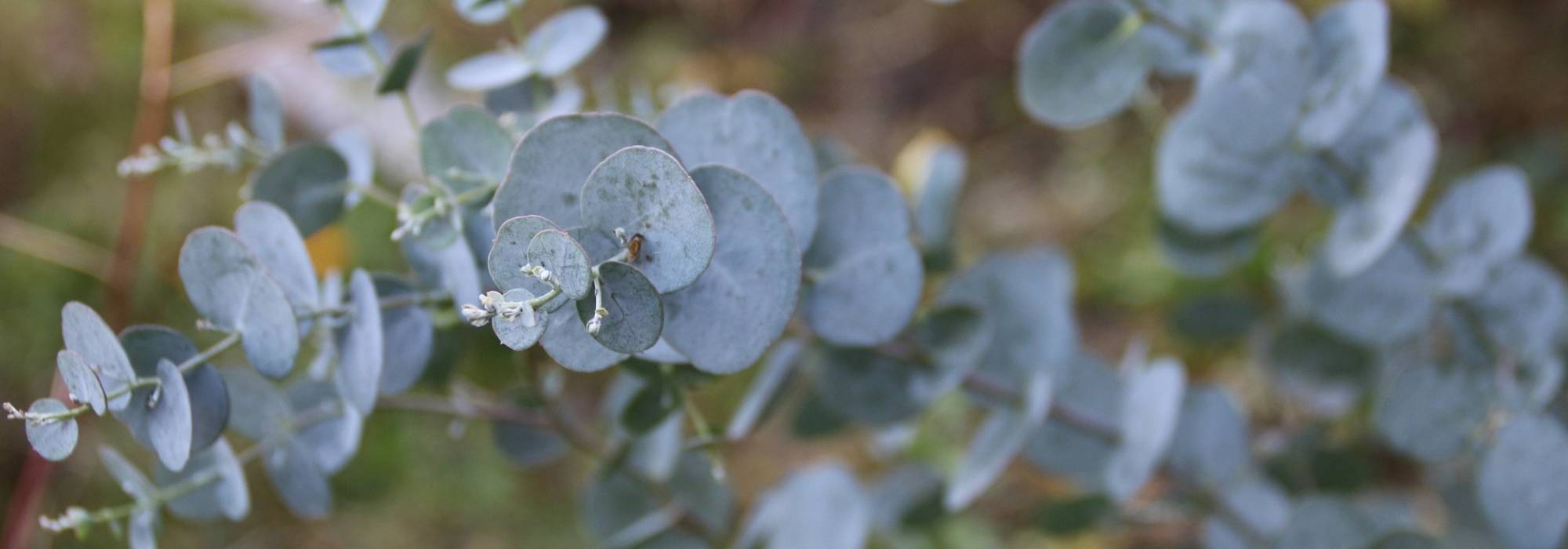
Eucalyptus rodwayi in pictures
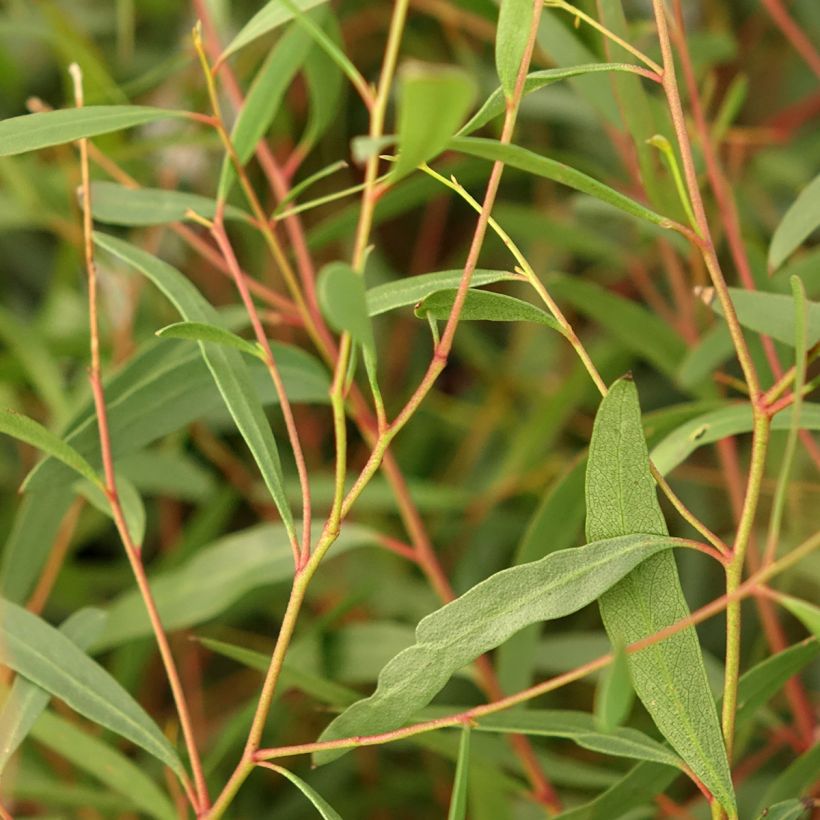
Plant habit
Flowering
Foliage
Botanical data
Eucalyptus
rodwayi
Myrtaceae
swamp peppermint
Australia
Planting and care
Eucalyptus rodwayi is best planted at the beginning of spring in cold regions, after the last frosts, and in early autumn in warmer climates. It adapts to most soils, heavy clay, moist, even poor in organic matter, or limestone without excess. It is planted in a sunny exposure and shows good hardiness. A well-established specimen can withstand brief cold spells down to -15°C (5°F), young plants are more sensitive. In many regions, you can therefore install it in the open ground. Its main requirement is to have sufficient water at soil level, without living in flooded soil. A moist soil while remaining a bit draining, especially in winter, is ideal for this species. However, once well rooted, it proves relatively tolerant to dry soil, but its growth rate will be impacted.
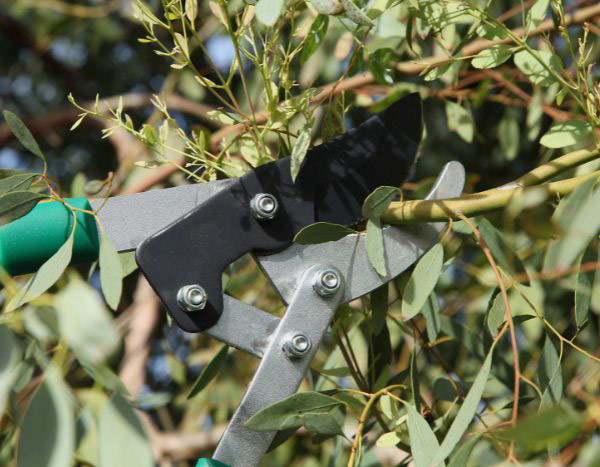
Soak the root ball in a bucket for a quarter of an hour before planting to thoroughly soak it, plant and water abundantly. Water regularly for the first two years, then you can space the watering except during periods of long drought. Gum trees are useful for drying up wet lands, as they are big water consumers even in winter.
Planting period
Intended location
Care
Planting & care advice


-
, onOrder confirmed
Reply from on Promesse de fleurs
Recently viewed products
Haven't found what you were looking for?
Hardiness is the lowest winter temperature a plant can endure without suffering serious damage or even dying. However, hardiness is affected by location (a sheltered area, such as a patio), protection (winter cover) and soil type (hardiness is improved by well-drained soil).
In temperate climates, pruning of spring-flowering shrubs (forsythia, spireas, etc.) should be done just after flowering.
Pruning of summer-flowering shrubs (Indian Lilac, Perovskia, etc.) can be done in winter or spring.
In cold regions as well as with frost-sensitive plants, avoid pruning too early when severe frosts may still occur.
The harvesting period indicated on our website applies to countries and regions in USDA zone 8 (France, England, Ireland, the Netherlands).
In colder areas (Scandinavia, Poland, Austria...) fruit and vegetable harvests are likely to be delayed by 3-4 weeks.
In warmer areas (Italy, Spain, Greece, etc.), harvesting will probably take place earlier, depending on weather conditions.
The sowing periods indicated on our website apply to countries and regions within USDA Zone 8 (France, UK, Ireland, Netherlands).
In colder areas (Scandinavia, Poland, Austria...), delay any outdoor sowing by 3-4 weeks, or sow under glass.
In warmer climes (Italy, Spain, Greece, etc.), bring outdoor sowing forward by a few weeks.
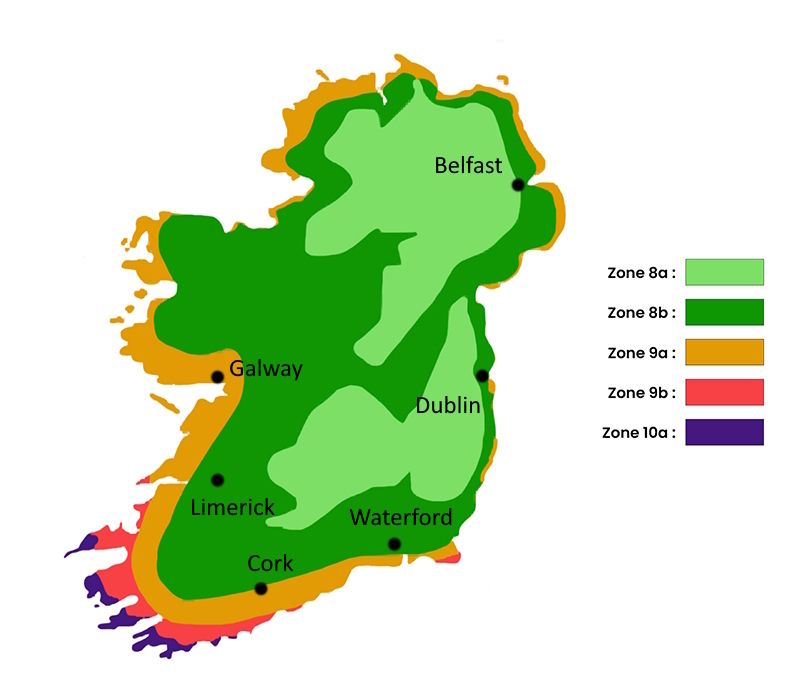
The planting period indicated on our website applies to regions in USDA Zone 9a (East Coast and Midlands: Dublin, Wexford, Waterford, Kilkenny, Portlaoise). It will vary depending on where you live:
- On the west coast and in the north-west (Galway, Limerick, Sligo, Donegal, Westport), delay planting by 1 to 2 weeks in spring and bring it forward by 1 to 2 weeks in autumn compared to the dates given, preferably choosing periods without strong winds.
- In the inland hills and plateaus (Wicklow Mountains, Macgillycuddy’s Reeks, Connemara, Killarney), it is best to plant in spring (April–May) or autumn (September–October), avoiding periods of waterlogged soil in winter and strong winds, which pose the main risk to newly planted trees in these areas.
The flowering period indicated on our website applies to regions in USDA Zone 9a, such as the East Coast and Midlands, including Dublin, Wexford, Waterford, Kilkenny and Portlaoise.
This will vary depending on where you live:
- On the west coast and in the northwest (Galway, Limerick, Sligo, Donegal and Westport), it will be delayed by one to two weeks compared to the given dates, due to stronger Atlantic winds and less spring sunshine.
- In the inland hills and plateaus (the Wicklow Mountains, the Macgillycuddy's Reeks, Connemara and Killarney), flowering will be delayed by two to three weeks. Flowering mainly occurs between May and July, with the limiting factors being less frost and more of the excessive humidity, strong winds and lack of sunshine that are characteristic of these areas.
Shipping country and language
Your country of residence may be:
Your country of residence is:
For a better user experience on our website, you can select:
Your shipping country:
-
 Austria
-
 Belgium
-
 Bosnia & Herzegovina
-
 Bulgaria
-
 Croatia
-
 Cyprus
-
 Czechia
-
 Denmark
-
 Estonia
-
 Finland
-
 France
-
 Germany
-
 Greece
-
 Hungary
-
 Iceland
-
 Ireland
-
 Italy
Italy
-
 Latvia
-
 Liechtenstein
-
 Lithuania
-
 Luxembourg
-
 Malta
Malta
-
 Netherlands
-
 Poland
-
 Portugal
-
 Romania
-
 Serbia
-
 Slovakia
-
 Slovenia
-
 Spain
Spain
-
 Sweden
-
 Switzerland
Language:
-
French
-
 English
-
Spanish
-
Italian
-
German
-
Portuguese
-
Dutch
-
Finnish
My Account
Hello
My wish lists
My cart
Log in / Register
Existing customer?
This form is protected by reCAPTCHA - the Google Privacy Policy and Terms of Service apply.
New customer?
Create an account to track your orders, access our customer service and, if you wish, make the most of our upcoming offers.