Eucalyptus perriniana
Eucalyptus perriniana
Eucalyptus perriniana
Eucalyptus perriniana
Eucalyptus perriniana
Eucalyptus perriniana
Eucalyptus perriniana
Spinning Gum
Very satisfied. Quick delivery, product very well packaged, and it matches my order perfectly.
Marlène, 04/04/2026
Back-to-school special offer!
Get €10 off for every €50 you spend! And get up to €40 off on a single order.
How does it work?
1. Shop your favourites
Add your favourite plants to your basket. For every €50 you spend (excluding delivery charges, store credit and the plastic-free option), you’ll receive a €10 voucher.
€50 spent = €10 voucher
€100 spent = €20 voucher
€150 spent = €30 voucher
€200 spent = €40 voucher
2. Place your order
Once your basket reaches one of the spending thresholds, place your order. You can even choose your delivery date!
3. Receive your voucher
As soon as your order has been shipped, you’ll receive an email containing your personal voucher code and its value.
4. Use it on your next order
Your voucher is valid for 90 days from the date you receive it. It can be used once only, on a new order worth at least the value of the voucher, excluding delivery charges.
Please note: Vouchers can be combined with other offers, but cannot be split or refunded.
Why not try an alternative variety in stock?
View all →
Available in 2 sizes
Available in 1 sizes
Available in 1 sizes
Available in 1 sizes
Available in 1 sizes
Available in 3 sizes
Available in 3 sizes

Available in 3 sizes
Available in 1 sizes
Available in 4 sizes
This plant carries a 24 months recovery warranty
More information
We guarantee the quality of our plants for a full growing cycle, and will replace at our expense any plant that fails to recover under normal climatic and planting conditions.

Does this plant fit my garden?
Set up your Plantfit profile →
Description
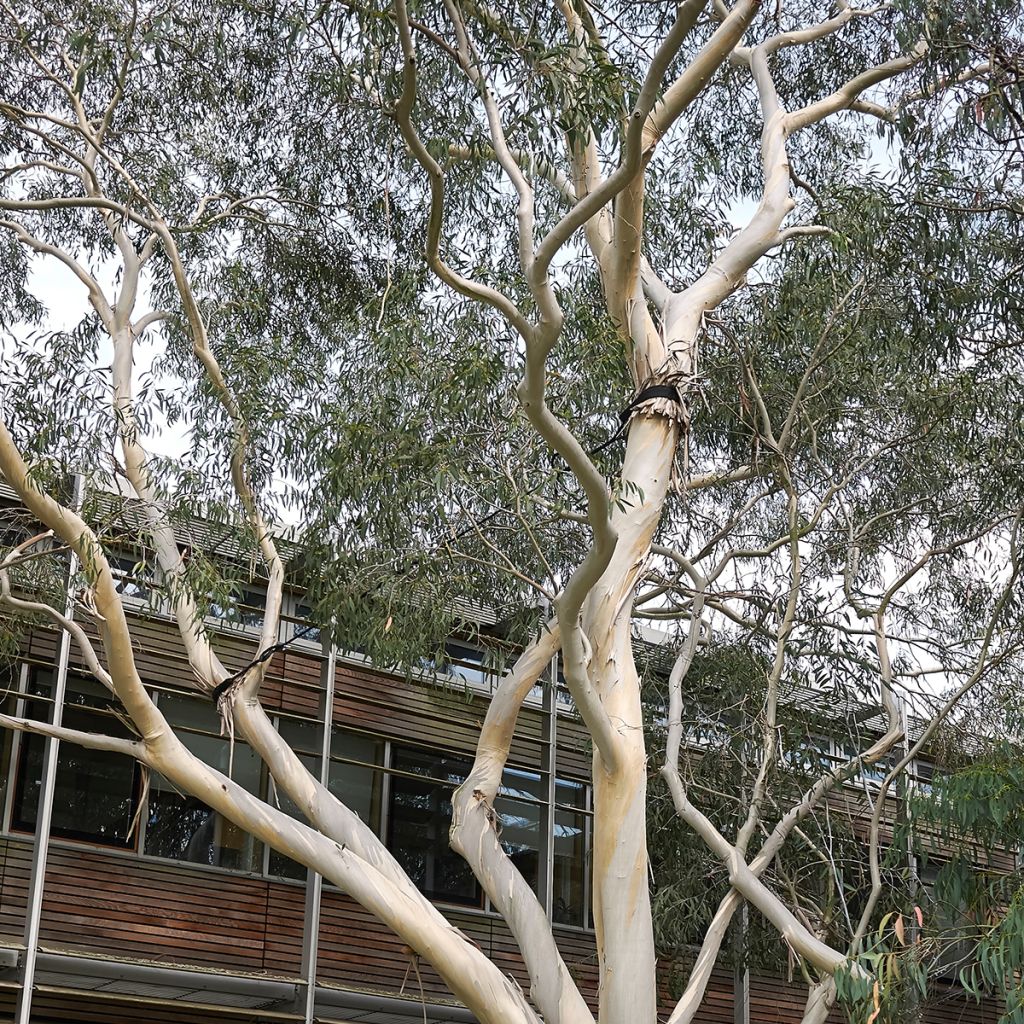
Eucalyptus perriniana is undoubtedly one of the most interesting species of its genus. Although fast-growing, it can still be planted in a small garden as its size always remains under 10 m (32 ft 10 in). Its coppery bark is decorative in all seasons, as is its evergreen foliage. The juvenile leaves have a beautiful bluish hue, and an original form, with the opposite and fused lamina being pierced by the stems. This Eucalyptus will bring exoticism to the gardens of many regions because in addition to being hardy down to -15°C (5 °F), it is one of the few to tolerate half-shade. Very adaptable, it grows in neutral to acidic soils and moderately tolerates limestone.
Eucalyptus is a tree of the Myrtaceae family, like the Feijoa, the Callistemon or the Myrtle, with flowering characteristics of this family. The Eucalyptus genus, from Australia, except for a few rare species from Southeast Asia, has more than 800 species, among which are the tallest leafy trees in the world (E. regnans), but also medium-sized bushes.
Eucalyptus perriniana originates from the south of Australia, from the alpine highlands of the state of Victoria to the southeast of New South Wales. It is also found at low altitudes, in southeastern Tasmania, the large island south of the mainland. It grows in different types of soil, from the rocks of Victoria to the sands of Tasmania, and under varied climates, mixing mild to hot summers and cold winters. This probably explains its good adaptability and hardiness, among the best in the Eucalyptus, as it resists occasional frosts of the order of -15°C (5 °F), some natural habitats undergoing long periods of cold.
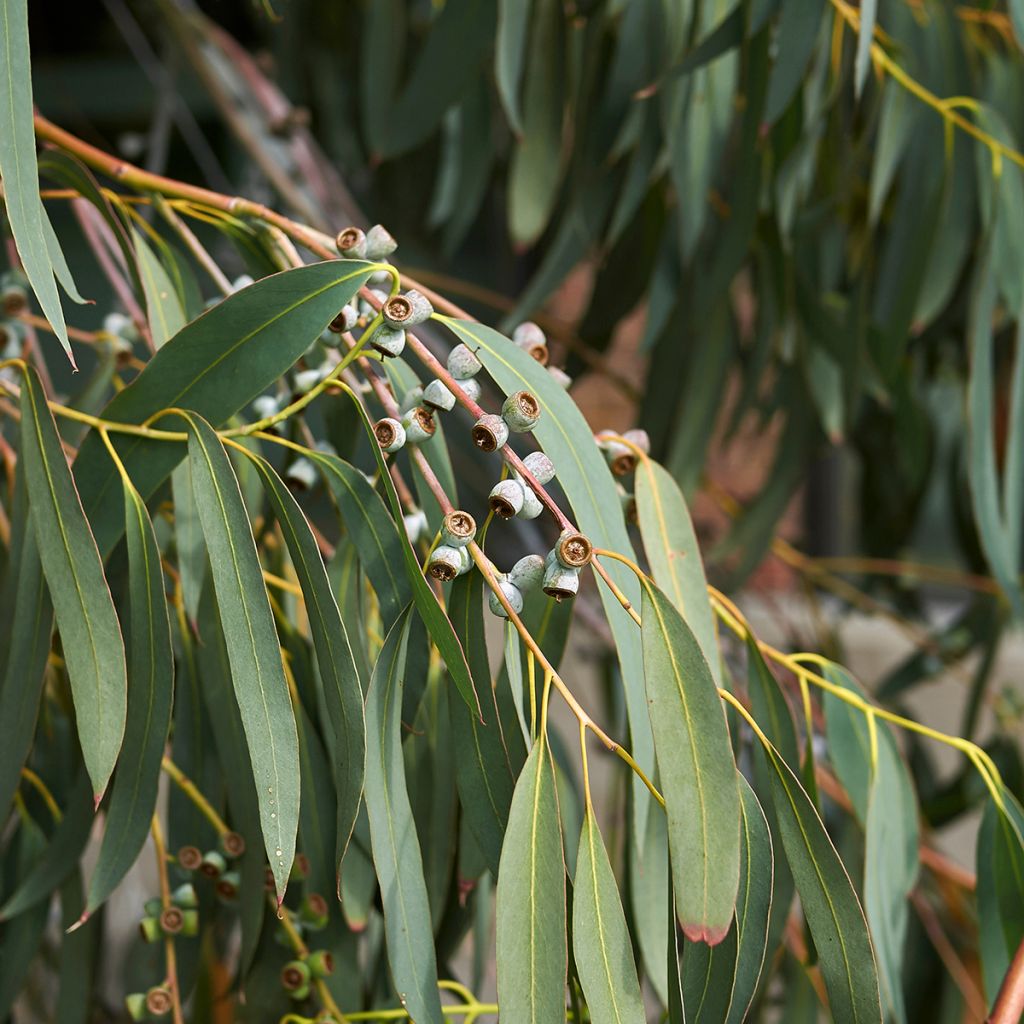
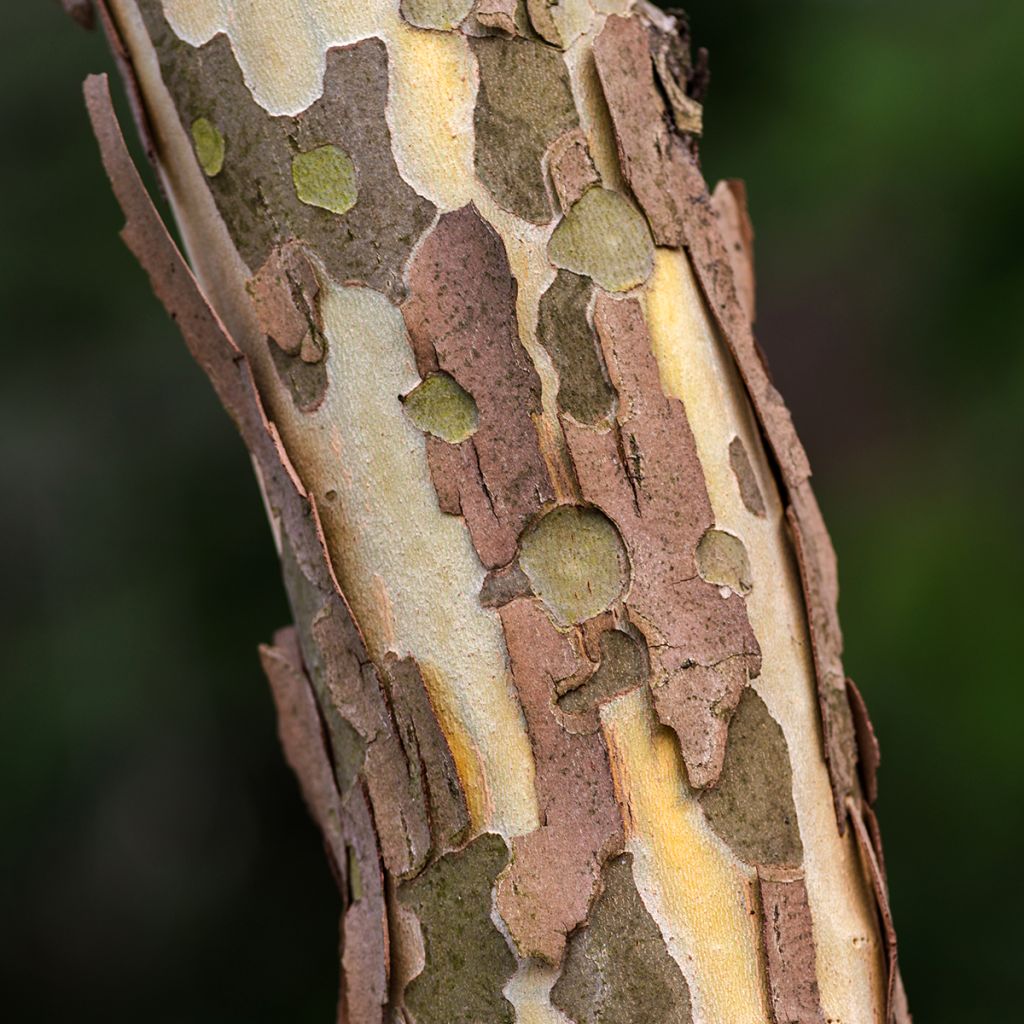
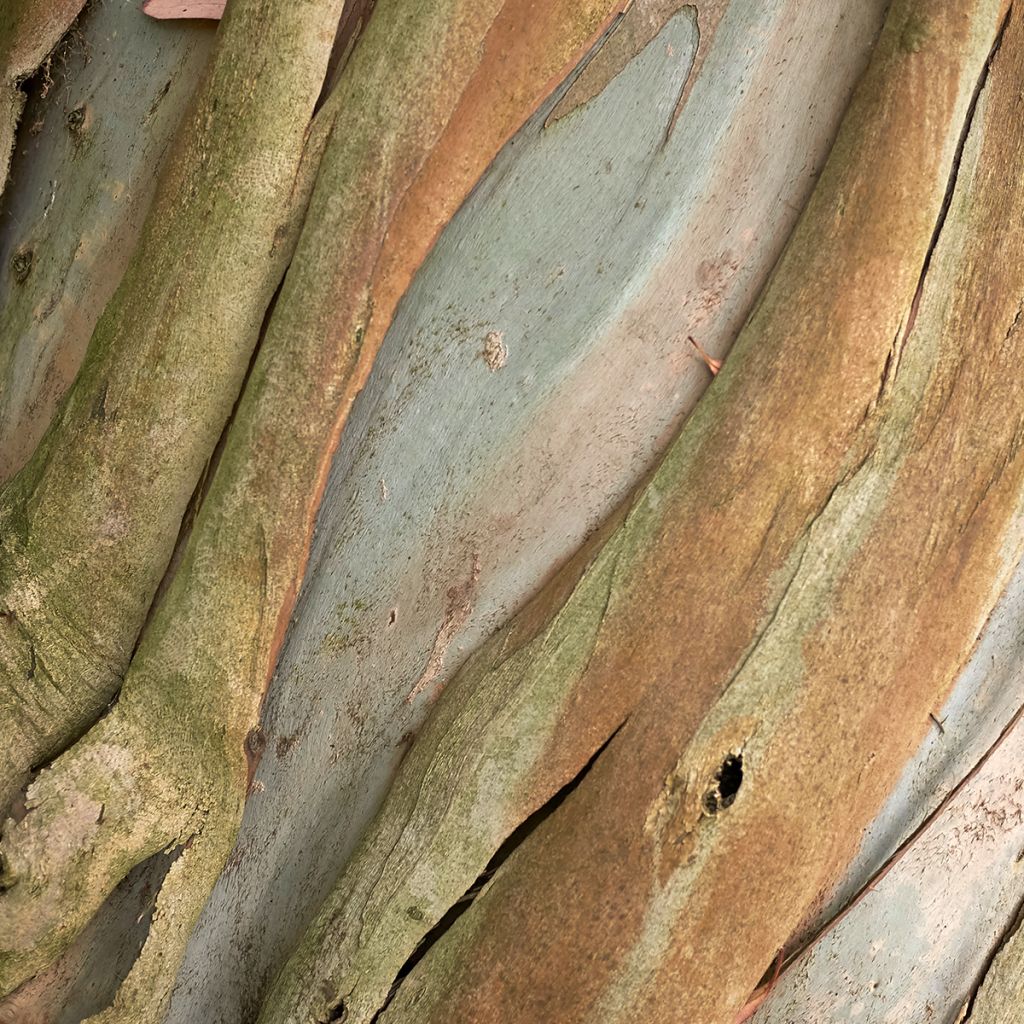
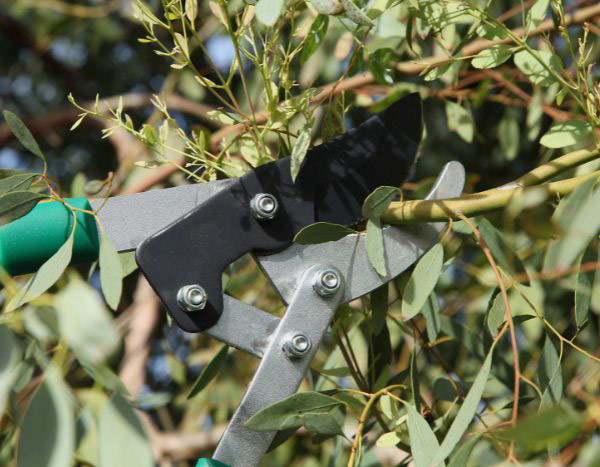
It forms a small tree of 7 to 8 m (23 to 26 ft 2 in), at most 10 m (32 ft 10 in) high, with 5 to 6 m (16 ft 5 in to 19 ft 8 in) spread, carried by a trunk which often becomes twisted with age. Its coppery bark is very decorative, especially in the rain which brings out its colour. It peels off in large flakes that fall to the ground, forming a litter layer at its foot. It also sometimes takes a bushy habit, like the group of mallees (Eucalyptus less than 10 m (32 ft 10 in) high developing several stems from the soil). This Eucalyptus has a significant ability to regenerate thanks to its lignotuber, an underground swelling rich in starch, capable of emitting many shoots if the above-ground part of the plant is destroyed (typically by fire). The regrowth is denser than the original young plant. This characteristic is particularly interesting from an ornamental point of view, as it allows severe pruning, which limits the development of the plant, makes it branch well and stimulates the formation of juvenile foliage, which in many species, is more decorative than the adult foliage.
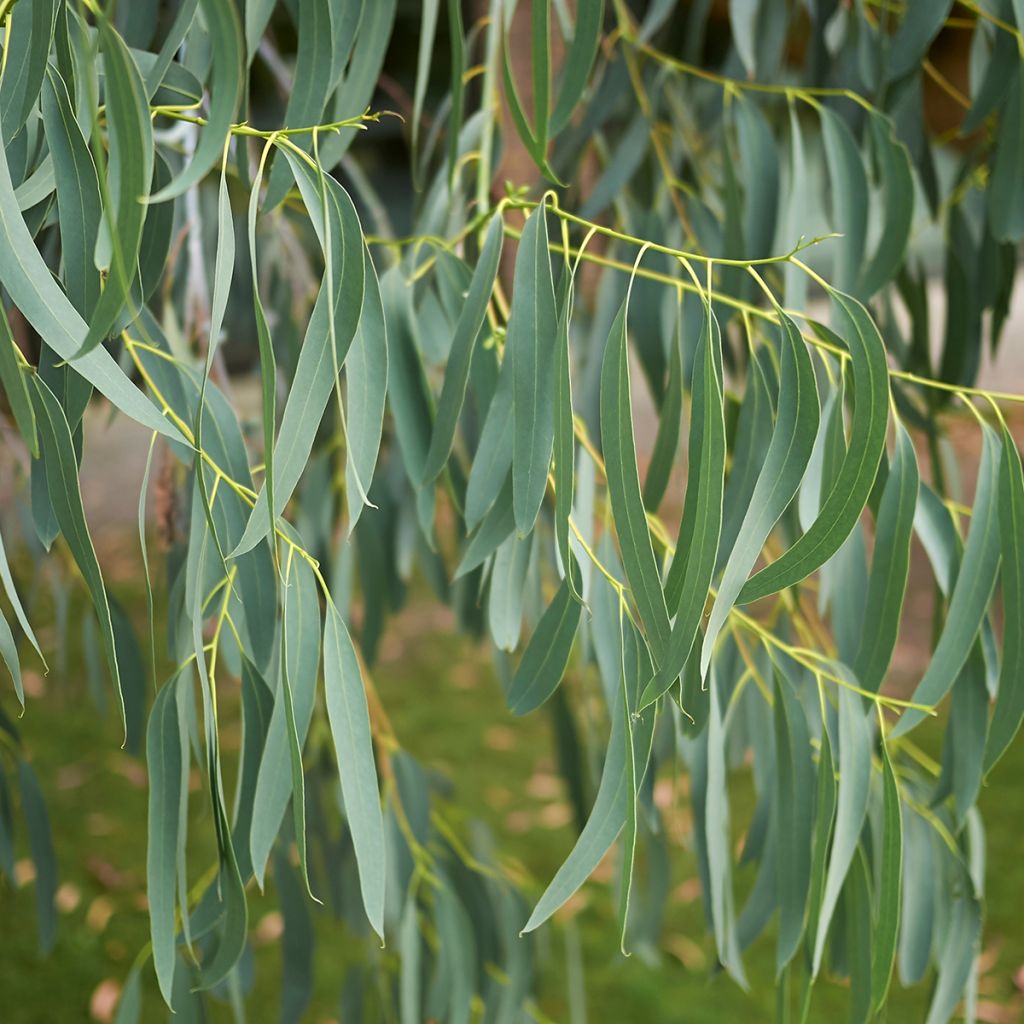
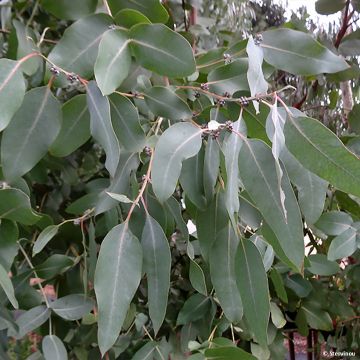
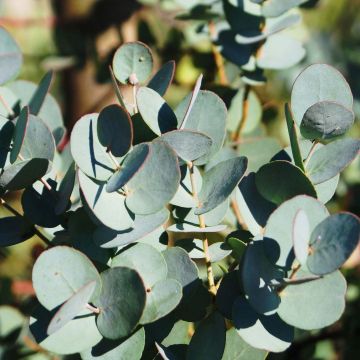
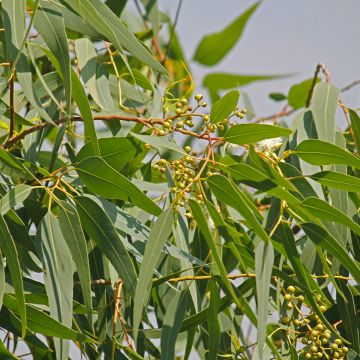
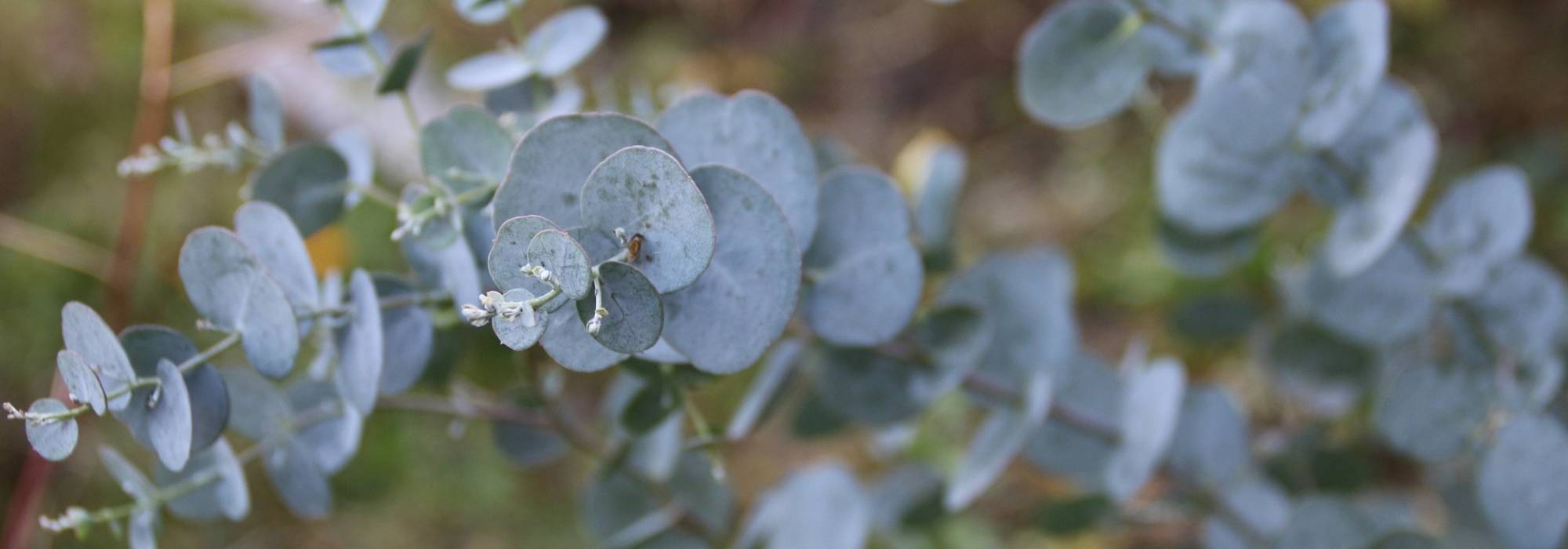
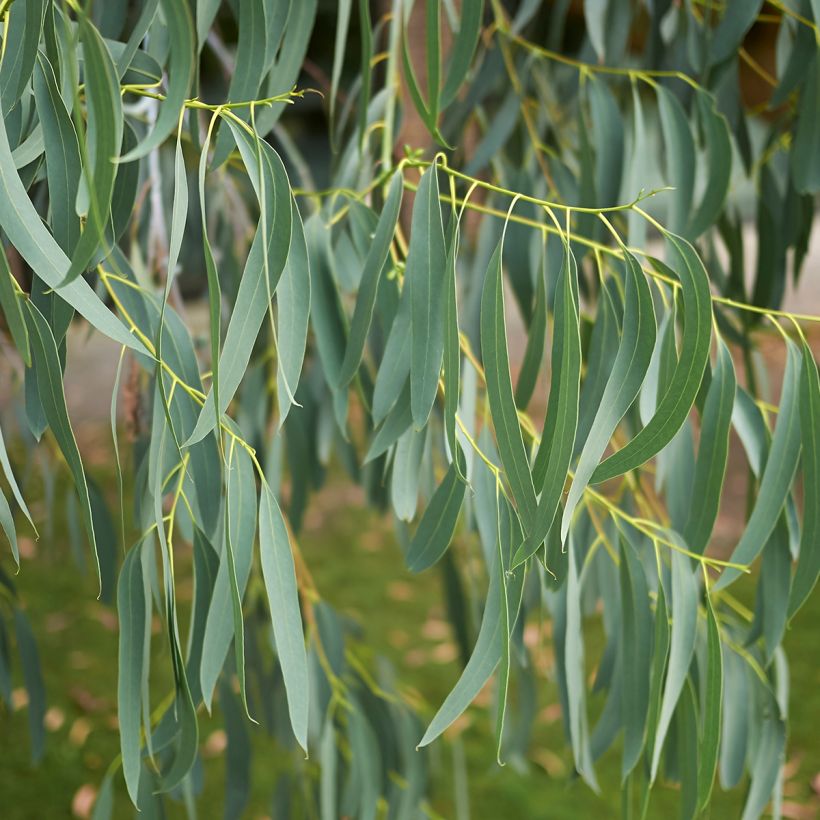
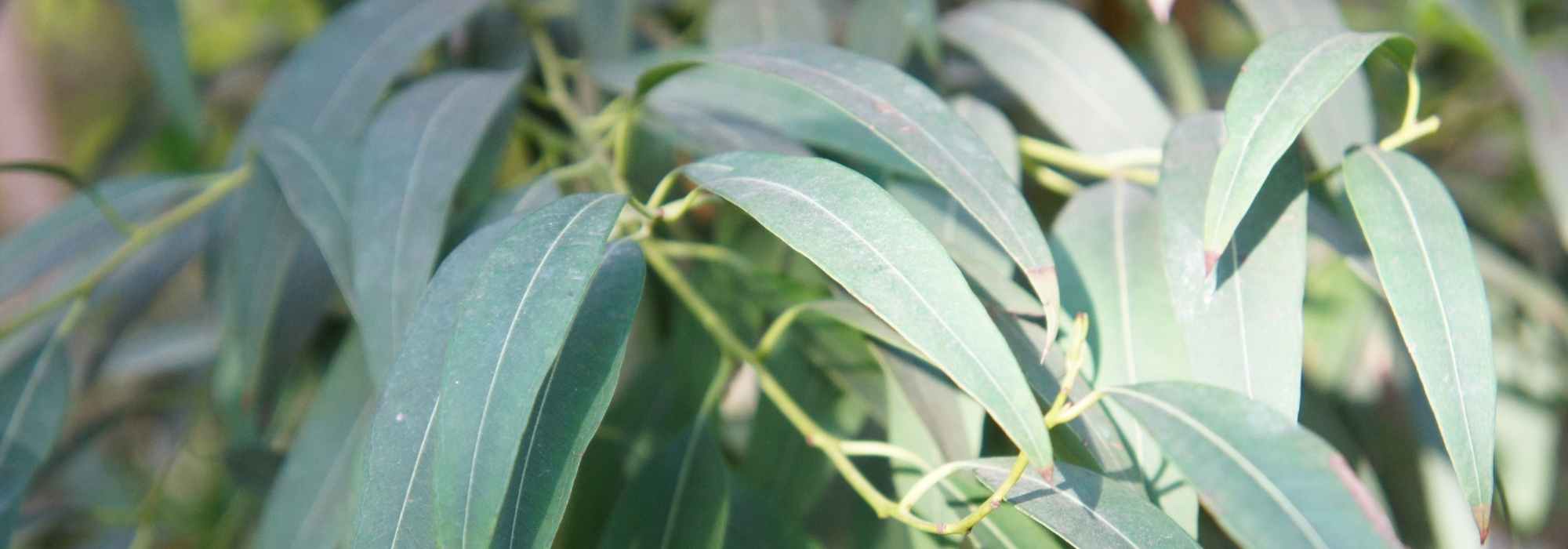
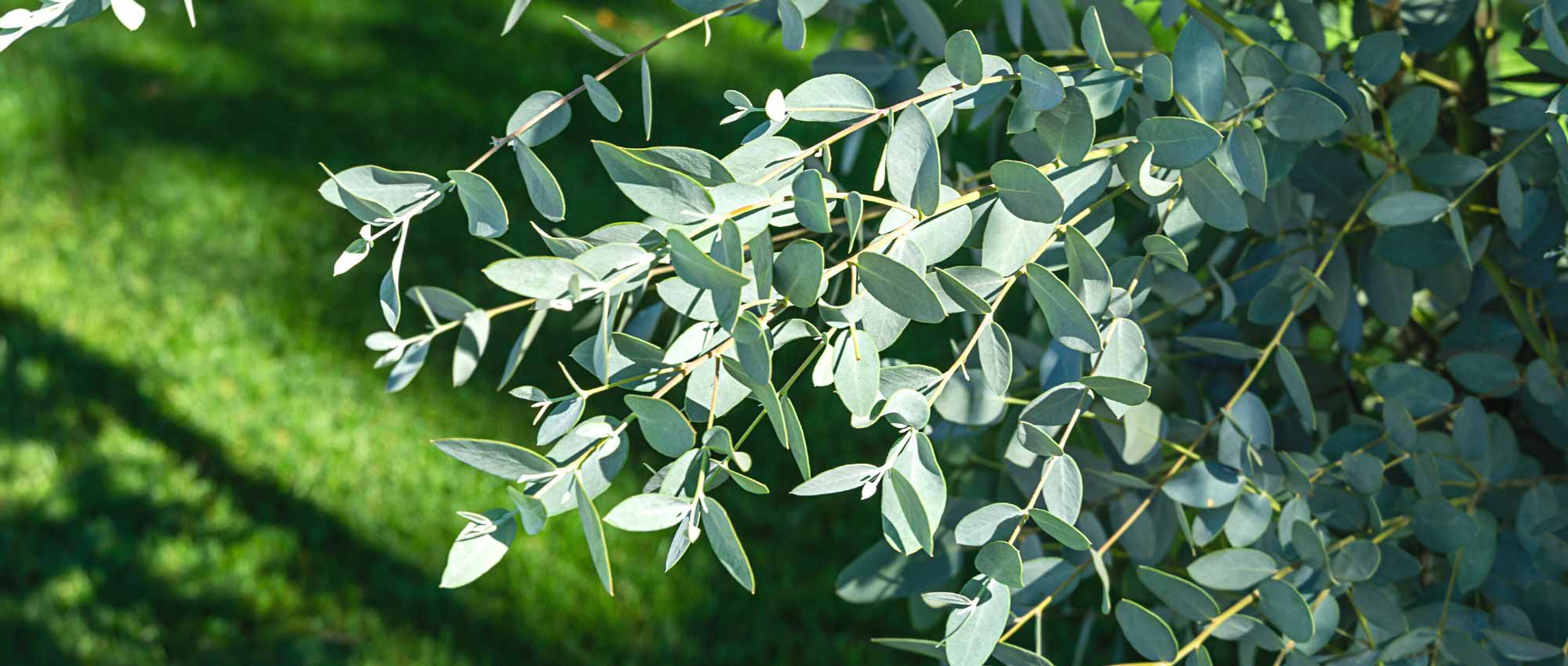
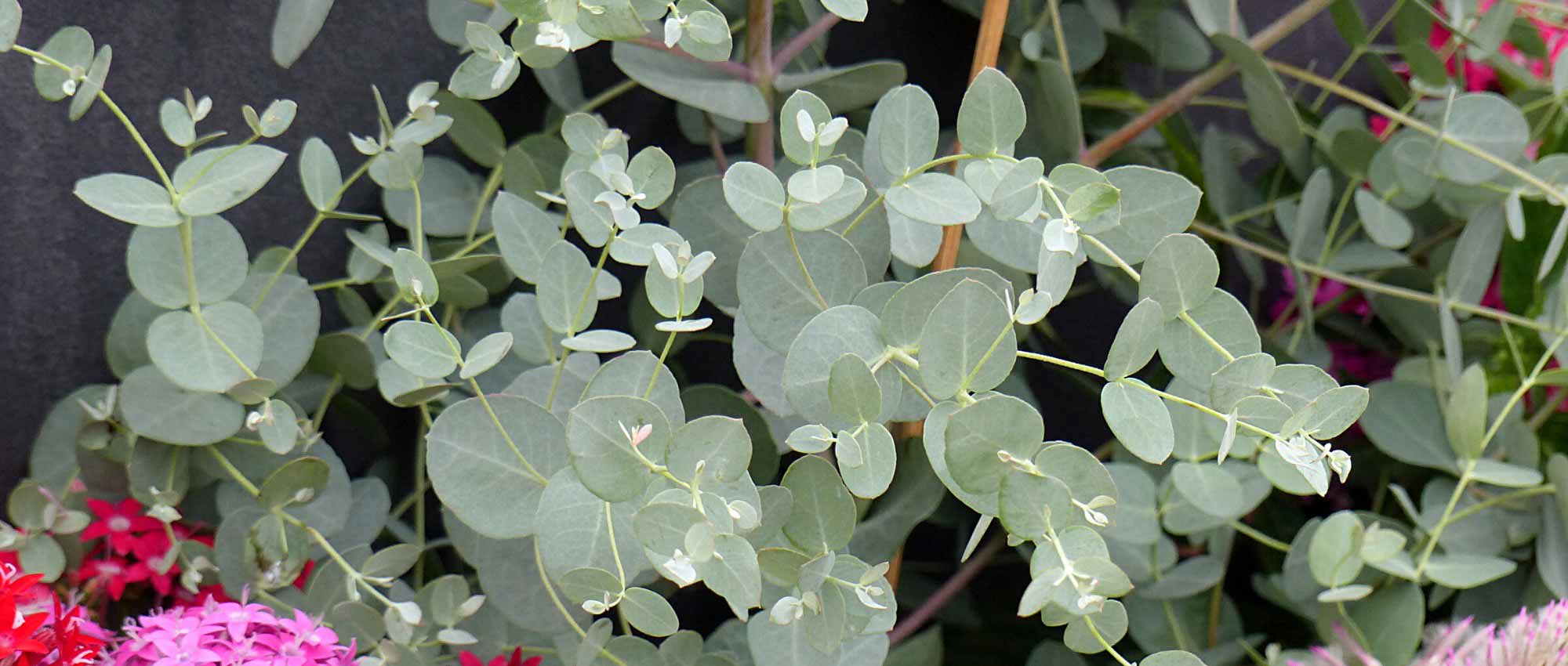
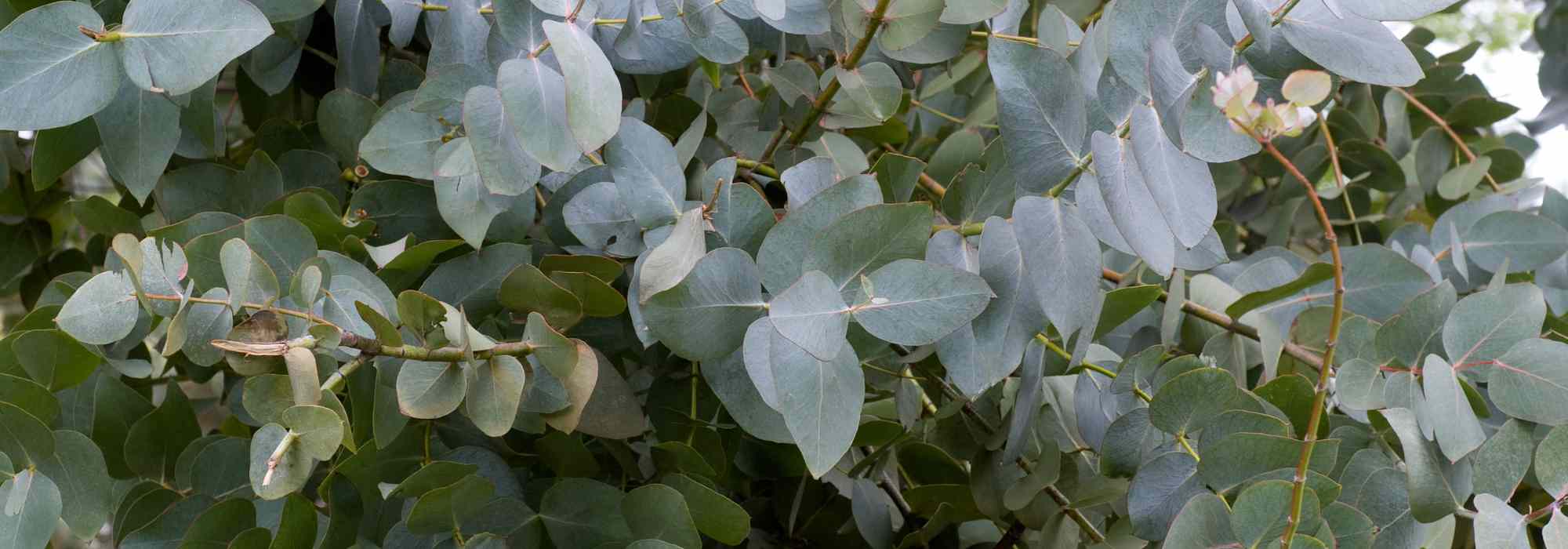
This is the case with the E. perriniana, whose juvenile foliage is one of the most beautiful in existence. The opposite leaves fuse at their base, thus taking an elliptical shape 3 to 8 cm (1.2 to 3.1 in) long by 5 to 8 cm (2 to 3.1 in) wide, encircling the young shoot from all sides. Visually, the stem seems to pierce a target made up of fused leaves, like the thread of a necklace passing through pearls. This amazing architectural design is magnified by the bluish colour of the leaves, which is absolutely beautiful. The adult foliage is more classic and takes a lanceolate shape, with leaves measuring up to 16 cm (6.3 in) long by 5 cm (2 in) wide, equipped with petioles and in an alternate position. In this species the juvenile foliage persists for a long time in the crown, sometimes the adult foliage does not appear at all, which has a visual advantage.
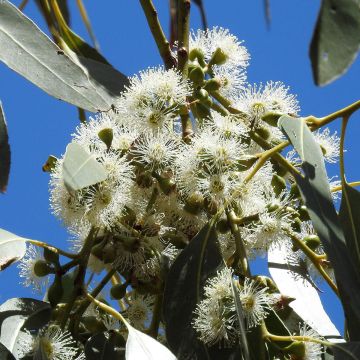
The flowering is relatively insignificant. Small white pompoms of about 1 cm (0.4 in) in diameter, formed by the stamens, group together in 3s in small axillary umbels. You have to be particularly patient, as it usually only occurs after about twenty years! In Australia, it occurs from January to March and under our climates, usually around August to September.
Eucalyptus perriniana is easy to grow and has the characteristic, unusual in this genus, of tolerating half-shade, even if it prefers a sunny exposure. Preferring neutral to acidic soils, it is moderately tolerant of limestone. Once well rooted, it can withstand dry spells, but will grow better in moist to wet soils, even accepting temporary flooding. A well-drained soil is however preferable, especially in winter. Its hardiness can go down to -15°C (5 °F), making it a very interesting species in most regions.
Eucalyptus perriniana is certainly one of the best choices for creating an exotic scene in the garden. Its limited size and its hardiness allow for planting in most situations. Its bluish foliage will create an astonishing contrast with that of Albizia julibrissin Summer Chocolate, which is cut to the point of earning it the nickname Mimosa of Constantinople. Evoking the tropics with its airy habit and pompom flowers, this small tree takes on dark purple to chocolate colours in summer. To complete this picture of coloured foliage, nothing is better than a golden bush like Choisya Goldfinger, a Mexican Orange with cut leaves and whose scent of white flowers betrays its membership of the citrus family.
Eucalyptus perriniana in pictures
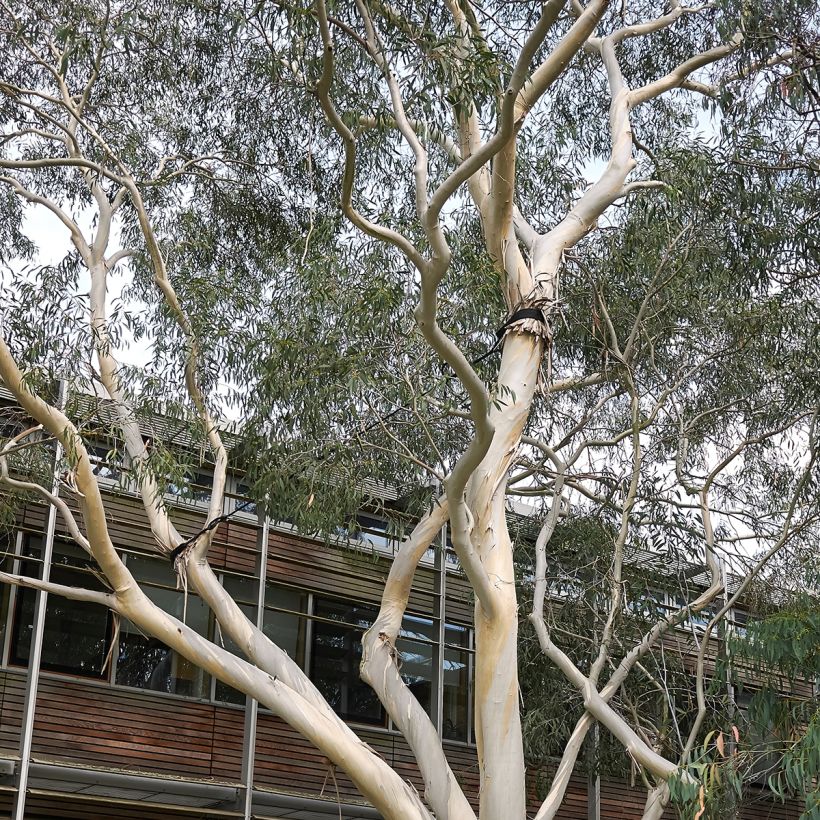
Plant habit
Flowering
Foliage
Botanical data
Eucalyptus
perriniana
Myrtaceae
Spinning Gum
Cultivar or hybrid
Planting and care
Eucalyptus perriniana is best planted at the beginning of spring in cold regions, after the last frosts, or at the beginning of autumn in a warmer climate. It adapts to many types of soil, moist, even temporarily waterlogged or occasionally dry. It prefers neutral to acidic soil but tolerates a bit of limestone. Just avoid overly compact clay soils.
It is happiest planted in a sunny exposure, but also tolerates half-shade, which is rare for Eucalyptus. It shows good hardiness: a well-established subject can withstand brief cold spells down to -15 °C (5 °F), young plants are more sensitive. You can therefore plant it in the open ground without fear in many regions.
Soak the root ball in a bucket for a quarter of an hour before planting, refill the hole and water abundantly. Water regularly for the first two years, then space out the watering, except during periods of prolonged drought. Gum trees are useful for drying out damp soils, as they are large consumers of water even in winter.
Planting period
Intended location
Care
Planting & care advice


-
, onOrder confirmed
Reply from on Promesse de fleurs
Recently viewed products
Haven't found what you were looking for?
Hardiness is the lowest winter temperature a plant can endure without suffering serious damage or even dying. However, hardiness is affected by location (a sheltered area, such as a patio), protection (winter cover) and soil type (hardiness is improved by well-drained soil).
In temperate climates, pruning of spring-flowering shrubs (forsythia, spireas, etc.) should be done just after flowering.
Pruning of summer-flowering shrubs (Indian Lilac, Perovskia, etc.) can be done in winter or spring.
In cold regions as well as with frost-sensitive plants, avoid pruning too early when severe frosts may still occur.
The harvesting period indicated on our website applies to countries and regions in USDA zone 8 (France, England, Ireland, the Netherlands).
In colder areas (Scandinavia, Poland, Austria...) fruit and vegetable harvests are likely to be delayed by 3-4 weeks.
In warmer areas (Italy, Spain, Greece, etc.), harvesting will probably take place earlier, depending on weather conditions.
The sowing periods indicated on our website apply to countries and regions within USDA Zone 8 (France, UK, Ireland, Netherlands).
In colder areas (Scandinavia, Poland, Austria...), delay any outdoor sowing by 3-4 weeks, or sow under glass.
In warmer climes (Italy, Spain, Greece, etc.), bring outdoor sowing forward by a few weeks.
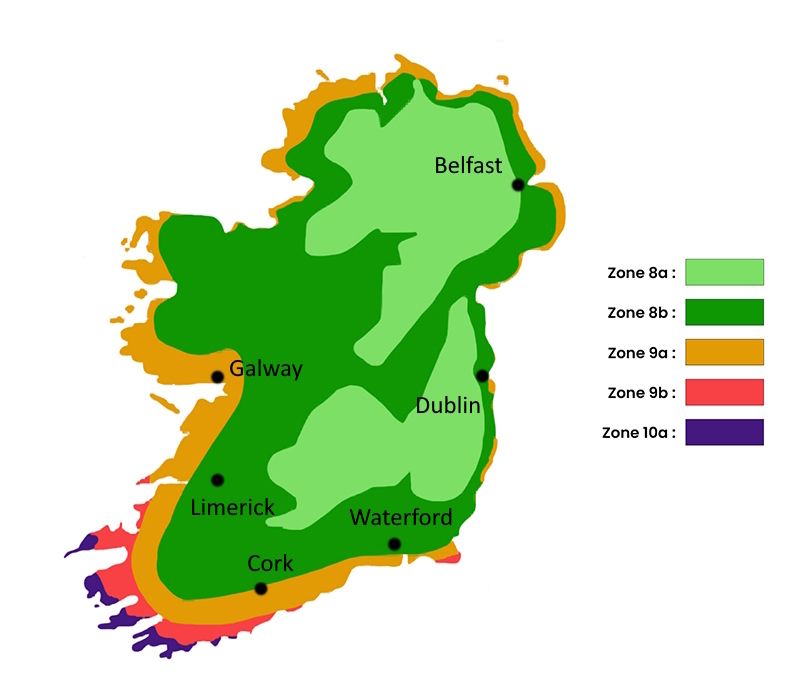
The planting period indicated on our website applies to regions in USDA Zone 9a (East Coast and Midlands: Dublin, Wexford, Waterford, Kilkenny, Portlaoise). It will vary depending on where you live:
- On the west coast and in the north-west (Galway, Limerick, Sligo, Donegal, Westport), delay planting by 1 to 2 weeks in spring and bring it forward by 1 to 2 weeks in autumn compared to the dates given, preferably choosing periods without strong winds.
- In the inland hills and plateaus (Wicklow Mountains, Macgillycuddy’s Reeks, Connemara, Killarney), it is best to plant in spring (April–May) or autumn (September–October), avoiding periods of waterlogged soil in winter and strong winds, which pose the main risk to newly planted trees in these areas.
The flowering period indicated on our website applies to regions in USDA Zone 9a, such as the East Coast and Midlands, including Dublin, Wexford, Waterford, Kilkenny and Portlaoise.
This will vary depending on where you live:
- On the west coast and in the northwest (Galway, Limerick, Sligo, Donegal and Westport), it will be delayed by one to two weeks compared to the given dates, due to stronger Atlantic winds and less spring sunshine.
- In the inland hills and plateaus (the Wicklow Mountains, the Macgillycuddy's Reeks, Connemara and Killarney), flowering will be delayed by two to three weeks. Flowering mainly occurs between May and July, with the limiting factors being less frost and more of the excessive humidity, strong winds and lack of sunshine that are characteristic of these areas.
Shipping country and language
Your country of residence may be:
Your country of residence is:
For a better user experience on our website, you can select:
Your shipping country:
-
 Austria
-
 Belgium
-
 Bosnia & Herzegovina
-
 Bulgaria
-
 Croatia
-
 Cyprus
-
 Czechia
-
 Denmark
-
 Estonia
-
 Finland
-
 France
-
 Germany
-
 Greece
-
 Hungary
-
 Iceland
-
 Ireland
-
 Italy
Italy
-
 Latvia
-
 Liechtenstein
-
 Lithuania
-
 Luxembourg
-
 Malta
Malta
-
 Netherlands
-
 Poland
-
 Portugal
-
 Romania
-
 Serbia
-
 Slovakia
-
 Slovenia
-
 Spain
Spain
-
 Sweden
-
 Switzerland
Language:
-
French
-
 English
-
Spanish
-
Italian
-
German
-
Portuguese
-
Dutch
-
Finnish
My Account
Hello
My wish lists
My cart
Log in / Register
Existing customer?
This form is protected by reCAPTCHA - the Google Privacy Policy and Terms of Service apply.
New customer?
Create an account to track your orders, access our customer service and, if you wish, make the most of our upcoming offers.