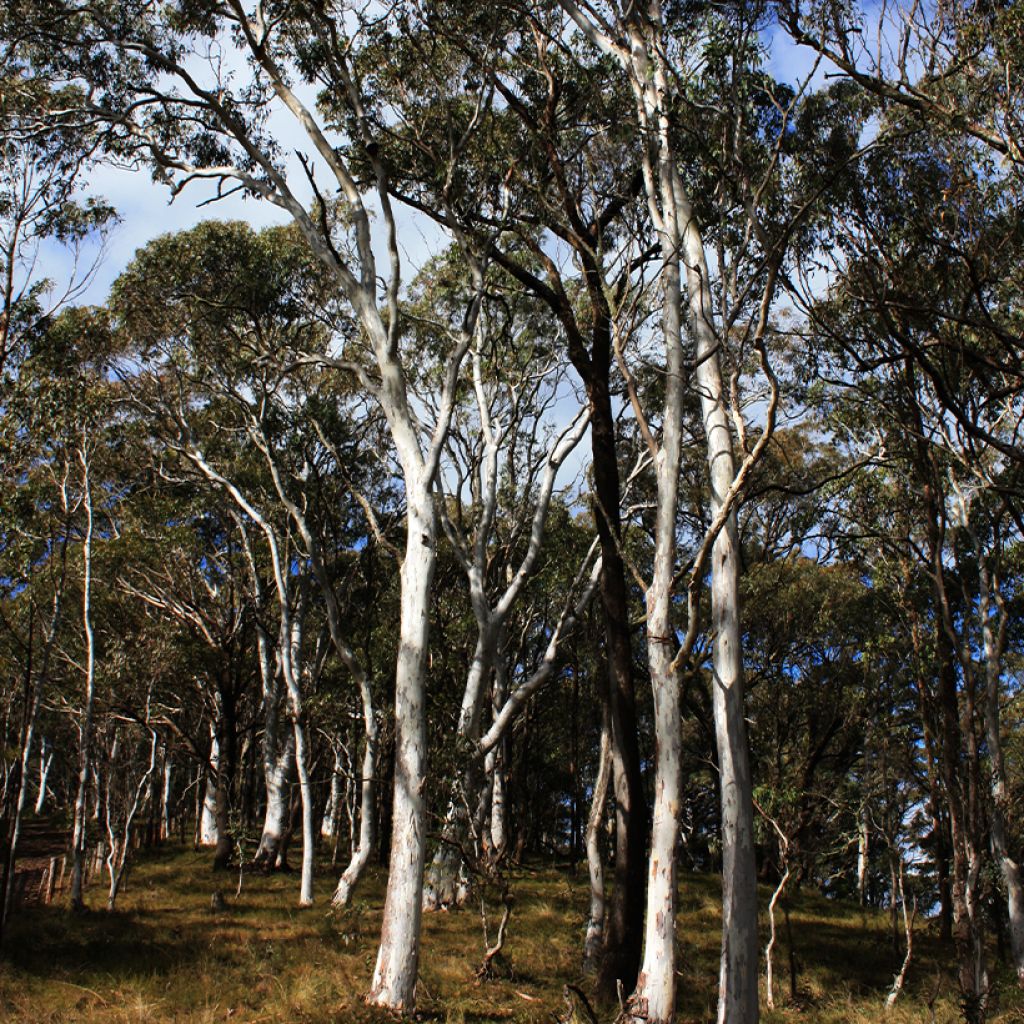
Eucalyptus elliptica
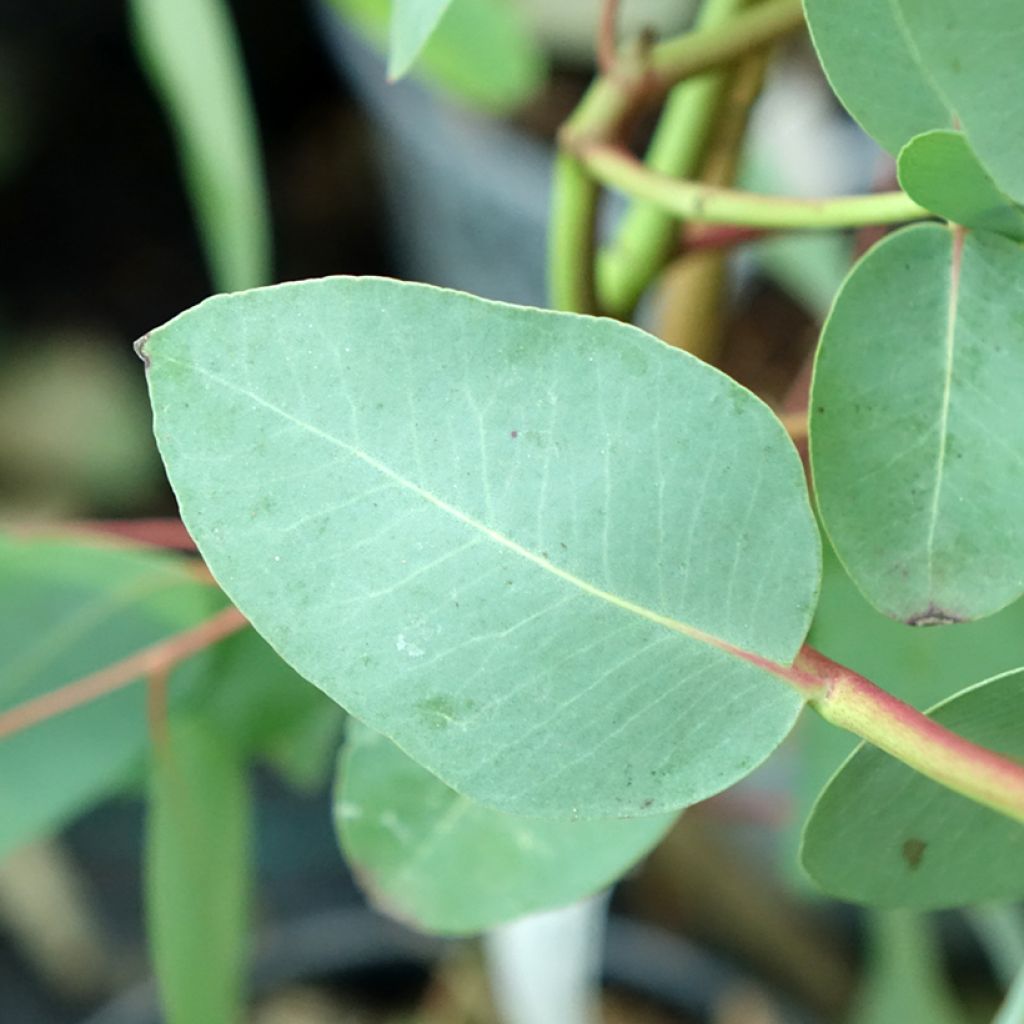
Eucalyptus elliptica
Eucalyptus elliptica
Eucalyptus elliptica
White Gum
Back-to-school special offer!
Get €10 off for every €50 you spend! And get up to €40 off on a single order.
How does it work?
1. Shop your favourites
Add your favourite plants to your basket. For every €50 you spend (excluding delivery charges, store credit and the plastic-free option), you’ll receive a €10 voucher.
€50 spent = €10 voucher
€100 spent = €20 voucher
€150 spent = €30 voucher
€200 spent = €40 voucher
2. Place your order
Once your basket reaches one of the spending thresholds, place your order. You can even choose your delivery date!
3. Receive your voucher
As soon as your order has been shipped, you’ll receive an email containing your personal voucher code and its value.
4. Use it on your next order
Your voucher is valid for 90 days from the date you receive it. It can be used once only, on a new order worth at least the value of the voucher, excluding delivery charges.
Please note: Vouchers can be combined with other offers, but cannot be split or refunded.
Why not try an alternative variety in stock?
View all →
Available in 1 sizes
Available in 5 sizes
Available in 1 sizes
Available in 1 sizes
Available in 3 sizes
Available in 1 sizes
Available in 3 sizes
Available in 2 sizes
Available in 1 sizes
Available in 1 sizes
This plant carries a 24 months recovery warranty
More information
We guarantee the quality of our plants for a full growing cycle, and will replace at our expense any plant that fails to recover under normal climatic and planting conditions.
Does this plant fit my garden?
Set up your Plantfit profile →
Description
Eucalyptus elliptica, nicknamed the Bendemeer white gum tree, is a unique species distinguished by its white bark. This medium-sized eucalyptus quickly takes on the shape of a beautiful specimen, undemanding and attractive all year round with its particularly decorative bark and evergreen, aromatic foliage, with bluish hues. Its cream-white flowering is quite insignificant, in the midst of the mass of foliage, but extremely fragrant and attractive to bees. With a hardiness of -10 to -12°C (14 to 10.4 °F), it will prefer a temperate coastal climate, in dry to moist soil, well-drained and not too dry in summer. Fast-growing, in less than 10 years, it is capable of forming a remarkable tree that will structure the landscape in gardens large enough to accommodate it.
Eucalyptus elliptica, synonymous with E. mannifera subsp. elliptica, is an endemic species of eastern Australia, particularly the regions northeast of New South Wales from Barrington Tops National Park to the Bendemeer and Walcha regions. On granitic hills, it thrives in a subtropical highland climate with strong continental influences, which gives a cold atmosphere in winter and mild to warm in summer. Belonging to the Myrtaceae family, it is commonly called: Bendemeer white gum or sometimes brittle gum. According to the original description by William Faris Blakely (1875-1941), an Australian botanist and collector, the name Eucalyptus elliptica comes from the Latin ellipticus which means elliptical, in reference to the shape of the fruit.
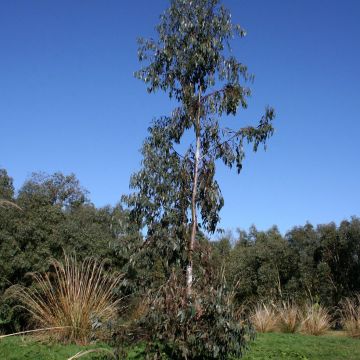
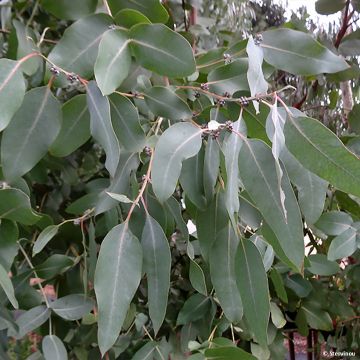
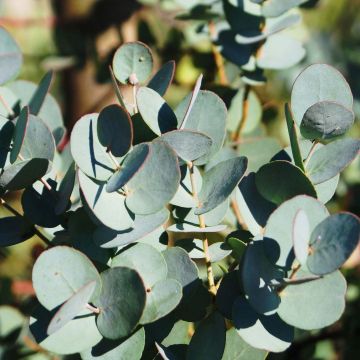
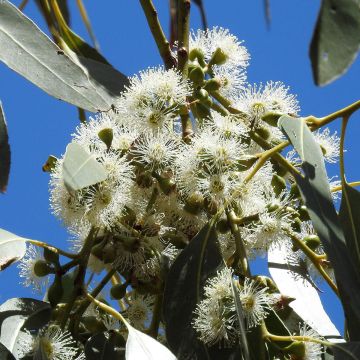
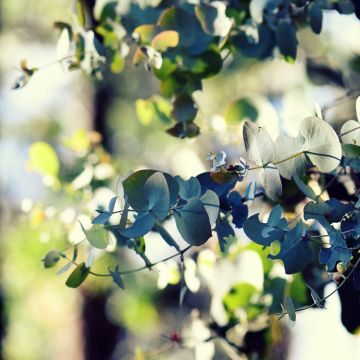
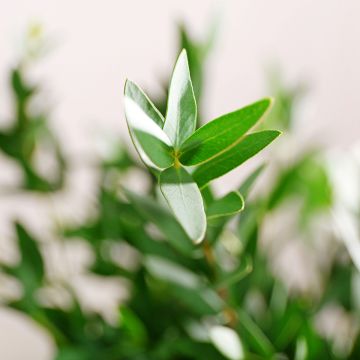
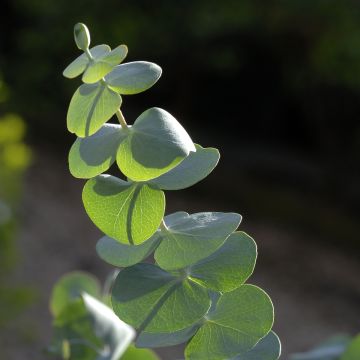
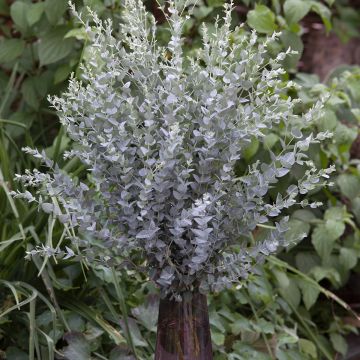
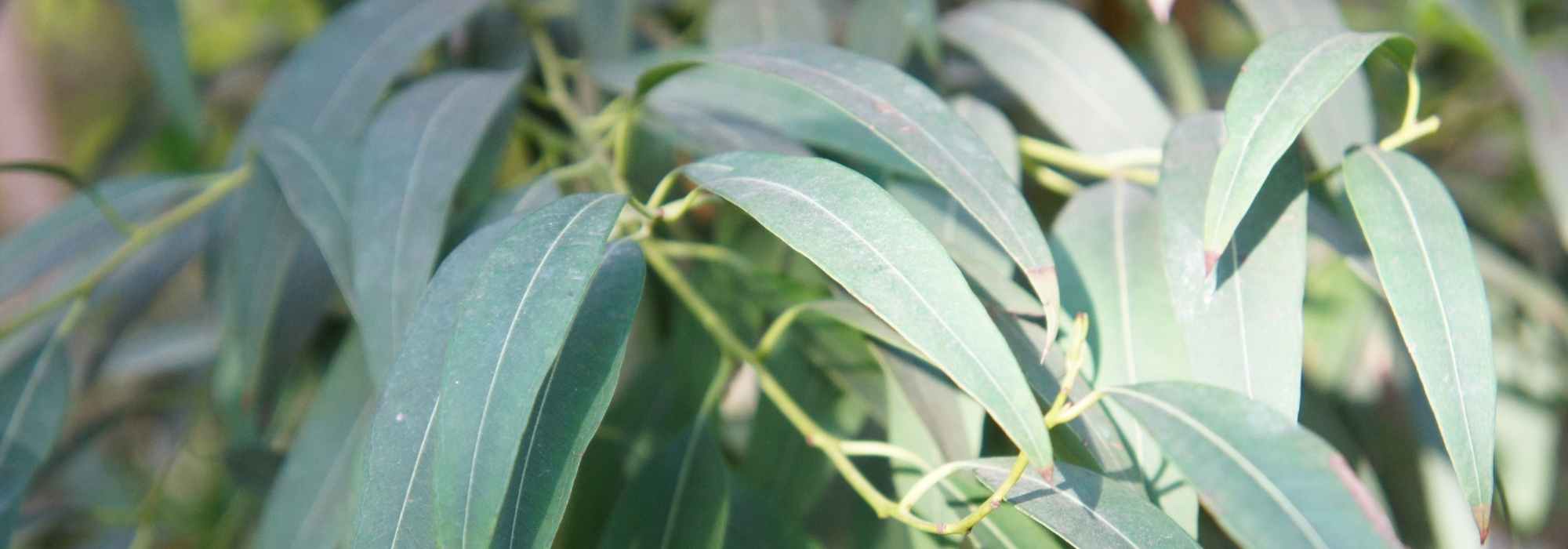
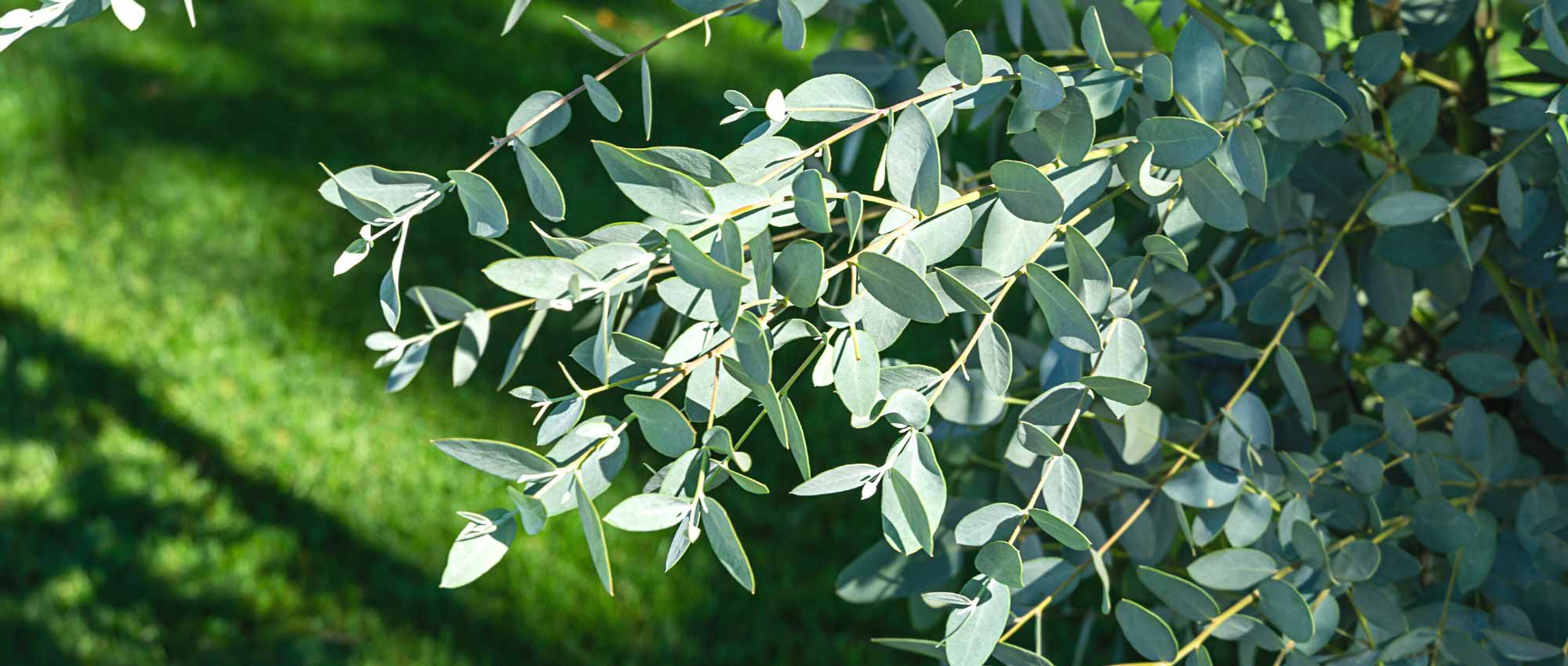
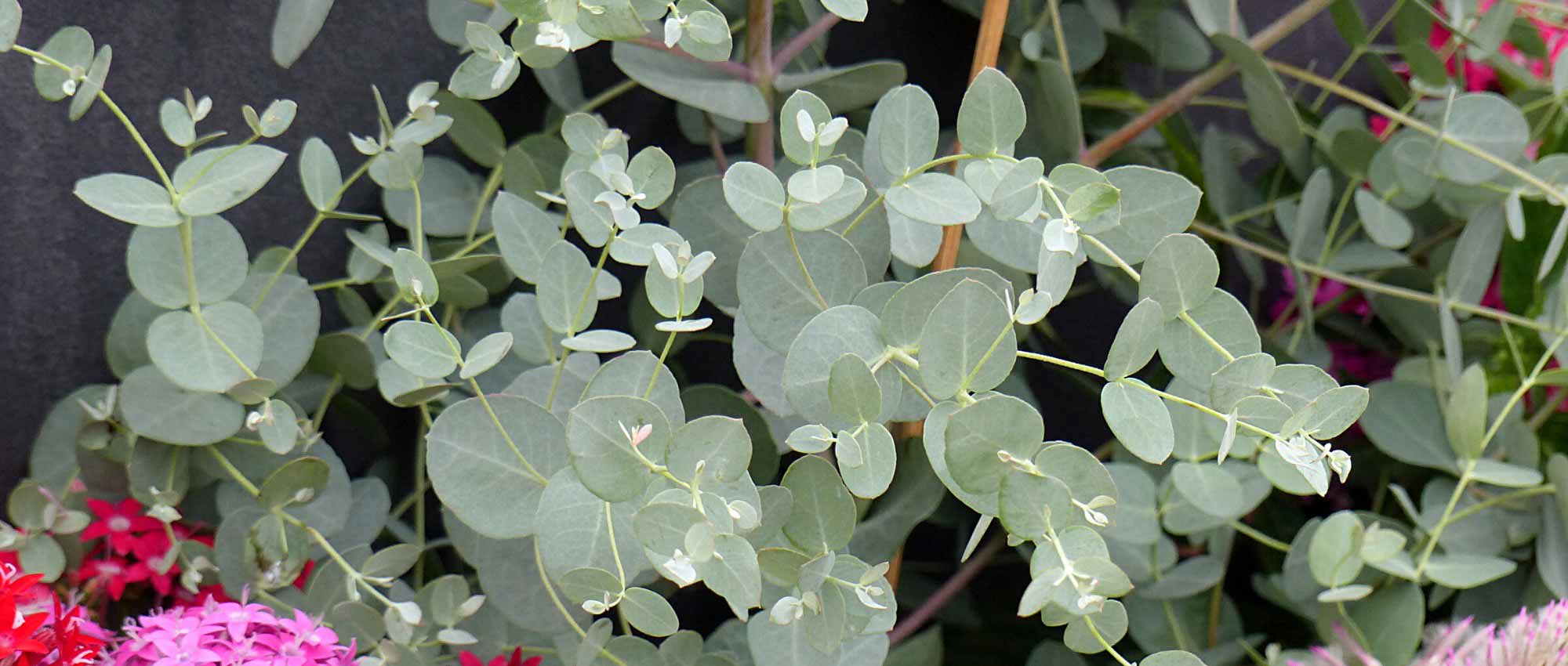
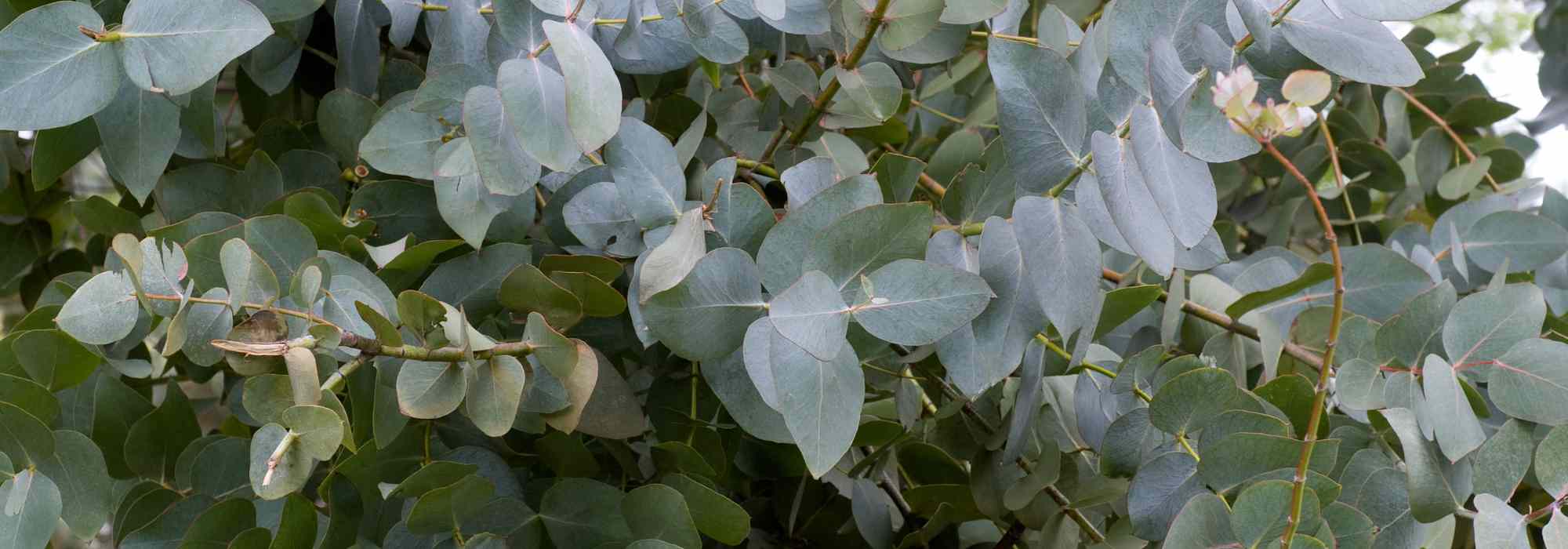
This eucalyptus forms a tree, with an upright habit on a straight trunk or with a spreading habit on several large twisted branches. Fast-growing, in its natural environment, it reaches a height of 15 to 20 m (49 ft 2 in to 65 ft 7 in) and a span of 10 to 15 m (32 ft 10 in to 49 ft 2 in). It generally rises on a single trunk that comes from a stump called lignotuber* located just below the surface of the soil. When young it has rounded branches, bearing juvenile foliage, composed of leaves, without petioles, opposite, ovate to elliptical, 2 to 10 cm (0.8 to 3.9 in) long by 2 to 6 cm (0.8 to 2.4 in) wide, blue-green or glaucous. Then, as it develops, the leaves are petiolate, alternate and take on a lanceolate to crescent shape, 8 to 20 cm (3.1 to 7.9 in) long by 1.5 to 3 cm (0.6 to 1.2 in) wide, of a pretty bright green. The leaves are tough, very aromatic and emit a menthol fragrance when crushed, rich in eucalyptol. As it ages, the bark peels off in irregular plates, revealing a smooth, powdery, white underlayer with yellow, orange or grey spots. The flowering occurs mainly in spring and early summer, but occasionally at other times. It does not constitute a real interest, drowned in the mass of foliage. The inflorescence, arranged in the leaf axil, on a short peduncle, is composed of 7 floral buds gathered in a tight umbel and blossoms into small flowers with numerous cream-white anthers, forming a pompom. Rich in nectar, they are very attractive to bees and birds. After flowering, the fruits, called “gumnuts“, appear in the form of a woody, hemispherical capsule, which contains brown-black seeds 1 to 2 mm (0 to 0.1 in) long.
This eucalyptus has a *lignotuber, made up of a swelling rich in starch that forms on the roots just below the surface of the soil. This organ allows it to grow again from the stump in case of severe frost, fire or hard pruning. The plant also produces numerous shoots from dormant buds located under its bark, allowing it to respond well to coppicing, topping or more severe pruning.
The White Gum of Bendemeer finds a place in a large garden, planted alone, in an open space, to appreciate the beauty of its bark and the elegance of its foliage. In order to highlight its architectural habit, it is trained on a single trunk. This attractive and robust tree brings quite an unusual touch in a wide range of situations, including in cold and humid regions. As much as it copes well with cold and hot summers, in poor soils, it dislikes periods of long droughts and soils that are too clayey or too chalky. Comfortable in moist but not marshy soils, it has the ability to dry them out. With a highly developed root system, care must be taken when choosing its location, keeping it away from the foundations of a house or from pipes.
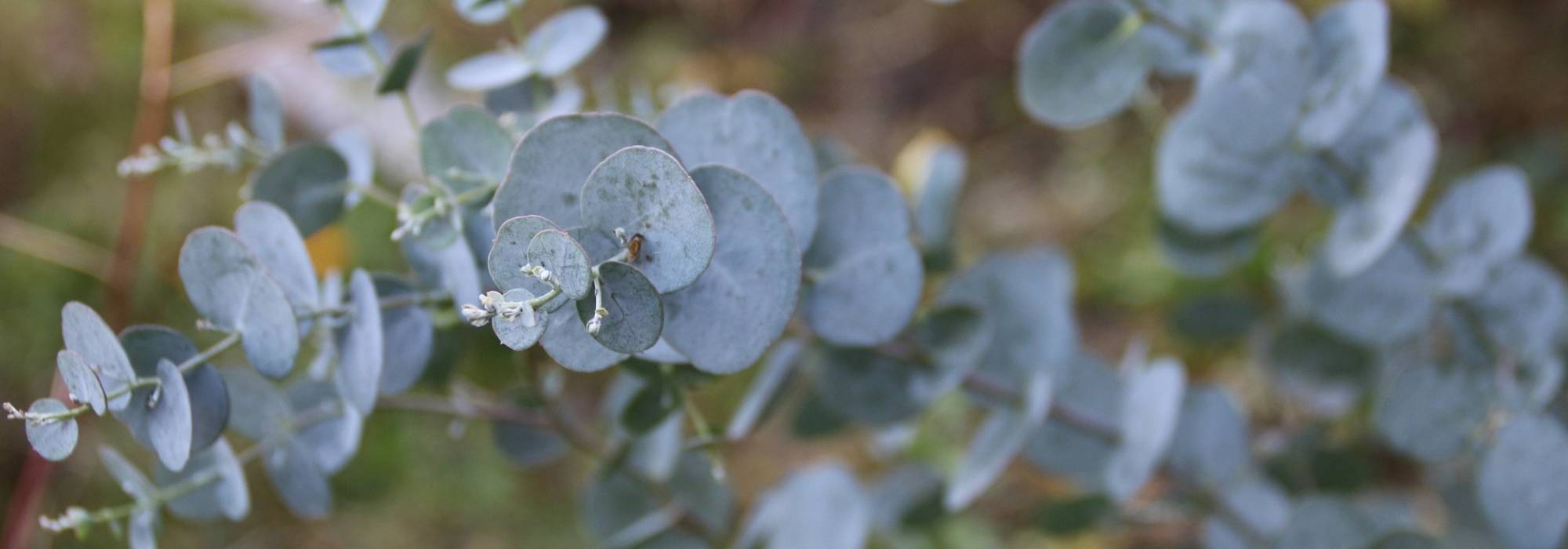
Eucalyptus elliptica in pictures
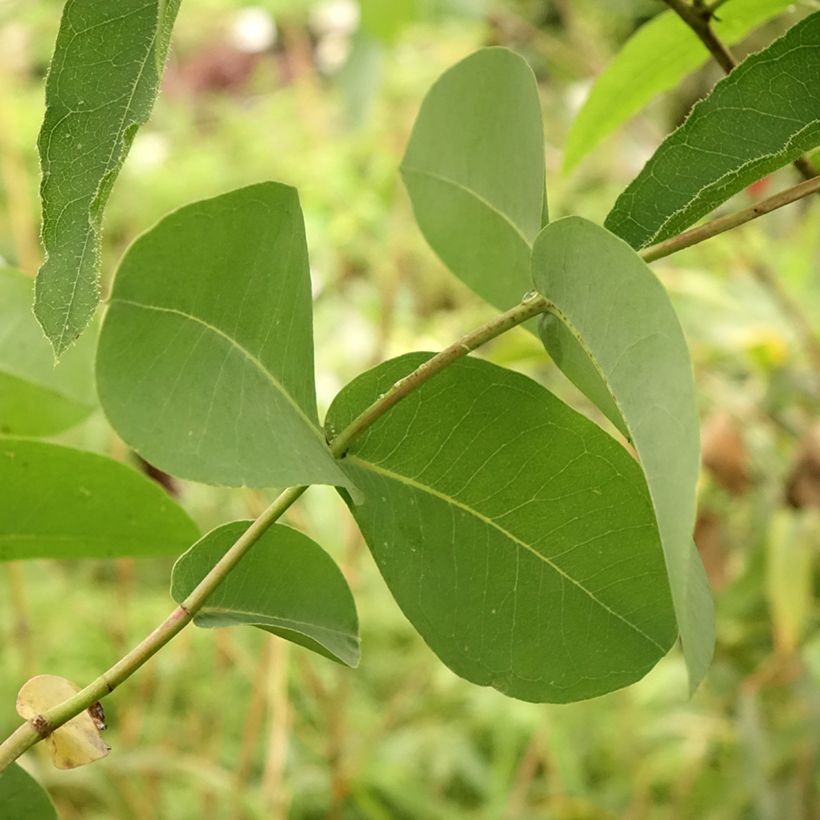
Plant habit
Flowering
Foliage
Botanical data
Eucalyptus
elliptica
Myrtaceae
White Gum
Australia
Planting and care
Eucalyptus elliptica is best planted at the beginning of spring in a mild and humid region or at the beginning of autumn in a dry and hot climate. Plant it in well-prepared, light and drained soil, in a very sunny situation. Sandy, loamy, slightly clayey, acidic or even limestone soils are well tolerated. A well-established subject is hardy down to -12/-15 °C under these conditions. Young plants are more sensitive to severe frosts, especially if the frost sets in for several days and the soil is wet. In most regions, you can plant it in the ground, ensuring good drainage, possibly by adding coarse sand, pozzolana or gravel. Then let nature take its course, growth is rapid.
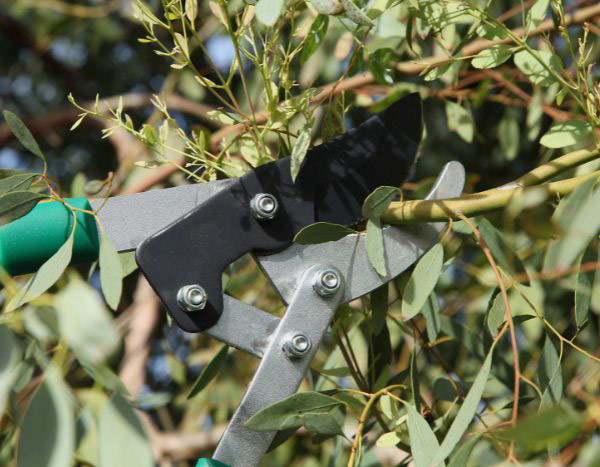
For the first two years, regular watering is necessary, then the bush no longer needs watering in summer. Fertiliser is not recommended. Pruning is not necessary, but it is well tolerated after flowering, or at the end of winter if the stems have frozen. The eucalyptus can be shaped into multiple trunks or a single trunk, by selecting the best placed one and cutting all the others flush. And it is possible to coppice this small tree to form a large bush whose height you can limit.
Eucalyptus trees are useful for drying out wet land, as they are large consumers of water even in winter. However, they become quite resistant to drought once well established (depending on the species and varieties).
Young subjects take root most easily in the ground. The extensive and deep root system of the Eucalyptus does not like to be disturbed and it tends to form a "bun" if the plant remains too long in its pot. Choose its location carefully.
Planting period
Intended location
Care
Planting & care advice


This item has not been reviewed yet - be the first to leave a review about it.
Recently viewed products
Haven't found what you were looking for?
Hardiness is the lowest winter temperature a plant can endure without suffering serious damage or even dying. However, hardiness is affected by location (a sheltered area, such as a patio), protection (winter cover) and soil type (hardiness is improved by well-drained soil).
In temperate climates, pruning of spring-flowering shrubs (forsythia, spireas, etc.) should be done just after flowering.
Pruning of summer-flowering shrubs (Indian Lilac, Perovskia, etc.) can be done in winter or spring.
In cold regions as well as with frost-sensitive plants, avoid pruning too early when severe frosts may still occur.
The harvesting period indicated on our website applies to countries and regions in USDA zone 8 (France, England, Ireland, the Netherlands).
In colder areas (Scandinavia, Poland, Austria...) fruit and vegetable harvests are likely to be delayed by 3-4 weeks.
In warmer areas (Italy, Spain, Greece, etc.), harvesting will probably take place earlier, depending on weather conditions.
The sowing periods indicated on our website apply to countries and regions within USDA Zone 8 (France, UK, Ireland, Netherlands).
In colder areas (Scandinavia, Poland, Austria...), delay any outdoor sowing by 3-4 weeks, or sow under glass.
In warmer climes (Italy, Spain, Greece, etc.), bring outdoor sowing forward by a few weeks.
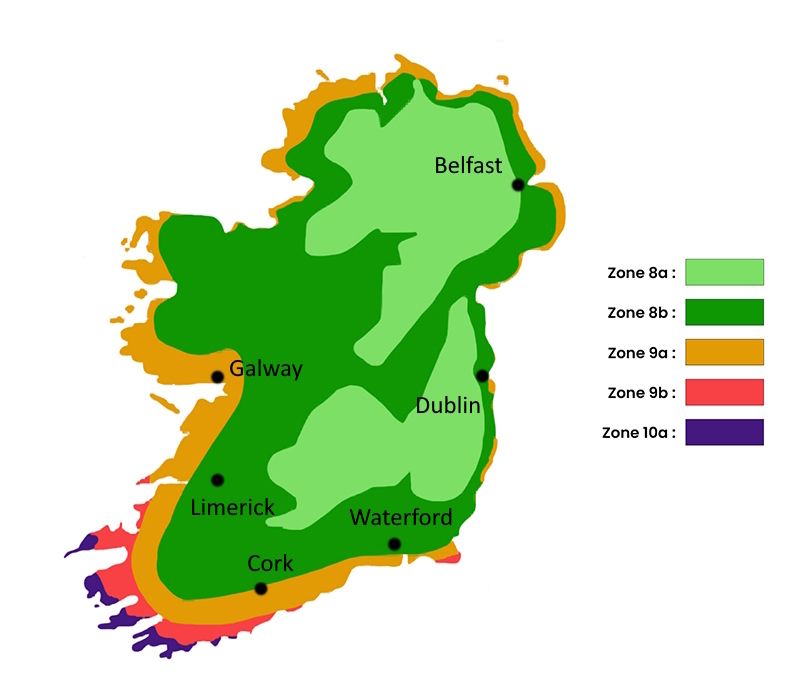
The planting period indicated on our website applies to regions in USDA Zone 9a (East Coast and Midlands: Dublin, Wexford, Waterford, Kilkenny, Portlaoise). It will vary depending on where you live:
- On the west coast and in the north-west (Galway, Limerick, Sligo, Donegal, Westport), delay planting by 1 to 2 weeks in spring and bring it forward by 1 to 2 weeks in autumn compared to the dates given, preferably choosing periods without strong winds.
- In the inland hills and plateaus (Wicklow Mountains, Macgillycuddy’s Reeks, Connemara, Killarney), it is best to plant in spring (April–May) or autumn (September–October), avoiding periods of waterlogged soil in winter and strong winds, which pose the main risk to newly planted trees in these areas.
The flowering period indicated on our website applies to regions in USDA Zone 9a, such as the East Coast and Midlands, including Dublin, Wexford, Waterford, Kilkenny and Portlaoise.
This will vary depending on where you live:
- On the west coast and in the northwest (Galway, Limerick, Sligo, Donegal and Westport), it will be delayed by one to two weeks compared to the given dates, due to stronger Atlantic winds and less spring sunshine.
- In the inland hills and plateaus (the Wicklow Mountains, the Macgillycuddy's Reeks, Connemara and Killarney), flowering will be delayed by two to three weeks. Flowering mainly occurs between May and July, with the limiting factors being less frost and more of the excessive humidity, strong winds and lack of sunshine that are characteristic of these areas.
Shipping country and language
Your country of residence may be:
Your country of residence is:
For a better user experience on our website, you can select:
Your shipping country:
-
 Austria
-
 Belgium
-
 Bosnia & Herzegovina
-
 Bulgaria
-
 Croatia
-
 Cyprus
-
 Czechia
-
 Denmark
-
 Estonia
-
 Finland
-
 France
-
 Germany
-
 Greece
-
 Hungary
-
 Iceland
-
 Ireland
-
 Italy
Italy
-
 Latvia
-
 Liechtenstein
-
 Lithuania
-
 Luxembourg
-
 Malta
Malta
-
 Netherlands
-
 Poland
-
 Portugal
-
 Romania
-
 Serbia
-
 Slovakia
-
 Slovenia
-
 Spain
Spain
-
 Sweden
-
 Switzerland
Language:
-
French
-
 English
-
Spanish
-
Italian
-
German
-
Portuguese
-
Dutch
-
Finnish
My Account
Hello
My wish lists
My cart
Log in / Register
Existing customer?
This form is protected by reCAPTCHA - the Google Privacy Policy and Terms of Service apply.
New customer?
Create an account to track your orders, access our customer service and, if you wish, make the most of our upcoming offers.