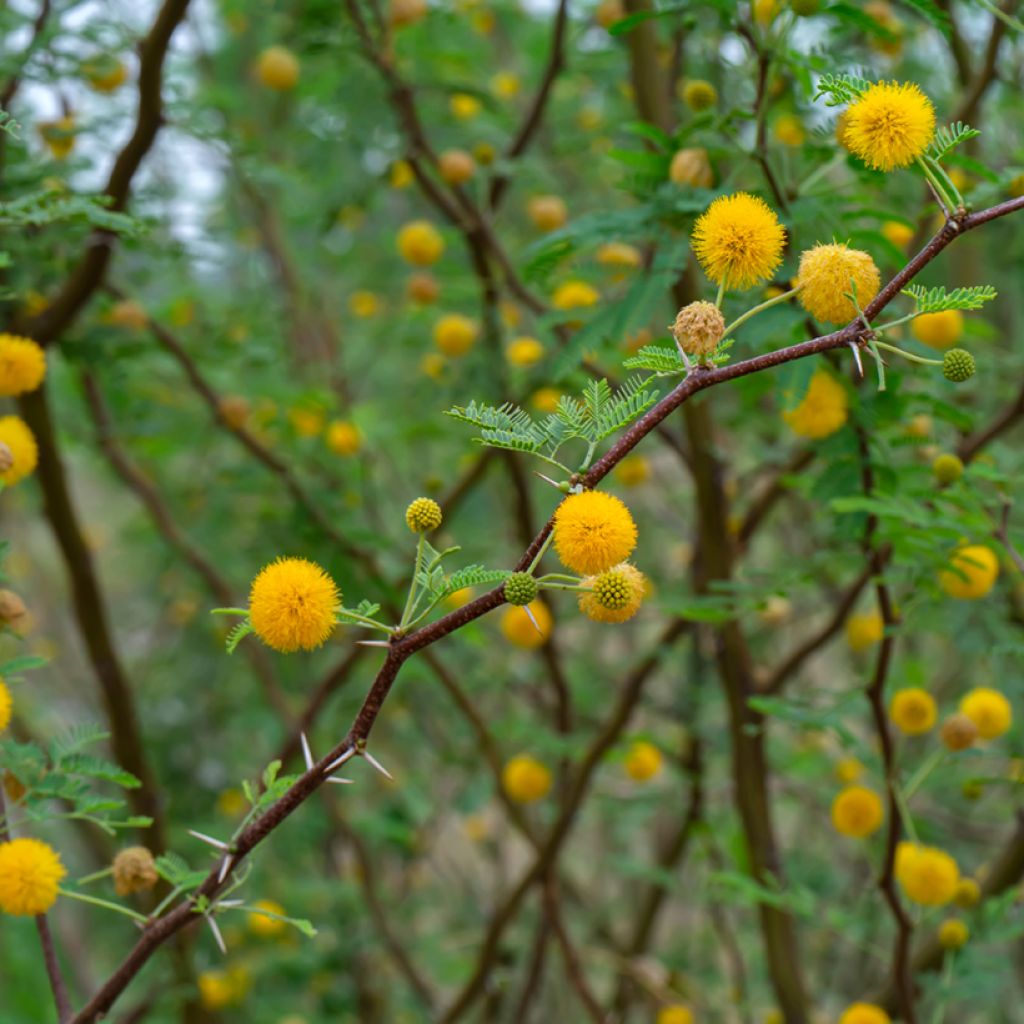
Vachellia farnesiana - Sweet acacia
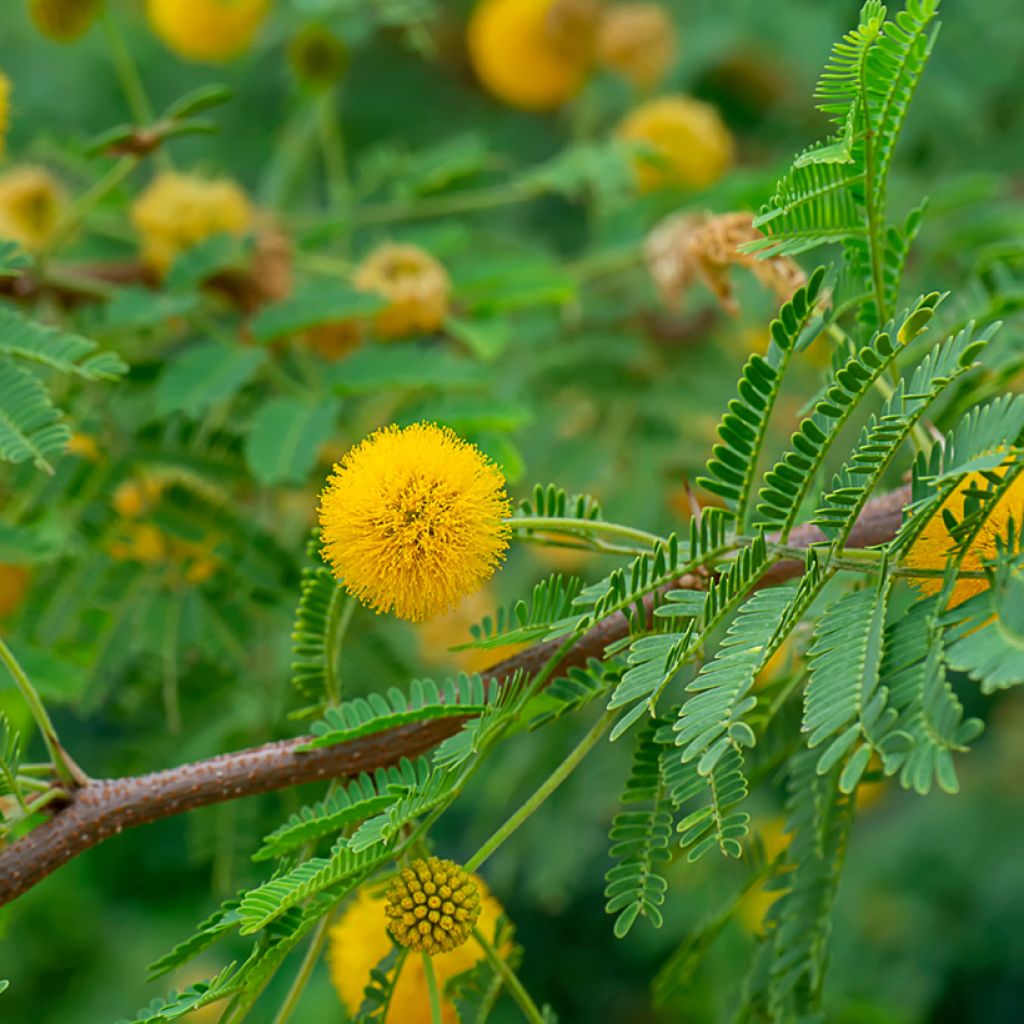
Vachellia farnesiana - Sweet acacia
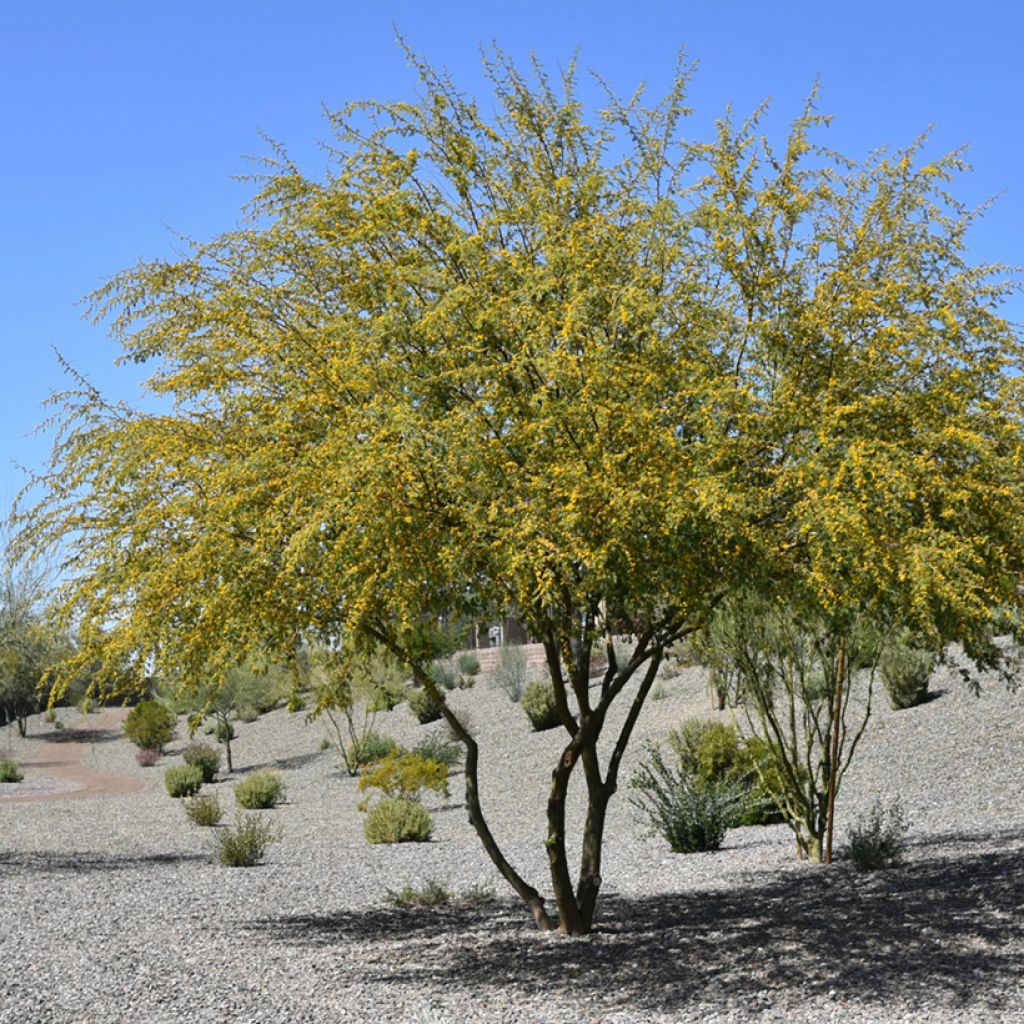
Vachellia farnesiana - Sweet acacia
Vachellia farnesiana - Sweet acacia
Vachellia farnesiana
Sweet acacia, huisache, casha tree, needle bush
Back-to-school special offer!
Get €10 off for every €50 you spend! And get up to €40 off on a single order.
How does it work?
1. Shop your favourites
Add your favourite plants to your basket. For every €50 you spend (excluding delivery charges, store credit and the plastic-free option), you’ll receive a €10 voucher.
€50 spent = €10 voucher
€100 spent = €20 voucher
€150 spent = €30 voucher
€200 spent = €40 voucher
2. Place your order
Once your basket reaches one of the spending thresholds, place your order. You can even choose your delivery date!
3. Receive your voucher
As soon as your order has been shipped, you’ll receive an email containing your personal voucher code and its value.
4. Use it on your next order
Your voucher is valid for 90 days from the date you receive it. It can be used once only, on a new order worth at least the value of the voucher, excluding delivery charges.
Please note: Vouchers can be combined with other offers, but cannot be split or refunded.
Why not try an alternative variety in stock?
View all →
Available in 2 sizes
Available in 1 sizes
Available in 2 sizes

Available in 1 sizes
Available in 1 sizes
Available in 1 sizes
Available in 1 sizes
Available in 1 sizes
Available in 1 sizes
Available in 1 sizes
This plant carries a 24 months recovery warranty
More information
We guarantee the quality of our plants for a full growing cycle, and will replace at our expense any plant that fails to recover under normal climatic and planting conditions.
Does this plant fit my garden?
Set up your Plantfit profile →
Description
Mimosa Farnese (Vachellia farnesiana), also known as Sweet Acacia, is a small tree closely related to mimosas, renowned for its long-lasting golden-yellow flowering that perfumes the air. Cultivated on the French Riviera for cut flowers and perfumery, this "Mimosa" is also a top choice for gardens in mild climates. It is drought-resistant, capable of growing in any well-drained soil and forms excellent defensive hedges thanks to its thorns. Its light foliage and nectar-rich flowering make it a graceful and useful plant, cherished by gardeners and pollinators alike.
Vachellia farnesiana (formerly Acacia farnesiana), commonly called Sweet Acacia or Mimosa Farnese, belongs to the Fabaceae family, subfamily Mimosoideae. Its specific epithet, farnesiana, pays homage to the Italian Farnese family, who introduced this plant to Italy in the 17th century, specifically in Rome, in the Farnese Gardens (Orti Farnesiani), located on the Palatine Hill. Its seeds are said to have been brought from Santo Domingo (present-day Dominican Republic) in the 17th century. It was there that the plant was cultivated and prized for its magnificent fragrance. Since then, it has spread across southern Europe, particularly in France, where it is grown on the French Riviera for perfumery. The precise geographical origin of this species remains debated. Although often considered native to the Caribbean and Central America, its current distribution is pantropical. It is found in the Americas, from the southern United States to Chile, but is absent from the Amazon. It is also present across much of Africa, the Middle East, southern Asia, and Australia. Since being introduced to Europe, it has particularly thrived in southern France, on the French Riviera, where it is cultivated for perfumery.
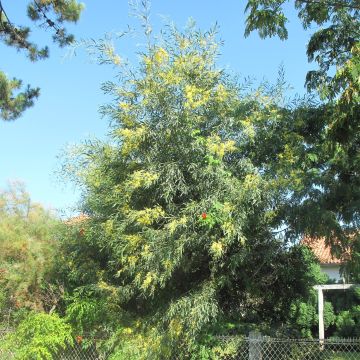
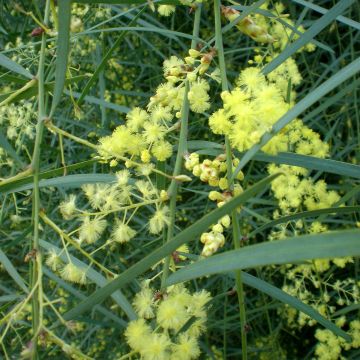
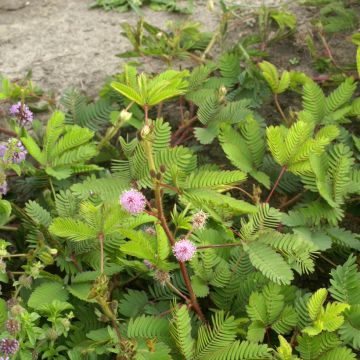
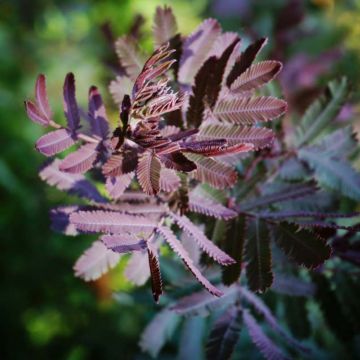
Sweet Acacia is a bush or small tree with an upright, rounded habit, reaching between 2 and 6 m in height. Its growth is rapid, especially in warm climates. It is very branching, developing branches typically armed with straight stipular thorns, which can grow up to 3 cm long. Its bark is grey to light brown, smooth in young specimens, becoming slightly fissured with age. Its young stems are often green before gradually turning brown. Its foliage is semi-evergreen to evergreen in mild climates. The leaves are bipinnate, alternate and 5 to 10 cm in length. Each leaf consists of 5 to 20 pairs of pinnae, themselves subdivided into 10 to 25 pairs of linear leaflets, 2 to 6 mm long.
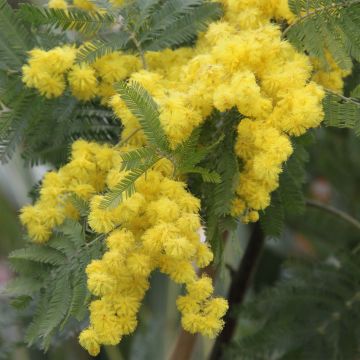
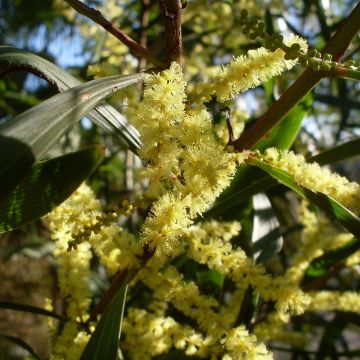
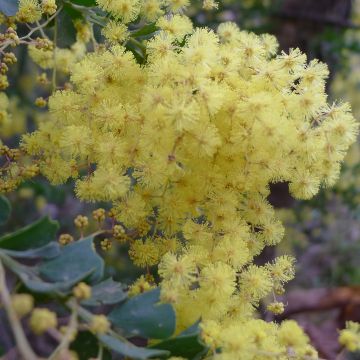
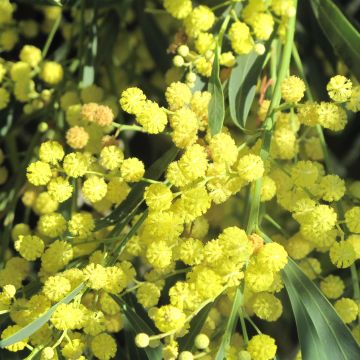
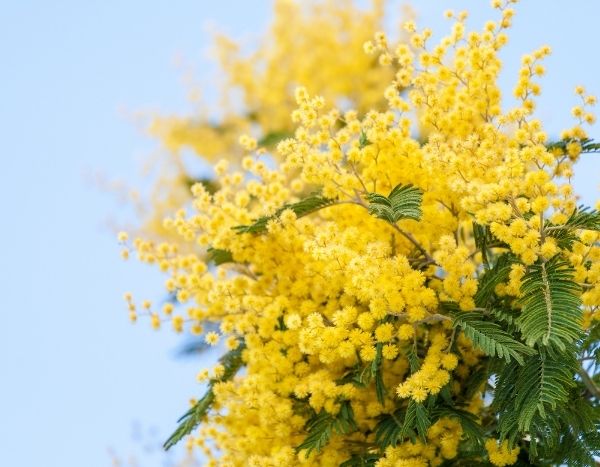
Its flowering is spectacular and long-lasting: it extends from autumn to spring, or even year-round in favourable climates. Its flowers form small, 1 to 1.5 cm diameter, bright golden-yellow spherical pompoms. They are very fragrant, emitting a sweet, powdery scent, much prized in perfumery. They are also nectar-rich, attracting numerous pollinators. After flowering, the plant produces elongated, arched, 5 to 15 cm long pods. They are dark brown when ripe and contain several hard seeds. The pods have a distinctive scent and are sometimes used in traditional medicine.
Vachellia farnesiana is a sun-loving species, requiring full sun to thrive. It tolerates a wide variety of soils, provided they are well-drained. It grows equally well in poor, sandy, acidic, or chalky soils and is highly drought-resistant once established. Its cold resistance is limited. It can tolerate temperatures as low as -7°C briefly, but only if the soil is very free-draining and the frosts are short-lived. Below -5°C, foliar damage may occur, and winter protection is essential inland. In severe frost, an ungrafted specimen may regrow from the stump if the cold has not reached the roots.
Sweet Acacia can be planted in the ground in mild climates as a standalone specimen, sheltered from strong winds, in a hedge or grove. In a large bouquet, its flowers will perfume the living room. It pairs well with Escallonias Iveyi, evergreen ceanothus, Vitex agnus-castus 'Delta Blues', and the tall oleander 'Luteum Plenum' with its double yellow, fragrant flowers. It can be grown in pots, protected from winter frosts in a greenhouse or lightly heated conservatory.
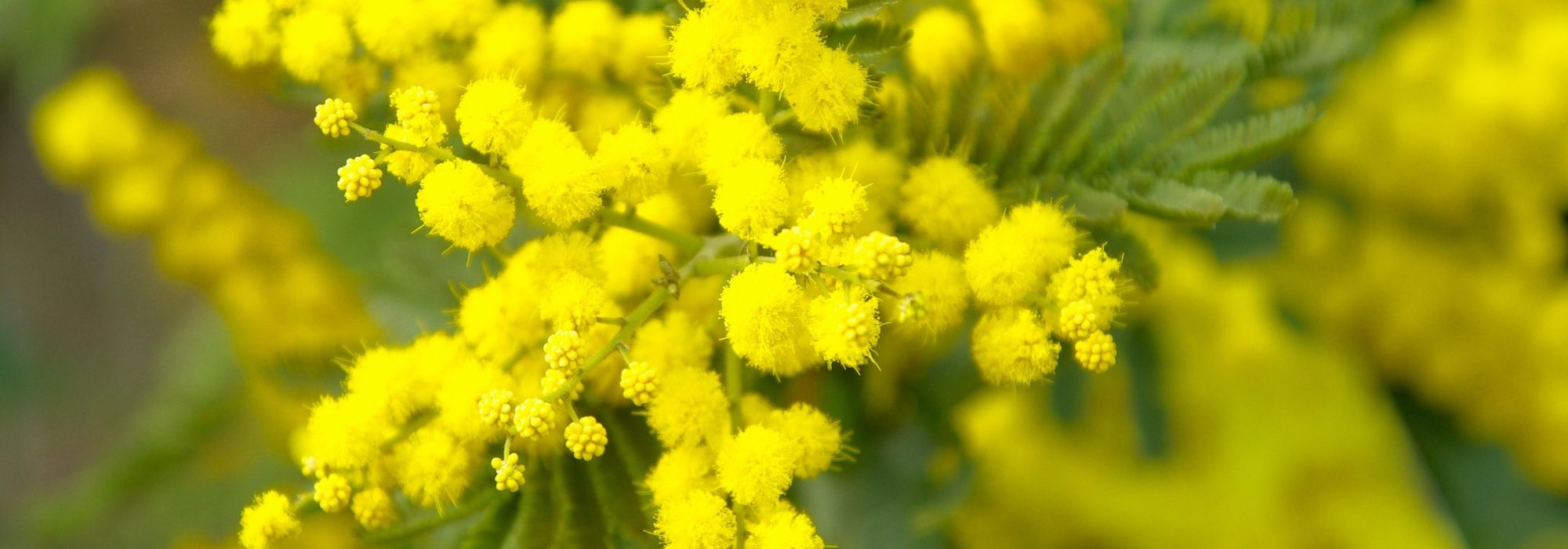
Vachellia farnesiana - Sweet acacia in pictures
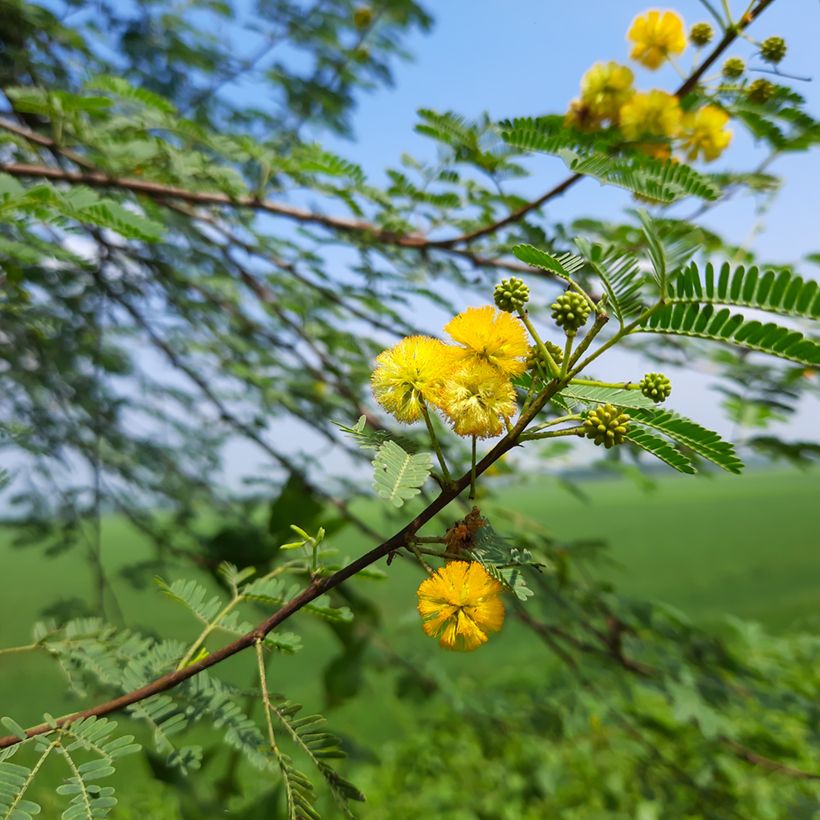
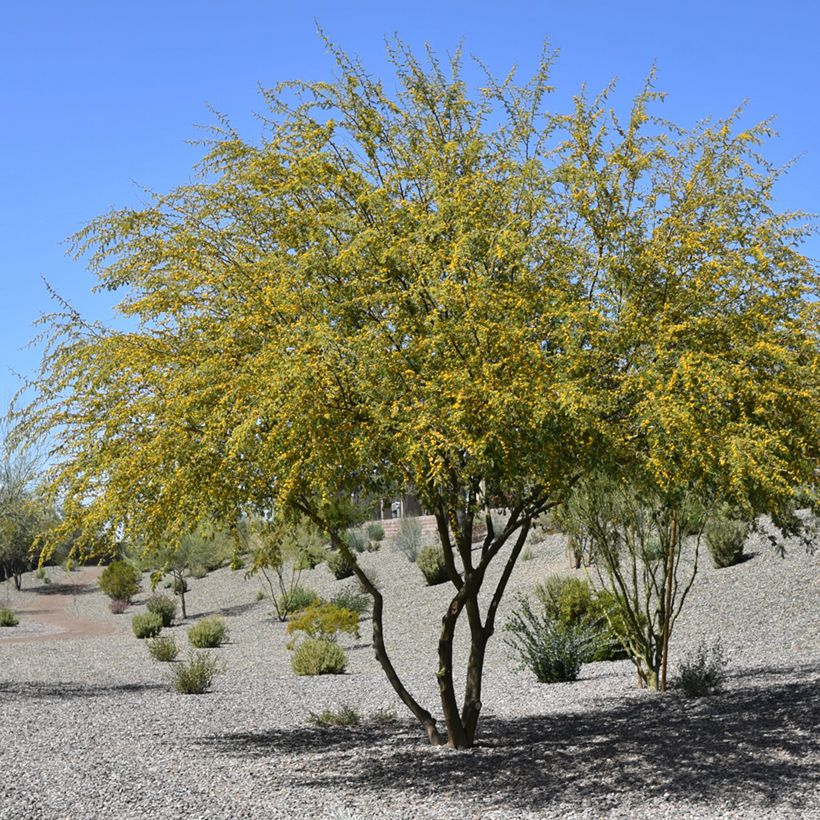
Plant habit
Flowering
Foliage
Botanical data
Vachellia
farnesiana
Fabaceae
Sweet acacia, huisache, casha tree, needle bush
Mimosa farnesiana, Pithecellobium minutum, Vachellia densiflora, Acacia farnesiana, Acacia smallii, Acacia minuta
Australia
Planting and care
Plant Mimosa Farnese (Vachellia farnesiana) in spring (or early autumn in a Mediterranean climate), in a sunny position sheltered from cold winds. It requires well-draining soil, even if poor, sandy, acidic or chalky. When planting in the ground, dig a hole twice as wide as the root ball, loosen the bottom and add gravel if the soil is clay-based. Regular deep watering in the first year will encourage root establishment, after which it becomes very drought-resistant.
In a pot, choose a large container (at least 40 to 50 cm in diameter) with excellent drainage. Use a mix of compost, sand and potting soil, and place a layer of gravel at the bottom. Water moderately in summer, allowing the growing medium to dry out between waterings. Bring it indoors in winter if temperatures drop below -5°C, or protect the pot with horticultural fleece.
Pests affecting this plant include the psyllid (false aphid) as well as the frosted leafhopper (Metcalfa pruinosa) and the white, large, cottony Australian mealybug (Icerya purchasi), the latter two insects being particularly prevalent in southern France. To limit their spread, spray with nettle manure or 5% diluted black soap.
Planting period
Intended location
Care
Planting & care advice
-

-

-
-

-

-

-
-

This item has not been reviewed yet - be the first to leave a review about it.
Recently viewed products
Haven't found what you were looking for?
Hardiness is the lowest winter temperature a plant can endure without suffering serious damage or even dying. However, hardiness is affected by location (a sheltered area, such as a patio), protection (winter cover) and soil type (hardiness is improved by well-drained soil).
In temperate climates, pruning of spring-flowering shrubs (forsythia, spireas, etc.) should be done just after flowering.
Pruning of summer-flowering shrubs (Indian Lilac, Perovskia, etc.) can be done in winter or spring.
In cold regions as well as with frost-sensitive plants, avoid pruning too early when severe frosts may still occur.
The harvesting period indicated on our website applies to countries and regions in USDA zone 8 (France, England, Ireland, the Netherlands).
In colder areas (Scandinavia, Poland, Austria...) fruit and vegetable harvests are likely to be delayed by 3-4 weeks.
In warmer areas (Italy, Spain, Greece, etc.), harvesting will probably take place earlier, depending on weather conditions.
The sowing periods indicated on our website apply to countries and regions within USDA Zone 8 (France, UK, Ireland, Netherlands).
In colder areas (Scandinavia, Poland, Austria...), delay any outdoor sowing by 3-4 weeks, or sow under glass.
In warmer climes (Italy, Spain, Greece, etc.), bring outdoor sowing forward by a few weeks.
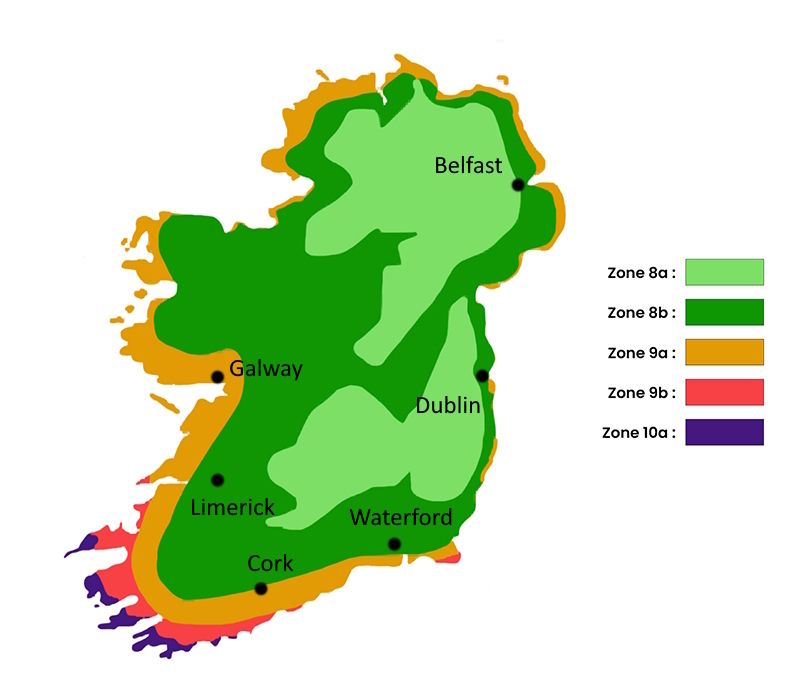
The planting period indicated on our website applies to regions in USDA Zone 9a (East Coast and Midlands: Dublin, Wexford, Waterford, Kilkenny, Portlaoise). It will vary depending on where you live:
- On the west coast and in the north-west (Galway, Limerick, Sligo, Donegal, Westport), delay planting by 1 to 2 weeks in spring and bring it forward by 1 to 2 weeks in autumn compared to the dates given, preferably choosing periods without strong winds.
- In the inland hills and plateaus (Wicklow Mountains, Macgillycuddy’s Reeks, Connemara, Killarney), it is best to plant in spring (April–May) or autumn (September–October), avoiding periods of waterlogged soil in winter and strong winds, which pose the main risk to newly planted trees in these areas.
The flowering period indicated on our website applies to regions in USDA Zone 9a, such as the East Coast and Midlands, including Dublin, Wexford, Waterford, Kilkenny and Portlaoise.
This will vary depending on where you live:
- On the west coast and in the northwest (Galway, Limerick, Sligo, Donegal and Westport), it will be delayed by one to two weeks compared to the given dates, due to stronger Atlantic winds and less spring sunshine.
- In the inland hills and plateaus (the Wicklow Mountains, the Macgillycuddy's Reeks, Connemara and Killarney), flowering will be delayed by two to three weeks. Flowering mainly occurs between May and July, with the limiting factors being less frost and more of the excessive humidity, strong winds and lack of sunshine that are characteristic of these areas.
Shipping country and language
Your country of residence may be:
Your country of residence is:
For a better user experience on our website, you can select:
Your shipping country:
-
 Austria
-
 Belgium
-
 Bosnia & Herzegovina
-
 Bulgaria
-
 Croatia
-
 Cyprus
-
 Czechia
-
 Denmark
-
 Estonia
-
 Finland
-
 France
-
 Germany
-
 Greece
-
 Hungary
-
 Iceland
-
 Ireland
-
 Italy
Italy
-
 Latvia
-
 Liechtenstein
-
 Lithuania
-
 Luxembourg
-
 Malta
Malta
-
 Netherlands
-
 Poland
-
 Portugal
-
 Romania
-
 Serbia
-
 Slovakia
-
 Slovenia
-
 Spain
Spain
-
 Sweden
-
 Switzerland
Language:
-
French
-
 English
-
Spanish
-
Italian
-
German
-
Portuguese
-
Dutch
-
Finnish
My Account
Hello
My wish lists
My cart
Log in / Register
Existing customer?
This form is protected by reCAPTCHA - the Google Privacy Policy and Terms of Service apply.
New customer?
Create an account to track your orders, access our customer service and, if you wish, make the most of our upcoming offers.