Acacia pravissima
Acacia pravissima
Acacia pravissima
Acacia pravissima
Acacia pravissima
Acacia pravissima
Ovens wattle
Disappointed. It gradually lost its leaves and small branches, until all that was left were leaves at the top but it was 2m tall – just a bare trunk. It did produce two little yellow balls. And to finish, the top leaves all turned brown within 3 days. I tried pruning it to see, but the trunk was dry, so I threw it away. I regret buying this mimosa; I should have bought the standard mimosa and kept it in my conservatory over winter.
Brigitte, 22/07/2025
Back-to-school special offer!
Get €10 off for every €50 you spend! And get up to €40 off on a single order.
How does it work?
1. Shop your favourites
Add your favourite plants to your basket. For every €50 you spend (excluding delivery charges, store credit and the plastic-free option), you’ll receive a €10 voucher.
€50 spent = €10 voucher
€100 spent = €20 voucher
€150 spent = €30 voucher
€200 spent = €40 voucher
2. Place your order
Once your basket reaches one of the spending thresholds, place your order. You can even choose your delivery date!
3. Receive your voucher
As soon as your order has been shipped, you’ll receive an email containing your personal voucher code and its value.
4. Use it on your next order
Your voucher is valid for 90 days from the date you receive it. It can be used once only, on a new order worth at least the value of the voucher, excluding delivery charges.
Please note: Vouchers can be combined with other offers, but cannot be split or refunded.
Home or relay delivery (depending on size and destination)
Important: You may be charged customs duties by your country’s customs authorities upon delivery.
Schedule delivery date
and select date in basket
This plant carries a 24 months recovery warranty
More information
We guarantee the quality of our plants for a full growing cycle, and will replace at our expense any plant that fails to recover under normal climatic and planting conditions.
Does this plant fit my garden?
Set up your Plantfit profile →
Description
Acacia pravissima is an unjustly overlooked mimosa, far too rare in cultivation considering its many qualities, hardiness being not the least. While its famous cousins Acacia dealbata (florist's mimosa) and A. retinodes (the four seasons mimosa) suffer at -7°C (19.4°F), or even -4°C (24.8°F) for the latter, A. pravissima can withstand -10°C (14°F) in sheltered positions and in healthy soil. This small tree thrives in any well-drained soil, perfectly tolerates summer drought, and adapts well to container gardening. In the garden, this enchanting mimosa captivates with its gracefully trailing habit and fragrant bright lemon-yellow flowering in March-April.
Mimosas should not be confused with the tree we call acacia. They belong to the Fabaceae family, just like alfalfa and lupins. Acacia pravissima is native to Australia, specifically New South Wales and Victoria.
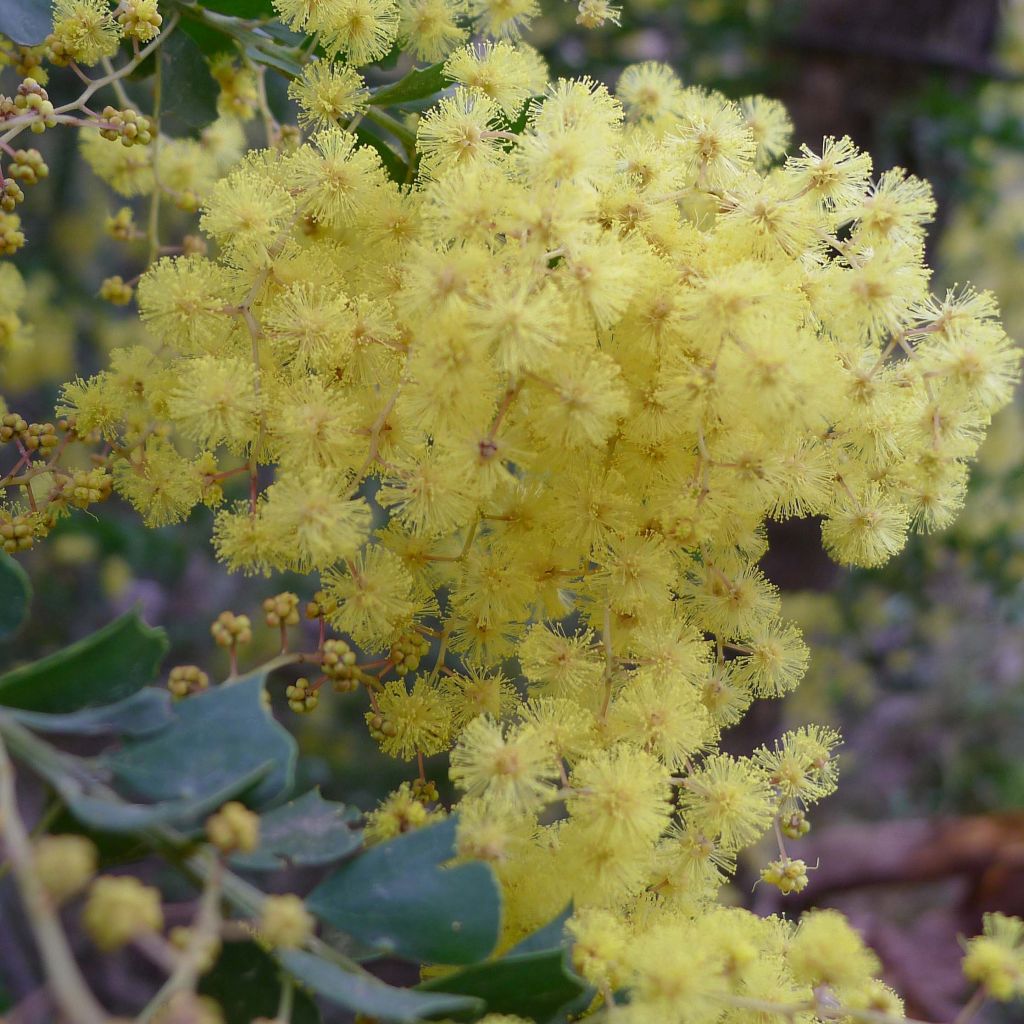
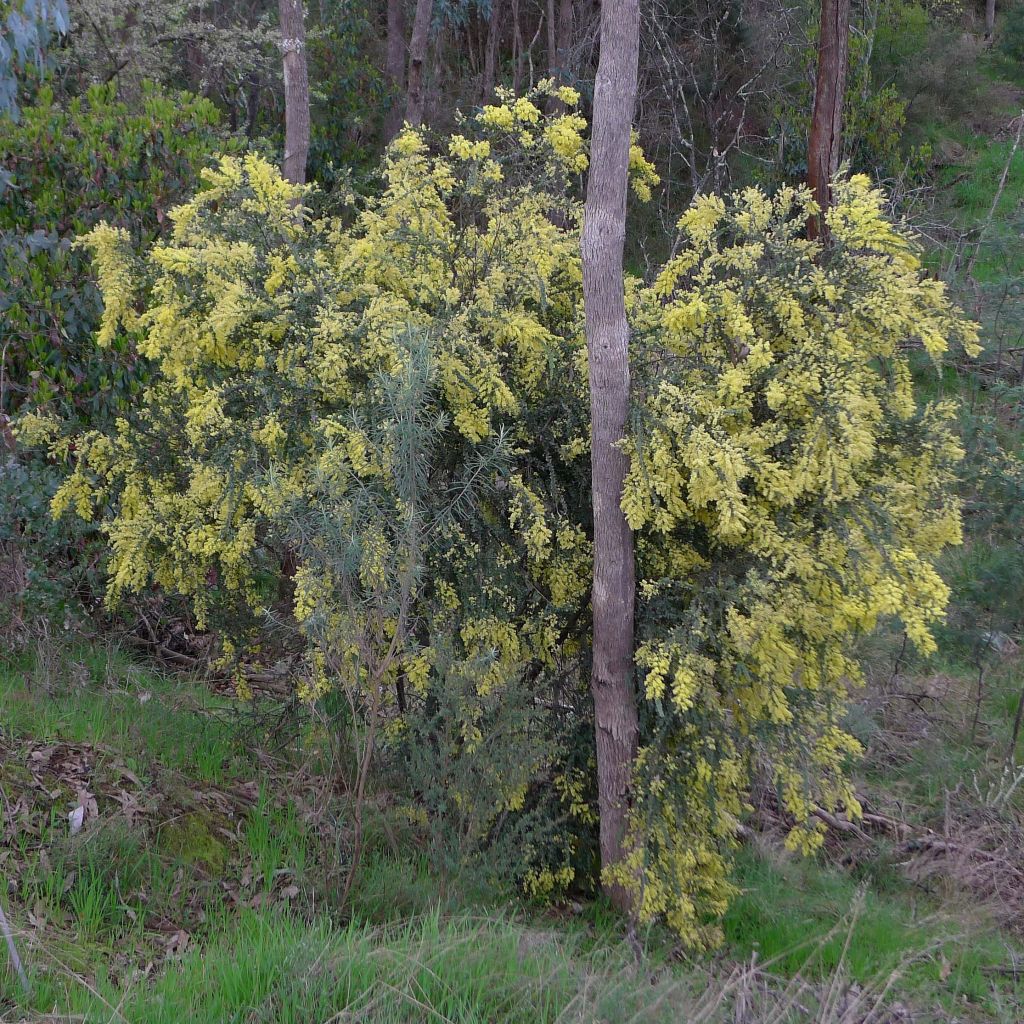
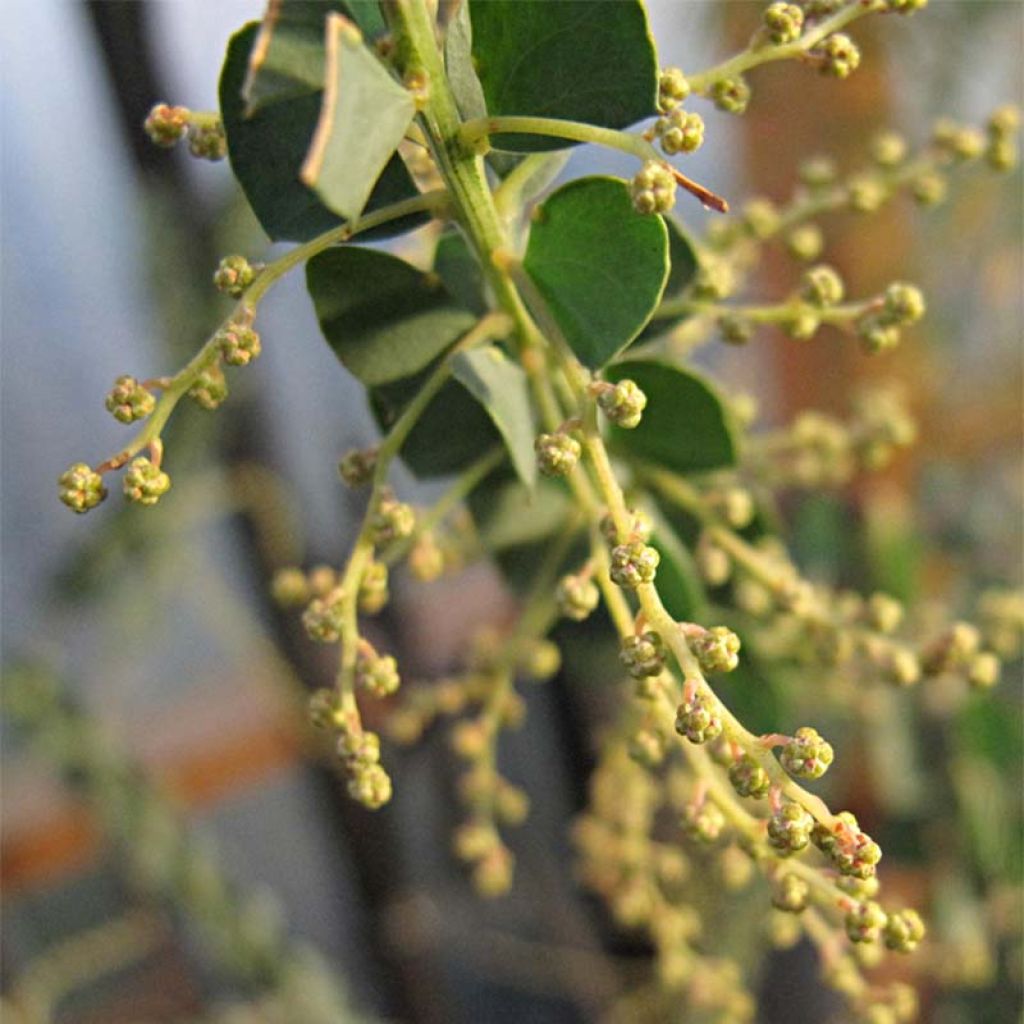
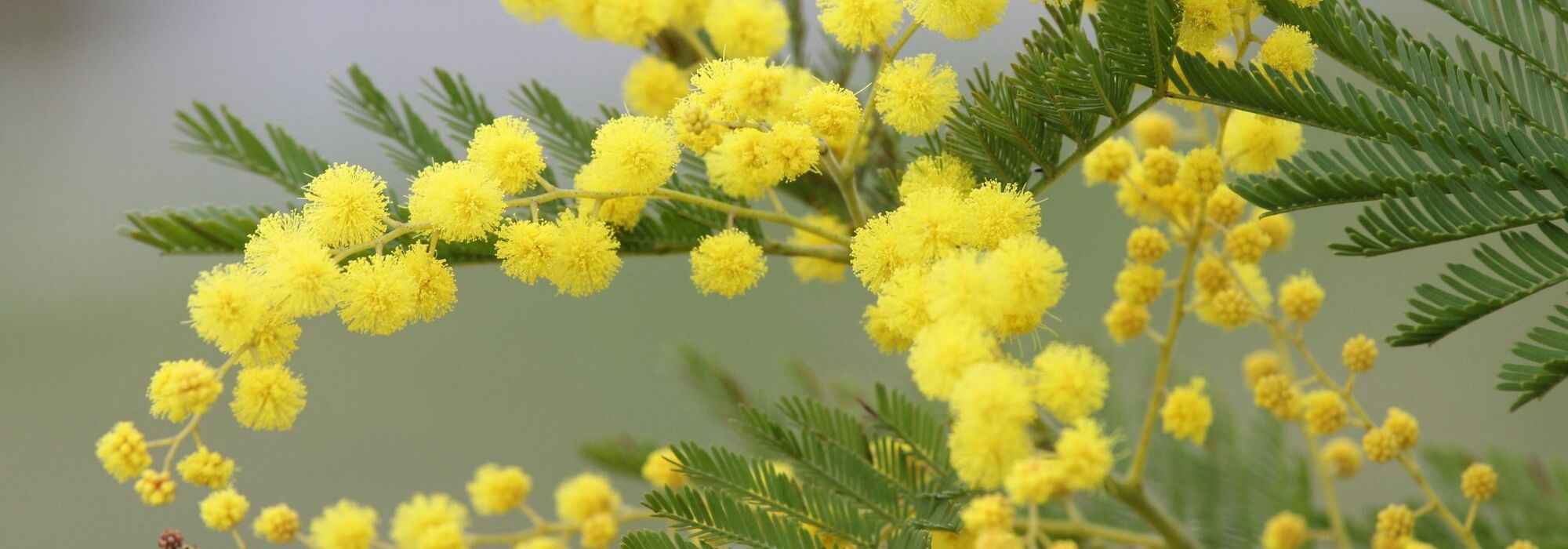
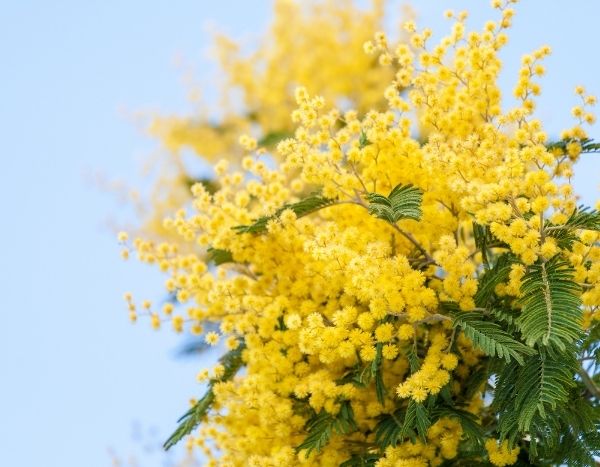
Acacia pravissima has a rounded, gracefully weeping habit, carried by long angular and wrinkled branches that hang down, ranging in colour from green to purple. It reaches a height of about 5m (16ft) (sometimes up to 7m (23ft)) with a nearly equivalent spread under our climates. Its growth is fast; an individual planted in the ground for 2 years can already exceed 2m (7ft) in height in a Mediterranean climate. Its lifespan is about 10 to 15 years. Numerous flower buds appear from the end of summer. The flowering itself generally takes place in March-April, depending on the climate and weather conditions, and lasts about 3 weeks. Just before blooming, the buds turn red. They open into small round flowers that are clusters of bright lemon-yellow stamens gathered in axils of the leaves located towards the ends of the branches. Their fragrance is most noticeable during the hottest hours of the day.
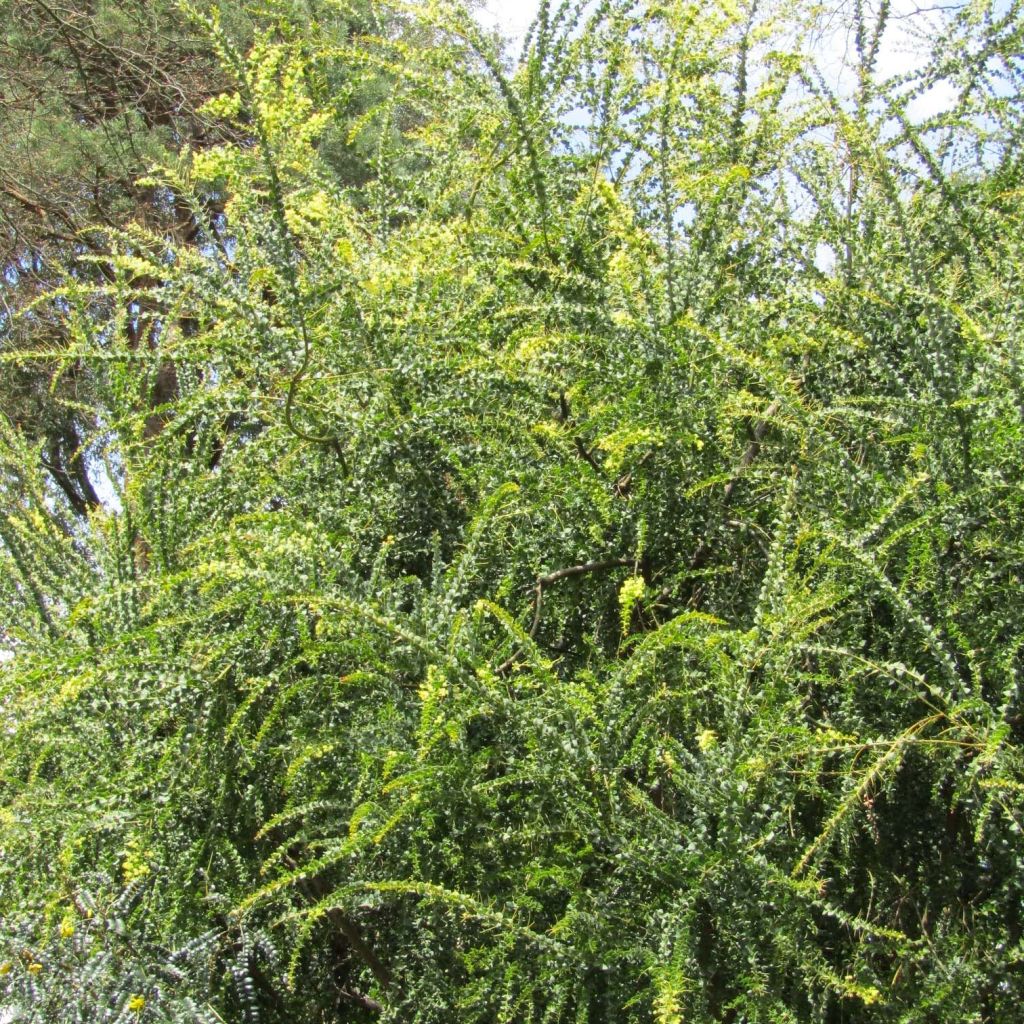
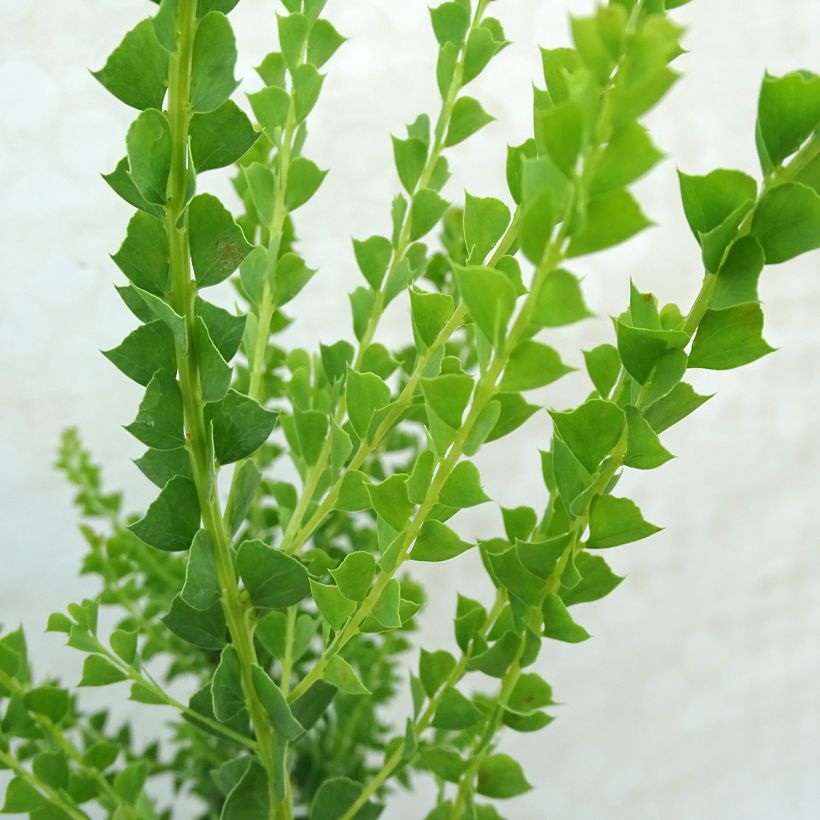
Its evergreen foliage consists of small leaves called phyllodes, with a triangular shape and a pointed tip, which is almost spiny. They are more or less imbricate on the branches and display a soft green to green-blue colour. The young coppery shoots contrast beautifully with the bright lemon-yellow of the flowering.
When planted in the ground in mild climates, Acacia pravissima can be used as a specimen plant sheltered from strong winds, or as part of a mass shrub planting. In favourable climates, it is often used to create a superb green screen, alone or in the company of olearias, for example. It can be combined with other frost-tender shrubs with an exotic appearance, such as Caesalpinia gilliesii, Jacaranda mimosifolia (Blue Flamboyant), Sesbania punicea, escallonias, or Grevillea. To accompany its early spring flowering, it can be combined with Prunus triloba, Japanese quinces, or Teucrium fruticans 'Azureum'. It can be grown in containers, protecting it from winter frosts in a minimally heated greenhouse or conservatory.
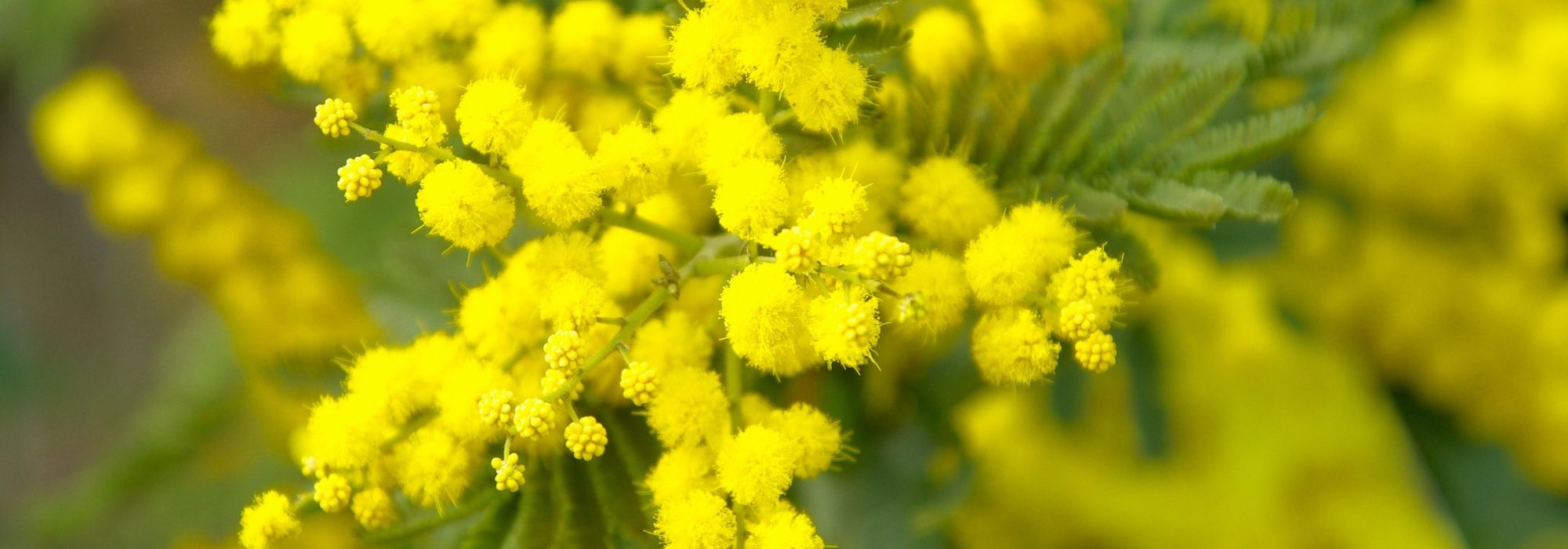
Acacia pravissima in pictures
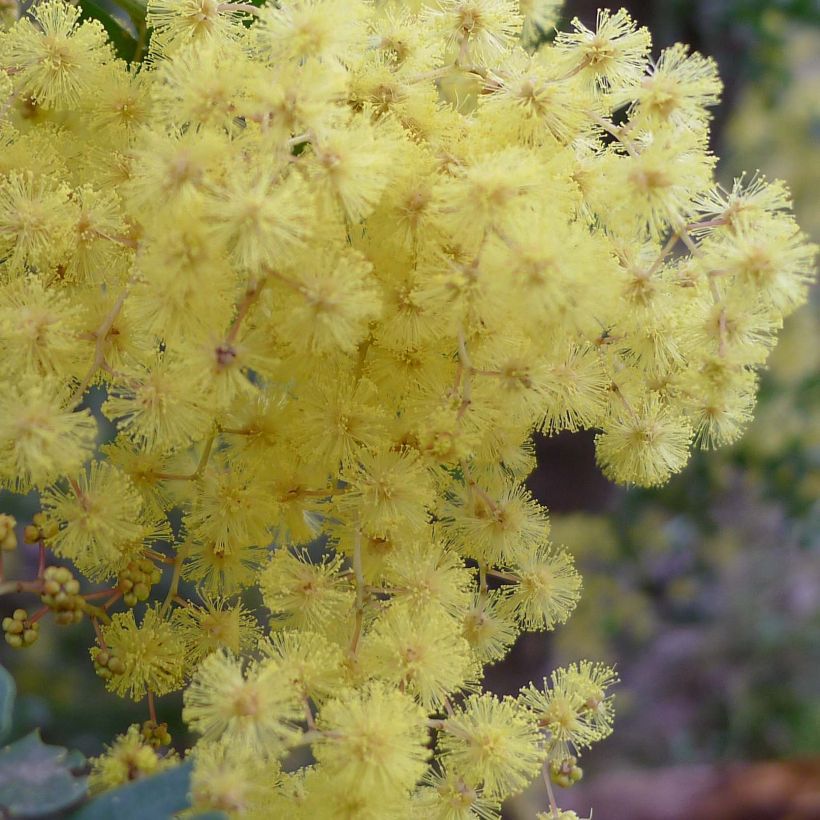
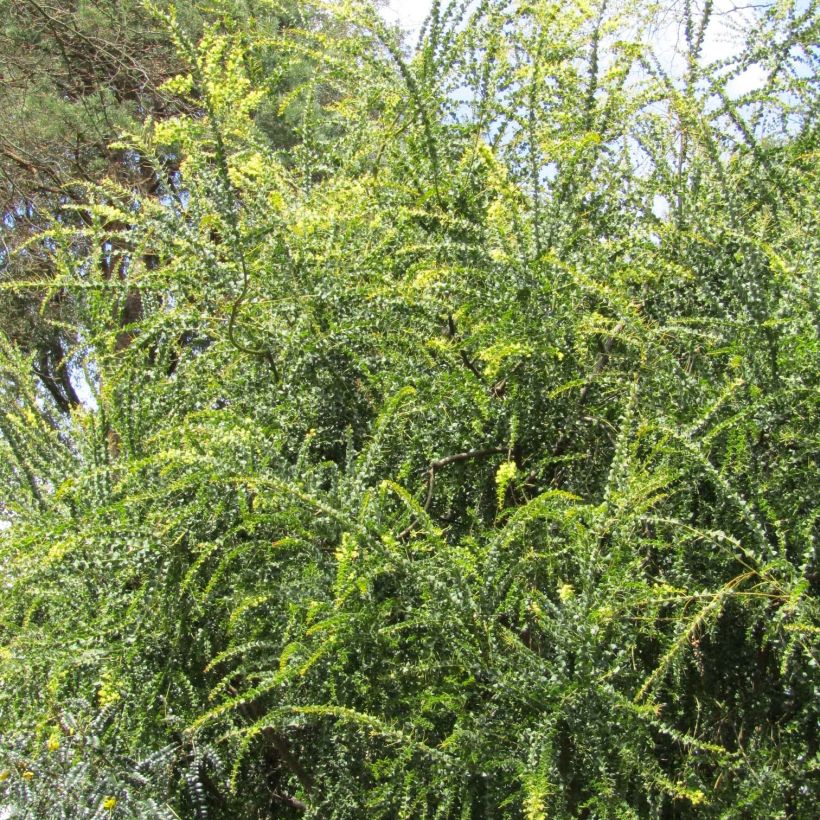
Plant habit
Flowering
Foliage
Botanical data
Acacia
pravissima
Fabaceae
Ovens wattle
Australia
Planting and care
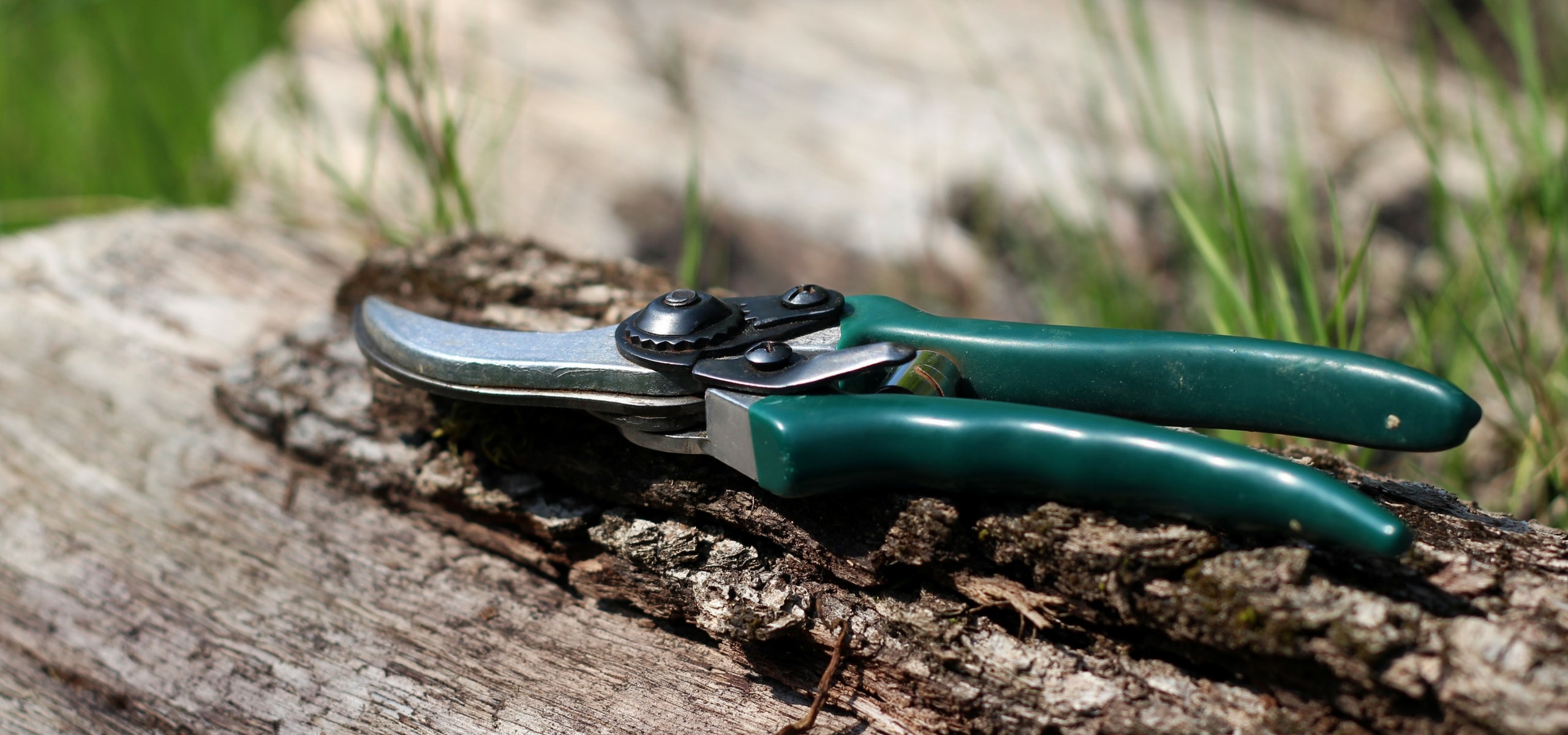
Plant in spring, in March or April, in a very sunny position, sheltered from strong winds. In mild climates, plant in autumn. It is most often grafted onto Acacia retinodes, which dies below -5°C (23°F) if not well protected in winter: surround the root stock with a thick double mulch and a thick winter cover as a precaution. Its roots are superficial, so it is wise to install a stake at the time of planting, to keep it upright and allow it to root. This bush is not demanding on the nature of the soil, which must however be sufficiently draining. As it tolerates drought once established, watering is not necessary in open ground cultivation. Light pruning is recommended after flowering: shorten the branches that have bloomed by about half their length. This operation prevents the formation of pods that unnecessarily exhaust the plant.
It is sensitive to cold; as soon as temperatures approach 0°C (32°F), it is advisable to install a thick mulch at its base to protect the root stock and roots, and to cover it with winter protection.
In the case of container cultivation, repot every two years in a large container in spring. Water regularly; the root ball should not completely dry out between two waterings. In cold regions, overwinter it in a bright and cool but frost-free location.
Mimosas grafted onto Acacia retinodes are well adapted to summer drought and poor, limestone soils, which do not tolerate constantly moist soil, especially in hot weather.
The combination of heat and humidity can promote the sudden and unexplained decline of a mimosa that seemed healthy. In this case, the culprits are either Cylindrocladium, a microscopic fungus that attacks the collar of the plant, turning it black, or Phytophthora, which penetrates through the roots and causes the plant to perish within a few days.
Other enemies of this mimosa are psyllid (false aphid), frosted scale insect (Metcalfa pruinosa), and cottony cushion scale (Icerya purchasi). To limit their development, spray nettle purin or diluted black soap at 5%. A treatment with white oils is also effective. Inspect the branches daily, and if necessary, manually remove the scale insects (if you have the courage).
Planting period
Intended location
Care
Planting & care advice
-
-

-
-

-

-

-
-
-
, onOrder confirmed
Reply from on Promesse de fleurs
Recently viewed products
Haven't found what you were looking for?
Hardiness is the lowest winter temperature a plant can endure without suffering serious damage or even dying. However, hardiness is affected by location (a sheltered area, such as a patio), protection (winter cover) and soil type (hardiness is improved by well-drained soil).
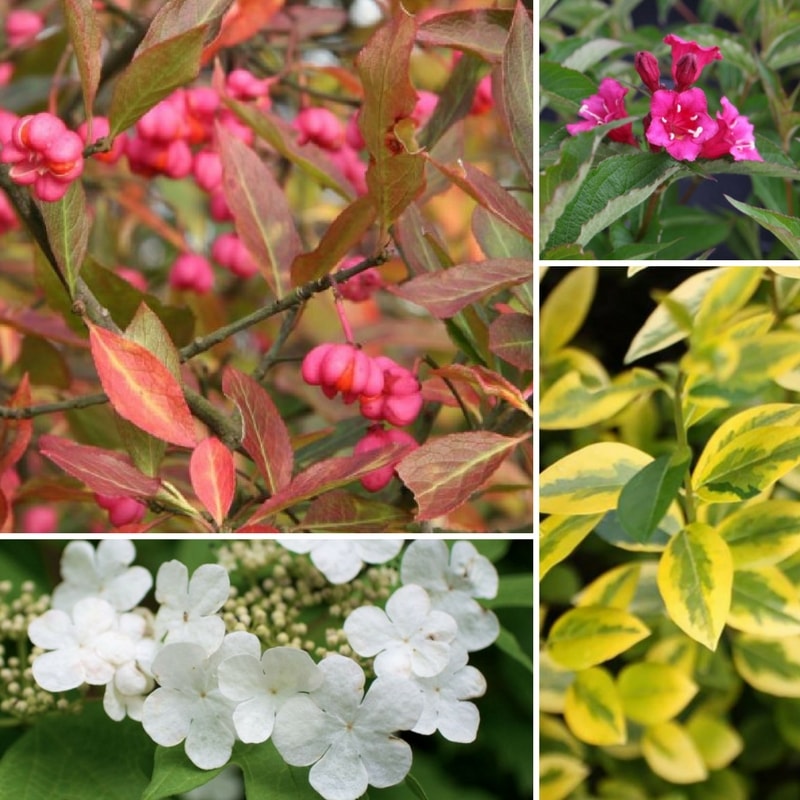
In temperate climates, pruning of spring-flowering shrubs (forsythia, spireas, etc.) should be done just after flowering.
Pruning of summer-flowering shrubs (Indian Lilac, Perovskia, etc.) can be done in winter or spring.
In cold regions as well as with frost-sensitive plants, avoid pruning too early when severe frosts may still occur.
The harvesting period indicated on our website applies to countries and regions in USDA zone 8 (France, England, Ireland, the Netherlands).
In colder areas (Scandinavia, Poland, Austria...) fruit and vegetable harvests are likely to be delayed by 3-4 weeks.
In warmer areas (Italy, Spain, Greece, etc.), harvesting will probably take place earlier, depending on weather conditions.
The sowing periods indicated on our website apply to countries and regions within USDA Zone 8 (France, UK, Ireland, Netherlands).
In colder areas (Scandinavia, Poland, Austria...), delay any outdoor sowing by 3-4 weeks, or sow under glass.
In warmer climes (Italy, Spain, Greece, etc.), bring outdoor sowing forward by a few weeks.
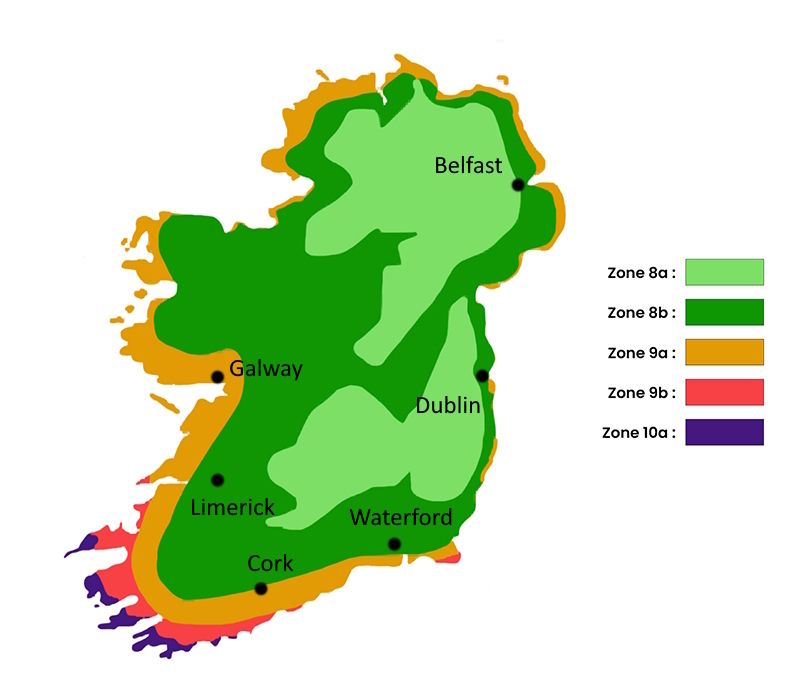
The planting period indicated on our website applies to regions in USDA Zone 9a (East Coast and Midlands: Dublin, Wexford, Waterford, Kilkenny, Portlaoise). It will vary depending on where you live:
- On the west coast and in the north-west (Galway, Limerick, Sligo, Donegal, Westport), delay planting by 1 to 2 weeks in spring and bring it forward by 1 to 2 weeks in autumn compared to the dates given, preferably choosing periods without strong winds.
- In the inland hills and plateaus (Wicklow Mountains, Macgillycuddy’s Reeks, Connemara, Killarney), it is best to plant in spring (April–May) or autumn (September–October), avoiding periods of waterlogged soil in winter and strong winds, which pose the main risk to newly planted trees in these areas.
The flowering period indicated on our website applies to regions in USDA Zone 9a, such as the East Coast and Midlands, including Dublin, Wexford, Waterford, Kilkenny and Portlaoise.
This will vary depending on where you live:
- On the west coast and in the northwest (Galway, Limerick, Sligo, Donegal and Westport), it will be delayed by one to two weeks compared to the given dates, due to stronger Atlantic winds and less spring sunshine.
- In the inland hills and plateaus (the Wicklow Mountains, the Macgillycuddy's Reeks, Connemara and Killarney), flowering will be delayed by two to three weeks. Flowering mainly occurs between May and July, with the limiting factors being less frost and more of the excessive humidity, strong winds and lack of sunshine that are characteristic of these areas.
Shipping country and language
Your country of residence may be:
Your country of residence is:
For a better user experience on our website, you can select:
Your shipping country:
-
 Austria
-
 Belgium
-
 Bosnia & Herzegovina
-
 Bulgaria
-
 Croatia
-
 Cyprus
-
 Czechia
-
 Denmark
-
 Estonia
-
 Finland
-
 France
-
 Germany
-
 Greece
-
 Hungary
-
 Iceland
-
 Ireland
-
 Italy
Italy
-
 Latvia
-
 Liechtenstein
-
 Lithuania
-
 Luxembourg
-
 Malta
Malta
-
 Netherlands
-
 Poland
-
 Portugal
-
 Romania
-
 Serbia
-
 Slovakia
-
 Slovenia
-
 Spain
Spain
-
 Sweden
-
 Switzerland
Language:
-
French
-
 English
-
Spanish
-
Italian
-
German
-
Portuguese
-
Dutch
-
Finnish
My Account
Hello
My wish lists
My cart
Log in / Register
Existing customer?
This form is protected by reCAPTCHA - the Google Privacy Policy and Terms of Service apply.
New customer?
Create an account to track your orders, access our customer service and, if you wish, make the most of our upcoming offers.