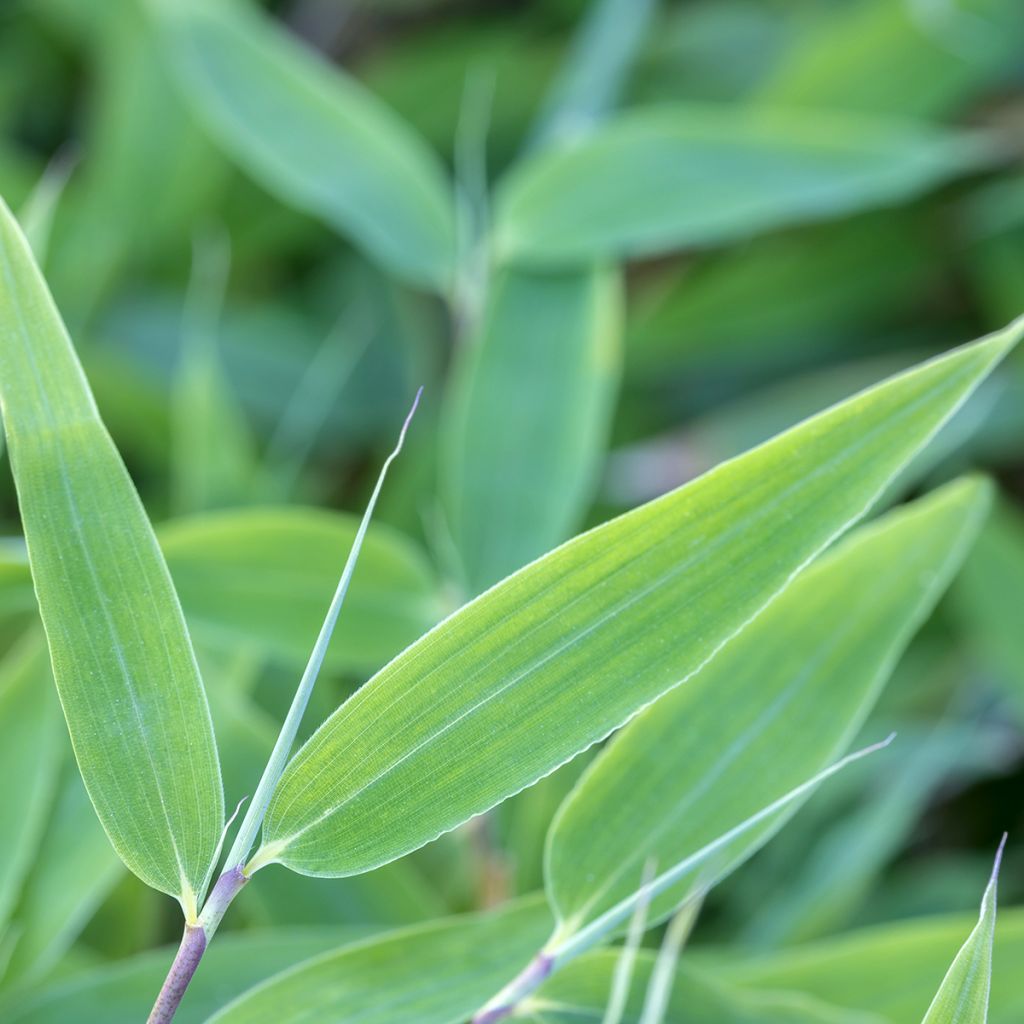
Fargesia murielae Blue Lizard - Bamboo
Fargesia murielae Blue Lizard - Bamboo
Fargesia murielae Blue Lizard ®
Umbrella Bamboo, Fountain Bamboo
Beautiful young bamboo plants, received in very good condition. Planted straight away, they have already settled in well! Very pleased!
Elise, 01/04/2026
Back-to-school special offer!
Get €10 off for every €50 you spend! And get up to €40 off on a single order.
How does it work?
1. Shop your favourites
Add your favourite plants to your basket. For every €50 you spend (excluding delivery charges, store credit and the plastic-free option), you’ll receive a €10 voucher.
€50 spent = €10 voucher
€100 spent = €20 voucher
€150 spent = €30 voucher
€200 spent = €40 voucher
2. Place your order
Once your basket reaches one of the spending thresholds, place your order. You can even choose your delivery date!
3. Receive your voucher
As soon as your order has been shipped, you’ll receive an email containing your personal voucher code and its value.
4. Use it on your next order
Your voucher is valid for 90 days from the date you receive it. It can be used once only, on a new order worth at least the value of the voucher, excluding delivery charges.
Please note: Vouchers can be combined with other offers, but cannot be split or refunded.
Why not try an alternative variety in stock?
View all →
Available in 2 sizes
Available in 3 sizes

Available in 1 sizes

Available in 2 sizes
Available in 3 sizes

Available in 3 sizes
Available in 2 sizes

Available in 1 sizes
Available in 2 sizes

Available in 1 sizes
This plant carries a 24 months recovery warranty
More information
We guarantee the quality of our plants for a full growing cycle, and will replace at our expense any plant that fails to recover under normal climatic and planting conditions.

Does this plant fit my garden?
Set up your Plantfit profile →
Description
Fargesia murielae Blue Lizard is a non-running bamboo, of medium size, very unique with its foliage. With a slightly bluish green colour, the numerous leaves form a dense mass of vegetation. With its particularly dense base and excellent pruning ability, this variety is well-suited for container cultivation. This extremely hardy bamboo thrives in any good garden soil, preferably neutral to acidic, but also tolerates limestone. It is non-invasive, can be planted in a small garden and makes perfect hedges.
Fargesia murielae is a plant of the Poaceae family, formerly known as Gramineae. It produces woody stems that develop from a non-running rhizomatous crown, known as clump-forming. In this type of bamboo, the very short internode rhizomes develop slowly at the periphery of the crown, which gradually widens, but they also develop towards the centre of the dense clump. Another great advantage is that there is no risk of being invaded by rhizome shoots at a distance from the main clump.
This cultivar 'Blue Lizard' is a recent horticultural variety from the Well Born Bamboo Africa range, obtained by sowing and selecting the best specimens at the dawn of the 2000s. Originating from the Chinese province of Hubei, it is not expected to flower again for at least 70 years (which will lead to its death, such is the fate of bamboo).
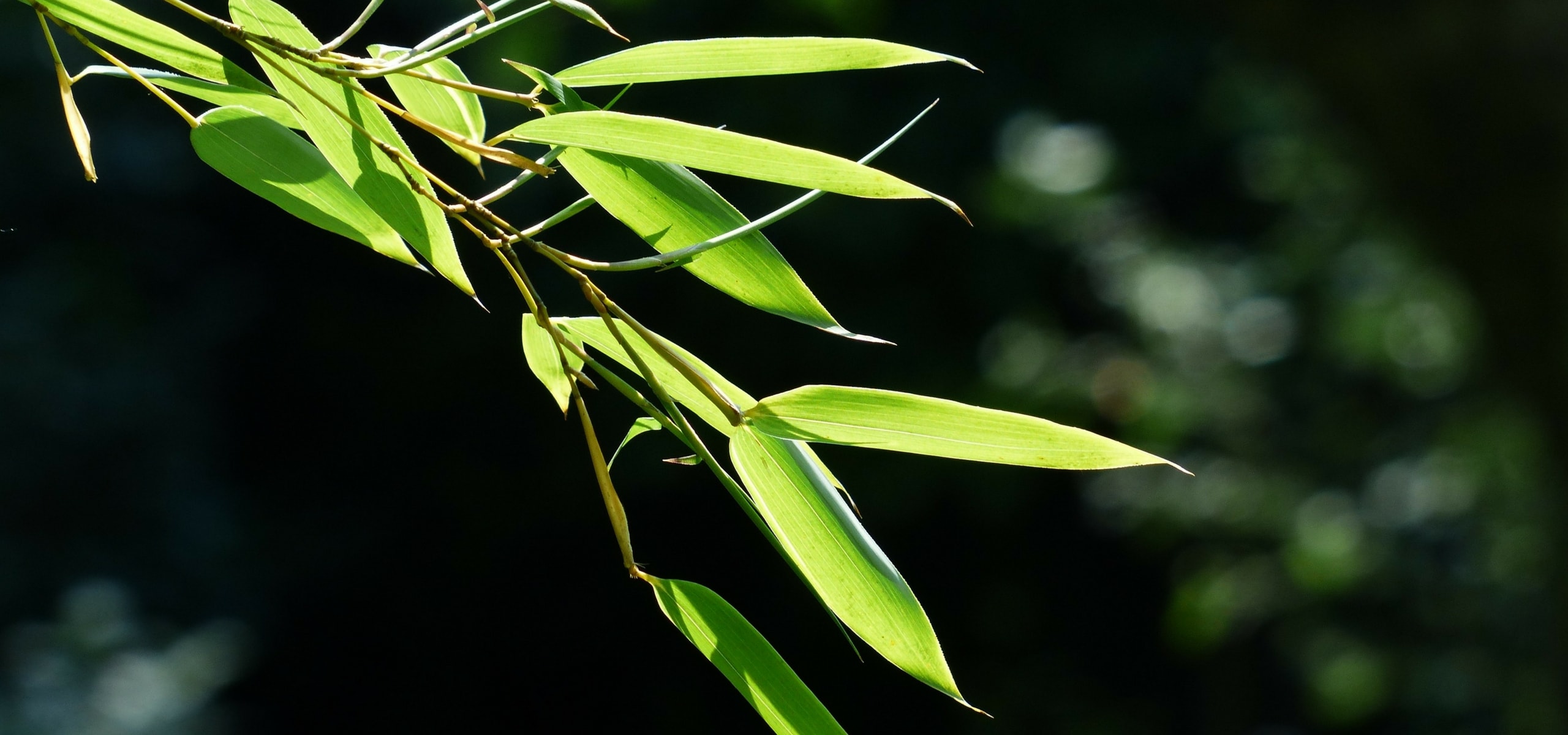
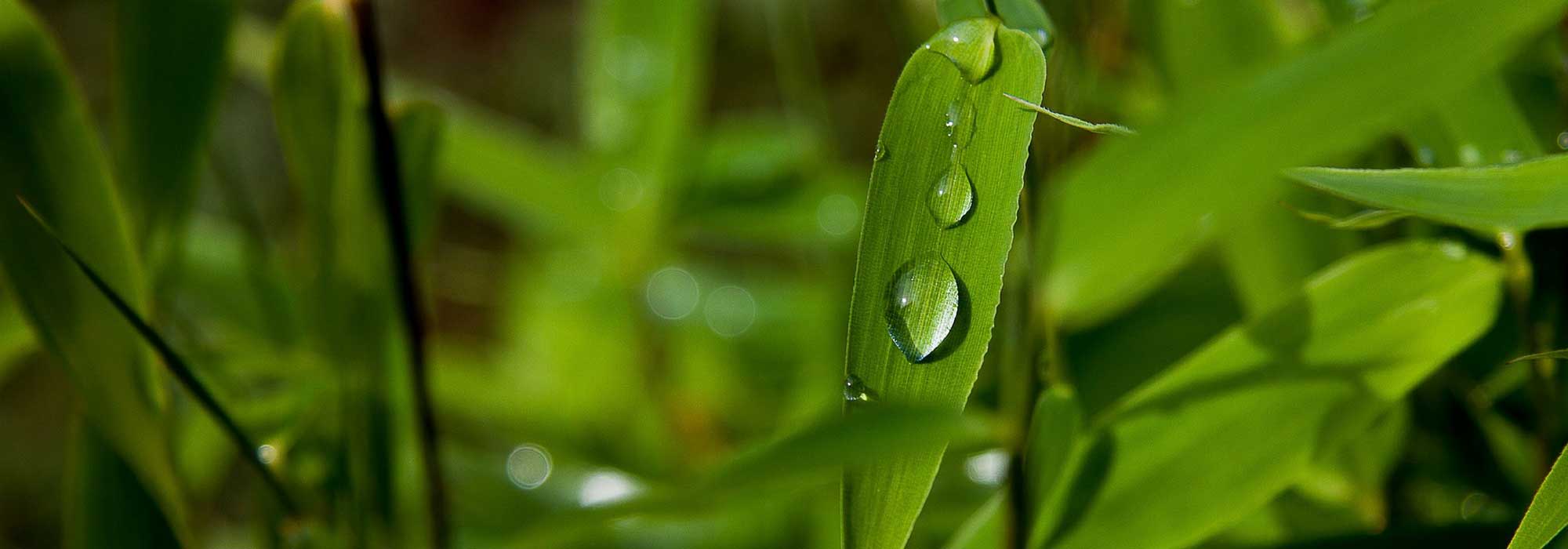
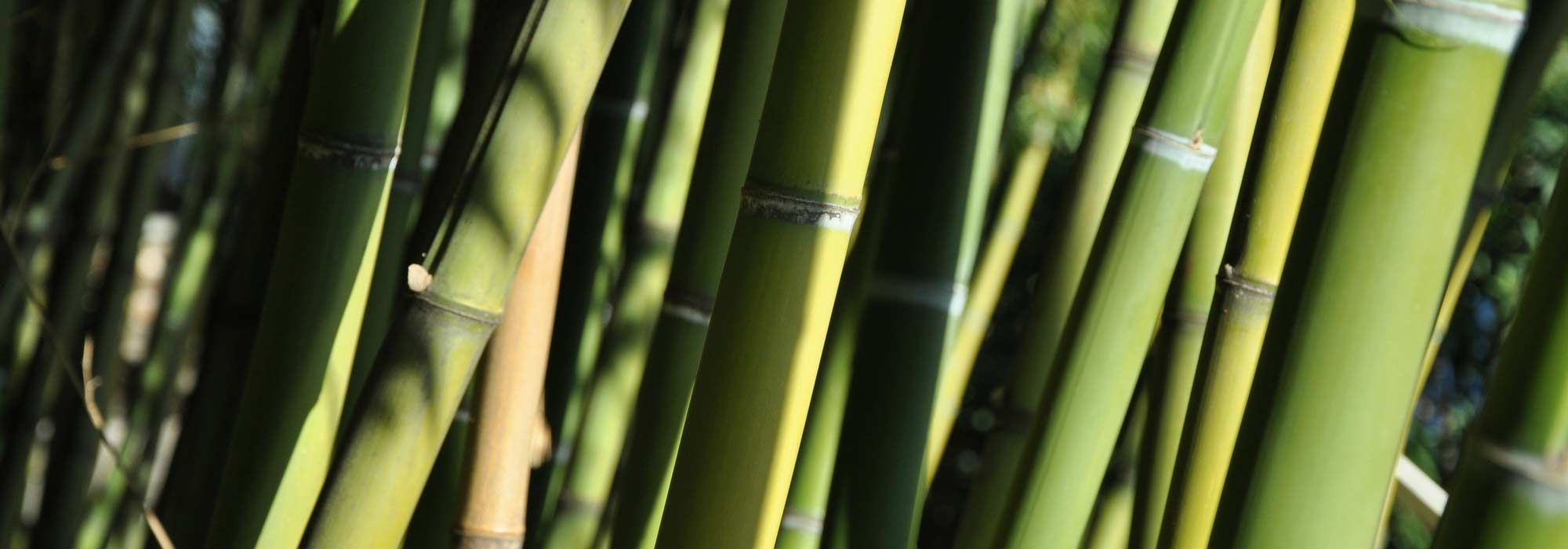
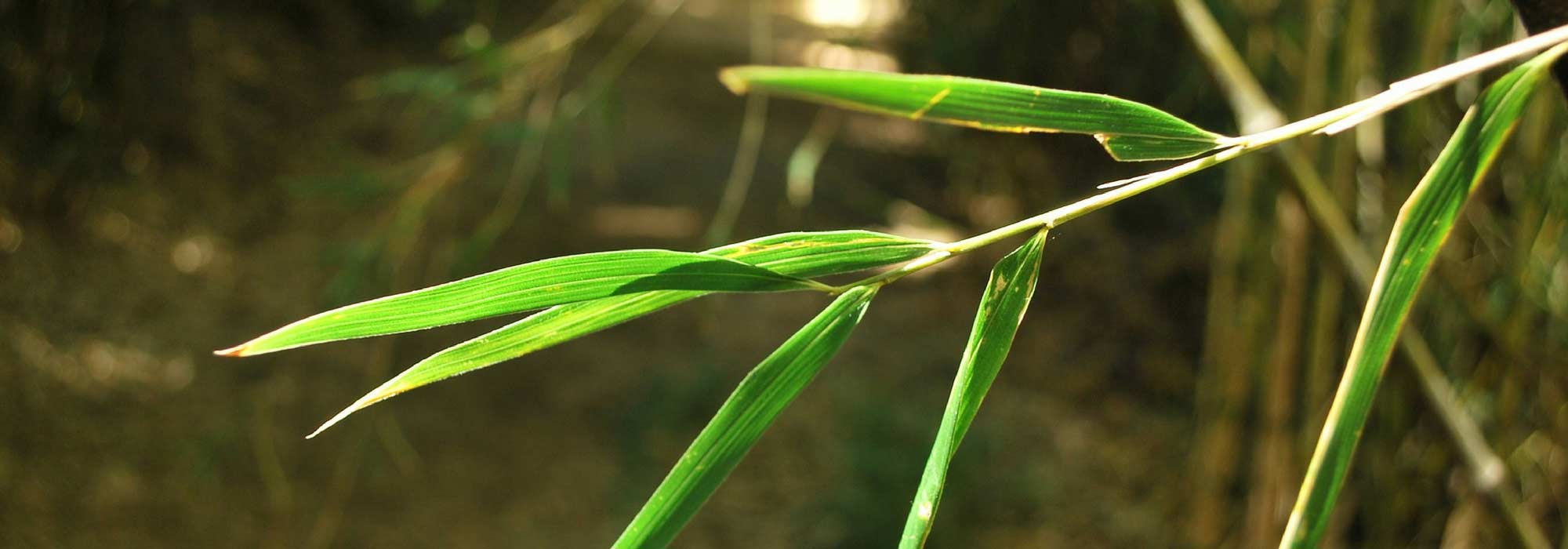
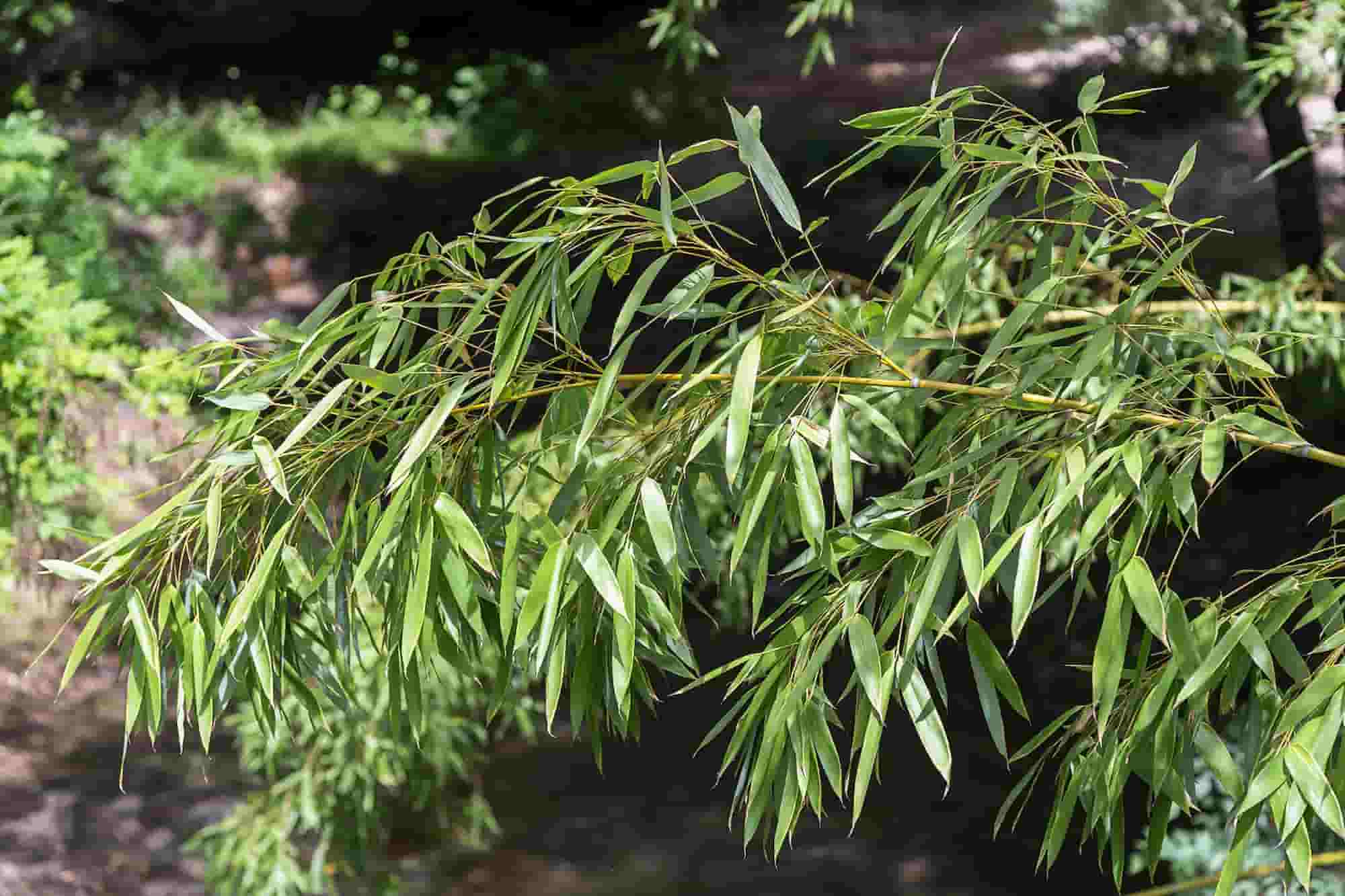
Blue Lizard gets its name from its characteristic, beautiful green leaves with subtle blue highlights. About 8 cm long and 2 cm wide, they widen in the centre and end abruptly in a point. Present in large quantities, carried by short lateral shoots of 20 to 30 cm that are extremely hard, they overlap like the scales of a reptile, which led to the name, blue lizard. It takes some imagination to see this friendly animal in the shape of this bamboo, but the important thing is that it is very ornamental. The leaves tend to roll inward lengthwise under stress, slightly in case of drought, a little more in cold weather, but then regain their shape. In this variety, the leaf sheaths are almost white, adding to the aesthetics of the green canes on which they contrast nicely.
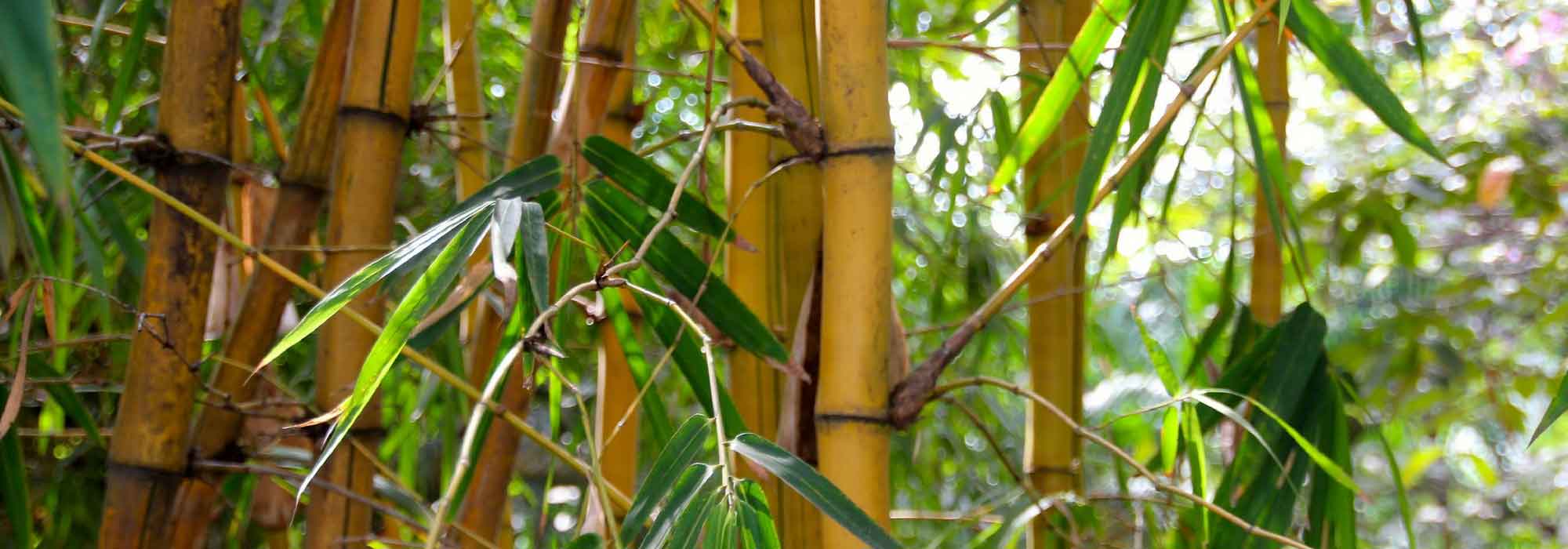
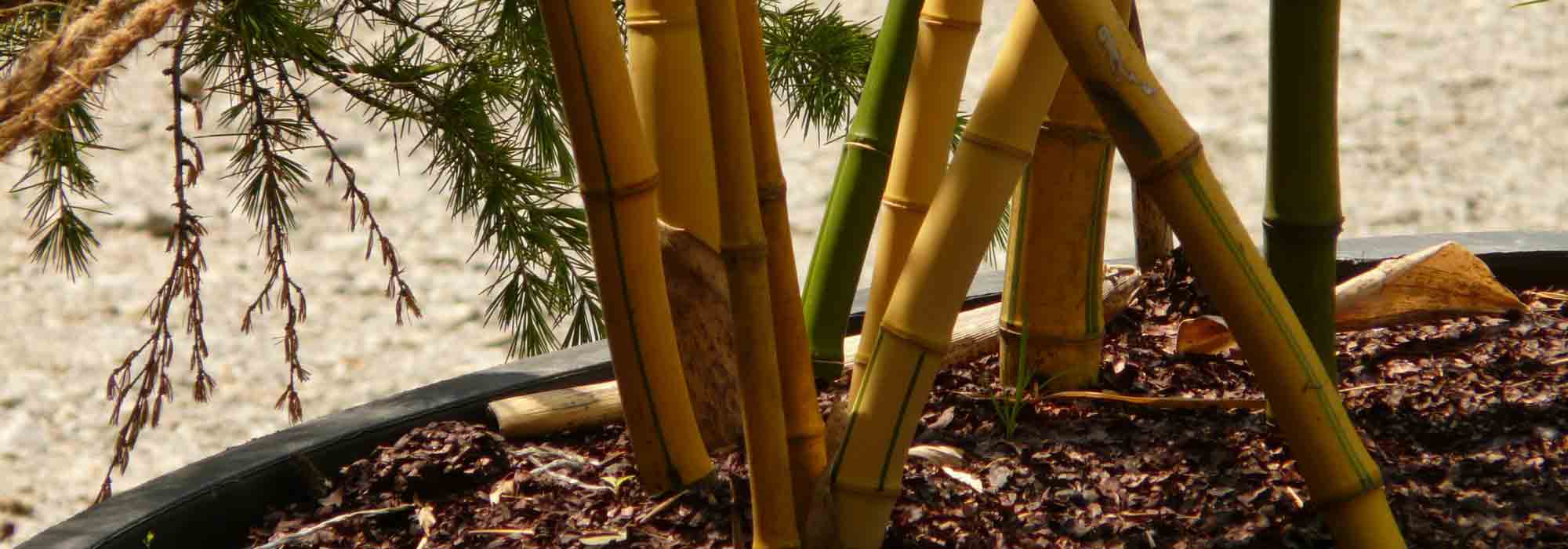
This medium-sized bamboo will reach a height of about 3.50 m (3 to 4 m maximum) and is recognised by its particularly dense lower part, while the canes are very erect above. This gives it a specific appearance and allows for a slightly wider spacing of the plants to form a hedge. This hedge will provide effective privacy up to a height of 2.80 to 3 m. Tolerating pruning well, this bamboo can also be grown in containers and pruned every year to limit its height. It can also be planted as a standalone clump, where its original silhouette will be highlighted.
Fargesia Blue Lizard produces its main spring shoot relatively late, which exposes it less to late frosts than other varieties. It is very well adapted to continental climates, and it can withstand temperatures as low as -25°C or even -28°C. It also shows good adaptability to soil type, growing in neutral to acidic soils and also tolerating limestone soils without excess. Only truly dry or waterlogged conditions are detrimental to it, otherwise it proves easy to grow, thriving in full sun or partial shade, and even accepting deeper shade.
As accommodating as it is ornamental, this bamboo can be planted anywhere to create an exotic scene even in cold climates, and blends remarkably well with contemporary decor thanks to its architectural shapes. If you plant it as a hedge, place plants in the foreground that will contrast in colour or leaf size, avoiding thin green foliage that visually blends with the bamboo's foliage. Acer conspicuum Red Flamingo, one of the most beautiful maples, will be perfect in this role. Its foliage, with various shades of green, cream white, and pink, carried by petioles and branches of a magnificent coral red, compete in beauty with the "snake skin" bark that is simply sublime. Another excellent choice is Cercis canadensis Eternal Flame, a Canadian Redbud with heart-shaped leaves that change colour throughout the seasons, from dark red to orange, then yellow and green before taking on fiery hues again in autumn. Its dark pink flowers that appear early in the season before its foliage will also be well highlighted against the green background of your bamboo curtain.

Plant habit
Foliage
Planting and care
Fargesia murielae Blue Lizard tolerates all exposures, from sunny to shady, including partial shade. Plant this bamboo in rich soil, which remains slightly moist in summer, rather heavy and retains water well (as an indication, the adult plant requires about 20 litres of water per week in hot weather and 10 litres for the rest of the year). This Fargesia will grow in neutral or slightly acidic soil, and will even tolerate some limestone. If necessary, replace the soil in your garden with good potting soil, especially if your soil is very sandy and well-draining. Plant in spring or autumn, and to create a hedge, plant one plant every 70 cm to obtain a dense green curtain.
In a pot, monitor watering, especially when the foliage is very abundant, and from early March to mid-April, apply 2 handfuls of lawn fertiliser at the base of your non-spreading bamboo. Its foliage will be greener. This bamboo tolerates pruning very well, so its height can easily be limited with shears to maintain its growth if planted in a container.
Like all other Fargesia, this non-spreading bamboo does not require the installation of a rhizome barrier at planting. However, be aware that non-spreading does not mean that it will not spread over the years. The crown will grow, but gradually, without emitting long rhizomes that will spread a few metres away. It keeps its green foliage all winter and loses some leaves throughout the year, more so in late autumn. These accumulate at the base of the canes, thus forming a protective mulch against soil dehydration, which is better left in place. In hot climates, it is also useful to mulch the soil to maintain some moisture at the roots.
Planting period
Intended location
Care
Planting & care advice
-

-
-
-
-
-
-
-
-
, onOrder confirmed
Reply from on Promesse de fleurs
Recently viewed products
Haven't found what you were looking for?
Hardiness is the lowest winter temperature a plant can endure without suffering serious damage or even dying. However, hardiness is affected by location (a sheltered area, such as a patio), protection (winter cover) and soil type (hardiness is improved by well-drained soil).
In temperate climates, pruning of spring-flowering shrubs (forsythia, spireas, etc.) should be done just after flowering.
Pruning of summer-flowering shrubs (Indian Lilac, Perovskia, etc.) can be done in winter or spring.
In cold regions as well as with frost-sensitive plants, avoid pruning too early when severe frosts may still occur.
The harvesting period indicated on our website applies to countries and regions in USDA zone 8 (France, England, Ireland, the Netherlands).
In colder areas (Scandinavia, Poland, Austria...) fruit and vegetable harvests are likely to be delayed by 3-4 weeks.
In warmer areas (Italy, Spain, Greece, etc.), harvesting will probably take place earlier, depending on weather conditions.
The sowing periods indicated on our website apply to countries and regions within USDA Zone 8 (France, UK, Ireland, Netherlands).
In colder areas (Scandinavia, Poland, Austria...), delay any outdoor sowing by 3-4 weeks, or sow under glass.
In warmer climes (Italy, Spain, Greece, etc.), bring outdoor sowing forward by a few weeks.
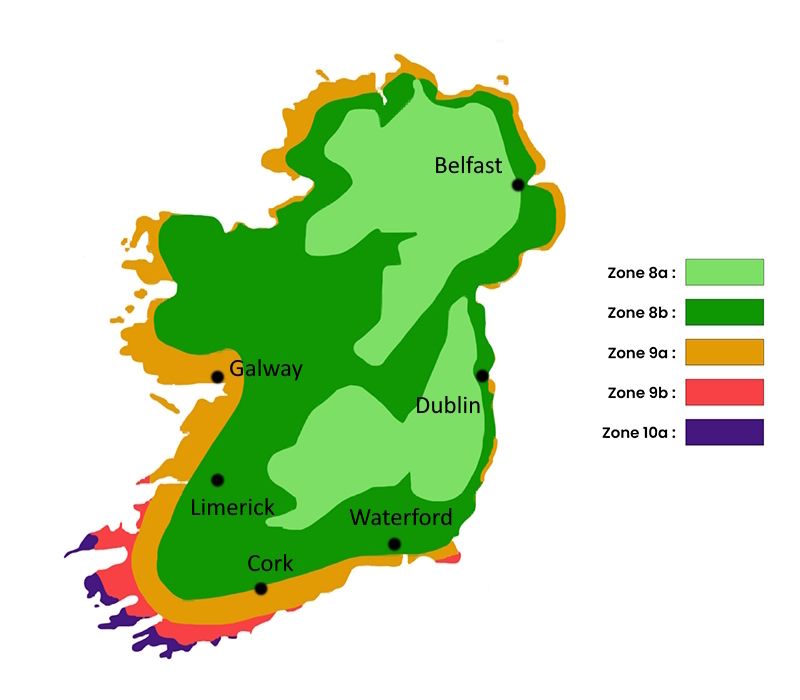
The planting period indicated on our website applies to regions in USDA Zone 9a (East Coast and Midlands: Dublin, Wexford, Waterford, Kilkenny, Portlaoise). It will vary depending on where you live:
- On the west coast and in the north-west (Galway, Limerick, Sligo, Donegal, Westport), delay planting by 1 to 2 weeks in spring and bring it forward by 1 to 2 weeks in autumn compared to the dates given, preferably choosing periods without strong winds.
- In the inland hills and plateaus (Wicklow Mountains, Macgillycuddy’s Reeks, Connemara, Killarney), it is best to plant in spring (April–May) or autumn (September–October), avoiding periods of waterlogged soil in winter and strong winds, which pose the main risk to newly planted trees in these areas.
The flowering period indicated on our website applies to regions in USDA Zone 9a, such as the East Coast and Midlands, including Dublin, Wexford, Waterford, Kilkenny and Portlaoise.
This will vary depending on where you live:
- On the west coast and in the northwest (Galway, Limerick, Sligo, Donegal and Westport), it will be delayed by one to two weeks compared to the given dates, due to stronger Atlantic winds and less spring sunshine.
- In the inland hills and plateaus (the Wicklow Mountains, the Macgillycuddy's Reeks, Connemara and Killarney), flowering will be delayed by two to three weeks. Flowering mainly occurs between May and July, with the limiting factors being less frost and more of the excessive humidity, strong winds and lack of sunshine that are characteristic of these areas.
Shipping country and language
Your country of residence may be:
Your country of residence is:
For a better user experience on our website, you can select:
Your shipping country:
-
 Austria
-
 Belgium
-
 Bosnia & Herzegovina
-
 Bulgaria
-
 Croatia
-
 Cyprus
-
 Czechia
-
 Denmark
-
 Estonia
-
 Finland
-
 France
-
 Germany
-
 Greece
-
 Hungary
-
 Iceland
-
 Ireland
-
 Italy
Italy
-
 Latvia
-
 Liechtenstein
-
 Lithuania
-
 Luxembourg
-
 Malta
Malta
-
 Netherlands
-
 Poland
-
 Portugal
-
 Romania
-
 Serbia
-
 Slovakia
-
 Slovenia
-
 Spain
Spain
-
 Sweden
-
 Switzerland
Language:
-
French
-
 English
-
Spanish
-
Italian
-
German
-
Portuguese
-
Dutch
-
Finnish
My Account
Hello
My wish lists
My cart
Log in / Register
Existing customer?
This form is protected by reCAPTCHA - the Google Privacy Policy and Terms of Service apply.
New customer?
Create an account to track your orders, access our customer service and, if you wish, make the most of our upcoming offers.