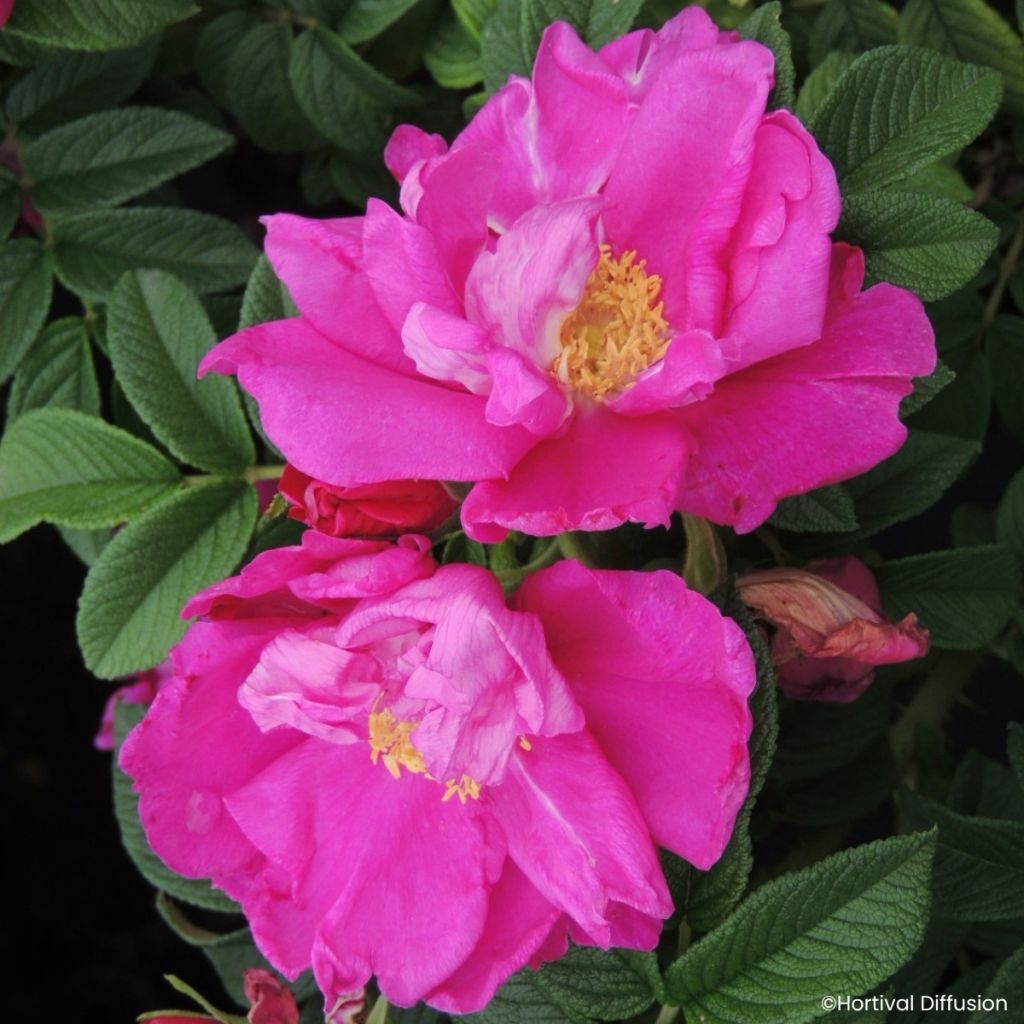
Rosa rugosa Angelia Purple - Rugosa Rose
Rosa rugosa Angelia Purple - Rugosa Rose
Rosa rugosa 'Minrugo4V' Angelia® Purple
Rugosa Rose, Japanese Rose, Ramanas Rose, Beach Rose
Rose bush planted at the base of a wall. Now I'm waiting to see if it recovers in spring... (or not?).
Thierry, 27/11/2025
Back-to-school special offer!
Get €10 off for every €50 you spend! And get up to €40 off on a single order.
How does it work?
1. Shop your favourites
Add your favourite plants to your basket. For every €50 you spend (excluding delivery charges, store credit and the plastic-free option), you’ll receive a €10 voucher.
€50 spent = €10 voucher
€100 spent = €20 voucher
€150 spent = €30 voucher
€200 spent = €40 voucher
2. Place your order
Once your basket reaches one of the spending thresholds, place your order. You can even choose your delivery date!
3. Receive your voucher
As soon as your order has been shipped, you’ll receive an email containing your personal voucher code and its value.
4. Use it on your next order
Your voucher is valid for 90 days from the date you receive it. It can be used once only, on a new order worth at least the value of the voucher, excluding delivery charges.
Please note: Vouchers can be combined with other offers, but cannot be split or refunded.
Home or relay delivery (depending on size and destination)
Important: You may be charged customs duties by your country’s customs authorities upon delivery.
Schedule delivery date
and select date in basket
This plant carries a 24 months recovery warranty
More information
We guarantee the quality of our plants for a full growing cycle, and will replace at our expense any plant that fails to recover under normal climatic and planting conditions.
Description
Le rosier Angelia® Purple (Rosa rugosa 'Minrugo2p') est un arbuste buissonnant vigoureux qui donnera le meilleur dans une haie fleurie ou un grand massif champêtre. Sa floraison estivale semi-double, d'un rose pourpré, dégage un charme rustique et raffiné à la fois. Ce rosier, sélectionné dans la gamme Formidable Plants, séduit aussi par son feuillage épais et nervuré insensible aux maladies, ses teintes automnales dorées et ses beaux fruits rouges. Une excellente variété pour les jardins sans contraintes !
Le rosier Angelia® Purple 'Minrugo4v', obtenu en 2018 par le sélectionneur français Hortival Diffusion et distribué par la gamme Formidable Plants, appartient au groupe des rosiers rugosa, réputés pour leur rusticité exceptionnelle, leur feuillage parfaitement sain ainsi que leur tolérance aux sols pauvres et aux embruns. Ce cultivar est également labellisé Fleurs de France : il porte ce label, ce qui garantit une production locale et un engagement pour la filière horticole française de qualité.
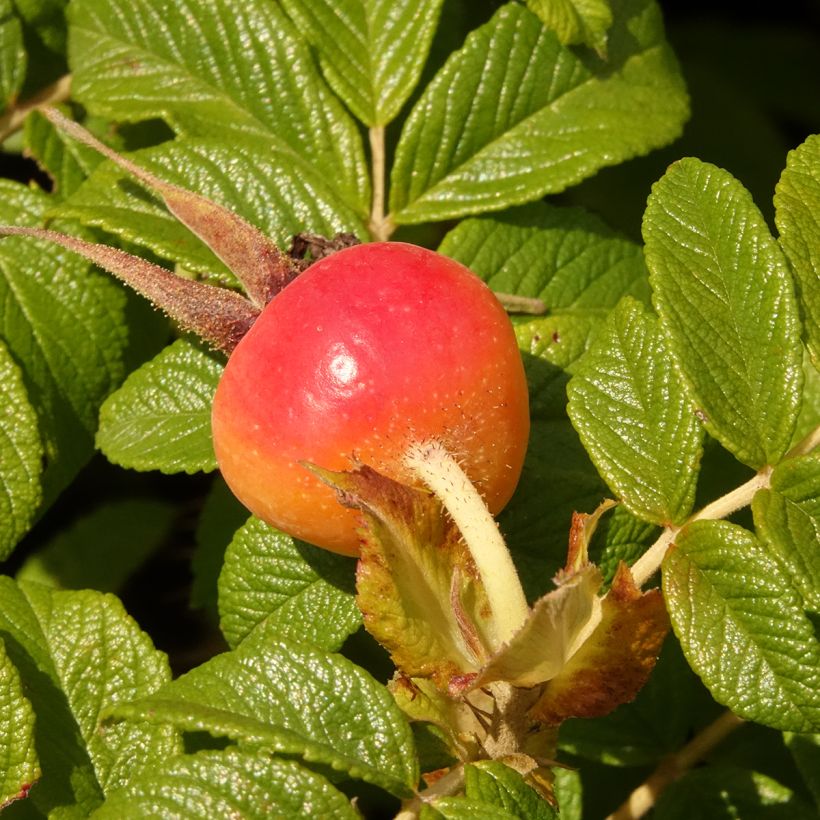
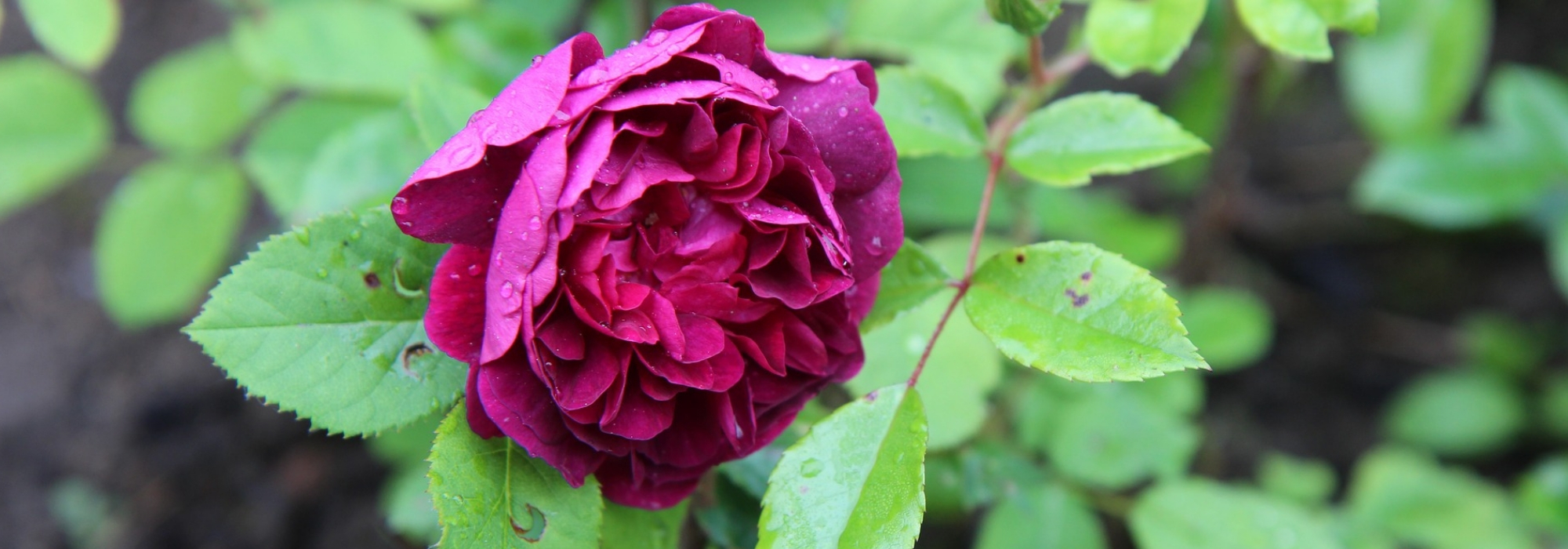
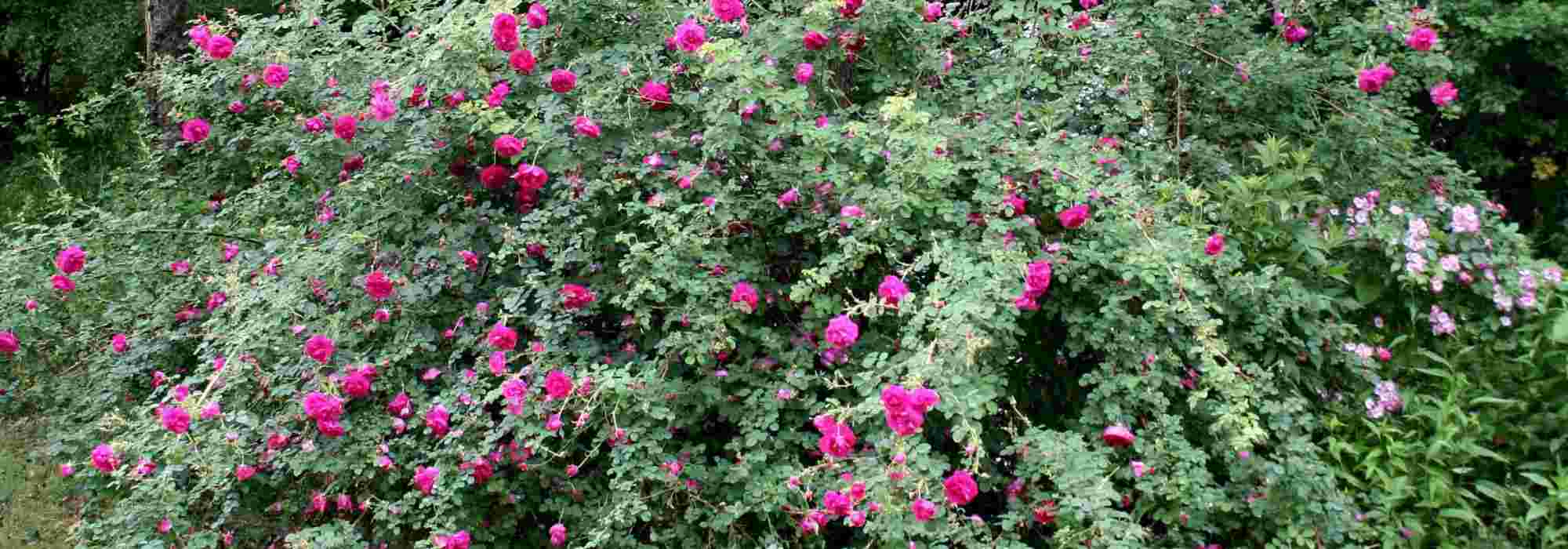
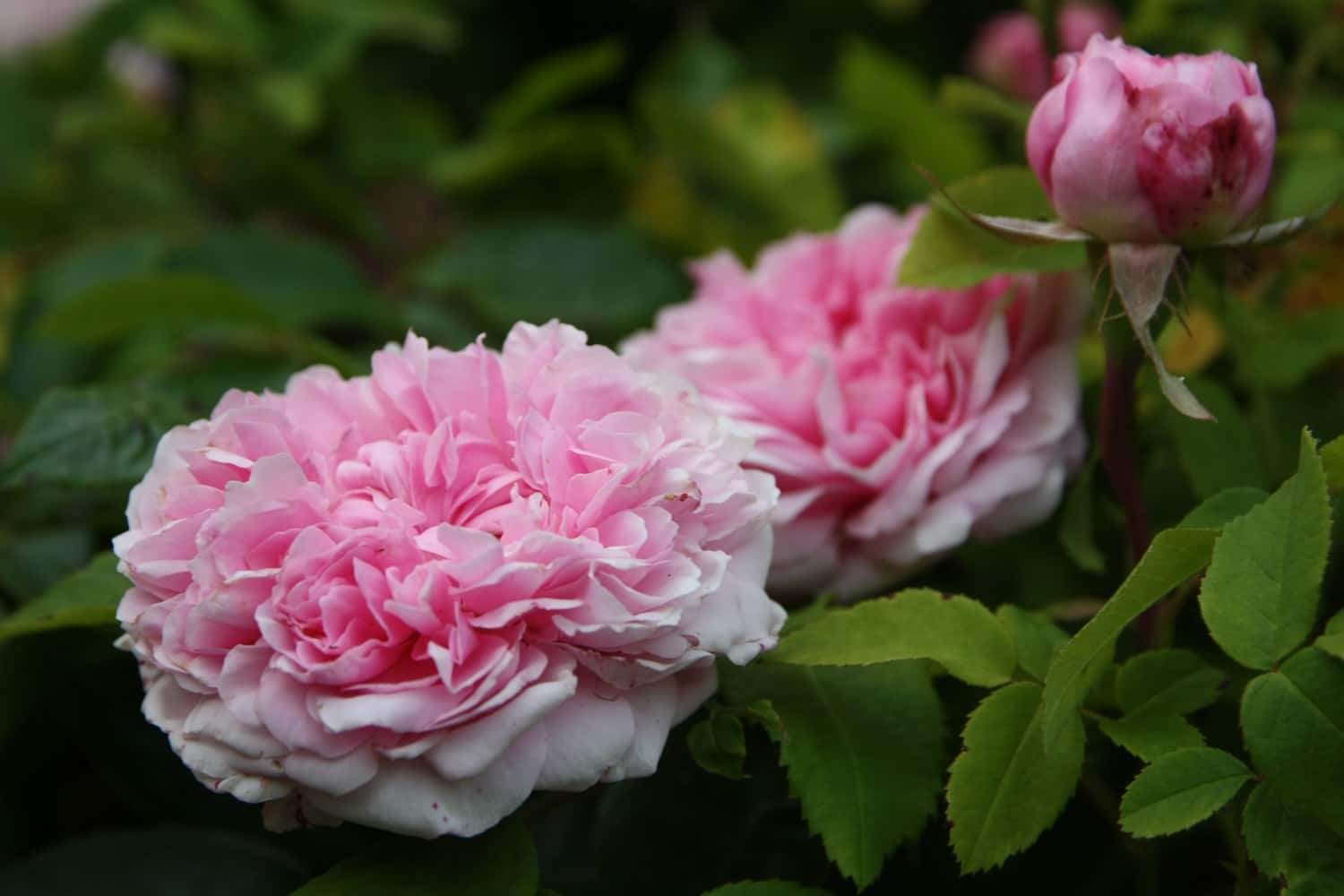
Cet arbuste vigoureux de la série ANGELIA® – une série de variétés au port compact, uniforme et florifère – se distingue par son port buissonnant dense, atteignant jusqu'à 2 m de hauteur et 1,5 m de large en dix ans. Ses fleurs semi‑doubles, de 6 à 8 cm de diamètre, présentent une teinte rose pourpré soutenue, nuancée de magenta en pleine lumière, et s’ouvrent sur un bouquet d’étamines jaune vif. Ces corolles délicatement parfumées s’épanouissent de juin à août, et parfois jusqu’en septembre selon les conditions. Le parfum est subtil, mais typique des rugosa : floral, légèrement épicé, présent sans être entêtant. Le feuillage est caduc en hiver. Il présente de grandes feuilles composées, épaisses et très nervurées, d’un vert franc et lustré. À l’automne, il prend de belles teintes dorées à orangées avant de tomber. Les jeunes pousses arborent parfois une légère teinte bronze. Les tiges, solides, sont garnies de fines épines souples, typiques du groupe. En fin d’été, ce rosier produit des cynorrhodons ronds et luisants, de couleur rouge orangé, qui persistent jusqu’en hiver.
Très robuste, ce rosier montre une excellente résistance aux maladies, notamment aux taches noires, à la rouille et à l’oïdium. Il tolère bien les conditions climatiques difficiles. Comme beaucoup de rugosa, il émet des rejets depuis la base et peut former des touffes denses bien implantées.
Doté d'un' rusticité hors pair, d'une floraison généreuse et d'une grande facilité de culture, Angelia® Purple s’impose comme une valeur sûre dans tous les jardins. Vraiment accommodant, ce grand arbuste est chez lui dans une haie libre ou défensive, un massif arbustif ou une scène naturelle. Il performe en bord de mer comme dans un jardin campagnard, sous la plupart des climats. C’est une variété ornementale neuf ou dix mois sur douze. Vous pouvez l'associer d'autres rosiers sauvages, à des weigélias pour haies ou des lilas compacts. Ses fruits, débarrassés de leurs graines, permettent de réaliser des gelées et marmelades riches en vitamines.
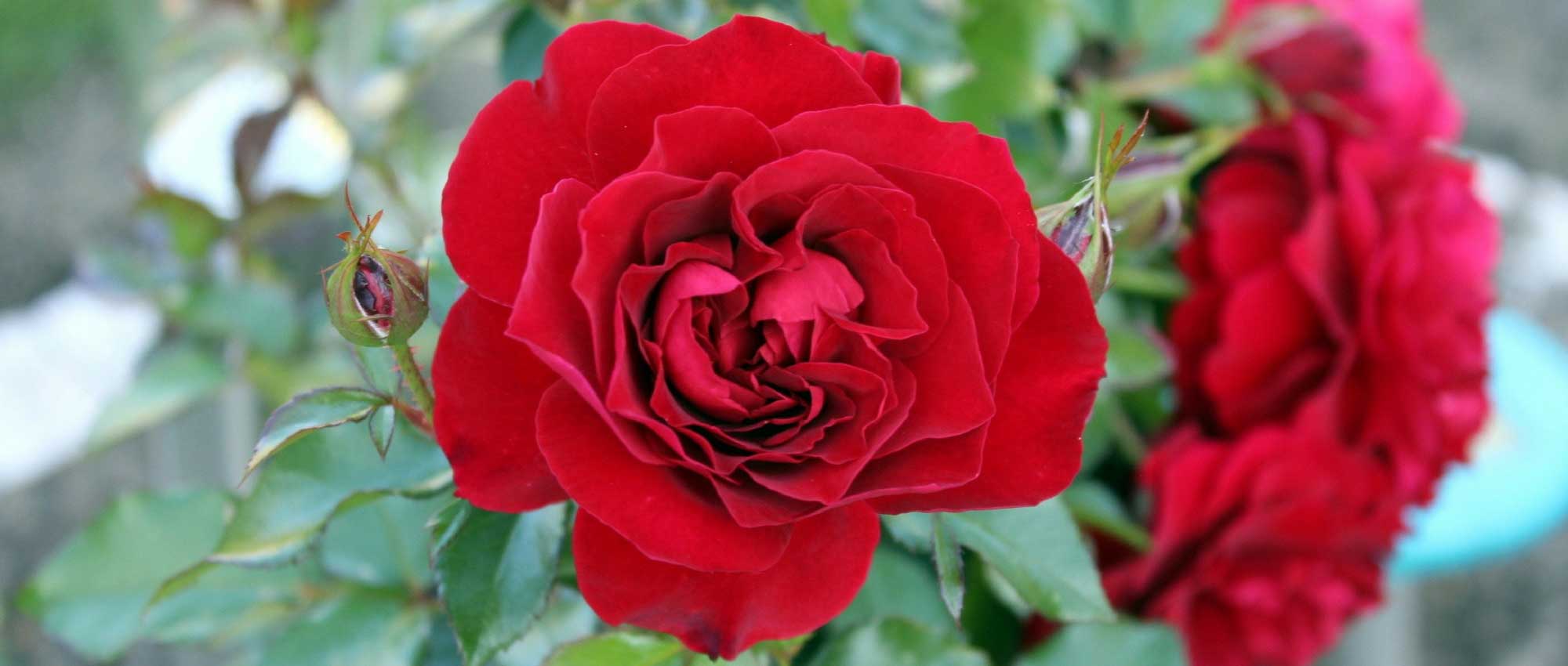
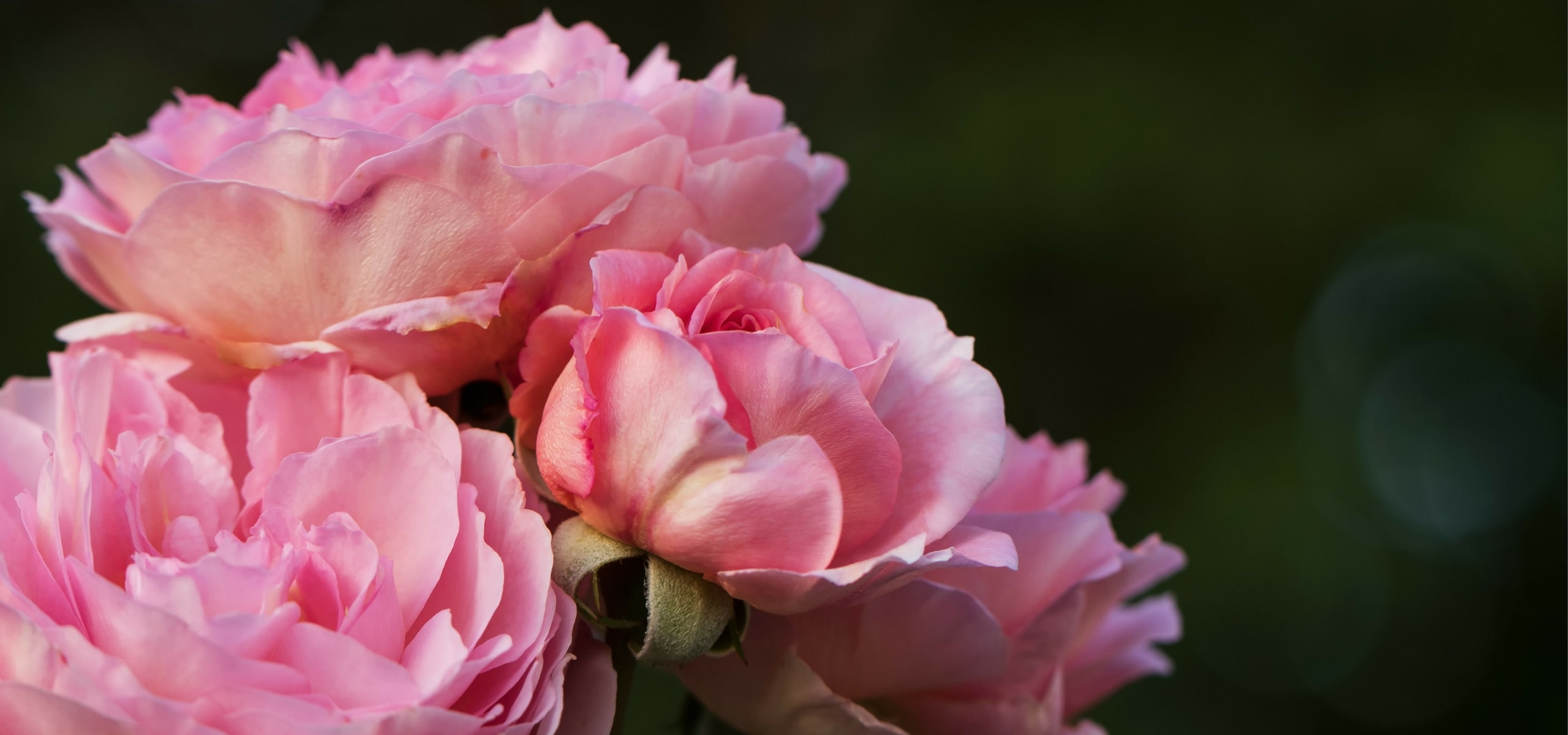
Rosa rugosa Angelia Purple - Rugosa Rose in pictures
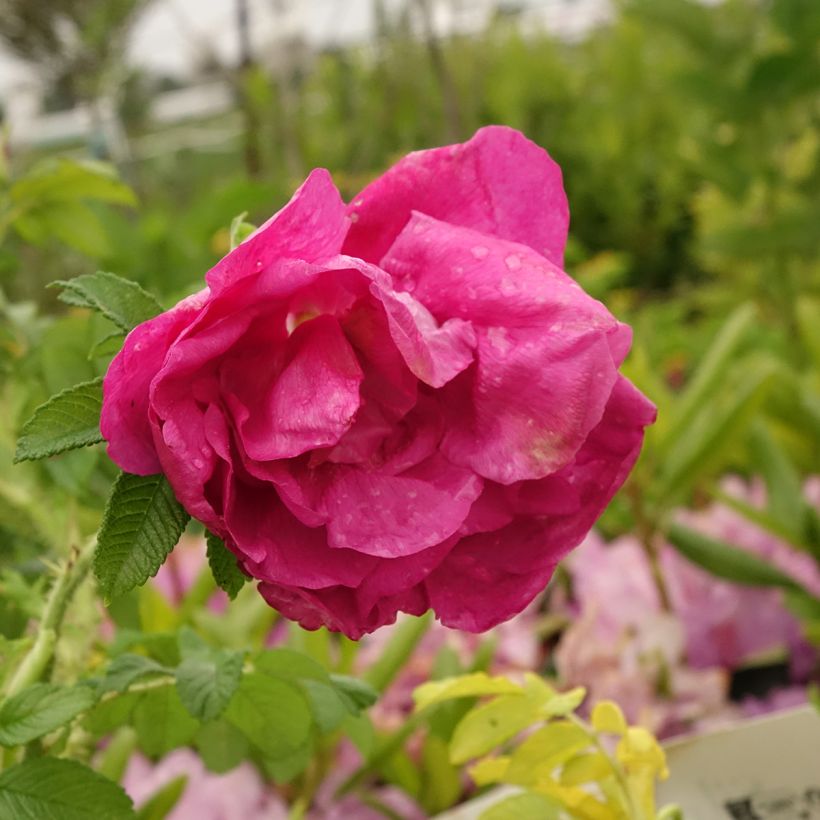
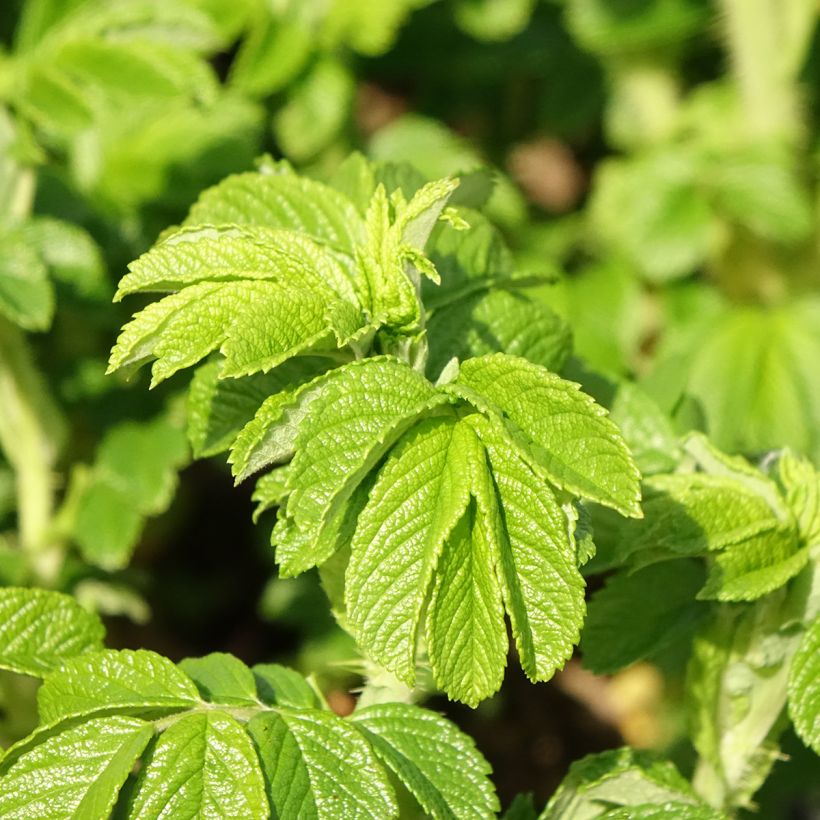
Plant habit
Flowering
Foliage
Botanical data
Rosa
rugosa
'Minrugo4V' Angelia® Purple
Rosaceae
Rugosa Rose, Japanese Rose, Ramanas Rose, Beach Rose
Rosa rugosa 'Minrugo4V', Rosa rugosa Angelia® Purple
Cultivar or hybrid
Planting and care
The Rosa rugosa 'Angelia Purple' is undemanding, it thrives in all regions, fears neither diseases, cold, rain, nor poor and fairly dry soils in summer. It adapts to all soil types, provided planting is done carefully! Plant it in ordinary, well-worked and drained soil, in a sunny position (or slightly shaded in the afternoon in very hot climates).
To install your rose, whether in a pot or in the ground, work your soil to a depth of 30-40 cm, breaking up the soil well and placing a base amendment like dried blood or dehydrated horn at the bottom of the planting hole. Position your young plant after removing it from its pot, covering the top of the root ball with 3 cm of soil, backfill and water thoroughly to eliminate air pockets. In dry weather, water regularly for a few weeks to facilitate root establishment. Also remember to provide your rosebush with special rose fertiliser which stimulates plant flowering.
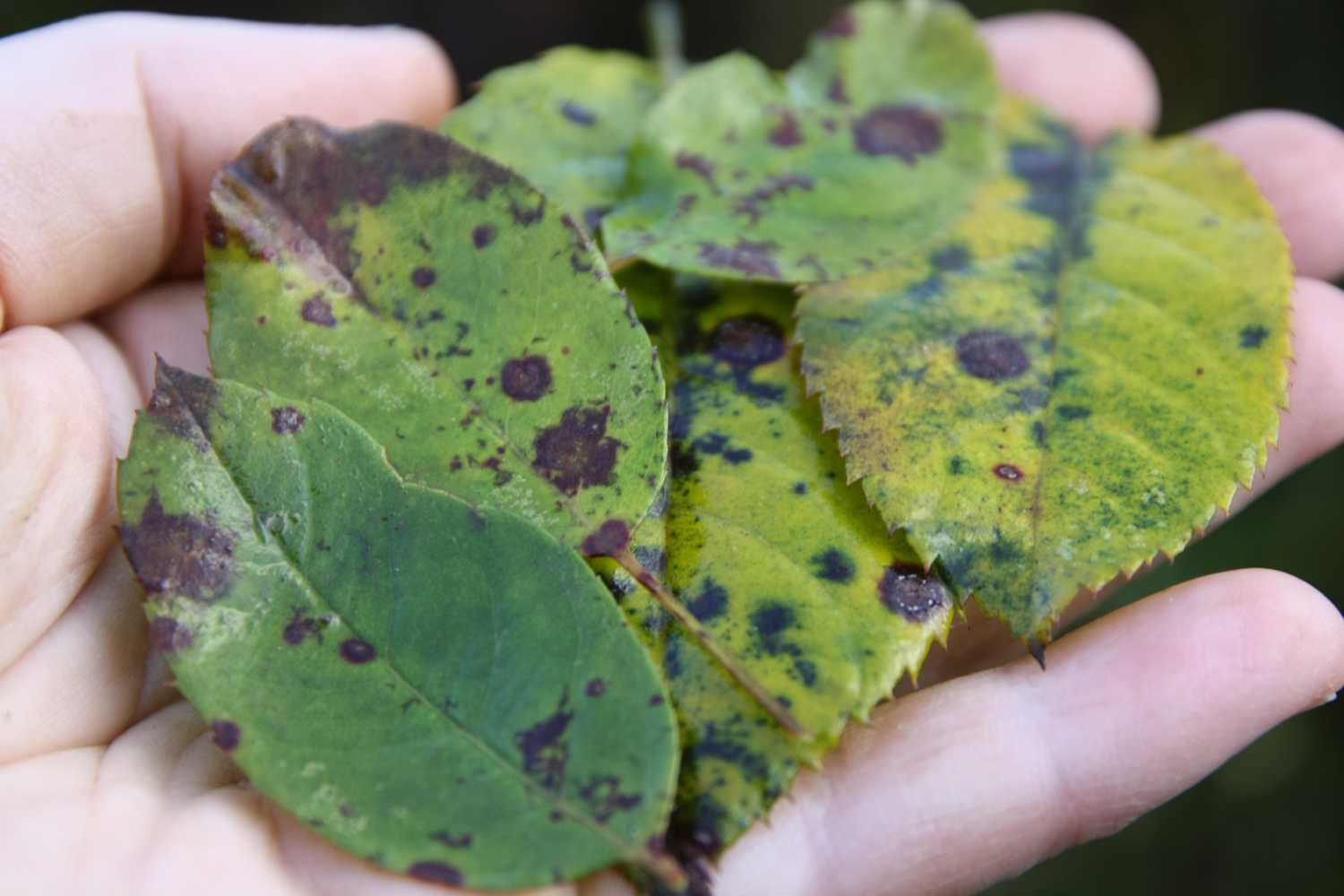
Roses often become spotted or unsightly by late summer, but this is not a problem for their development. These spots are not dangerous for the rose, it's a natural phenomenon. Follow all our advice to remedy this and consult our article: Help: I have spots on my roses
Planting period
Intended location
Care
Planting & care advice
-
-
-

-

-
-
-
-
-
, onOrder confirmed
Reply from on Promesse de fleurs
Recently viewed products
Haven't found what you were looking for?
Hardiness is the lowest winter temperature a plant can endure without suffering serious damage or even dying. However, hardiness is affected by location (a sheltered area, such as a patio), protection (winter cover) and soil type (hardiness is improved by well-drained soil).
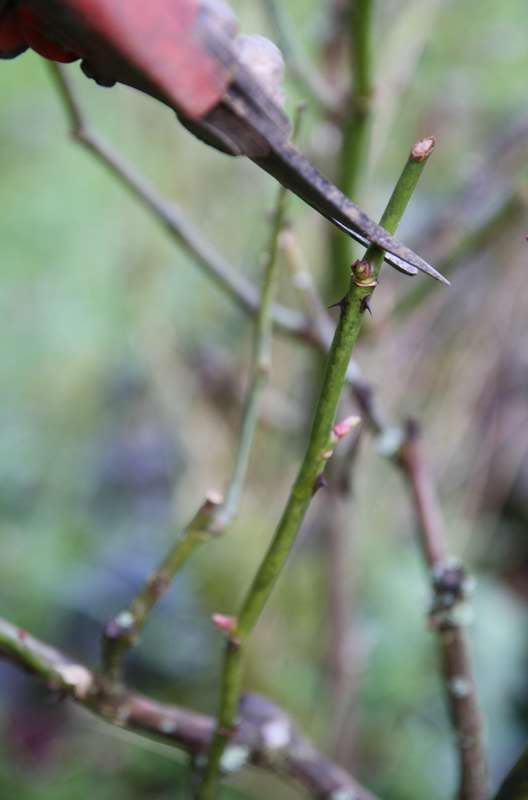
In temperate climates, pruning of spring-flowering shrubs (forsythia, spireas, etc.) should be done just after flowering.
Pruning of summer-flowering shrubs (Indian Lilac, Perovskia, etc.) can be done in winter or spring.
In cold regions as well as with frost-sensitive plants, avoid pruning too early when severe frosts may still occur.
The harvesting period indicated on our website applies to countries and regions in USDA zone 8 (France, England, Ireland, the Netherlands).
In colder areas (Scandinavia, Poland, Austria...) fruit and vegetable harvests are likely to be delayed by 3-4 weeks.
In warmer areas (Italy, Spain, Greece, etc.), harvesting will probably take place earlier, depending on weather conditions.
The sowing periods indicated on our website apply to countries and regions within USDA Zone 8 (France, UK, Ireland, Netherlands).
In colder areas (Scandinavia, Poland, Austria...), delay any outdoor sowing by 3-4 weeks, or sow under glass.
In warmer climes (Italy, Spain, Greece, etc.), bring outdoor sowing forward by a few weeks.
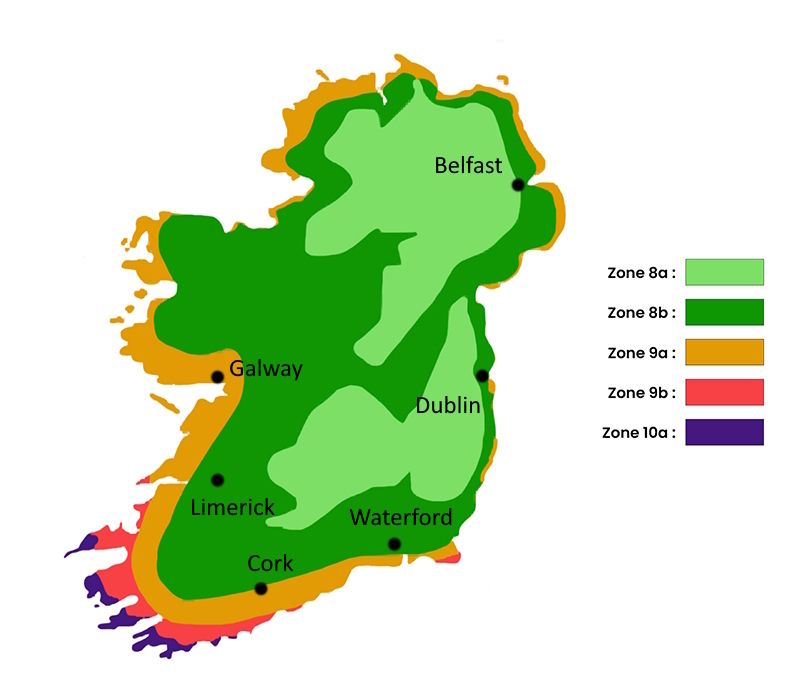
The planting period indicated on our website applies to regions in USDA Zone 9a (East Coast and Midlands: Dublin, Wexford, Waterford, Kilkenny, Portlaoise). It will vary depending on where you live:
- On the west coast and in the north-west (Galway, Limerick, Sligo, Donegal, Westport), delay planting by 1 to 2 weeks in spring and bring it forward by 1 to 2 weeks in autumn compared to the dates given, preferably choosing periods without strong winds.
- In the inland hills and plateaus (Wicklow Mountains, Macgillycuddy’s Reeks, Connemara, Killarney), it is best to plant in spring (April–May) or autumn (September–October), avoiding periods of waterlogged soil in winter and strong winds, which pose the main risk to newly planted trees in these areas.
The flowering period indicated on our website applies to regions in USDA Zone 9a, such as the East Coast and Midlands, including Dublin, Wexford, Waterford, Kilkenny and Portlaoise.
This will vary depending on where you live:
- On the west coast and in the northwest (Galway, Limerick, Sligo, Donegal and Westport), it will be delayed by one to two weeks compared to the given dates, due to stronger Atlantic winds and less spring sunshine.
- In the inland hills and plateaus (the Wicklow Mountains, the Macgillycuddy's Reeks, Connemara and Killarney), flowering will be delayed by two to three weeks. Flowering mainly occurs between May and July, with the limiting factors being less frost and more of the excessive humidity, strong winds and lack of sunshine that are characteristic of these areas.
Shipping country and language
Your country of residence may be:
Your country of residence is:
For a better user experience on our website, you can select:
Your shipping country:
-
 Austria
-
 Belgium
-
 Bosnia & Herzegovina
-
 Bulgaria
-
 Croatia
-
 Cyprus
-
 Czechia
-
 Denmark
-
 Estonia
-
 Finland
-
 France
-
 Germany
-
 Greece
-
 Hungary
-
 Iceland
-
 Ireland
-
 Italy
Italy
-
 Latvia
-
 Liechtenstein
-
 Lithuania
-
 Luxembourg
-
 Malta
Malta
-
 Netherlands
-
 Poland
-
 Portugal
-
 Romania
-
 Serbia
-
 Slovakia
-
 Slovenia
-
 Spain
Spain
-
 Sweden
-
 Switzerland
Language:
-
French
-
 English
-
Spanish
-
Italian
-
German
-
Portuguese
-
Dutch
-
Finnish
My Account
Hello
My wish lists
My cart
Log in / Register
Existing customer?
This form is protected by reCAPTCHA - the Google Privacy Policy and Terms of Service apply.
New customer?
Create an account to track your orders, access our customer service and, if you wish, make the most of our upcoming offers.