Rosa gallica - Gallic Rose
Rosa gallica - Gallic Rose
Rosa gallica
Back-to-school special offer!
Get €10 off for every €50 you spend! And get up to €40 off on a single order.
How does it work?
1. Shop your favourites
Add your favourite plants to your basket. For every €50 you spend (excluding delivery charges, store credit and the plastic-free option), you’ll receive a €10 voucher.
€50 spent = €10 voucher
€100 spent = €20 voucher
€150 spent = €30 voucher
€200 spent = €40 voucher
2. Place your order
Once your basket reaches one of the spending thresholds, place your order. You can even choose your delivery date!
3. Receive your voucher
As soon as your order has been shipped, you’ll receive an email containing your personal voucher code and its value.
4. Use it on your next order
Your voucher is valid for 90 days from the date you receive it. It can be used once only, on a new order worth at least the value of the voucher, excluding delivery charges.
Please note: Vouchers can be combined with other offers, but cannot be split or refunded.
Home or relay delivery (depending on size and destination)
Important: You may be charged customs duties by your country’s customs authorities upon delivery.
Schedule delivery date
and select date in basket
This plant carries a 24 months recovery warranty
More information
We guarantee the quality of our plants for a full growing cycle, and will replace at our expense any plant that fails to recover under normal climatic and planting conditions.
Description
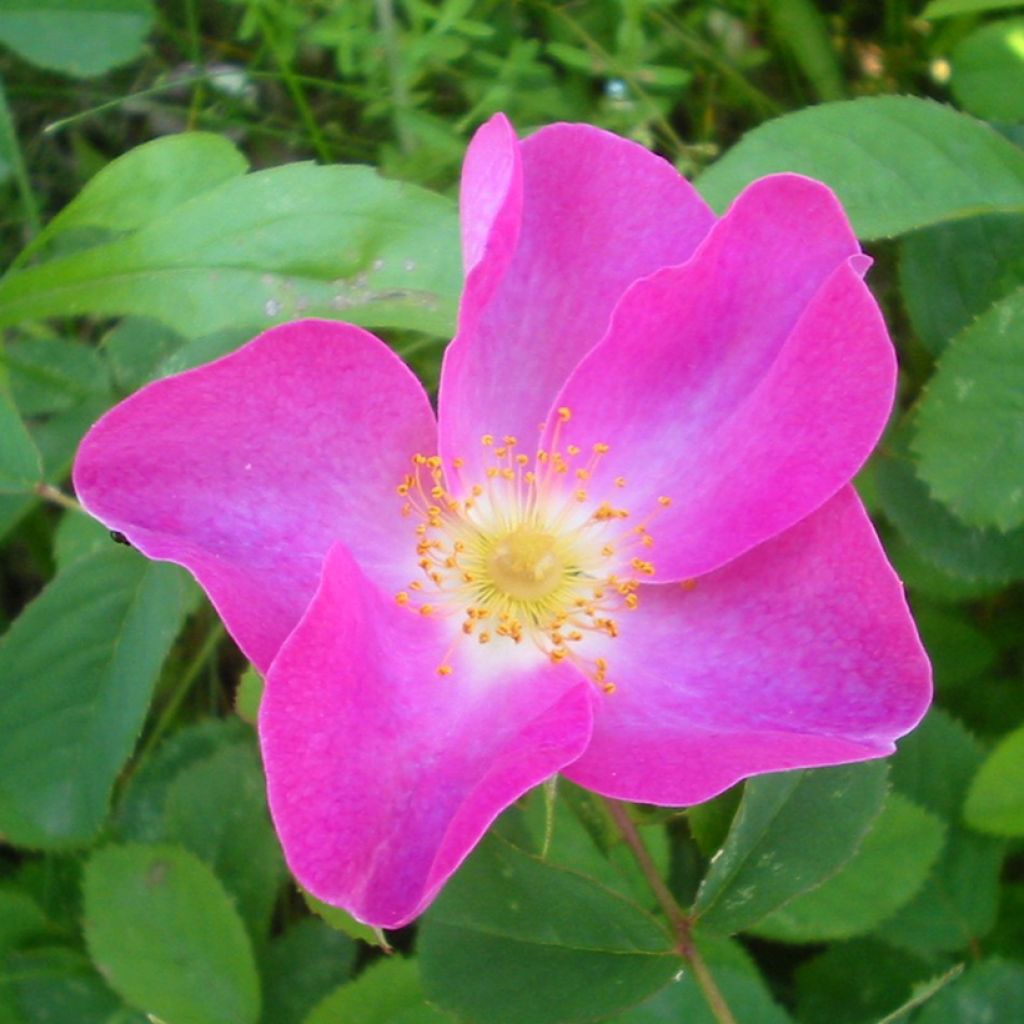
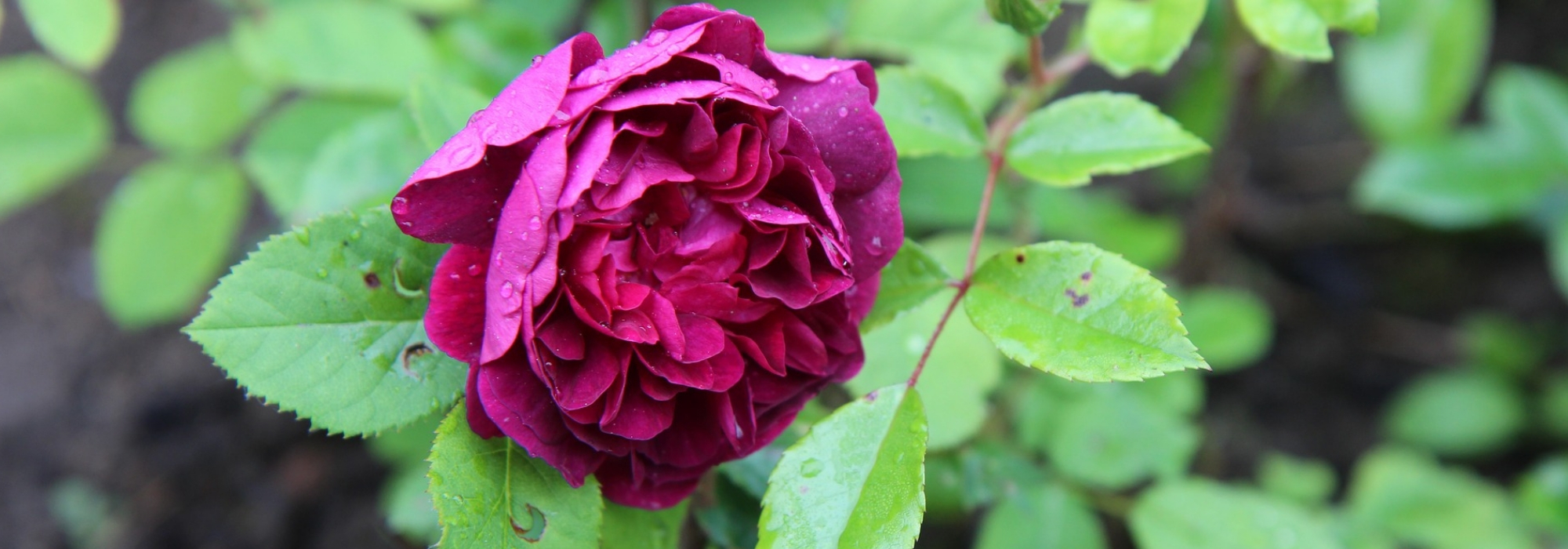
Rosa gallica, the French rose or Provence rose, is a native wild rose in France, rarely offered for sale. Cultivated since Roman times for its ornamental and medicinal properties, it was highly appreciated in the Middle Ages in France, where it gave rise to the famous Rose of Provins, used for its therapeutic virtues. This rose captivates with its robustness and timeless beauty. Its unique but abundant flowering, with large pink to deep red dog roses, exudes a sweet fragrance. Covered with flowers in early summer, it then produces charming red fruits (hips) in autumn. Very hardy, drought-tolerant and disease-resistant, Rosa gallica requires little maintenance. A treasure for traditional or naturalistic gardens!
Rosa gallica is native to Europe, from France to the Balkans, Ukraine, and the Caucasus. This species is also found in Asia Minor.
This wild rose mainly grows on edges, in hedges, on embankments, along roads and rural paths, and sometimes in clearings. It is more common in hills and grows up to 1,300 m altitude. The plant grows on various types of substrates but seems to prefer silicicolous soils (sandy or gritty). The populations, although relatively numerous, are scattered and often small.
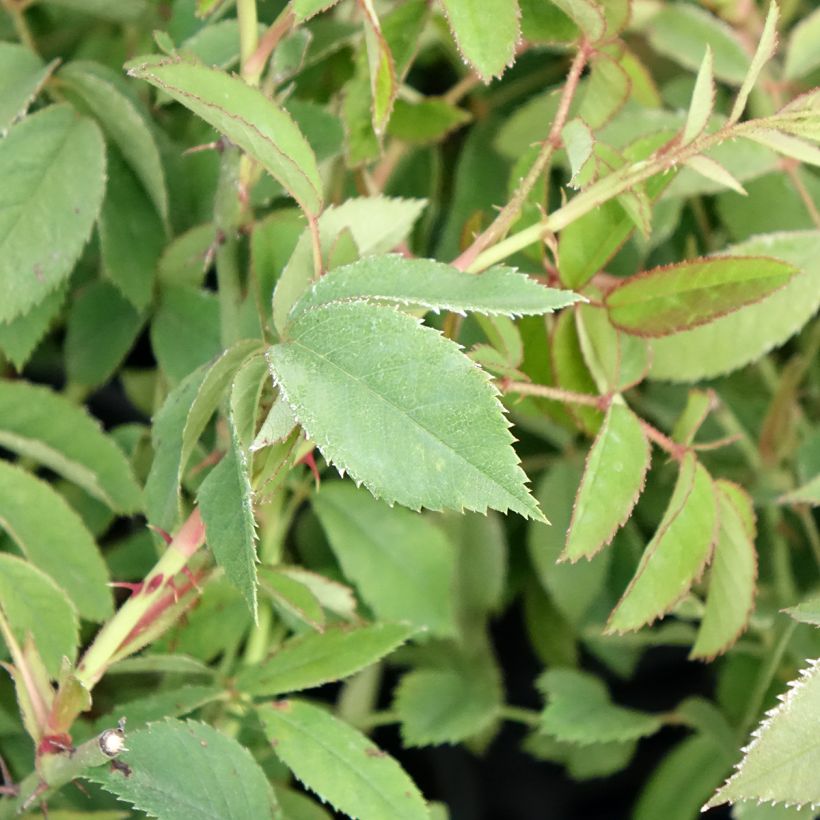
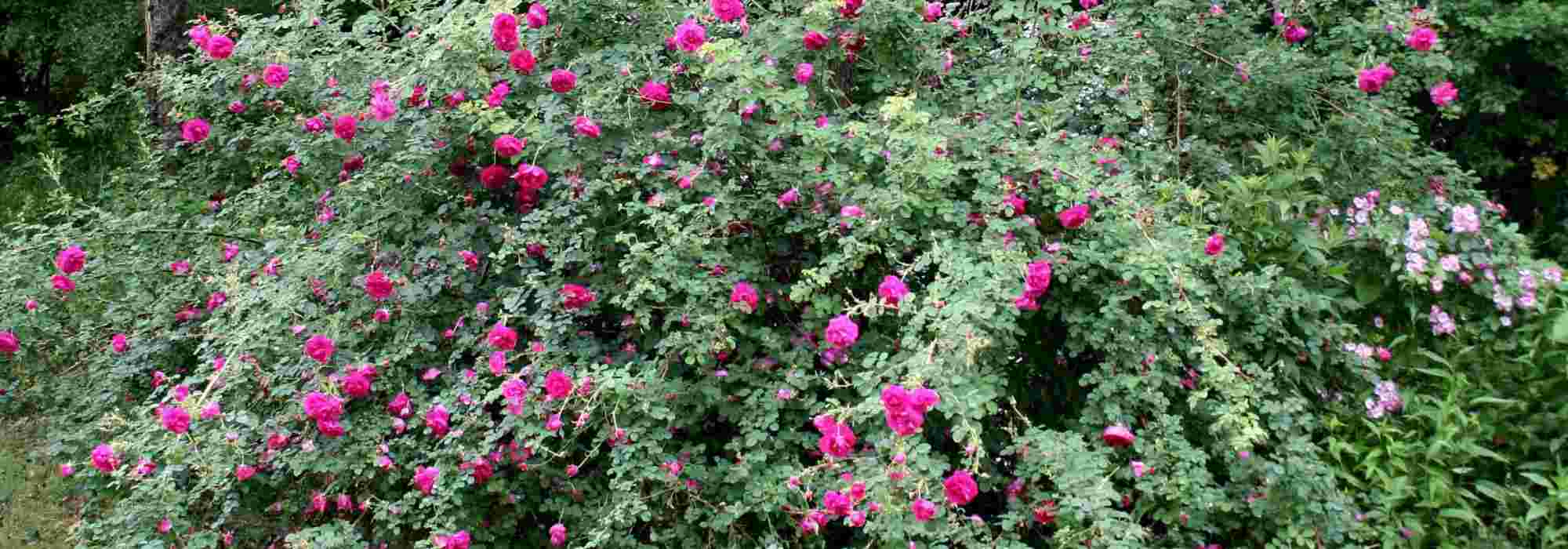
The French rose belongs, like all roses, to the rose family. It is a small bush generally between 40 cm and 1m in height (up to 1.60 m) with a thick and running root system. Its stems are erect, more or less flexible, slightly branched, and covered with glandular hairs that disappear on older parts. They are also armed with prickles of various sizes: some strong and hooked, others finer and straight. The foliage is deciduous and resistant to rose diseases. The leaves are compound, with 3 to 7 leaflets (often 5), with narrow stipules fused to the petiole. The ovate leaflets measure 1.5 to 5 cm long by 1.5 to 3 cm wide. They are thick, sometimes leathery, dull green or slightly greyish and often hairy on the underside. They have prominent veins and are weakly serrated. The flowers are large: their diameter ranges from 5-6 cm to 8-9 cm. They are solitary or in small groups of 2 to 4 and highly fragrant. The floral peduncles are hairy and covered with stiff or glandular hairs. Each flower is enclosed in five green sepals, much longer than the floral bud, glandular-velvety on their inner surface. The petals are generally bright pink or velvety red, but occasionally pale pink or even white. Numerous stamens are present, with yellow anthers that darken over time. This flowering is visited by pollinating insects. The fruit is a bright red hip, of variable shape (almost globular or ovate), more or less hairy or glandular. Flowering occurs in early summer (May-July) and fruiting extends until September.
There are numerous species of botanical or wild roses, the distinction of which can be complex. In Rosa gallica, 5 distinct forms have been described, some considered as subspecies or separate species. Various interspecific hybrids or presumed ones have also been identified, further complicating the classification. These variations could reflect significant genetic diversity within the populations.
The Provence rose withstands everything, without treatment, lingers in old gardens and takes over abandoned embankments when grown on its own roots. In a word, it thrives everywhere. With its compact habit and lovely flowering, it is ideal for creating large flower borders or for designing beds that catch the eye in early summer. It can also be planted as a low hedge and fits perfectly in a rustic or naturalistic garden. Pair it, for example, with other wild roses like field rose (Rosa arvensis), dog rose (Rosa canina), burnet rose (Rosa pimpinellifolia). Also consider mixing these roses with a small white spring spirea (Spiraea prunifolia 'Plena'), an Afghan lilac, and a compact winged spindle (Euonymus alatus 'Fire Ball').

Rosa gallica - Gallic Rose in pictures
Plant habit
Flowering
Foliage
Botanical data
Rosa
gallica
Rosaceae
Rosa arvina, Rosa assimilis, Rosa austriaca
Western Europe
Planting and care
Plant your Gallica Rose in a sunny or lightly shaded location. Gallica roses are tolerant but do not appreciate excess limestone. They will adapt to any garden as long as the soil is well worked, not too heavy, and sufficiently rich. To plant your rose, work the soil well by crumbling it and adding a base fertiliser such as dried blood or dehydrated horn at the bottom of the planting hole. Water generously after planting to remove air pockets. Water regularly for a few weeks to facilitate rooting.
Pruning old roses mainly involves removing faded flowers gradually, unless you want to keep the decorative berries.
Avoid pruning to maintain an interesting bushy form.
However, at the end of winter (in March), you can still remove branches located in the middle of the bush that may suffocate it.
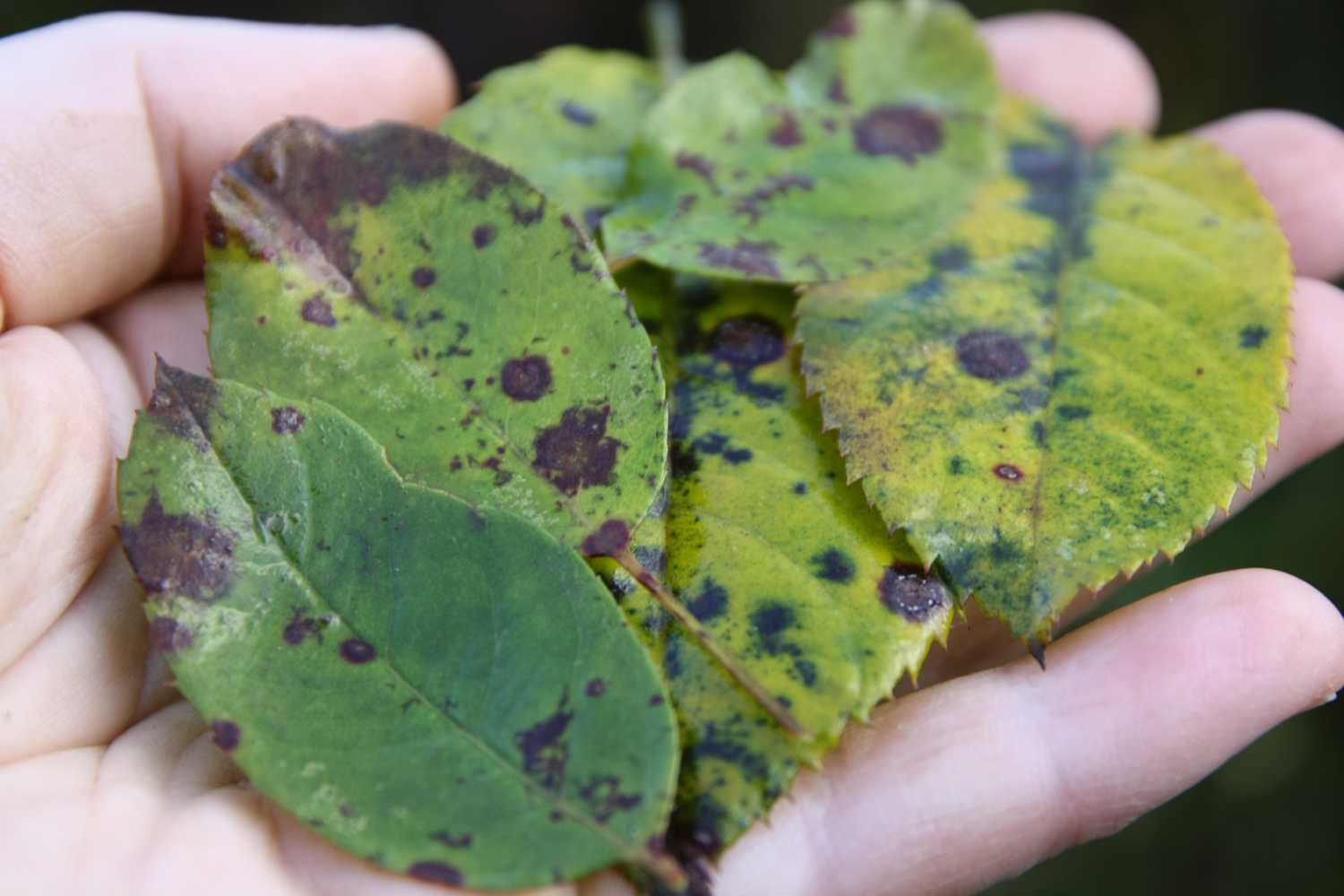
Roses are often spotted or unsightly at the end of summer, but this does not affect their development. These spots are not harmful to the rose; it is a natural phenomenon.
Planting period
Intended location
Care
Planting & care advice
-
-
-
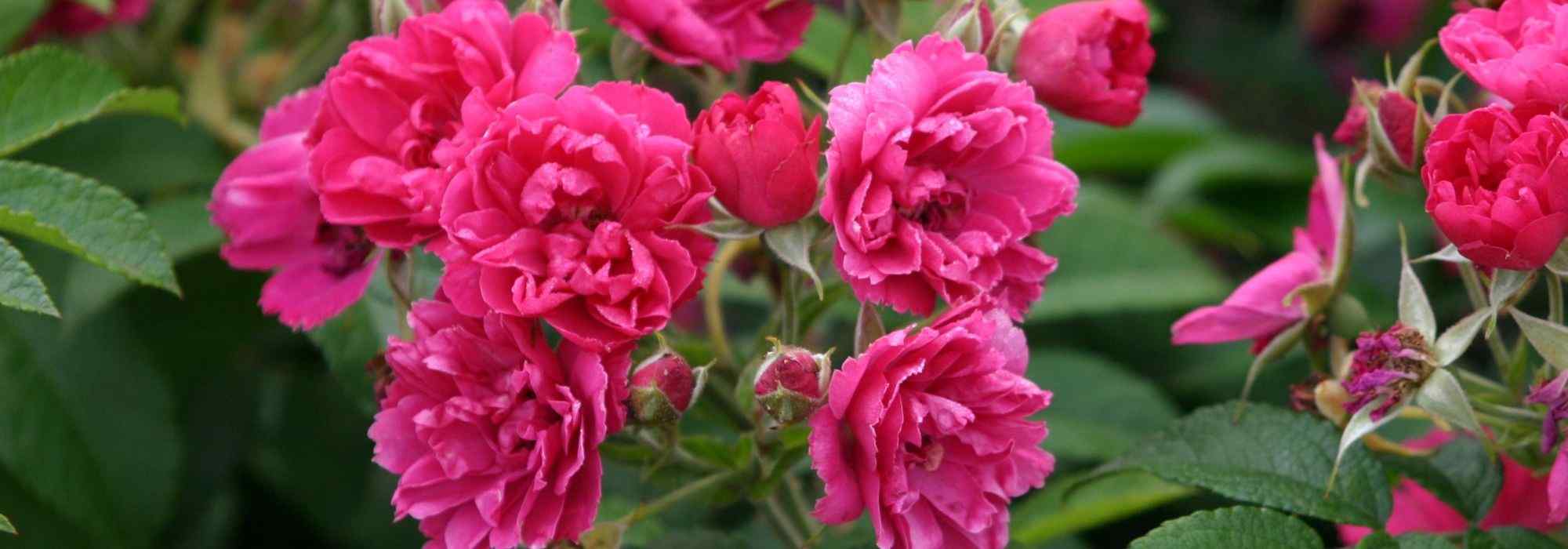
-

-
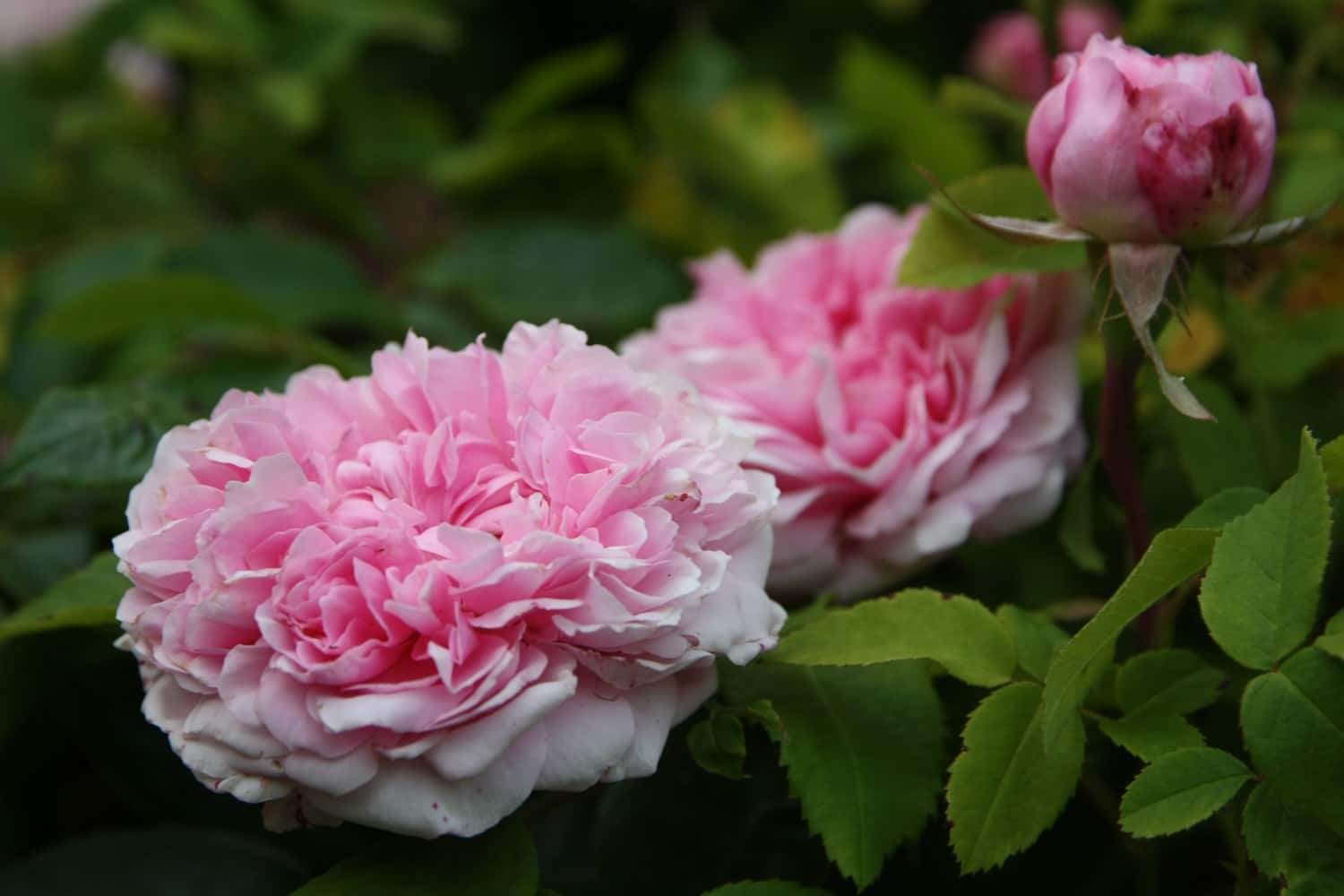
-

-
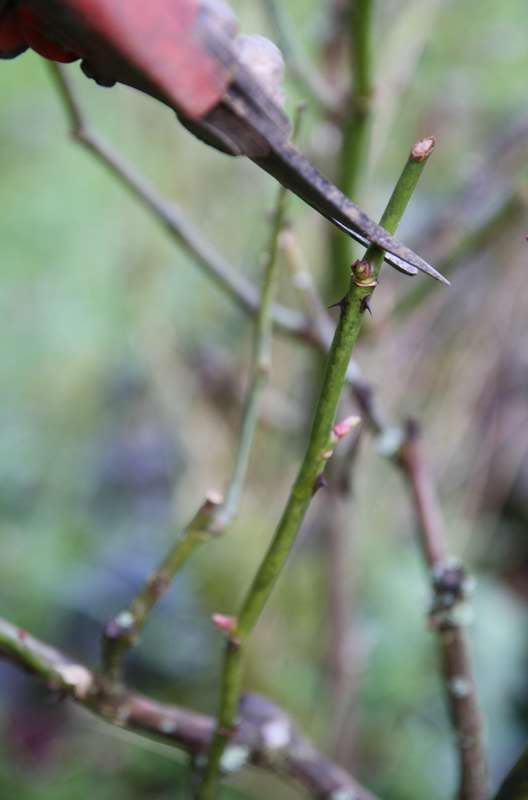
-
This item has not been reviewed yet - be the first to leave a review about it.
Recently viewed products
Haven't found what you were looking for?
Hardiness is the lowest winter temperature a plant can endure without suffering serious damage or even dying. However, hardiness is affected by location (a sheltered area, such as a patio), protection (winter cover) and soil type (hardiness is improved by well-drained soil).
In temperate climates, pruning of spring-flowering shrubs (forsythia, spireas, etc.) should be done just after flowering.
Pruning of summer-flowering shrubs (Indian Lilac, Perovskia, etc.) can be done in winter or spring.
In cold regions as well as with frost-sensitive plants, avoid pruning too early when severe frosts may still occur.
The harvesting period indicated on our website applies to countries and regions in USDA zone 8 (France, England, Ireland, the Netherlands).
In colder areas (Scandinavia, Poland, Austria...) fruit and vegetable harvests are likely to be delayed by 3-4 weeks.
In warmer areas (Italy, Spain, Greece, etc.), harvesting will probably take place earlier, depending on weather conditions.
The sowing periods indicated on our website apply to countries and regions within USDA Zone 8 (France, UK, Ireland, Netherlands).
In colder areas (Scandinavia, Poland, Austria...), delay any outdoor sowing by 3-4 weeks, or sow under glass.
In warmer climes (Italy, Spain, Greece, etc.), bring outdoor sowing forward by a few weeks.
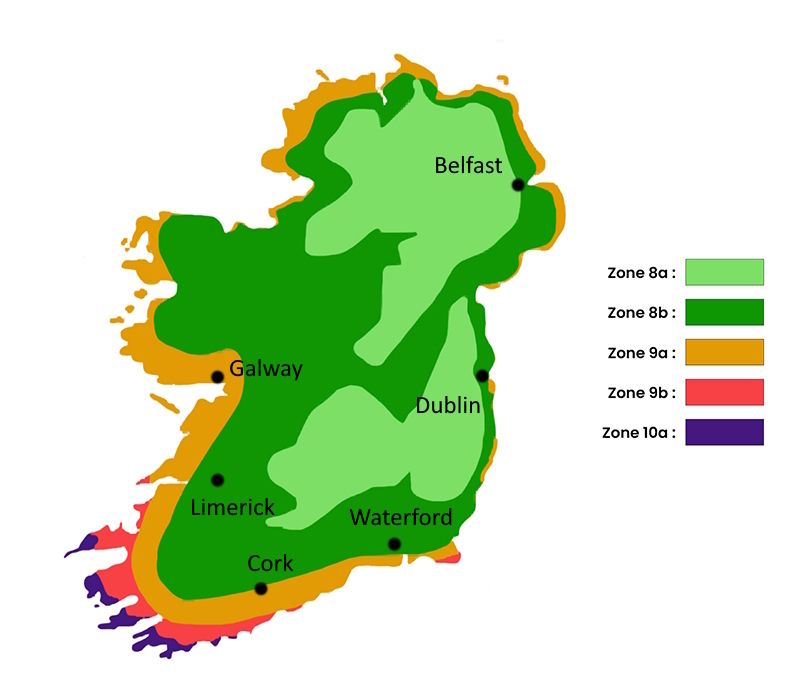
The planting period indicated on our website applies to regions in USDA Zone 9a (East Coast and Midlands: Dublin, Wexford, Waterford, Kilkenny, Portlaoise). It will vary depending on where you live:
- On the west coast and in the north-west (Galway, Limerick, Sligo, Donegal, Westport), delay planting by 1 to 2 weeks in spring and bring it forward by 1 to 2 weeks in autumn compared to the dates given, preferably choosing periods without strong winds.
- In the inland hills and plateaus (Wicklow Mountains, Macgillycuddy’s Reeks, Connemara, Killarney), it is best to plant in spring (April–May) or autumn (September–October), avoiding periods of waterlogged soil in winter and strong winds, which pose the main risk to newly planted trees in these areas.
The flowering period indicated on our website applies to regions in USDA Zone 9a, such as the East Coast and Midlands, including Dublin, Wexford, Waterford, Kilkenny and Portlaoise.
This will vary depending on where you live:
- On the west coast and in the northwest (Galway, Limerick, Sligo, Donegal and Westport), it will be delayed by one to two weeks compared to the given dates, due to stronger Atlantic winds and less spring sunshine.
- In the inland hills and plateaus (the Wicklow Mountains, the Macgillycuddy's Reeks, Connemara and Killarney), flowering will be delayed by two to three weeks. Flowering mainly occurs between May and July, with the limiting factors being less frost and more of the excessive humidity, strong winds and lack of sunshine that are characteristic of these areas.
Shipping country and language
Your country of residence may be:
Your country of residence is:
For a better user experience on our website, you can select:
Your shipping country:
-
 Austria
-
 Belgium
-
 Bosnia & Herzegovina
-
 Bulgaria
-
 Croatia
-
 Cyprus
-
 Czechia
-
 Denmark
-
 Estonia
-
 Finland
-
 France
-
 Germany
-
 Greece
-
 Hungary
-
 Iceland
-
 Ireland
-
 Italy
Italy
-
 Latvia
-
 Liechtenstein
-
 Lithuania
-
 Luxembourg
-
 Malta
Malta
-
 Netherlands
-
 Poland
-
 Portugal
-
 Romania
-
 Serbia
-
 Slovakia
-
 Slovenia
-
 Spain
Spain
-
 Sweden
-
 Switzerland
Language:
-
French
-
 English
-
Spanish
-
Italian
-
German
-
Portuguese
-
Dutch
-
Finnish
My Account
Hello
My wish lists
My cart
Log in / Register
Existing customer?
This form is protected by reCAPTCHA - the Google Privacy Policy and Terms of Service apply.
New customer?
Create an account to track your orders, access our customer service and, if you wish, make the most of our upcoming offers.