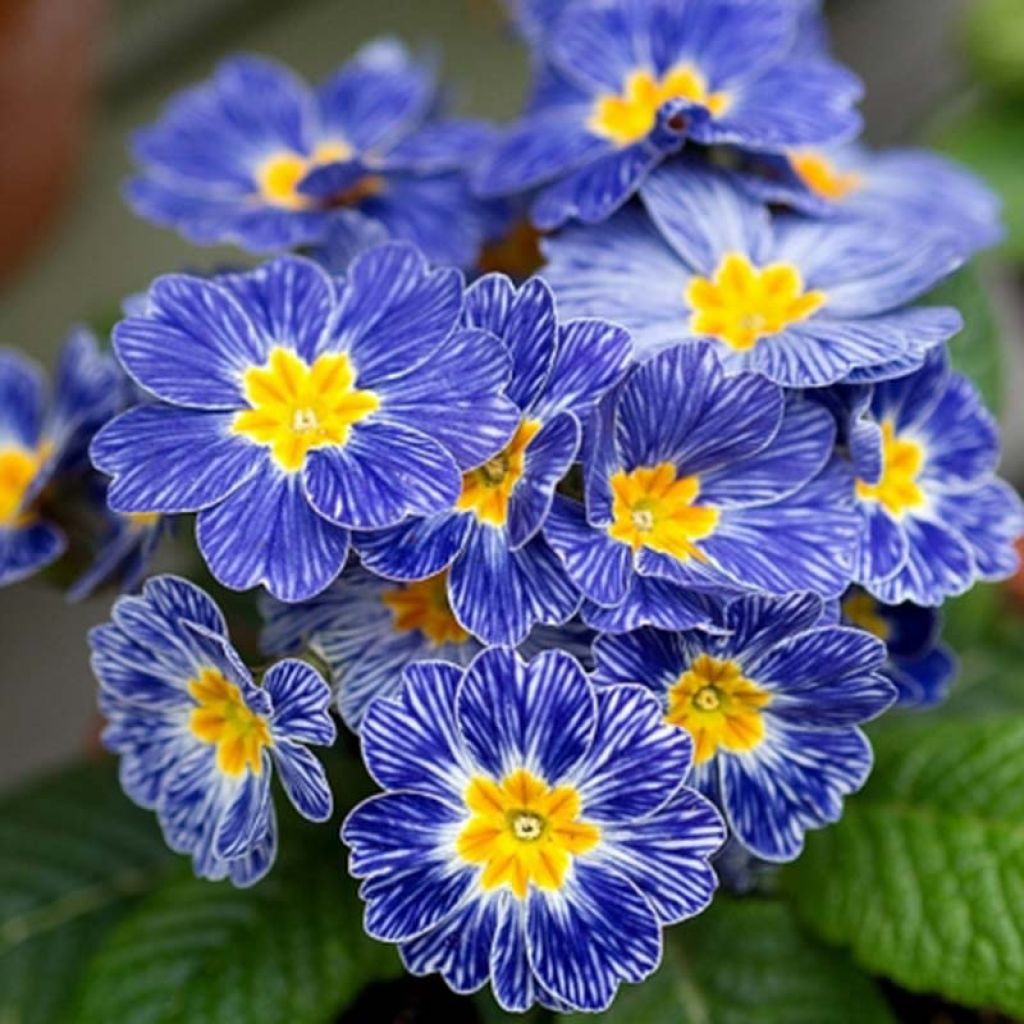
Primula polyantha Tie Dye - Hose-in-hose
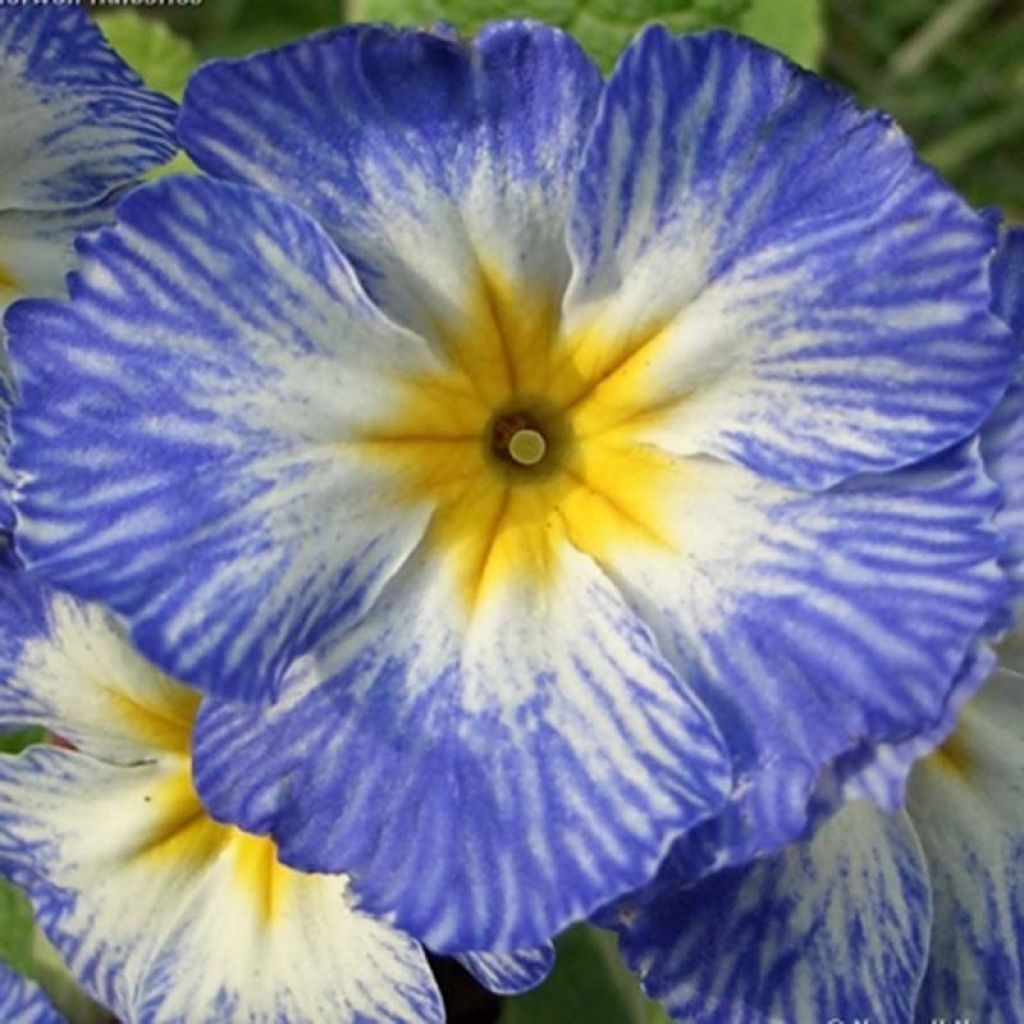
Primula polyantha Tie Dye - Hose-in-hose
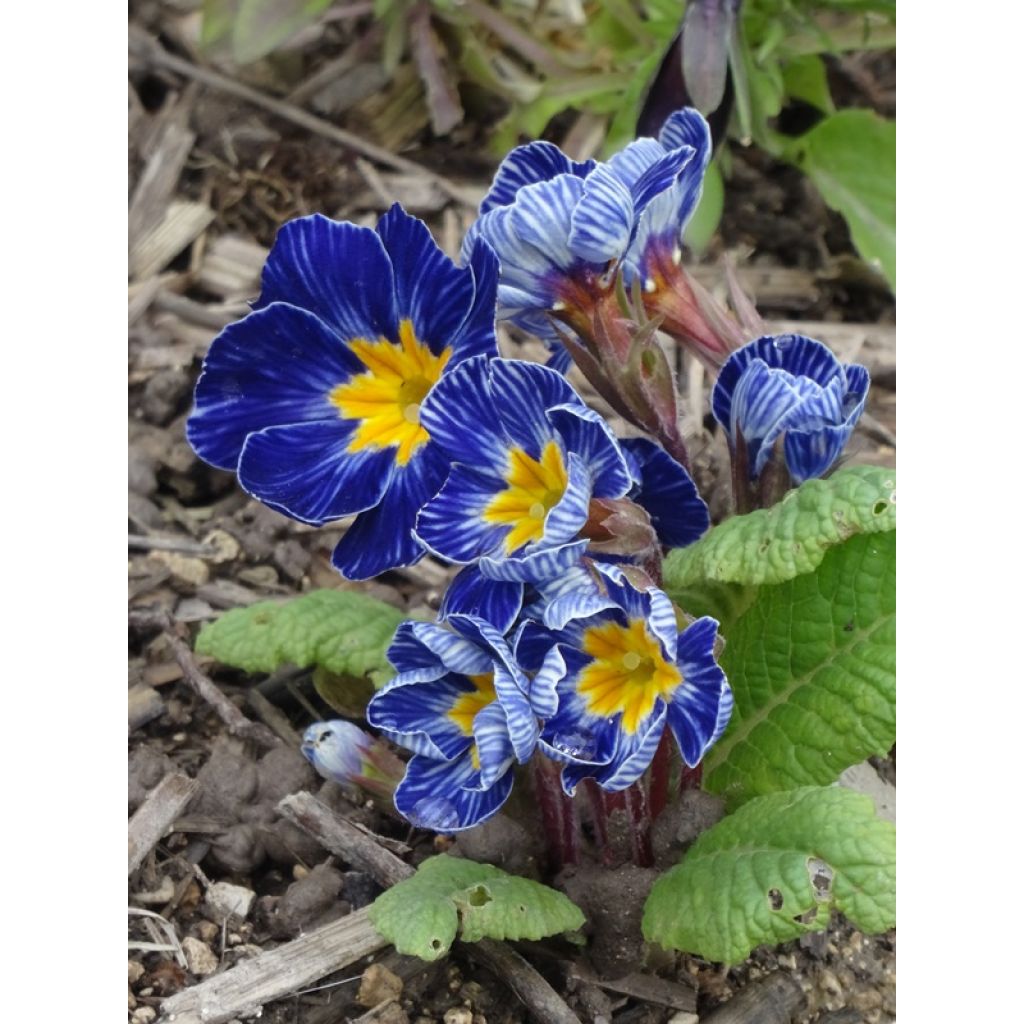
Primula polyantha Tie Dye - Hose-in-hose
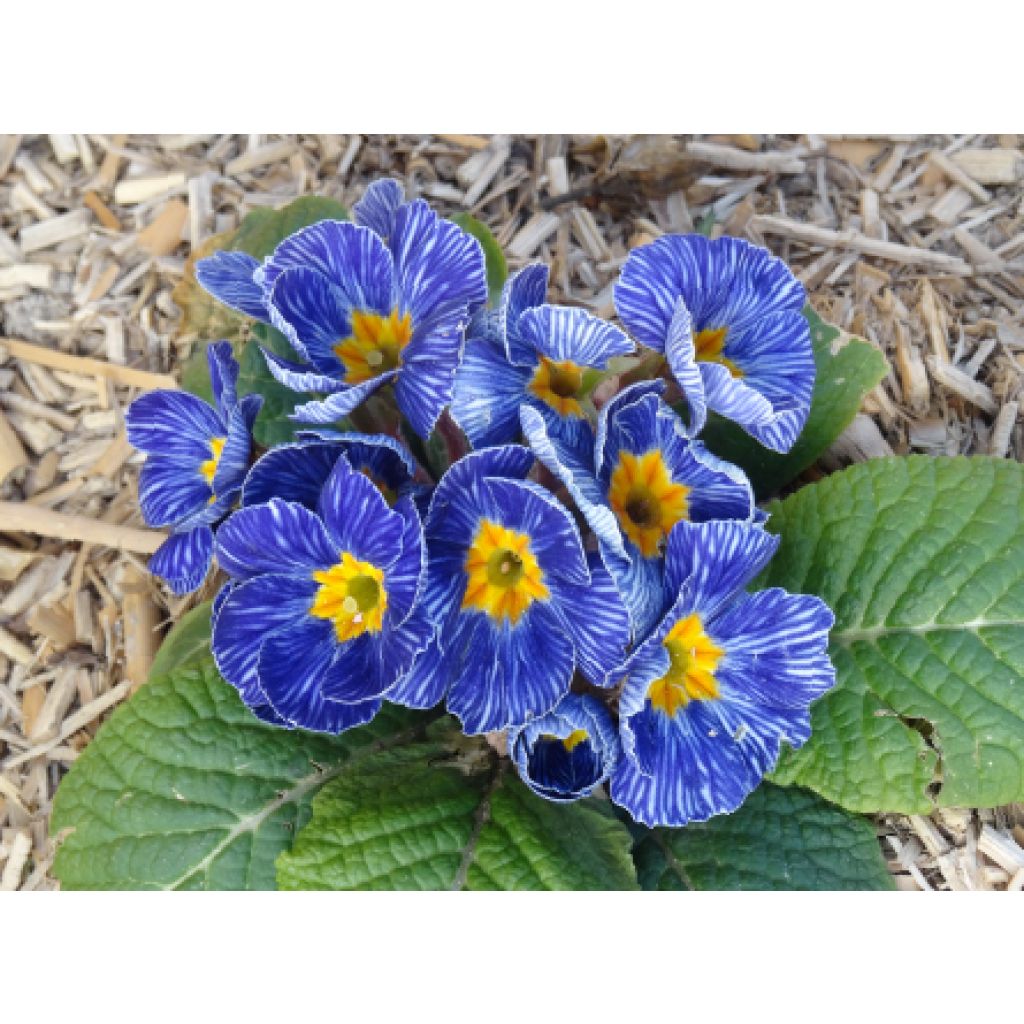
Primula polyantha Tie Dye - Hose-in-hose
Primula polyantha Tie Dye - Hose-in-hose
Primula polyantha Tie Dye
Hose-in-hose, False Oxlip
I received the young plant in good condition with a flower. Hoping it will grow. The flowering will certainly be superb as the flower I see is really beautiful.
Laurent, 22/02/2019
Back-to-school special offer!
Get €10 off for every €50 you spend! And get up to €40 off on a single order.
How does it work?
1. Shop your favourites
Add your favourite plants to your basket. For every €50 you spend (excluding delivery charges, store credit and the plastic-free option), you’ll receive a €10 voucher.
€50 spent = €10 voucher
€100 spent = €20 voucher
€150 spent = €30 voucher
€200 spent = €40 voucher
2. Place your order
Once your basket reaches one of the spending thresholds, place your order. You can even choose your delivery date!
3. Receive your voucher
As soon as your order has been shipped, you’ll receive an email containing your personal voucher code and its value.
4. Use it on your next order
Your voucher is valid for 90 days from the date you receive it. It can be used once only, on a new order worth at least the value of the voucher, excluding delivery charges.
Please note: Vouchers can be combined with other offers, but cannot be split or refunded.
Why not try an alternative variety in stock?
View all →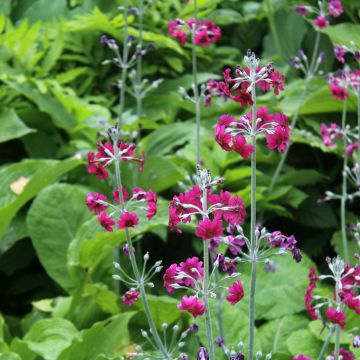
Available in 1 sizes
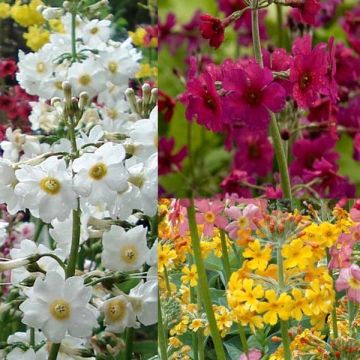
Available in 0 sizes
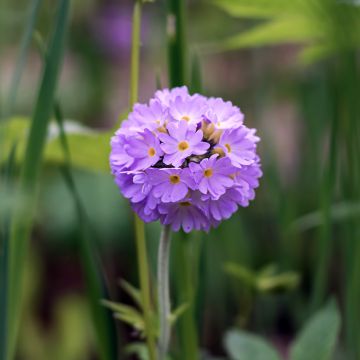
Available in 2 sizes
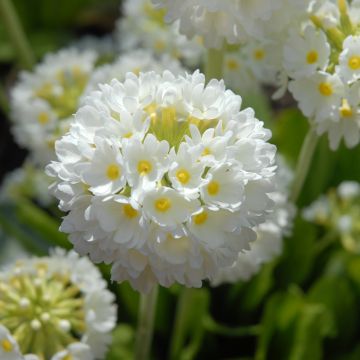
Available in 1 sizes
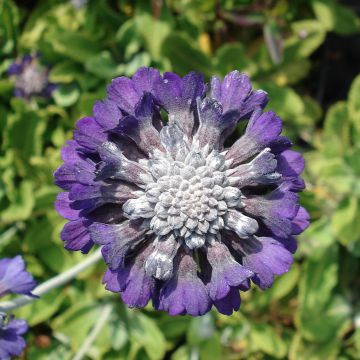
Available in 1 sizes
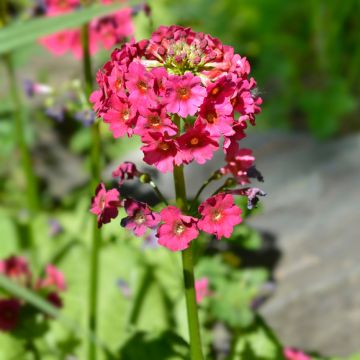
Available in 2 sizes
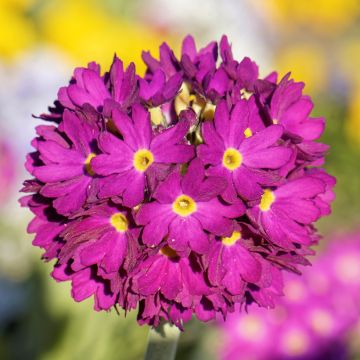
Available in 1 sizes
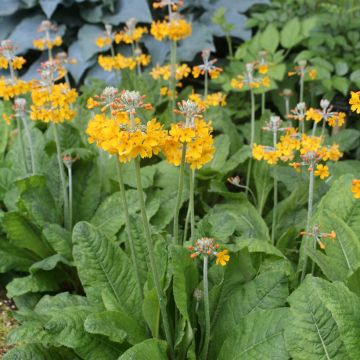
Available in 1 sizes
Available in 0 sizes
Available in 0 sizes
This plant carries a 12 months recovery warranty
More information
We guarantee the quality of our plants for a full growing cycle, and will replace at our expense any plant that fails to recover under normal climatic and planting conditions.
Does this plant fit my garden?
Set up your Plantfit profile →
Description
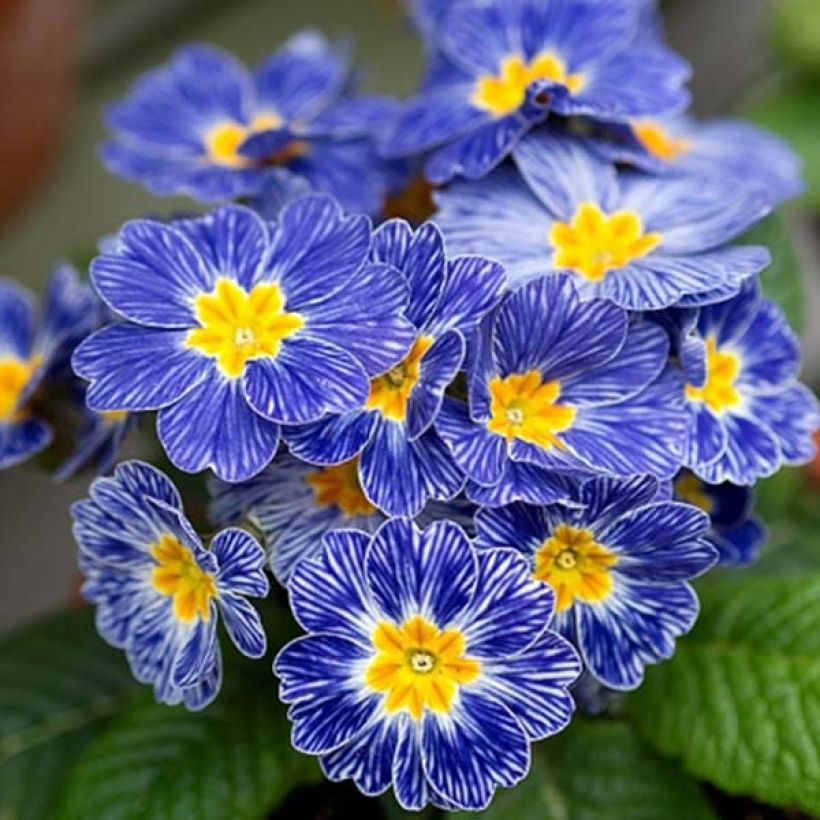
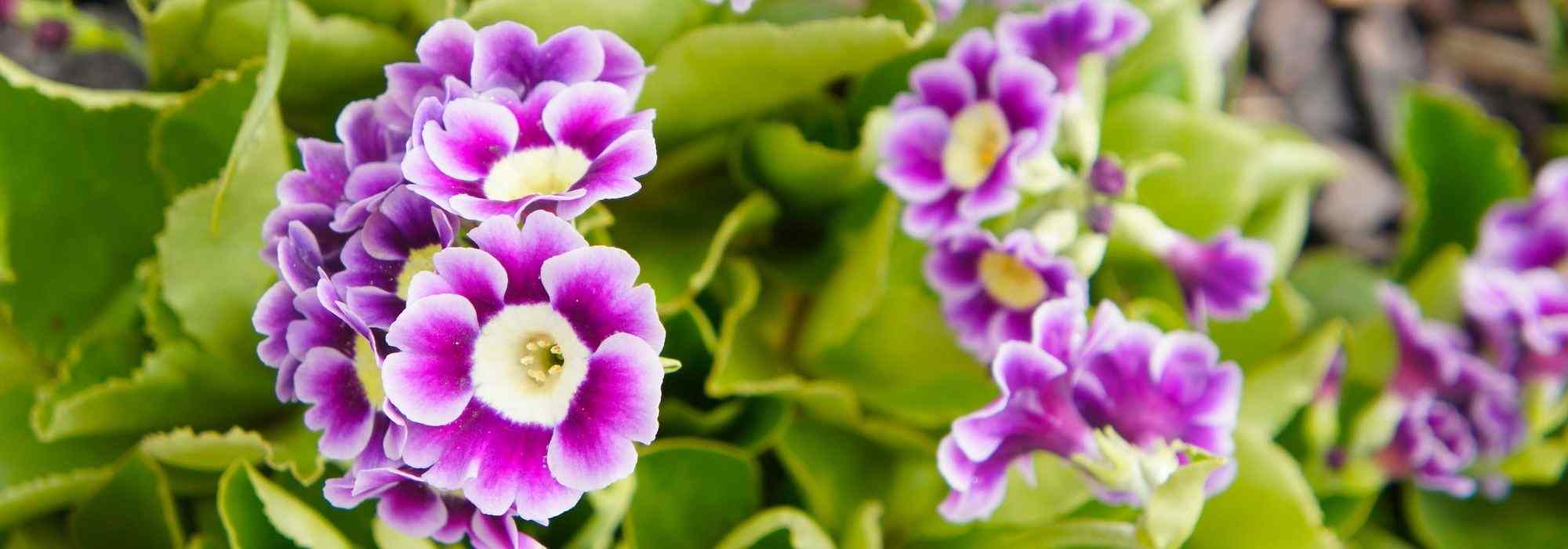
The Primula polyantha 'Tie Dye' is a primrose that is both original and very fresh. Its beautiful flowers are white, heavily striated with blue-violet, centered on a beautiful bright yellow throat. They bloom for almost 6 months, unaffected by the weather, on a small rosette of dark green leaves. This recent variety is sublime when paired in a large pot with Siberian squills, Muscari, and the Belarina Blue Primrose. It is easily grown in moist soil, in full sun or partial shade.
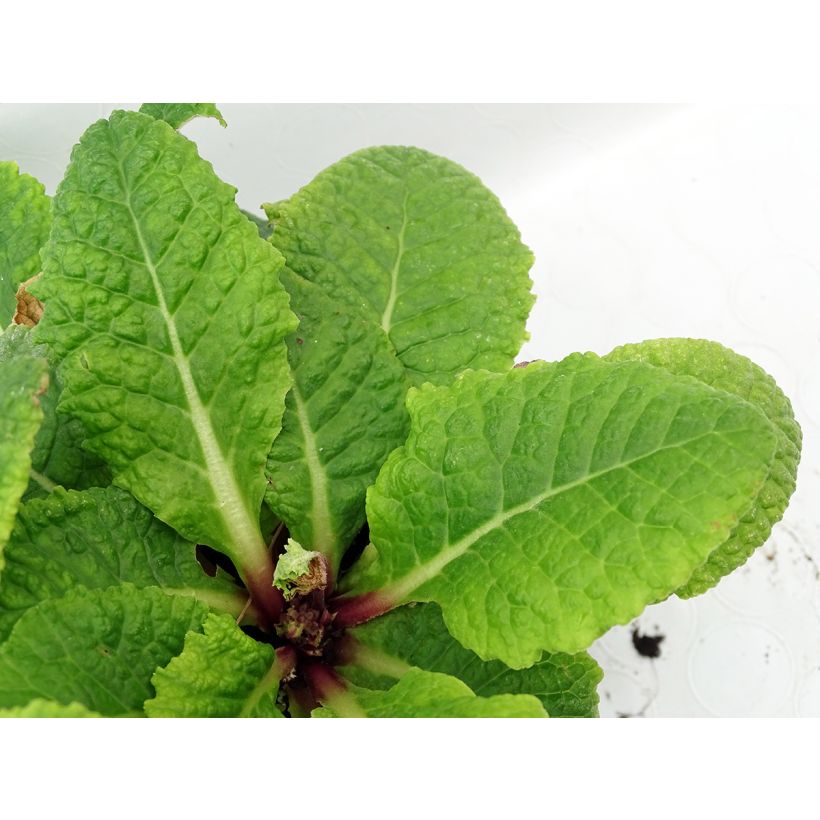
The 'Tie Dye' Primula is an herbaceous perennial plant in the primrose family, derived in part from the Primula vulgaris found in our meadows and woodlands, and the P. veris, known as the Cowslip. This astonishing variety is distinguished by its long, abundant, and continuous flowering from January until May-June. It is a flowering plant that forms a beautiful clump of foliage within a few months, reaching heights of 15 to 25 cm (6 to 10in) and widths of 25 to 35 cm (10 to 14in). It develops more or less persistent rosettes of wavy and veined leaves, in a beautiful light and clear green. 'Tie Dye' produces large, open flowers measuring 3.5cm (1in), slightly undulated, randomly veined with blue-violet, illuminated by a large yellow throat. They are gathered in clusters and carried by short villous peduncles surrounded by a luxuriant collar of foliage. This variety appreciates partially shaded exposures.
New varietal creations are bringing these often cultivated perennials back into the spotlight as biennials, much to our delight! The 'Tie Dye' hybrid primrose is a reliable and truly easy-to-grow versatile plant. It deserves a place in every garden and on every balcony. Original and floriferous, it is also elegant and easy to combine with spring bulbs, accompanying the yellow of daffodils and winter aconite with its blue note, for example. Whether in border plantings or in containers on a balcony, this plant pairs well with its white, blue, and pink companions, as well as forget-me-nots and corydalis. Primroses are perfect under deciduous cover, in rockeries and short grass meadows, among snowdrops and violets. The leaves and flowers are edible and can be consumed raw or cooked.

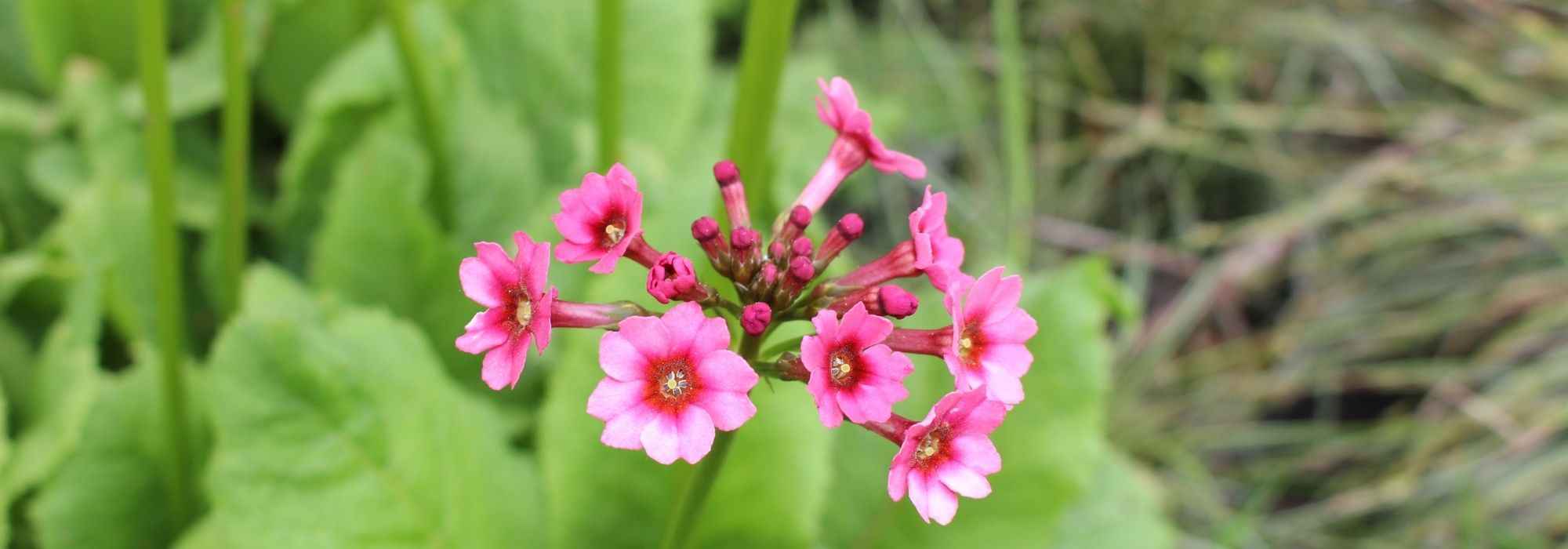
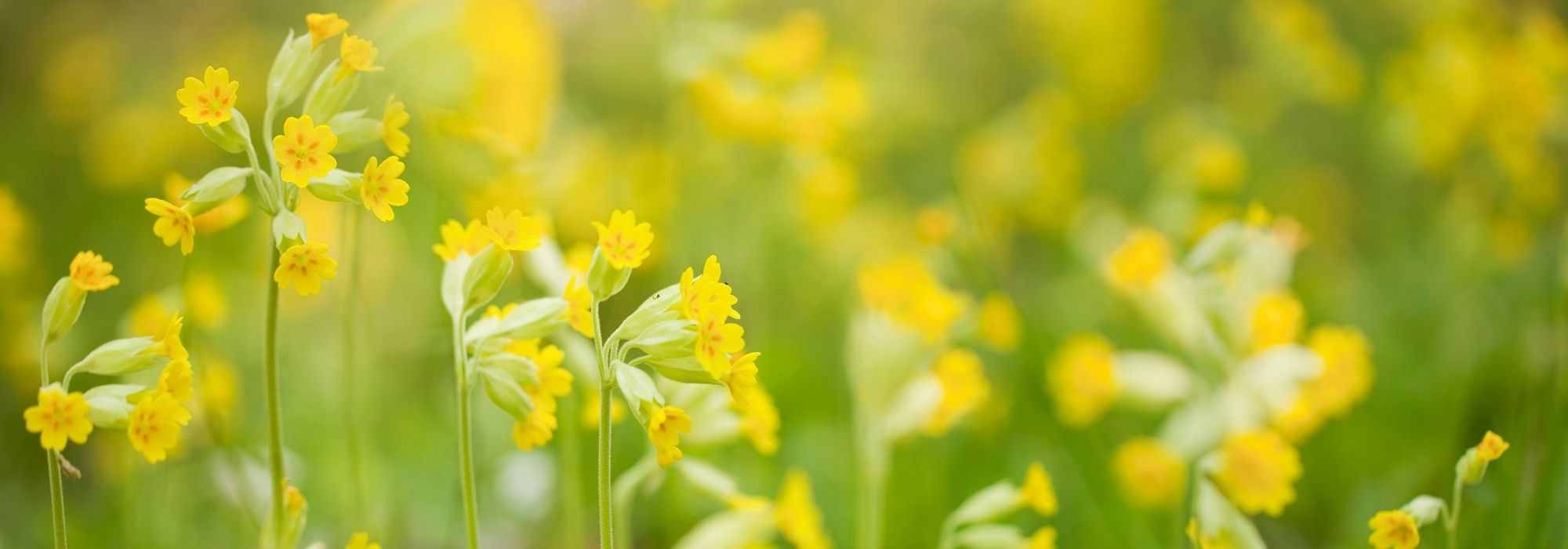
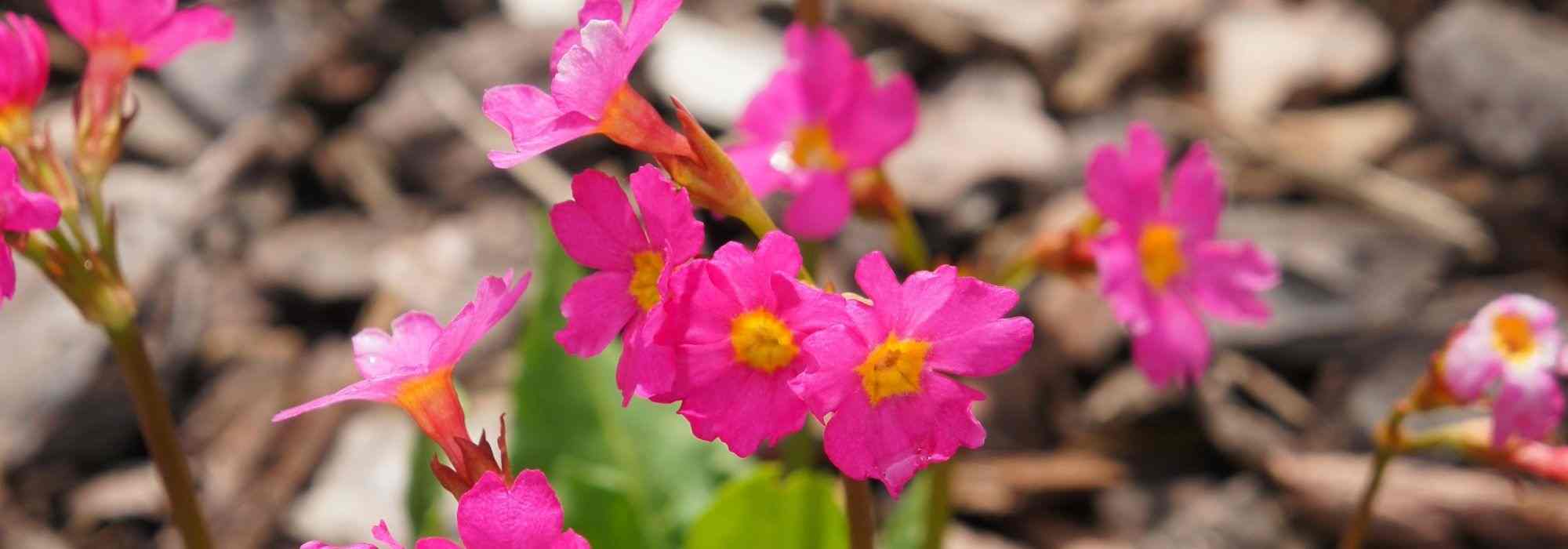
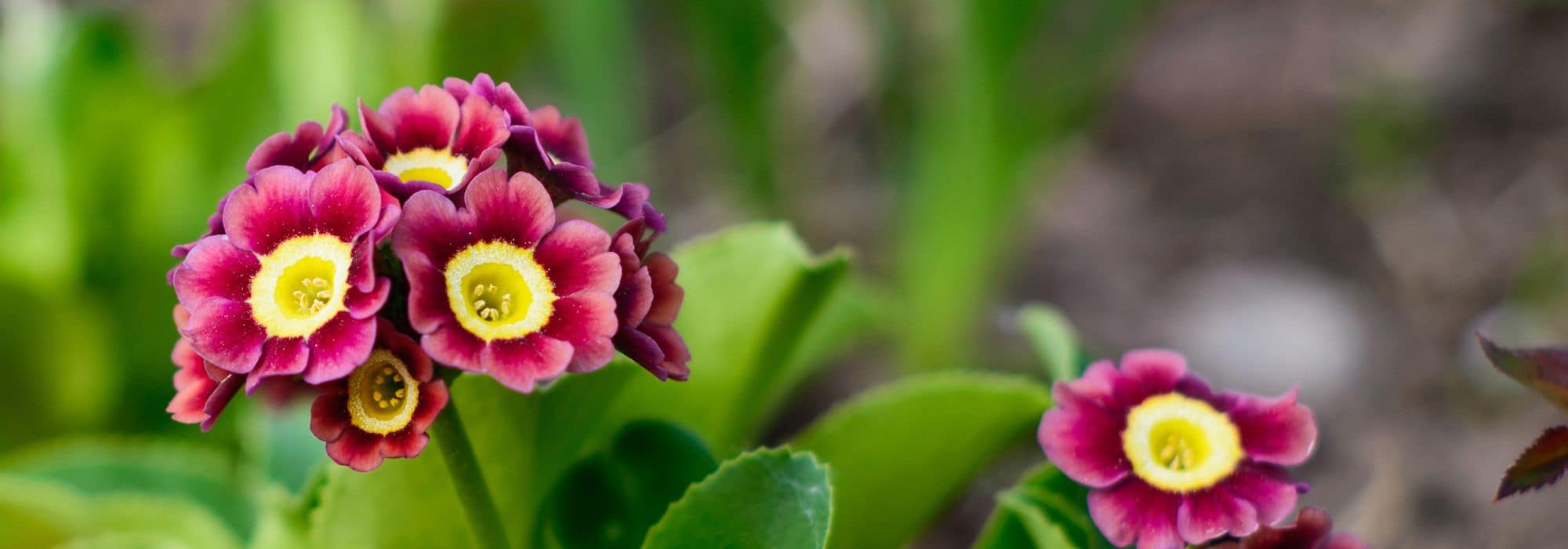
Primula polyantha Tie Dye - Hose-in-hose in pictures
Flowering
Foliage
Plant habit
Botanical data
Primula
polyantha
Tie Dye
Primulaceae
Hose-in-hose, False Oxlip
Cultivar or hybrid
Planting and care
Primroses can be planted in pots and containers or directly in the ground in a finely prepared and enriched soil. Plant them as soon as possible, in September-October or in March-April. If the planned location is not ready yet or if the conditions are unfavourable for planting, you can let them grow in plugs for 4 to 6 weeks.
In pots and containers, use a good potting soil for flowering plants (geranium potting soil), enriched with clay and slow-release fertiliser, lightweight and well-draining. The top of the plug should be level with the potting soil. Water generously at planting and during the following weeks, as plug plants can dry out quickly. However, be careful with excess water! Make sure to use containers with drainage holes and empty the saucer 10 minutes after watering. Remember to water even during winter if it doesn't rain or if the container is placed in a sheltered location. Do not water during freezing periods.
Highly floriferous and fast-growing, primroses are greedy plants. As soon as growth resumes, in late February or early March, and throughout the flowering period, apply a liquid fertilizer for flowering plants containing iron and trace elements 1 to 2 times a week with the watering. Remove faded flowers to promote new blooming. Once the flowering is over, potted plants can be replanted in the garden in partial shade.
Planting period
Intended location
Care
Planting & care advice
-
-
-
-
-
-
-
-
-
, onOrder confirmed
Reply from on Promesse de fleurs
Recently viewed products
Haven't found what you were looking for?
Hardiness is the lowest winter temperature a plant can endure without suffering serious damage or even dying. However, hardiness is affected by location (a sheltered area, such as a patio), protection (winter cover) and soil type (hardiness is improved by well-drained soil).
In temperate climates, pruning of spring-flowering shrubs (forsythia, spireas, etc.) should be done just after flowering.
Pruning of summer-flowering shrubs (Indian Lilac, Perovskia, etc.) can be done in winter or spring.
In cold regions as well as with frost-sensitive plants, avoid pruning too early when severe frosts may still occur.
The harvesting period indicated on our website applies to countries and regions in USDA zone 8 (France, England, Ireland, the Netherlands).
In colder areas (Scandinavia, Poland, Austria...) fruit and vegetable harvests are likely to be delayed by 3-4 weeks.
In warmer areas (Italy, Spain, Greece, etc.), harvesting will probably take place earlier, depending on weather conditions.
The sowing periods indicated on our website apply to countries and regions within USDA Zone 8 (France, UK, Ireland, Netherlands).
In colder areas (Scandinavia, Poland, Austria...), delay any outdoor sowing by 3-4 weeks, or sow under glass.
In warmer climes (Italy, Spain, Greece, etc.), bring outdoor sowing forward by a few weeks.
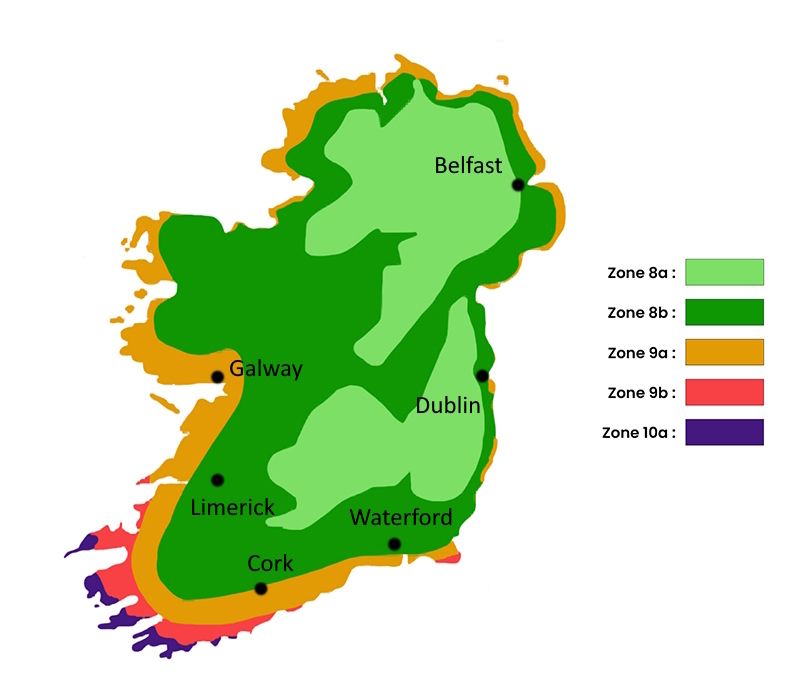
The planting period indicated on our website applies to regions in USDA Zone 9a (East Coast and Midlands: Dublin, Wexford, Waterford, Kilkenny, Portlaoise). It will vary depending on where you live:
- On the west coast and in the north-west (Galway, Limerick, Sligo, Donegal, Westport), delay planting by 1 to 2 weeks in spring and bring it forward by 1 to 2 weeks in autumn compared to the dates given, preferably choosing periods without strong winds.
- In the inland hills and plateaus (Wicklow Mountains, Macgillycuddy’s Reeks, Connemara, Killarney), it is best to plant in spring (April–May) or autumn (September–October), avoiding periods of waterlogged soil in winter and strong winds, which pose the main risk to newly planted trees in these areas.
The flowering period indicated on our website applies to regions in USDA Zone 9a, such as the East Coast and Midlands, including Dublin, Wexford, Waterford, Kilkenny and Portlaoise.
This will vary depending on where you live:
- On the west coast and in the northwest (Galway, Limerick, Sligo, Donegal and Westport), it will be delayed by one to two weeks compared to the given dates, due to stronger Atlantic winds and less spring sunshine.
- In the inland hills and plateaus (the Wicklow Mountains, the Macgillycuddy's Reeks, Connemara and Killarney), flowering will be delayed by two to three weeks. Flowering mainly occurs between May and July, with the limiting factors being less frost and more of the excessive humidity, strong winds and lack of sunshine that are characteristic of these areas.
Shipping country and language
Your country of residence may be:
Your country of residence is:
For a better user experience on our website, you can select:
Your shipping country:
-
 Austria
-
 Belgium
-
 Bosnia & Herzegovina
-
 Bulgaria
-
 Croatia
-
 Cyprus
-
 Czechia
-
 Denmark
-
 Estonia
-
 Finland
-
 France
-
 Germany
-
 Greece
-
 Hungary
-
 Iceland
-
 Ireland
-
 Italy
Italy
-
 Latvia
-
 Liechtenstein
-
 Lithuania
-
 Luxembourg
-
 Malta
Malta
-
 Netherlands
-
 Poland
-
 Portugal
-
 Romania
-
 Serbia
-
 Slovakia
-
 Slovenia
-
 Spain
Spain
-
 Sweden
-
 Switzerland
Language:
-
French
-
 English
-
Spanish
-
Italian
-
German
-
Portuguese
-
Dutch
-
Finnish
My Account
Hello
My wish lists
My cart
Log in / Register
Existing customer?
This form is protected by reCAPTCHA - the Google Privacy Policy and Terms of Service apply.
New customer?
Create an account to track your orders, access our customer service and, if you wish, make the most of our upcoming offers.