
Eupatorium sordidum
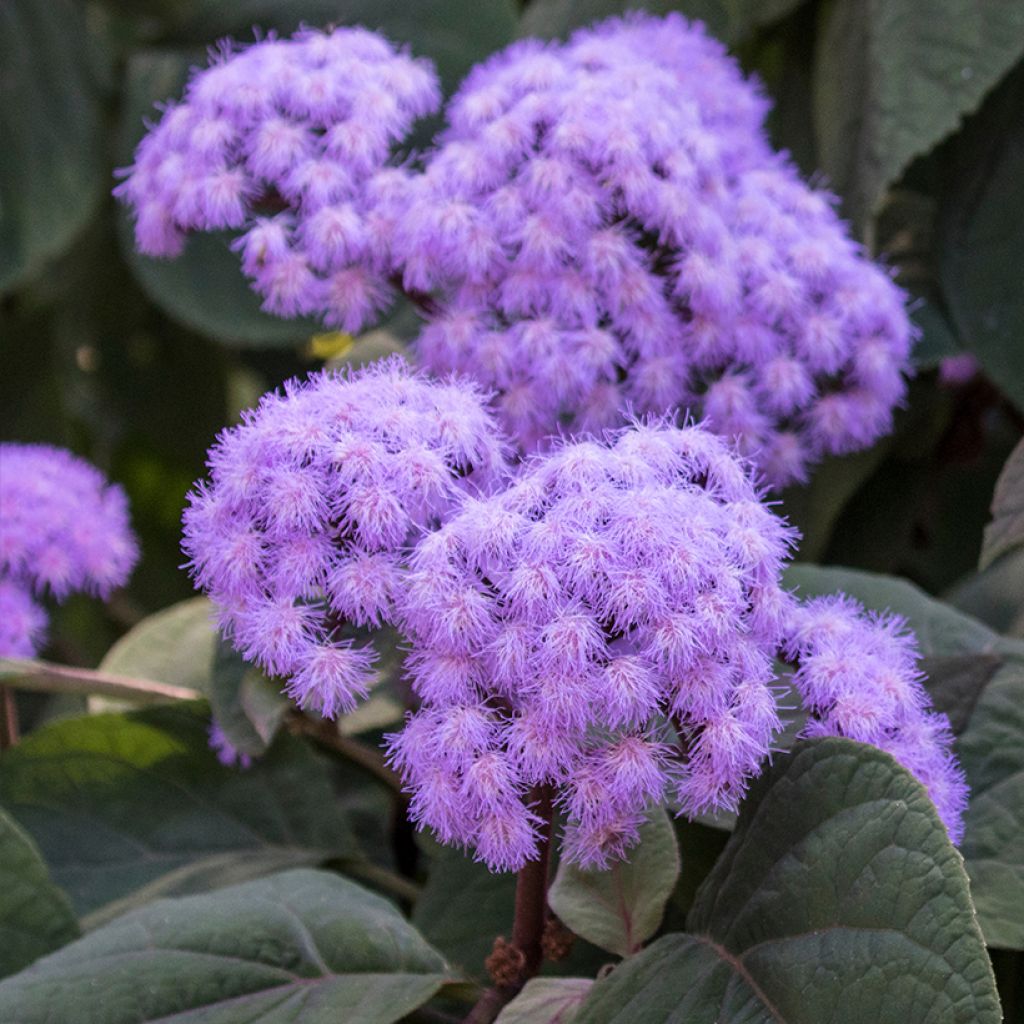
Eupatorium sordidum

Eupatorium sordidum
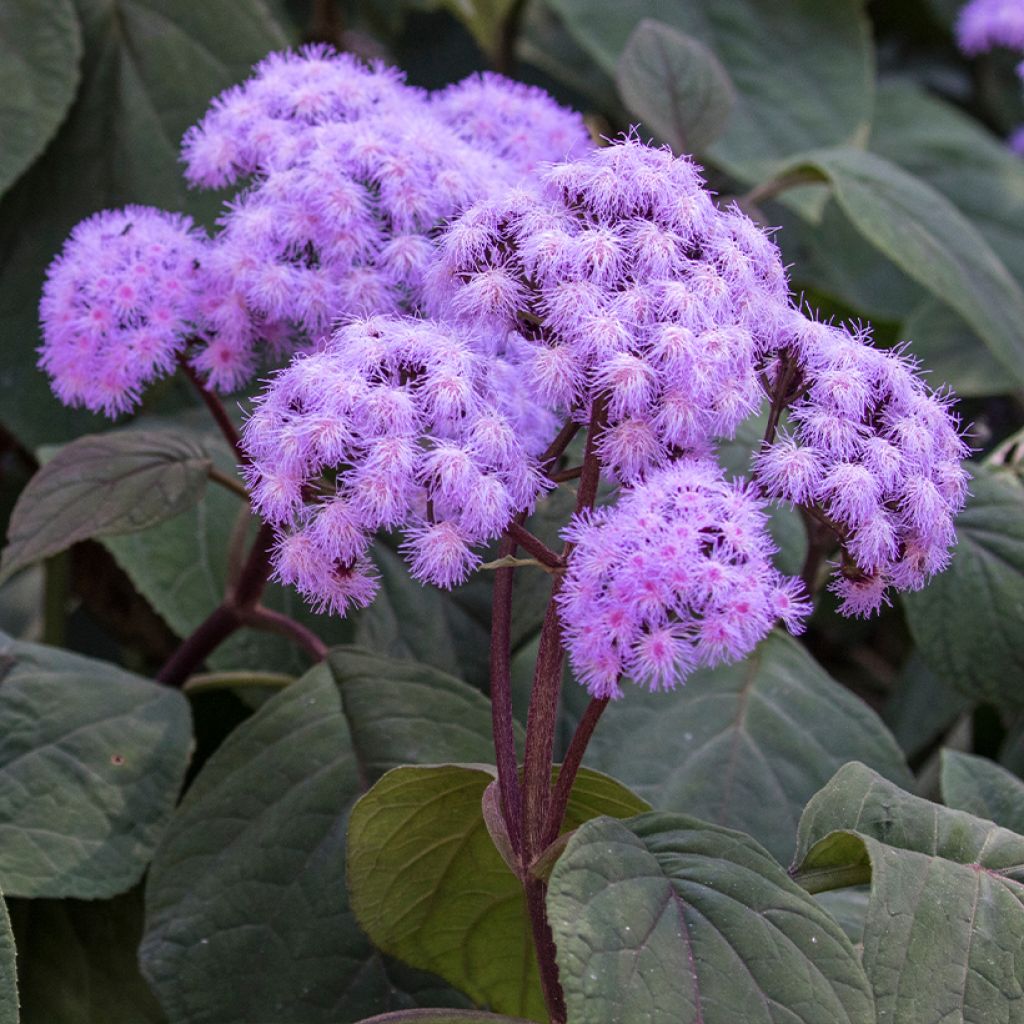
Eupatorium sordidum
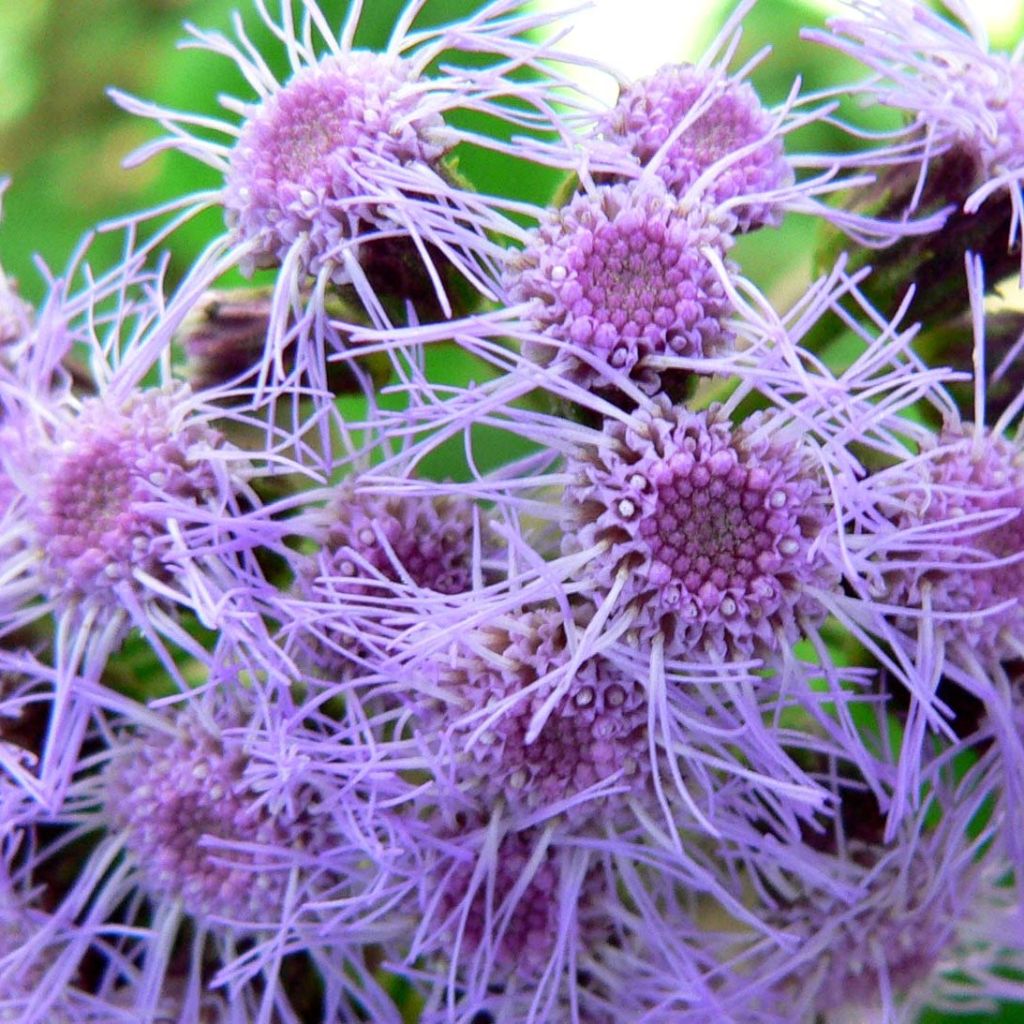
Eupatorium sordidum
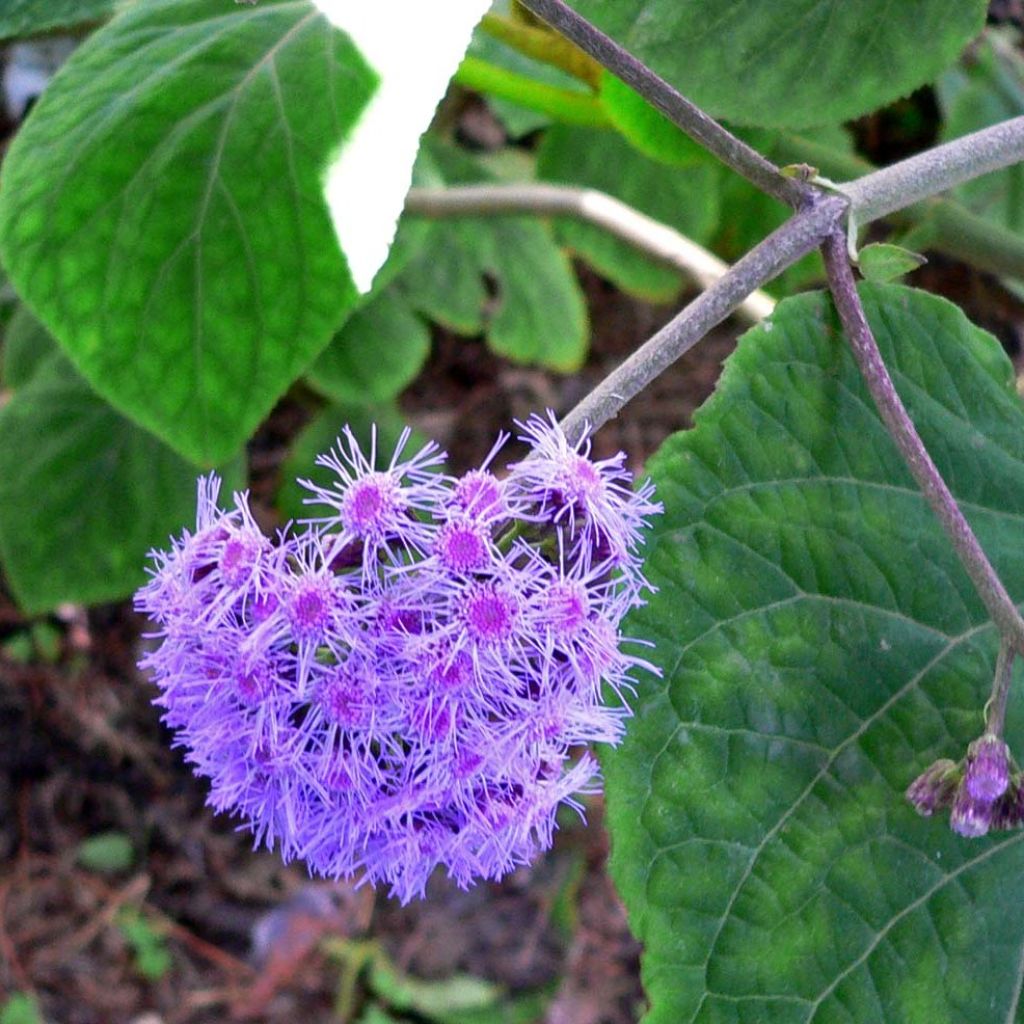
Eupatorium sordidum
Eupatorium sordidum
Eupatorium sordidum
Bartlettina sordida
Boneset
Back-to-school special offer!
Get €10 off for every €50 you spend! And get up to €40 off on a single order.
How does it work?
1. Shop your favourites
Add your favourite plants to your basket. For every €50 you spend (excluding delivery charges, store credit and the plastic-free option), you’ll receive a €10 voucher.
€50 spent = €10 voucher
€100 spent = €20 voucher
€150 spent = €30 voucher
€200 spent = €40 voucher
2. Place your order
Once your basket reaches one of the spending thresholds, place your order. You can even choose your delivery date!
3. Receive your voucher
As soon as your order has been shipped, you’ll receive an email containing your personal voucher code and its value.
4. Use it on your next order
Your voucher is valid for 90 days from the date you receive it. It can be used once only, on a new order worth at least the value of the voucher, excluding delivery charges.
Please note: Vouchers can be combined with other offers, but cannot be split or refunded.
Why not try an alternative variety in stock?
View all →
Available in 2 sizes
Available in 1 sizes

Available in 2 sizes
Available in 1 sizes
Available in 2 sizes
Available in 1 sizes

Available in 2 sizes

Available in 1 sizes

Available in 2 sizes
Available in 1 sizes
This plant carries a 12 months recovery warranty
More information
We guarantee the quality of our plants for a full growing cycle, and will replace at our expense any plant that fails to recover under normal climatic and planting conditions.
Does this plant fit my garden?
Set up your Plantfit profile →
Description
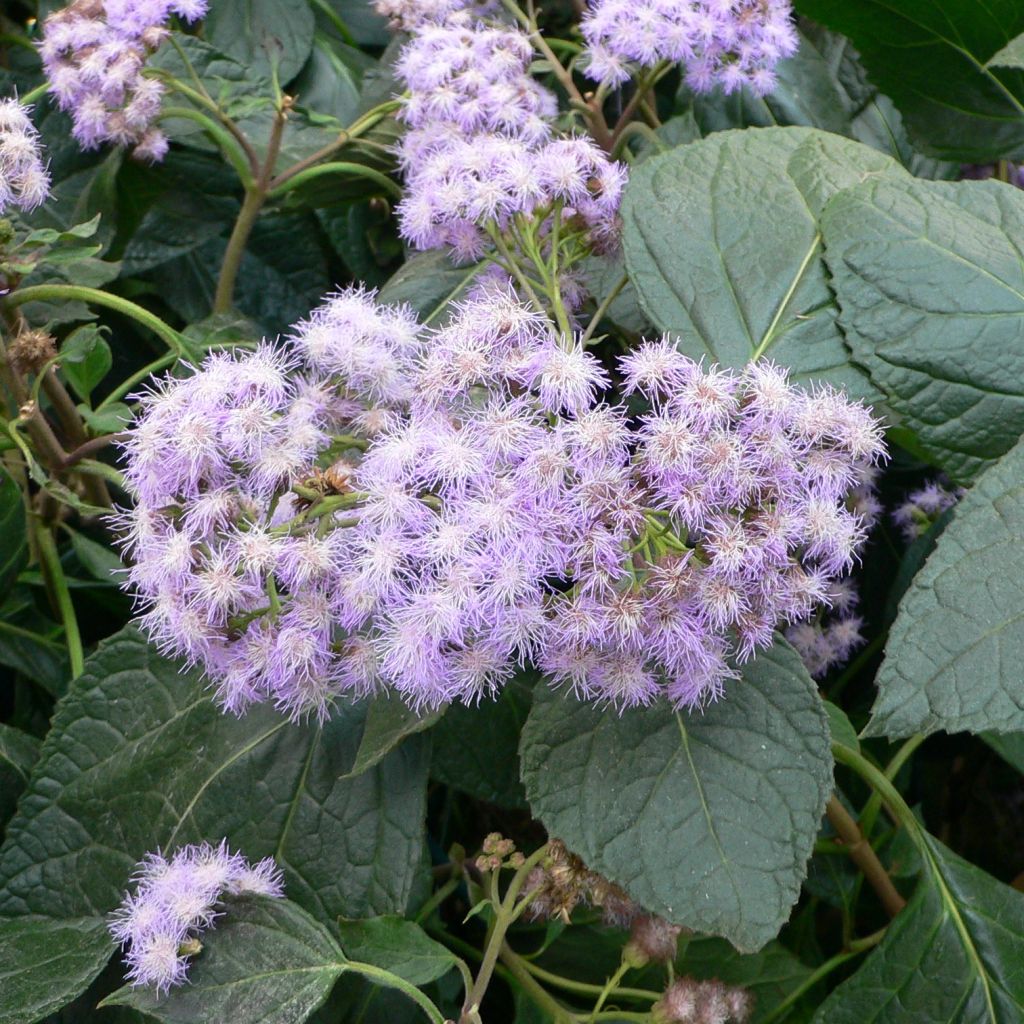
L'Eupatorium sordidum est une eupatoire arbustive recherchée pour son allure opulente, son grand feuillage décoratif et sa floraison mauve vaporeuse, que l'on peut admirer en fin d’hiver ou au printemps selon le climat. C’est une plante de jardin exotique, à réserver aux situations particulièrement abritées ou à la culture en pot dans les régions froides.
Cette plante appartient à la famille des Astéracées. Son nom botanique correspond aujourd’hui à Bartlettina sordida ; Eupatorium sordidum n’est plus qu’un synonyme, encore très employé en horticulture. On l'appelle communément eupatoire arbustive pour la distinguer des grandes vivaces du genre Eupatorium au sens courant. Bartlettina sordida est une espèce botanique originaire du Mexique et du Guatemala. Elle pousse dans des zones humides et boisées de montagne, souvent en lisière ou dans des forêts claires. Sa rusticité ne dépasse pas -5 à -6,5 °C en pointe.
Il s’agit d’un arbuste persistant là où il ne gèle pas, plus ou moins caduc ou rabattu par le froid ailleurs. Son port est dressé dans sa jeunesse, puis il s'élargit et s'arrondit avec le temps. Les jeunes tiges, couvertes de poils rouge pourpré, sont attrayantes. Les feuilles, opposées sur les tiges, largement ovales, peuvent mesurer jusqu’à 20-25 cm de long. Elles sont vert foncé sur le dessus, plus claires au revers, velues au toucher, avec des nervures bien marquées. Leur texture ample et un peu gaufrée confère à la plante une allure presque tropicale. La croissance est rapide. En pleine terre, sous un climat favorable, elle atteint 1,50 m à 2,50 m de haut, parfois davantage, pour 1,20 m à 2 m de large ; en pot, elle reste plus compacte. La floraison prend la forme de grands corymbes terminaux, larges de 20 à 30 cm. Chaque inflorescence réunit une multitude de petits capitules plumeux, sans ligules, d’un mauve à lilas violacé. Les fleurs sont légèrement parfumées. Sous nos latitudes, elles paraissent entre février et avril. Les fruits sont de petits akènes munis d’une aigrette, ce qui favorise la dispersion des graines.
Cette eupatoire arbustive s’utilise comme plante de fond dans un décor luxuriant, sur une terrasse abritée ou dans un grand bac que l'on remisera hors gel l’hiver. En climat très doux, il peut être tenté en pleine terre, contre un mur protégé, dans une terre riche et restant fraîche. On peut l’associer au Fuchsia regia ‘Reitzii’ et au Fuchsia boliviana ‘Alba’, au Fatsia japonica ‘Spider’s Web’ et au Tetrapanax papyrifer ‘Rex’ dans un jardin d’inspiration exotique.
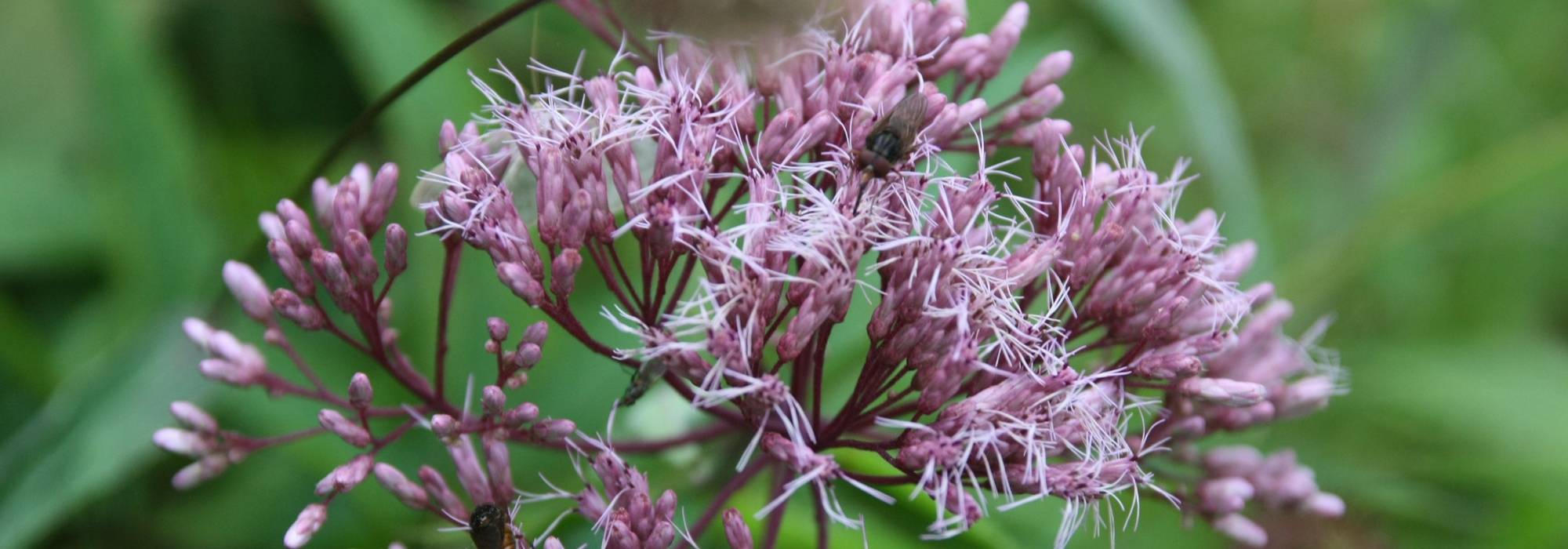
Eupatorium sordidum in pictures
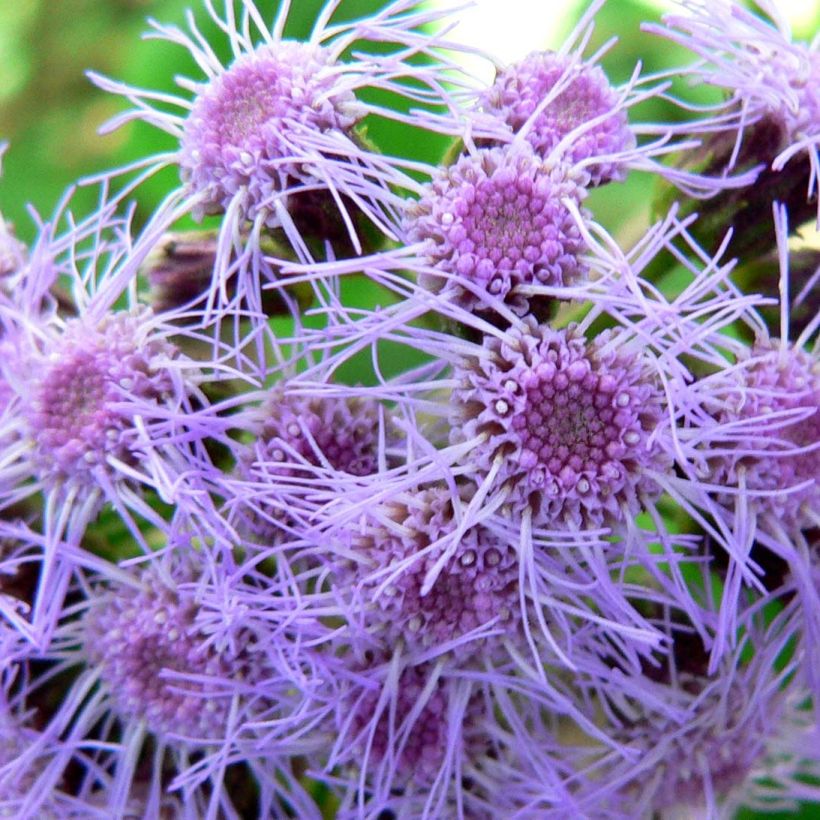
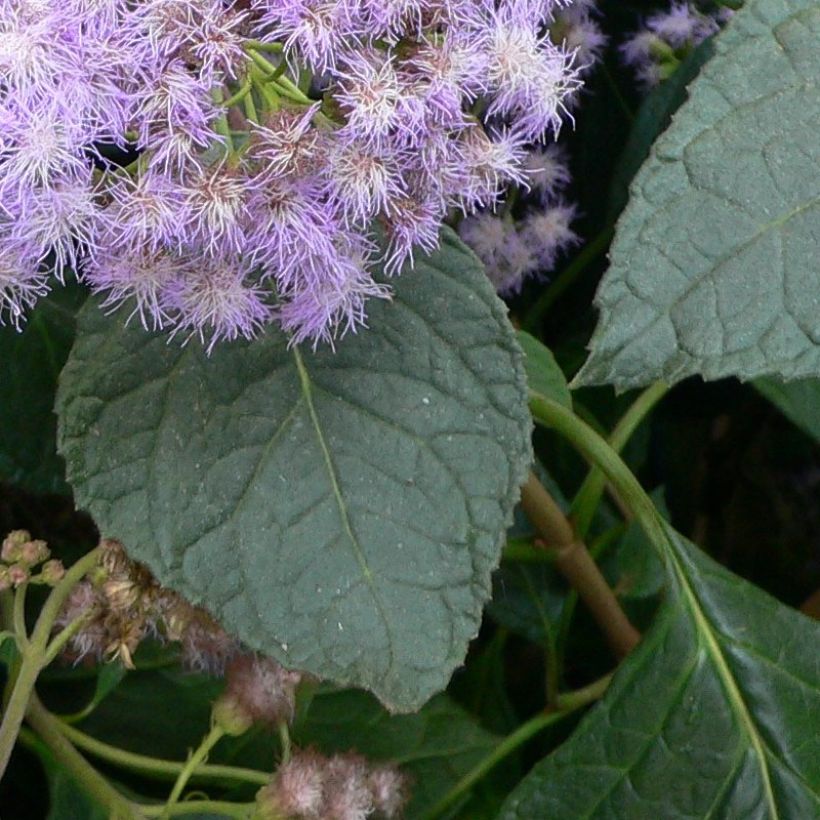
Flowering
Foliage
Plant habit
Botanical data
Bartlettina
sordida
Asteraceae
Boneset
Bartlettina sordida, Eupatorium sordidum, Eupatorium atrorubens, Eupatorium megalophyllum, Hebeclinium atrorubens
Cultivar or hybrid, North America, Central America
Planting and care
Plant Eupatorium sordidum, or Bartlettina sordida, in spring, in a sheltered spot, bright but without the scorching afternoon sun. The most important point is the soil: it requires a soil rich in organic matter, deep, supple, cool but perfectly drained. It grows well in good non-calcareous garden soil enriched with leaf compost or well-rotted potting soil, possibly with a little drainage material if the soil is heavy. It does not tolerate compacted soils, waterlogged in winter, nor poor soils or those that dry out quickly in summer.
In a pot, place it in a mixture based on potting soil and loam, lightened with a little drainage, and keep the substrate slightly moist, never waterlogged.
Water regularly during the growing season. In winter, reduce watering and protect the plant from frost, or bring it into a cool conservatory in regions where temperatures drop below -5°C.
Planting period
Intended location
Care
Planting & care advice
-

-
-
-
-
-

-

-

This item has not been reviewed yet - be the first to leave a review about it.
Recently viewed products
Haven't found what you were looking for?
Hardiness is the lowest winter temperature a plant can endure without suffering serious damage or even dying. However, hardiness is affected by location (a sheltered area, such as a patio), protection (winter cover) and soil type (hardiness is improved by well-drained soil).
In temperate climates, pruning of spring-flowering shrubs (forsythia, spireas, etc.) should be done just after flowering.
Pruning of summer-flowering shrubs (Indian Lilac, Perovskia, etc.) can be done in winter or spring.
In cold regions as well as with frost-sensitive plants, avoid pruning too early when severe frosts may still occur.
The harvesting period indicated on our website applies to countries and regions in USDA zone 8 (France, England, Ireland, the Netherlands).
In colder areas (Scandinavia, Poland, Austria...) fruit and vegetable harvests are likely to be delayed by 3-4 weeks.
In warmer areas (Italy, Spain, Greece, etc.), harvesting will probably take place earlier, depending on weather conditions.
The sowing periods indicated on our website apply to countries and regions within USDA Zone 8 (France, UK, Ireland, Netherlands).
In colder areas (Scandinavia, Poland, Austria...), delay any outdoor sowing by 3-4 weeks, or sow under glass.
In warmer climes (Italy, Spain, Greece, etc.), bring outdoor sowing forward by a few weeks.
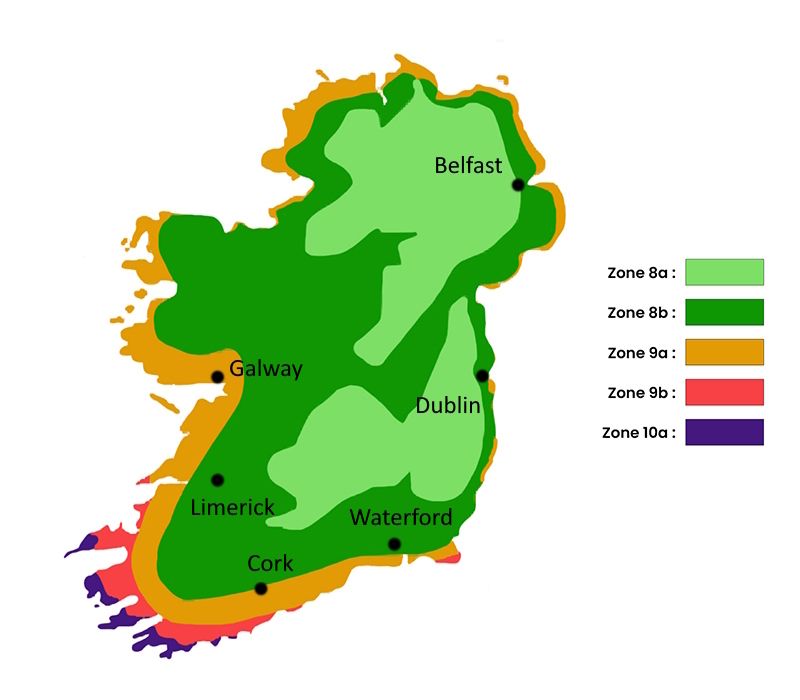
The planting period indicated on our website applies to regions in USDA Zone 9a (East Coast and Midlands: Dublin, Wexford, Waterford, Kilkenny, Portlaoise). It will vary depending on where you live:
- On the west coast and in the north-west (Galway, Limerick, Sligo, Donegal, Westport), delay planting by 1 to 2 weeks in spring and bring it forward by 1 to 2 weeks in autumn compared to the dates given, preferably choosing periods without strong winds.
- In the inland hills and plateaus (Wicklow Mountains, Macgillycuddy’s Reeks, Connemara, Killarney), it is best to plant in spring (April–May) or autumn (September–October), avoiding periods of waterlogged soil in winter and strong winds, which pose the main risk to newly planted trees in these areas.
The flowering period indicated on our website applies to regions in USDA Zone 9a, such as the East Coast and Midlands, including Dublin, Wexford, Waterford, Kilkenny and Portlaoise.
This will vary depending on where you live:
- On the west coast and in the northwest (Galway, Limerick, Sligo, Donegal and Westport), it will be delayed by one to two weeks compared to the given dates, due to stronger Atlantic winds and less spring sunshine.
- In the inland hills and plateaus (the Wicklow Mountains, the Macgillycuddy's Reeks, Connemara and Killarney), flowering will be delayed by two to three weeks. Flowering mainly occurs between May and July, with the limiting factors being less frost and more of the excessive humidity, strong winds and lack of sunshine that are characteristic of these areas.
Shipping country and language
Your country of residence may be:
Your country of residence is:
For a better user experience on our website, you can select:
Your shipping country:
-
 Austria
-
 Belgium
-
 Bosnia & Herzegovina
-
 Bulgaria
-
 Croatia
-
 Cyprus
-
 Czechia
-
 Denmark
-
 Estonia
-
 Finland
-
 France
-
 Germany
-
 Greece
-
 Hungary
-
 Iceland
-
 Ireland
-
 Italy
Italy
-
 Latvia
-
 Liechtenstein
-
 Lithuania
-
 Luxembourg
-
 Malta
Malta
-
 Netherlands
-
 Poland
-
 Portugal
-
 Romania
-
 Serbia
-
 Slovakia
-
 Slovenia
-
 Spain
Spain
-
 Sweden
-
 Switzerland
Language:
-
French
-
 English
-
Spanish
-
Italian
-
German
-
Portuguese
-
Dutch
-
Finnish
My Account
Hello
My wish lists
My cart
Log in / Register
Existing customer?
This form is protected by reCAPTCHA - the Google Privacy Policy and Terms of Service apply.
New customer?
Create an account to track your orders, access our customer service and, if you wish, make the most of our upcoming offers.