FLASH SALES: discover new varieties on offer every week!

All you need to know

← Back to Blog homepage

Our latest articles

Which plants to avoid near a septic tank?
On page one

Choosing

Which plants to avoid near a septic tank?

by Marion
20 January 2026
  1. Standard tree, half-standard tree, coppice shoots: what are they?

    Choosing

    Standard tree, half-standard tree, coppice shoots: what are they?

    by Ingrid

    5 February 2026 7 min.
  2. Adansonia - Baobab: Planting and Growing

    Choosing

    Adansonia - Baobab: Planting and Growing

    by Olivier

    15 June 2025 12 min.
  3. The harmful consequences of pesticidal substances on soil fauna

    Sustainable Gardening

    The harmful consequences of pesticidal substances on soil fauna

    by Alexandra

    4 December 2025 4 min.
  4. 3, 5, 7, 9: Magic numbers for a successful perennial garden

    Choosing

    3, 5, 7, 9: Magic numbers for a successful perennial garden

    by Ingrid

    12 January 2026 7 min.
  5. Toxic plants in Nature

    Choosing

    Toxic plants in Nature

    by Olivier

    21 January 2026 7 min.
  6. Why isn’t my Clematis flowering?

    Choosing

    Why isn’t my Clematis flowering?

    by Gwenaëlle

    18 January 2026 5 min.
  7. Cock's comb: what if we ate it?

    Plants and flowers

    Cock's comb: what if we ate it?

    by Gwenaëlle

    7 December 2025 4 min.
  8. How to harvest and dry Celosia?

    Choosing

    How to harvest and dry Celosia?

    by Ingrid

    29 September 2025 4 min.
  9. Our secrets for thriving potted roses!

    Choosing

    Our secrets for thriving potted roses!

    by Marion

    19 January 2026 7 min.
  10. Why isn't my wisteria flowering?

    Choosing

    Why isn't my wisteria flowering?

    by Gwenaëlle

    18 January 2026 4 min.
  11. Why isn't my Gloriosa flowering?

    Choosing

    Why isn't my Gloriosa flowering?

    by Leïla

    14 January 2026 4 min.
  12. Botanical rules and nomenclatures

    Plants and flowers

    Botanical rules and nomenclatures

    by Olivier

    15 January 2026 8 min.
  13. Plants with running roots: how and where to plant them?

    Choosing

    Plants with running roots: how and where to plant them?

    by Olivier

    18 January 2026 4 min.
  14. Taproot plants: how and where to plant them?

    Choosing

    Taproot plants: how and where to plant them?

    by Olivier

    21 January 2026 5 min.
  15. The beech nut: an edible fruit to discover!

    Choosing

    The beech nut: an edible fruit to discover!

    by Virginie

    25 January 2026 3 min.
  16. Barometer plants

    Choosing

    Barometer plants

    by Gwenaëlle

    11 January 2026 6 min.
  17. Growing Grevillea in pots

    Choosing

    Growing Grevillea in pots

    by Leïla

    7 January 2026 6 min.
  18. How to grow a Phormium in a pot?

    Choosing

    How to grow a Phormium in a pot?

    by Marion

    7 January 2026 6 min.
  19. Brown and dry leaves: brown tips on your indoor plants, what to do?

    Choosing

    Brown and dry leaves: brown tips on your indoor plants, what to do?

    by Leïla

    26 January 2026 7 min.
  20. How to get rid of an invasive trumpet vine?

    Climbers

    How to get rid of an invasive trumpet vine?

    by Alexandra

    24 September 2025 4 min.
  21. Jeffersonia: Planting and growing

    Choosing

    Jeffersonia: Planting and growing

    by Virginie

    23 February 2026 7 min.
  22. How to grow Caper bush?

    Choosing

    How to grow Caper bush?

    by Marion

    14 January 2026 4 min.
  23. Plants that sucker

    Choosing

    Plants that sucker

    by Olivier

    7 January 2026 3 min.
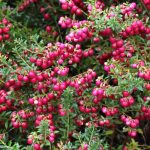
  24. Gaultheria: planting, growing and caring

    Choosing

    Gaultheria: planting, growing and caring

    by Alexandra

    28 July 2025 10 min.
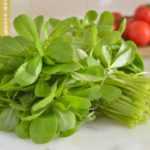
  25. How to cook purslane?

    Choosing

    How to cook purslane?

    by Marion

    21 September 2025 5 min.
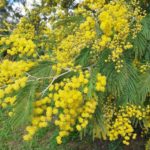
  26. Invasive plant... Should we be afraid of wattle?

    The blog

    Invasive plant... Should we be afraid of wattle?

    by Leïla

    8 December 2025 4 min.
  27. How to use ferns in the garden?

    Choosing

    How to use ferns in the garden?

    by Alexandra

    22 September 2025 3 min.
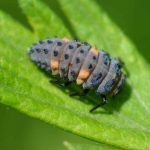
  28. Ladybird larvae: when and how to use them in the garden?

    Choosing

    Ladybird larvae: when and how to use them in the garden?

    by Virginie

    11 January 2026 6 min.
  29. How to produce natural heat in the garden?

    Choosing

    How to produce natural heat in the garden?

    by Sophie

    22 September 2025 5 min.
  30. Agrobacterium tumefaciens or collar gall: what is it?

    Choosing

    Agrobacterium tumefaciens or collar gall: what is it?

    by Marion

    6 January 2026 5 min.
  31. Where do variegated leaved plants come from?

    perennials

    Where do variegated leaved plants come from?

    by Olivier

    8 December 2025 4 min.
  32. Growing Ismene in a pot

    Choosing

    Growing Ismene in a pot

    by Sophie

    14 December 2025 5 min.

Most read

  1. 1
  2. 2

    Le kéfir de fruits (ou water kefir) est une boisson fermentée pétillante, légèrement acidulée et probiotique, obtenue grâce à des grains de kéfir (symbiose de levures et bactéries). Voici une méthode simple pour en faire chez vous. Ingrédients et matériel - Grains de kéfir de fruits : 2–4 cuillères à soupe pour 1 litre d’eau. - Eau non chlorée (eau de source ou eau du robinet filtrée et décantée) : 1 litre. - Sucre : 50–70 g (3–4 c. à soupe) par litre. Sucre de canne blanc fonctionne bien ; vous pouvez ajouter 1 c. à café de mélasse ou un morceau de figue sèche pour les minéraux. - Une pincée de sel marin non iodé. - 1 ou 2 figues sèches ou une tranche de citron non traité (facultatif, pour mineraux et goût). - Un bocal en verre d’environ 1–1,5 L. - Couvercle respirant (mousseline, tissu fin) et élastique, ou couvercle non hermétique. - Passoire en plastique (éviter tamis métallique prolongé). - Cuillère en bois ou plastique. - Bouteilles fermées (type bouteilles à bouchon mécanique) pour la seconde fermentation. Étapes — fermentation primaire 1. Dissoudre le sucre : chauffez un peu d’eau pour y dissoudre le sucre, ajoutez la pincée de sel. Complétez avec le reste d’eau froide jusqu’à 1 litre. Laisser refroidir à température ambiante (30 °C max). 2. Mettre les grains : versez l’eau sucrée tiède dans le bocal, ajoutez les grains de kéfir et, si vous le souhaitez, la figue sèche ou la tranche de citron. 3. Couvrir et laisser fermenter : couvrez le bocal avec un tissu et un élastique (ou un couvercle légèrement posé) et laissez fermenter à température ambiante, à l’abri du soleil, pendant 24 à 48 heures. Durée courte = boisson plus sucrée, durée longue = plus acide et moins sucré. 4. Goûter : après 24 h, goûtez ; poursuivez si vous souhaitez plus d’acidité. Récupération des grains et seconde fermentation (carbonatation et aromatisation) 5. Séparer : filtrez la boisson avec la passoire en plastique pour récupérer les grains. Ne pas utiliser d’ustensile métallique pendant longtemps. 6. Remettre les grains au travail : placez les grains dans un nouveau litre d’eau sucrée pour relancer une nouvelle fermentation. 7. Aromatiser et mettre en bouteilles : versez la boisson filtrée dans des bouteilles hermétiques, ajoutez fruits, jus (ex. morceaux de framboise, gingembre, tranche d’orange) pour parfumer. Fermentez 24–48 h à température ambiante pour développer la carbonatation. 8. Réfrigérer : mettez les bouteilles au réfrigérateur pour ralentir la fermentation et boire frais. Ouvrez prudemment (libérez la pression progressivement). Conseils et bonnes pratiques - Eau : évitez eau chlorée. Si vous n’avez que de l’eau du robinet, laissez reposer 24 h ou faites bouillir puis refroidir. - Sucre : la quantité peut varier selon goût et activité des grains. Les grains « mangent » le sucre ; la boisson finale contient moins de sucre que la solution initiale. - Température idéale : 20–28 °C. Trop froid = fermentation lente ; trop chaud = risque d’endommager les grains. - Métal : éviter contacts prolongés avec métal ; cuillère en bois/plastique et passoire plastique préférables. - Nettoyage : bocaux et bouteilles propres, mais pas nécessaire de stériliser systématiquement. Si problème (moisissure), nettoyez soigneusement et jetez grains contaminés. - Mouldes et sécurité : si vous voyez moisissure (fuzzy, colorée) ou odeur putride, jetez boisson et grains. Ne pas consommer. - Rincage des grains : pas nécessaire à chaque cycle ; ne rincez qu’en cas d’odeur ou lors d’un changement important de sucre. - Stockage des grains : pour pause courte (1–2 semaines), placez-les dans de l’eau sucrée au réfrigérateur. Pour plus long, déshydrater ou congeler suivant protocoles spécifiques. - Dépannage : - Boisson trop sucrée : prolonger la fermentation ou ajouter quelques grains. - Trop alcoolisée/acidulée : réduire durée de fermentation ou mettre en réfrigérateur plus tôt. - Grains qui diminuent : apporter parfois une petite cuillère de mélasse ou changer type de sucre temporairement pour les fortifier. Précautions - Les boissons fermentées contiennent de faibles quantités d’alcool et des micro-organismes vivants. Si vous êtes immunodéprimé, enceinte ou avez des soucis de santé, consultez un professionnel de santé avant consommation. - Respectez l’hygiène et surveillez visuellement et olfactivement pour détecter altérations. Voilà — avec ces bases vous pouvez expérimenter saveurs et temps de fermentation pour obtenir un kéfir de fruits à votre goût. Souhaitez-vous une recette précise avec proportions pour une bouteille aromatisée (par ex. gingembre-citron) ?

    by Ingrid

    7 July 2026
  3. 3
  4. 4
  5. 5
  6. 6
  7. 7
  8. 8
  9. 9