Quince Aromatnaya - Cydonia oblonga

Quince Aromatnaya - Cydonia oblonga
Quince Aromatnaya - Cydonia oblonga
Quince Aromatnaya - Cydonia oblonga
Cydonia oblonga Aromatnaya
Quince
Rapid dispatch, eco-friendly and careful packaging. Very surprised and delighted by the sturdiness and size of the quince tree. Crown of 3 branches, still leafy and pruned. It is now planted. To be continued... Thank you.
Clo, 07/11/2025
Back-to-school special offer!
Get €10 off for every €50 you spend! And get up to €40 off on a single order.
How does it work?
1. Shop your favourites
Add your favourite plants to your basket. For every €50 you spend (excluding delivery charges, store credit and the plastic-free option), you’ll receive a €10 voucher.
€50 spent = €10 voucher
€100 spent = €20 voucher
€150 spent = €30 voucher
€200 spent = €40 voucher
2. Place your order
Once your basket reaches one of the spending thresholds, place your order. You can even choose your delivery date!
3. Receive your voucher
As soon as your order has been shipped, you’ll receive an email containing your personal voucher code and its value.
4. Use it on your next order
Your voucher is valid for 90 days from the date you receive it. It can be used once only, on a new order worth at least the value of the voucher, excluding delivery charges.
Please note: Vouchers can be combined with other offers, but cannot be split or refunded.
Home or relay delivery (depending on size and destination)
Important: You may be charged customs duties by your country’s customs authorities upon delivery.
Schedule delivery date,
and select date in basket
This plant carries a 12 months recovery warranty
More information
We guarantee the quality of our plants for a full growing cycle, and will replace at our expense any plant that fails to recover under normal climatic and planting conditions.

Description
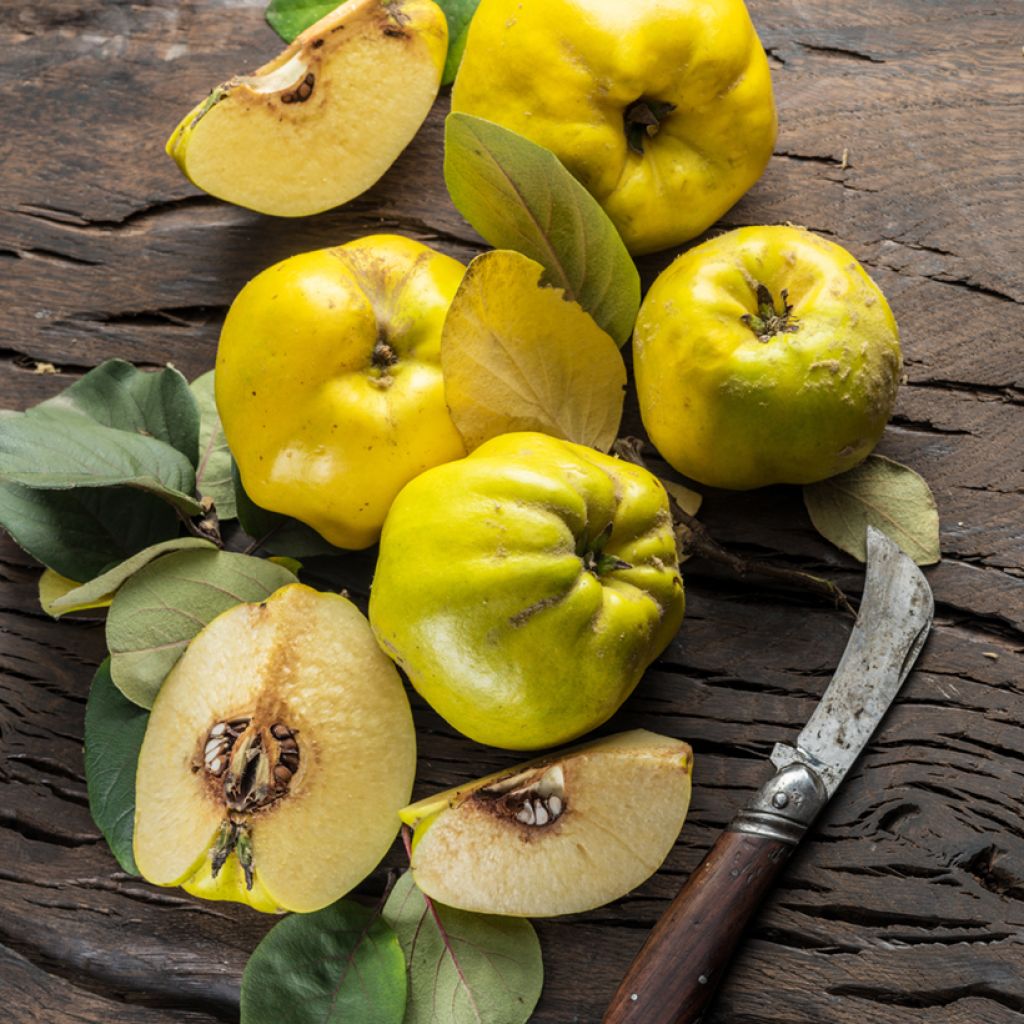
The Quince 'Aromatnaya' stands out from other varieties with its softer fruits that can be enjoyed raw. Known by its Latin name Cydonia oblonga, this highly productive cultivar with rapid fruiting produces large non-astringent fruits, with a fruity flavour reminiscent of apple and Japanese medlar. They are best consumed raw in thin slices, as they can be slightly astringent. Self-fertile and disease-resistant, this variety ripens in early October. Hardy, fairly vigorous and resistant to diseases, the quince tree is easy to grow and requires almost no maintenance.
The quince tree, also sometimes called "Quince Tree", in Latin Cydonia oblonga, belongs to the Rosaceae family, just like the apple tree and the pear tree. This shrub is native to the temperate regions of the Caucasus and Iran, from the Caspian Sea to the Black Sea: Iran, Armenia, Azerbaijan, Turkey, Caucasian Russia, Turkmenistan. It has become naturalized in France, mainly in the South.
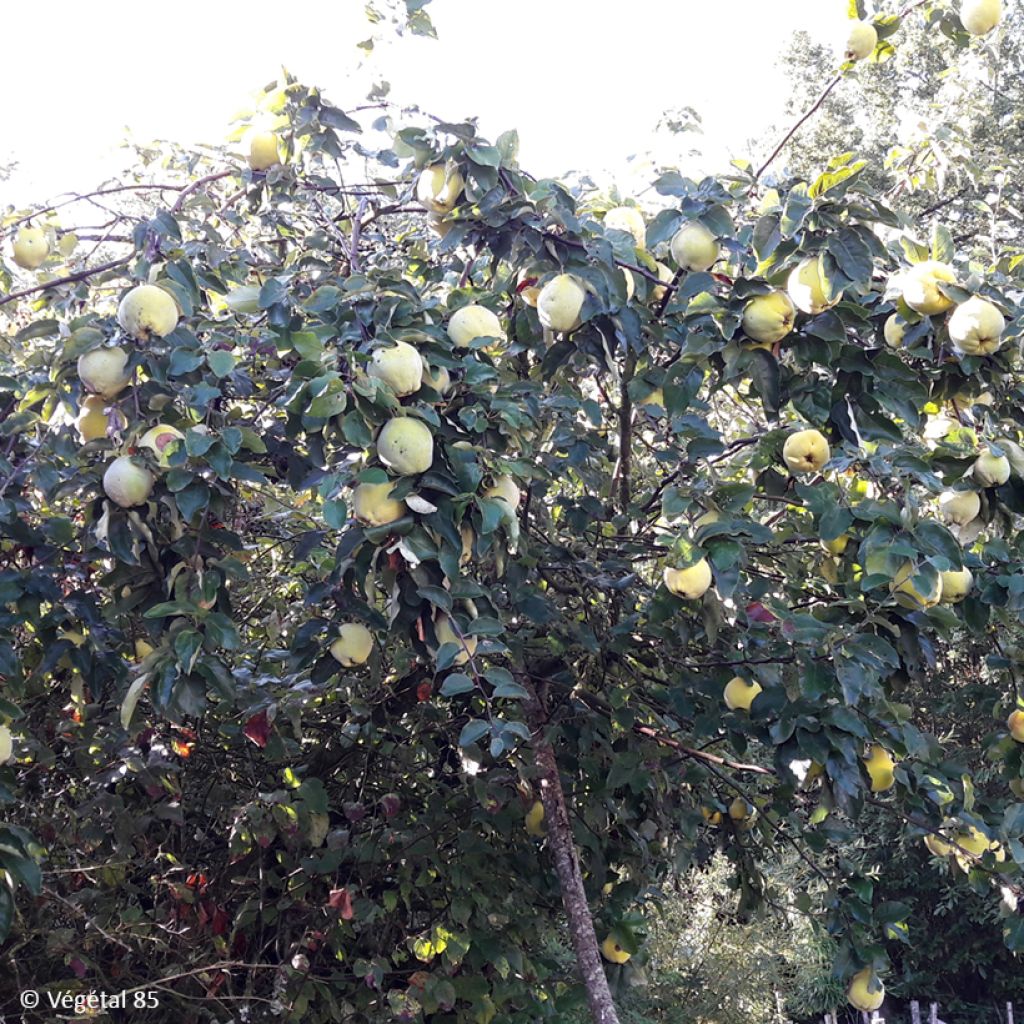
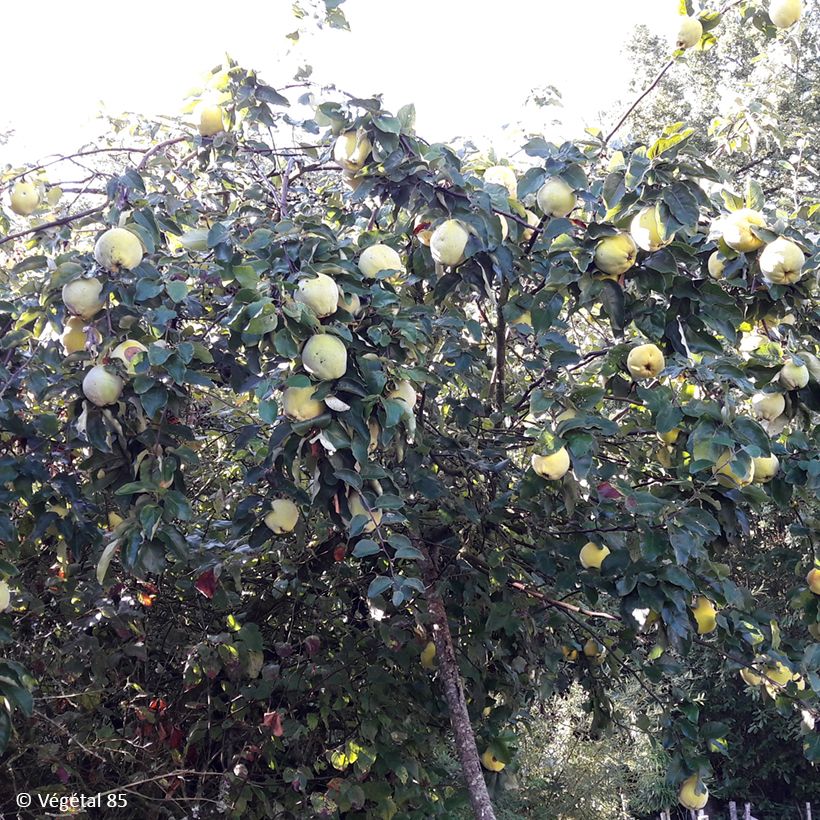
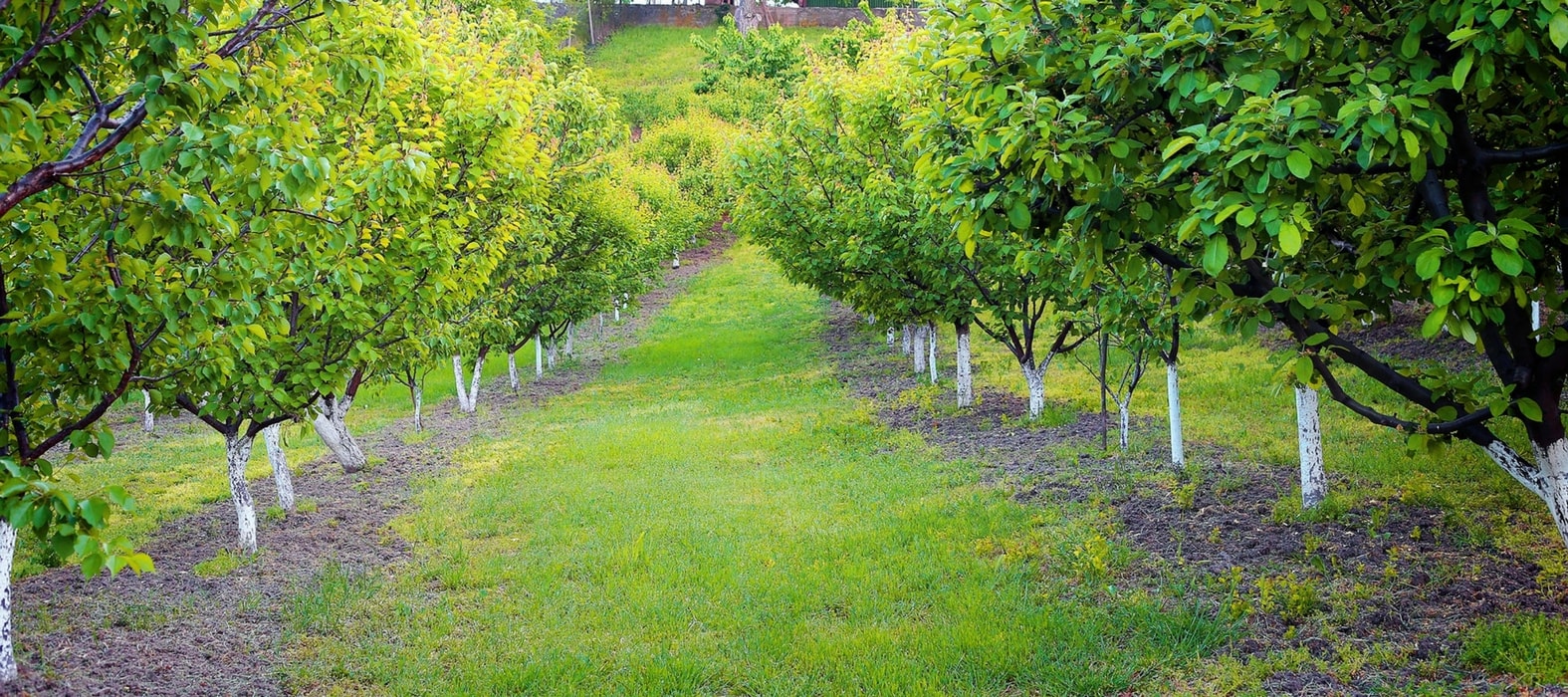
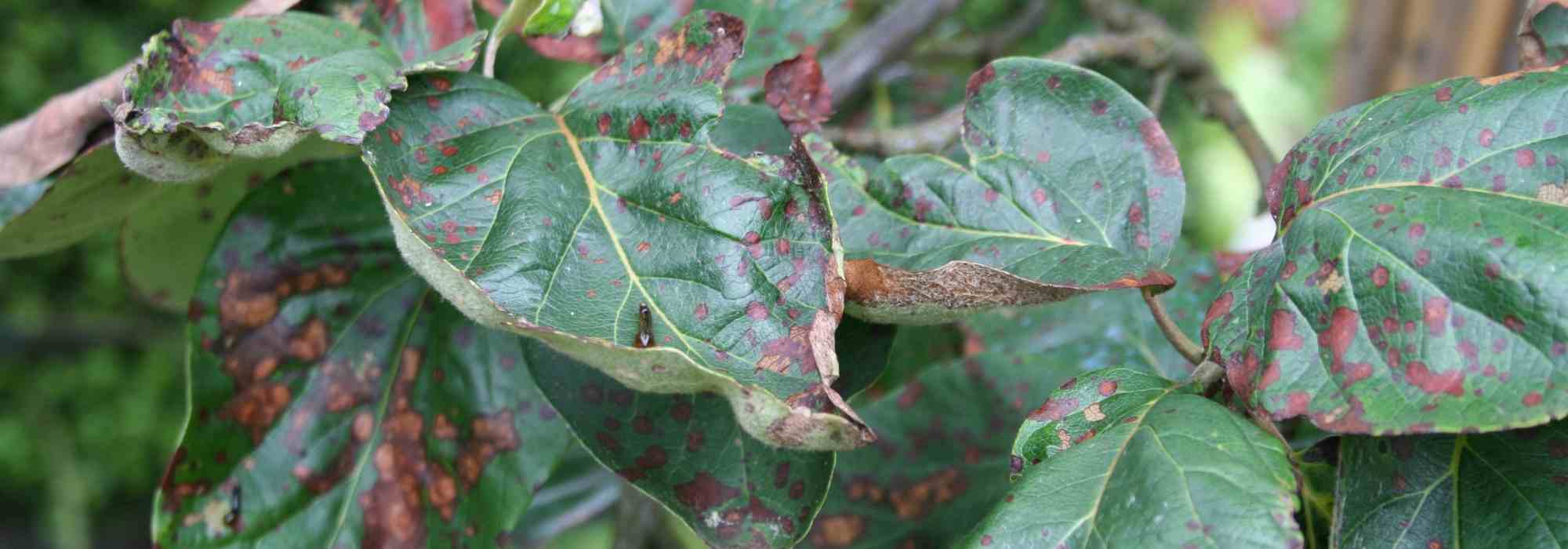
The variety 'Aromatnaya', also known as 'Krymsk', was obtained in Russia. This quince tree forms a small bushy tree, with an upright habit and a rounded crown, reaching 4 metres in height, with a diameter of 2 to 3 metres approximately. It is recognizable by its twisted branches, with a bark of a grayish-brown colour covered with lenticels. Its deciduous foliage consists of oblong, alternate leaves measuring 6 to 10 cm in length and 4 to 6 cm in width, with a wavy edge, almond green with a silvery white underside, turning yellow-orange in autumn before falling. In April-May, the solitary flowers appear as pink buds, then bloom into a large corolla with 5 petals, 3 to 5 cm in diameter, white, tinged with pale pink. It is a remarkably decorative flowering tree in spring, fragrant and particularly melliferous and nectariferous. This hardy tree can withstand temperatures around -25°C, but dislikes summer humidity which promotes the appearance of spots on leaves and fruits, such as entomosporiosis. Its late flowering is not greatly affected by spring frosts. A self-fertile variety, not requiring other quince trees nearby for pollination, but the presence of another quince tree will enhance fertility. Fruit harvesting begins around mid-October and extends until November, as they ripen.
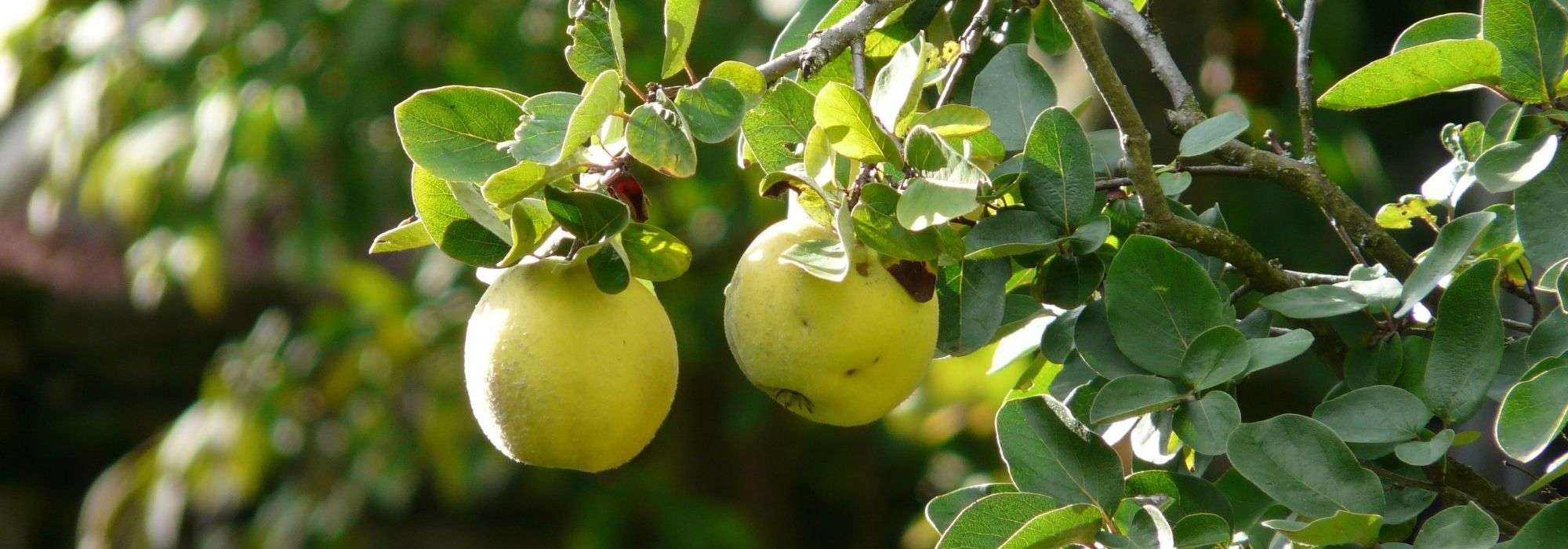
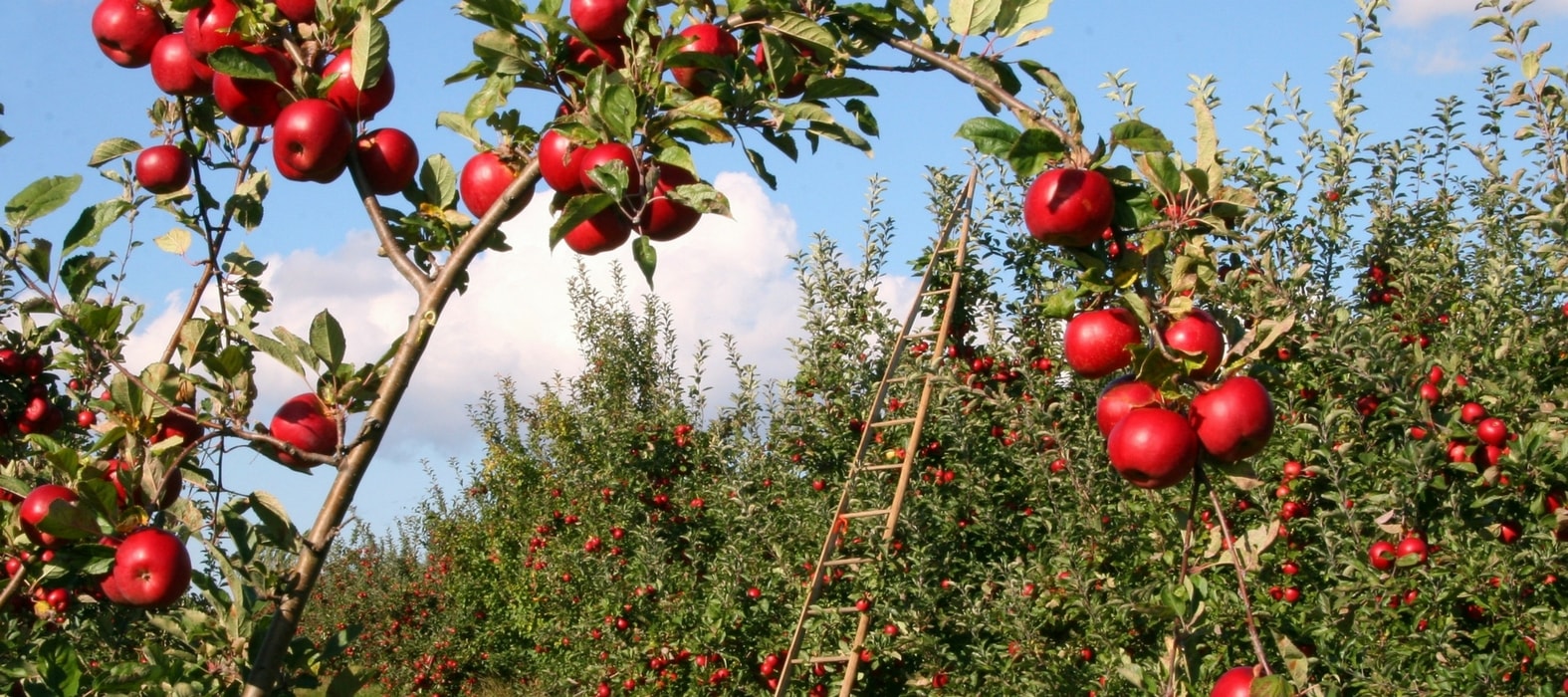
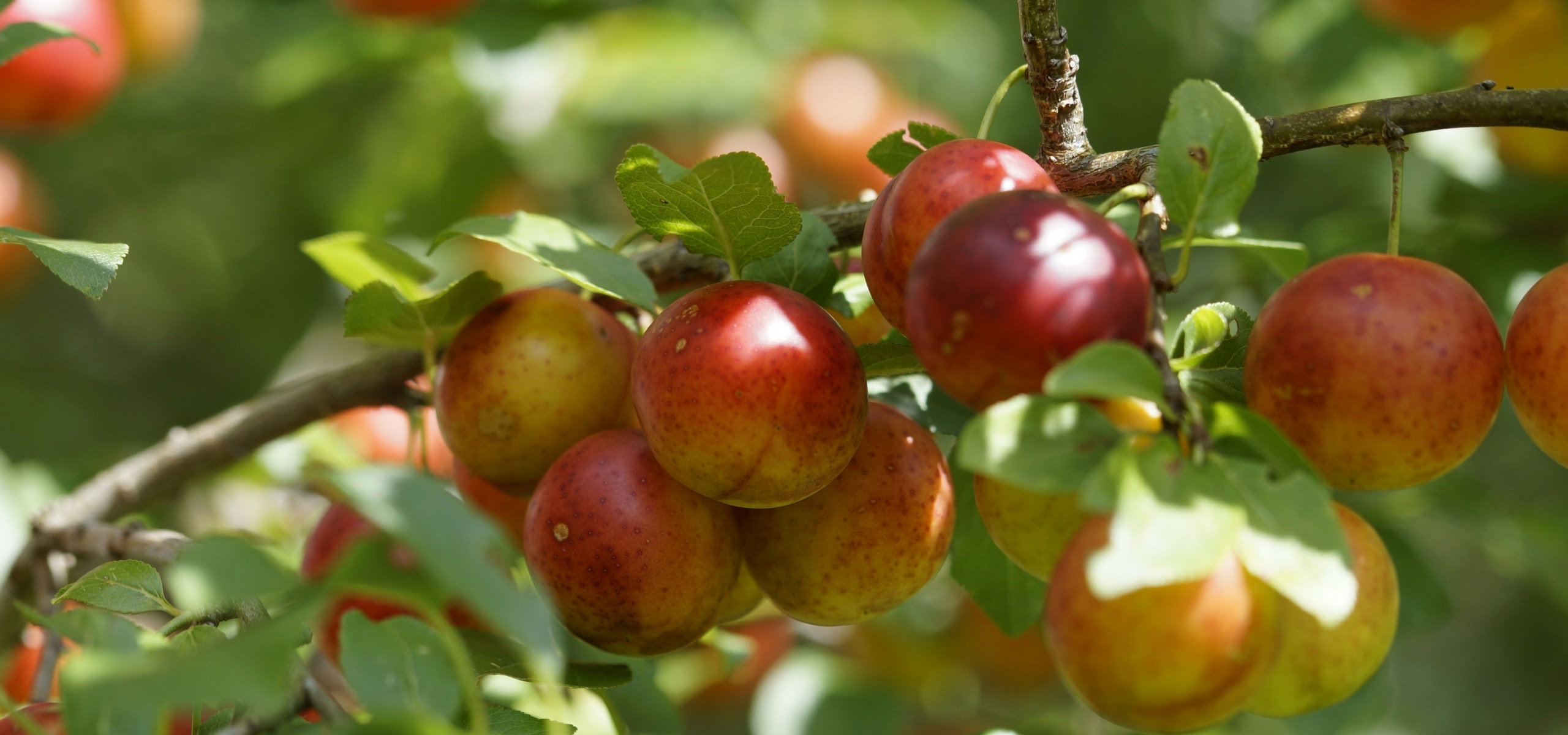
'Aromatnaya' produces fruits with a diameter of 7 to 10 cm, weighing up to 600 grams, round in shape, ribbed, and slightly flattened at the base. Its thick skin is of a golden yellow colour, with greenish hues on the shaded side, covered with a light fuzzy film that more or less disappears at full ripeness. Its light yellow flesh is firm, fine, highly aromatic, moderately sweet, with a slightly astringent taste, containing brownish pips. More astringent when raw, the flesh of quince 'Aromatnaya' with pineapple and lemon aromas and almond notes, intensifies in flavour and aroma when cooked, in countless sweet or savoury recipes.
Quinces are harvested by hand before they fall from the tree to prevent damage. The fruits are consumed immediately after harvesting. The flesh oxidizes quickly once the skin is removed, but without altering the taste. Slightly sweet, quince is particularly rich in fibre, especially pectin, a naturally gelling carbohydrate. It is also rich in antioxidants, vitamin C, and minerals (copper and potassium). This natural pectin richness facilitates the transformation of fruits into jams, quince pastes, or jellies. Paired with apples, quince is delicious in compotes. It also enhances the flavours in sweet recipes (crumble, tart, cake, ...) but also as an accompaniment to savoury dishes with poultry (guinea fowl, duck...), pork, game, or fish (salmon, sea bream...) or in harmony with a cheese platter. Quinces affect the ripening of other pome fruits, so it is advisable not to store them together.
Easy to grow and undemanding, the quince tree prefers a sunny exposure, ordinary soil, rich, deep, without excess limestone. The 'Aromatnaya' Quince offers an abundant harvest and rapid fruiting, around 3 to 4 years, the production of fruits becomes optimal after 5 to 6 years. It is suitable for cultivation in all regions of France, but requires warmth in autumn for good fruit ripening. With a wide range of quince tree varieties, it is easy to find the one that best suits your needs.
Quince Aromatnaya - Cydonia oblonga in pictures


Plant habit
Fruit
Flowering
Foliage
Botanical data
Cydonia
oblonga
Aromatnaya
Rosaceae
Quince
Cydonia oblonga Krymsk
Cultivar or hybrid
Planting and care
Easy to grow, the Quince Aromatnaya can be grown in all types of soils, neutral, acidic or even slightly chalky. Planting Quince should be done in autumn or winter, avoiding frost. It appreciates sunny or semi-shaded exposures and sheltered locations. Quince thrives in fertile and light soils. If you plant several plants, space them 4 to 6 m apart for a fruitful harvest.
Prepare the soil by removing rocks and unwanted herbs. Dig a hole 50 to 60 cm in all directions. Make sure to separate the subsoil from the topsoil. Mix crushed horn or well-rotted compost or potting soil with the subsoil and pour this mixture into the planting hole. Install a stake. Place the root ball, cover with the topsoil, and tamp down well. Water generously (about 10 L). Tie the stake to the plant, crossing the tie in a figure-eight shape without touching the trunk.
Water regularly, especially during the first years after planting and in case of high temperatures. Mulch around the soil to reduce watering and weed growth.
Quince may be susceptible to moniliosis (a fungus causing fruit rot) and entomosporiosis (a fungus causing brown spots on the leaves). Remove affected fruits. Spray a horsetail decoction during flowering and treat with copper-based treatments like Bordeaux mixture when the leaves fall and at budburst. In case of aphid infestation, spray water with black soap.
Planting period
Intended location
Care
Planting & care advice
-
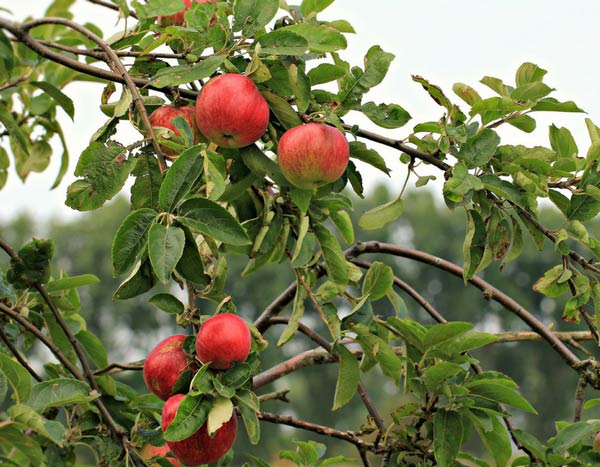
-
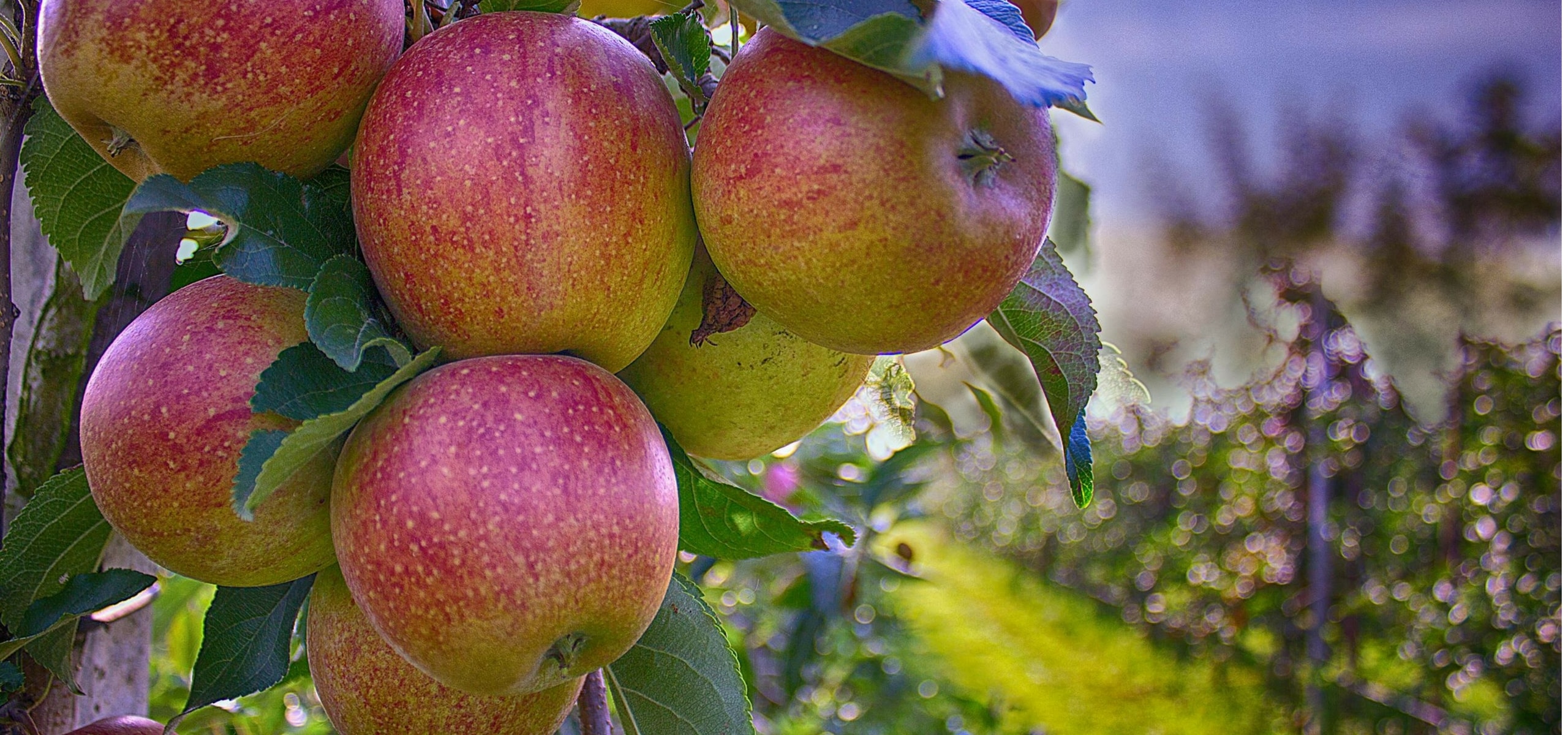
-
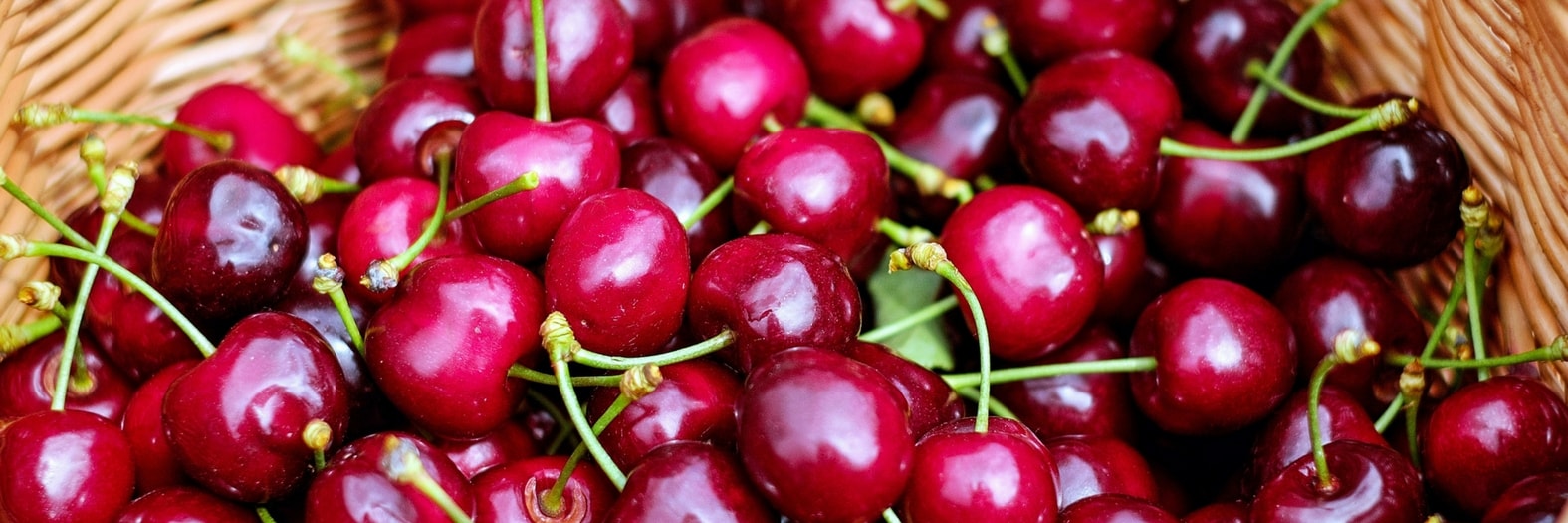
-
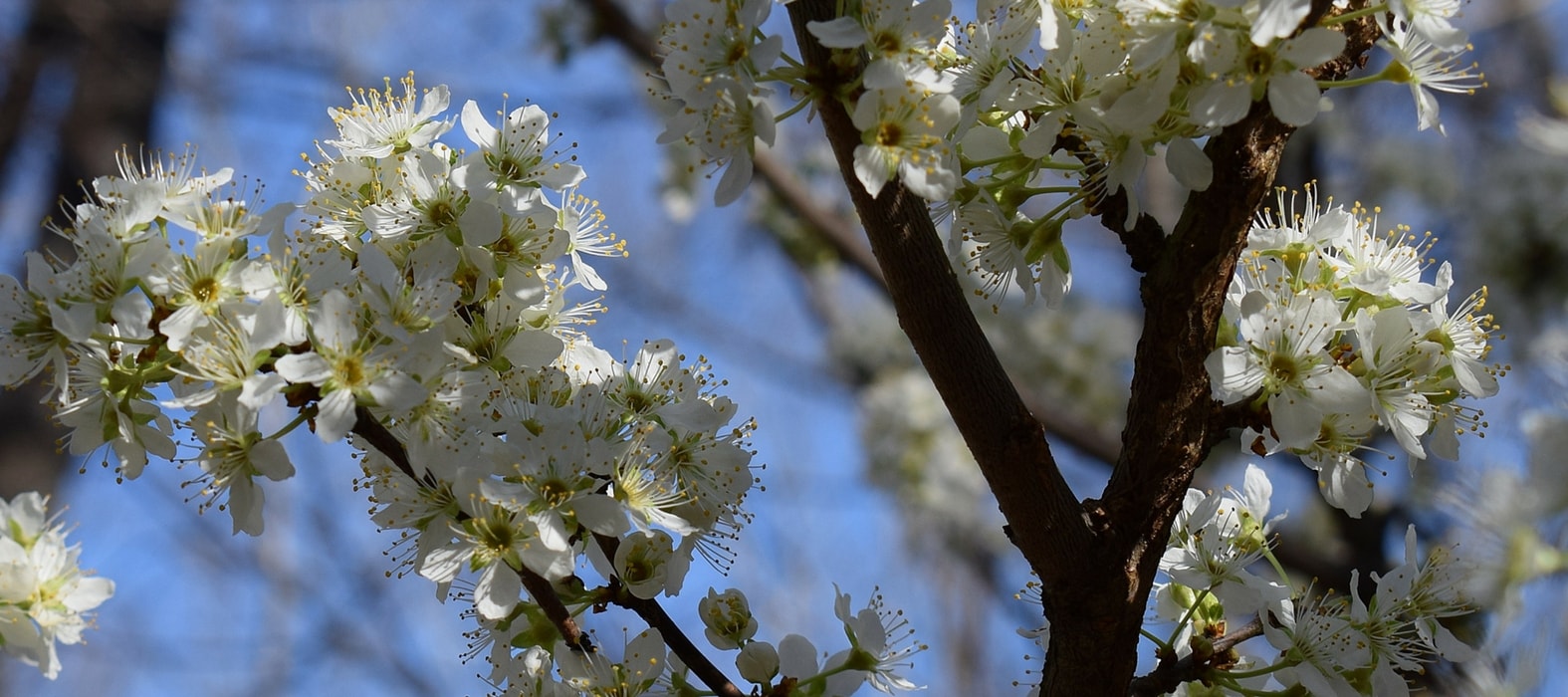
-
-
-
-
-
, onOrder confirmed
Reply from on Promesse de fleurs
Recently viewed products
Haven't found what you were looking for?
Hardiness is the lowest winter temperature a plant can endure without suffering serious damage or even dying. However, hardiness is affected by location (a sheltered area, such as a patio), protection (winter cover) and soil type (hardiness is improved by well-drained soil).
In temperate climates, pruning of spring-flowering shrubs (forsythia, spireas, etc.) should be done just after flowering.
Pruning of summer-flowering shrubs (Indian Lilac, Perovskia, etc.) can be done in winter or spring.
In cold regions as well as with frost-sensitive plants, avoid pruning too early when severe frosts may still occur.
The harvesting period indicated on our website applies to countries and regions in USDA zone 8 (France, England, Ireland, the Netherlands).
In colder areas (Scandinavia, Poland, Austria...) fruit and vegetable harvests are likely to be delayed by 3-4 weeks.
In warmer areas (Italy, Spain, Greece, etc.), harvesting will probably take place earlier, depending on weather conditions.
The sowing periods indicated on our website apply to countries and regions within USDA Zone 8 (France, UK, Ireland, Netherlands).
In colder areas (Scandinavia, Poland, Austria...), delay any outdoor sowing by 3-4 weeks, or sow under glass.
In warmer climes (Italy, Spain, Greece, etc.), bring outdoor sowing forward by a few weeks.
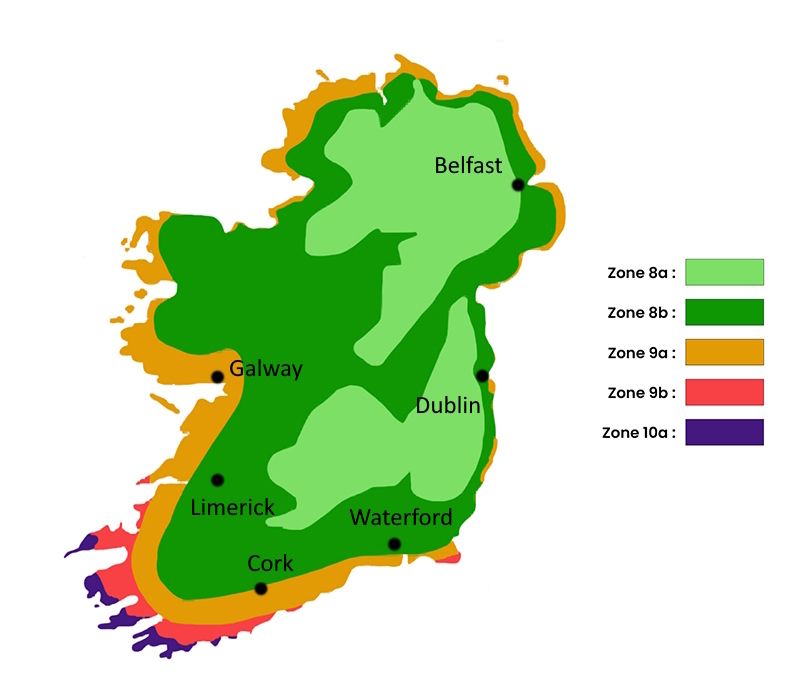
The planting period indicated on our website applies to regions in USDA Zone 9a (East Coast and Midlands: Dublin, Wexford, Waterford, Kilkenny, Portlaoise). It will vary depending on where you live:
- On the west coast and in the north-west (Galway, Limerick, Sligo, Donegal, Westport), delay planting by 1 to 2 weeks in spring and bring it forward by 1 to 2 weeks in autumn compared to the dates given, preferably choosing periods without strong winds.
- In the inland hills and plateaus (Wicklow Mountains, Macgillycuddy’s Reeks, Connemara, Killarney), it is best to plant in spring (April–May) or autumn (September–October), avoiding periods of waterlogged soil in winter and strong winds, which pose the main risk to newly planted trees in these areas.
The flowering period indicated on our website applies to regions in USDA Zone 9a, such as the East Coast and Midlands, including Dublin, Wexford, Waterford, Kilkenny and Portlaoise.
This will vary depending on where you live:
- On the west coast and in the northwest (Galway, Limerick, Sligo, Donegal and Westport), it will be delayed by one to two weeks compared to the given dates, due to stronger Atlantic winds and less spring sunshine.
- In the inland hills and plateaus (the Wicklow Mountains, the Macgillycuddy's Reeks, Connemara and Killarney), flowering will be delayed by two to three weeks. Flowering mainly occurs between May and July, with the limiting factors being less frost and more of the excessive humidity, strong winds and lack of sunshine that are characteristic of these areas.
Shipping country and language
Your country of residence may be:
Your country of residence is:
For a better user experience on our website, you can select:
Your shipping country:
-
 Austria
-
 Belgium
-
 Bosnia & Herzegovina
-
 Bulgaria
-
 Croatia
-
 Cyprus
-
 Czechia
-
 Denmark
-
 Estonia
-
 Finland
-
 France
-
 Germany
-
 Greece
-
 Hungary
-
 Iceland
-
 Ireland
-
 Italy
Italy
-
 Latvia
-
 Liechtenstein
-
 Lithuania
-
 Luxembourg
-
 Malta
Malta
-
 Netherlands
-
 Poland
-
 Portugal
-
 Romania
-
 Serbia
-
 Slovakia
-
 Slovenia
-
 Spain
Spain
-
 Sweden
-
 Switzerland
Language:
-
French
-
 English
-
Spanish
-
Italian
-
German
-
Portuguese
-
Dutch
-
Finnish
My Account
Hello
My wish lists
My cart
Log in / Register
Existing customer?
This form is protected by reCAPTCHA - the Google Privacy Policy and Terms of Service apply.
New customer?
Create an account to track your orders, access our customer service and, if you wish, make the most of our upcoming offers.