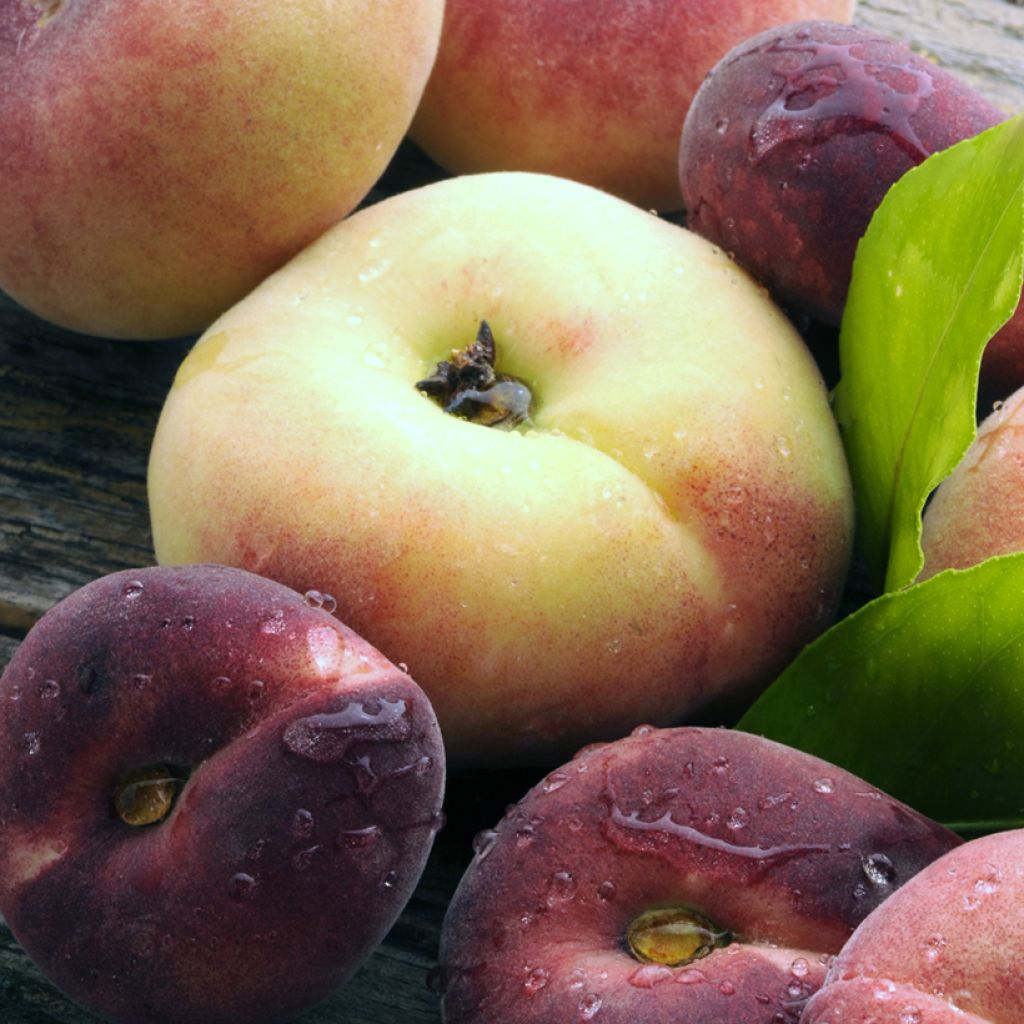
Prunus persica Platicarpa bianca - Flat Peach tree
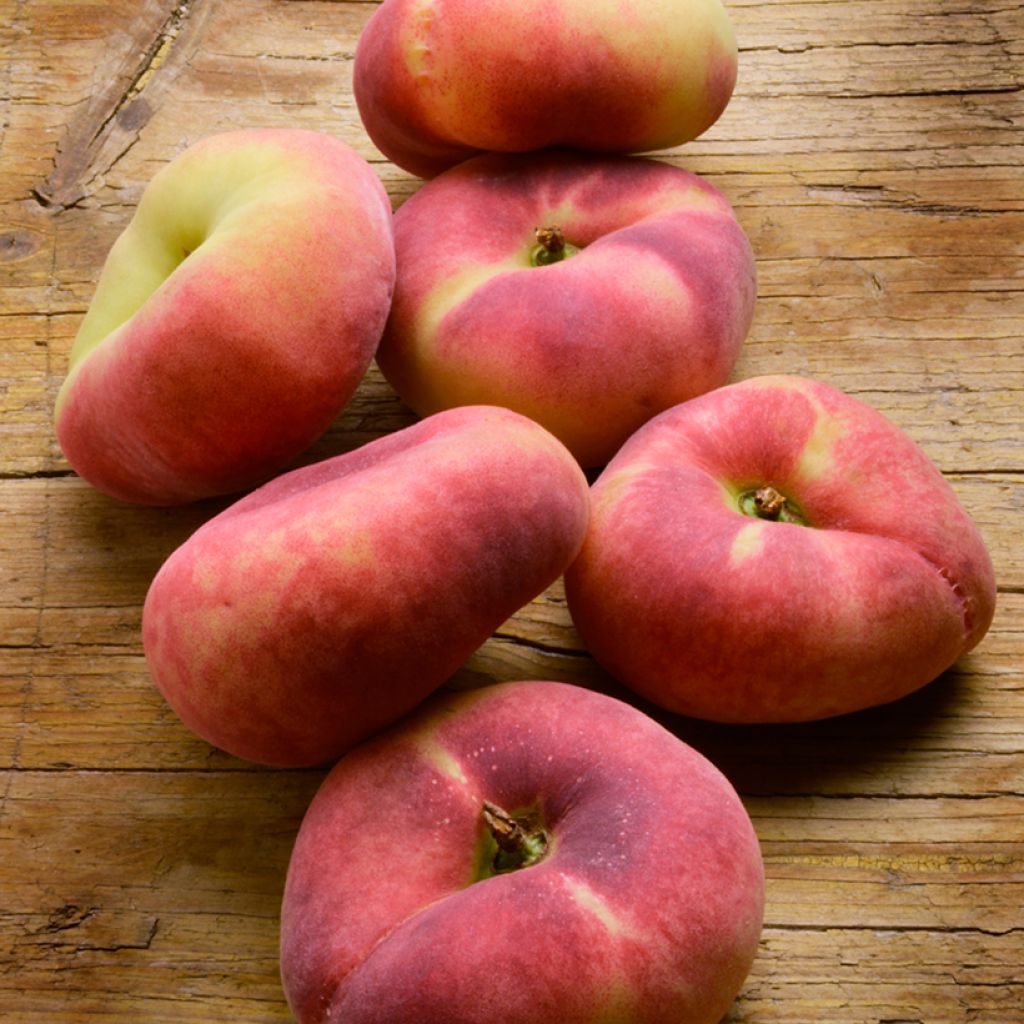
Prunus persica Platicarpa bianca - Flat Peach tree
Prunus persica Platicarpa bianca - Flat Peach tree
Prunus persica Platicarpa bianca
Flat Peach, Saturn
Beautiful plant, well-developed head received very well protected. Late flowering is a plus and moderate growth so it doesn't take up too much space. Perfect.
Kellordas, 21/12/2024
Back-to-school special offer!
Get €10 off for every €50 you spend! And get up to €40 off on a single order.
How does it work?
1. Shop your favourites
Add your favourite plants to your basket. For every €50 you spend (excluding delivery charges, store credit and the plastic-free option), you’ll receive a €10 voucher.
€50 spent = €10 voucher
€100 spent = €20 voucher
€150 spent = €30 voucher
€200 spent = €40 voucher
2. Place your order
Once your basket reaches one of the spending thresholds, place your order. You can even choose your delivery date!
3. Receive your voucher
As soon as your order has been shipped, you’ll receive an email containing your personal voucher code and its value.
4. Use it on your next order
Your voucher is valid for 90 days from the date you receive it. It can be used once only, on a new order worth at least the value of the voucher, excluding delivery charges.
Please note: Vouchers can be combined with other offers, but cannot be split or refunded.
Home or relay delivery (depending on size and destination)
Important: You may be charged customs duties by your country’s customs authorities upon delivery.
Schedule delivery date,
and select date in basket
This plant carries a 12 months recovery warranty
More information
We guarantee the quality of our plants for a full growing cycle, and will replace at our expense any plant that fails to recover under normal climatic and planting conditions.

Description
The Peach Tree Platicarpa bianca is a variety of Prunus persica with flat peaches, moderately vigorous and very productive. The spreading bushy tree produces flat peaches of pale yellow colour with pink hues when ripe, with thin and fuzzy skin. The large fruits offer white, tender, very sweet, soft and juicy flesh, with a highly aromatic and fragrant flavour. This fairly hardy variety can be grown in most regions, although the south remains its preferred area. However, its semi-late flowering makes it less susceptible to late spring frosts than others.
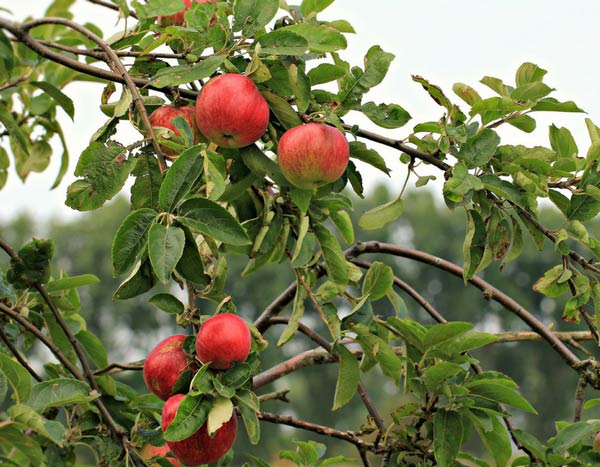
The Prunus genus, which includes fruit trees and ornamental plants, trees and bushes, is part of the extensive Rosaceae family. It is home to the majority of other fruit trees (Apple, Cherry, Apricot...), wild plants from the countryside and forests, and numerous ornamental plants (Kerria, Photinia, Amelanchier, Roses...). The name of the Prunus persica species comes from the Greeks who, during Alexander's expedition (4th century BC), discovered it in Persia and named it Persian apple, malum persicum. At that time, they were unaware that this small tree, although long cultivated in Persia, was actually native to Northern China and Mongolia.
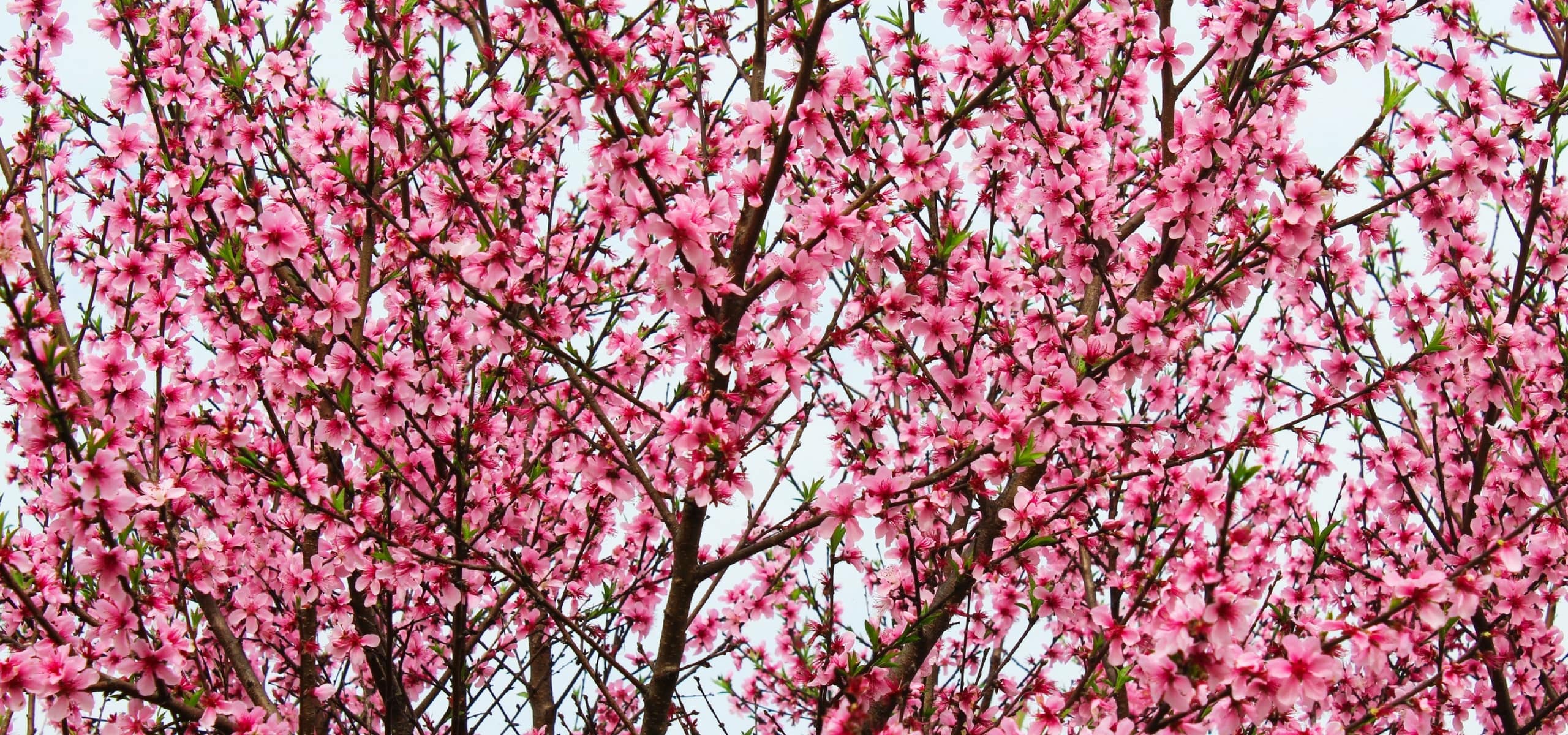
Platicarpa bianca forms a small tree with a spreading habit, reaching 3 to 4 m in height, with a spread of 3.5 to 4 m. Its growth is moderately vigorous, with the plant budding relatively early in the season. However, flowering is semi-late, occurring towards the end of March and April, which exposes the flowers less to the risks of spring frost. The variety is self-fertile, eliminating the need to plant another tree for pollination. It also demonstrates significant floribundity, giving it a some ornamental interest when the small light pink flowers bloom. The fruit size is generally 120 to 160 grams, with a diameter of 6 to 8 cm. Ripening from mid-July in southern regions, and in August further north, the peaches are flat with a thick skin that turns from yellow to pink when ripe. The medium-sized stone is free, making fruit consumption easier. The white flesh is tender, with a fine and juicy texture. Fragrant and sweet, it is sweeter than round fruits. Peaches can be enjoyed raw, cooked, sweet, savoury, flambéed, frozen, or poached. They pair well with wine and certain meats, such as duck. They are found in numerous recipes, including jams, compotes, and pastries.
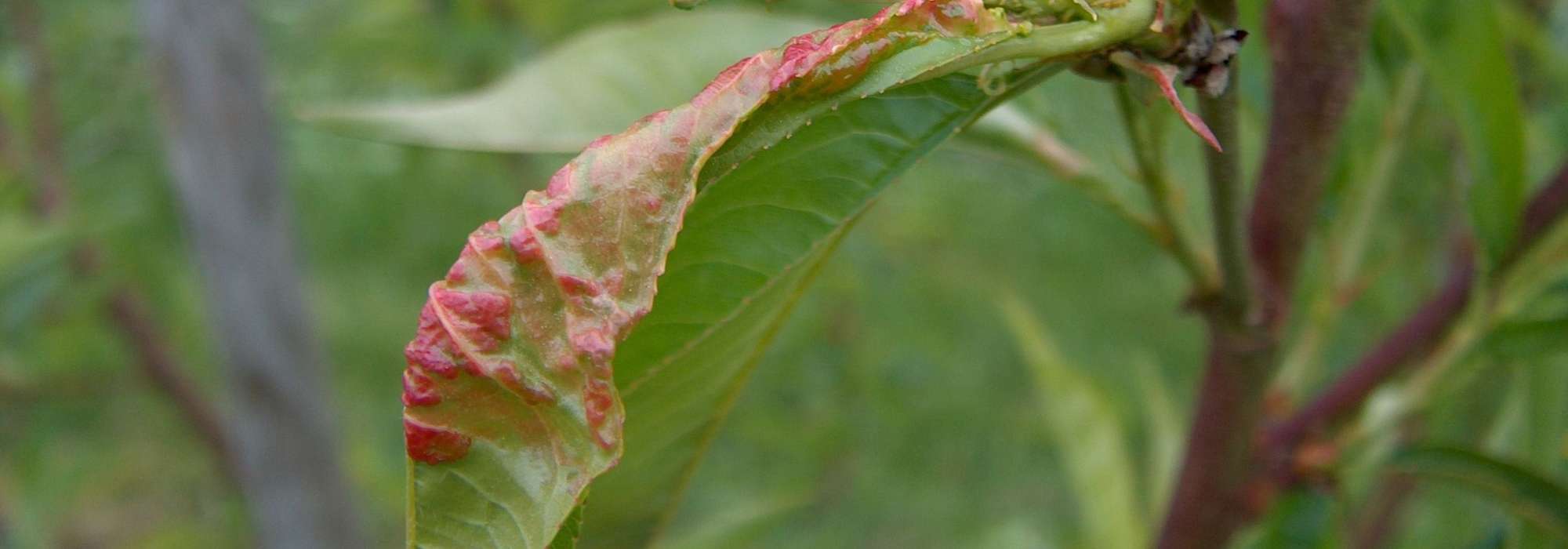
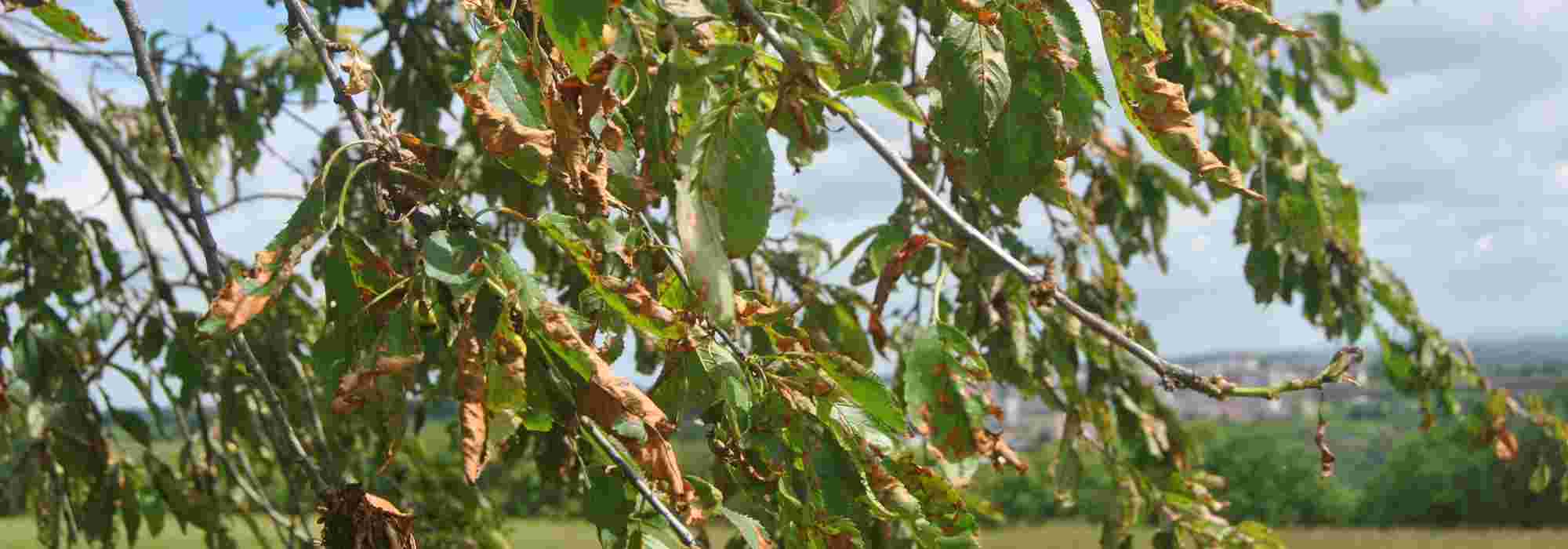
The very generous production of the Peach Tree Platicarpa bianca typically starts 2 to 3 years after planting. It is moderately resistant to common diseases, but it is a good idea to look out for peach leaf curl and apply preventive treatments if necessary.
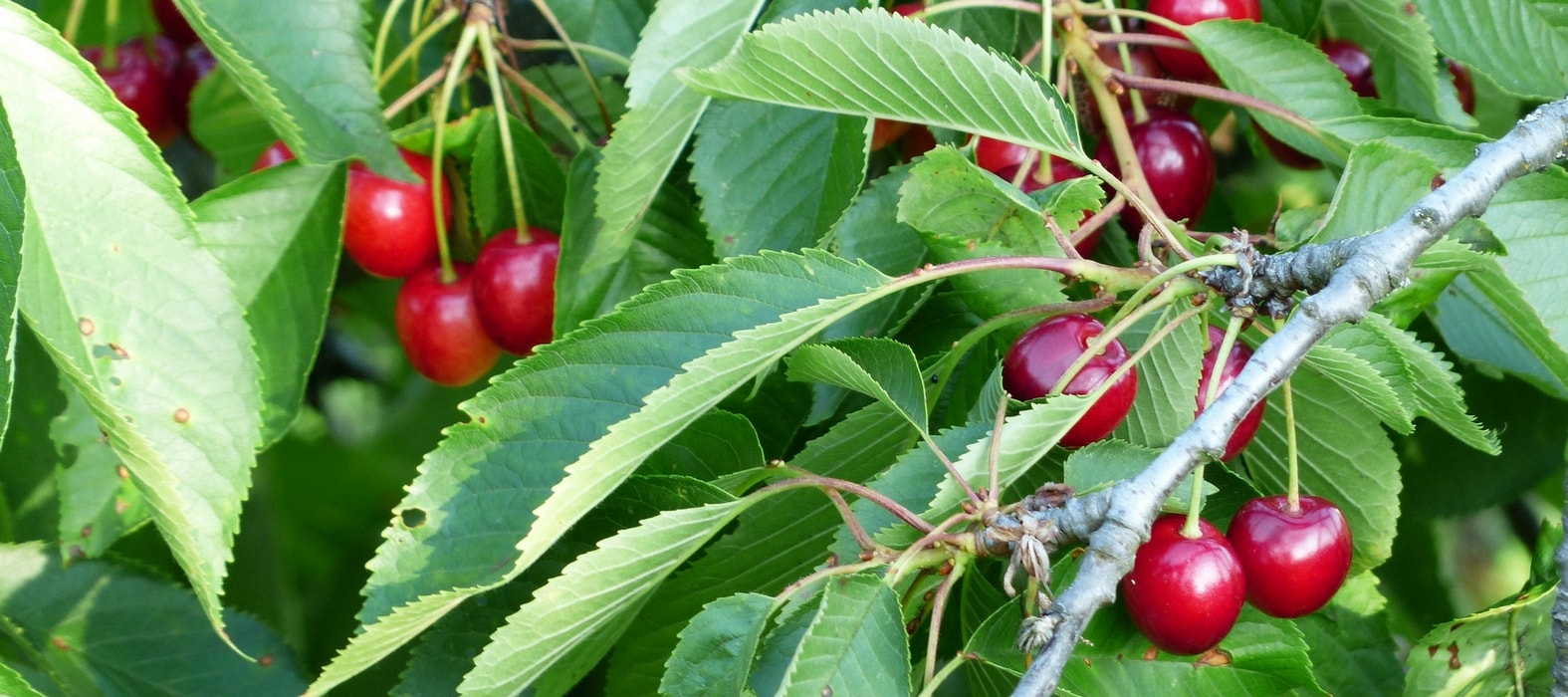
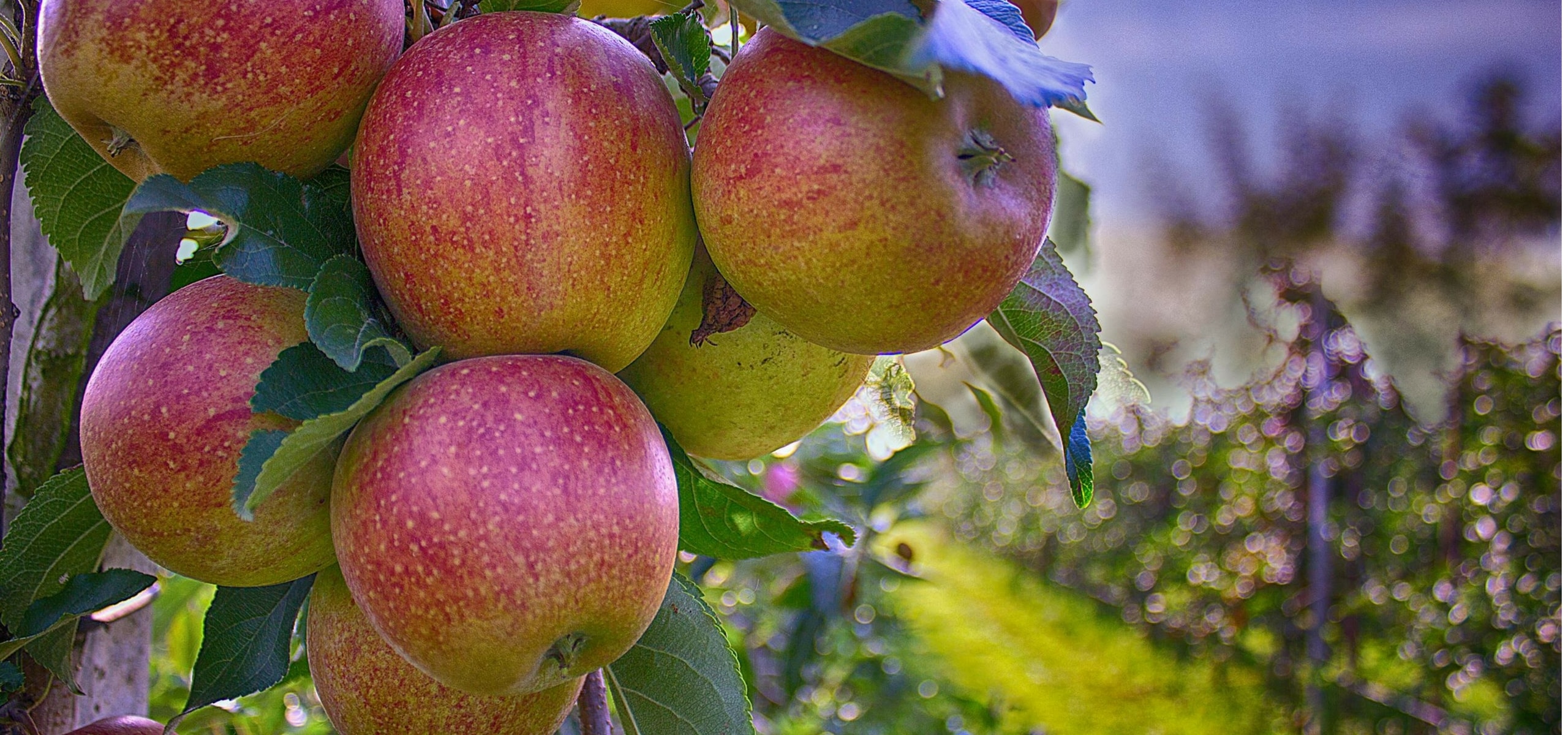
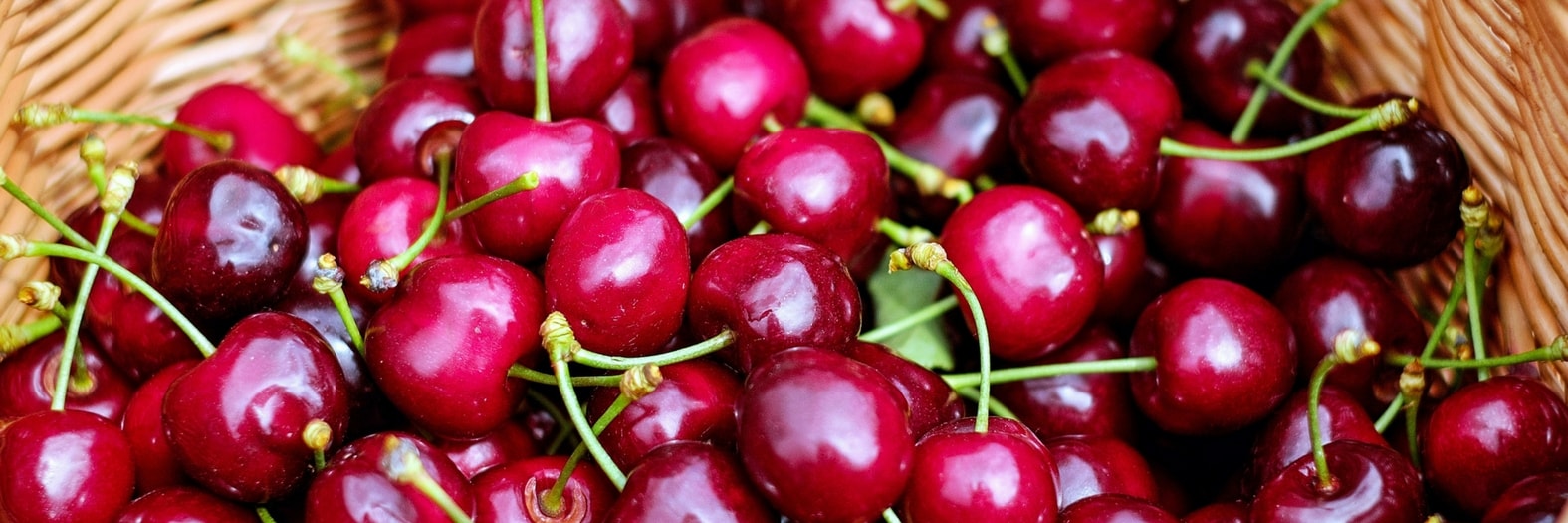
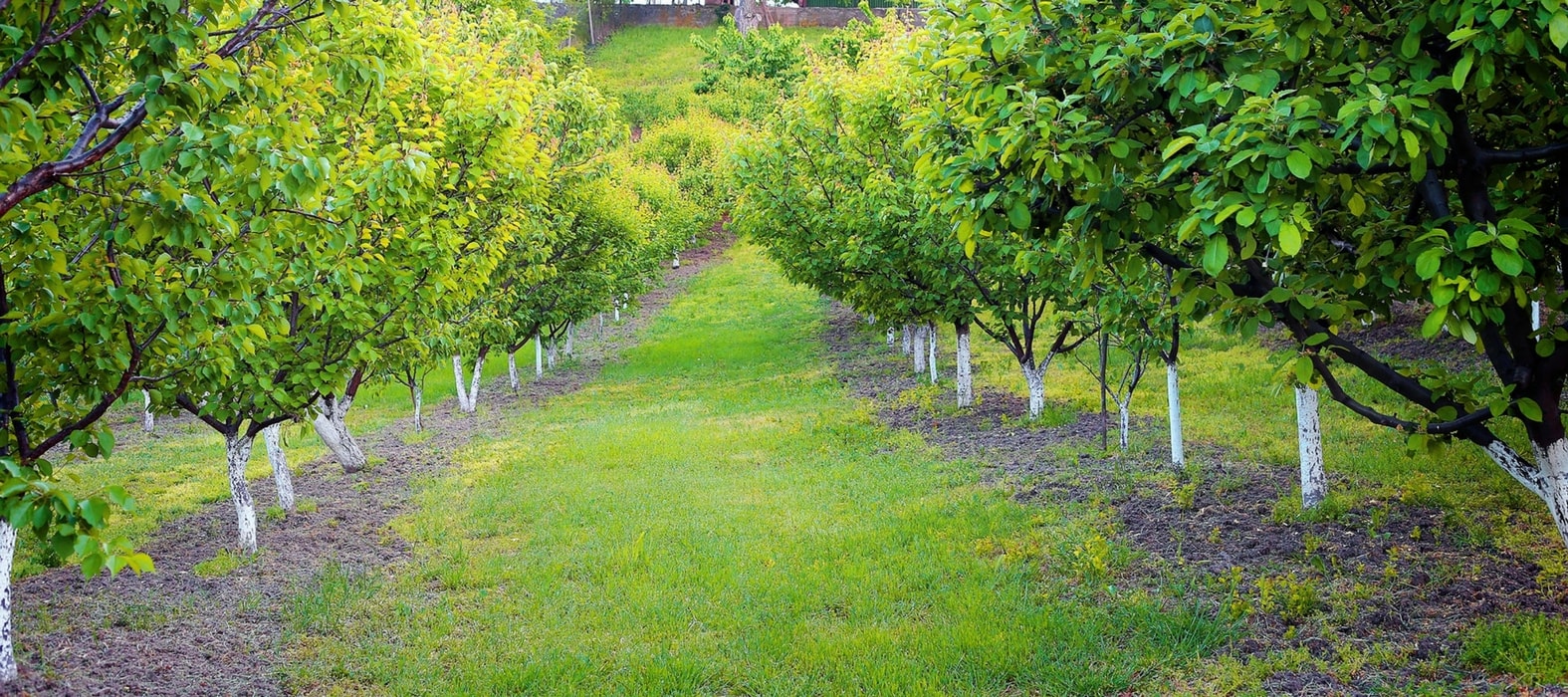
Highly productive and easy to grow, the Platicarpa bianca peach tree can be the starting point of a small orchard where you can combine it with other unique fruit trees, such as the Stark Gold Sweet Cherry Tree. This self-fertile tree produces golden cherries that bring a surprising ornamental touch. To maintain both an ornamental and edible theme, the Korea Persimmon Tree stands out as an obvious choice. Not only does this Persimmon offer delicious late-season fruits from October, but they are particularly decorative and visible when the tree has shed its leaves. And before they fall, the leaves provide a spectacular display of flamboyant colours.
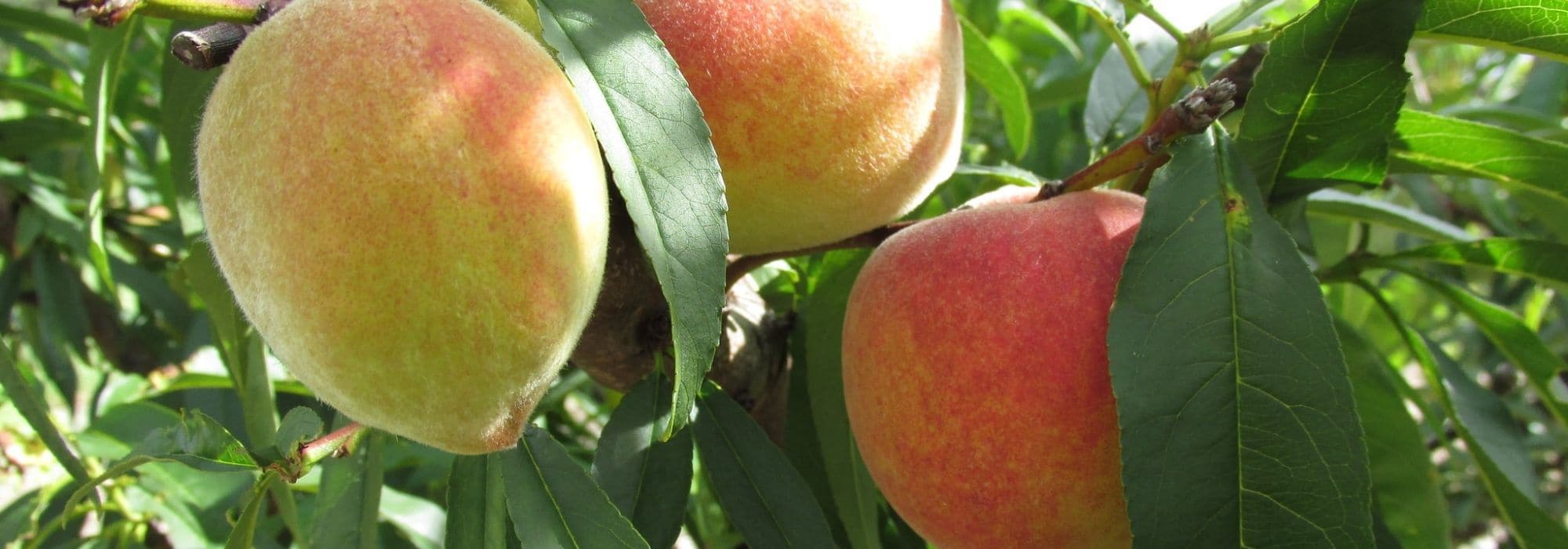
Prunus persica Platicarpa bianca - Flat Peach tree in pictures
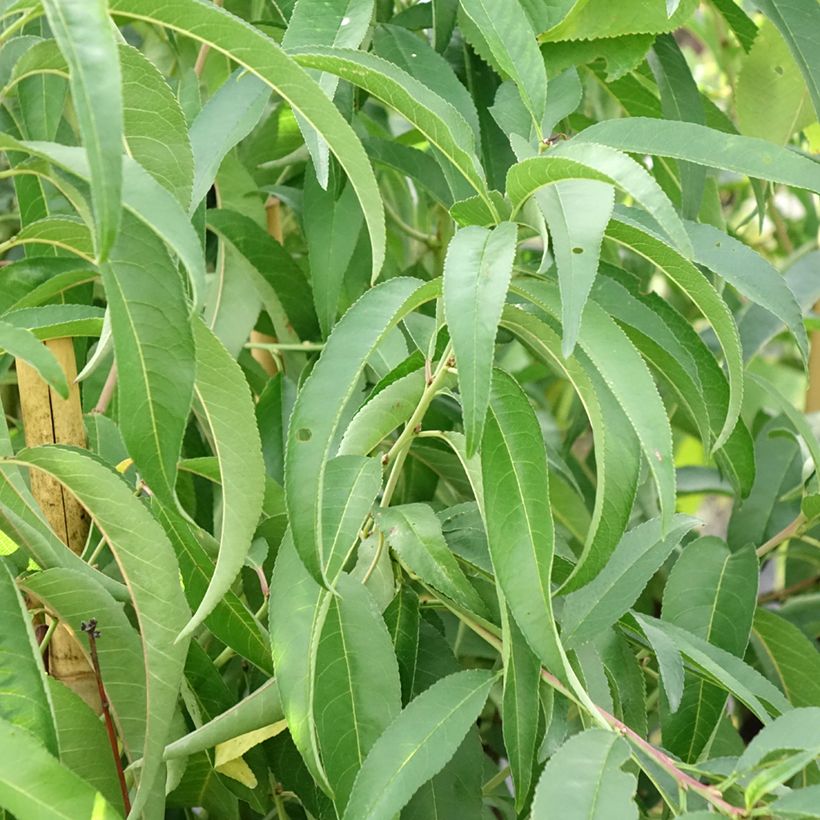
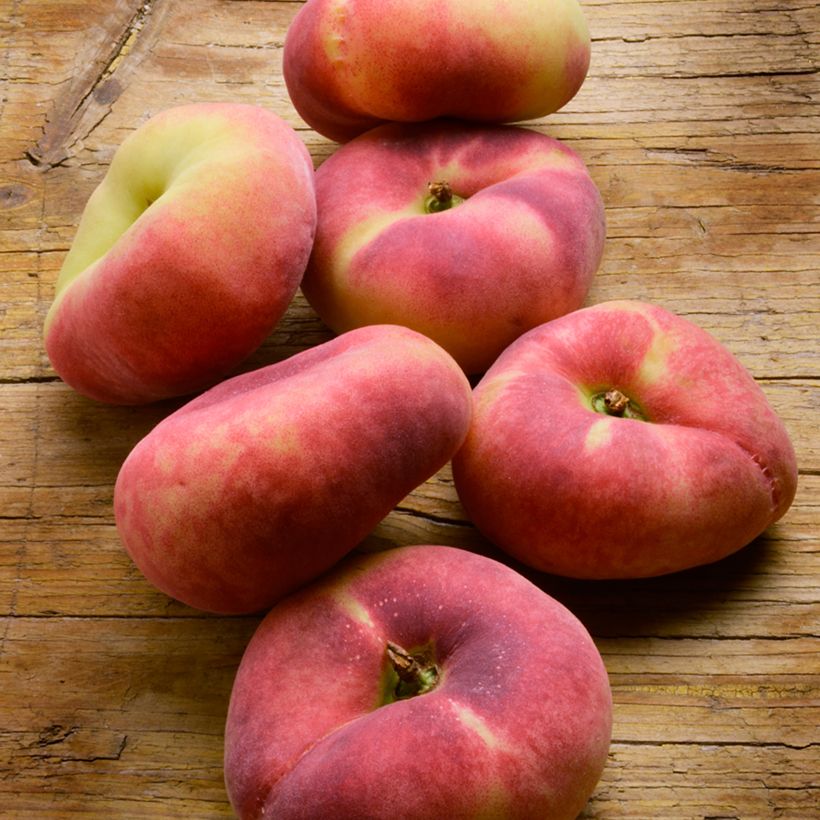
Plant habit
Fruit
Flowering
Foliage
Planting and care
The Platicarpa Bianca peach tree is preferably planted from October to December. Dig a hole two to three weeks before planting, twice as wide and deep as the pot. On planting day, place the tree with its pot in a tub of water, to moisten the entire root ball by capillarity. Place compost at the bottom of the hole. Place the tree in the hole, fill with soil mixed with compost. Gently firm around the base of the fruit tree as you fill, ensuring the roots are in close contact with the soil. The root ball should be completely covered, then water generously. Not very demanding in terms of soil type, it prefers light and permeable soils. Choose a sunny location as this variety doesn't like shade. Feed with an organo-mineral fertiliser richer in potash than in nitrogen from May onwards, in small and divided quantities to avoid sudden changes.
Planting period
Intended location
Care
Planting & care advice
-
-
-
-
-
-
-
-
-
, onOrder confirmed
Reply from on Promesse de fleurs
Recently viewed products
Haven't found what you were looking for?
Hardiness is the lowest winter temperature a plant can endure without suffering serious damage or even dying. However, hardiness is affected by location (a sheltered area, such as a patio), protection (winter cover) and soil type (hardiness is improved by well-drained soil).
In temperate climates, pruning of spring-flowering shrubs (forsythia, spireas, etc.) should be done just after flowering.
Pruning of summer-flowering shrubs (Indian Lilac, Perovskia, etc.) can be done in winter or spring.
In cold regions as well as with frost-sensitive plants, avoid pruning too early when severe frosts may still occur.
The harvesting period indicated on our website applies to countries and regions in USDA zone 8 (France, England, Ireland, the Netherlands).
In colder areas (Scandinavia, Poland, Austria...) fruit and vegetable harvests are likely to be delayed by 3-4 weeks.
In warmer areas (Italy, Spain, Greece, etc.), harvesting will probably take place earlier, depending on weather conditions.
The sowing periods indicated on our website apply to countries and regions within USDA Zone 8 (France, UK, Ireland, Netherlands).
In colder areas (Scandinavia, Poland, Austria...), delay any outdoor sowing by 3-4 weeks, or sow under glass.
In warmer climes (Italy, Spain, Greece, etc.), bring outdoor sowing forward by a few weeks.
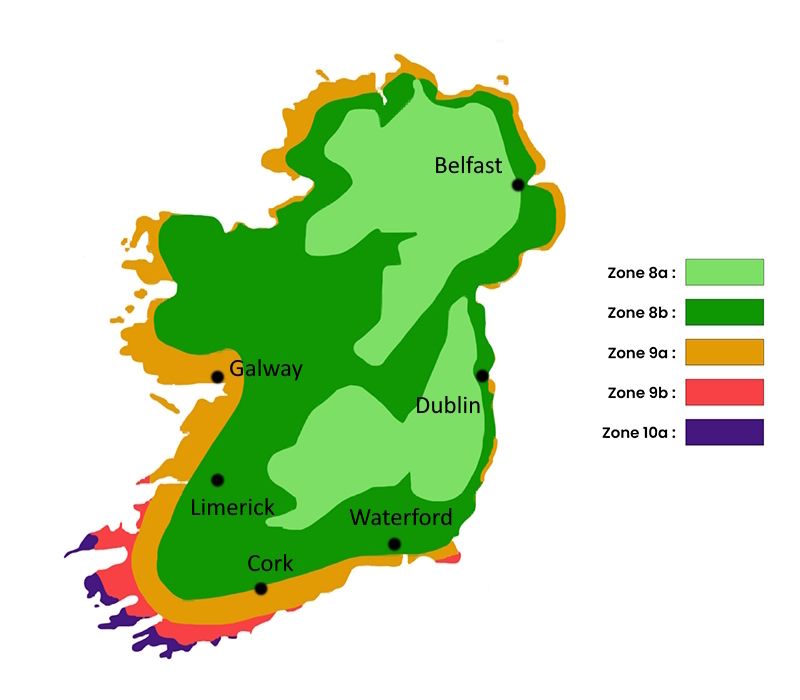
The planting period indicated on our website applies to regions in USDA Zone 9a (East Coast and Midlands: Dublin, Wexford, Waterford, Kilkenny, Portlaoise). It will vary depending on where you live:
- On the west coast and in the north-west (Galway, Limerick, Sligo, Donegal, Westport), delay planting by 1 to 2 weeks in spring and bring it forward by 1 to 2 weeks in autumn compared to the dates given, preferably choosing periods without strong winds.
- In the inland hills and plateaus (Wicklow Mountains, Macgillycuddy’s Reeks, Connemara, Killarney), it is best to plant in spring (April–May) or autumn (September–October), avoiding periods of waterlogged soil in winter and strong winds, which pose the main risk to newly planted trees in these areas.
The flowering period indicated on our website applies to regions in USDA Zone 9a, such as the East Coast and Midlands, including Dublin, Wexford, Waterford, Kilkenny and Portlaoise.
This will vary depending on where you live:
- On the west coast and in the northwest (Galway, Limerick, Sligo, Donegal and Westport), it will be delayed by one to two weeks compared to the given dates, due to stronger Atlantic winds and less spring sunshine.
- In the inland hills and plateaus (the Wicklow Mountains, the Macgillycuddy's Reeks, Connemara and Killarney), flowering will be delayed by two to three weeks. Flowering mainly occurs between May and July, with the limiting factors being less frost and more of the excessive humidity, strong winds and lack of sunshine that are characteristic of these areas.
Shipping country and language
Your country of residence may be:
Your country of residence is:
For a better user experience on our website, you can select:
Your shipping country:
-
 Austria
-
 Belgium
-
 Bosnia & Herzegovina
-
 Bulgaria
-
 Croatia
-
 Cyprus
-
 Czechia
-
 Denmark
-
 Estonia
-
 Finland
-
 France
-
 Germany
-
 Greece
-
 Hungary
-
 Iceland
-
 Ireland
-
 Italy
Italy
-
 Latvia
-
 Liechtenstein
-
 Lithuania
-
 Luxembourg
-
 Malta
Malta
-
 Netherlands
-
 Poland
-
 Portugal
-
 Romania
-
 Serbia
-
 Slovakia
-
 Slovenia
-
 Spain
Spain
-
 Sweden
-
 Switzerland
Language:
-
French
-
 English
-
Spanish
-
Italian
-
German
-
Portuguese
-
Dutch
-
Finnish
My Account
Hello
My wish lists
My cart
Log in / Register
Existing customer?
This form is protected by reCAPTCHA - the Google Privacy Policy and Terms of Service apply.
New customer?
Create an account to track your orders, access our customer service and, if you wish, make the most of our upcoming offers.