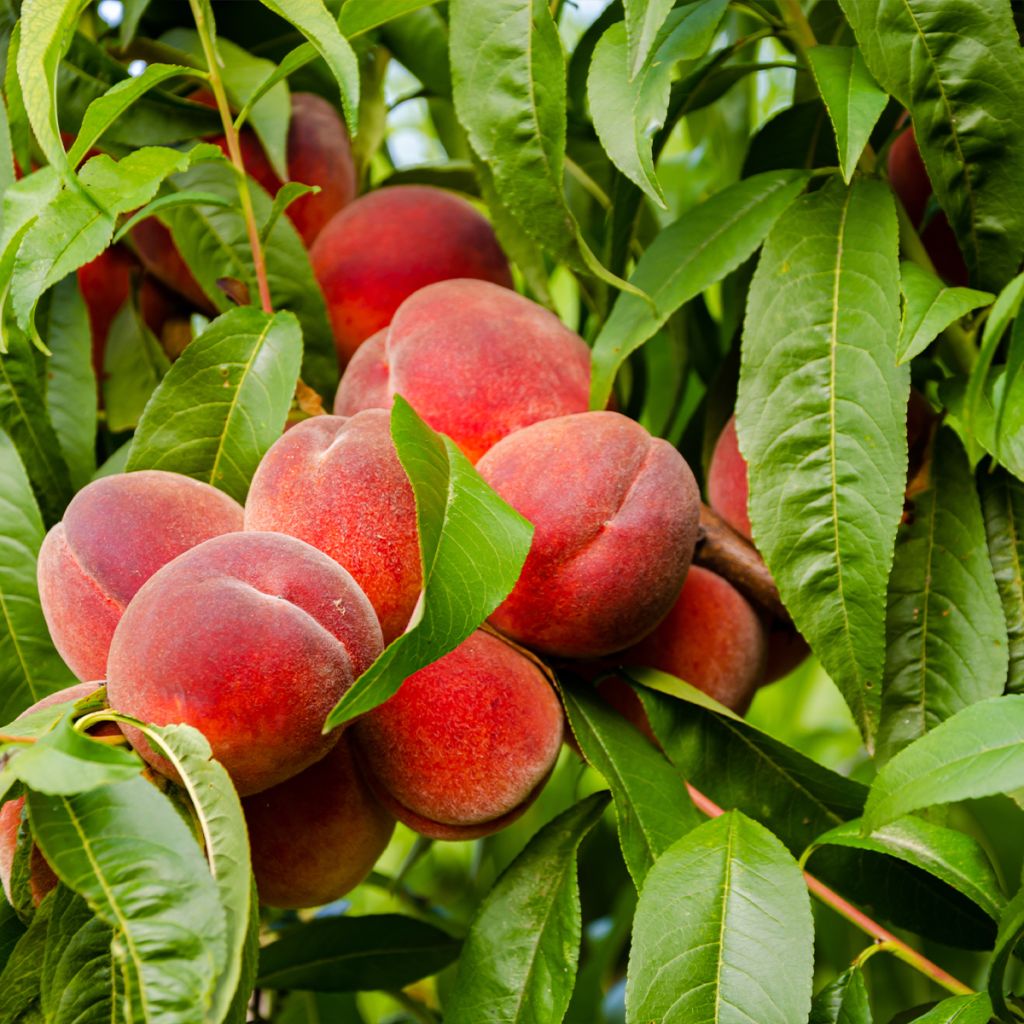
Prunus persica Charles Ingouf - Peach Tree
Prunus persica Charles Ingouf - Peach Tree
Prunus persica Charles Ingouf
Peach, Peach tree
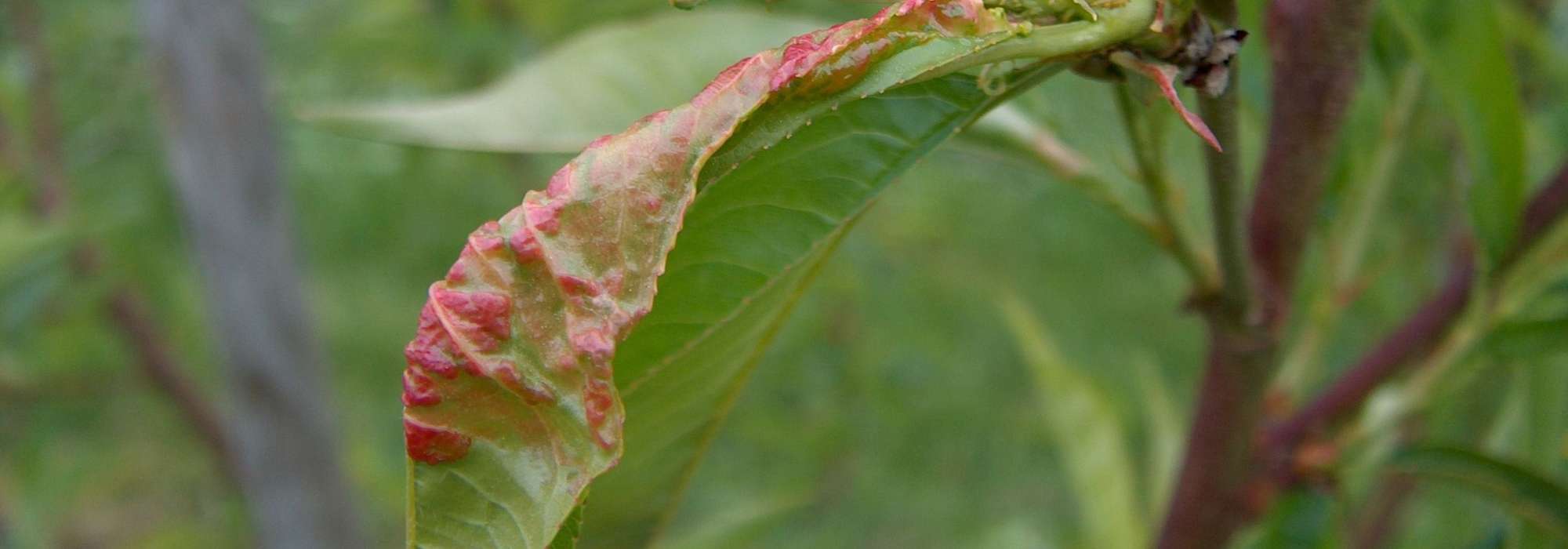
Purchased 02/24, died 06/25, despite the care given, extremely susceptible to leaf curl, a variety to avoid if you choose natural methods. Extremely disappointed.
Astrid , 24/08/2025
Back-to-school special offer!
Get €10 off for every €50 you spend! And get up to €40 off on a single order.
How does it work?
1. Shop your favourites
Add your favourite plants to your basket. For every €50 you spend (excluding delivery charges, store credit and the plastic-free option), you’ll receive a €10 voucher.
€50 spent = €10 voucher
€100 spent = €20 voucher
€150 spent = €30 voucher
€200 spent = €40 voucher
2. Place your order
Once your basket reaches one of the spending thresholds, place your order. You can even choose your delivery date!
3. Receive your voucher
As soon as your order has been shipped, you’ll receive an email containing your personal voucher code and its value.
4. Use it on your next order
Your voucher is valid for 90 days from the date you receive it. It can be used once only, on a new order worth at least the value of the voucher, excluding delivery charges.
Please note: Vouchers can be combined with other offers, but cannot be split or refunded.
Home or relay delivery (depending on size and destination)
Important: You may be charged customs duties by your country’s customs authorities upon delivery.
Schedule delivery date,
and select date in basket
This plant carries a 12 months recovery warranty
More information
We guarantee the quality of our plants for a full growing cycle, and will replace at our expense any plant that fails to recover under normal climatic and planting conditions.
Description
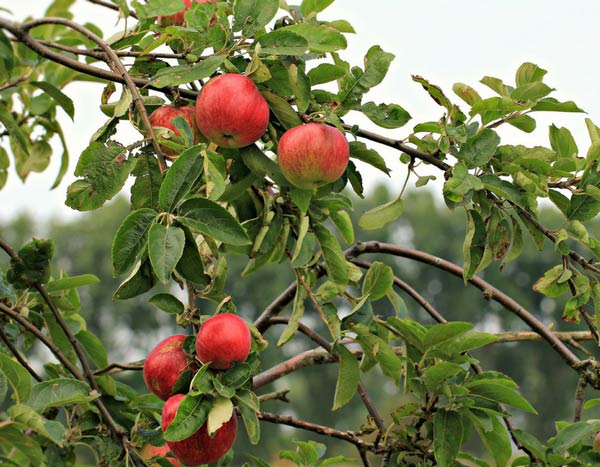
Prunus persica Charles Ingouf is an old variety with semi-early flowering, and it is very productive. It is a vigorous, hardy, and self-fertile variety, quite sensitive to peach leaf curl. It abundantly produces large-sized fruits, rounded in shape, with a slightly fuzzy, deep red skin. Its white flesh is fine, melting, juicy, very sweet, and aromatic. Harvesting takes place from mid-July to early August, and the fruits are consumed as they ripen. Susceptible to spring frosts, this peach prefers a warm, sunny, and sheltered exposure. It adapts well to ordinary, well-drained, deep, and rich soil, but not to lime-rich or waterlogged soil.
Prunus persica (Peach tree) is a fruit tree belonging to the Rosaceae family, originating from China in the Sichuan and Guizhou regions around 500 BC. It appeared in Europe in the 6th century and experienced significant development in the 19th century. From then on, many selections aimed at improving the fruit's taste qualities took place.
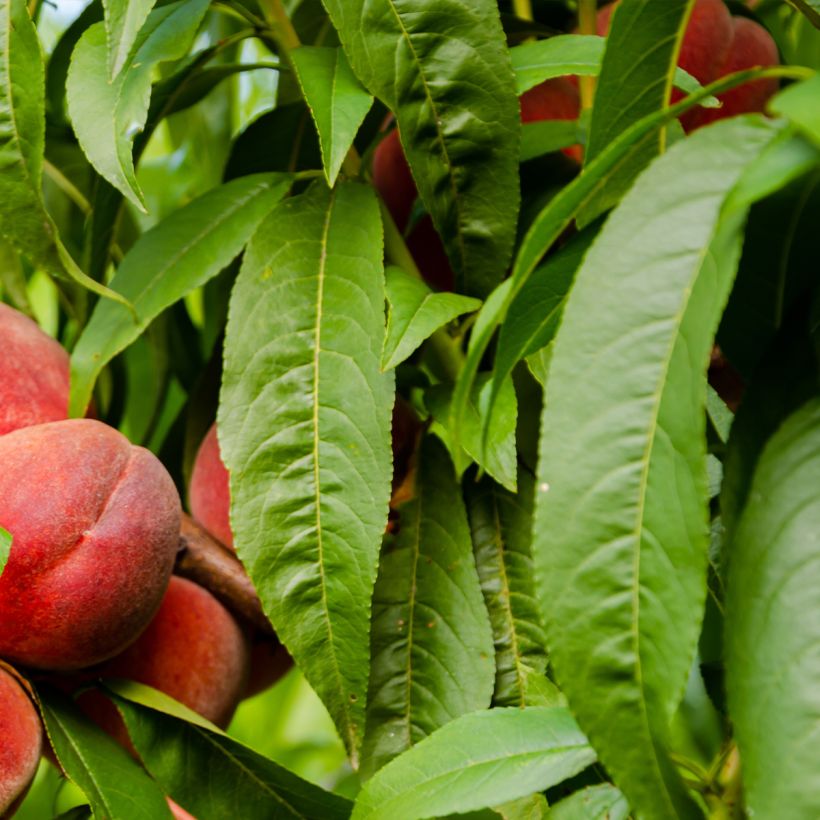
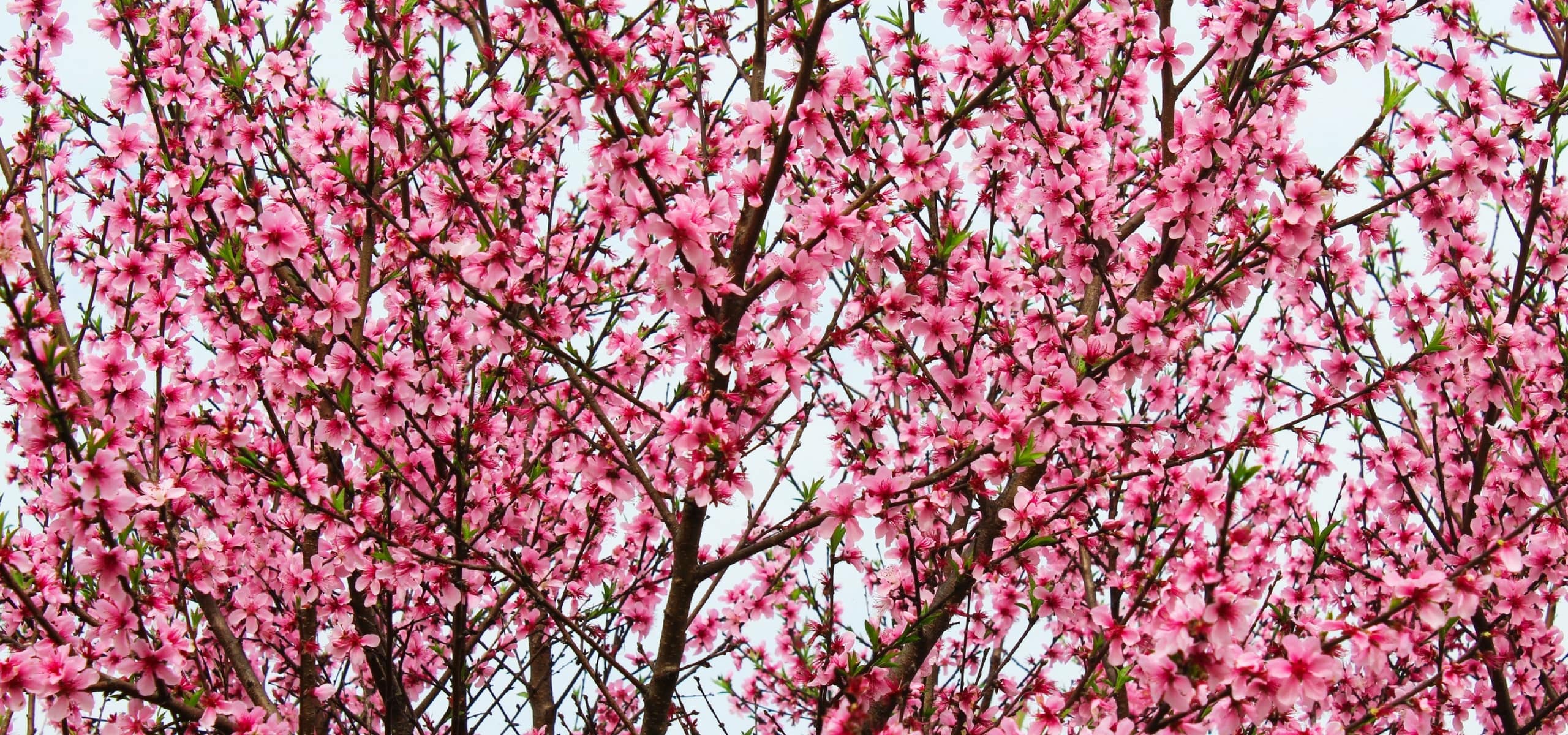
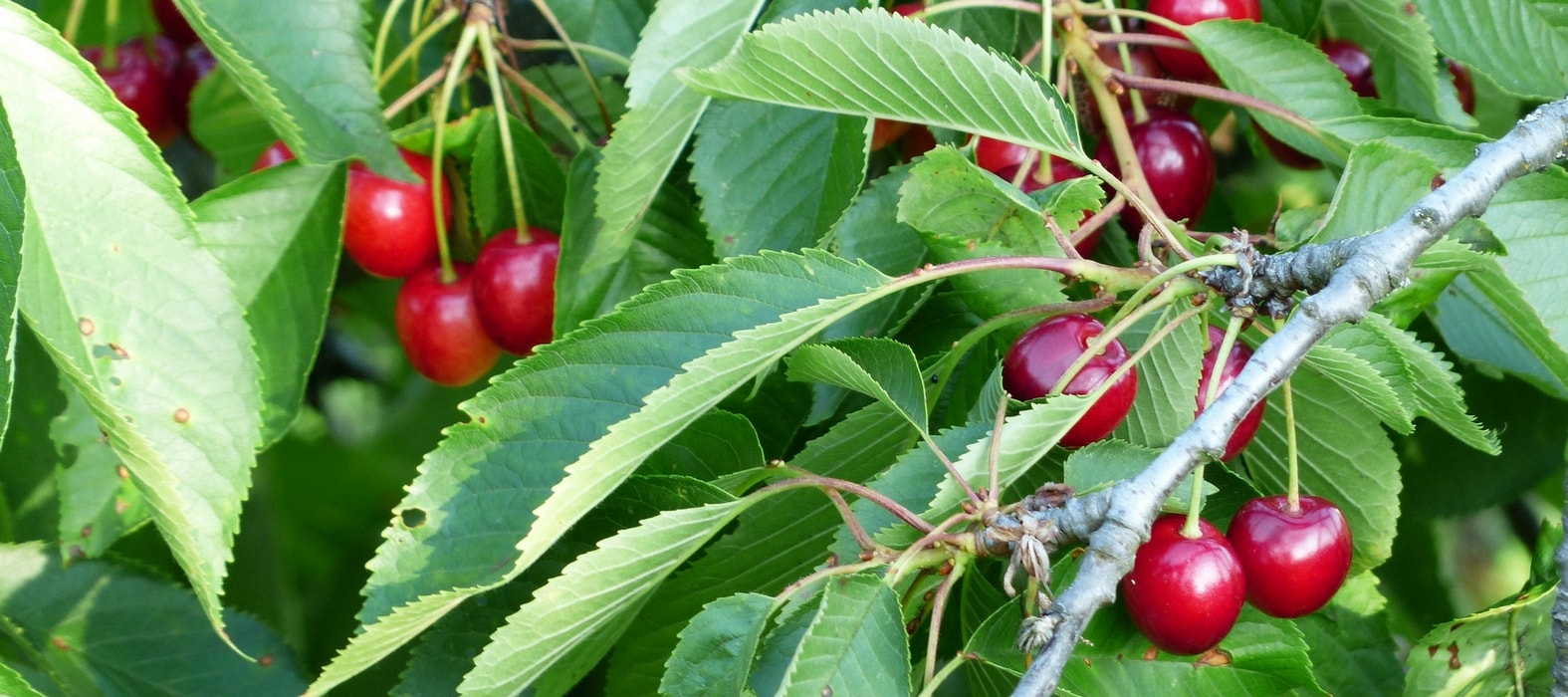
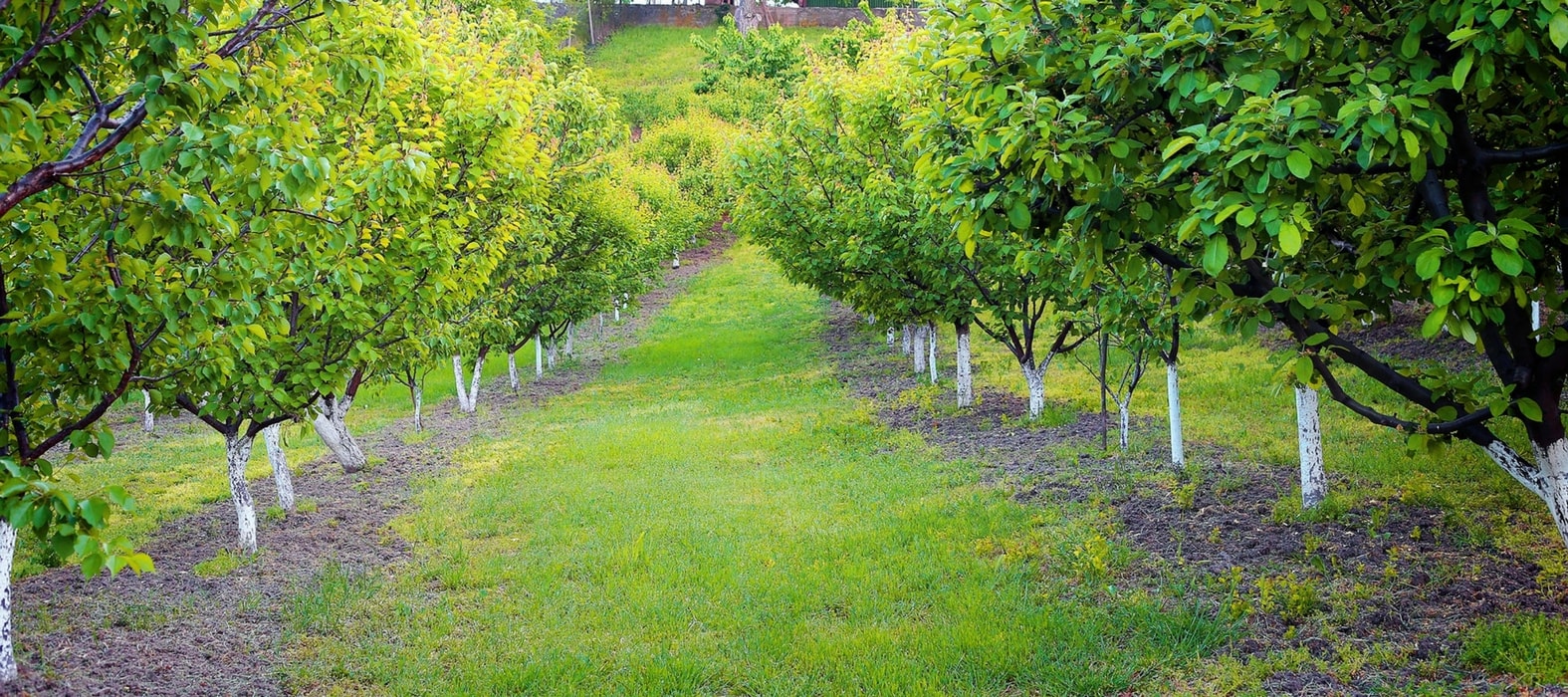
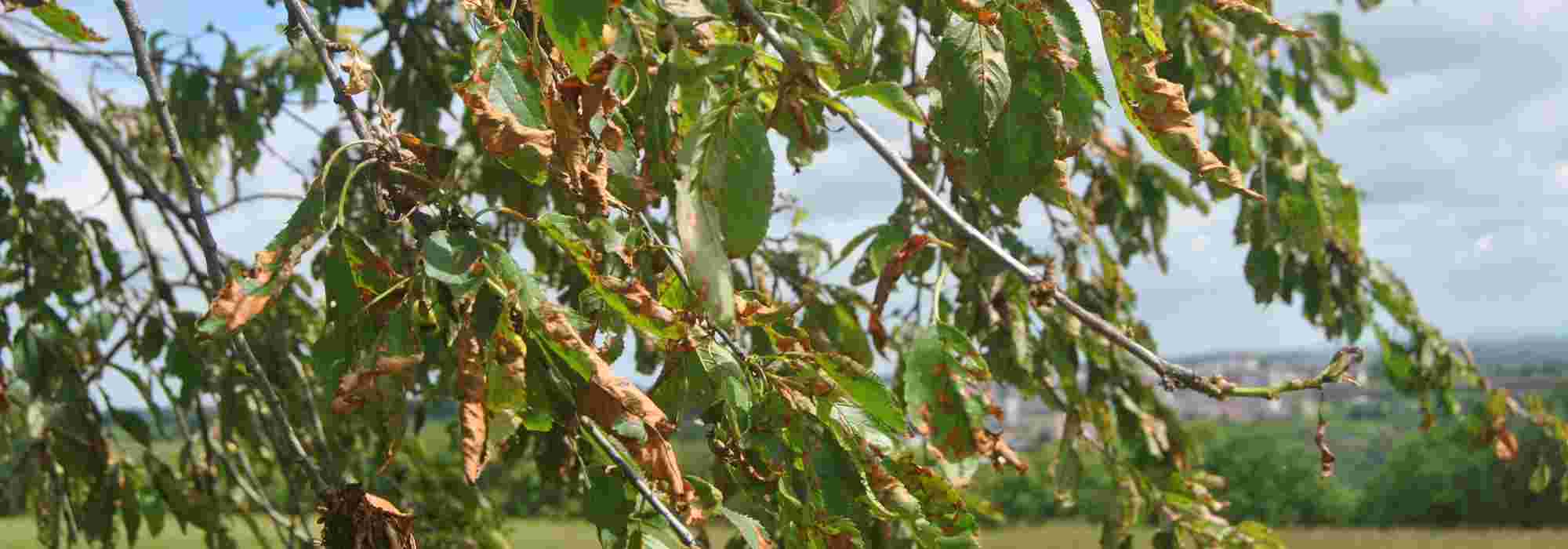
The Charles Ingouf variety comes from a seedling and was obtained in Troyes, France by the Baltet Nurseries in 1896. It is named after the nursery's accountant at the time. It is a small fruit tree with a fairly upright structure that can reach a height of 3 to 4 metres (10 to 13 feet), with a diameter of about 3 metres (10 feet). Its habit is well-suited to low forms (goblet shape) or espaliers. Its foliage consists of lanceolate leaves, 8 to 15cm (3 to 6in) long and 3 to 4cm (1 to 2in) wide, with serrated and wavy edges, bright green, turning yellow-orange in autumn before falling. The leaves have a slight almond scent. In early April the pink flowers, 2 to 3cm (1in) in diameter, appear solitarily before the leaves on the previous year's branches. They can be destroyed by frost from -2 to -3°C. It is remarkably decorative flowering in spring, particularly attractive to bees and butterflies. It is hardy down to -15°C, but it is sensitive to late spring frosts, which damage its flowers and affect fruiting. Self-fertile variety that does not require other peach trees nearby for pollination.
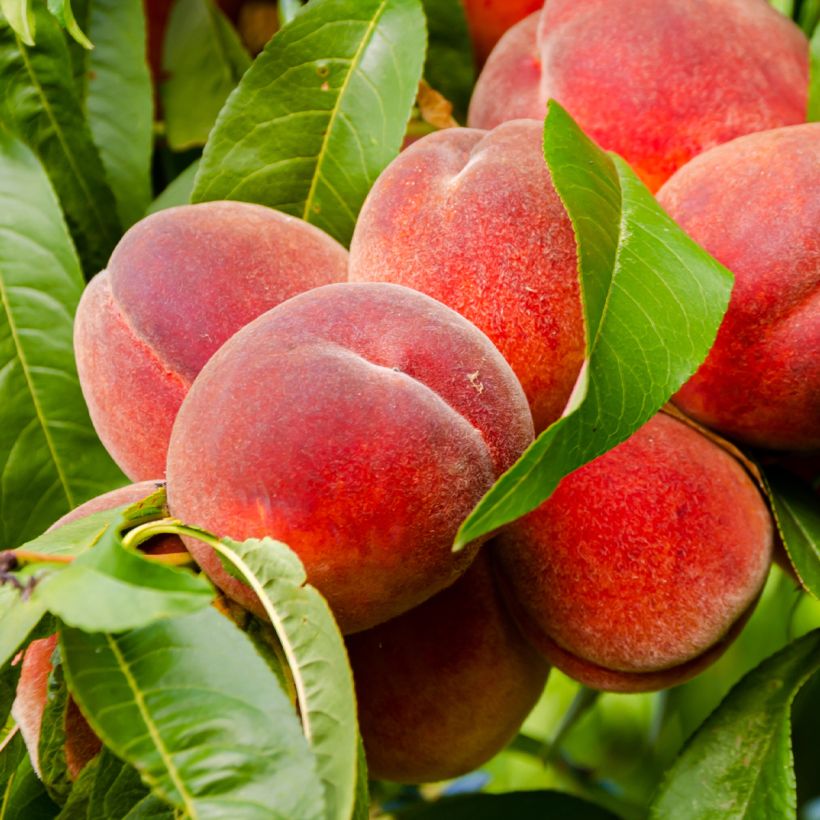
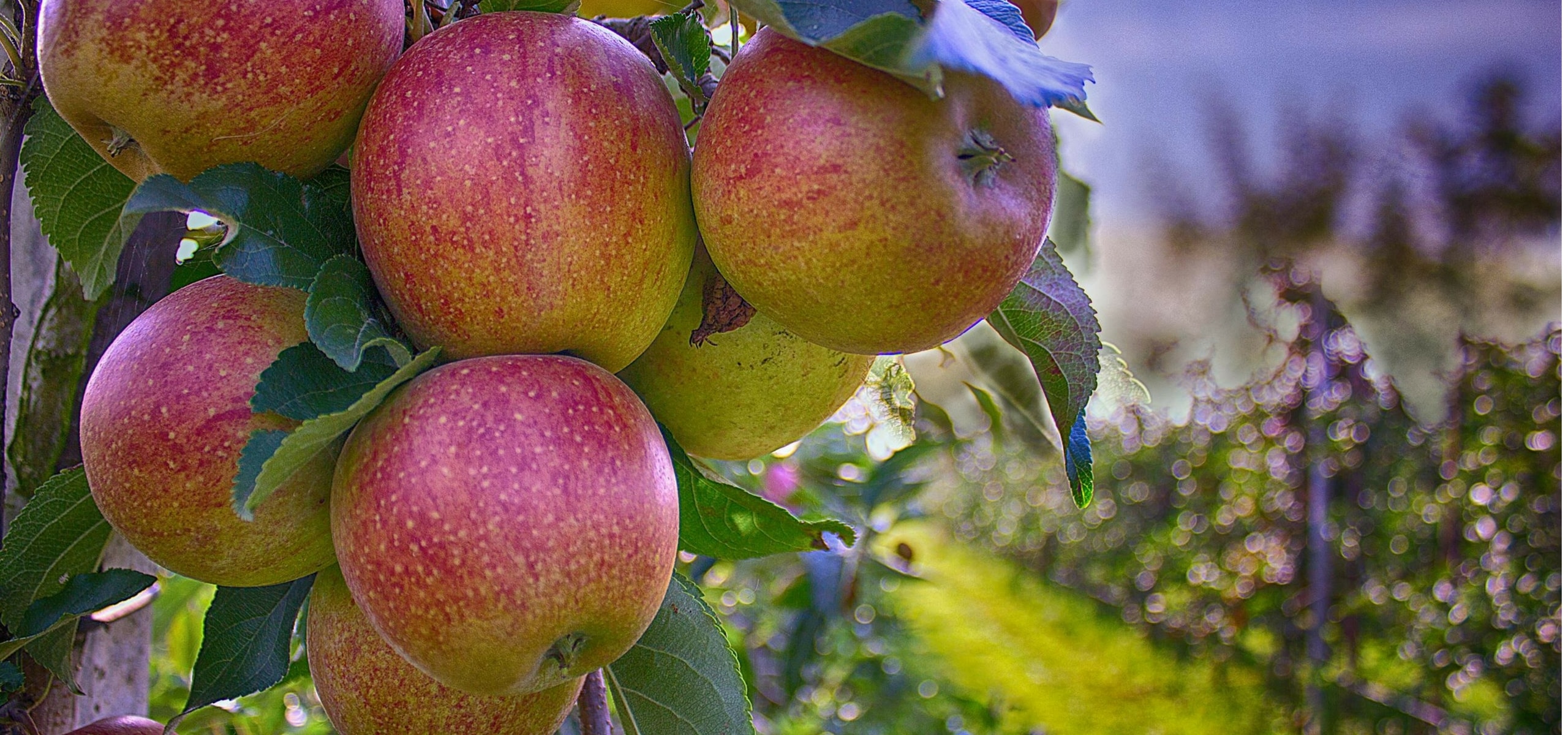
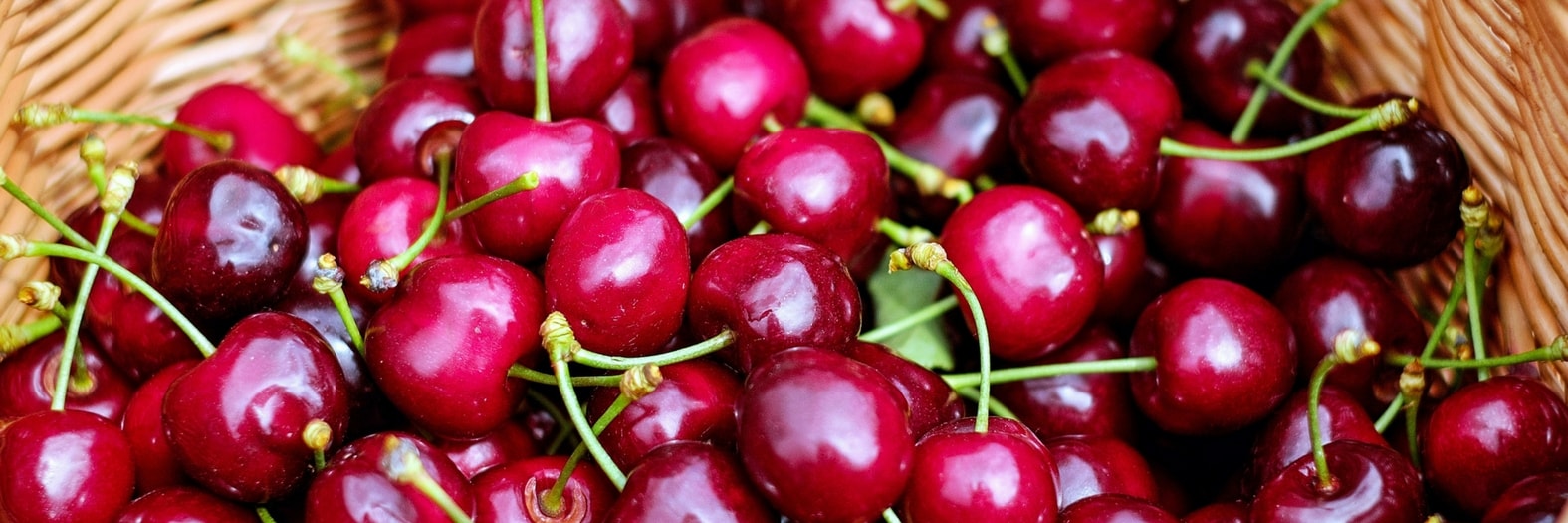
Prunus persica Charles Ingouf is a very fertile variety, with rapid fruiting. The fruit harvest begins in mid-July and extends until early August as the fruits ripen. Peaches being very delicate, they are harvested by hand with care. The fruits are consumed as soon as they are harvested. They are large-sized peaches, weighing between 200 and 280 grams, with a slightly fuzzy, deep red skin. The white flesh is fine, melting, juicy, very sweet, and aromatic. Tasty and delicious, peaches can be eaten fresh as soon as they are picked. They are ideal for making compotes, ice creams, sorbets, tarts, pastries, fruit salads, or as an accompaniment to savoury dishes with meat (duck, rabbit, chicken, etc.) or fish (salmon, cod, etc.). They are also perfect for making juice or preserved in syrup.
Rich in water, peaches are refreshing and thirst-quenching. They are very fleshy, providing a great sense of satiety. Low in calories, they are rich in potassium, magnesium, and phosphorus, with a significant iron content. With its high content of vitamins C and B, antioxidants, and fibre, peaches are a health asset. They are invigorating, energising, and rehydrating. The fruits can be stored for a week in a cool place, protected from light.
In the Peach and Nectarine category, Prunus persica Charles Ingouf is a variety known for the excellent taste of its fruits. It prefers a sunny exposure, sheltered from drafts and cold winds. A southeast or southwest exposure is ideal. In regions that frequently experience late spring frosts, the peach tree can be trained against a south-facing wall. Very popular for its fruit, the peach tree finds its place in the garden for the pleasure of young and old alike. With a wide range of varieties available, it is easy to find the one that best suits your preferences.
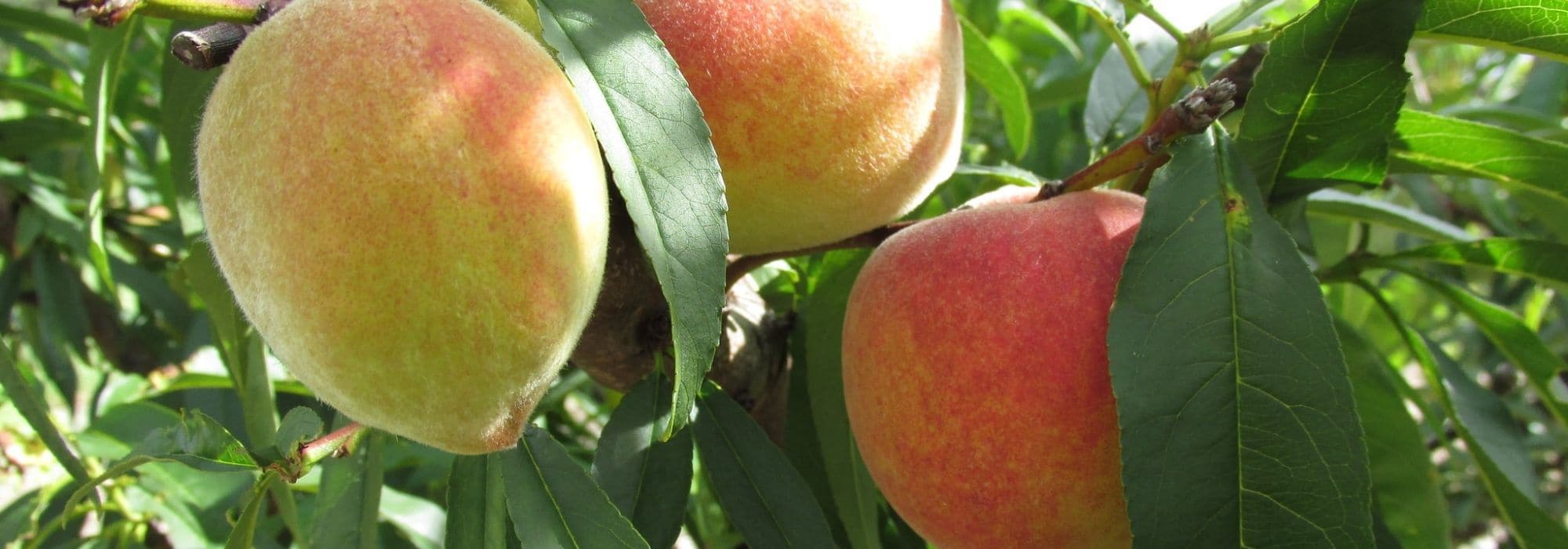
Prunus persica Charles Ingouf - Peach Tree in pictures
Plant habit
Fruit
Flowering
Foliage
Planting and care
The Charles Ingouf Peach should be planted in full sun, sheltered from drafts and cold winds. A southeast or southwest exposure is ideal. Outside of mild southern regions the peach tree can be trained against a south-facing wall. In regions that frequently experience late spring frosts it will be more difficult, if not impossible, to successfully grow a peach tree.
It requires ordinary soil that is rich, deep, and well-drained. The peach tree dislikes heavy, waterlogged soils, as well as alkaline soils.
The planting period depends on the form of the peach tree. A bare-root peach tree should be planted from October to March, avoiding periods of frost. Bare-root fruit trees should be planted immediately after purchase, as the roots should not be exposed to sunlight and open air. If you cannot plant it immediately, put it in a temporary planting bed while waiting.
If purchased in a container, the peach tree can be planted in autumn, from October to December, again avoiding periods of frost, or even in spring.
Dig a hole at least 60cm (24in) deep and 1 metre (3 feet) wide, at least one week before planting. Remove all stones and weeds. Place the container in a basin to moisten the root ball through capillary action. Add two handfuls of crushed horn to the bottom of the hole. Mix the excavated soil with well-rotted compost, well-decomposed manure, or potting soil. Fill the hole halfway with the excavated soil. Plant a stake at least 50cm (20in) deep. Place the peach tree in the hole. Fill with the remaining soil. Gently firm the soil around the peach tree and secure it to the stake. Create a depression in the soil around the base and water abundantly.
Proceed in the same way if you are planting a bare-root peach tree, but don't forget to dress and pralinage the bare roots before planting.
Planting period
Intended location
Care
Planting & care advice
-
-
-
-
-
-
-
-
-
, onOrder confirmed
Reply from on Promesse de fleurs
Recently viewed products
Haven't found what you were looking for?
Hardiness is the lowest winter temperature a plant can endure without suffering serious damage or even dying. However, hardiness is affected by location (a sheltered area, such as a patio), protection (winter cover) and soil type (hardiness is improved by well-drained soil).
In temperate climates, pruning of spring-flowering shrubs (forsythia, spireas, etc.) should be done just after flowering.
Pruning of summer-flowering shrubs (Indian Lilac, Perovskia, etc.) can be done in winter or spring.
In cold regions as well as with frost-sensitive plants, avoid pruning too early when severe frosts may still occur.
The harvesting period indicated on our website applies to countries and regions in USDA zone 8 (France, England, Ireland, the Netherlands).
In colder areas (Scandinavia, Poland, Austria...) fruit and vegetable harvests are likely to be delayed by 3-4 weeks.
In warmer areas (Italy, Spain, Greece, etc.), harvesting will probably take place earlier, depending on weather conditions.
The sowing periods indicated on our website apply to countries and regions within USDA Zone 8 (France, UK, Ireland, Netherlands).
In colder areas (Scandinavia, Poland, Austria...), delay any outdoor sowing by 3-4 weeks, or sow under glass.
In warmer climes (Italy, Spain, Greece, etc.), bring outdoor sowing forward by a few weeks.
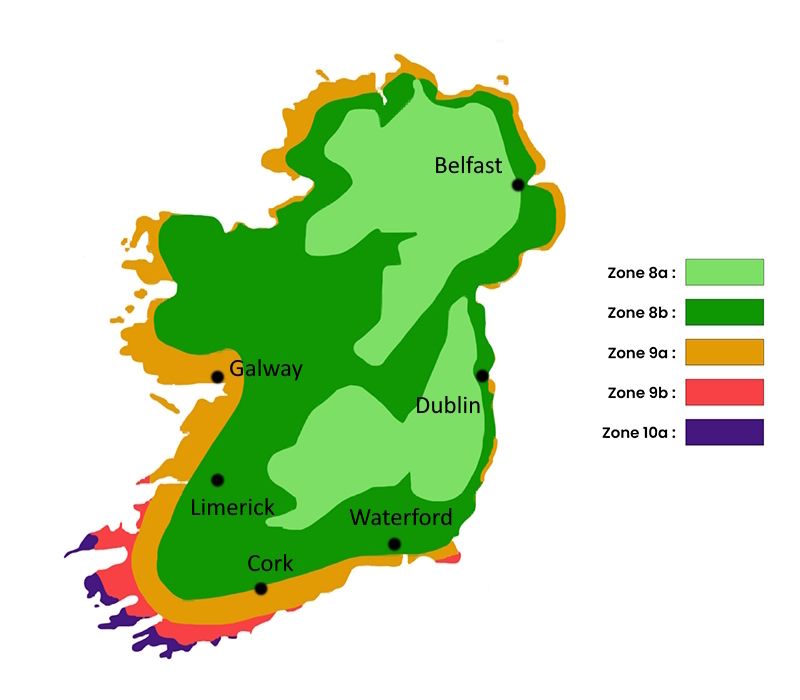
The planting period indicated on our website applies to regions in USDA Zone 9a (East Coast and Midlands: Dublin, Wexford, Waterford, Kilkenny, Portlaoise). It will vary depending on where you live:
- On the west coast and in the north-west (Galway, Limerick, Sligo, Donegal, Westport), delay planting by 1 to 2 weeks in spring and bring it forward by 1 to 2 weeks in autumn compared to the dates given, preferably choosing periods without strong winds.
- In the inland hills and plateaus (Wicklow Mountains, Macgillycuddy’s Reeks, Connemara, Killarney), it is best to plant in spring (April–May) or autumn (September–October), avoiding periods of waterlogged soil in winter and strong winds, which pose the main risk to newly planted trees in these areas.
The flowering period indicated on our website applies to regions in USDA Zone 9a, such as the East Coast and Midlands, including Dublin, Wexford, Waterford, Kilkenny and Portlaoise.
This will vary depending on where you live:
- On the west coast and in the northwest (Galway, Limerick, Sligo, Donegal and Westport), it will be delayed by one to two weeks compared to the given dates, due to stronger Atlantic winds and less spring sunshine.
- In the inland hills and plateaus (the Wicklow Mountains, the Macgillycuddy's Reeks, Connemara and Killarney), flowering will be delayed by two to three weeks. Flowering mainly occurs between May and July, with the limiting factors being less frost and more of the excessive humidity, strong winds and lack of sunshine that are characteristic of these areas.
Shipping country and language
Your country of residence may be:
Your country of residence is:
For a better user experience on our website, you can select:
Your shipping country:
-
 Austria
-
 Belgium
-
 Bosnia & Herzegovina
-
 Bulgaria
-
 Croatia
-
 Cyprus
-
 Czechia
-
 Denmark
-
 Estonia
-
 Finland
-
 France
-
 Germany
-
 Greece
-
 Hungary
-
 Iceland
-
 Ireland
-
 Italy
Italy
-
 Latvia
-
 Liechtenstein
-
 Lithuania
-
 Luxembourg
-
 Malta
Malta
-
 Netherlands
-
 Poland
-
 Portugal
-
 Romania
-
 Serbia
-
 Slovakia
-
 Slovenia
-
 Spain
Spain
-
 Sweden
-
 Switzerland
Language:
-
French
-
 English
-
Spanish
-
Italian
-
German
-
Portuguese
-
Dutch
-
Finnish
My Account
Hello
My wish lists
My cart
Log in / Register
Existing customer?
This form is protected by reCAPTCHA - the Google Privacy Policy and Terms of Service apply.
New customer?
Create an account to track your orders, access our customer service and, if you wish, make the most of our upcoming offers.