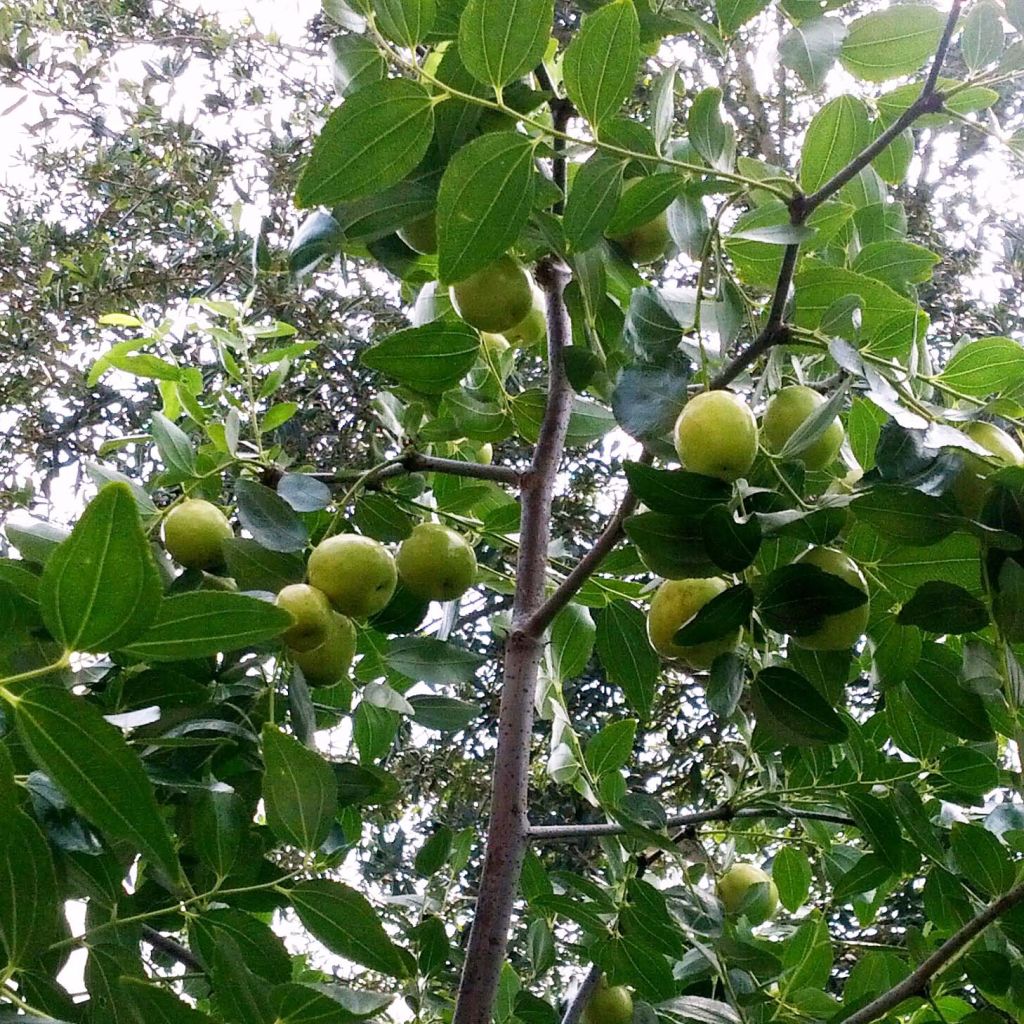
Ziziphus jujuba Li
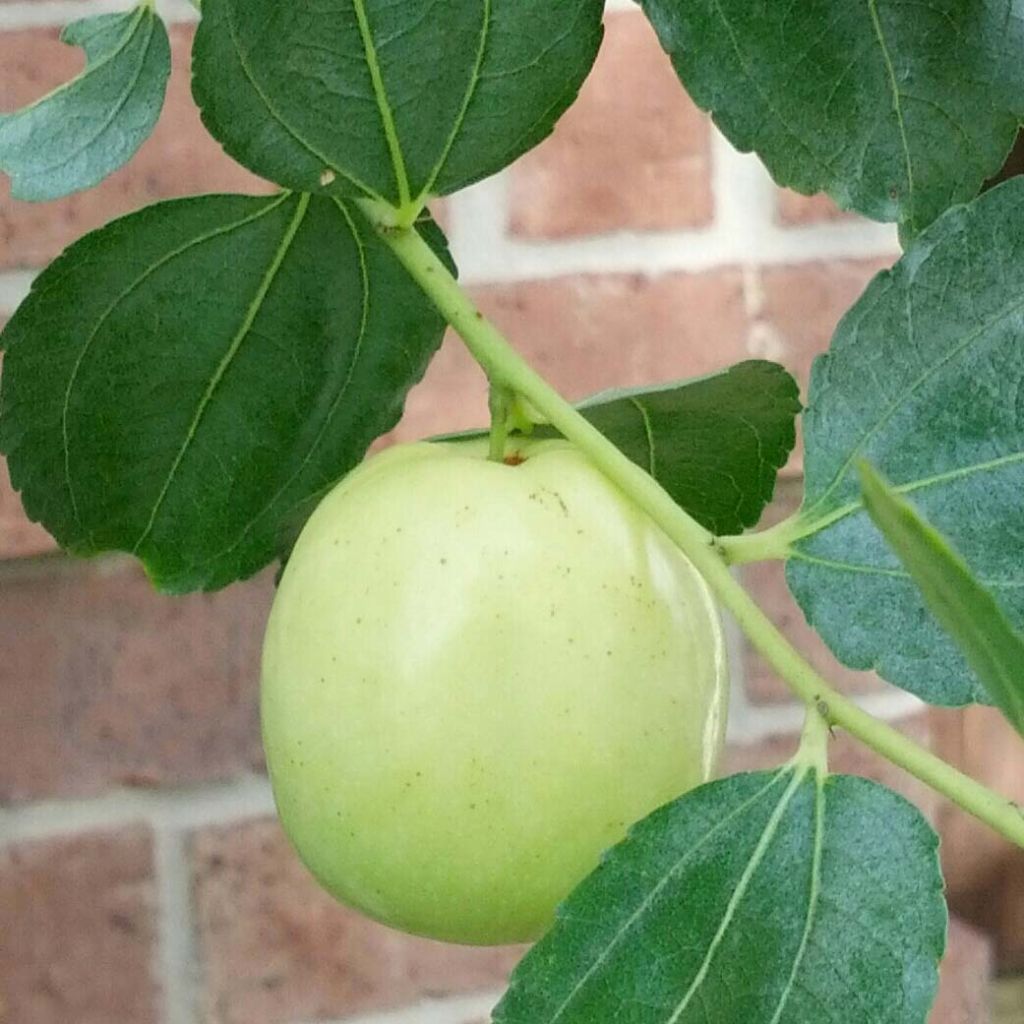
Ziziphus jujuba Li
Ziziphus jujuba Li
Ziziphus jujuba Li
Jujube, Red Date, Chinese Date
For the price, I must admit I was a bit disappointed with the size of the young plant, which is really small. That being said, I had flowering in the first year with about ten fruits!
Thomas, 23/03/2023
Back-to-school special offer!
Get €10 off for every €50 you spend! And get up to €40 off on a single order.
How does it work?
1. Shop your favourites
Add your favourite plants to your basket. For every €50 you spend (excluding delivery charges, store credit and the plastic-free option), you’ll receive a €10 voucher.
€50 spent = €10 voucher
€100 spent = €20 voucher
€150 spent = €30 voucher
€200 spent = €40 voucher
2. Place your order
Once your basket reaches one of the spending thresholds, place your order. You can even choose your delivery date!
3. Receive your voucher
As soon as your order has been shipped, you’ll receive an email containing your personal voucher code and its value.
4. Use it on your next order
Your voucher is valid for 90 days from the date you receive it. It can be used once only, on a new order worth at least the value of the voucher, excluding delivery charges.
Please note: Vouchers can be combined with other offers, but cannot be split or refunded.
Home or relay delivery (depending on size and destination)
Important: You may be charged customs duties by your country’s customs authorities upon delivery.
Schedule delivery date
and select date in basket
This plant carries a 12 months recovery warranty
More information
We guarantee the quality of our plants for a full growing cycle, and will replace at our expense any plant that fails to recover under normal climatic and planting conditions.
Description
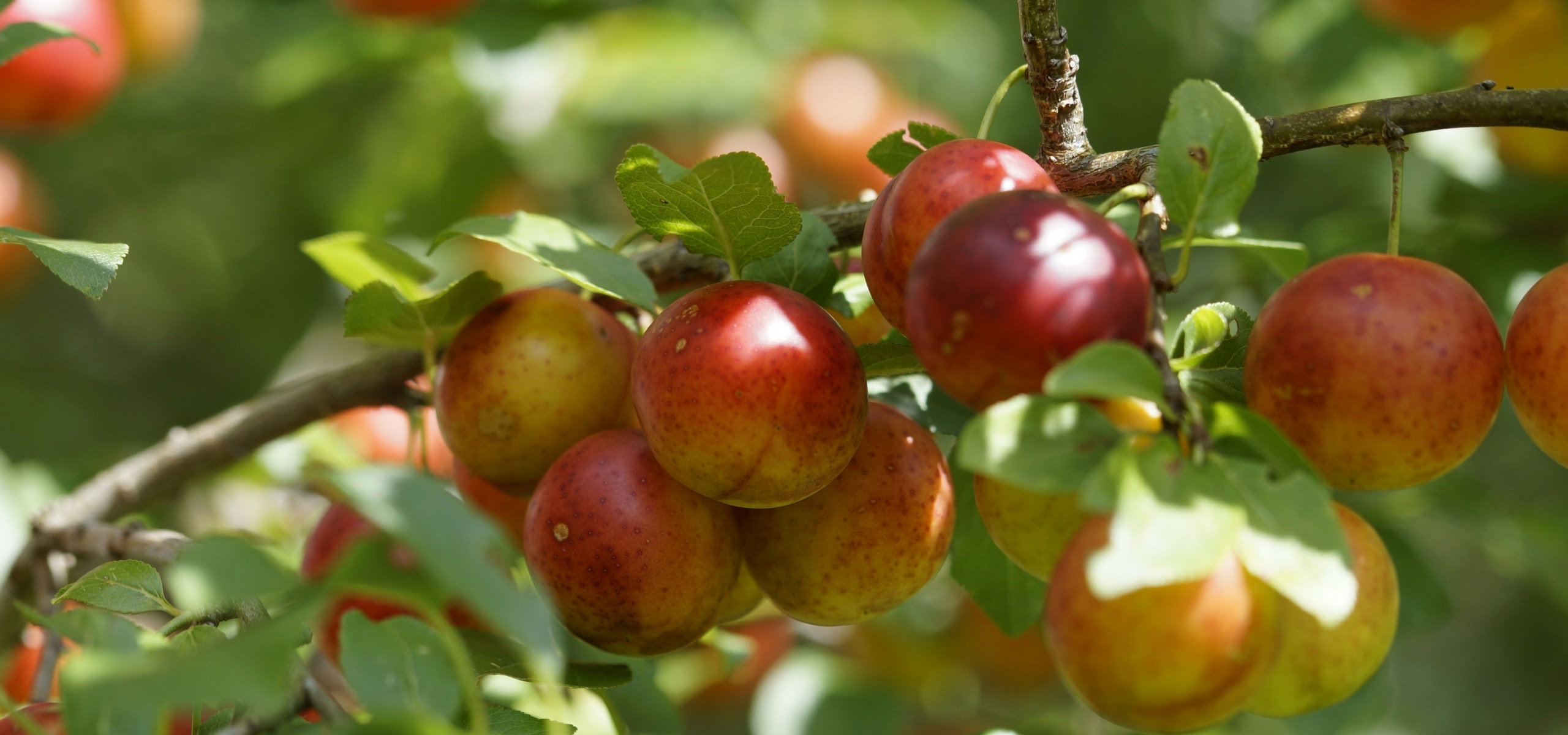
The Ziziphus jujuba 'Li' is an excellent cultivar of Jujube selected in China for its vigour, rapid fruiting, almost spineless vegetation and huge fruits. The fruit tree has a spreading habit, with branches that bend easily under the weight of the jujubes. The jujubes themselves are round, delicious, and have a tiny, tender stone or no stone at all. They can be eaten when the skin is yellowish, brown-red, or over-ripe without much change to their taste. It is a variety susceptible to the Mediterranean fruit fly—plant in autumn for a harvest from September to November starting from the 2nd year. The jujube tree needs long, hot summers to fruit well; it can withstand -15°C (5°F) once established and tolerates summer drought very well.
Treat against the medfly without fail; otherwise, the harvest will be destroyed. For this, you can use traps that are safe for biodiversity.
The Ziziphus jujuba is a small tree with thorny branches and foliage found in its wild state from China to Asia Minor, primarily on chalky, dry, clayey soil. It belongs to the family of Rhamnaceae; it is from the same family as Rhamnus alaternus (Italian buckthorn), wild buckthorn (purging buckthorn), and ceanothus. It is a self-fertile plant, capable of living for many years in the garden. The jujube tree has a robust root system, both deep and very extensive: an established plant is capable, when cut back to the ground, of producing numerous shoots emerging more than 10 m (33ft) from the base, which can be challenging to get rid of. This feature is not ideal in a small garden, but it is valuable for creating impenetrable thickets or defensive hedges to deter intruders on a large property.
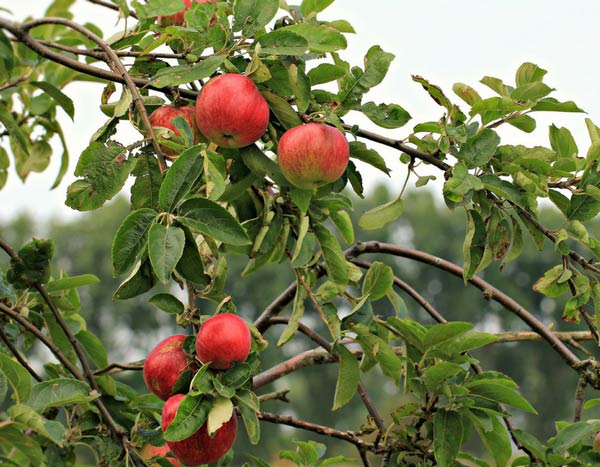
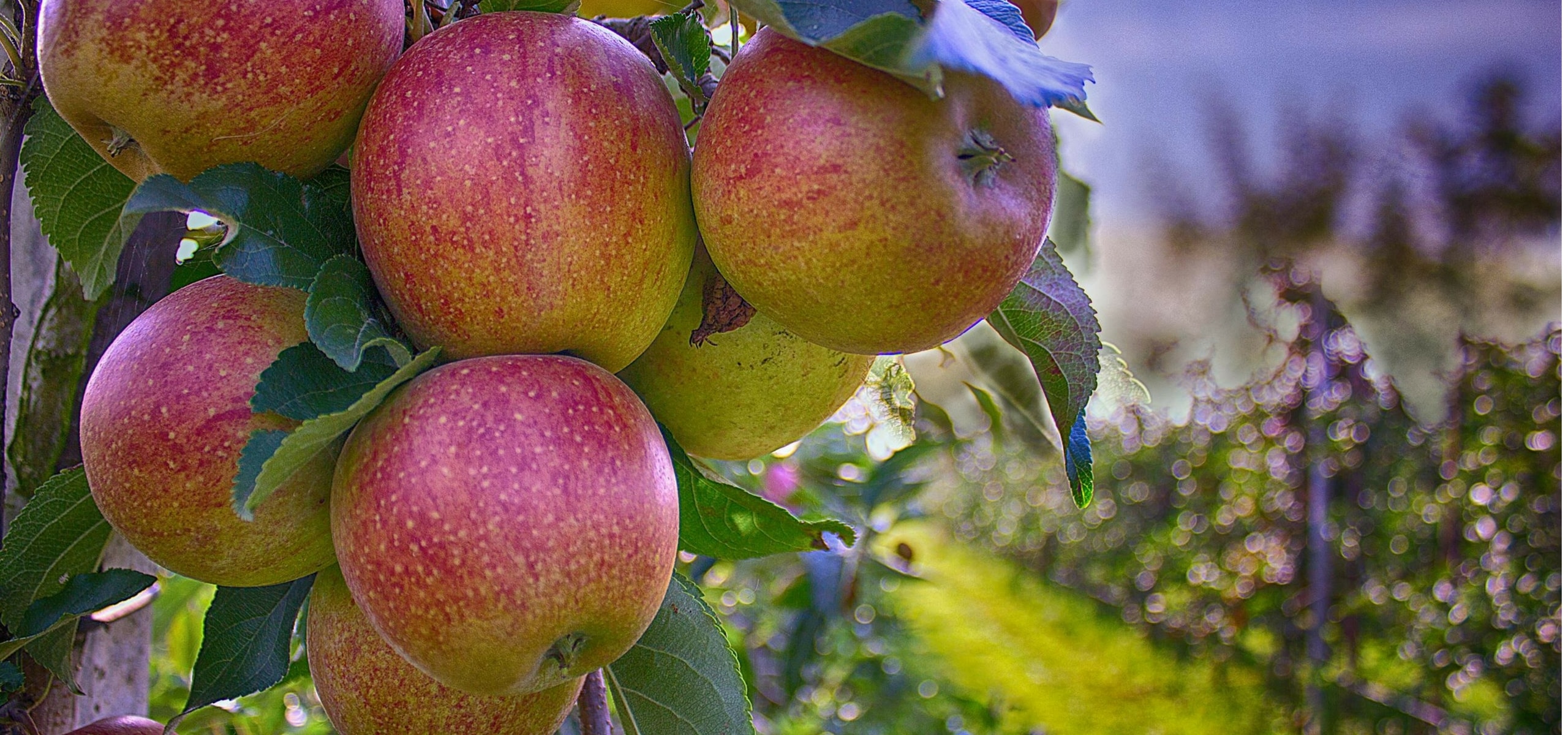
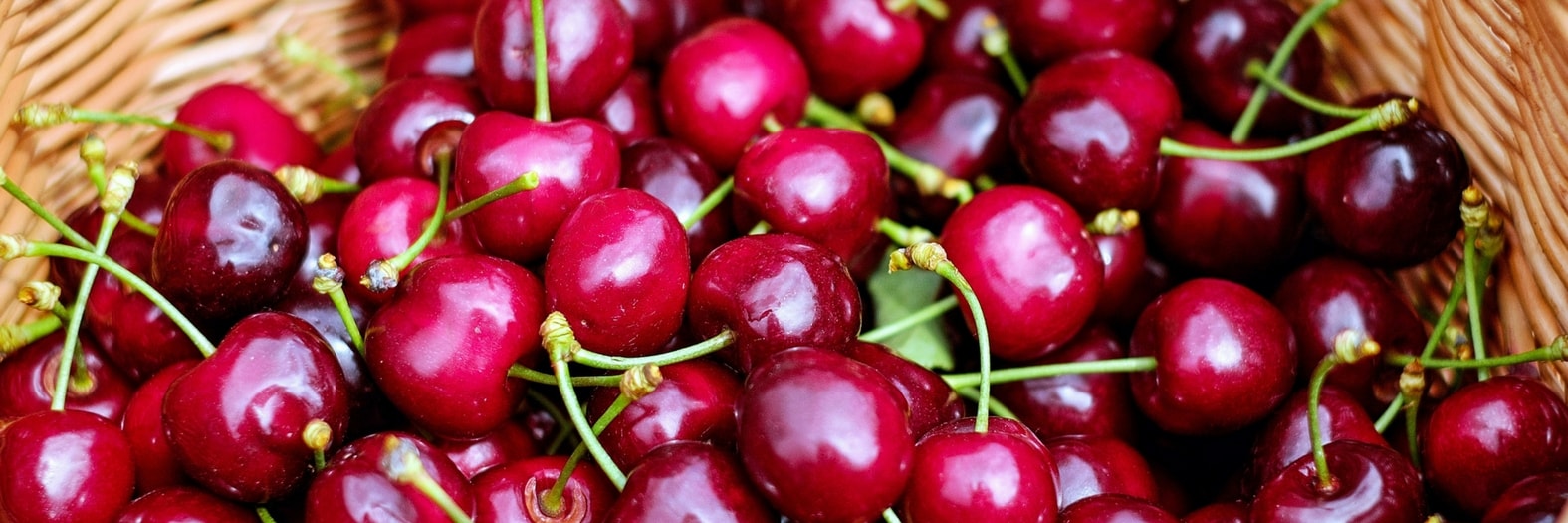
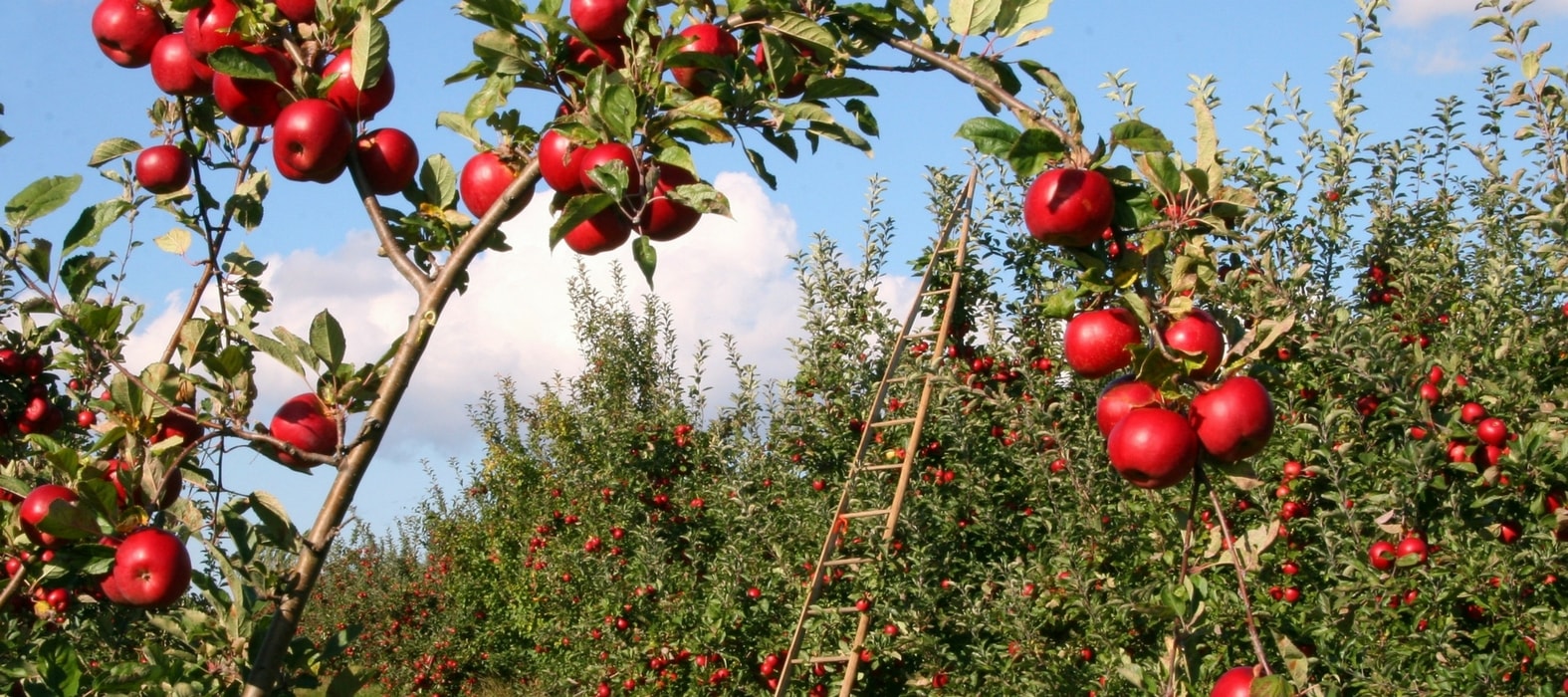
The 'Li' jujube tree is a small tree with a single trunk that develops a bushy and wide crown supported by fairly flexible, more or less trailing branches. It grows quite quickly, reaching about 6.50 m (21ft) in height and 4 m (13ft) in width, depending on the growing conditions. Its bark becomes very dark and very rough with age. Its slightly thorny branches, dark brown in colour, bear, at the end of short petioles, small lanceolate, leathery leaves with finely dentate edges, 2 to 5 cm (1 to 2in) long, marked by 3 veins. The lamina is shiny on the upper side. The flowering takes place from June to August, depending on the climate, in the form of tiny yellowish to greenish flowers without petals grouped in small clusters in the axils of the leaves. They are not very visible but pleasantly fragrant, attracting many pollinating insects. Plants at least three years old will produce fruit after the flowers. The fruit is oval and fleshy drupes, measuring 4 to 5 cm (2 inches) in diameter. As they ripen, the colour changes from light green to reddish-brown. The pulp surrounding the hard stone is abundant. Over-ripe fruit has a consistency like that of a date and a slightly sweet but bland taste.
In favourable climates, the 'Li' jujube tree can be planted in an orchard and an ornamental garden alongside pomegranate, olive, fig and grapevine. If a plant is grown for reasons other than its fruit, it can be included in a hedge that serves as a living or defensive barrier. Good companions for this plant include hawthorn, firethorn, Japanese quince, and well-armed roses like Rosa rugosa or climbing 'Mermaid'. These plants require little attention once established and offer both ornamental and biodiversity benefits.
Report an error about the product description
Ziziphus jujuba Li in pictures
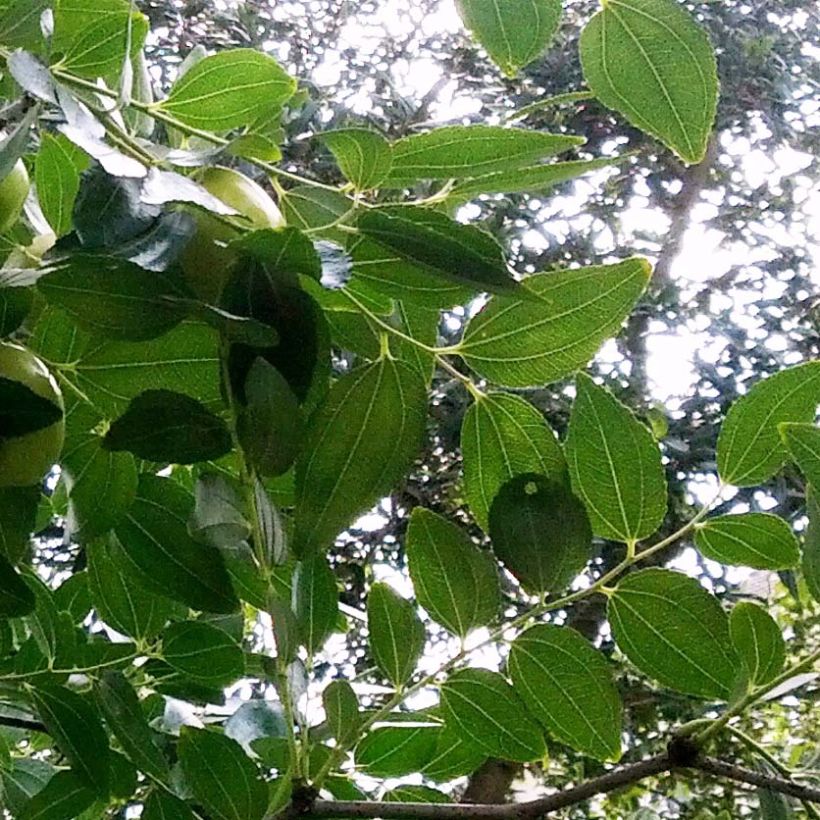
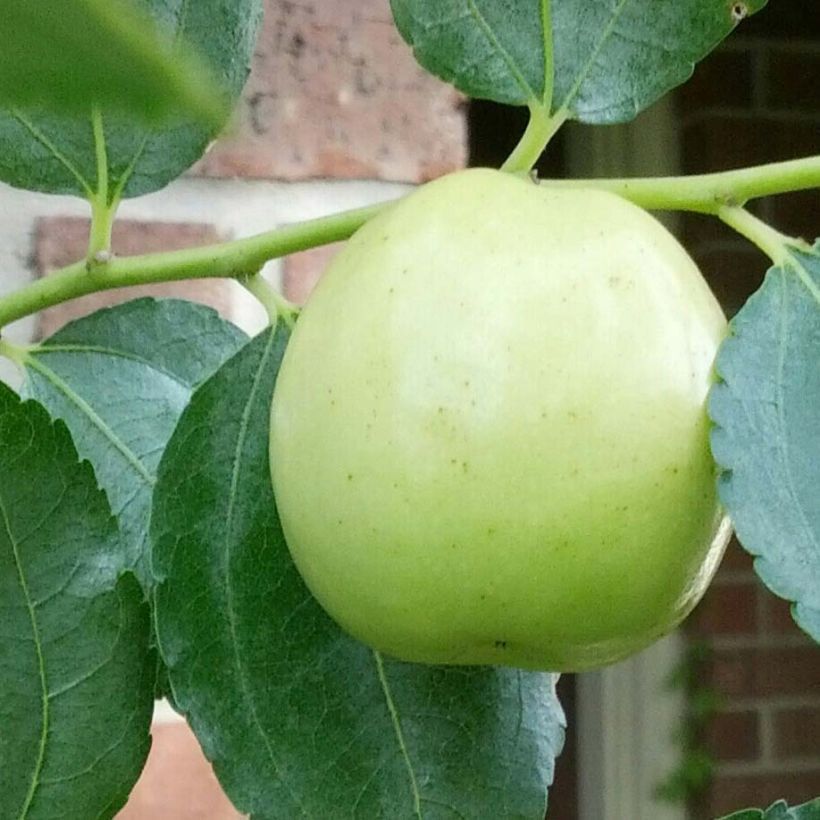
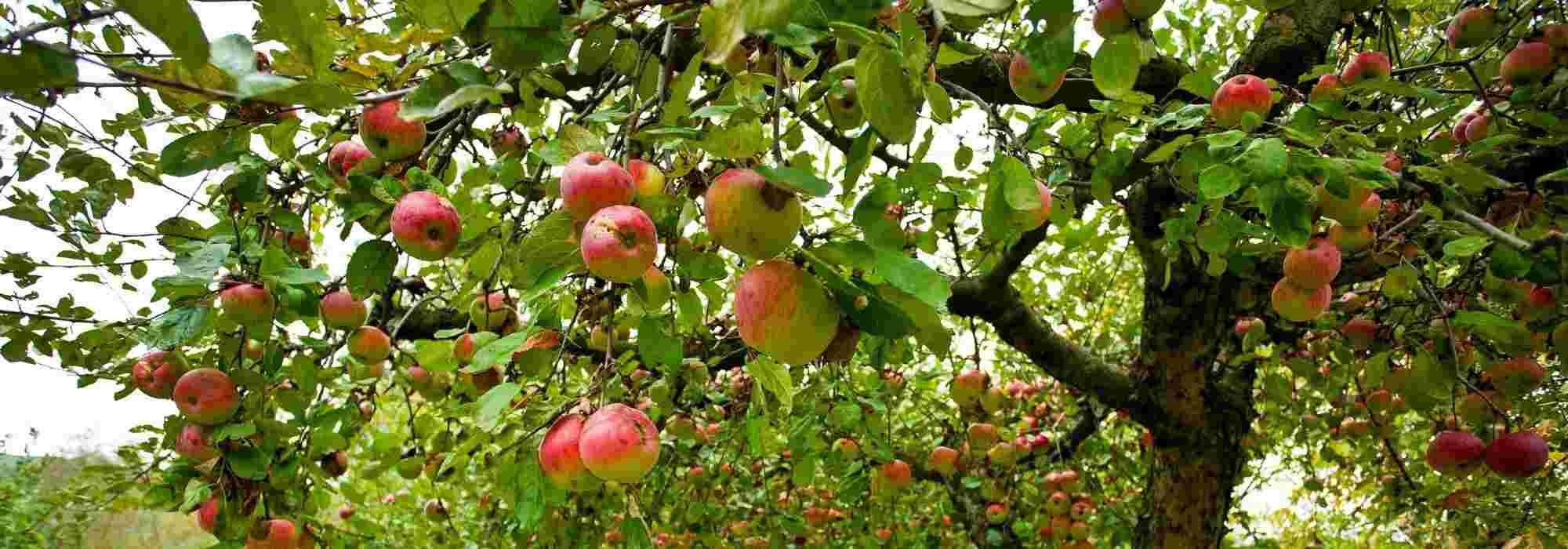
Plant habit
Fruit
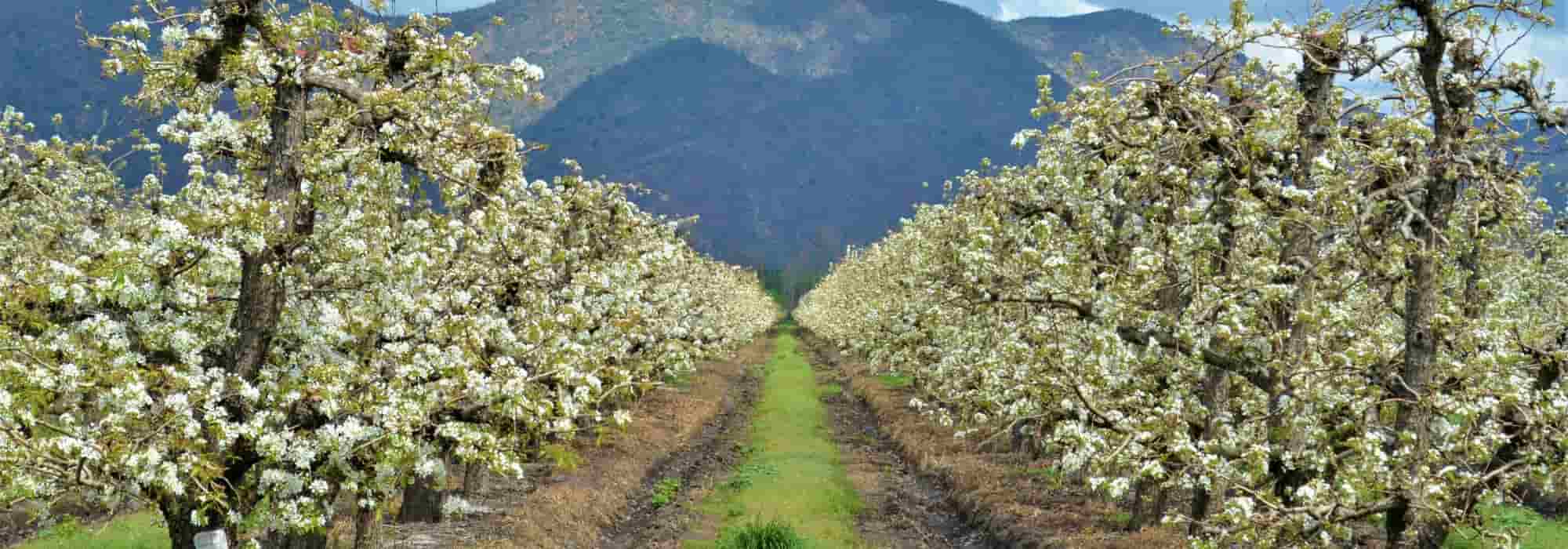
Flowering
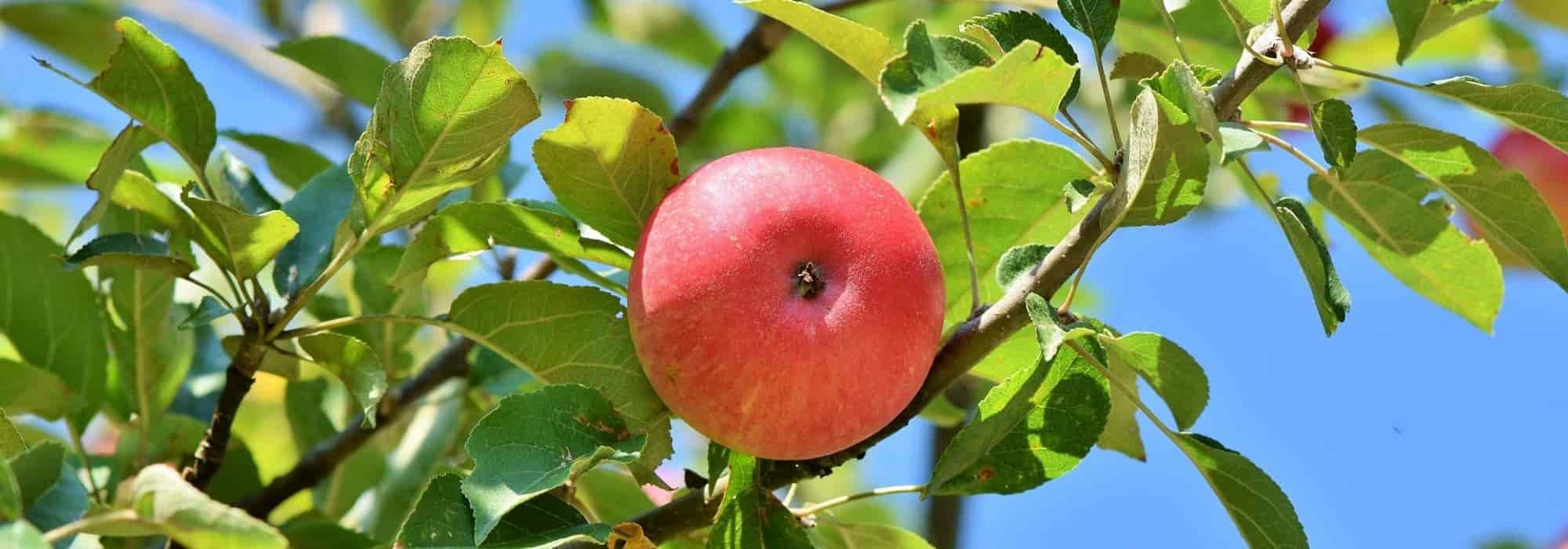
Foliage
Botanical data
Ziziphus
jujuba
Li
Rhamnaceae
Jujube, Red Date, Chinese Date
China
Planting and care
To grow a jujube tree successfully, plant it in autumn in dry and hot areas or in spring elsewhere. Choose a sunny or partially shaded spot sheltered from cold and dry winds in colder regions. Avoid planting near residential walls, as the roots can spread far.
Plant the tree in ordinary, well-worked, and well-drained soil. It prefers fertile soils but can grow in mediocre, clay-limestone, and stony soils. Once established, the tree can handle summer drought, and moist soil promotes fruit production.
Plant the tree in frost-free soil and outside periods of intense drought. You can mix compost into poor soil or add coarse sand, perlite or any material that doesn't retain moisture to heavy and clayey soil. Water generously once or twice a week and only twice a month from the third year onwards. Water only in case of drought.
The tree requires little maintenance and grows easily when conditions are met. Avoid pruning, especially severe pruning, as it leads to abundant shoots, even far from the stump. Fertiliser is unnecessary, but you can add a little to the planting hole if the soil is very poor.
It is imperative to treat against the Mediterranean fruit fly, or else the harvest will be destroyed. For this, you can use traps that are safe for biodiversity.
If you're thinking about planting a wild and ungrafted jujube tree, it's essential to consider your decision carefully. In a favourable climate, the tree can easily self-seed, so keep that in mind. If you need to remove an old jujube tree, be aware that cutting its trunk at the base will cause it to produce numerous shoots for several years. These shoots come from deep and very long roots and are difficult to remove.
Once acclimatised and well-established, this plant proves to be almost indestructible.
Planting period
Intended location
Care
Planting & care advice
-
-
-
-
-
-
-
-
-
, onOrder confirmed
Reply from on Promesse de fleurs
Recently viewed products
Haven't found what you were looking for?
Hardiness is the lowest winter temperature a plant can endure without suffering serious damage or even dying. However, hardiness is affected by location (a sheltered area, such as a patio), protection (winter cover) and soil type (hardiness is improved by well-drained soil).
In temperate climates, pruning of spring-flowering shrubs (forsythia, spireas, etc.) should be done just after flowering.
Pruning of summer-flowering shrubs (Indian Lilac, Perovskia, etc.) can be done in winter or spring.
In cold regions as well as with frost-sensitive plants, avoid pruning too early when severe frosts may still occur.
The harvesting period indicated on our website applies to countries and regions in USDA zone 8 (France, England, Ireland, the Netherlands).
In colder areas (Scandinavia, Poland, Austria...) fruit and vegetable harvests are likely to be delayed by 3-4 weeks.
In warmer areas (Italy, Spain, Greece, etc.), harvesting will probably take place earlier, depending on weather conditions.
The sowing periods indicated on our website apply to countries and regions within USDA Zone 8 (France, UK, Ireland, Netherlands).
In colder areas (Scandinavia, Poland, Austria...), delay any outdoor sowing by 3-4 weeks, or sow under glass.
In warmer climes (Italy, Spain, Greece, etc.), bring outdoor sowing forward by a few weeks.
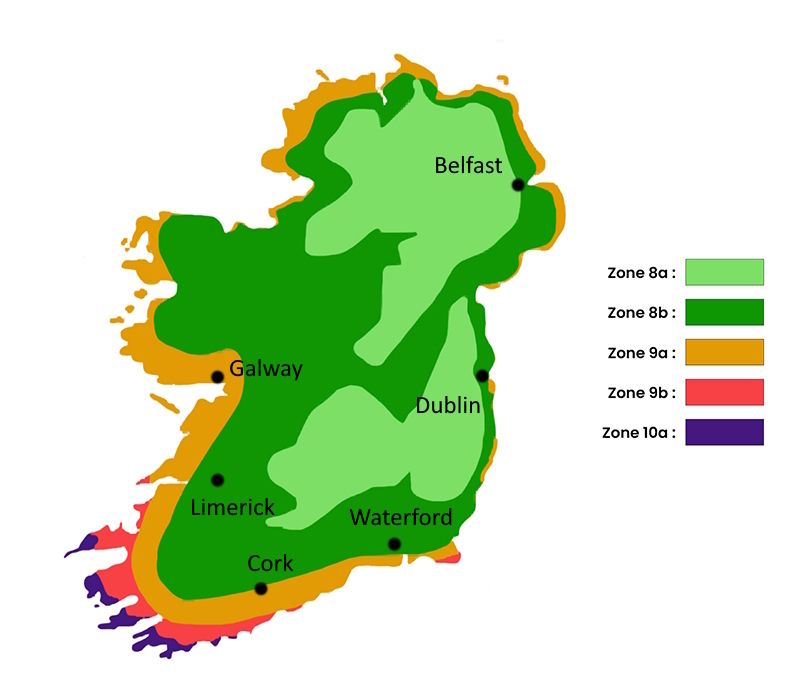
The planting period indicated on our website applies to regions in USDA Zone 9a (East Coast and Midlands: Dublin, Wexford, Waterford, Kilkenny, Portlaoise). It will vary depending on where you live:
- On the west coast and in the north-west (Galway, Limerick, Sligo, Donegal, Westport), delay planting by 1 to 2 weeks in spring and bring it forward by 1 to 2 weeks in autumn compared to the dates given, preferably choosing periods without strong winds.
- In the inland hills and plateaus (Wicklow Mountains, Macgillycuddy’s Reeks, Connemara, Killarney), it is best to plant in spring (April–May) or autumn (September–October), avoiding periods of waterlogged soil in winter and strong winds, which pose the main risk to newly planted trees in these areas.
The flowering period indicated on our website applies to regions in USDA Zone 9a, such as the East Coast and Midlands, including Dublin, Wexford, Waterford, Kilkenny and Portlaoise.
This will vary depending on where you live:
- On the west coast and in the northwest (Galway, Limerick, Sligo, Donegal and Westport), it will be delayed by one to two weeks compared to the given dates, due to stronger Atlantic winds and less spring sunshine.
- In the inland hills and plateaus (the Wicklow Mountains, the Macgillycuddy's Reeks, Connemara and Killarney), flowering will be delayed by two to three weeks. Flowering mainly occurs between May and July, with the limiting factors being less frost and more of the excessive humidity, strong winds and lack of sunshine that are characteristic of these areas.
Shipping country and language
Your country of residence may be:
Your country of residence is:
For a better user experience on our website, you can select:
Your shipping country:
-
 Austria
-
 Belgium
-
 Bosnia & Herzegovina
-
 Bulgaria
-
 Croatia
-
 Cyprus
-
 Czechia
-
 Denmark
-
 Estonia
-
 Finland
-
 France
-
 Germany
-
 Greece
-
 Hungary
-
 Iceland
-
 Ireland
-
 Italy
Italy
-
 Latvia
-
 Liechtenstein
-
 Lithuania
-
 Luxembourg
-
 Malta
Malta
-
 Netherlands
-
 Poland
-
 Portugal
-
 Romania
-
 Serbia
-
 Slovakia
-
 Slovenia
-
 Spain
Spain
-
 Sweden
-
 Switzerland
Language:
-
French
-
 English
-
Spanish
-
Italian
-
German
-
Portuguese
-
Dutch
-
Finnish
My Account
Hello
My wish lists
My cart
Log in / Register
Existing customer?
This form is protected by reCAPTCHA - the Google Privacy Policy and Terms of Service apply.
New customer?
Create an account to track your orders, access our customer service and, if you wish, make the most of our upcoming offers.