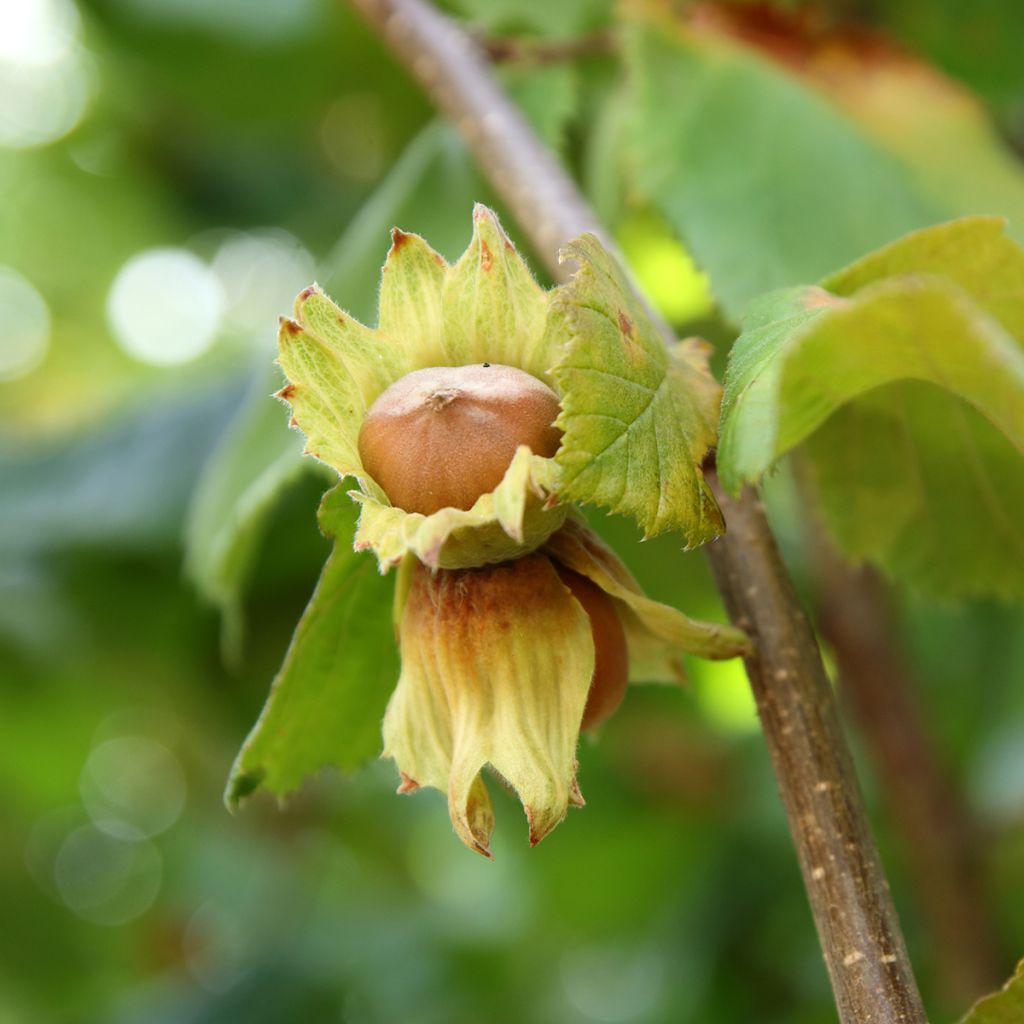
Corylus avellana Tonda Gentile Trilobata
Corylus avellana Tonda Gentile Trilobata
Corylus avellana Tonda Gentile Trilobata
hazel
Back-to-school special offer!
Get €10 off for every €50 you spend! And get up to €40 off on a single order.
How does it work?
1. Shop your favourites
Add your favourite plants to your basket. For every €50 you spend (excluding delivery charges, store credit and the plastic-free option), you’ll receive a €10 voucher.
€50 spent = €10 voucher
€100 spent = €20 voucher
€150 spent = €30 voucher
€200 spent = €40 voucher
2. Place your order
Once your basket reaches one of the spending thresholds, place your order. You can even choose your delivery date!
3. Receive your voucher
As soon as your order has been shipped, you’ll receive an email containing your personal voucher code and its value.
4. Use it on your next order
Your voucher is valid for 90 days from the date you receive it. It can be used once only, on a new order worth at least the value of the voucher, excluding delivery charges.
Please note: Vouchers can be combined with other offers, but cannot be split or refunded.
Why not try an alternative variety in stock?
View all →
Available in 0 sizes
Available in 0 sizes

Available in 1 sizes
Available in 0 sizes
Available in 1 sizes

Available in 1 sizes
Available in 1 sizes

Available in 1 sizes
Available in 1 sizes
Available in 2 sizes
This plant carries a 12 months recovery warranty
More information
We guarantee the quality of our plants for a full growing cycle, and will replace at our expense any plant that fails to recover under normal climatic and planting conditions.
Description
Corylus avellana 'Tonda Gentile Trilobata' is a Hazel with large fruits native to Piedmont, Italy. Its hazelnuts are renowned as some of the best, with a creamy texture and an exceptional flavour, protected by a thin shell that is easy to crack. This relatively early variety is very productive and disease-resistant. It starts bearing fruit after 3 to 4 years. Its growth is moderate and can be trained as a single-trunk ornamental tree. The hazel tree grows in full sun or partial shade, in neutral or limestone soil, moist but not too dry.
Corylus avellana belongs to the Betulaceae family, just like Birch, Alder, or Hornbeam. It is native to temperate zones of the northern hemisphere. It is a small monoecious fruit tree, bearing separate male and female inflorescences on the same individual. It is naturally self-sterile and needs to be cross-pollinated, which is done by wind and bees that carry its pollen to other plants.
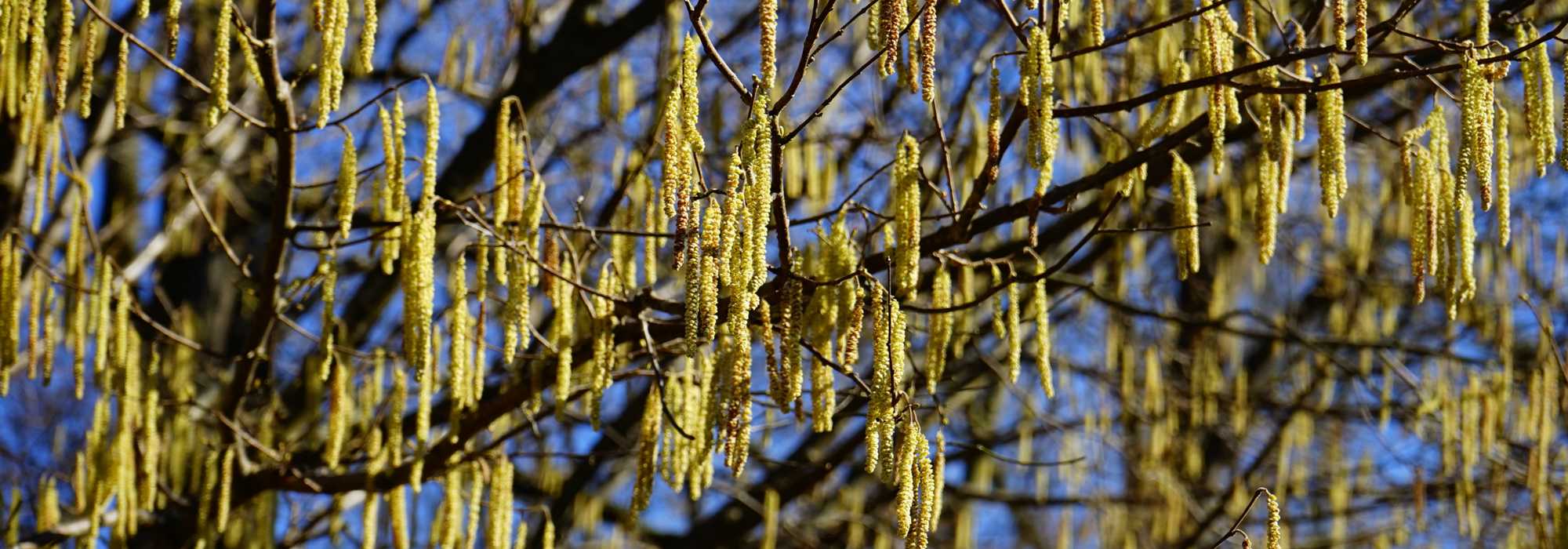
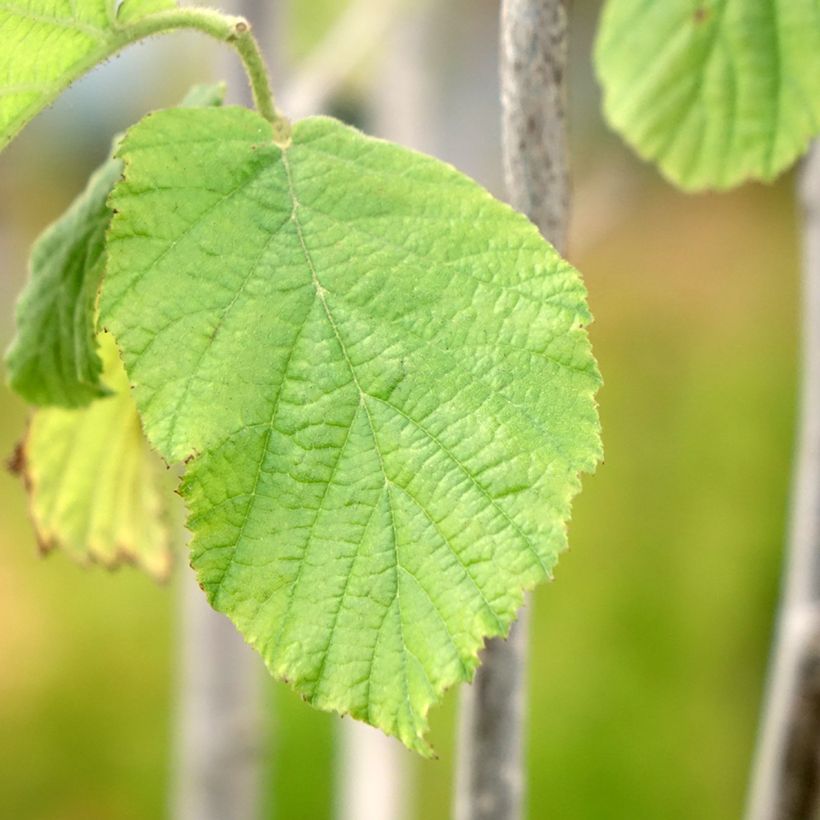
The 'Tonda Gentile Trilobata' cultivar is renowned for its hazelnut production and is used for commercial horticulture in the Lower Piedmont regions. This moderately suckering bush is particularly suitable for small gardens. It blooms with yellow-green catkins in February or March, adding an aesthetic touch to the garden. The deciduous foliage appears later. It is dense and gives the Corylus a bushy appearance. The leaves are round, strongly veined, and 6 to 10 cm long. The fruits that form on 3 to 4-year-old shoots are achenes called hazelnuts. In 'Tonda Gentile Trilobata', they are large with a thin shell. They are usually ready to harvest from August to September.
With a good yield and regular production over the years, this variety needs to be pollinated by another variety, such as the Hazelnut 'Merveille de Bollwiller'. This early ripening variety will allow you to extend the harvest season as it reaches maturity around mid-August. It is extremely hardy, well beyond -20 °C.
The lifespan of the common hazel is about 60 years.
To accompany 'Tonda Gentile Trilobata' in a fruit hedge or a country garden, plant a Blackthorn from which you can make jams with its blue-black fruits. In the same theme of a slightly wild hedge, also consider an Amelanchier, such as Amelanchier alnifolia Saskatoon Berry, with small spherical fruits resembling blueberries, which you can use in desserts, pastries, or jams. An original bush, the Crataegus pinnatifida Big Ball, a Chinese Hawthorn with a small size (3.50 m) but larger fruits than other species, suitable for compotes or jams, and rich in vitamin C, will also be a good companion.
Corylus avellana Tonda Gentile Trilobata in pictures
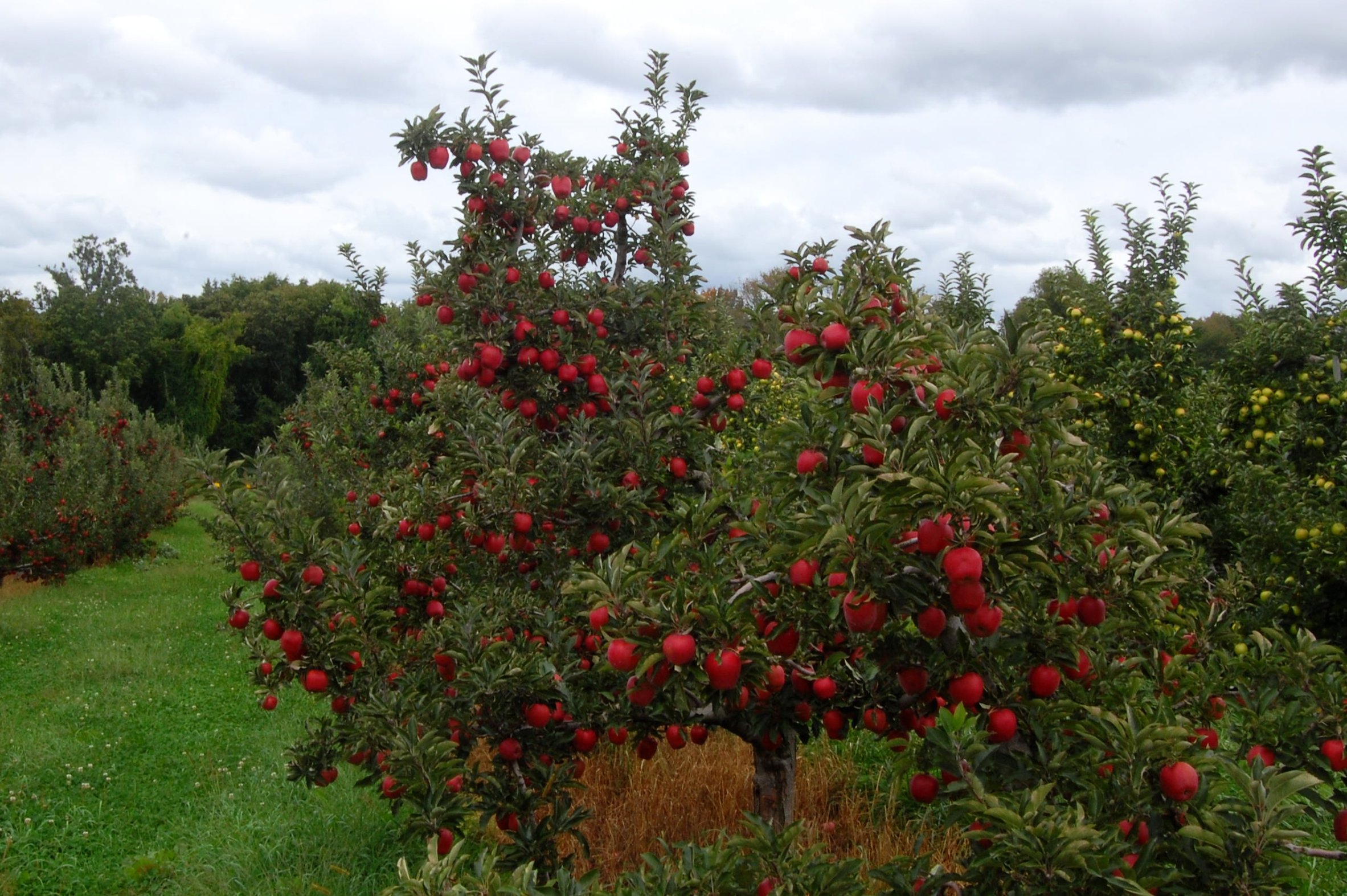
Plant habit
Fruit
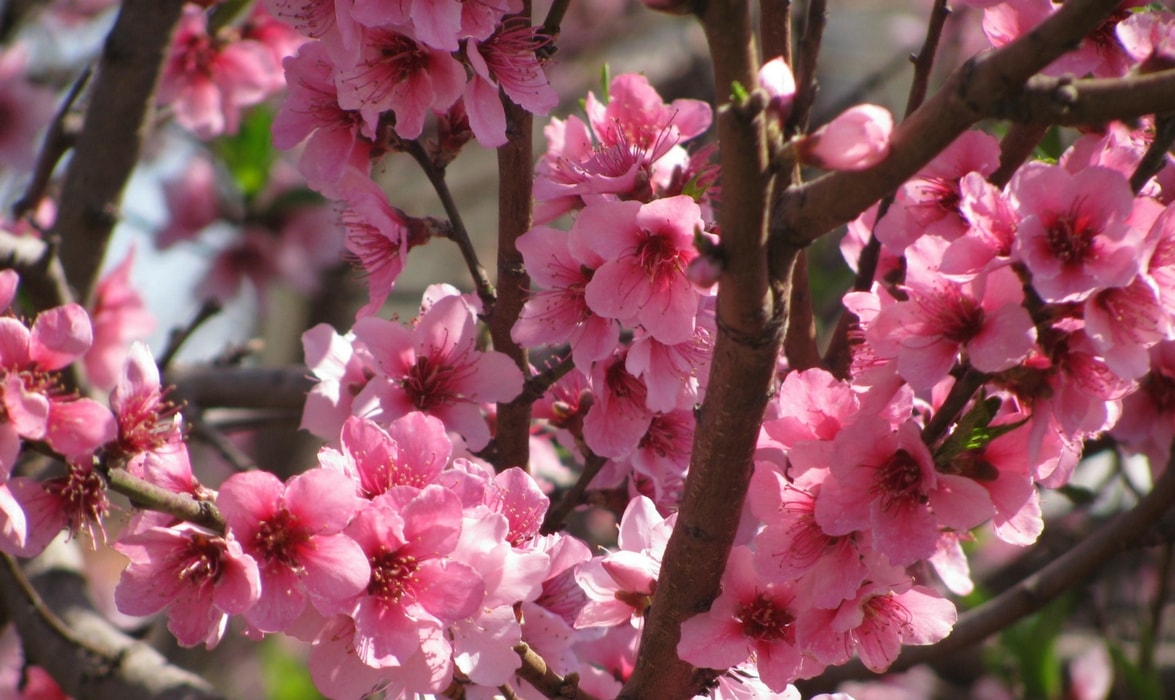
Flowering
Foliage
Safety measures
atteinterespiratoire
Cette plante peut entraîner des symptômes allergiques.
Evitez de la planter si vous ou vos proches souffrez de rhinite saisonnière ("rhume des foins").
Davantage d'informations sur https://plantes-risque.info
Planting and care
Corylus avellana 'Tonda Gentile Triloba' thrives in the sun or partial shade. Plant it in any type of well-drained soil, but not too dry in the summer. It tolerates limestone well, but not too much acidity. Preferably plant in autumn and water well, then water during each summer to promote good hazelnut production. Fruit tree fertiliser will improve the appearance and yield of this bush.
For good fruiting, plant at least two varieties together. In late autumn, prune crossing branches to aerate the base. It is a good idea to prune the hazelnut every 4 years to regenerate it.
Planting period
Intended location
Care
Planting & care advice
-
-
-
-
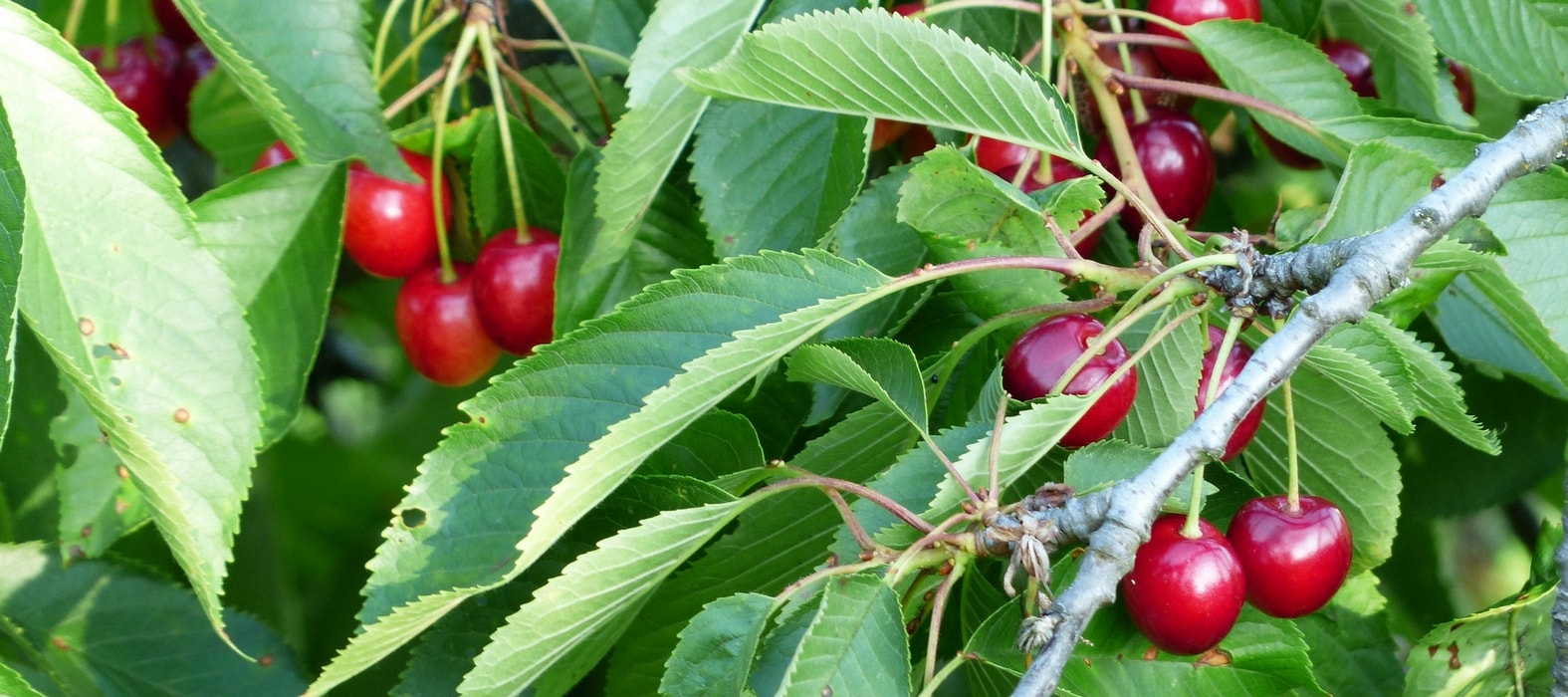
-
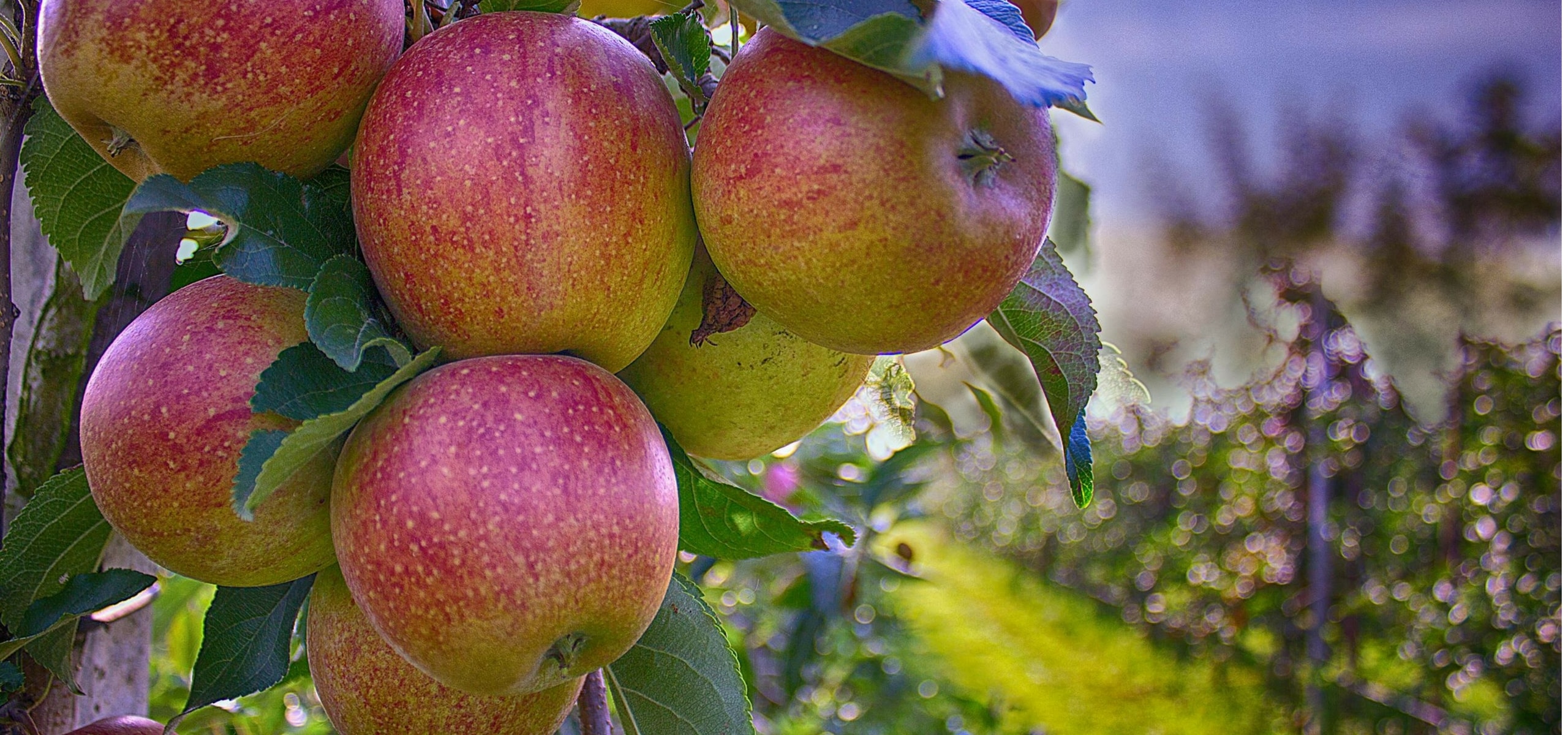
-
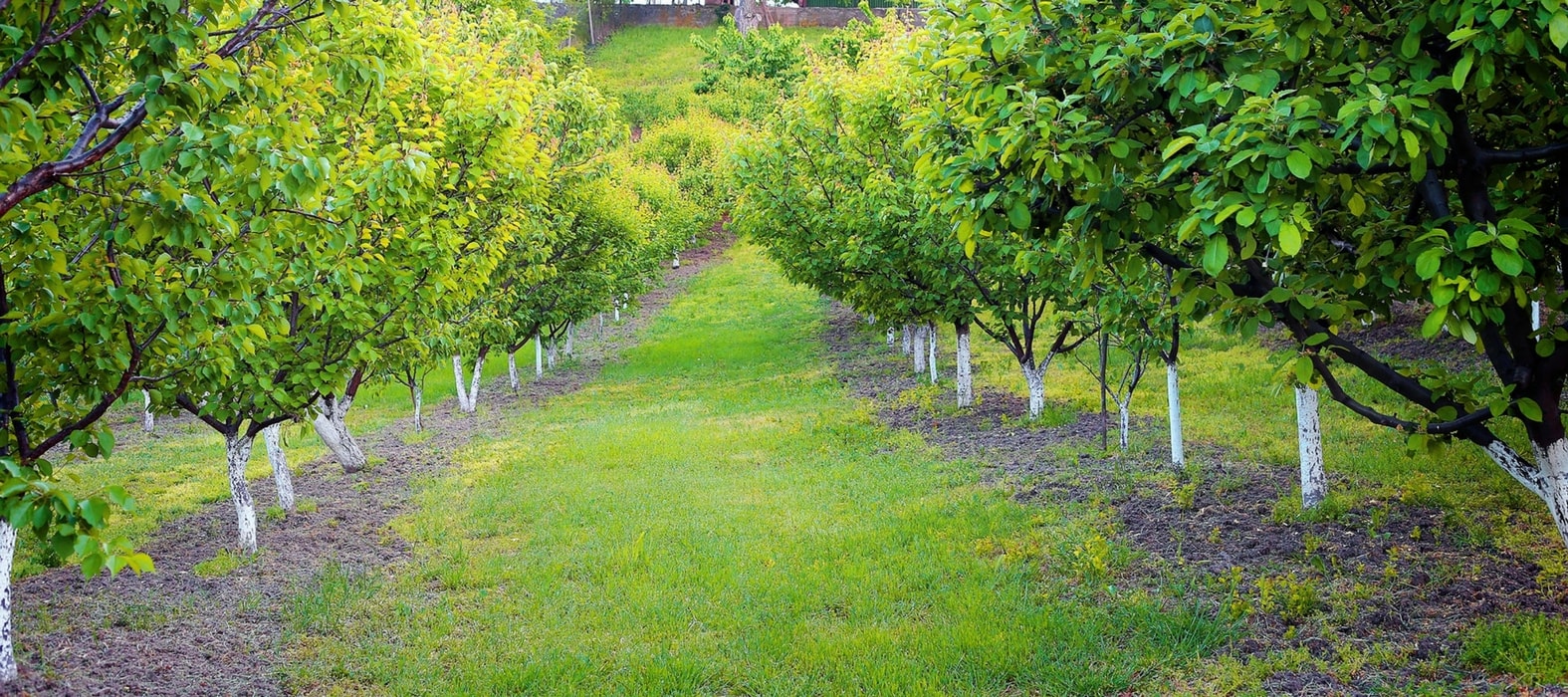
-
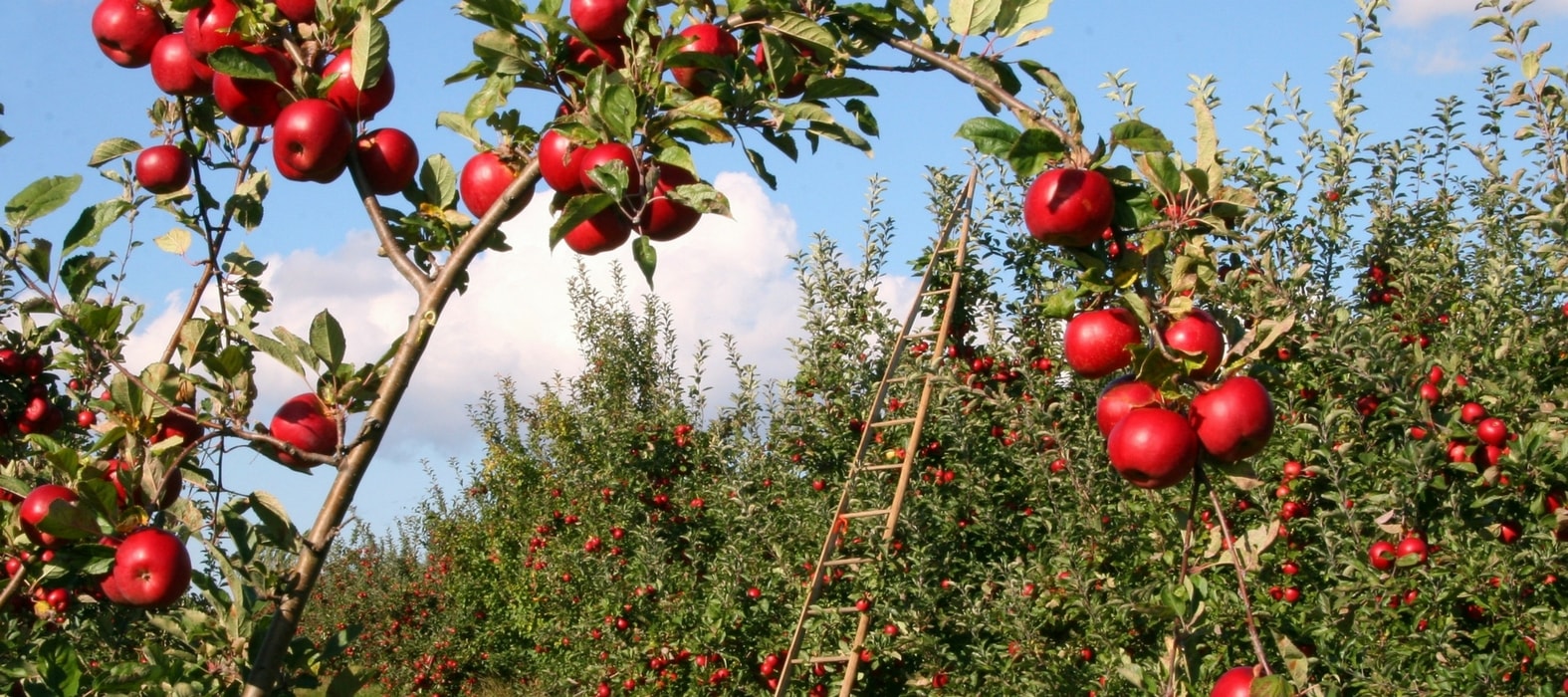
-
This item has not been reviewed yet - be the first to leave a review about it.
Recently viewed products
Haven't found what you were looking for?
Hardiness is the lowest winter temperature a plant can endure without suffering serious damage or even dying. However, hardiness is affected by location (a sheltered area, such as a patio), protection (winter cover) and soil type (hardiness is improved by well-drained soil).
In temperate climates, pruning of spring-flowering shrubs (forsythia, spireas, etc.) should be done just after flowering.
Pruning of summer-flowering shrubs (Indian Lilac, Perovskia, etc.) can be done in winter or spring.
In cold regions as well as with frost-sensitive plants, avoid pruning too early when severe frosts may still occur.
The harvesting period indicated on our website applies to countries and regions in USDA zone 8 (France, England, Ireland, the Netherlands).
In colder areas (Scandinavia, Poland, Austria...) fruit and vegetable harvests are likely to be delayed by 3-4 weeks.
In warmer areas (Italy, Spain, Greece, etc.), harvesting will probably take place earlier, depending on weather conditions.
The sowing periods indicated on our website apply to countries and regions within USDA Zone 8 (France, UK, Ireland, Netherlands).
In colder areas (Scandinavia, Poland, Austria...), delay any outdoor sowing by 3-4 weeks, or sow under glass.
In warmer climes (Italy, Spain, Greece, etc.), bring outdoor sowing forward by a few weeks.
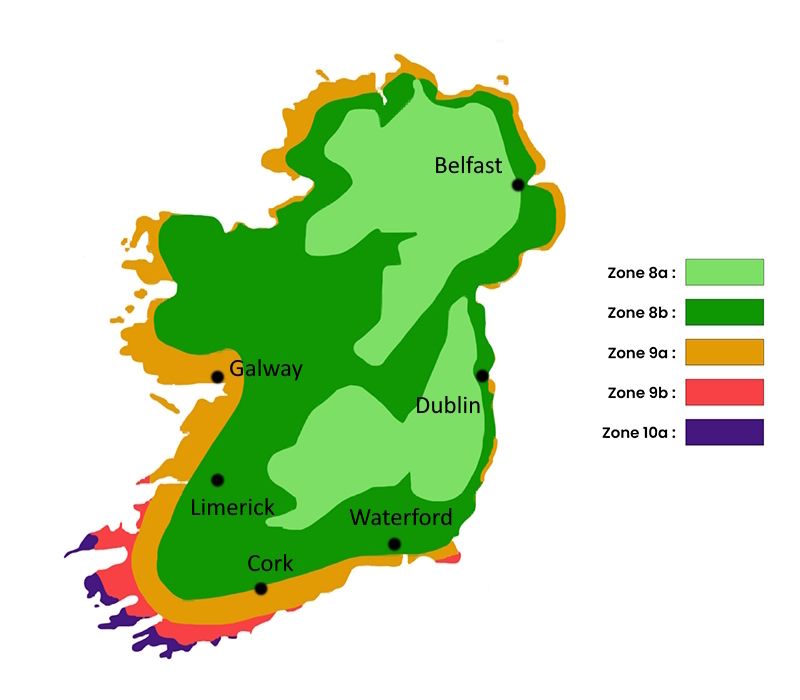
The planting period indicated on our website applies to regions in USDA Zone 9a (East Coast and Midlands: Dublin, Wexford, Waterford, Kilkenny, Portlaoise). It will vary depending on where you live:
- On the west coast and in the north-west (Galway, Limerick, Sligo, Donegal, Westport), delay planting by 1 to 2 weeks in spring and bring it forward by 1 to 2 weeks in autumn compared to the dates given, preferably choosing periods without strong winds.
- In the inland hills and plateaus (Wicklow Mountains, Macgillycuddy’s Reeks, Connemara, Killarney), it is best to plant in spring (April–May) or autumn (September–October), avoiding periods of waterlogged soil in winter and strong winds, which pose the main risk to newly planted trees in these areas.
The flowering period indicated on our website applies to regions in USDA Zone 9a, such as the East Coast and Midlands, including Dublin, Wexford, Waterford, Kilkenny and Portlaoise.
This will vary depending on where you live:
- On the west coast and in the northwest (Galway, Limerick, Sligo, Donegal and Westport), it will be delayed by one to two weeks compared to the given dates, due to stronger Atlantic winds and less spring sunshine.
- In the inland hills and plateaus (the Wicklow Mountains, the Macgillycuddy's Reeks, Connemara and Killarney), flowering will be delayed by two to three weeks. Flowering mainly occurs between May and July, with the limiting factors being less frost and more of the excessive humidity, strong winds and lack of sunshine that are characteristic of these areas.
Shipping country and language
Your country of residence may be:
Your country of residence is:
For a better user experience on our website, you can select:
Your shipping country:
-
 Austria
-
 Belgium
-
 Bosnia & Herzegovina
-
 Bulgaria
-
 Croatia
-
 Cyprus
-
 Czechia
-
 Denmark
-
 Estonia
-
 Finland
-
 France
-
 Germany
-
 Greece
-
 Hungary
-
 Iceland
-
 Ireland
-
 Italy
Italy
-
 Latvia
-
 Liechtenstein
-
 Lithuania
-
 Luxembourg
-
 Malta
Malta
-
 Netherlands
-
 Poland
-
 Portugal
-
 Romania
-
 Serbia
-
 Slovakia
-
 Slovenia
-
 Spain
Spain
-
 Sweden
-
 Switzerland
Language:
-
French
-
 English
-
Spanish
-
Italian
-
German
-
Portuguese
-
Dutch
-
Finnish
My Account
Hello
My wish lists
My cart
Log in / Register
Existing customer?
This form is protected by reCAPTCHA - the Google Privacy Policy and Terms of Service apply.
New customer?
Create an account to track your orders, access our customer service and, if you wish, make the most of our upcoming offers.