Cucumis melo Dudaim
Cucumis melo Dudaim
Cucumis melo Dudaim
Cucumis melo var. dudaim Queen Anne's Pocket
Melon
Back-to-school special offer!
Get €10 off for every €50 you spend! And get up to €40 off on a single order.
How does it work?
1. Shop your favourites
Add your favourite plants to your basket. For every €50 you spend (excluding delivery charges, store credit and the plastic-free option), you’ll receive a €10 voucher.
€50 spent = €10 voucher
€100 spent = €20 voucher
€150 spent = €30 voucher
€200 spent = €40 voucher
2. Place your order
Once your basket reaches one of the spending thresholds, place your order. You can even choose your delivery date!
3. Receive your voucher
As soon as your order has been shipped, you’ll receive an email containing your personal voucher code and its value.
4. Use it on your next order
Your voucher is valid for 90 days from the date you receive it. It can be used once only, on a new order worth at least the value of the voucher, excluding delivery charges.
Please note: Vouchers can be combined with other offers, but cannot be split or refunded.
Home or relay delivery (depending on size and destination)
Important: You may be charged customs duties by your country’s customs authorities upon delivery.
Schedule delivery date,
and select date in basket
This plant carries a 6 months recovery warranty
More information
We guarantee the quality of our plants for a full growing cycle, and will replace at our expense any plant that fails to recover under normal climatic and planting conditions.
Description
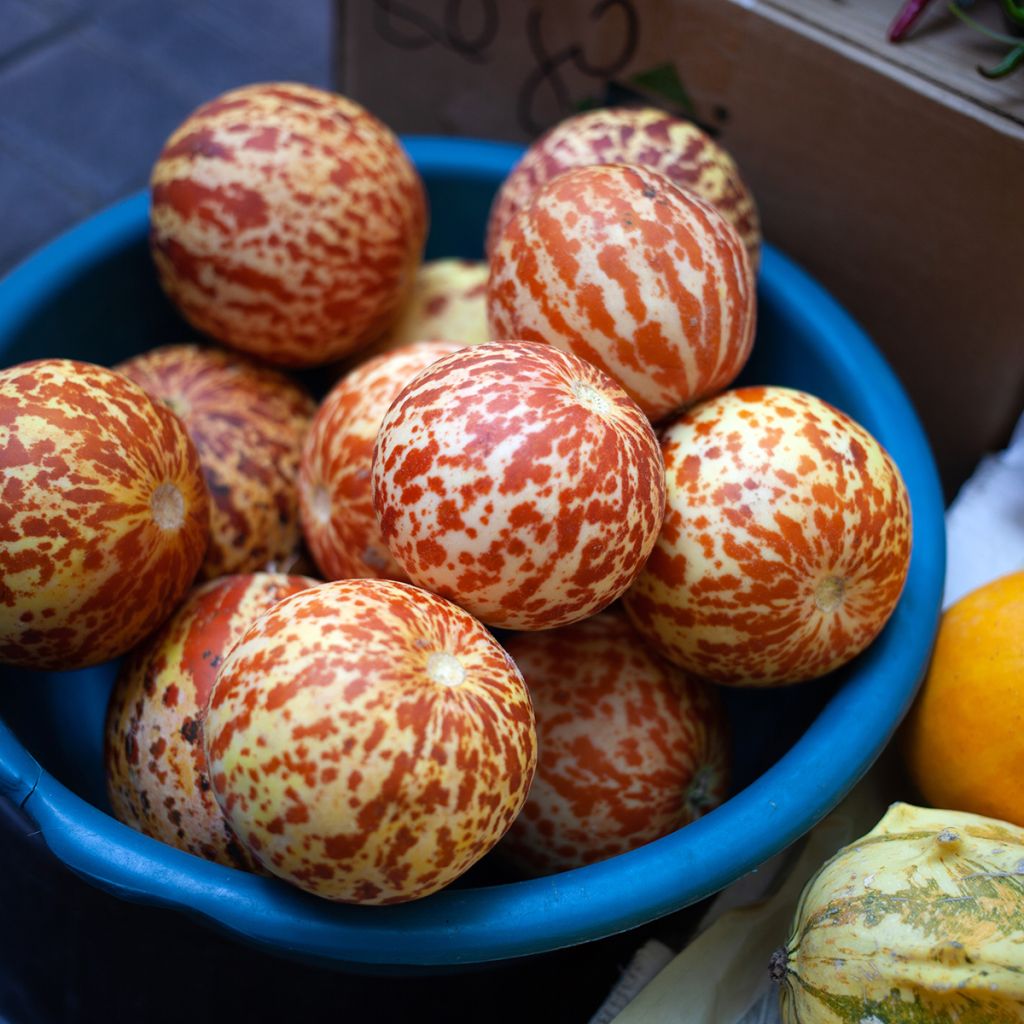
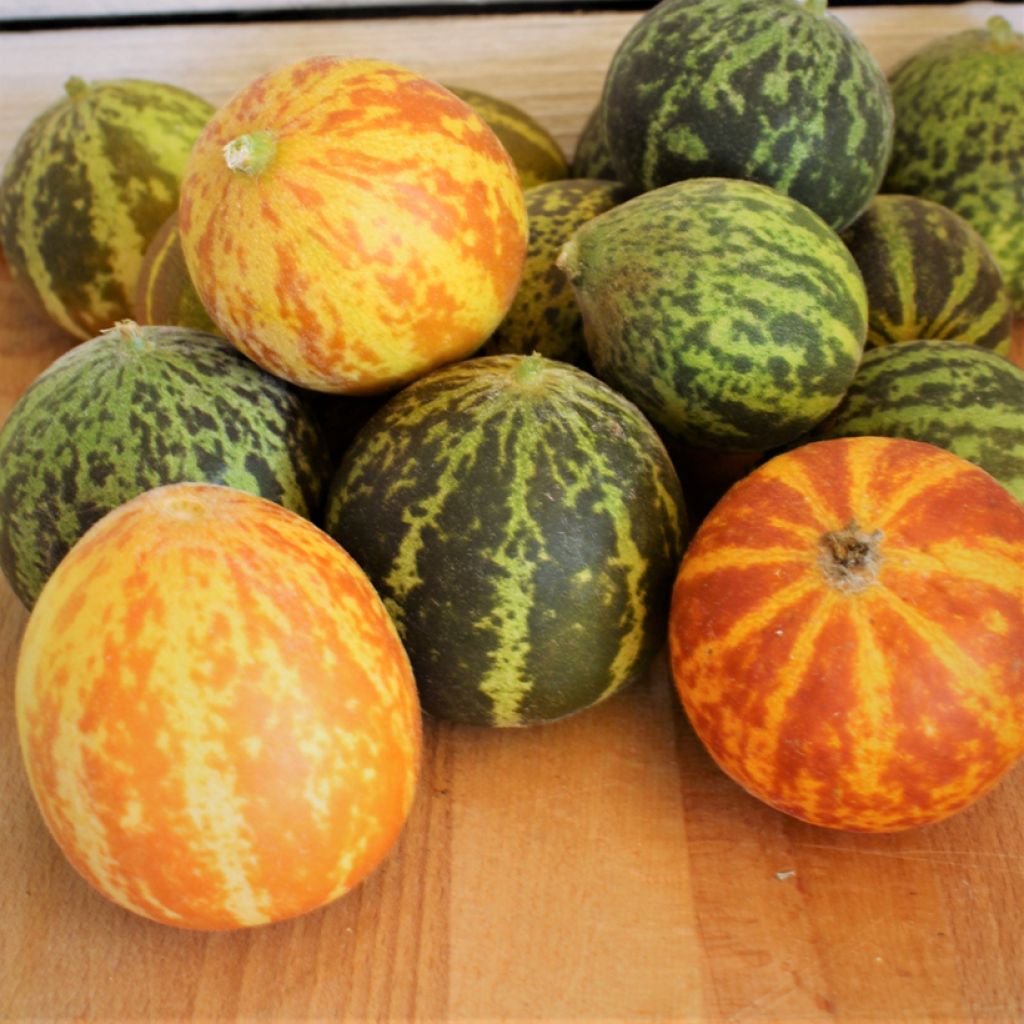
The Queen Anne's Pocket Melon (Cucumis melo dudaim), also known as the Queen Anne's Melon or Dudaïm Cucumber, is an annual climbing plant distinguished by its remarkably aromatic small yellow-orange fruits. Appreciated for its ornamental qualities, this melon brings a unique touch to the garden, whether planted directly in the ground or in a pot on the terrace.
The Queen Anne's Pocket Melon, belonging to the Cucurbitaceae family, originates from Central Asia, a region known for its rich diversity of flora. This plant with long climbing stems, equipped with tendrils, can reach up to 2 m in height. This variety has been particularly popular since the 19th century, as evidenced by its mention in the reference work Les plantes potagères by Vilmorin-Andrieu in 1883, where it is described as a horticultural curiosity.
Queen Anne's Pocket Melon produces small fruits, comparable to tennis balls, about 6 to 8 cm in diameter. Their yellow-orange skin is marked with fine stripes, giving the fruits a decorative appearance. The flesh is white and without notable taste, surrounded by a velvety skin. What truly sets this melon apart is its strong aroma, a fragrance that evokes summer and lingers long after harvest.
The discreet flowering consists of small yellow flowers typical of the Cucurbitaceae, which appear a few weeks after sowing. The plant is annual and requires approximately 80 to 90 days after sowing to produce its first fruits. Sow this melon under cover from April, or directly in place in May, after the last frosts. Harvest from July to September.
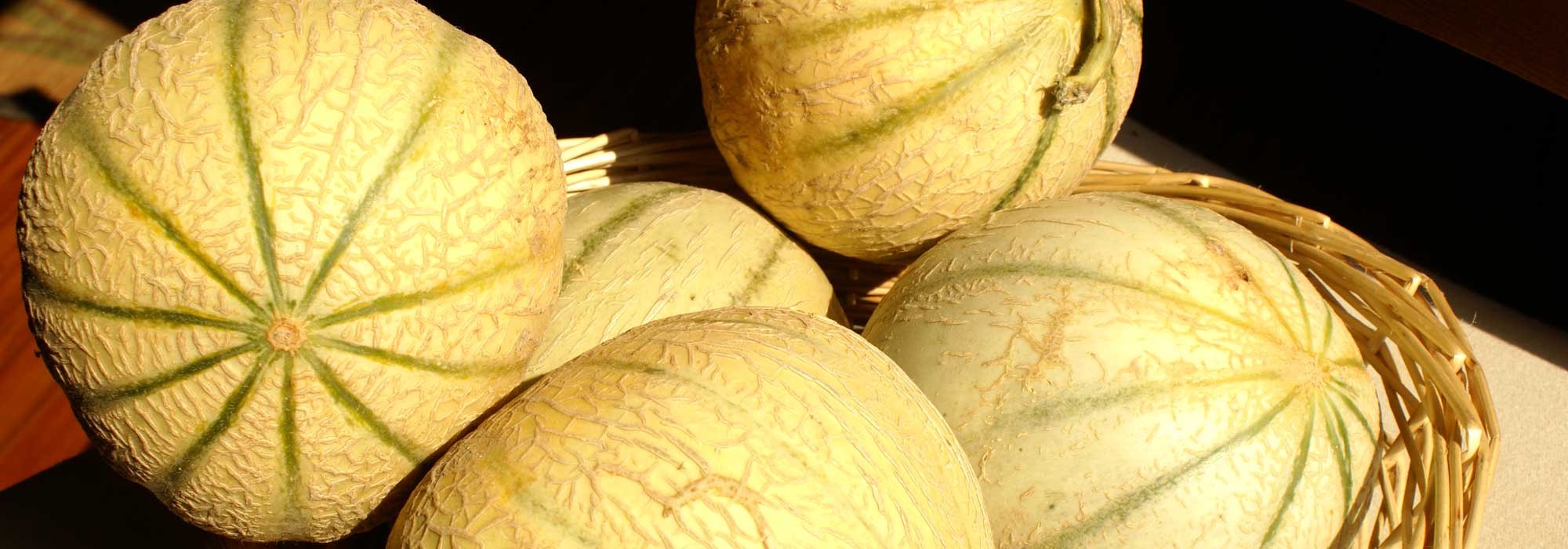
Harvesting: about four weeks are needed between fruit formation and the picking time. The sweet scent emitted by the fruit and the stalk about to detach indicate that they are ready. These small melons are mainly used for decoration. They release a strong and pleasant fragrance, which can be used to scent the house. They can be placed in baskets or bowls as table ornaments, or even hung in clusters.
Storage: Small pocket melons generally keep for 1 to 3 months after harvesting. Their thick skin and small size contribute to their good conservation, but the exact duration may vary depending on storage conditions. To prolong their pleasant fragrance, it is advisable to keep them in a dry and well-ventilated place, at room temperature or cooler.
Gardener's Tip:
Melons are very prone to powdery mildew (a fungal disease leaving a white fuzz on the leaves). Carefully avoid watering the leaves or flowers. Melons are very nutrient-demanding fruits. Like cucumbers, watermelons, squash, etc., they deplete the soil's nutrients. Therefore, it is advisable not to grow this type of fruit-vegetable always in the same place or in succession, to avoid excessively impoverishing the soil.
In the garden, pair the pocket melon with morning glories, these plants will climb on trellises. Nasturtiums will complement the pocket melon well with their brightly coloured flowers and similar growth. You can also plant it alongside passion flowers, their exotic flowers will perfectly accompany the sweet fragrance of the melon.
Harvest
Plant habit
Foliage
Botanical data
Cucumis
melo var. dudaim
Queen Anne's Pocket
Cucurbitaceae
Melon
Cucumis dudaim
Cultivar or hybrid
Annual
Planting and care
Soil preparation: Melon plants appreciate moist, well-drained soils. Prepare the soil by aerating it to a depth of about ten cm without turning it over. Melons need a soil rich in nutrients and plenty of warmth for successful fruiting. To help them, dig a hole to accommodate the young plant, fill it with well-decomposed manure or compost, and mix it with the soil to avoid root burn. The location should be very sunny, with ideally sandy, well-drained soil slightly acidic in pH. If the soil is not well-drained, create a small mound for each plant.
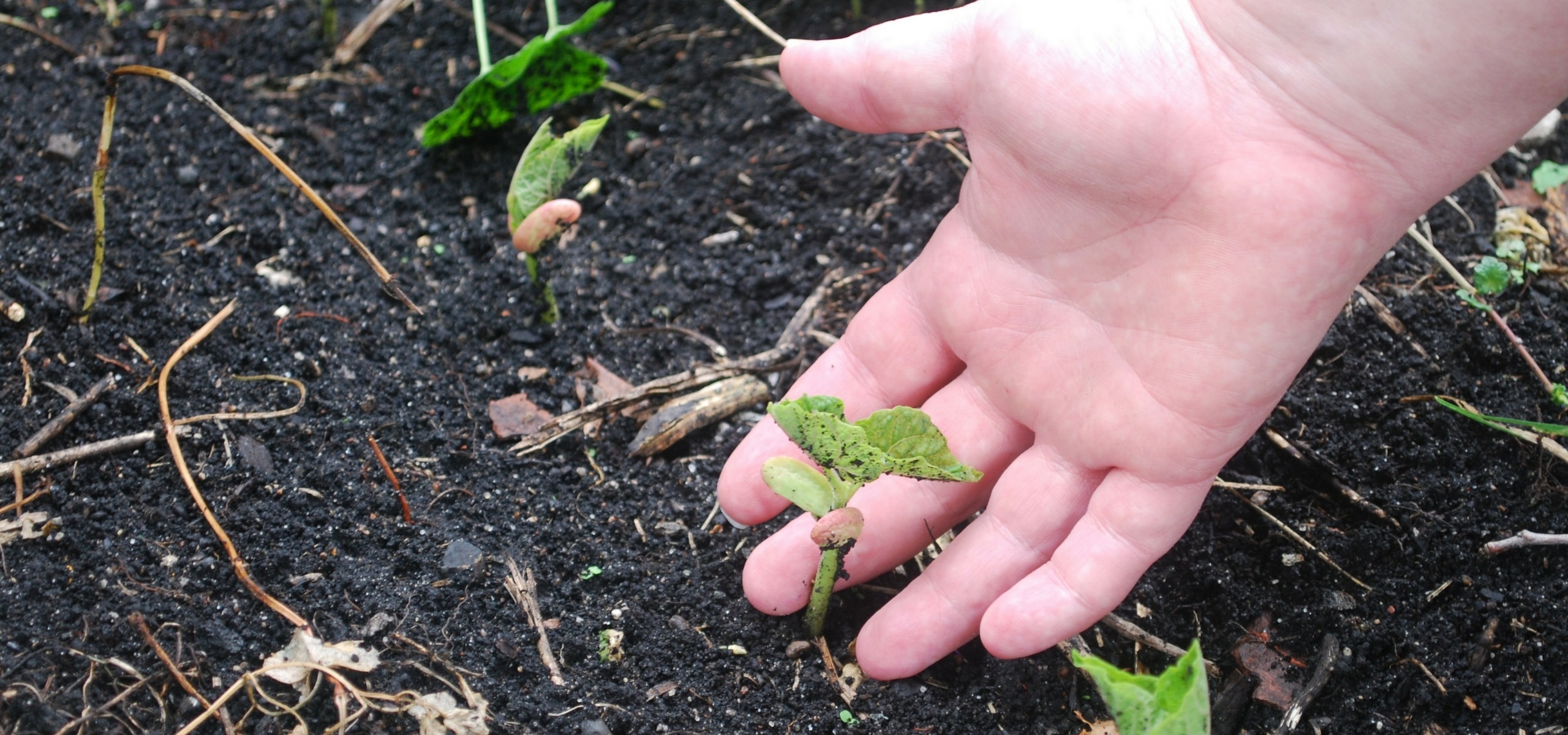
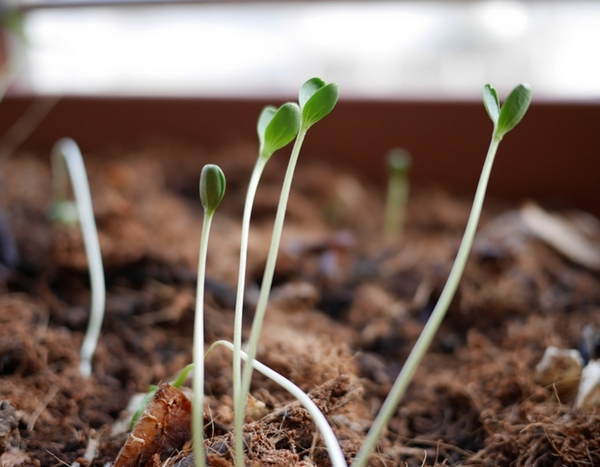
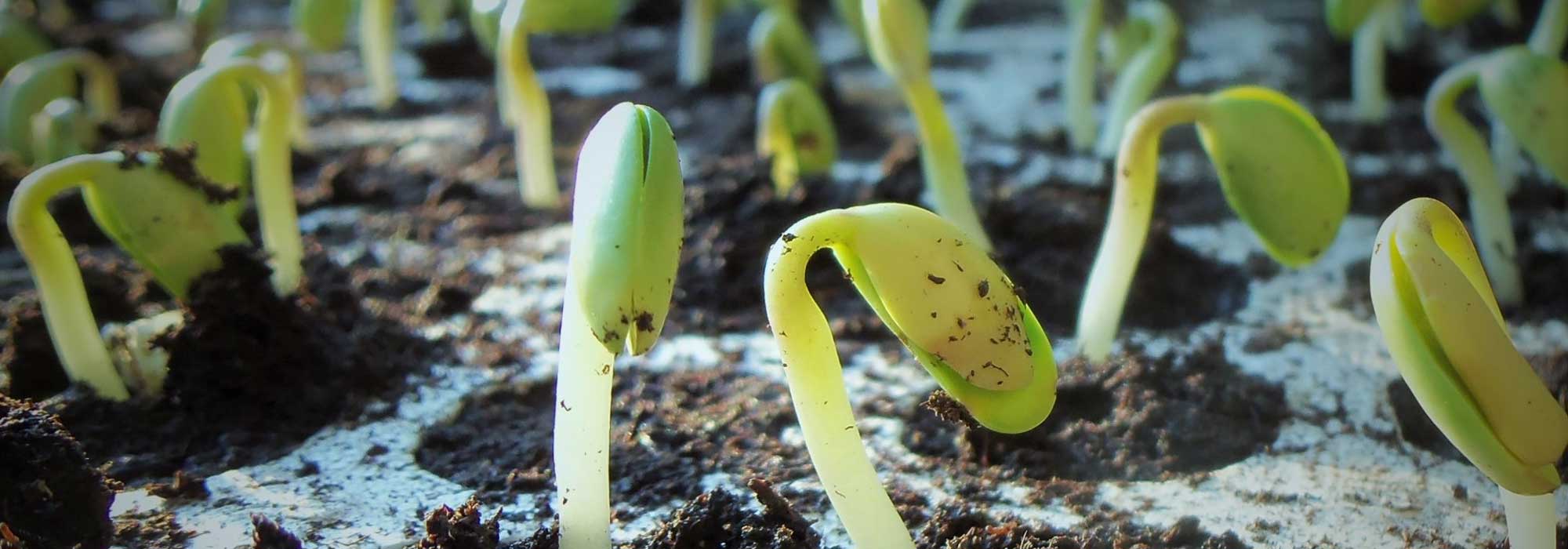
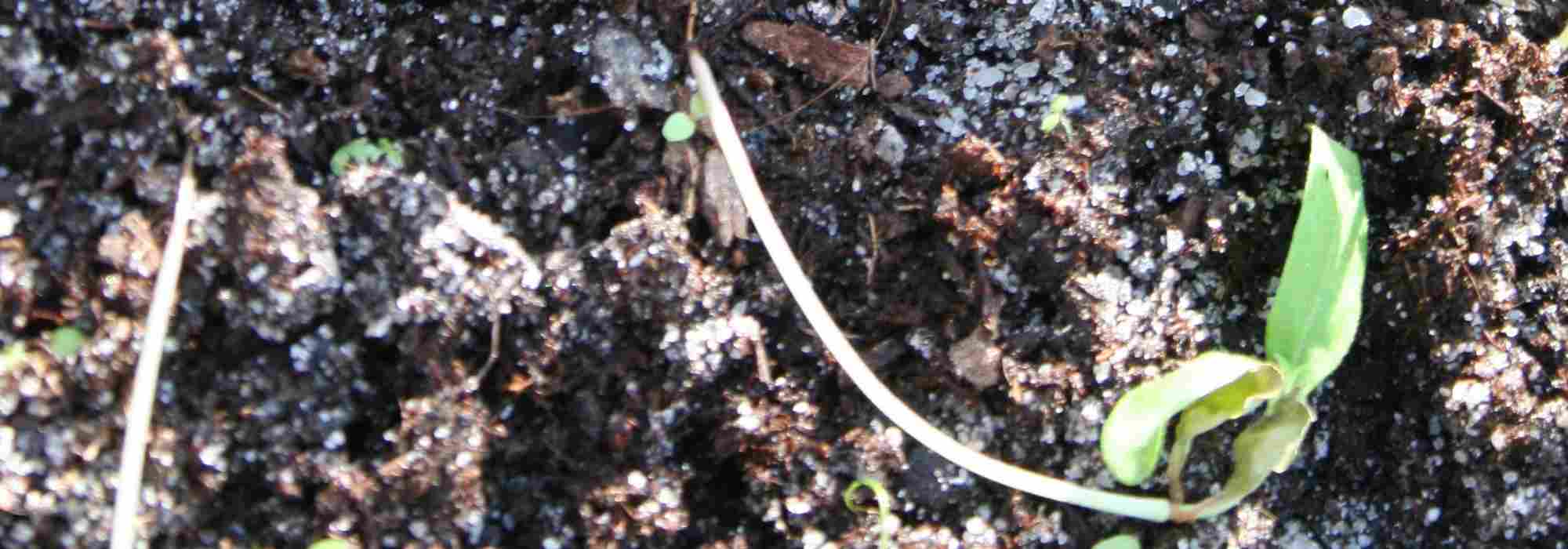
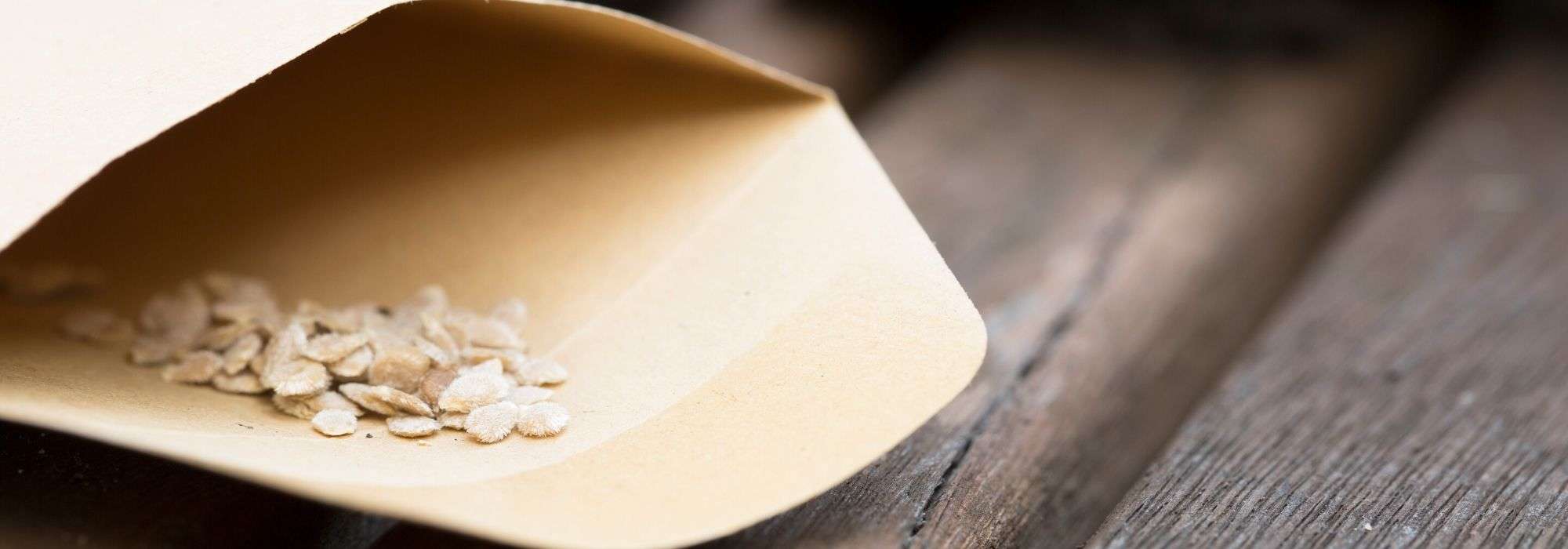
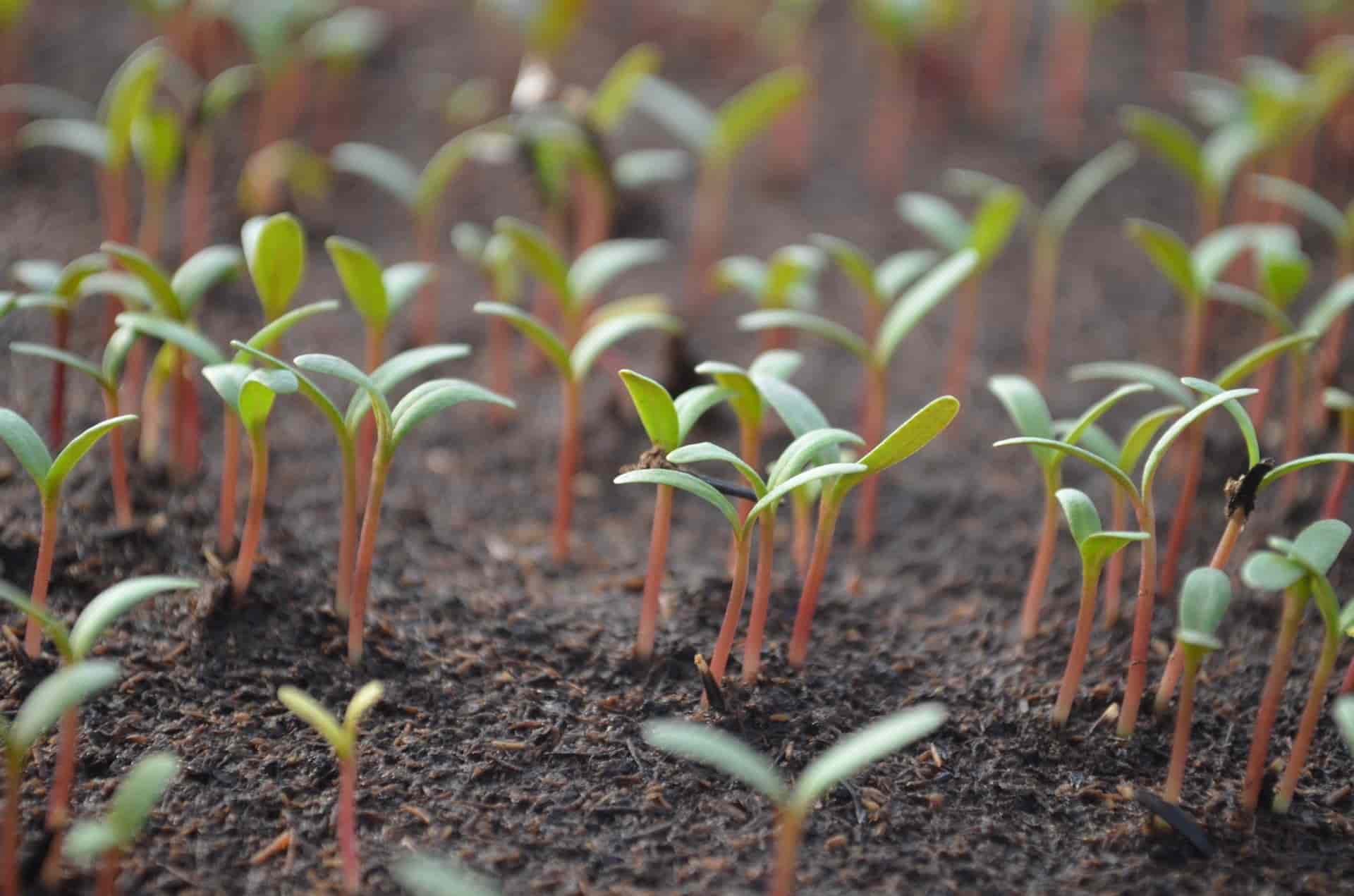
Sowing under glass: Melons can be grown in vegetable gardens. However, it is often better to sow them on a warm bed under a greenhouse, before transplanting them into the ground. Starting from the end of March, fill your pots or trays with seed compost and plant the melon seeds, tip down, to facilitate root development. Keep the soil moderately moist. The seeds usually germinate within 14 days. Once the plants have three true leaves, you can transplant them into the ground. Make sure beforehand that the soil is warm enough, with a temperature between 18 and 26°C for optimal growth. Space each plant 80 cm apart in all directions.
Sowing in open ground: In southern regions, melon seeds can be sown directly in open ground. Ensure that the soil is adequately warmed beforehand. Sow two to three seeds in small holes, tips pointing downwards. Repeat the process, spacing them at least 90 cm apart in all directions. Keep the soil moderately moist. When the plants have three true leaves, keep the most vigorous one.
Seedlings
Care
Intended location
Planting & care advice
-

-

-
-
-
-
-
-
This item has not been reviewed yet - be the first to leave a review about it.
Recently viewed products
Haven't found what you were looking for?
Hardiness is the lowest winter temperature a plant can endure without suffering serious damage or even dying. However, hardiness is affected by location (a sheltered area, such as a patio), protection (winter cover) and soil type (hardiness is improved by well-drained soil).
In temperate climates, pruning of spring-flowering shrubs (forsythia, spireas, etc.) should be done just after flowering.
Pruning of summer-flowering shrubs (Indian Lilac, Perovskia, etc.) can be done in winter or spring.
In cold regions as well as with frost-sensitive plants, avoid pruning too early when severe frosts may still occur.
The harvesting period indicated on our website applies to countries and regions in USDA zone 8 (France, England, Ireland, the Netherlands).
In colder areas (Scandinavia, Poland, Austria...) fruit and vegetable harvests are likely to be delayed by 3-4 weeks.
In warmer areas (Italy, Spain, Greece, etc.), harvesting will probably take place earlier, depending on weather conditions.
The sowing periods indicated on our website apply to countries and regions within USDA Zone 8 (France, UK, Ireland, Netherlands).
In colder areas (Scandinavia, Poland, Austria...), delay any outdoor sowing by 3-4 weeks, or sow under glass.
In warmer climes (Italy, Spain, Greece, etc.), bring outdoor sowing forward by a few weeks.
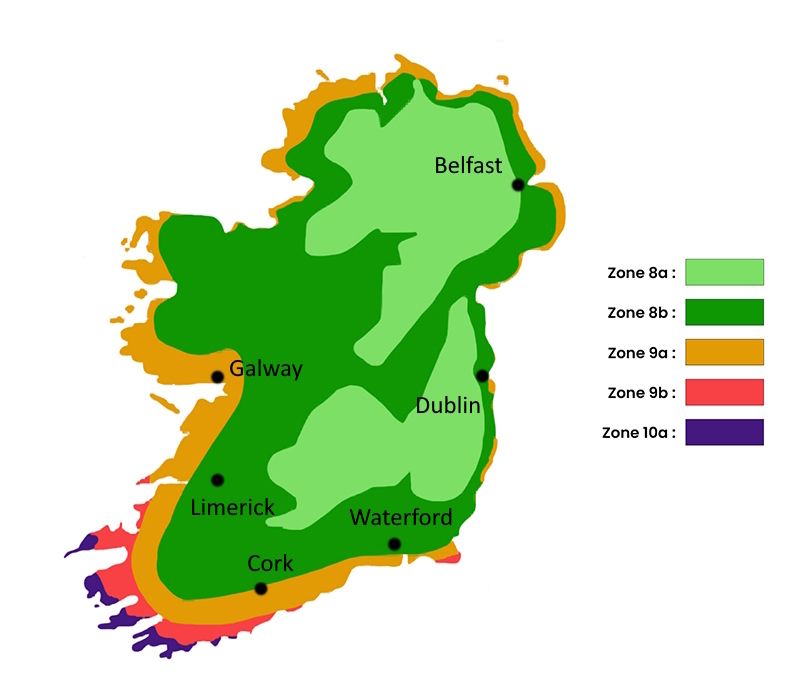
The planting period indicated on our website applies to regions in USDA Zone 9a (East Coast and Midlands: Dublin, Wexford, Waterford, Kilkenny, Portlaoise). It will vary depending on where you live:
- On the west coast and in the north-west (Galway, Limerick, Sligo, Donegal, Westport), delay planting by 1 to 2 weeks in spring and bring it forward by 1 to 2 weeks in autumn compared to the dates given, preferably choosing periods without strong winds.
- In the inland hills and plateaus (Wicklow Mountains, Macgillycuddy’s Reeks, Connemara, Killarney), it is best to plant in spring (April–May) or autumn (September–October), avoiding periods of waterlogged soil in winter and strong winds, which pose the main risk to newly planted trees in these areas.
The flowering period indicated on our website applies to regions in USDA Zone 9a, such as the East Coast and Midlands, including Dublin, Wexford, Waterford, Kilkenny and Portlaoise.
This will vary depending on where you live:
- On the west coast and in the northwest (Galway, Limerick, Sligo, Donegal and Westport), it will be delayed by one to two weeks compared to the given dates, due to stronger Atlantic winds and less spring sunshine.
- In the inland hills and plateaus (the Wicklow Mountains, the Macgillycuddy's Reeks, Connemara and Killarney), flowering will be delayed by two to three weeks. Flowering mainly occurs between May and July, with the limiting factors being less frost and more of the excessive humidity, strong winds and lack of sunshine that are characteristic of these areas.
Shipping country and language
Your country of residence may be:
Your country of residence is:
For a better user experience on our website, you can select:
Your shipping country:
-
 Austria
-
 Belgium
-
 Bosnia & Herzegovina
-
 Bulgaria
-
 Croatia
-
 Cyprus
-
 Czechia
-
 Denmark
-
 Estonia
-
 Finland
-
 France
-
 Germany
-
 Greece
-
 Hungary
-
 Iceland
-
 Ireland
-
 Italy
Italy
-
 Latvia
-
 Liechtenstein
-
 Lithuania
-
 Luxembourg
-
 Malta
Malta
-
 Netherlands
-
 Poland
-
 Portugal
-
 Romania
-
 Serbia
-
 Slovakia
-
 Slovenia
-
 Spain
Spain
-
 Sweden
-
 Switzerland
Language:
-
French
-
 English
-
Spanish
-
Italian
-
German
-
Portuguese
-
Dutch
-
Finnish
My Account
Hello
My wish lists
My cart
Log in / Register
Existing customer?
This form is protected by reCAPTCHA - the Google Privacy Policy and Terms of Service apply.
New customer?
Create an account to track your orders, access our customer service and, if you wish, make the most of our upcoming offers.