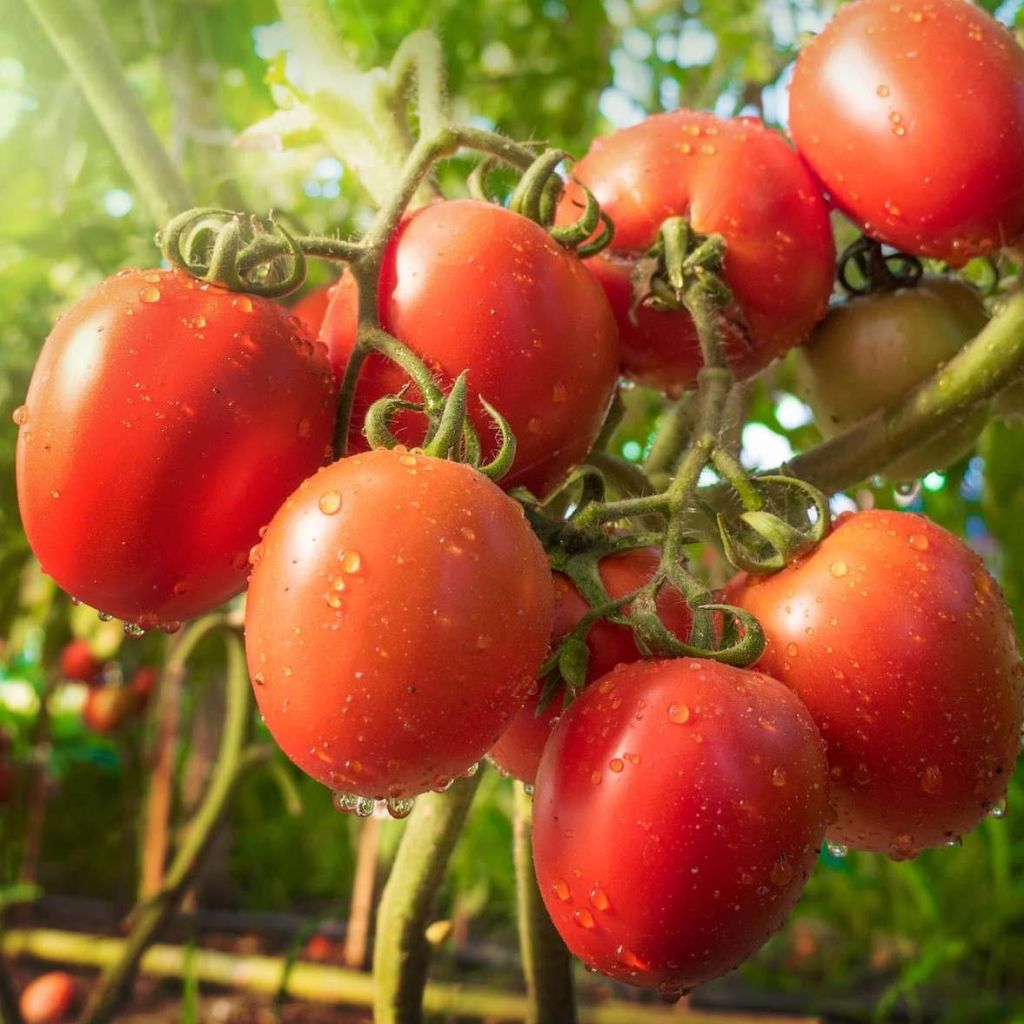
Tomato Nagina F1 Plants
Tomato Nagina F1 Plants
Solanum lycopersicum Nagina F1
Tomato
Je suis très déçu, c'est la première fois que je nai aucune tomate meme pas une fleur,les pieds ont a peine poussé, il en est de même pour les cornichons et les autres pieds de tomate ,jai simplement ceuilli qq fraises,cest la première et la derniere fois que je commande ici
Sandrine, 04/08/2021
Back-to-school special offer!
Get €10 off for every €50 you spend! And get up to €40 off on a single order.
How does it work?
1. Shop your favourites
Add your favourite plants to your basket. For every €50 you spend (excluding delivery charges, store credit and the plastic-free option), you’ll receive a €10 voucher.
€50 spent = €10 voucher
€100 spent = €20 voucher
€150 spent = €30 voucher
€200 spent = €40 voucher
2. Place your order
Once your basket reaches one of the spending thresholds, place your order. You can even choose your delivery date!
3. Receive your voucher
As soon as your order has been shipped, you’ll receive an email containing your personal voucher code and its value.
4. Use it on your next order
Your voucher is valid for 90 days from the date you receive it. It can be used once only, on a new order worth at least the value of the voucher, excluding delivery charges.
Please note: Vouchers can be combined with other offers, but cannot be split or refunded.
This plant carries a 6 months recovery warranty
More information
We guarantee the quality of our plants for a full growing cycle, and will replace at our expense any plant that fails to recover under normal climatic and planting conditions.
Description
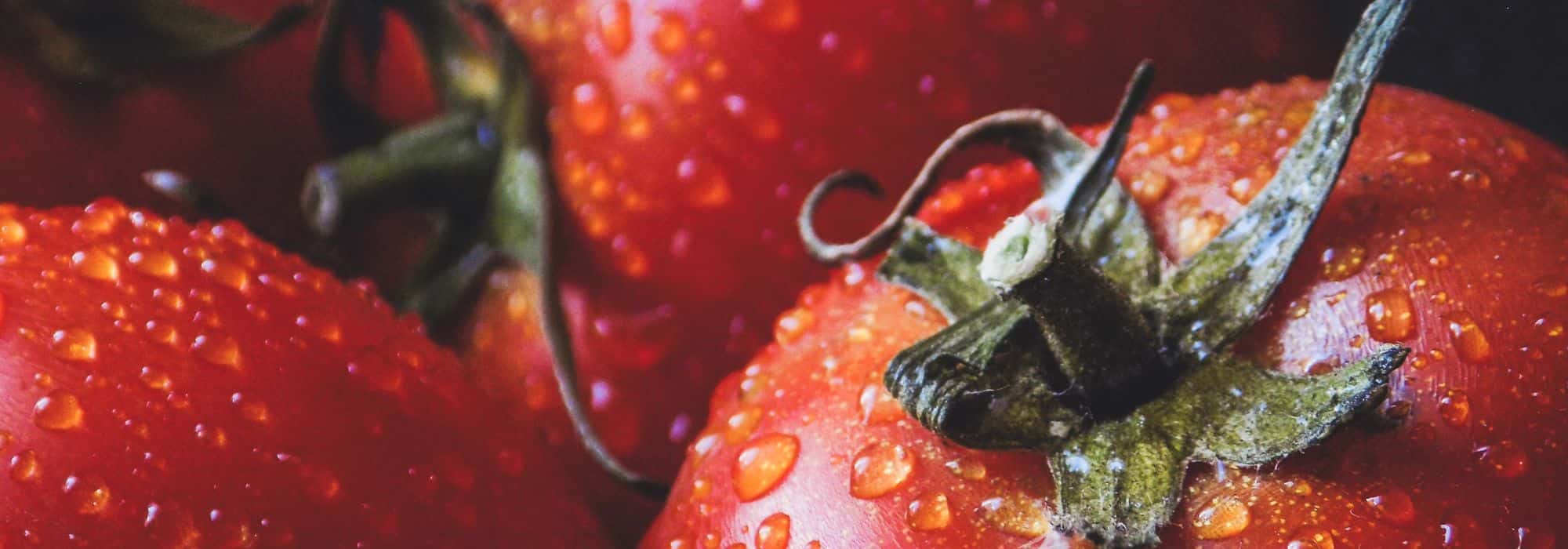
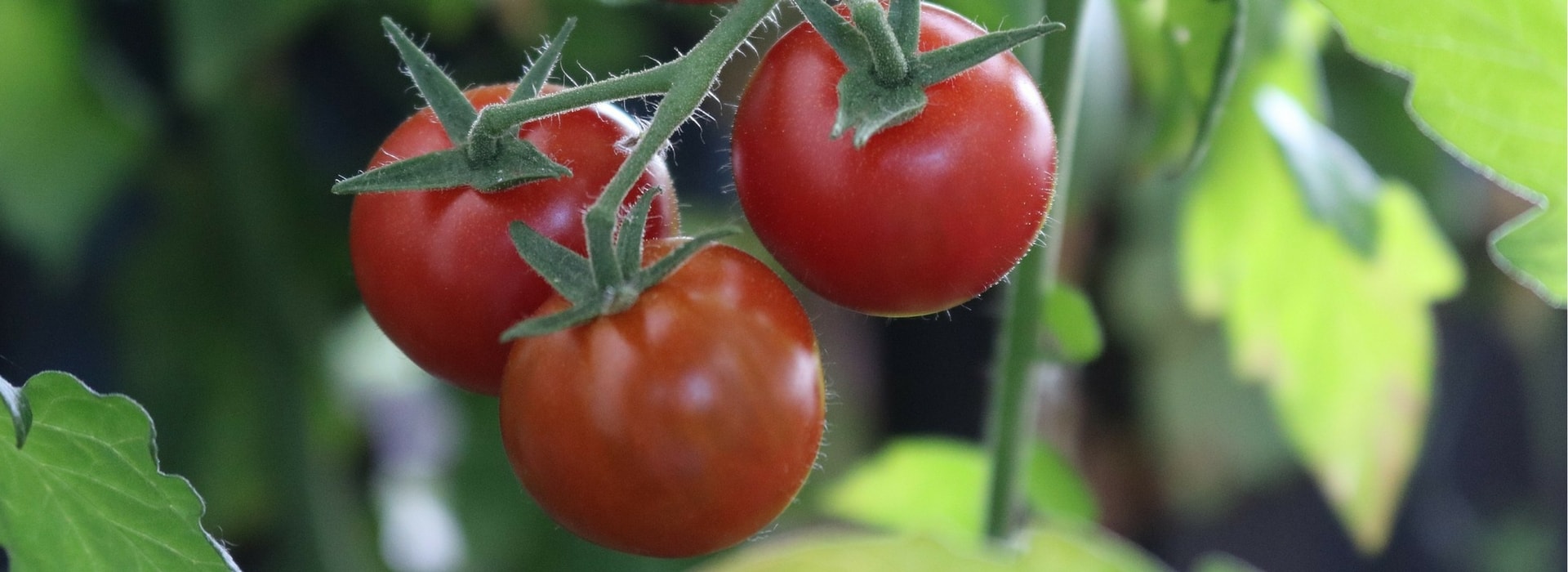
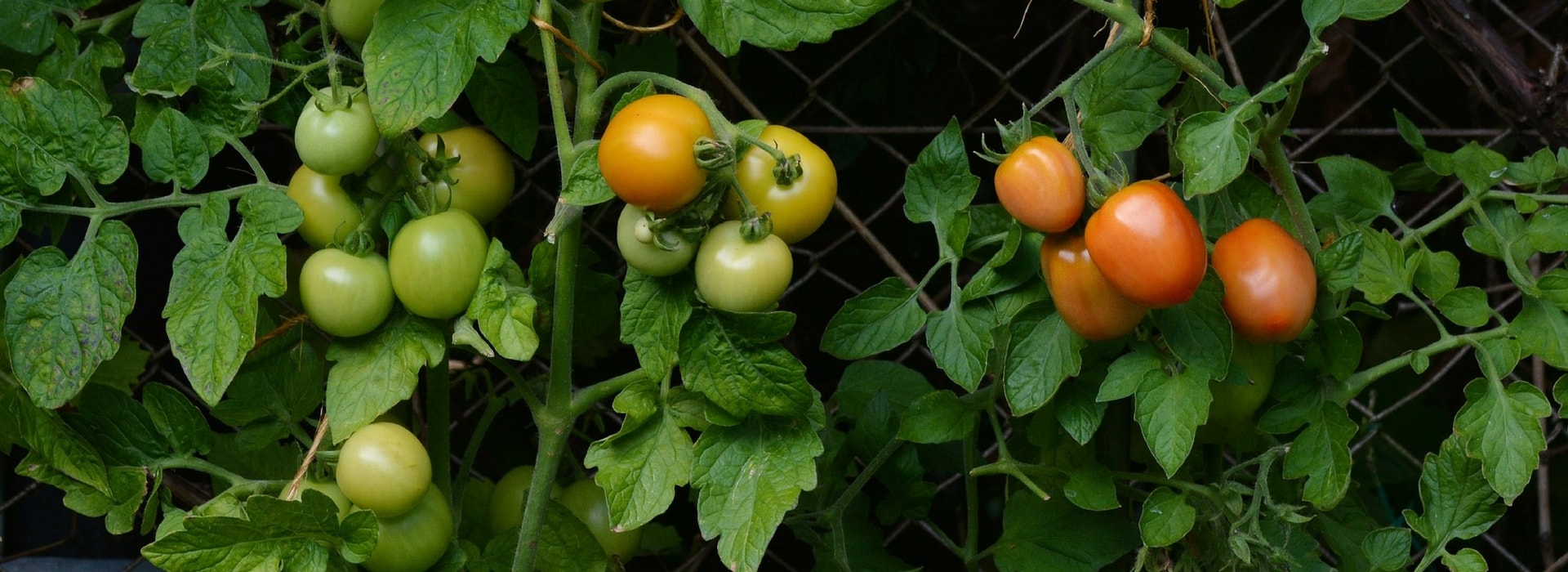
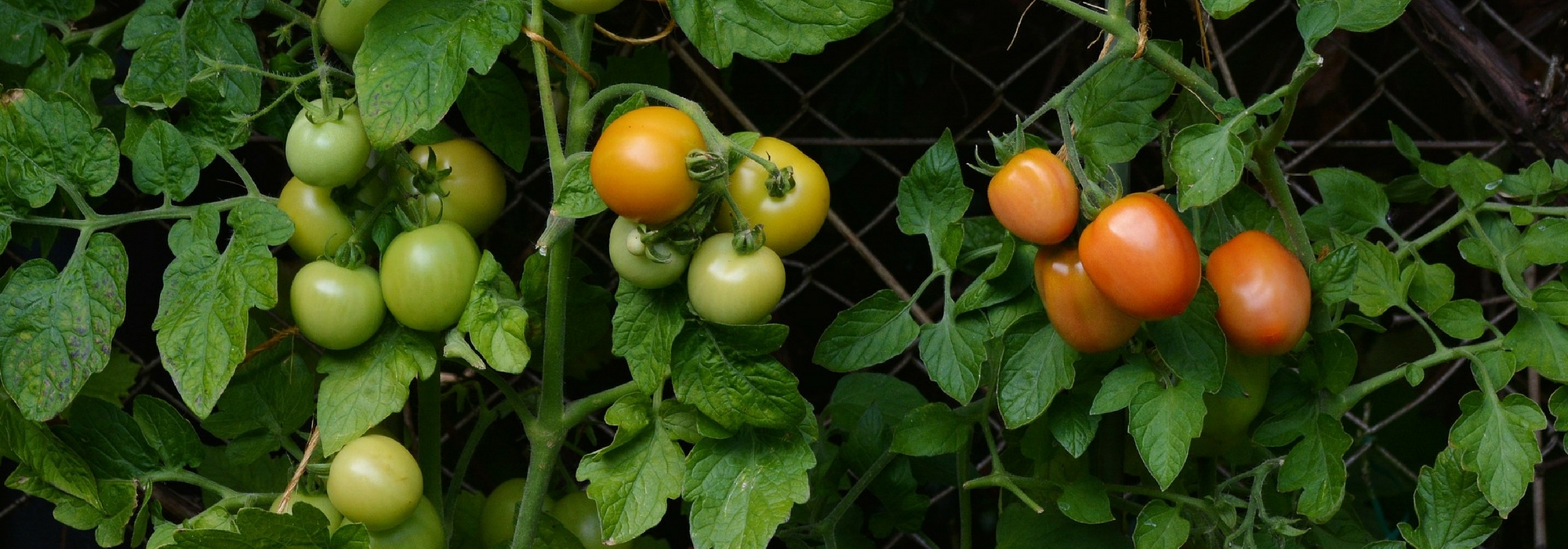
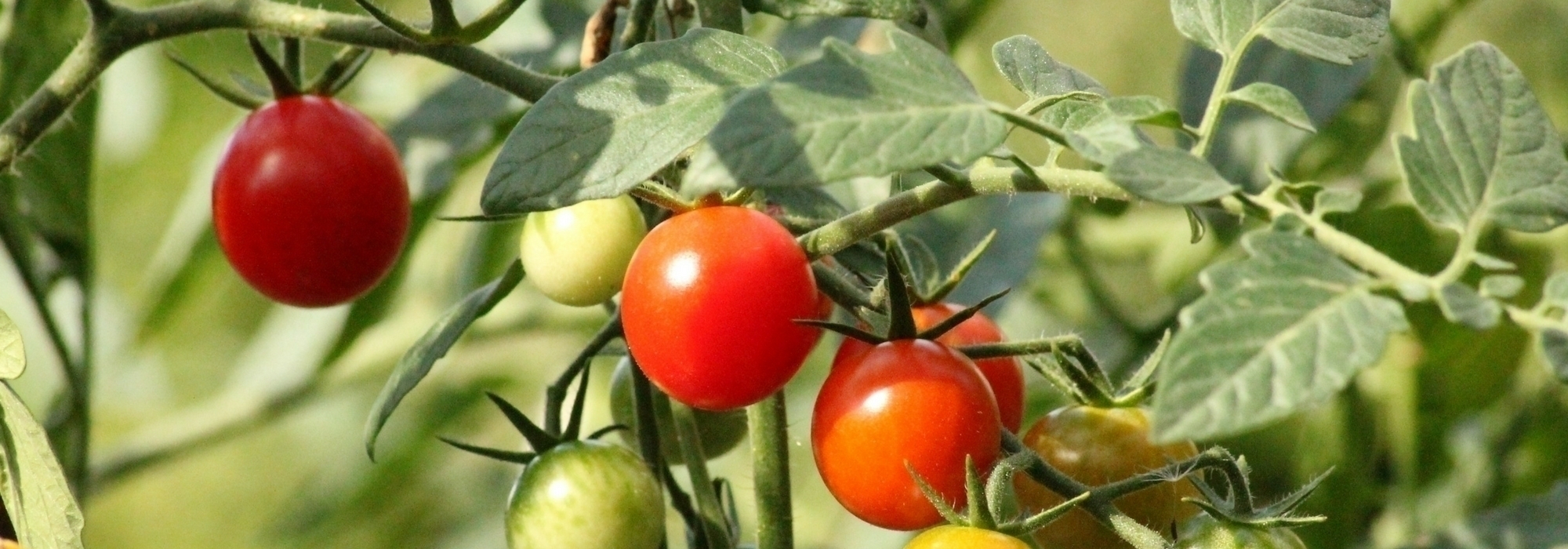
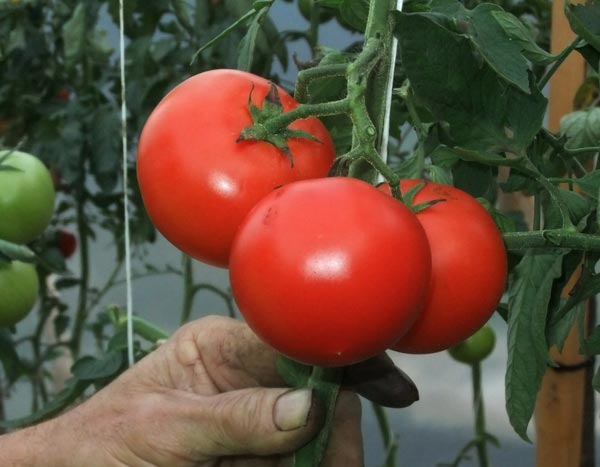
The Nagina F1 Tomato (also known as Crimson Plum) is a hybrid variety of Roma type tomato appreciated for its natural resistance to mildew and brown spots, making it particularly suitable for cool and humid climates. The plant is vigorous and very productive, producing clusters of elongated tomatoes with firm, flavorful flesh and few seeds. They are especially useful in cooked dishes, sauces, and preserves, but also work well in summer salads. This variety can be grown in the ground in a vegetable garden, in a greenhouse, or in a large pot on a balcony. The plants are very vigorous and should be staked early to prevent them from bending under the weight of their own fruit. The plug plants should be planted from April to June after the last frost, when the plants have reached about fifteen centimeters. The 'Nagina' Tomato can be harvested from July to October.
The tomato is native to South America and Central America. Several varieties were already cultivated by the Incas long before the arrival of the Conquistadors. We are still amazed by the genetic diversity of this solanaceous plant. The term 'tomato' comes from the Inca word Tomatl, which refers to both the plant and the fruit it produces. There are tomatoes of every color, except perhaps blue, and they come in all shapes and sizes.
The tomato is one of the many foods that came to us from the New World, along with beans, corn, squash, potatoes, and chili peppers. However, it took longer for the tomato to reach our taste buds. For a long time, it was cultivated for its aesthetic and medicinal qualities. It was believed to be toxic because of its resemblance to the fruit of the mandrake, another solanaceous plant. It only became a regular part of our diet in the early 20th century.
The tomato plant is a perennial herbaceous plant in tropical climates, but is grown as an annual in our latitudes. It lignifies over time and produces small, insignificant yellow flowers grouped in cymes, which then transform into fruits.
It must be admitted that the tomato fruit is very attractive and adds a pleasant color to the vegetable garden. It also has many nutritional benefits. Low in calories like most vegetables, rich in water, it contains a particularly interesting molecule: lycopene, a powerful antioxidant. And the longer the tomato is cooked, the more it releases this precious nutrient, making it available and easily absorbed by the body. It is also rich in vitamin C (especially when raw), pro-vitamin A, and trace elements.
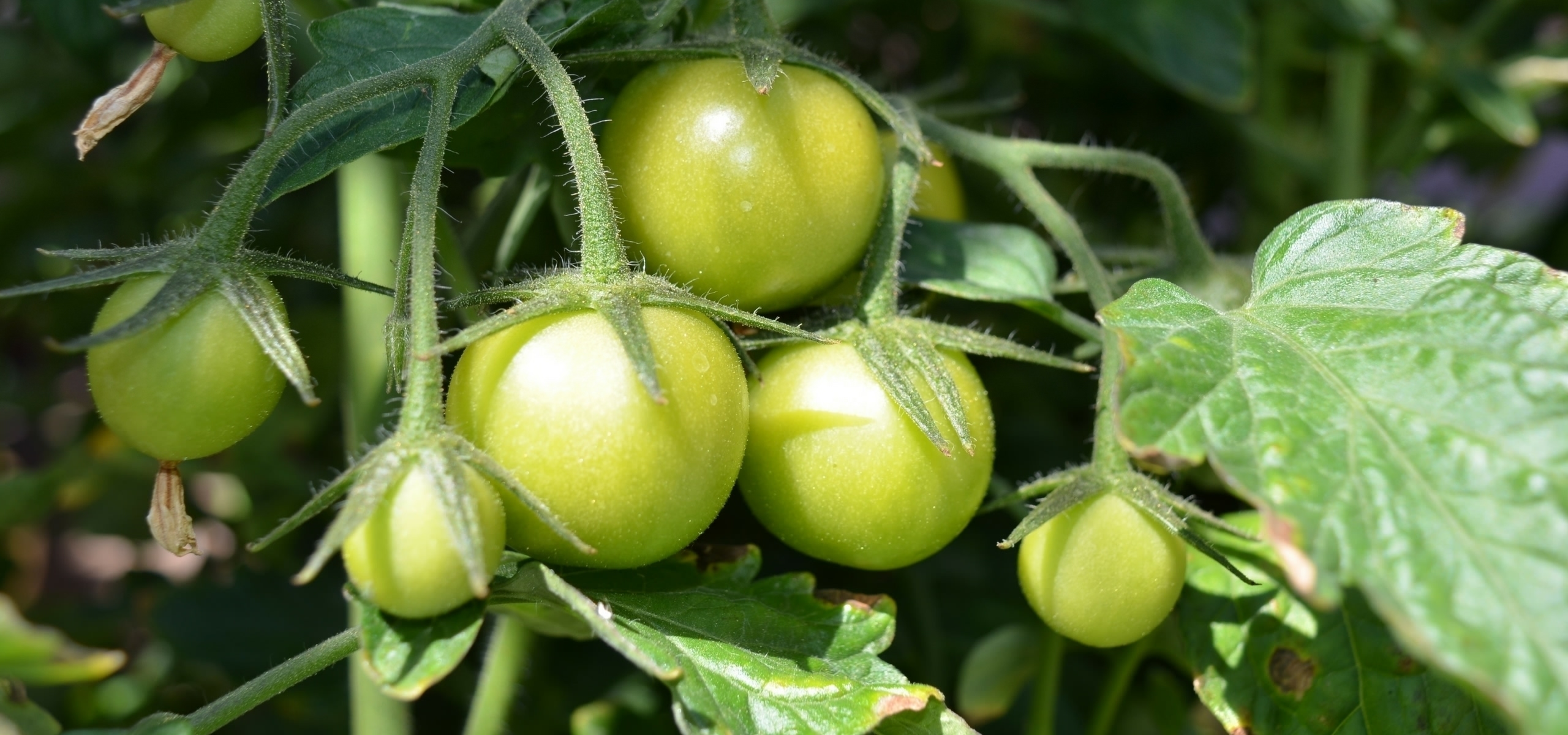
Harvesting: Nagina F1 is a medium-early variety, and can bear fruit from July-August to October, depending on the planting date and the climatic and cultivation conditions (under cover or outdoors). There is no foolproof way to determine in advance when a tomato has reached its full ripeness. It should be picked when, at the very least, it is completely colored as it was announced, and when its texture, while remaining firm, shows a slight softening. For better storage, it is advisable to pick the fruit with its calyx.
Storage: Tomatoes should be stored at an optimal temperature of 10-15°C (50-59°F). They can be kept for a few days in the vegetable compartment of your refrigerator or spread out in the open air. However, refrigeration alters the taste qualities of the fruit. To keep them longer, consider culinary methods such as tomato confit, sun-dried tomatoes, sauces, frozen fruits, preserves, jams, or juices. We love to make confit because it's simple and so tasty: cut your tomatoes in half and collect the juice. Place the tomato halves face up on the drip tray of your oven. Season with salt, pepper, and sugar, then bake at a very low temperature for at least an hour. Remove the tomatoes and consume them immediately, or store them in a glass jar and cover with olive oil.
Gardener's tip: It is recommended to grow several varieties of tomatoes each year to minimize the risk of losing an entire harvest due to climatic conditions or specific diseases. To prevent the occurrence of 'blossom end rot' - not a disease but a calcium deficiency - spray a comfrey maceration rich in calcium on your plants.
Harvest
Plant habit
Foliage
Botanical data
Solanum
lycopersicum
Nagina F1
Solanaceae
Tomato
Cultivar or hybrid
Annual
Planting and care
Tomato plants are easy to grow. Sunlight and warmth play a crucial role in the success of this cultivation. Tomatoes thrive in rich, well-drained soil that has been deeply loosened. A few months before planting, add well-rotted compost after loosening the soil. If your soil is heavy, add some sand at the time of planting.
Initially, allow the plug plants to grow by transplanting them into 8 to 10.5 cm (3 to 4in) buckets filled with potting soil. Place them in a sunny and heated location: the temperature should never drop below 12-14°C (53.6-57.2°F), otherwise the foliage will turn yellow and the plant's growth will stop. When the plants reach a height of about 15 cm (6in), transplant them into the ground if the outside temperatures allow it.
Planting in the ground should be done once the risk of frost has passed, usually after the "Ice Saints" in mid-May. Choose a very sunny and sheltered spot. Space the plants 50 cm (20in) apart in rows, and 70 cm (0 and 28in) between rows if you plan on pruning, or 1m (0 or 3ft) in all directions for unpruned plants. Dig a hole (3 times the size of the plug plant), add some well-rotted compost to the bottom of the hole. Place your plant, which can be buried up to the first leaves, then backfill. Firm the soil, create a basin around the base, and water generously. Be careful not to wet the leaves to protect your plants from fungal diseases.
Install stakes (soon after planting to avoid damaging the roots). Mulch the base of the plants. Water regularly as irregular watering can lead to a calcium deficiency, resulting in a condition commonly known as "blossom end rot".
In addition, tomatoes, like potatoes, are susceptible to late blight. This is a fungal disease caused by the Phytophthora infestans fungus. Late blight develops in warm and humid weather. Small spots appear, white on the undersides of the leaves and green-gray on top. To reduce the risk, space the plants sufficiently and avoid watering the foliage. In terms of crop rotation, wait 4 years before growing another plant from the Solanaceae family in the same spot, and do not cultivate them in neighboring rows. If necessary, spray with Bordeaux mixture or preparations such as horsetail decoction or garlic extract.
Less common, tomato cultivation in pots is still possible by choosing varieties with small fruits and placing the pot in a very sunny location.
Cultivation
Care
Intended location
Planting & care advice
-
-
-
-
-
-
-
-
-
, onOrder confirmed
Reply from on Promesse de fleurs
Recently viewed products
Haven't found what you were looking for?
Hardiness is the lowest winter temperature a plant can endure without suffering serious damage or even dying. However, hardiness is affected by location (a sheltered area, such as a patio), protection (winter cover) and soil type (hardiness is improved by well-drained soil).
In temperate climates, pruning of spring-flowering shrubs (forsythia, spireas, etc.) should be done just after flowering.
Pruning of summer-flowering shrubs (Indian Lilac, Perovskia, etc.) can be done in winter or spring.
In cold regions as well as with frost-sensitive plants, avoid pruning too early when severe frosts may still occur.
The harvesting period indicated on our website applies to countries and regions in USDA zone 8 (France, England, Ireland, the Netherlands).
In colder areas (Scandinavia, Poland, Austria...) fruit and vegetable harvests are likely to be delayed by 3-4 weeks.
In warmer areas (Italy, Spain, Greece, etc.), harvesting will probably take place earlier, depending on weather conditions.
The sowing periods indicated on our website apply to countries and regions within USDA Zone 8 (France, UK, Ireland, Netherlands).
In colder areas (Scandinavia, Poland, Austria...), delay any outdoor sowing by 3-4 weeks, or sow under glass.
In warmer climes (Italy, Spain, Greece, etc.), bring outdoor sowing forward by a few weeks.
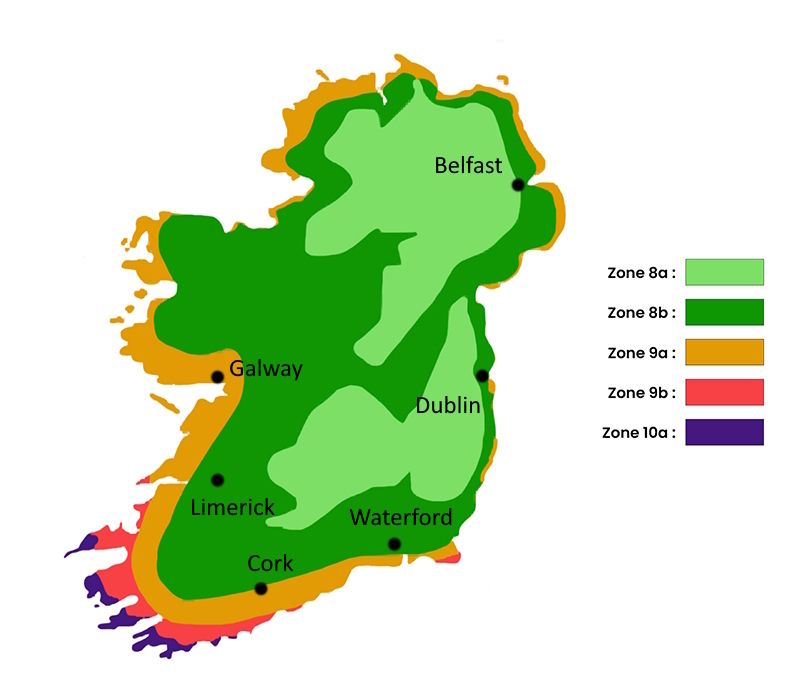
The planting period indicated on our website applies to regions in USDA Zone 9a (East Coast and Midlands: Dublin, Wexford, Waterford, Kilkenny, Portlaoise). It will vary depending on where you live:
- On the west coast and in the north-west (Galway, Limerick, Sligo, Donegal, Westport), delay planting by 1 to 2 weeks in spring and bring it forward by 1 to 2 weeks in autumn compared to the dates given, preferably choosing periods without strong winds.
- In the inland hills and plateaus (Wicklow Mountains, Macgillycuddy’s Reeks, Connemara, Killarney), it is best to plant in spring (April–May) or autumn (September–October), avoiding periods of waterlogged soil in winter and strong winds, which pose the main risk to newly planted trees in these areas.
The flowering period indicated on our website applies to regions in USDA Zone 9a, such as the East Coast and Midlands, including Dublin, Wexford, Waterford, Kilkenny and Portlaoise.
This will vary depending on where you live:
- On the west coast and in the northwest (Galway, Limerick, Sligo, Donegal and Westport), it will be delayed by one to two weeks compared to the given dates, due to stronger Atlantic winds and less spring sunshine.
- In the inland hills and plateaus (the Wicklow Mountains, the Macgillycuddy's Reeks, Connemara and Killarney), flowering will be delayed by two to three weeks. Flowering mainly occurs between May and July, with the limiting factors being less frost and more of the excessive humidity, strong winds and lack of sunshine that are characteristic of these areas.
Shipping country and language
Your country of residence may be:
Your country of residence is:
For a better user experience on our website, you can select:
Your shipping country:
-
 Austria
-
 Belgium
-
 Bosnia & Herzegovina
-
 Bulgaria
-
 Croatia
-
 Cyprus
-
 Czechia
-
 Denmark
-
 Estonia
-
 Finland
-
 France
-
 Germany
-
 Greece
-
 Hungary
-
 Iceland
-
 Ireland
-
 Italy
Italy
-
 Latvia
-
 Liechtenstein
-
 Lithuania
-
 Luxembourg
-
 Malta
Malta
-
 Netherlands
-
 Poland
-
 Portugal
-
 Romania
-
 Serbia
-
 Slovakia
-
 Slovenia
-
 Spain
Spain
-
 Sweden
-
 Switzerland
Language:
-
French
-
 English
-
Spanish
-
Italian
-
German
-
Portuguese
-
Dutch
-
Finnish
My Account
Hello
My wish lists
My cart
Log in / Register
Existing customer?
This form is protected by reCAPTCHA - the Google Privacy Policy and Terms of Service apply.
New customer?
Create an account to track your orders, access our customer service and, if you wish, make the most of our upcoming offers.